

Alpenblick
Creative · Wilderswil
Restaurant in Wilderswil, Switzerland
 Book with Pearl
The Read
Garden-to-Table Alpine Inn
Price
€€€€
Dress
Smart Casual
Why go
A Michelin-starred inn in Wilderswil where Richard and Yvonne Stöckli have spent over 40 years refining seasonal, regionally rooted cooking. The four-to-seven course menu draws on their own garden and the Alp Nessleren, with house-made cheese as a recurring point of difference. Book six to eight weeks ahead in summer; the garden terrace under the old plane tree is the seat to request.
About Alpenblick
Verdict
Book Alpenblick if you want a Michelin-starred meal that feels nothing like a formal tasting restaurant. Richard and Yvonne Stöckli have run this 400-year-old inn in Wilderswil for over 40 years, and the result is a four-to-seven course seasonal menu built on produce from their own garden and the nearby Alp Nessleren — including cheese Richard makes himself. At €€€€ pricing, you are paying for cooking that earns its star through precision and restraint rather than theatre. This is one of the few places in the Swiss Bernese Oberland where Michelin recognition and genuine farmhouse character coexist. If that combination matters to you, it is worth the trip from Interlaken or even further afield.
About Alpenblick
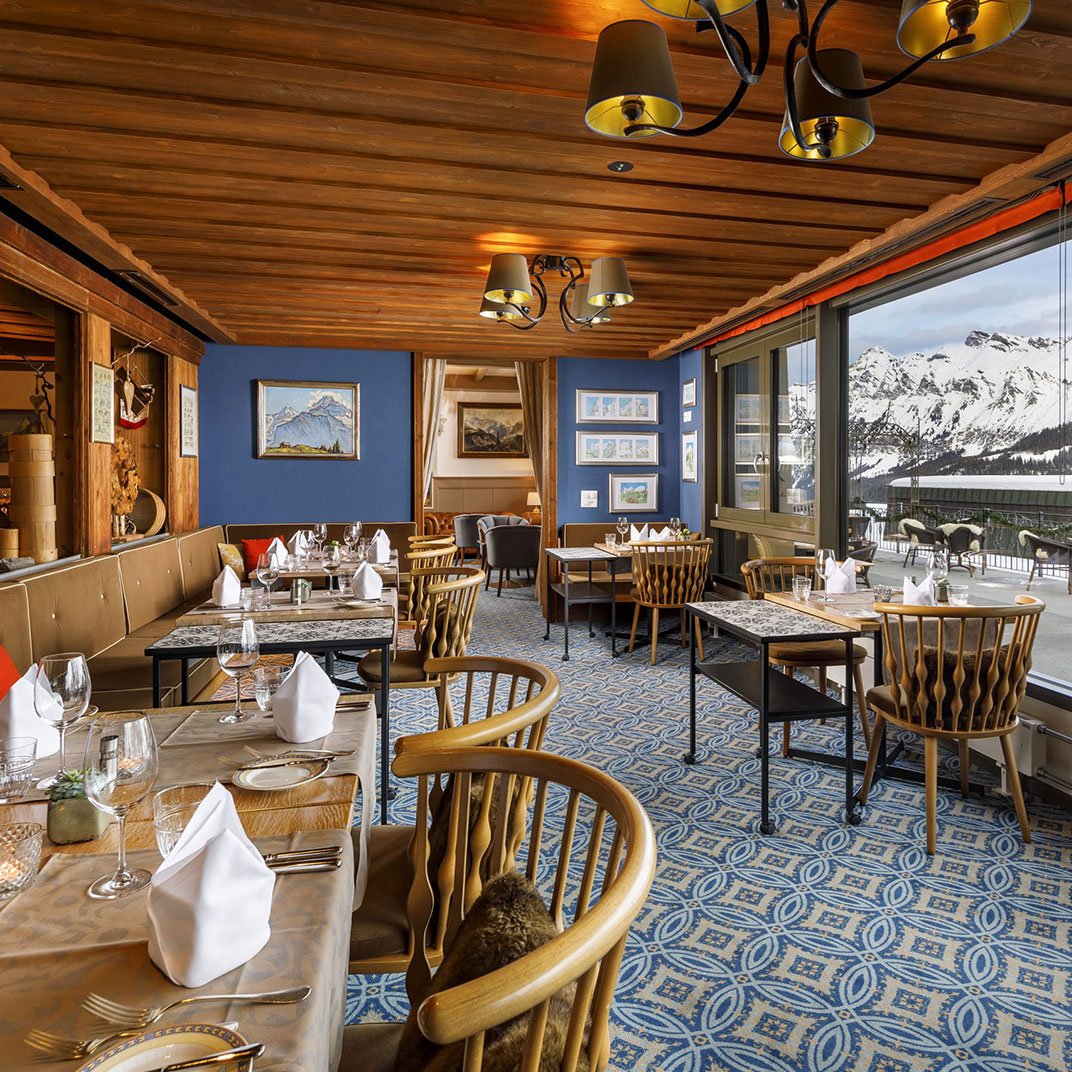
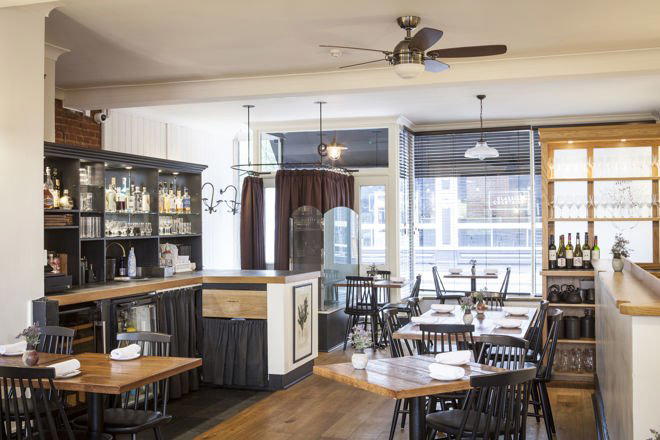
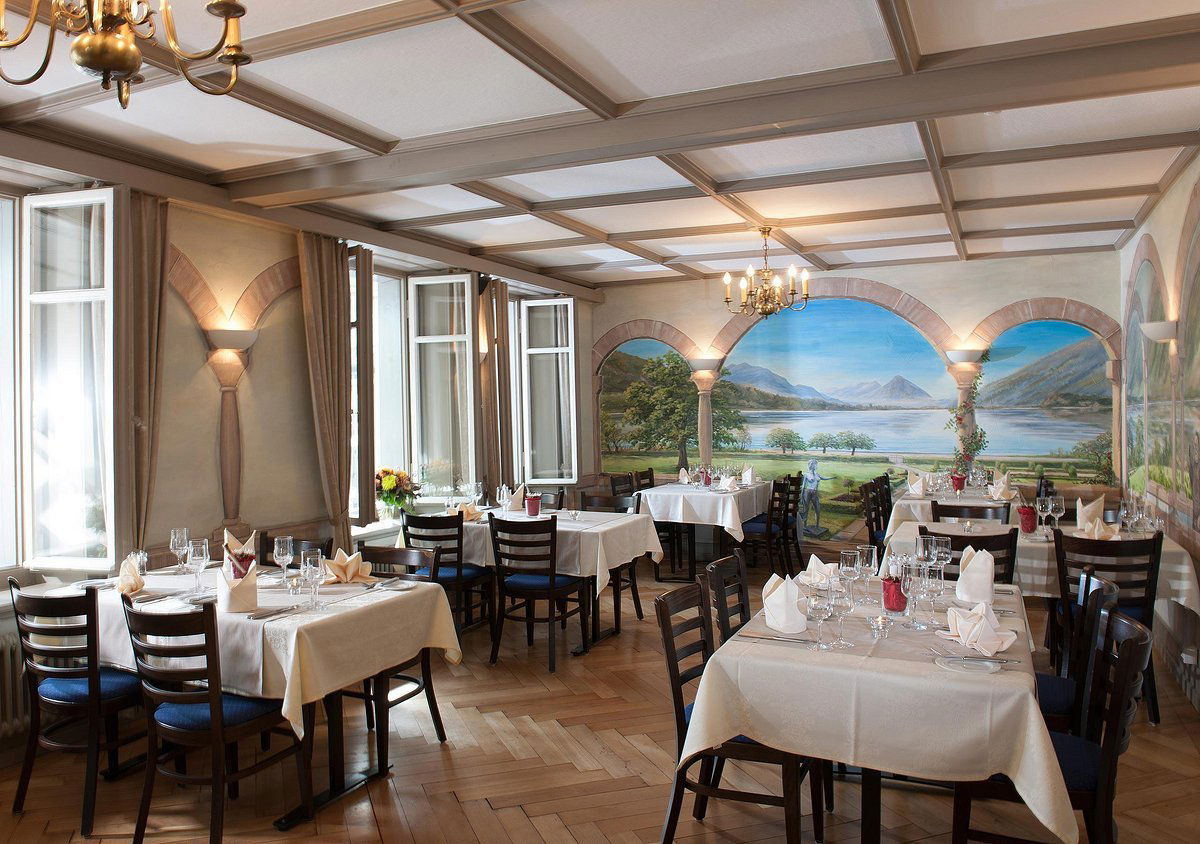
Alpenblick sits at Oberdorfstrasse 3 in the village of Wilderswil, a short distance from Interlaken. The physical setting reinforces everything the cooking stands for: a rustic-style bistro, a garden terrace with a large old plane tree providing shade over the leading outdoor seats, and guestrooms that make an overnight stay a practical option for diners travelling from further away. This is not a purpose-built fine dining venue — it is a working inn that happens to have held a Michelin star, and that distinction shapes how the whole experience feels.
The front-of-house is run by Yvonne Stöckli, whose service is described in Michelin notes as both cordial and competent, and crucially, she manages the wine service herself, drawing on what is noted to be a strong and well-selected cellar. For a food and wine enthusiast, that matters: you are not handing your evening to a sommelier you have never met, but to someone with 40-plus years of knowledge of this specific cellar and these specific dishes. Wine pairing here is a conversation, not a transaction.
Richard Stöckli's cooking is modern and seasonal, with a menu that moves between four and seven courses depending on the time of year and what is available. The allegiance to the region is deliberate and consistent: ingredients from the Stöcklis' own garden and the Alp Nessleren supply the kitchen, and the house-made cheese is a recurring point of distinction. This is not a kitchen importing luxury produce to signal ambition, it is one working within a defined geography and making that constraint the point. For diners who care about provenance and want to understand where food actually comes from, that approach will resonate. For those seeking a parade of international luxury ingredients, it may not.
When to Visit
Timing your visit well at Alpenblick is more consequential than at most Michelin restaurants, because the menu changes with the seasons and the sourcing is hyperlocal. Summer is the most rewarding time to visit: the garden terrace is open, the Alp Nessleren produce is at its peak, and the outdoor setting under the plane tree adds genuine character to the meal. The leading seats on the terrace go quickly, so a summer booking needs to be made well in advance, see booking guidance below.
Spring and autumn each bring their own logic. Spring means the kitchen is working with early-season garden produce, lighter preparations, and the first cheeses of the year. Autumn shifts toward richer, more concentrated flavours as the mountain season closes and stored and preserved ingredients begin to feature. Winter visitors should expect the menu to lean harder on the kitchen's preserving and fermenting work, with the cosy interior of the bistro replacing the terrace as the focal point. Each season at Alpenblick is genuinely different, this is not a venue where the menu stays static and the seasons are decorative.
For day-of-week timing: mid-week bookings are slightly easier to secure and the room is quieter. Weekend evenings are the most in-demand and require the most lead time.
Ratings & Recognition
- Michelin Star: 1 Star (2024), sustained over a long tenure, which signals consistency rather than a recent breakthrough
- Price tier: €€€€
How to Book
Booking is hard. Alpenblick is a small inn with limited covers, and Michelin recognition at the €€€€ tier in a tourist-heavy area like the Bernese Oberland means demand significantly exceeds supply, particularly in summer. Plan on booking at least six to eight weeks ahead for a summer terrace table, and four to six weeks ahead for an indoor seat in other seasons. Mid-week evenings give you a marginally better chance of securing a reservation on shorter notice, but do not rely on it. No booking method is listed in current data, check directly via search for the current reservation channel, or visit in person if you are already in Wilderswil.
Know Before You Go
- Address: Oberdorfstrasse 3, 3812 Wilderswil, Switzerland
- Price tier: €€€€
- Cuisine: Creative / Modern Seasonal
- Menu format: Four to seven courses (seasonal)
- Awards: Michelin 1 Star (2024)
- Garden terrace: Available; leading seats under the old plane tree
- Guestrooms: Available for overnight stays
- Booking difficulty: Hard, book 6–8 weeks ahead for summer; 4–6 weeks for other seasons
- Ideal time to visit: Summer for terrace and peak garden produce; autumn for richer seasonal menus
- Wine service: Managed by Yvonne Stöckli, ask for her recommendations
Pearl Picks, More Great Restaurants in Switzerland
If you are building a broader trip around serious Swiss cooking, these are worth considering alongside Alpenblick:
- Hotel de Ville Crissier in Crissier, among Switzerland's most decorated kitchens
- Schloss Schauenstein in Fürstenau, Andreas Caminada's flagship, set in a castle in Graubünden
- Cheval Blanc by Peter Knogl in Basel, three Michelin stars in an urban hotel setting
- Memories in Bad Ragaz, modern Swiss at the top of the price tier
- Maison Wenger in Le Noirmont, Jura region, strong regional identity
- The Restaurant in Zurich
- Einstein Gourmet in Sankt Gallen
- Da Vittorio - St. Moritz in St. Moritz
- Colonnade in Lucerne
- Mammertsberg in Freidorf
For more dining, hotel, bar, and experience options in the area, see our full guides: Wilderswil restaurants, Wilderswil hotels, Wilderswil bars, Wilderswil wineries, and Wilderswil experiences.
For context on how hyperlocal, garden-driven creativity at the Michelin level compares internationally, see Arpège in Paris and Quique Dacosta in Dénia, two reference points for produce-led fine dining at different price levels and formats.
Alpenblick also operates a bistro under the same roof: see the Alpenblick Swiss Bistro page for the more casual option if the tasting menu format is not what you are after.
Planning details
- Location
- Oberdorfstrasse 3, 3812 Wilderswil, Switzerland
- Website
- hotel-alpenblick.ch/gastronomie-gault-millau
- Phone
- +41 33 828 35 50
The take
The Take
The Vibe
Alpenblick presents itself as a small, historically rooted village inn that foregrounds quiet domestic scale and serious cooking. The building reads like a four‑century country house; inside, the family-run operation keeps the atmosphere intimate and unpretentious. The editorial thrust is provenance: produce from the Stöcklis' garden, deliveries from the high pasture at Alp Nessleren and cheese made in-house by the chef anchor every plate. The result is a restrained, charming dining room where the setting feels as important as the food, and the culinary focus elevates the inn’s long-standing, authentic character.
Best For
This is a place for diners who want Michelin-starred technique without the trappings of a resort destination. Alpenblick suits quiet, focused evening meals—particularly dinner and modest special evenings—where the emphasis is on ingredient-driven cooking and a domestic, family-run service style. Located a short train ride from Interlaken, it appeals to visitors who prefer authentic village dining and local provenance over polished, high‑traffic tourist restaurants. The small scale and historic setting make it particularly well suited to couples seeking an intimate night out or food-minded travelers passing through the Bernese Oberland.
Ordering Tips
Menus at Alpenblick revolve around short supply chains and house-made ingredients, so ask the server about the day’s sources. Look for dishes that highlight produce from the Stöcklis' garden and ingredients from Alp Nessleren, and be sure to inquire about the chef’s in-house cheeses, which are called out in the kitchen narrative. Because provenance is central, staff can point you to plates that best showcase the restaurant’s direct supply lines; ordering with that intention gives the clearest sense of what distinguishes Alpenblick from other Alpine dining rooms.
Venue details
Ambiance
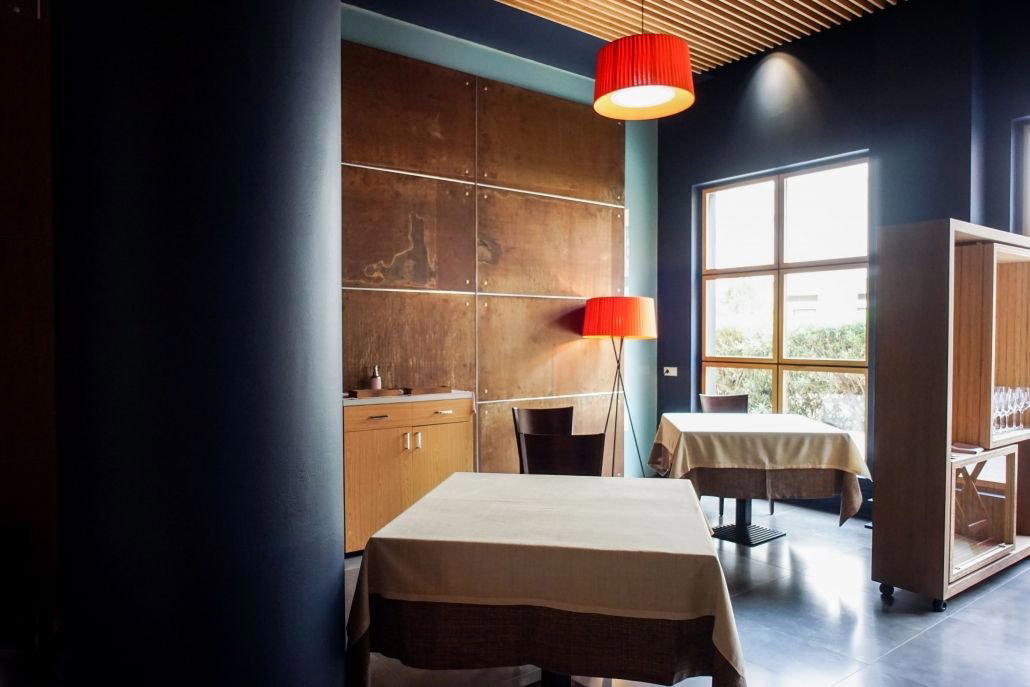
Cozy traditional alpine chalet atmosphere with warm, intimate lighting and a harmonious, peaceful setting.
Tags
Vibe
Best For
Experience
Sourcing
View
At the Table
- Dress Code
- Smart Casual
- Noise Level
- Quiet
- Service Style
- Formal
- Meal Pacing
- Leisurely
- Capacity
- Small
Know before you go
Know Before You Go
- Getting there
- Oberdorfstrasse 3, 3812 Wilderswil, Switzerland
Planning details
Location
Oberdorfstrasse 3, 3812 Wilderswil, Switzerland · Directions
Recognition and awards

Also consider
Also Consider
- Schloss Schauenstein, Modern European, Creative, €€€€
- Memories, Modern Swiss, €€€€
- roots, Flemish, Vegetarian, Modern Cuisine, €€€€
- IGNIV Zürich by Andreas Caminada, Sharing, €€€€
- focus ATELIER, Modern Swiss, Creative, €€€€
Restaurant context
How Alpenblick Compares
Alpenblick operates in a different register from most of its Swiss €€€€ peers. Schloss Schauenstein and Memories are larger, more formally structured operations with higher public profiles and, correspondingly, more competitive booking situations. If you want the full architectural grandeur of a Swiss castle or the polished service depth of a luxury spa resort, those are stronger choices. Alpenblick trades those qualities for something rarer: genuine continuity of ownership, hyperlocal sourcing, and a meal that feels like it belongs to a specific place rather than a broader fine-dining format.
IGNIV Zürich by Andreas Caminada is the better pick if you are in Zurich and want a sharing-format experience with strong production values and a brand-name kitchen behind it. focus ATELIER and roots both sit at €€€€ with more urban settings and distinct format identities, roots in particular is the right call if vegetable-forward or vegetarian cooking is a priority. None of these offer Alpenblick's combination of inn character, garden terrace, and 40-year owner-operator continuity.
The practical decision comes down to context. If you are already in the Bernese Oberland and want the best serious dinner within reach, Alpenblick is the clear answer at this price tier. If you are building a dedicated dining trip around Switzerland's top tables and need to choose between Alpenblick and a destination like Schloss Schauenstein, the latter carries more prestige and a broader track record of international recognition, but Alpenblick will feel more personal and, for the right diner, more rewarding.
Explore Wilderswil
Around this place
Discover more on Pearl
Unlock the full Alpenblick guide in Pearl, including awards, comparisons, FAQs, planning details, and nearby places.
Compare Alpenblick
| Venue | Price | Awards |
|---|---|---|
| Alpenblick | €€€€ | 2026 Falstaff Restaurant Guide2025 Michelin 1 Star2024 Michelin 1 Star |
| Schloss Schauenstein | €€€€ | 2026 OAD Top Restaurants in Europe Ranked · #52026 Les Grandes Tables du Monde Members2026 La Liste Top Restaurants2026 Falstaff Restaurant Guide2025 OAD Top Restaurants in Europe Ranked · #52025 World's 50 Best Restaurants · #52We're Smart World Top Restaurants 20252025 Michelin 3 Stars2025 La Liste Top Restaurants |
| Memories | €€€€ | Star Wine Lists 2026 · #12026 OAD Top Restaurants in Europe Ranked · #352026 La Liste Top Restaurants2026 Falstaff Restaurant Guide2025 OAD Top Restaurants in Europe Ranked · #282025 The Best Chef Two Knives2025 La Liste Top Restaurants2025 Michelin 3 Stars2024 OAD Top Restaurants in Europe Ranked · #12 |
| roots | €€€€ | 2026 La Liste Top RestaurantsWe're Smart World Top Restaurants 20252025 La Liste Top Restaurants2025 Michelin 2 Stars2024 Michelin 2 Stars |
| IGNIV Zürich by Andreas Caminada | €€€€ | Star Wine Lists 20262026 Falstaff Restaurant Guide2026 OAD Top Restaurants in Europe Highly Recommended2026 La Liste Top Restaurants2025 OAD Top Restaurants in Europe Ranked · #1612025 Michelin 2 Stars2025 La Liste Top Restaurants2025 The Best Chef One Knife2024 OAD Top Restaurants in Europe Ranked · #126 |
| focus ATELIER | €€€€ | Star Wine Lists 2026 · #12026 Wine Spectator Best of Award of Excellence2026 OAD Top Restaurants in Europe Highly Recommended2026 Les Grandes Tables du Monde Members2026 La Liste Top Restaurants2026 Falstaff Restaurant Guide2025 OAD Top Restaurants in Europe Ranked · #1502025 Wine Spectator Best of Award of Excellence2025 The Best Chef Two Knives |











Key differences to consider before you reserve.
FAQ
Frequently Asked Questions
Is the tasting menu worth it at Alpenblick?
Yes, for the format. Richard Stöckli's four-to-seven course seasonal menu is rooted in regional sourcing, including produce from their own garden and Alp Nessleren, plus house-made cheese — that level of vertical integration is rare at this price tier. If you want a short, sharply focused menu over a long parade of courses, Alpenblick is a better fit than Memories or Schloss Schauenstein, which run more elaborate formats.
How far ahead should I book Alpenblick?
Book at least four to six weeks out, especially for summer and autumn when Interlaken-area tourism peaks. Alpenblick is a small inn with limited covers, and Michelin recognition at the €€€€ tier means demand consistently outpaces seats. Waiting until two weeks out is a gamble; waiting until arrival in Wilderswil is not a strategy.
What should I wear to Alpenblick?
The setting is a 400-year-old rustic inn, not a formal dining room, so strict black-tie expectations do not apply. That said, the €€€€ price point and Michelin star signal that guests dress with care — think neat, put-together rather than resort casual. Avoid arriving in hiking gear straight from the trail, even though Wilderswil is a gateway to the Bernese Oberland.
Is Alpenblick good for solo dining?
Solo diners are better served at the counter or garden terrace than at a table set for two. The inn atmosphere, with Yvonne Stöckli personally heading service, tends to feel more personal than anonymous — which is a plus for solo travellers who want attentive hospitality rather than a transactional meal. Reserve ahead and note your solo status when booking.
Is Alpenblick good for a special occasion?
Yes, particularly if the occasion calls for warmth over grandeur. The combination of a Michelin-starred kitchen, a garden terrace beneath an old plane tree, and over 40 years of family ownership creates a setting that reads as personal rather than performative. For celebrations where formal pomp matters more than character, Schloss Schauenstein or Memories offer a higher-ceremony environment.
Is Alpenblick worth the price?
At €€€€ with a 2024 Michelin star, Alpenblick is priced in line with its recognition, but the value case rests on whether you connect with the format: a family-run inn with seasonal, regionally sourced cooking rather than a high-production tasting experience. If you are paying €€€€ expecting theatrical plating and a large team, look at focus ATELIER or IGNIV Zürich instead. If you want craft and authenticity for the price, Alpenblick holds up.