Bully Spanish Steakhouse
Dupont Circle, Washington DC
Restaurant in Washington DC, United States
 Book with Pearl
The Read
Price
$100–150per person
Dress
Smart Casual
Why go
Bully Spanish Steakhouse is a practical pick when the group wants grilled meats and seafood in central Washington, D.C. without committing to a formal tasting-menu night. It is better for casual steakhouse energy than quiet fine dining, and it works especially well as an easy-to-book alternative near Dupont Circle and the West End.
About Bully Spanish Steakhouse
Bully Spanish Steakhouse is a Washington, D.C. Spanish steakhouse built around grilled meats and seafood. Consider it when the group wants that specific lane, with smart-casual dress and hours that include daytime and evening service.
Grilled Spanish cooking without the formal-dinner pressure
Bully Spanish Steakhouse makes the clearest case for diners who want steakhouse comfort with a Spanish angle. The culinary focus is grilled meats and seafood, which gives the restaurant a more specific identity than a generic dinner fallback.
The safest first-visit strategy is to stay close to the core description: grilled meats and seafood. The restaurant does not feature a signature dish, named chef menu, award, price tier, beverage program, or tasting-menu format.
Who should book it, and who should choose somewhere else
This is a good fit for diners who want a clear culinary lane without needing a long narrative around the kitchen. Steakhouse cooking gives diners an anchor, while the seafood side gives the table another direction within the same Spanish frame.
Skip it if the decision hinges on awards, a published chef profile, a specific cocktail or wine program, or a signature dish. In that case, compare it with other Washington, D.C. dining options such as Rasika West End, Firefly, Mercy Me, PLANTA Queen, or Umai Nori based on the kind of meal your group wants. If the night is about grilled meats and seafood with a Spanish frame, Bully Spanish Steakhouse is the more direct match.
Practical read before committing
Reservations: Check current availability directly before planning around a specific time. Dress: Smart casual. Budget: No specific price tier is available. Hours: Bully Spanish Steakhouse offers daytime service from 7 AM to 2 PM daily, plus evening service from 4 to 9 PM on Monday and Sunday and from 4 to 11 PM Tuesday through Saturday. Area fit: Use the Washington, D.C. restaurant guide if the group is still choosing among dining options in Washington, D.C.
Planning details
- Location
- 2033 M St NW, Washington, DC 20036
- Reservations
- Book on Resy
- Website
- bullywdc.com
- Phone
- (202) 530-3608
The take
The Take
The Vibe
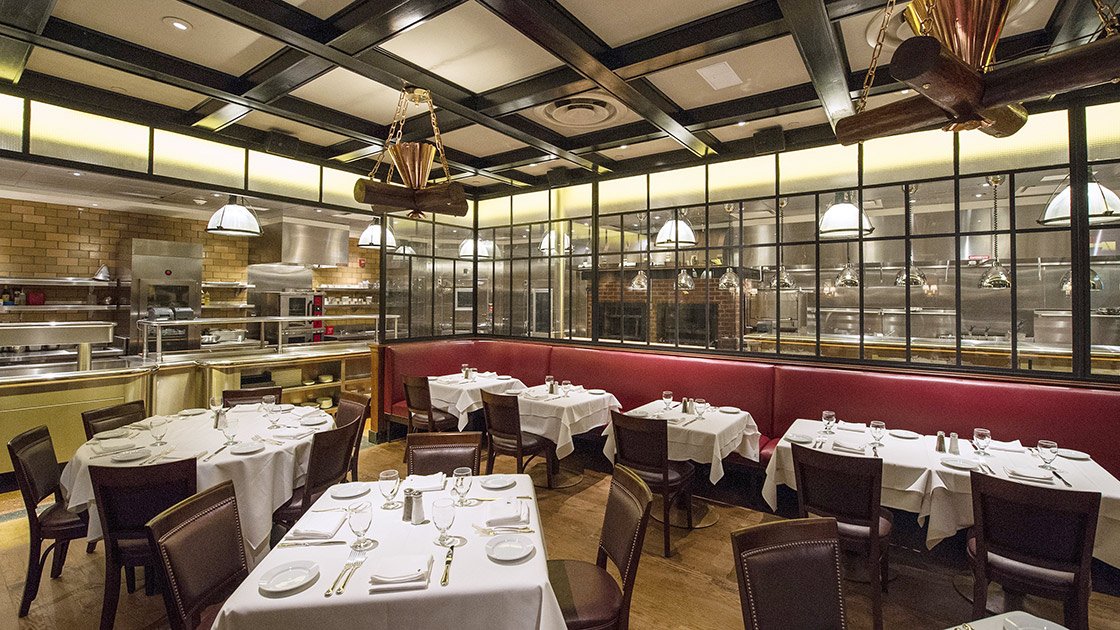
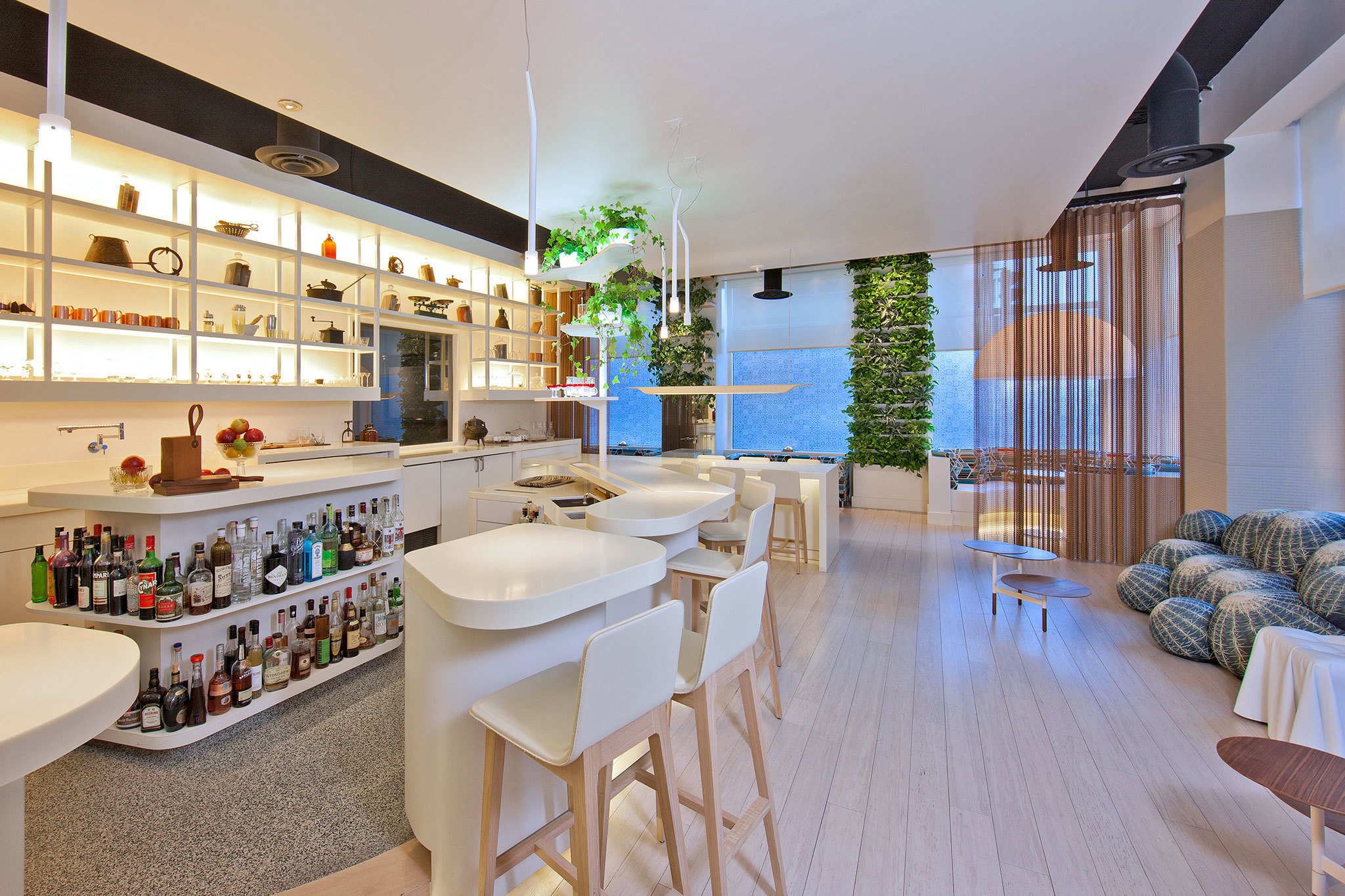
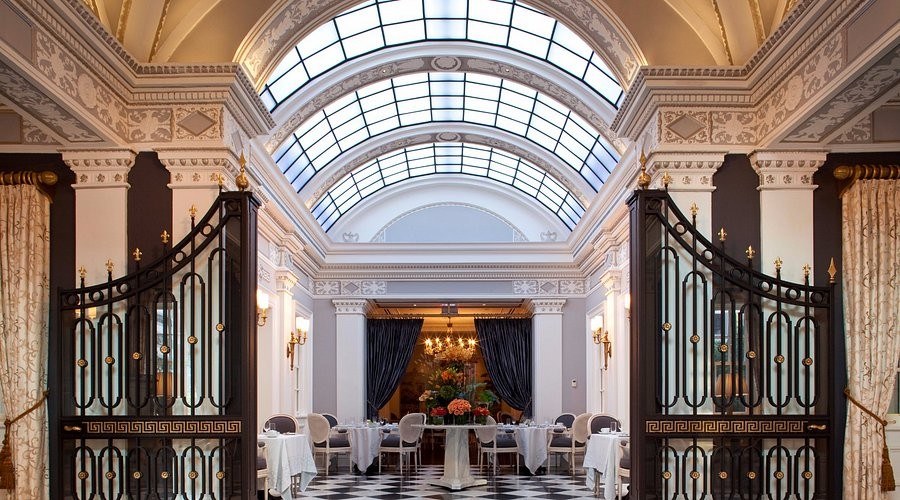
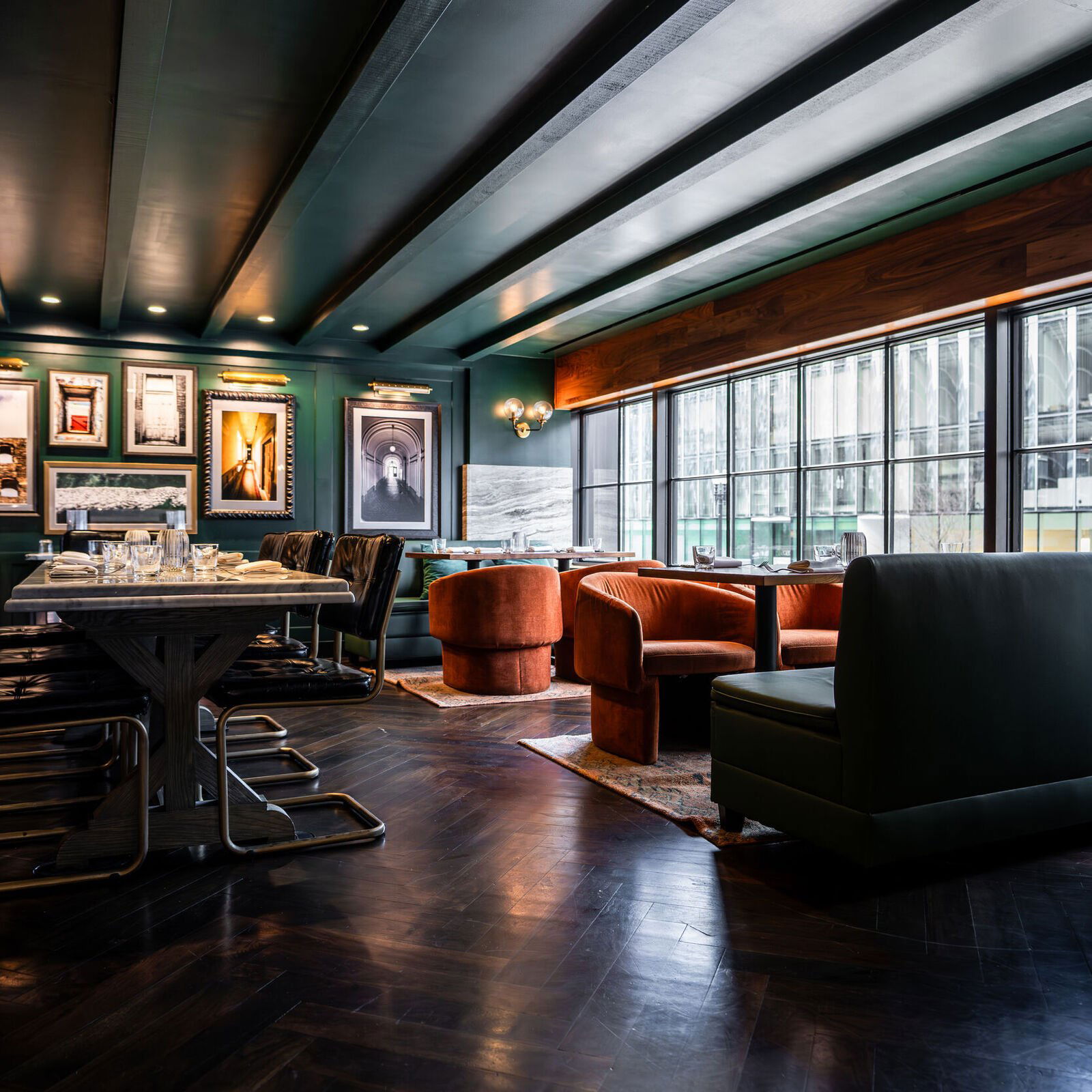
Bully Spanish Steakhouse leans on the asador tradition to shape a room where the grill is the organizing element. The edit favors older, Iberian-rooted animal genetics and minimal seasoning so that char and provenance shine through, giving the place a rustic yet sophisticated character. Rather than the overtly plush, marbled-American chophouse template, Bully emphasizes elemental fire and focused technique. That approach produces an atmosphere that feels purposeful and grown-up, rooted in Basque and Castilian grilling practices, so the dining experience reads as considered and meat-centric rather than froufrou or overly theatrical.
Best For
This is a destination for evening dining, particularly suited to business dinners, date nights, and special occasions where beef provenance and grilling craft matter. The menu’s orientation around asador cuts and Iberian thinking rewards diners who care about how animals are sourced and cooked, and groups that come for a serious steak-centric meal will find a room calibrated to that purpose. Because the restaurant positions itself alongside power-dining institutions yet with a distinctive Spanish logic, it works well when you want a deliberate, high-quality steakhouse experience rather than a casual night out.
Ordering Tips
Let the grill and the meat do the talking: favor simply seasoned, char-forward preparations and ask servers about the provenance and aging of particular cuts. The menu highlights Spanish approaches, older cattle and asador cookery, that produce different flavor profiles from American marbling, so inquire which cuts showcase that direction. Signature items to consider are the T-bone and the Iberico ribs; both accentuate the house’s focus on grilled texture and depth of flavor. If you’re with others, plan to share plates or different cuts to compare those distinctive Spanish-derived profiles.
Venue details
Ambiance
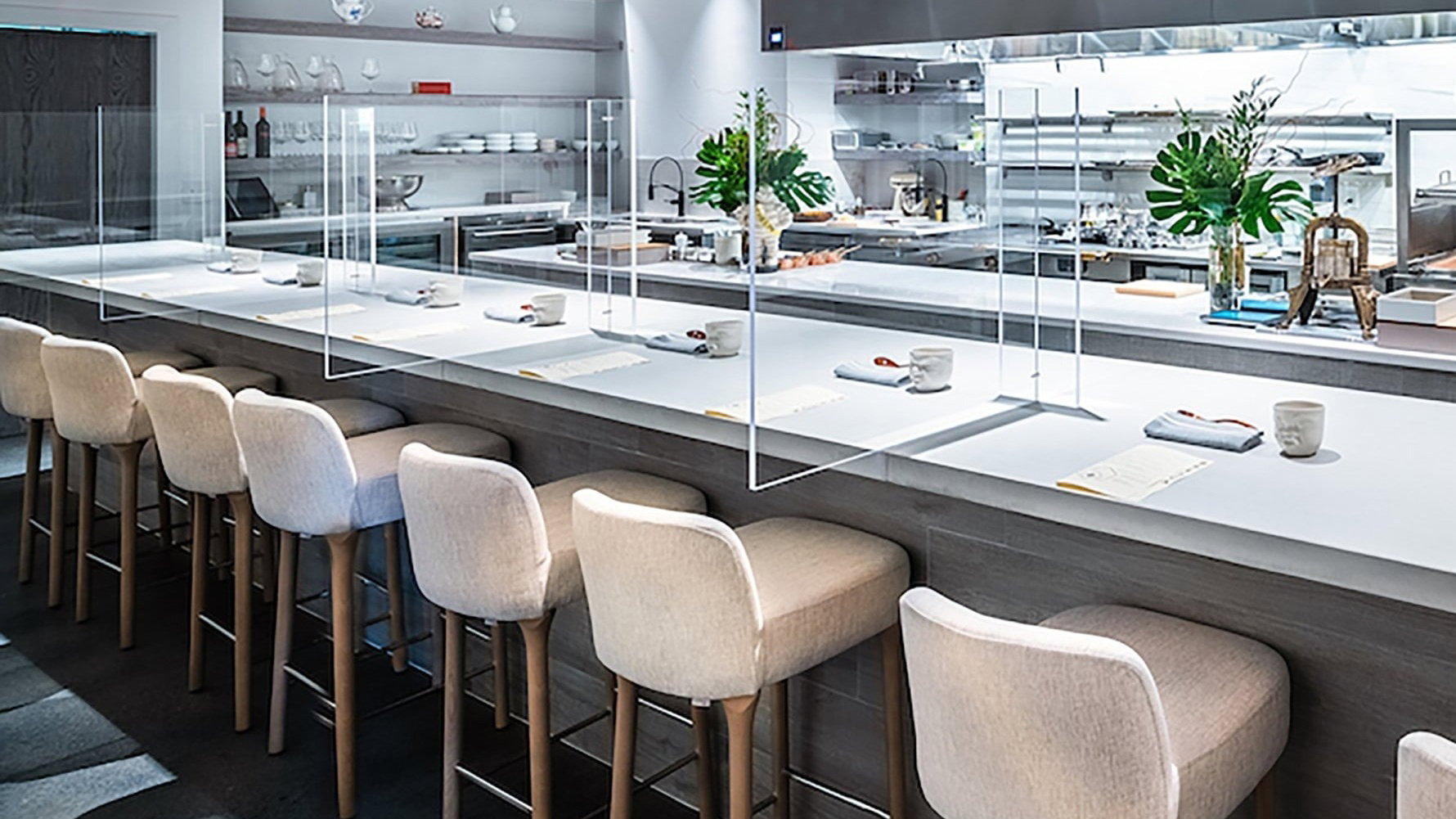
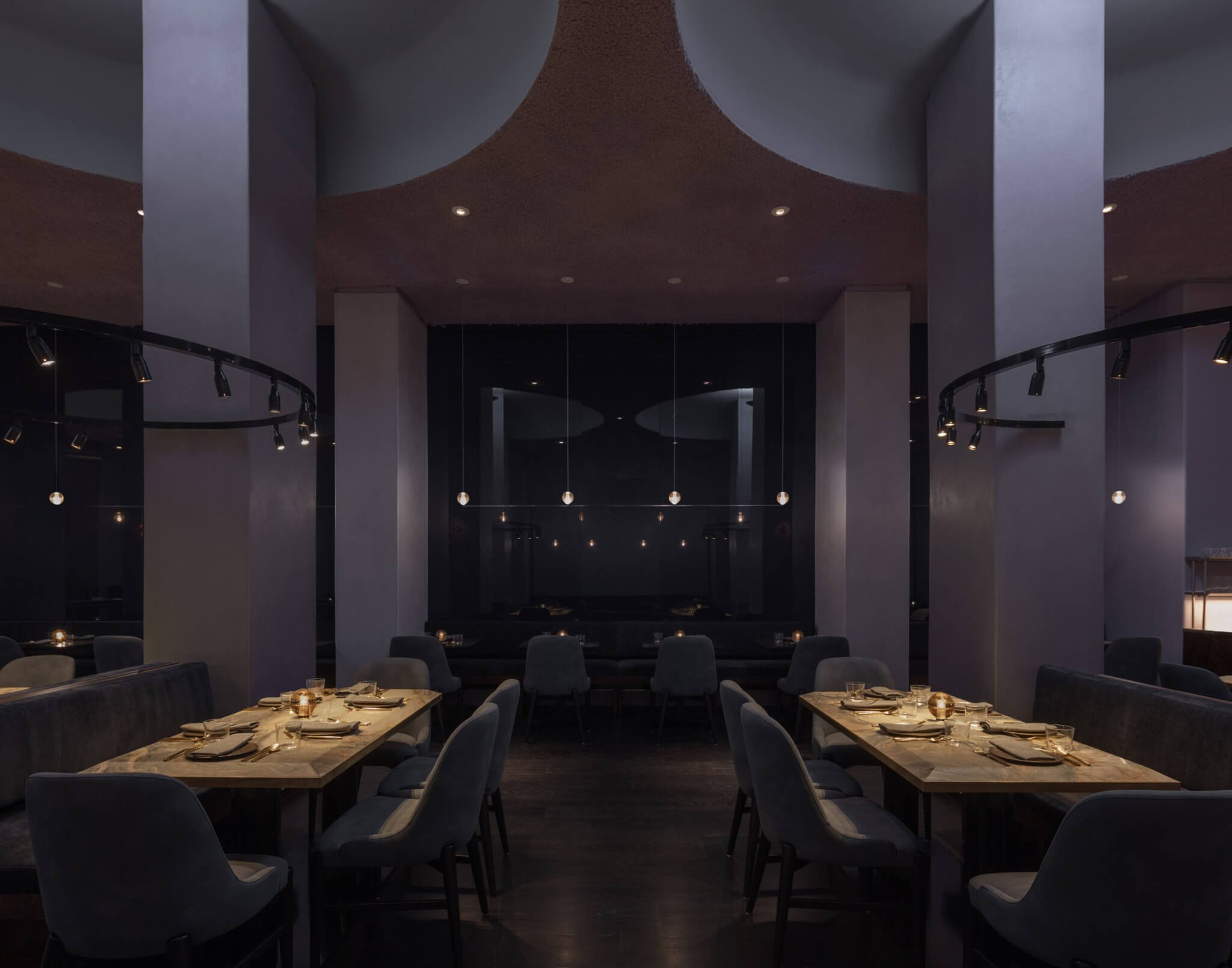
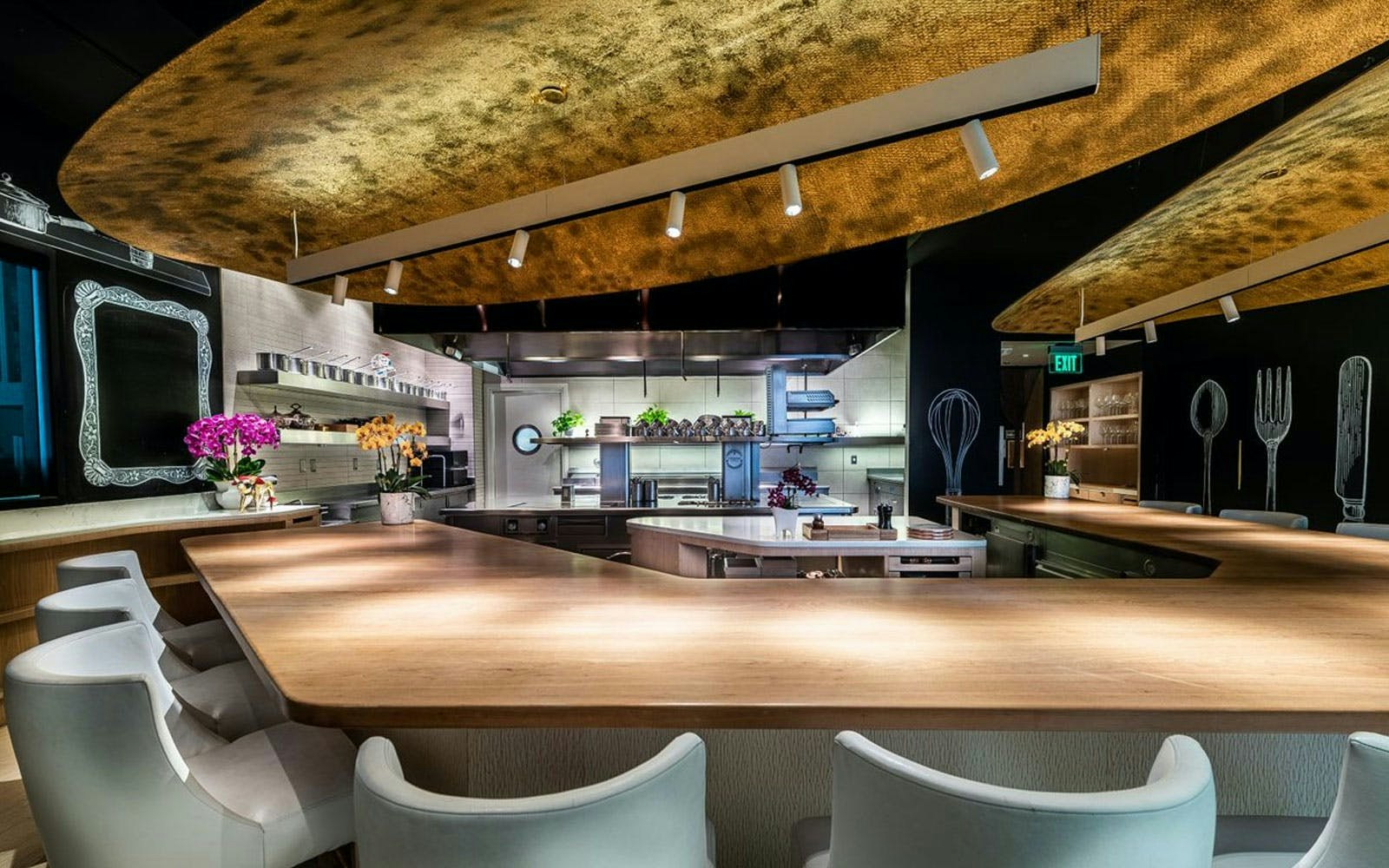
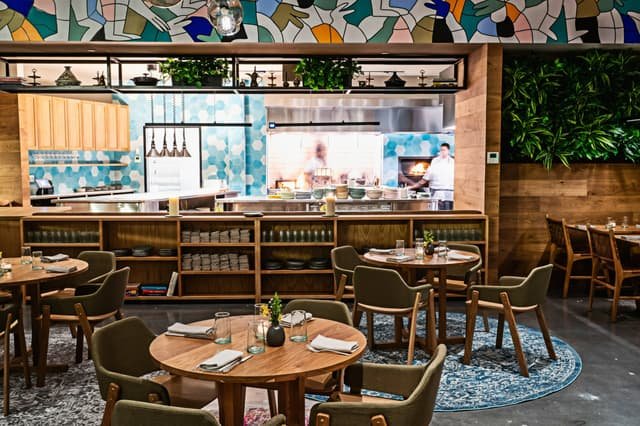
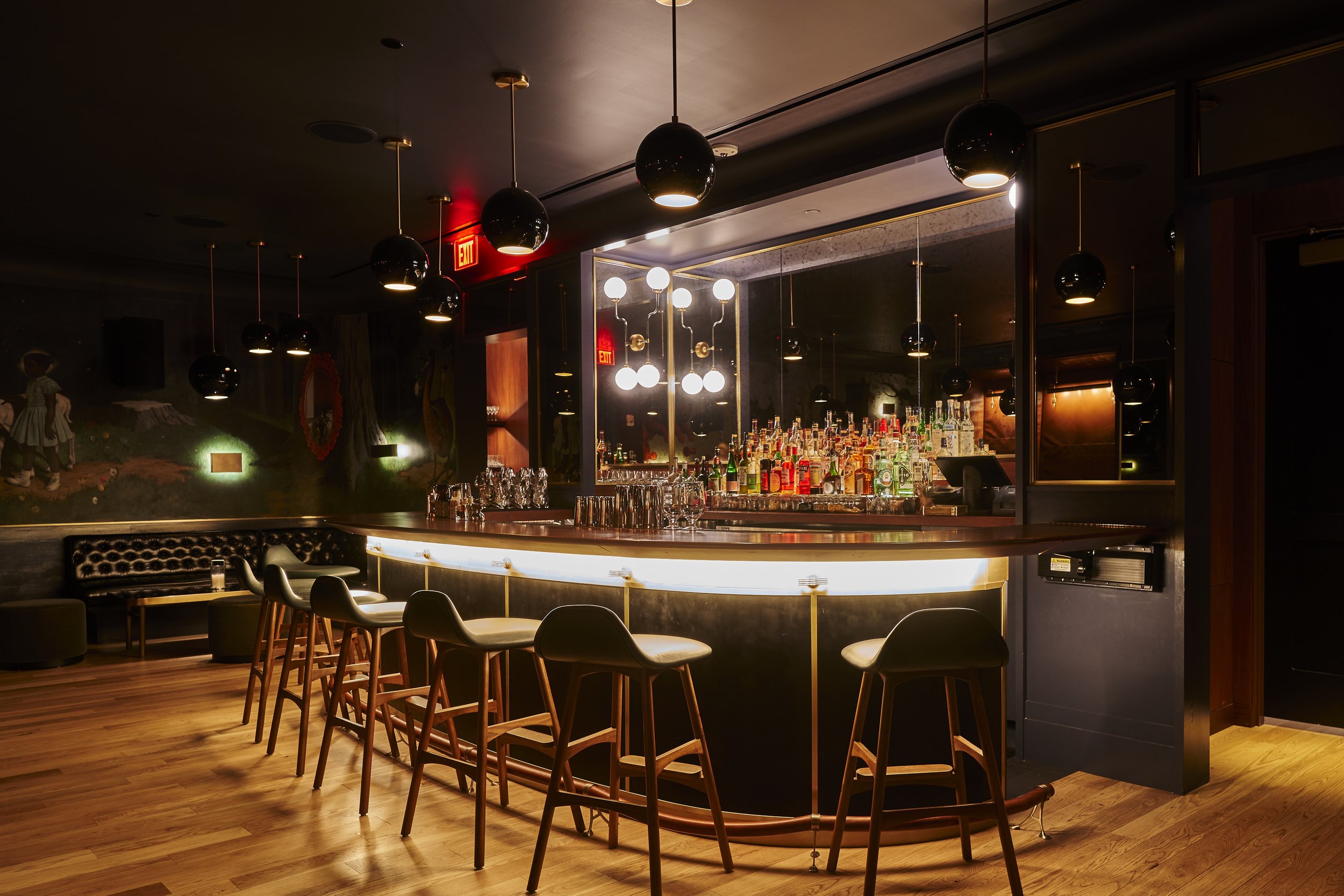
Warm hospitality in a cozy yet alive room with confident cooking that feels perfect for sharing and intentional dining.
Tags
Vibe
Best For
Experience
At the Table
- Dress Code
- Smart Casual
- Noise Level
- Lively
- Service Style
- Upscale Casual
- Meal Pacing
- Leisurely
- Capacity
- Large
- Kitchen
- Fusion
- Menu Format
- A la carte
- Private Dining
- Available
Signature Dishes
- T-bone steak
- Iberico ribs
Know before you go
Know Before You Go
- Getting there
- 2033 M St NW, Washington, DC 20036
Planning details
Location
Also consider
Also Consider
- Mercy Me, Notable alternative
- Umai Nori, Notable alternative
- Rasika West End, Notable alternative
- PLANTA Queen, Notable alternative
- Firefly, Notable alternative
Restaurant context
How it compares in Washington, D.C.
Rasika West End is the stronger choice when the meal needs more polish and a more established reputation in the West End. Bully Spanish Steakhouse is easier to treat as a casual grilled-meat dinner: less of a destination play, more useful when the group wants steak, seafood, and fewer booking hurdles.
Mercy Me and Firefly are better cross-shops for diners prioritizing atmosphere and a broader all-purpose meal. Choose Bully Spanish Steakhouse when the deciding factor is the Spanish steakhouse lane; choose Firefly when the group needs a safer American-restaurant spread, and Mercy Me when the night is more about the room and social energy.
Umai Nori and PLANTA Queen serve different missions. Umai Nori makes more sense for a tighter sushi-focused plan, while PLANTA Queen is the better call for plant-based or pan-Asian-leaning groups. Bully Spanish Steakhouse is the easier recommendation for diners who want grilled protein at the center of the table and a booking that should not require heavy planning.
Explore Washington DC
Around this place
Discover more on Pearl
Unlock the full Bully Spanish Steakhouse guide in Pearl, including awards, comparisons, FAQs, planning details, and nearby places.
Compare Bully Spanish Steakhouse
| Venue | Location | Cuisine | Awards |
|---|---|---|---|
| Bully Spanish Steakhouse | Washington, D.C. | Spanish steakhouse / grilled meats and seafood | No published awards |
| Mercy Me | Washington, D.C. | , | No published awards |
| Umai Nori | Washington, D.C. | , | No published awards |
| Rasika West End | Washington, D.C. | , | No published awards |
| PLANTA Queen | Washington, D.C. | , | No published awards |
| Firefly | Washington, D.C. | , | No published awards |
How Bully Spanish Steakhouse compares with similar nearby venues.
FAQ
Frequently Asked Questions
How far ahead should I book Bully Spanish Steakhouse?
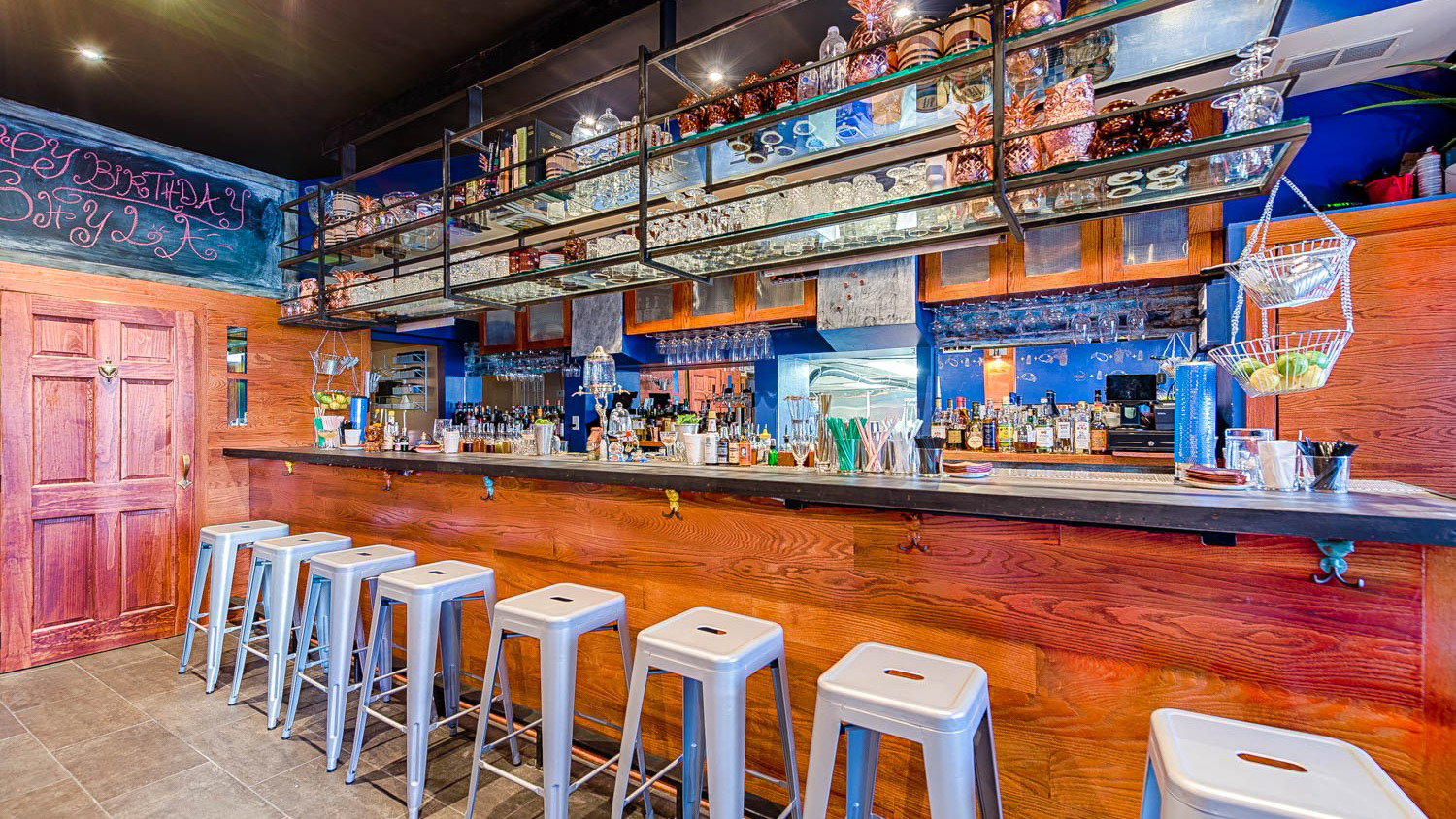
Can I eat at the bar at Bully Spanish Steakhouse?
Bar seating is not noted. Bully Spanish Steakhouse is a Washington, D.C. Spanish steakhouse focused on grilled meats and seafood, with smart-casual dress.
What should I order at Bully Spanish Steakhouse?
Start with the grilled meats or seafood, since that is the restaurant's culinary lane. If you are choosing among other Washington, D.C. options, compare the meal you want and check current menus for venues such as PLANTA Queen or Umai Nori.
What should a first-timer know about Bully Spanish Steakhouse?
Expect a Spanish steakhouse in Washington, D.C. focused on grilled meats and seafood. Hours include daytime service from 7 AM to 2 PM daily and evening service from 4 to 9 PM on Monday and Sunday and from 4 to 11 PM Tuesday through Saturday.