Gregoria Cocina
Vitacura
Restaurant in Vitacura, Chile
 Book with Pearl
The Read
Dress
Business Casual
Why go
Gregoria Cocina is a practical Vitacura option for a relaxed meal when convenience matters more than a documented chef, tasting menu, or awards profile. It is better suited to casual dates, family lunches, and flexible local plans than to a high-stakes celebration built around a specific cuisine or counter format.
About Gregoria Cocina
Gregoria Cocina is a Vitacura venue best considered when the priority is a simple meal in the area rather than a restaurant chosen for a published tasting format, named chef, specific cuisine, or awards. Practical details include its Vitacura location, business-casual dress code, and weekly hours: closed Monday; open Tuesday through Saturday from 10 AM to 8 PM; and open Sunday from 10 AM to 3:30 PM.
Use it for a direct Vitacura meal, not a destination counter experience
The strongest reason to keep Gregoria Cocina on a shortlist is convenience within Vitacura. It is better approached as a practical local option than as a destination built around a defined culinary hook.
Do not book this specifically for a chef's counter, bar-seat meal, tasting menu, or named specialty unless that setup is arranged directly with the venue. That is not a deal-breaker; it just changes the use case. For diners who need more clearly defined alternatives, other options to compare include Ambrosia, La Casa Vieja Vitacura, Latin Grill, Ocean Pacific's Esmeralda - Vitacura, and Raffaella.
How to decide before committing
Choose Gregoria Cocina when the group wants Vitacura convenience, business-casual dress, and hours that work from late morning through early evening Tuesday to Saturday, with a shorter Sunday schedule. Skip it when the occasion depends on a published tasting format, awards, a named chef, a specific cuisine identity, or detailed menu information. Nearby planning is easier if this sits inside a broader shortlist: use Our full Vitacura restaurants guide for restaurants, plus broader Vitacura guides if the meal is part of a full day in the area.
Planning details
- Location
- Av. Padre Hurtado Nte 1376, 7650191 Vitacura, Región Metropolitana, Chile
- Website
- pedir.gregoria.cl
- Phone
- +56232649007
The take
The Take
The Vibe
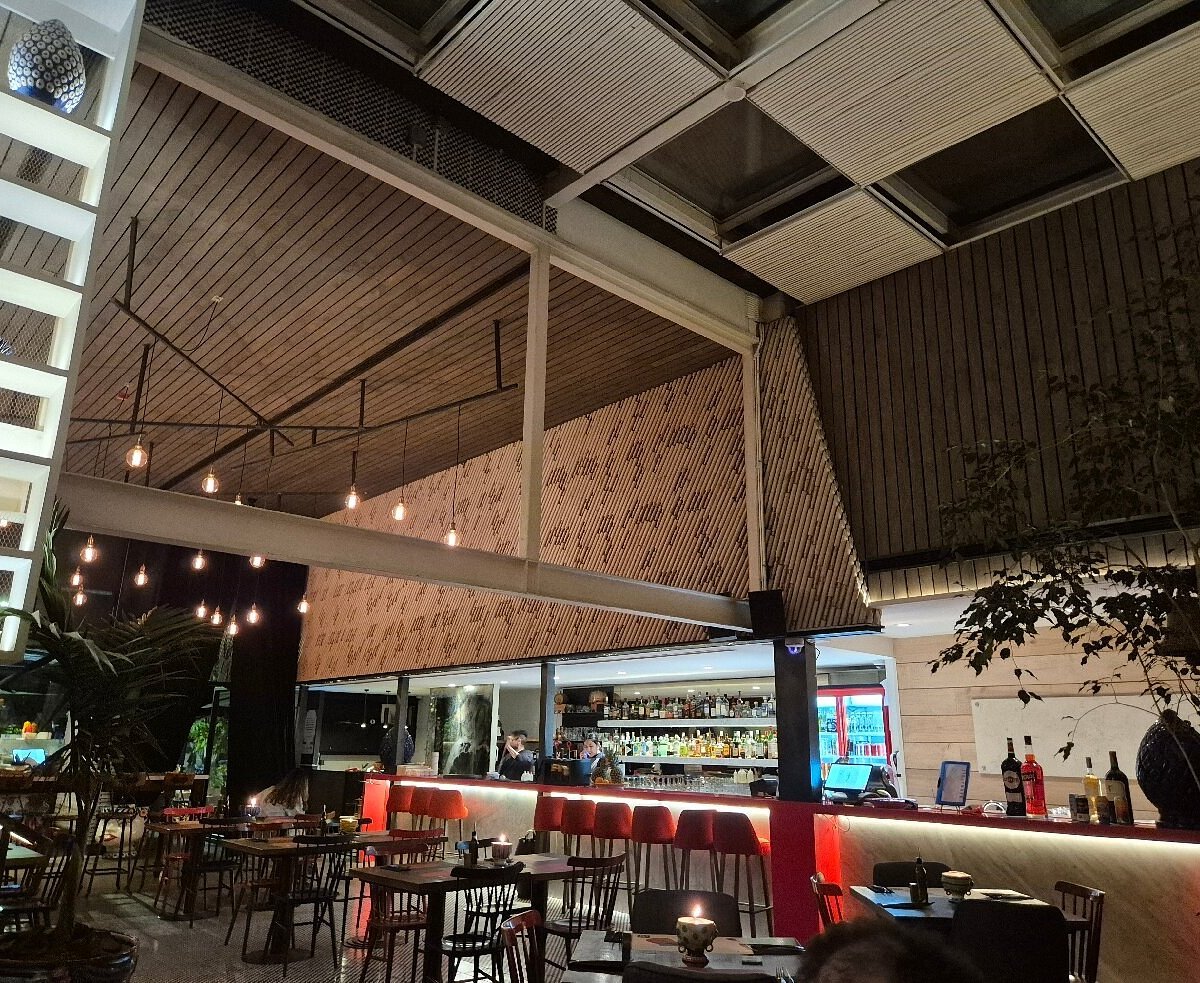
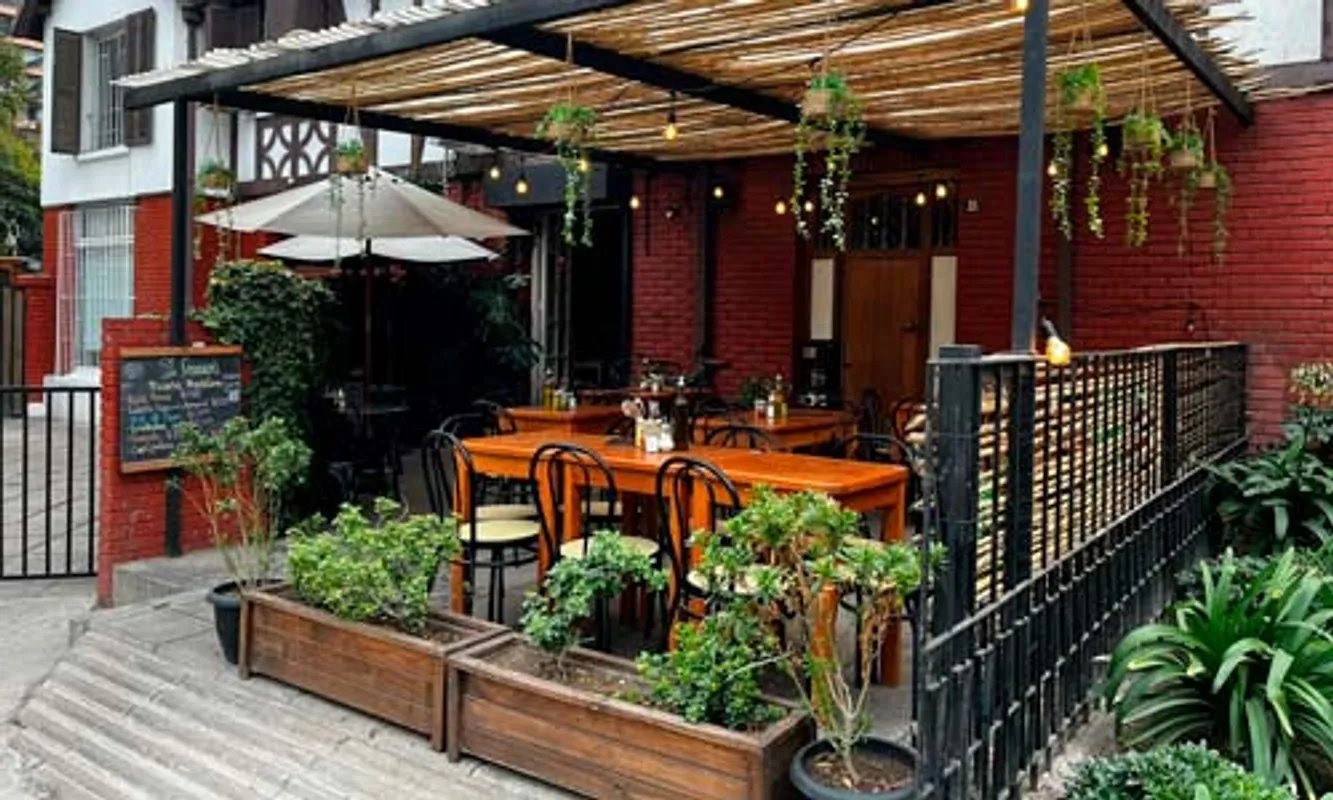
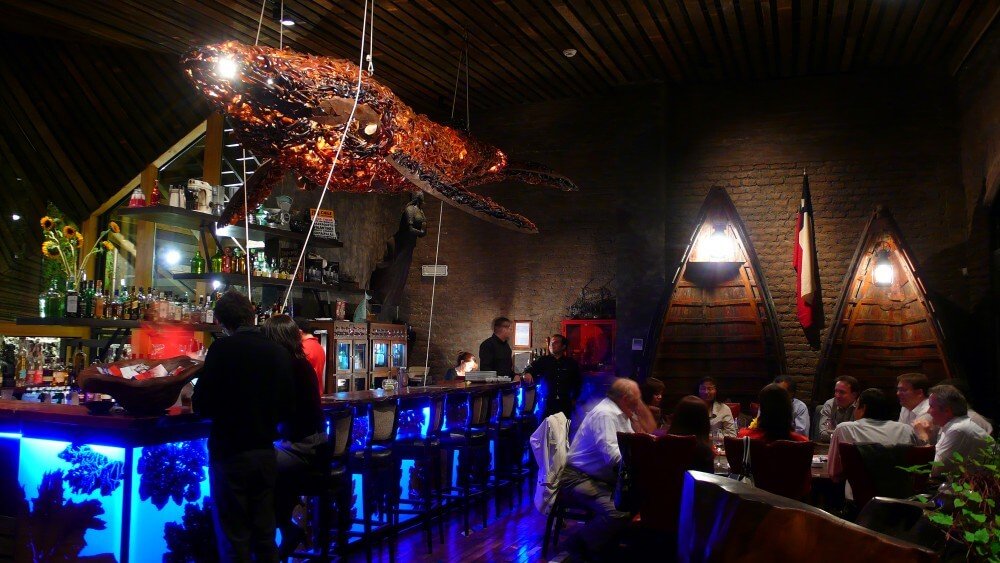
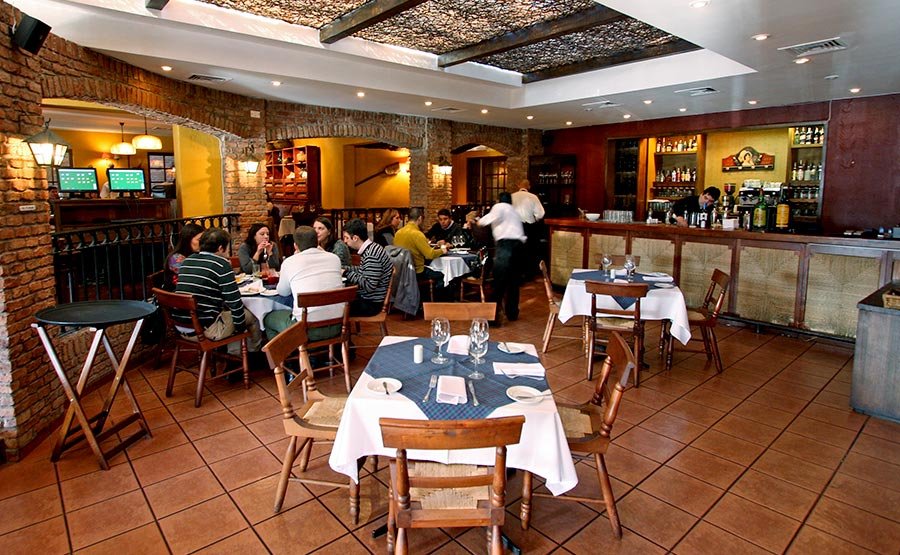
Gregoria Cocina operates as a restrained, neighbourhood restaurant that prioritizes finish and familiarity over theatricality. The building blends into Vitacura’s low-rise, tree-lined streets, and the interior feels lived-in early in the evening, which keeps the mood conversational rather than performative. There’s an understated elegance to the place: the architecture never competes with the cooking, and regulars return without occasion. Overall the restaurant reads as a modest, relaxed spot where routine matters more than headline-seeking ambition — a quietly sophisticated local table embedded in a residential stretch of Padre Hurtado Norte.
Best For
This is a weeknight-friendly address that caters to locals and residents of Vitacura more than destination diners. It is especially well suited to dinner and informal evening outings, absorbing a neighborhood crowd that prefers to stay close to home rather than travel elsewhere. The tone and scale make it a comfortable choice for family dinners and casual after-work meals; service and atmosphere favor conversation and a measured pace, so it’s a reliable pick when you want a solid evening meal without fuss or fanfare.
Ordering Tips
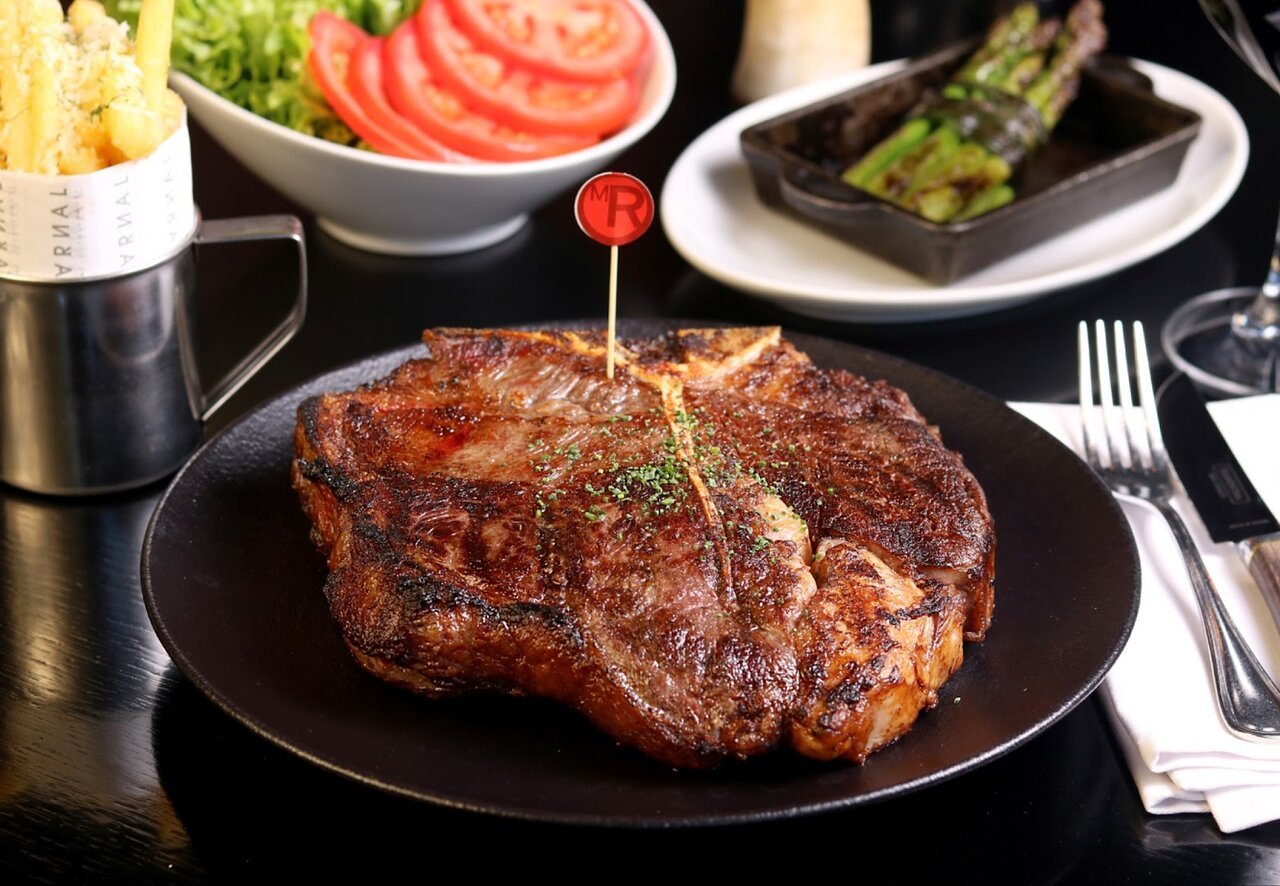
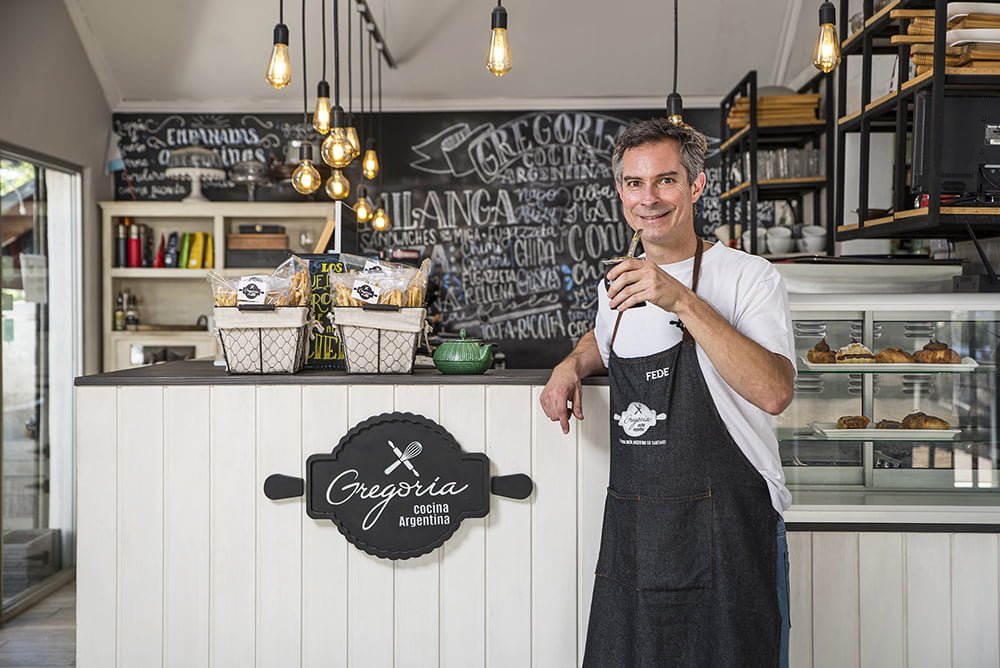
Stick to the signatures the venue is known for: the Empanadas Argentinas make a straightforward starter, the Sandwich de Milanesa is a defining main that reflects the restaurant’s neighbourhood fare, and the Medialunas point to the quality of its baked goods. Given the restaurant’s everyday, local focus, expect honest, familiar preparations rather than experimental plates. For the most settled experience aim for an early evening visit — the room is described as feeling lived-in before nine, when the conversational atmosphere is at its best.
Venue details
Ambiance
Casual dining spot evoking a cozy corner of Argentina with warm, inviting atmosphere.
Tags
Vibe
Best For
At the Table
- Dress Code
- Business Casual
- Noise Level
- Conversational
- Service Style
- Casual
- Meal Pacing
- Standard
- Capacity
- Small
Signature Dishes
- Empanadas Argentinas
- Sandwich de Milanesa
- Medialunas
Know before you go
Know Before You Go
- Getting there
- Av. Padre Hurtado Nte 1376, 7650191 Vitacura, Región Metropolitana, Chile
Planning details
Location
Av. Padre Hurtado Nte 1376, 7650191 Vitacura, Región Metropolitana, Chile · Directions
Also consider
Where to go if this is not the right fit
If the goal is a more defined French-Chilean meal, choose Ambrosia. If the group wants a clearer local-restaurant alternative in Vitacura, compare La Casa Vieja Vitacura before settling on Gregoria Cocina.
Restaurant context
How Gregoria Cocina compares in Vitacura
Choose Gregoria Cocina when ease matters more than a tightly defined restaurant identity. Against Ocean Pacific's Esmeralda - Vitacura and La Casa Vieja Vitacura, it reads as the flexible local option rather than the category-led choice. That makes it useful for a low-pressure lunch or casual dinner, but less compelling if the group wants a clearer seafood or traditional-Chilean brief.
Ambrosia is the stronger cross-shop for diners who want a more defined French-Chilean direction. Raffaella and Latin Grill make more sense when the room and occasion carry more weight. Gregoria Cocina is the easier recommendation for a simple neighborhood meal; the others are better when the booking needs to feel more deliberate.
Explore Vitacura
Around this place
Discover more on Pearl
Unlock the full Gregoria Cocina guide in Pearl, including awards, comparisons, FAQs, planning details, and nearby places.
Compare Gregoria Cocina
| Venue | Location | Cuisine | Awards |
|---|---|---|---|
| Gregoria Cocina | Vitacura | , | No published awards |
| Ocean Pacific's Esmeralda - Vitacura | Vitacura | , | No published awards |
| La Casa Vieja Vitacura | Vitacura | , | No published awards |
| Ambrosia | Santiago | French - Chilean | 2026 OAD Top Restaurants in South America Ranked · #46We're Smart World Top Restaurants 20252024 OAD Top Restaurants in South America Ranked · #482023 OAD Top Restaurants in South America Ranked · #43 |
| Raffaella | Las Condes | , | No published awards |
| Latin Grill | Santiago de Chile | , | No published awards |


How Gregoria Cocina Vitacura compares with similar nearby venues.
FAQ
Frequently Asked Questions
Can I eat at the bar at Gregoria Cocina?
What are alternatives to compare with Gregoria Cocina?
Other venues to compare include Ambrosia, La Casa Vieja Vitacura, Latin Grill, Ocean Pacific's Esmeralda - Vitacura, and Raffaella. Gregoria Cocina fits a shortlist when you want a Vitacura option with business-casual dress and daytime-to-early-evening hours on most open days.
Is Gregoria Cocina open for lunch or dinner?
Gregoria Cocina is closed Monday. It is open Tuesday through Saturday from 10 AM to 8 PM and Sunday from 10 AM to 3:30 PM. Confirm directly with the venue if you need a specific meal period or last seating time.
Is Gregoria Cocina good for solo dining?
It may work as a simple Vitacura option, but confirm seating and availability directly if that matters to your visit.