
Restaurant in Ratschings, Italy
Ungererhof
100ptsAlpine Agricultural Table
About Ungererhof
In the Jaufental valley of South Tyrol, Ungererhof sits within one of Italy's most produce-driven Alpine traditions, where proximity to mountain pastures and forest defines what arrives at the table. The address places it firmly in Ratschings territory, a municipality better known for its landscape than its dining density, which makes finding a kitchen operating at this level all the more notable. For the wider Ratschings dining scene, see our full guide.
Where the Valley Does the Work
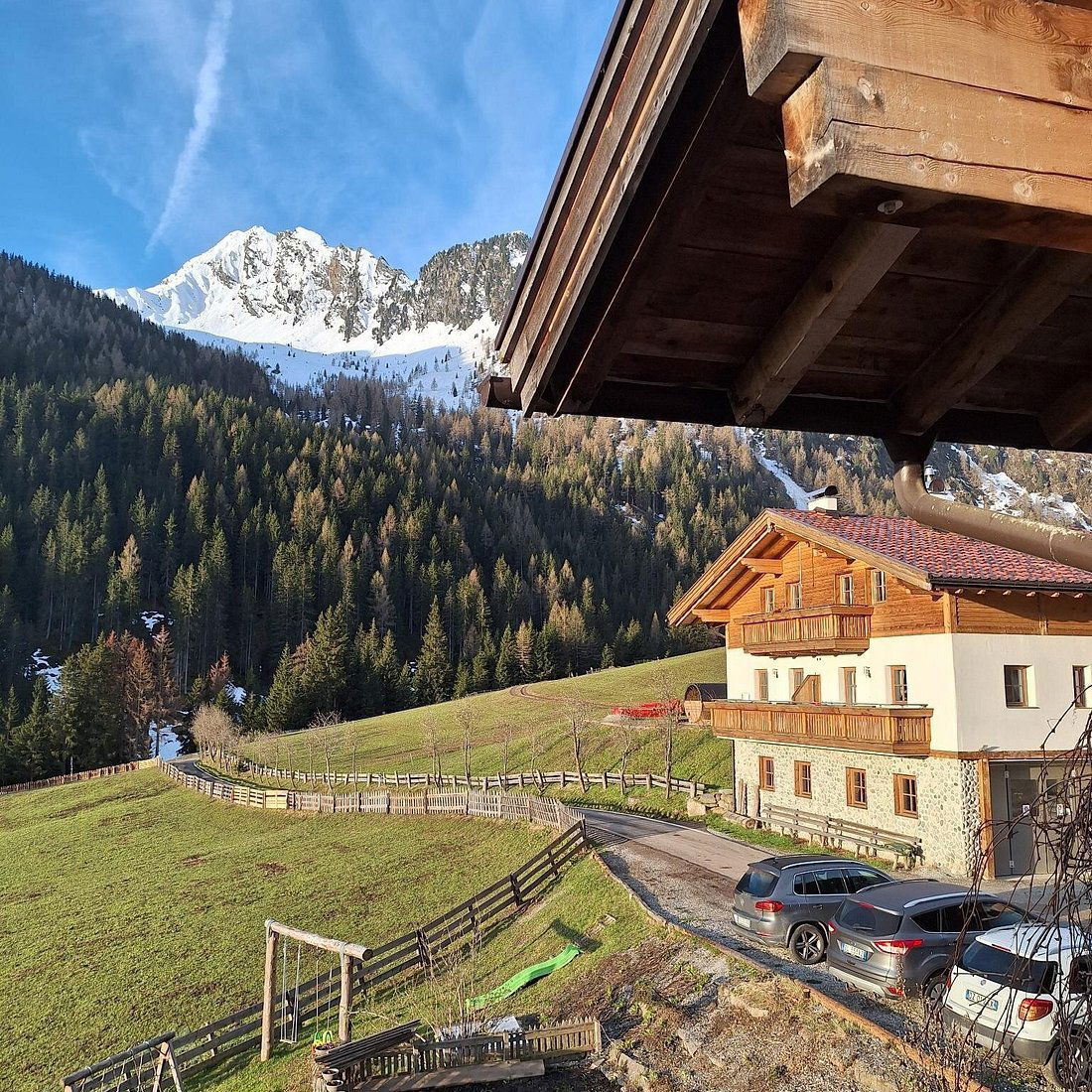
South Tyrol's Jaufental is not a valley that announces itself. The road from Sterzing climbs steadily into a narrowing corridor of spruce and meadow, and the farms that line it have been supplying their own tables long before farm-to-table became a positioning statement elsewhere in Europe. Ungererhof, addressed at Jaufental 6 in Ratschings, sits inside that tradition rather than in front of it. The physical approach, flanked by Alpine grazing land, does more editorial work than any menu description could: what grows and grazes here is what ends up on the plate.
This is the defining character of South Tyrolean Bauernhof dining at its most grounded. Unlike the region's higher-profile creative kitchens, such as Atelier Moessmer Norbert Niederkofler in Brunico, which operates at the €€€€ tier and positions its Alpine sourcing within a formally progressive framework, a Jaufental address like Ungererhof works at a different register entirely. The sourcing logic is the same; the theatrical distance between producer and diner is considerably shorter.
The South Tyrolean Sourcing Tradition
To understand what Ungererhof represents, it helps to understand what South Tyrol has built over several decades as an ingredient culture. The Autonomous Province of Bolzano has made Protected Designation of Origin status work harder than almost any comparable Alpine region in Europe. Speck Alto Adige IGP, the valley's cured pork product, is cured in mountain air rather than smoked in the conventional Central European sense, a distinction that requires specific altitude and airflow. Dairy from high-altitude grazing, called Almwirtschaft, produces milk with fat profiles measurably different from lowland equivalents, and the cheeses that result have a sharpness and depth that lowland analogues rarely match.
In Jaufental specifically, farms operate at elevations that constrain the grazing season but concentrate flavour in the animals and the milk. The rye bread baked in wood-fired ovens at these properties, Schüttelbrot and Vinschgerl among them, carries the sourness of long fermentation and the mineral note of local grain. These are not decorative touches on a menu; they are the structural components of what traditional South Tyrolean cooking actually is. Restaurants serving this food at its most direct source are rarer than the region's reputation for mountain dining might suggest.
Ratschings as a Dining Context
Ratschings municipality covers a larger geographic footprint than its population of a few thousand would imply, and dining options are distributed accordingly. The kitchen traditions here skew toward working farmhouses and small guesthouses rather than the kind of destination dining that fills a reservation book three months in advance. That scarcity is partly what gives an address like Ungererhof its weight within the local context. For visitors mapping out their time in the valley, Anett restaurant and Pretzhof Bistro represent two other angles on the local offer, covering a range of formats within the same municipality. For a fuller picture of what to eat and where in this part of South Tyrol, the full Ratschings restaurants guide maps the options by character and occasion.
The broader Italian fine dining tier, represented by addresses like Osteria Francescana in Modena, Le Calandre in Rubano, and Piazza Duomo in Alba, operates in a different economy of scale and expectation. Those kitchens source with similar rigour but process ingredients through a progressive or creative lens before they reach the table. The Jaufental model is less mediated. The logic is closer to what Dal Pescatore in Runate has maintained across generations: a kitchen anchored to a specific geography, serving that geography's produce with accumulated knowledge rather than accumulated technique.
What the Ingredient Logic Means for the Table
South Tyrolean farm kitchens at their most coherent follow a rhythm dictated by the agricultural calendar rather than by trend cycles. Spring brings young dairy and early herbs from the lower meadows. Summer pushes the grazing herds higher and the milk richest. Autumn delivers the cured meats that have been aging since winter slaughter, alongside preserved vegetables and the dense, fermented breads that store well through cold months. Winter narrows the pantry deliberately. Kitchens that work within this structure are not making a virtue of limitation; they are expressing a genuine seasonal architecture.
This is the kind of sourcing discipline that Italy's most discussed coastal tables, including Uliassi in Senigallia and Quattro Passi in Marina del Cantone, apply to their maritime supply. The geography differs entirely; the underlying logic of extreme proximity and seasonal fidelity runs parallel. Globally, kitchens from Le Bernardin in New York City to Atomix in New York City have absorbed versions of this sourcing philosophy. In the Jaufental, it predates the conversation.
Planning a Visit
Ratschings is reached most directly from Sterzing (Vipiteno), which sits on the Brenner rail corridor connecting Innsbruck to Bolzano. From Sterzing, Jaufental opens to the south, and the Ungererhof address at number 6 places it within the lower reaches of the valley. Car access is the practical standard for most visitors arriving at this address, as public connections into the side valleys of Ratschings operate on limited schedules suited to commuter rather than visitor patterns. Given the sparse confirmed data on hours, booking method, and current operating status, contacting the property directly before visiting is advisable. The wider dining options in the municipality, including Anett restaurant and Pretzhof Bistro, can provide alternative options if Ungererhof's schedule does not align. Travellers building a longer South Tyrolean itinerary should note that kitchens at the level of Enoteca Pinchiorri in Florence, Enrico Bartolini in Milan, Reale in Castel di Sangro, Casa Perbellini 12 Apostoli in Verona, Da Vittorio in Brusaporto, and La Pergola in Rome require advance planning across a different timeline and price bracket, while the Ratschings valley offers a contrasting register: slower-paced, rurally anchored, and better suited to itineraries built around landscape and local produce rather than destination dining as performance.
Frequently Asked Questions
- What's the leading thing to order at Ungererhof?
- Confirmed menu data for Ungererhof is not available in our current records. Given its location in Jaufental, the kitchen most likely reflects South Tyrolean farm traditions, where cured meats, aged dairy, and rye-based breads form the structural core of the offer. Contacting the property directly will give you the clearest picture of the current menu before you visit.
- Do they take walk-ins at Ungererhof?
- Booking policy details for Ungererhof have not been confirmed in our records. Farm kitchens in Ratschings often operate on limited sittings tied to agricultural schedules, so calling or writing ahead before visiting this Jaufental address is strongly advised regardless of the formal policy.
- What has Ungererhof built its reputation on?
- Ungererhof sits within South Tyrol's tradition of farm-based hospitality, where the reputation is inseparable from proximity to source. In Jaufental, that means altitude-influenced dairy, cured meats produced on-site or from immediate neighbours, and a seasonal rhythm that reflects the mountain agricultural calendar rather than external dining trends.
- Is Ungererhof allergy-friendly?
- If you have specific dietary requirements or allergies, the most reliable approach is to contact Ungererhof directly before booking. Farm kitchens in this region tend to work with a fixed, produce-led offer rather than an adaptable à la carte format, so advance communication will establish what the kitchen can accommodate. No website or phone number is currently listed in our records; local tourism offices in Ratschings or Sterzing may be able to assist with current contact details.
- Is Ungererhof good value for money?
- Without confirmed pricing data, a direct value assessment is not possible. Contextually, farm-based dining in South Tyrol's side valleys tends to sit below the price points of the region's destination kitchens, where tasting menus at addresses like Atelier Moessmer Norbert Niederkofler reach the €€€€ tier. A Jaufental farmhouse address typically reflects a different economic model, one closer to the cost of the produce itself than to the overhead of a formal restaurant operation.
- What makes Ungererhof different from a typical South Tyrolean restaurant in a town centre?
- The Jaufental address is the distinction. Farm properties at this valley depth operate with a degree of supply integration that town-centre restaurants in Sterzing or Bolzano cannot replicate, because the gap between field and kitchen is measured in metres rather than supplier relationships. The South Tyrolean Bauernhof tradition at this level is specifically about that physical proximity, where the cured meats, dairy, and garden vegetables come from the same property or its immediate neighbours rather than a regional distribution network.
Related editorial
- Best Fine Dining Restaurants in ParisFrom three-Michelin-star icons to the next generation of Parisian chefs pushing boundaries, these are the restaurants that define fine dining in the world's culinary capital.
- Best Luxury Hotels in RomeFrom rooftop terraces overlooking ancient ruins to Michelin-starred hotel dining, these are the luxury hotels that make Rome unforgettable.
- Best Cocktail Bars in KyotoFrom sleek lounges to hidden speakeasies, Kyoto's cocktail scene blends Japanese precision with global influence in ways you won't find anywhere else.
Save or rate Ungererhof on Pearl
Keep this venue in your Pearl passport, rate it after you visit, and track it alongside every other place you collect.