



Aburi Hana
Kaiseki, Japanese · Yorkville, Toronto
Restaurant in Toronto, Canada
 Book with Pearl
The Read
Canadian-Inflected Kyō-Kaiseki
Price
$300–500per person
Dress
Smart Casual
Why go
Aburi Hana is Toronto's most serious kaiseki room and the right call if a Michelin-starred, seasonally driven Japanese tasting menu is what you are after. Chef Ryusuke Nakagawa's kyō-kaiseki format, ranked #203 in North America by OAD in 2025, uses Canadian ingredients within strict Japanese structure. Book three to four weeks out minimum; the four-night-a-week schedule fills fast.
About Aburi Hana
Verdict
Book Aburi Hana if you want the most considered Japanese tasting menu in Toronto right now. Chef Ryusuke Nakagawa's kyō-kaiseki format is the only one of its kind operating at this level in the city, and the 2024 Michelin Star and an Opinionated About Dining ranking of #203 in North America (2025) confirm it belongs in the same conversation as the leading kaiseki rooms in Tokyo and Kyoto. For first-timers at this price point, the format requires commitment: this is a multi-course, meditative dining experience, not a flex-order Japanese dinner. Go in knowing that, and it delivers.
The Room
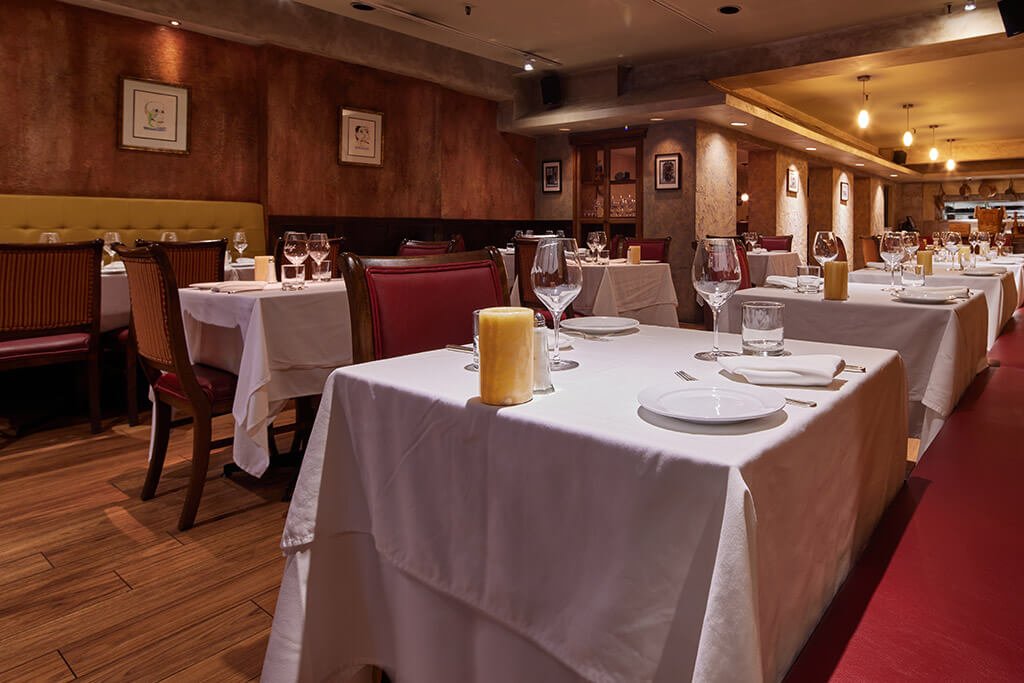
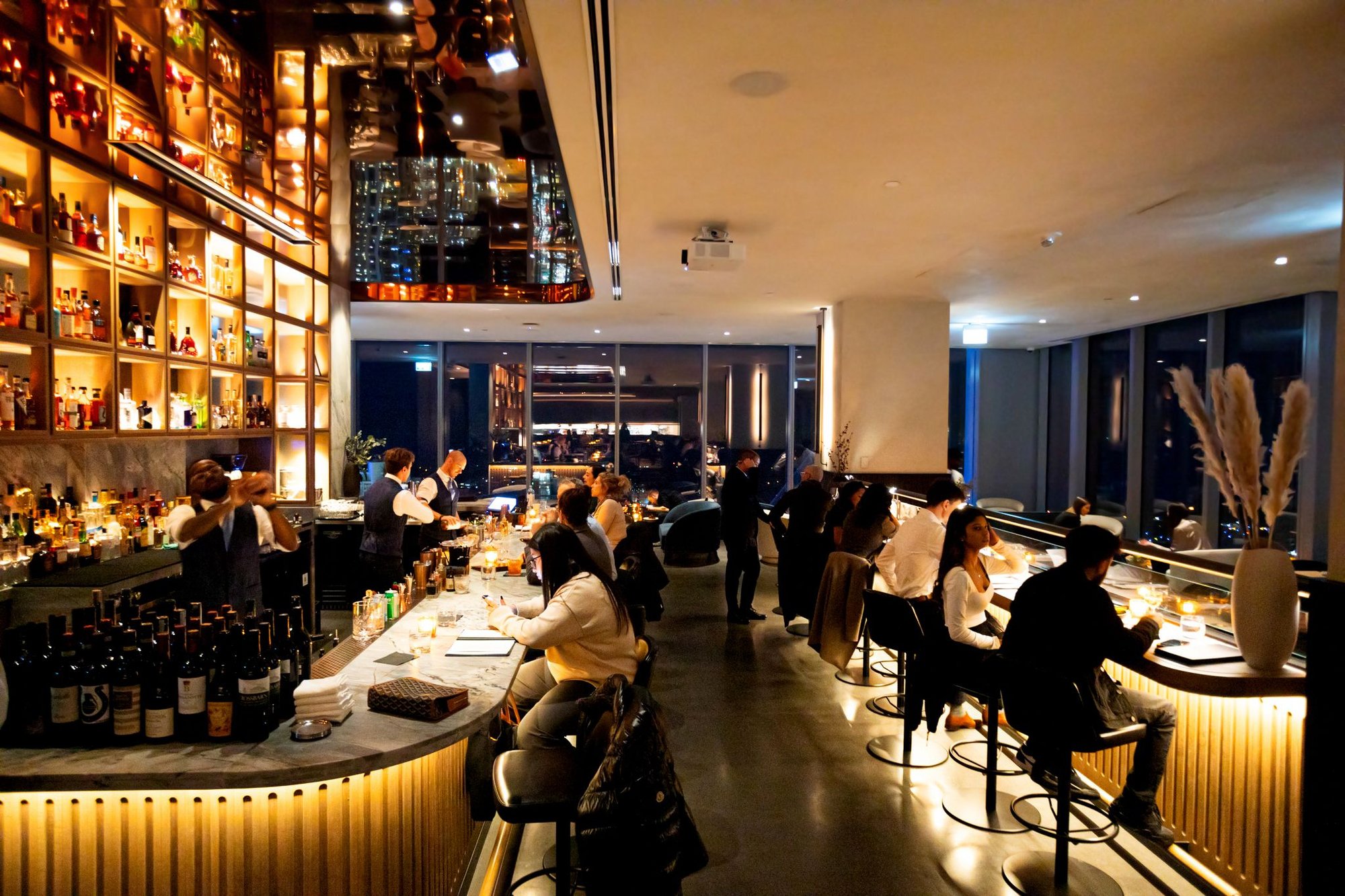
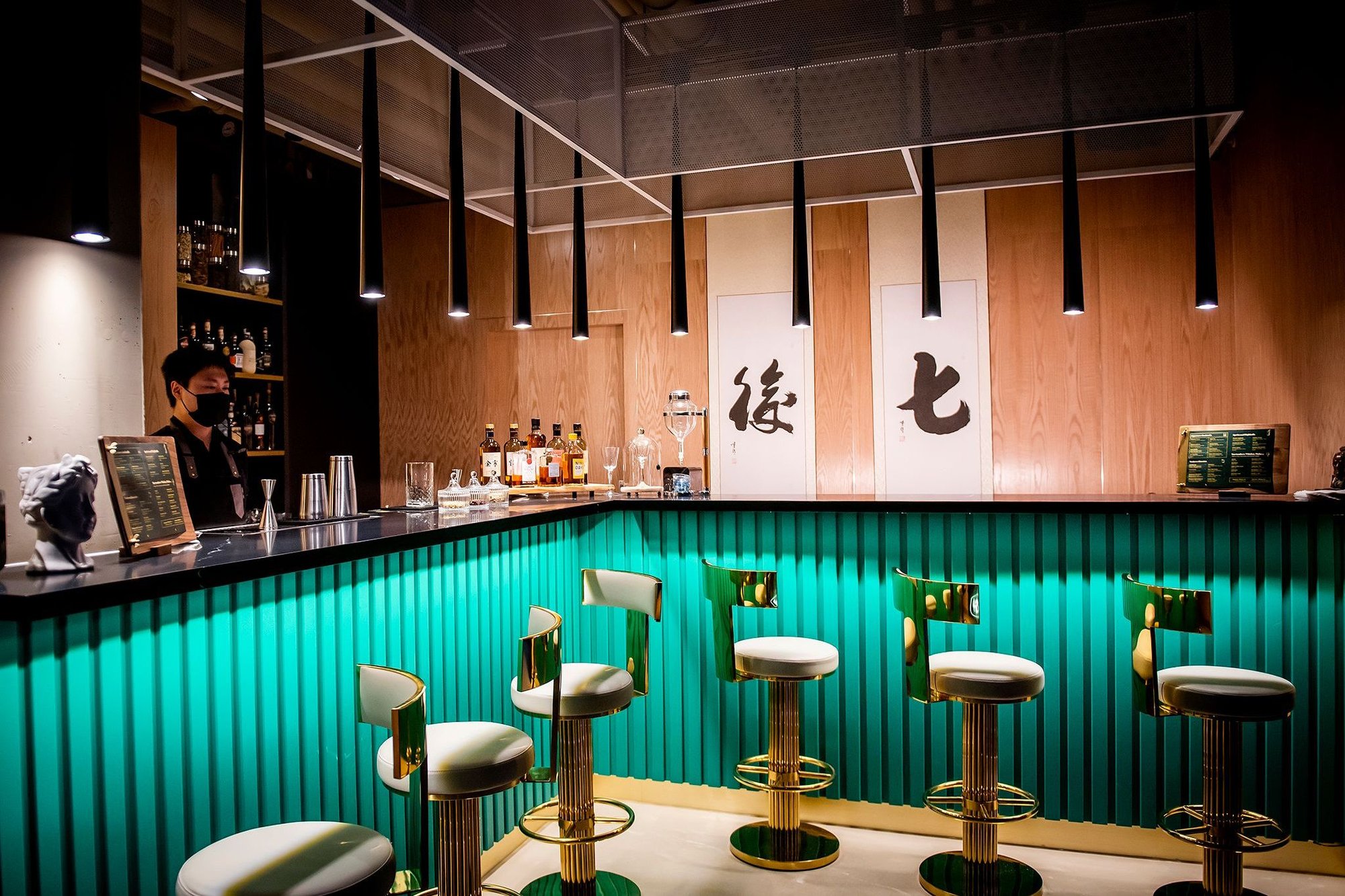
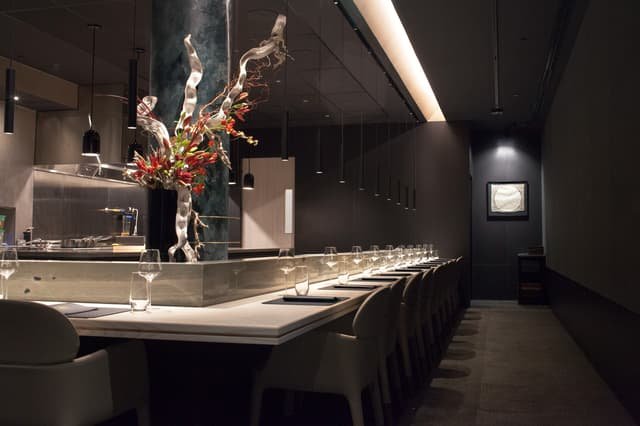
Aburi Hana sits below street level on Yorkville Avenue, and the descent into the space is deliberate. The room is minimalist: spare, calm, and designed to shift your attention to the food rather than the surroundings. Service ware is handmade Arita porcelain from western Japan, a tradition dating to the 1600s, and the tabletop presentation is where the visual drama of the evening concentrates. If you are arriving for the first time, expect the space to feel smaller and quieter than a typical Yorkville restaurant. That restraint is the point.
The Food
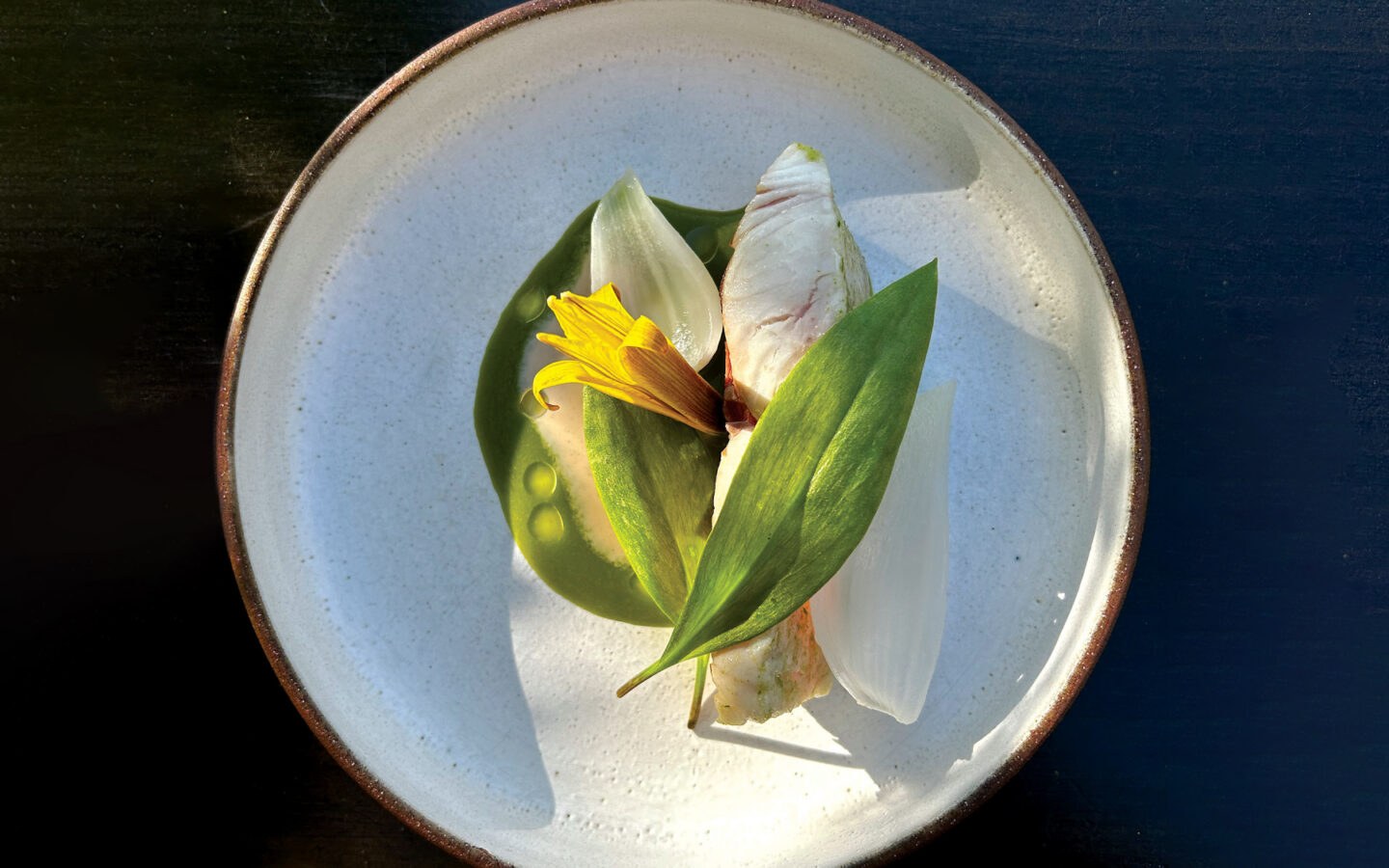
The menu follows kyō-kaiseki principles: seasonal, precise, and structured around a progression of courses that build in weight and intensity. Nakagawa's approach is Japanese in discipline but draws explicitly on Canadian ingredients. The winter menu features Ontario lamb, simmered in lamb dashi for four hours and served with mukago, sansho pepper, and karashi mustard: a protein almost never used in traditional kaiseki. During Japanese bluefin season, otoro is served with caviar on a rice cracker tartlet. The spring and summer calling card is a 14-day dry-aged maguro flower: akami and chūtoro tuna petals that guests uncurl and dip, traditional in combination but modern in presentation. These are not decorative flourishes. They reflect a kitchen that is working at the technique level, not the aesthetic level. For a comparable kaiseki reference point outside Canada, see RyuGin in Tokyo or Gion Sasaki in Kyoto.
Service and Whether It Earns the Price
At $$$$ pricing, the question is whether the service justifies the spend alongside the food. At Aburi Hana, the answer is yes: but with a specific caveat. The service style is quiet and precise rather than warm and conversational. Sake director Amy Lee runs a program that pairs classical Japanese sake with less expected options, including Alain Ducasse's sparkling sake and Alsatian orange wines. The beverage pairing is a meaningful part of the experience and worth adding if you are spending at this level. What you will not get is the kind of demonstrative hospitality or tableside theatre that marks places like Alo. The room's ethos is closer to meditative than celebratory. If you are booking for a milestone occasion and want warmth layered into the pacing, that distinction matters. If precision and focus are what you are after, it is exactly right.
The service-to-price equation also holds up on hours. Aburi Hana operates four nights a week, Wednesday through Saturday, with the kitchen opening at 5:30 PM on Friday and Saturday and 6 PM midweek. It is closed Sunday, Monday, and Tuesday. That limited schedule is partly what keeps the experience consistent and partly what makes reservations difficult to secure.
Booking
Booking here is hard. Four evenings a week at a small, serious kaiseki counter in Yorkville means demand consistently outpaces availability. Plan for a minimum of three to four weeks advance booking, and do not assume a walk-in is possible. If your dates are fixed, check availability as soon as your travel or plans are confirmed. The limited weekly schedule means a sold-out Wednesday blocks you until Thursday at the earliest, and there is no Sunday fallback.
Practical Details
| Detail | Aburi Hana | Alo | Sushi Masaki Saito |
|---|---|---|---|
| Cuisine | Kaiseki / Japanese | Contemporary | Omakase / Japanese |
| Price range | $$$$ | $$$$ | $$$$ |
| Booking difficulty | Hard | Very hard | Very hard |
| Days open | Wed–Sat only | Tue–Sat | Limited schedule |
| Format | Kaiseki tasting menu | Tasting menu | Omakase counter |
| Awards | Michelin 1 Star (2024), OAD #203 (2025) | Michelin 1 Star | Michelin recognition |
| Location | Yorkville, lower level | Dundas West area | Yorkville area |
Pearl Picks: More to Explore
If Aburi Hana is fully booked or you want to plan a broader Toronto itinerary, our full Toronto restaurants guide covers the city's leading tables across every category. For where to stay, our Toronto hotels guide has the neighbourhood-by-neighbourhood breakdown. For cocktails before or after dinner, our Toronto bars guide is the place to start.
Elsewhere in Canada, the kyō-kaiseki sensibility at Aburi Hana sits in a small category of Canadian restaurants working at the intersection of Japanese discipline and local sourcing. Kissa Tanto in Vancouver is the closest parallel in format ambition, though the cuisine is Franco-Japanese rather than kaiseki. Tanière³ in Quebec City applies similar seasonal rigour to a very different culinary tradition. For wine-country dining in Ontario, Restaurant Pearl Morissette in Lincoln is the benchmark. For Italian at this price tier in Toronto, both DaNico and Don Alfonso 1890 are worth comparing. Edulis is the strongest local alternative if you want a tasting-menu commitment with a different flavour profile. Additional Canada-wide context: Narval in Rimouski, Jérôme Ferrer - Europea in Montreal, and The Pine in Creemore round out the national picture for serious tasting-menu dining.
Planning details
- Hours
- Monday: closed · Tuesday: closed
- Location
- 102 Yorkville Ave., Unit 4, lower level, Toronto, Ont.
- Reservations
- Book on OpenTable
- Website
- aburihana.com
- Phone
- +1 647-343-8887
The take
The Take
The Vibe
Aburi Hana presents a deliberately restrained atmosphere: you descend from Yorkville's busy street into a minimalist, purposefully quiet room where the design itself is part of the meal. Visual elements are minimal on purpose, so Arita-ware ceramics, porcelain produced in a centuries-old Japanese tradition, become the focal point, carrying much of the room's aesthetic weight. The result is a calm, contemplative environment that inverts the neighbourhood's surface theatrics, encouraging concentrated attention on texture, season and presentation rather than visual flourish.
Best For
This is a venue built for a formal, multi-course dinner that rewards slow appreciation. Aburi Hana sits firmly in Toronto’s top tier for Japanese dining, centering kyō-kaiseki, a ceremonial, season-driven cuisine, rather than a nigiri progression. That structured sequence of courses, quiet room and refined presentation make it especially suited to special-occasion dinners and intimate date nights where the meal itself is the event. Expect a measured, attentive service rhythm that unfolds over the course of the evening.
Ordering Tips
Embrace the kyō-kaiseki structure: menus are seasonally driven and designed to build in register and weight, so opt for the multi-course progression when available. Arita-ware ceramics are integral to the experience, and dishes emphasize subtlety and seasonal provenance; the kitchen swaps in Ontario and Canadian produce, including Ontario lamb on the winter menu. Think of the meal as a composed sequence rather than a la carte highlights, and allow each course to arrive in turn.
Venue details
Ambiance
Minimalist design with dim lighting, serene and elegant atmosphere evoking calm and artistry, centered around an open kitchen counter.
Tags
Vibe
Best For
Experience
Sourcing
Accessibility
At the Table
- Dress Code
- Smart Casual
- Noise Level
- Conversational
- Service Style
- Formal
- Meal Pacing
- Leisurely
- Capacity
- Intimate
- Kitchen
- Modern
- Menu Format
- Tasting menu
- Drinks Focus
- Sake program
- Dietary
- Allergy accommodating
- Private Dining
- Available
Signature Dishes
- maguro flower
- kurobuta kakuni
- Nova Scotia lobster
Know before you go
Know Before You Go
- Getting there
- 102 Yorkville Ave., Unit 4, lower level, Toronto, Ont.
Planning details
Hours
- Monday
- closed
- Tuesday
- closed
- Wednesday
- 6 PM-10 PM
- Thursday
- 6 PM-10 PM
- Friday
- 5:30 PM-10 PM
- Saturday
- 5:30 PM-10 PM
- Sunday
- closed
Location
102 Yorkville Ave., Unit 4, lower level, Toronto, Ont. · Directions
Recognition and awards



Also consider
Also Consider
- Alo: Contemporary, $$$$
- Sushi Masaki Saito: Sushi, Japanese, $$$$
- Enigma Yorkville: New Canadian, Contemporary, $$$$
- Shoushin: Japanese, $$$$
- Edulis: Canadian, Mediterranean Cuisine, $$$$
Restaurant context
Among Toronto's $$$$ tasting-menu restaurants, Aburi Hana occupies a specific lane: it is the city's only Michelin-starred kaiseki room, and nothing else here directly replicates that format. The closest competitor in terms of Japanese discipline is Sushi Masaki Saito, which operates at the extreme end of omakase pricing and is arguably harder to book. The comparison comes down to format: Masaki Saito is sushi-forward and counter-focused; Aburi Hana is kaiseki-structured with a broader seasonal progression. If Japanese cuisine at the top tier is your priority, both deserve consideration: but they are different experiences, not substitutes.
Alo is the more natural comparison for diners who want a tasting-menu commitment without the specifically Japanese framing. It is arguably harder to book than Aburi Hana, the format is contemporary French-influenced Canadian, and the room is warmer and more celebratory in feel. For a milestone dinner where the social energy of the room matters as much as the food, Alo edges ahead. For a focused, meditative meal where the food is the entire point, Aburi Hana is the stronger call. Enigma Yorkville and Shoushin occupy similar price territory but neither carries the external validation that Aburi Hana's Michelin star and OAD ranking provide.
Edulis is the best alternative if you want a similarly intimate, tasting-menu-only format with a completely different flavour profile, Canadian-Mediterranean rather than Japanese, and it is generally easier to book. At this price point in Toronto, Aburi Hana is the most credentialed option for Japanese cuisine, Alo is the most credentialed for contemporary tasting menus, and Edulis is the best value in the $$$$ tier for what it delivers.
Around this place
Discover more on Pearl
Unlock the full Aburi Hana guide in Pearl, including awards, comparisons, FAQs, planning details, and nearby places.
Compare Aburi Hana
| Venue | Cuisine | Price | Awards | Booking Difficulty |
|---|---|---|---|---|
| Aburi Hana | Kaiseki, Japanese | $$$$ | 2026 OAD Top Restaurants in North America Recommended2025 Canada's 100 Best Restaurants · #292025 OAD Top Restaurants in North America Ranked · #2032025 The Best Chef One Knife2025 Michelin 1 Star2024 OAD Top Restaurants in North America Ranked · #2572024 Michelin 1 Star | Hard |
| Alo | Contemporary | $$$$ | 2026 Canada's 100 Best Restaurants · #72026 OAD Top Restaurants in North America Ranked · #24Star Wine Lists 20262026 La Liste Top RestaurantsMichelin Guide Toronto & Region 20262025 Canada's 100 Best Restaurants · #32025 Michelin 1 Star2025 La Liste Top Restaurants2025 The Best Chef One Knife | Unknown |
| Sushi Masaki Saito | Sushi, Japanese | $$$$ | 2026 Canada's 100 Best Restaurants · #522026 OAD Top Restaurants in North America Ranked · #722026 La Liste Top RestaurantsMichelin Guide Toronto & Region 20262025 Canada's 100 Best Restaurants · #162025 OAD Top Restaurants in North America Ranked · #602025 Michelin 1 Star2025 The Best Chef Two Knives2025 Michelin 2 Stars | Unknown |
| Enigma Yorkville | New Canadian, Contemporary | $$$$ | 2026 Canada's 100 Best Restaurants · #82Star Wine Lists 20262026 OAD Top Restaurants in North America RecommendedMichelin Guide Toronto & Region 20262025 Michelin 1 Star2024 Michelin 1 Star2023 OAD Top Restaurants in North America Recommended | Unknown |
| Shoushin | Japanese | $$$$ | 2026 OAD Top Restaurants in North America RecommendedMichelin Guide Toronto & Region 20262025 Canada's 100 Best Restaurants · #622025 OAD Top Restaurants in North America Ranked · #4292025 Michelin 1 Star2024 OAD Top Restaurants in North America Ranked · #5542024 Michelin 1 Star2023 OAD Top Restaurants in North America Recommended | Unknown |
| Edulis | Canadian, Mediterranean Cuisine | $$$$ | 2026 Canada's 100 Best Restaurants · #52026 North America's 50 Best Restaurants · #252026 OAD Top Restaurants in North America Ranked · #89Star Wine Lists 20262026 La Liste Top RestaurantsMichelin Guide Toronto & Region 20262025 Canada's 100 Best Restaurants · #42025 OAD Top Restaurants in North America Ranked · #792025 Michelin 1 Star | Unknown |






Comparing your options in Toronto for this tier.
FAQ
Frequently Asked Questions
Can Aburi Hana accommodate groups?
Groups are a tight fit here. Aburi Hana is a small, counter-focused kaiseki room below street level on Yorkville Avenue, not a space built for large parties. If your group runs larger than four, contact them directly before booking: squeezing a party of six or more into a tasting-menu counter rarely works without a private arrangement, and availability is already constrained across four evenings a week.
Is lunch or dinner better at Aburi Hana?
Dinner only: Aburi Hana does not offer lunch service. The kitchen opens Wednesday through Saturday evenings (6 PM Wednesday–Thursday, 5:30 PM Friday–Saturday), so there is no lunch decision to make. If you want a daytime kaiseki option in Toronto, you will need to look elsewhere.
Can I eat at the bar at Aburi Hana?
Aburi Hana's format is a structured tasting menu in a small, intimate room, not a drop-in bar setup. Walk-in counter seating is not how this venue operates: the experience is built around a set progression of courses, and every seat is effectively part of that same format. Book in advance or do not expect to get in.
What should I wear to Aburi Hana?
Treat it like a Michelin-starred tasting menu: dressed up without being black-tie. The room is minimalist and the service precise, and the Arita porcelain and kaiseki format signal a serious, unhurried evening. Business casual to semi-formal reads correctly here: the kind of outfit you would wear to Alo or Sushi Masaki Saito.