
Mendokoro Wataya Takamatsu ten
Takamatsu
Restaurant in Takamatsu, Japan
 Book with Pearl
The Read
Price
- JPY 999
Why go
Tabelog 100-listed udon shop serving Sanuki-style wheat noodles under JPY 1,000 in an 81-seat, walk-in-only format. Open 8:30 AM to 2 PM six days a week, the shop prioritizes speed and value over atmosphere, with most bowls running JPY 500–800. Best for breakfast or early lunch; no reservations, cash only, sells out by early afternoon.
About Mendokoro Wataya Takamatsu ten
At under JPY 1,000, Mendokoro Wataya Takamatsu ten delivers Tabelog 100-recognized Sanuki udon in a format built for volume and turnover. The shop opens at 8:30 AM six days a week and runs until sell-out, typically by 2 PM, this is not a leisurely brunch destination but a high-throughput operation where the 81-seat dining room fills early and moves quickly. For travelers exploring Kagawa's udon heartland, the combination of award recognition and accessible pricing makes this a practical first stop, though the experience prioritizes efficiency over atmosphere.
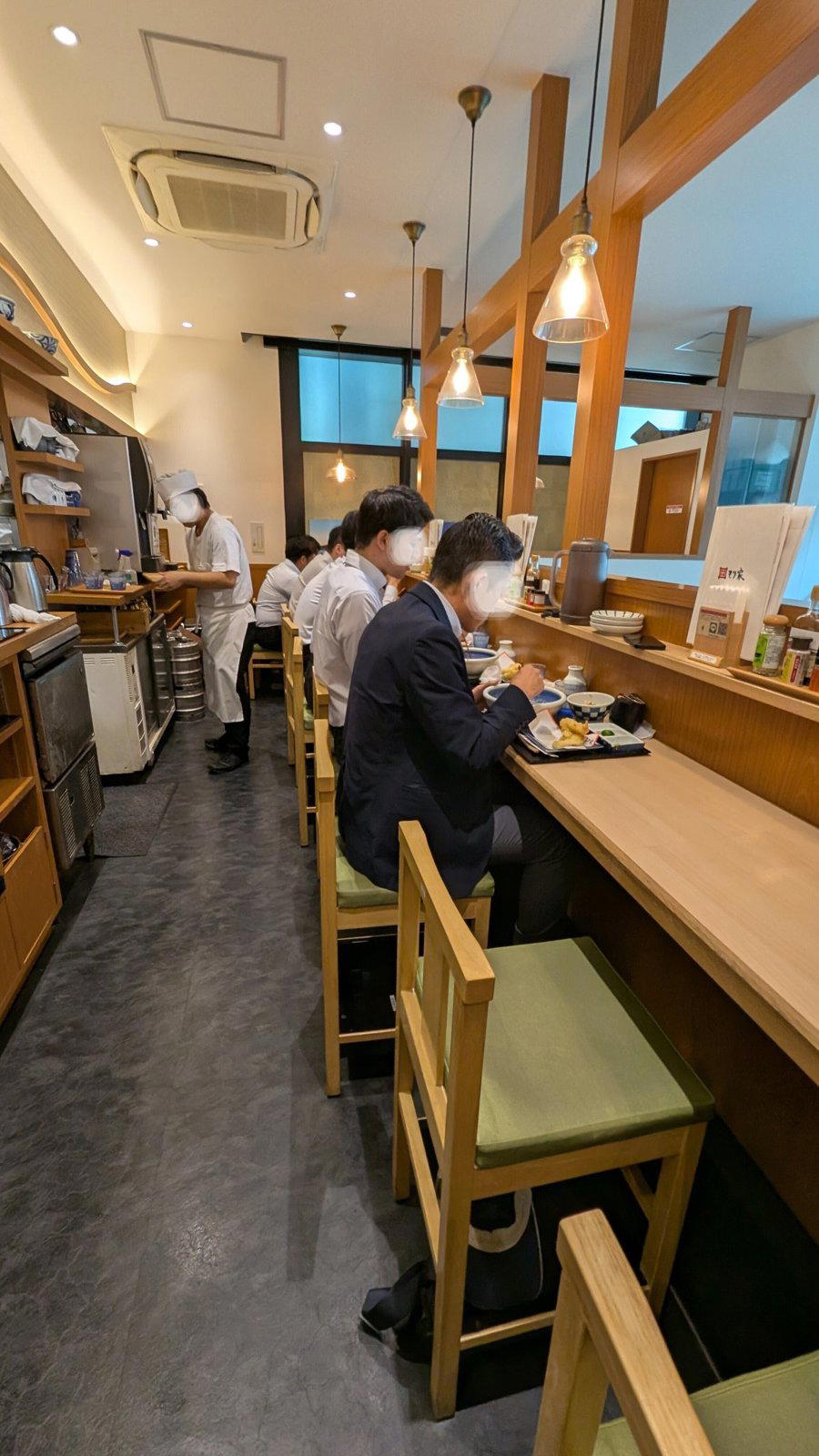
The venue operates from a walk-in-only model; reservations are unavailable, and weekday mornings before 10 AM offer the shortest wait. The shop sits about five minutes west of Kotoden Kawaramachi Station in Takamatsu's Minamishinmachi shopping district, close enough to the Marugamemachi Green complex that it can absorb both local breakfast traffic and early-arriving tourists. Cash-only payment and no-frills counter-and-table seating reinforce the functional tone, this is a place to eat well and move on, not to linger over multiple courses.
What You'll Spend and What You Get
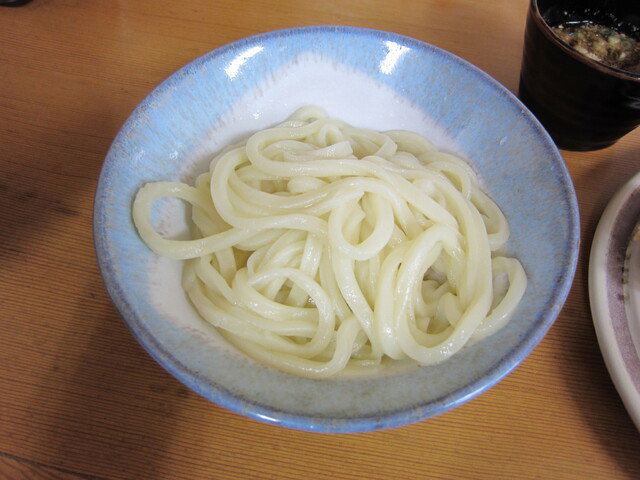
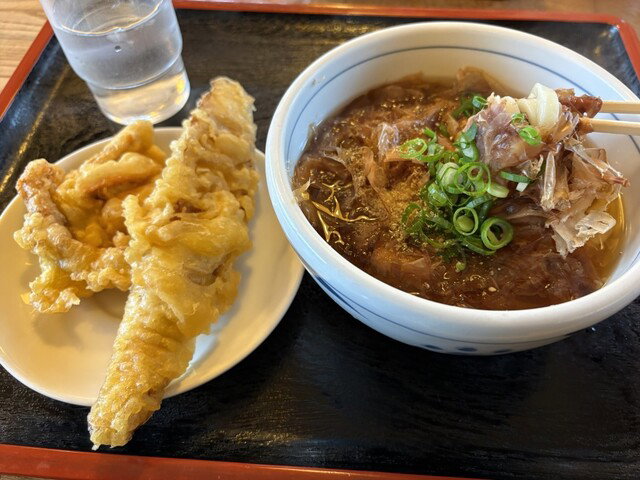
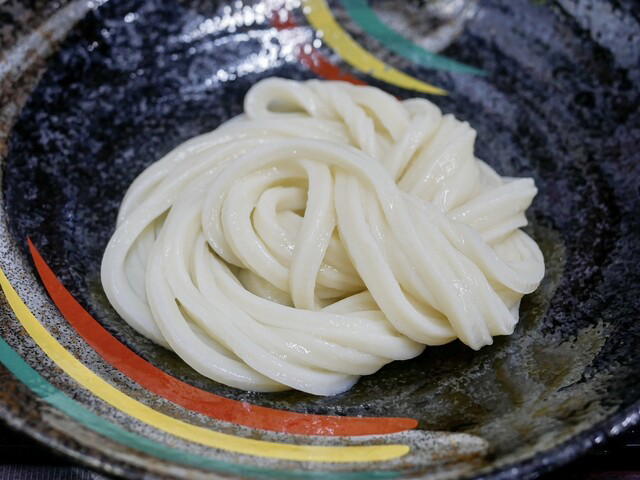
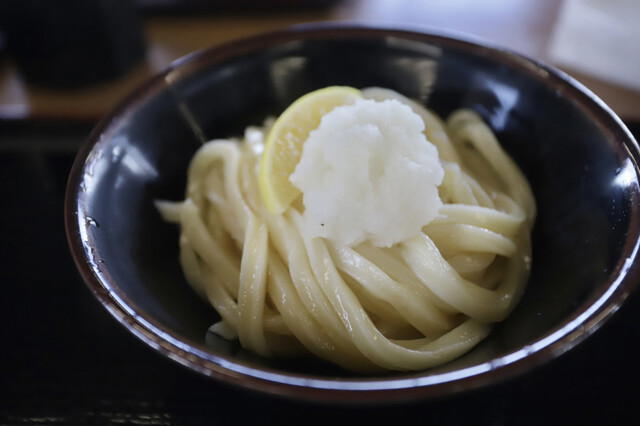
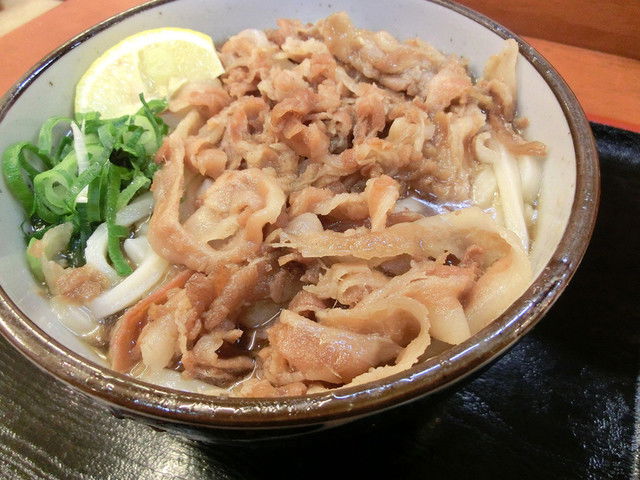
Most bowls land between JPY 500 and JPY 800, positioning this shop among the most affordable Tabelog 100 selections in Kagawa. The price-to-quality ratio is the primary draw: chewy, hand-cut wheat noodles served in clear dashi or cold with dipping sauce, prepared in a kitchen visible from the counter. Tempura and onigiri side orders add another JPY 200–400, keeping even a full meal under JPY 1,000. This is notably cheaper than Renge Ryori Ten, where dinner averages JPY 4,000–5,000, and only marginally more expensive than Fumiya Okonomiyaki Honten, which operates in the same budget tier but serves okonomiyaki rather than noodles.
Soba appears on the menu during winter months only, a seasonal constraint worth noting for visitors hoping to compare buckwheat and wheat preparations side by side. The shop opened in 2010 as an expansion of the Wataya brand, and while it lacks the decades-long pedigree of some Sanuki institutions, the Tabelog 100 listing for 2024 signals consistent execution. Counter seating offers a direct view of the noodle-cutting and boiling process, a setup that appeals to solo diners and small groups who value speed and transparency over a curated dining environment.
How Lunch and Dinner Compare
The shop serves breakfast and lunch only, closing by early afternoon or whenever the day's noodle dough runs out. There is no dinner service, a format that distinguishes it from multi-session restaurants like Renge Ryori Ten and limits flexibility for travelers with packed morning schedules. The single-session model also means the kitchen operates at peak freshness, noodles are made in batches throughout the morning, and the dashi broth maintains consistency because the shop doesn't have to stretch ingredients across two or three seatings.
For visitors comparing udon options, Udon Shokunin Sanuki Men no Suke and Shinpei Udon (the latter at JPY 1,000–2,000 per bowl) offer similar Sanuki-style preparations but with different textures and broth profiles. Wataya's version leans toward firmer noodles and a lighter, less oily dashi, making it a good benchmark for travelers trying to calibrate their preferences within the category. The wheelchair-accessible layout and stroller-friendly space make it more practical for families than some of the smaller, counter-only shops in the same price range.
If the morning line is too long, Furukawa Udon and Furusato Udon provide nearby alternatives with similar pricing and less brand recognition, which often translates to shorter waits. For a fuller picture of Takamatsu's dining landscape, see our full Takamatsu restaurants guide.
Planning details
- Location
- 8-11 Minamishinmachi, Takamatsu, Kagawa 760-0051, Japan
- Website
- maruwa-wataya.com
- Phone
- +81 87-813-1993
Venue details
Ambiance
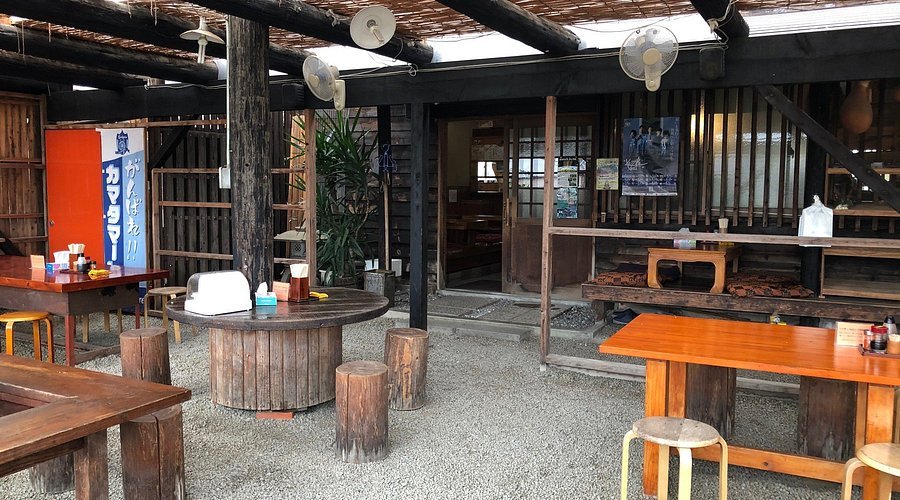
Bright, bustling self-service udon shop with cafeteria-style flow, simple classic decor and a constant queue of office workers creating an energetic but casual atmosphere.
Tags
Vibe
Best For
Experience
Sourcing
At the Table
- Noise Level
- Lively
- Service Style
- Self Service
- Meal Pacing
- Quick Bite
- Capacity
- Medium
Signature Dishes
- niku-bukkake udon (beef bukakke udon)
- kake udon
- curry udon
- tempura udon
- special bukakke udon
Know before you go
Know Before You Go
- Getting there
- 8-11 Minamishinmachi, Takamatsu, Kagawa 760-0051, Japan
Planning details
Location
8-11 Minamishinmachi, Takamatsu, Kagawa 760-0051, Japan · Directions
Recognition and awards
Also consider
Also Consider
- Shinpei Udon, JPY 1,000 - JPY 1,999, JPY 1,000 - JPY 1,999
- Renge Ryori Ten, JPY 4,000 - JPY 4,999, JPY 4,000 - JPY 4,999
- Fumiya Okonomiyaki Honten, - JPY 999, - JPY 999
- 鮨舳, Notable alternative
- Udon Shokunin Sanuki Men no Suke, - JPY 999 - JPY 999, - JPY 999 - JPY 999
Restaurant context
Mendokoro Wataya Takamatsu ten competes in Takamatsu's crowded budget udon tier, where Tabelog 100 recognition and sub-JPY 1,000 pricing overlap. Udon Shokunin Sanuki Men no Suke matches the price range and serves similar Sanuki preparations, but Wataya's larger seating capacity (81 vs. typically 20–30 at smaller shops) makes it more viable for groups or families arriving without a reservation. Shinpei Udon, at JPY 1,000–2,000, delivers a richer, more textured broth and thicker-cut noodles, making it worth the premium if you prefer a heavier bowl and don't mind spending an extra JPY 500. Fumiya Okonomiyaki Honten operates in the same budget band but pivots to savory pancakes rather than noodles, offering a complementary rather than competing experience.
For travelers willing to spend four times as much, Renge Ryori Ten (JPY 4,000–5,000) shifts the format to multi-course Chinese-influenced preparations with table service, a step up in ambiance and ingredient sourcing that justifies the higher spend for dinner but operates in a different category entirely. If you're chasing the most accessible entry point into Kagawa's udon tradition, Wataya's combination of Tabelog 100 status, early-morning availability, and consistent sub-JPY 1,000 pricing makes it the easiest recommendation for first-time visitors. Solo diners, families with strollers, and budget-conscious travelers will find the space and format more forgiving than the counter-only, standing-room setups at some traditional shops.
Booking difficulty is a non-issue here, walk-ins are the only option, and weekday mornings before 10 AM typically mean waits under 15 minutes. If you're comparing multiple udon stops in one trip, slot Wataya early in your itinerary to establish a baseline for Sanuki texture and broth clarity, then use Shinpei Udon or higher-priced shops to explore variations in richness and chew. For broader context on Takamatsu dining and lodging logistics, consult our full Takamatsu restaurants guide and our full Takamatsu hotels guide.
Explore Takamatsu
Around this place
Discover more on Pearl
Unlock the full Mendokoro Wataya Takamatsu ten guide in Pearl, including awards, comparisons, FAQs, planning details, and nearby places.
FAQ
Frequently Asked Questions
Is the tasting menu worth it at Mendokoro Wataya Takamatsu ten?
There is no tasting menu, this is a straightforward udon shop where you order individual bowls at JPY 500-800 each. The format is counter and table service with cash-only payment, and most diners finish in under 30 minutes. For multi-course dining, look elsewhere; this is built for speed and value.
Does Mendokoro Wataya Takamatsu ten handle dietary restrictions?
The menu centers on wheat-based udon, with soba available only in winter, so gluten-free diners have no safe options. The shop does not accept reservations and operates first-come, first-served, which limits advance communication about modifications. Groups with dietary needs should confirm menu flexibility by phone before visiting.
How far ahead should I book Mendokoro Wataya Takamatsu ten?
Reservations are unavailable, this is a walk-in-only operation that opens at 8:30 AM Monday through Saturday and closes at 2 PM or when noodles run out. Lines form by mid-morning on weekends, so arrive before 9 AM or expect a 15-30 minute wait. The 81-seat capacity turns over quickly, but peak lunch (11:30 AM-1 PM) fills fast.
What should I order at Mendokoro Wataya Takamatsu ten?
Start with the cold udon options, which showcase the noodle texture more clearly than hot preparations. Bowls arrive with self-serve toppings at the table, and most regulars add tempura or fried tofu from the counter display. If visiting in winter, the soba (buckwheat noodles) offers a seasonal alternative worth trying.
Is lunch or dinner better at Mendokoro Wataya Takamatsu ten?
There is no dinner service, the shop opens at 8:30 AM and closes by 2 PM or when noodles sell out, whichever comes first. Early morning (8:30-10 AM) sees the shortest lines and freshest noodle batches. Late arrivals after 1 PM risk finding the shop already closed, especially on busy Saturdays.
Is Mendokoro Wataya Takamatsu ten worth the price?
At JPY 500-800 per bowl, this is one of the most affordable Tabelog 100 selections in Kagawa, delivering solid sanuki udon without premium pricing. The quality justifies the recognition, but the format is utilitarian, counter seating, cash only, no reservations, so expect efficiency over atmosphere. For the same price bracket with more polish, Shinpei Udon offers a quieter setting.