
Hawaiki Nui
Polynesian · Tahaa
Restaurant in Tahaa, French Polynesia
 Book with Pearl
The Read
Island-Source Polynesian
Chef
Jérémy Weiss
Dress
Casual
Why go
Hawaiki Nui is worth booking for a polished Polynesian meal on Taha'a, especially for a dinner that needs more structure than a casual island stop. The 2026 Relais Chateaux Award gives it a useful quality signal, but compare it with Le Taha'a for fine-dining expectations and Tipairua Restaurant or Titiraina Restaurant for easier, lower-pressure meals.
About Hawaiki Nui
In Tahaa, the useful comparison is not against an assumed big-city tasting counter; it is against other dining choices where the plan for the meal matters as much as the cuisine category.
For someone who has already been once, the smarter move is not to assume every visit has to serve the same purpose. Hours include daily breakfast service from 7–10 AM and dinner service from 6:30–9:30 PM, so choose the meal period that best matches the trip rather than planning around a lunch or all-day format.
Choose this for Polynesian cuisine, not for an assumed menu format
Beyond that, avoid building expectations around specific signature dishes, tasting-menu structure, beverage pairings, or dietary accommodations unless the venue confirms them directly. The safest strategy is to check the current menu and ask what best represents the kitchen that day.
If the trip includes several meals, place this within a broader plan rather than treating it as the only relevant option. Tipairua Restaurant and Titiraina Restaurant are other named dining references to consider, while Le Taha'a is another comparison point for travelers deciding where to spend a more deliberate meal.
The return-visit play: match the visit to the service windows
The useful repeat-guest strategy is simple: use dinner when the evening meal matters most, or use breakfast when that better fits the day. The schedule is consistent across the week: 7–10 AM and 6:30–9:30 PM daily. Lunch service is not offered, nor is price information published, so the decision should be based on whether Polynesian cuisine at Hawaiki Nui fits the moment.
For a broader itinerary, keep this as one part of a Tahaa food plan rather than the whole plan. Our full Tahaa restaurants guide is the better starting point if the question is where to eat across Tahaa, while our full Tahaa hotels guide, our full Tahaa bars guide, our full Tahaa wineries guide, and our full Tahaa experiences guide help place the meal in the rest of the trip.
Verdict: choose Hawaiki Nui when Polynesian cuisine in Tahaa is the priority and the daily breakfast or dinner hours fit your schedule. If you want to compare before deciding, look at Tipairua Restaurant, Titiraina Restaurant, or Le Taha'a as other named options.
Located inside
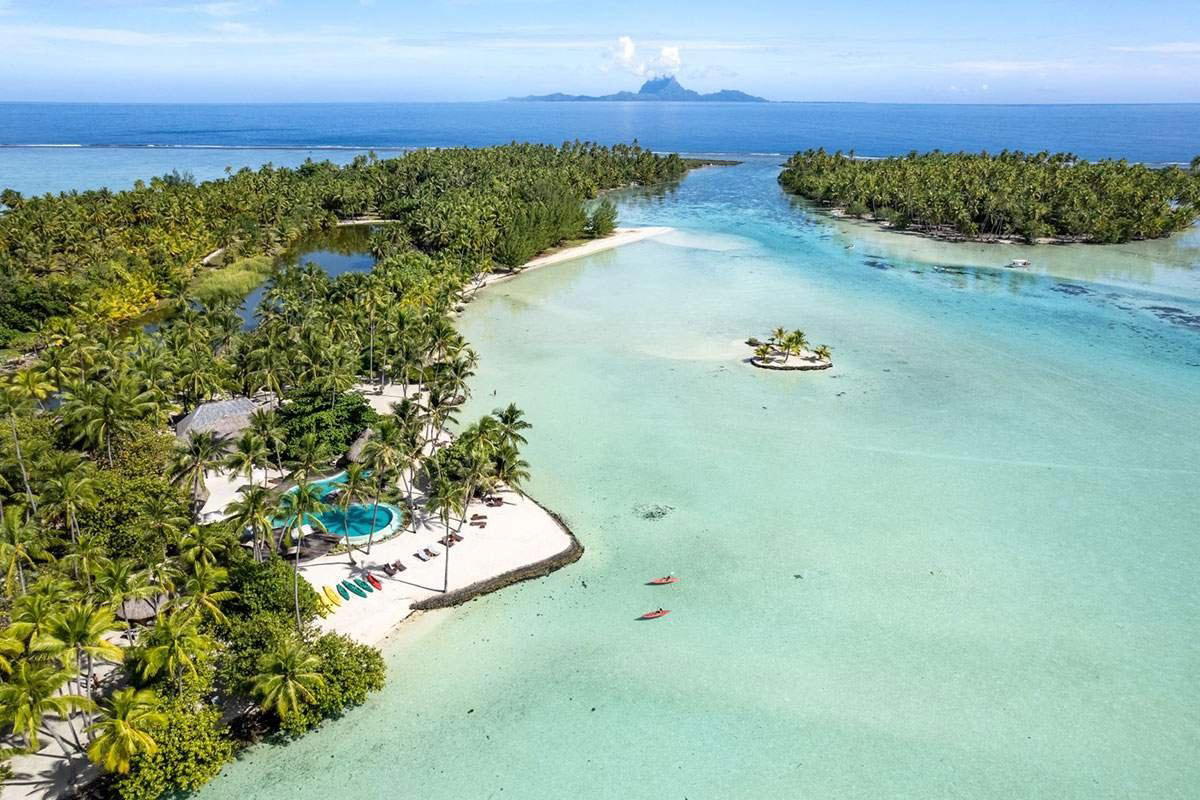 HotelLe Taha’a Pearl ResortsFull hotel guide
Planning details
- Location
- 9FJ3+GRM, Taha'a, French Polynesia
- Website
- letahaa.com/en-gb/dining-options/le-hawaiki-nui-restaurant?fgal=40
- Phone
- +689 40 60 84 00
The take
The Take
The Vibe
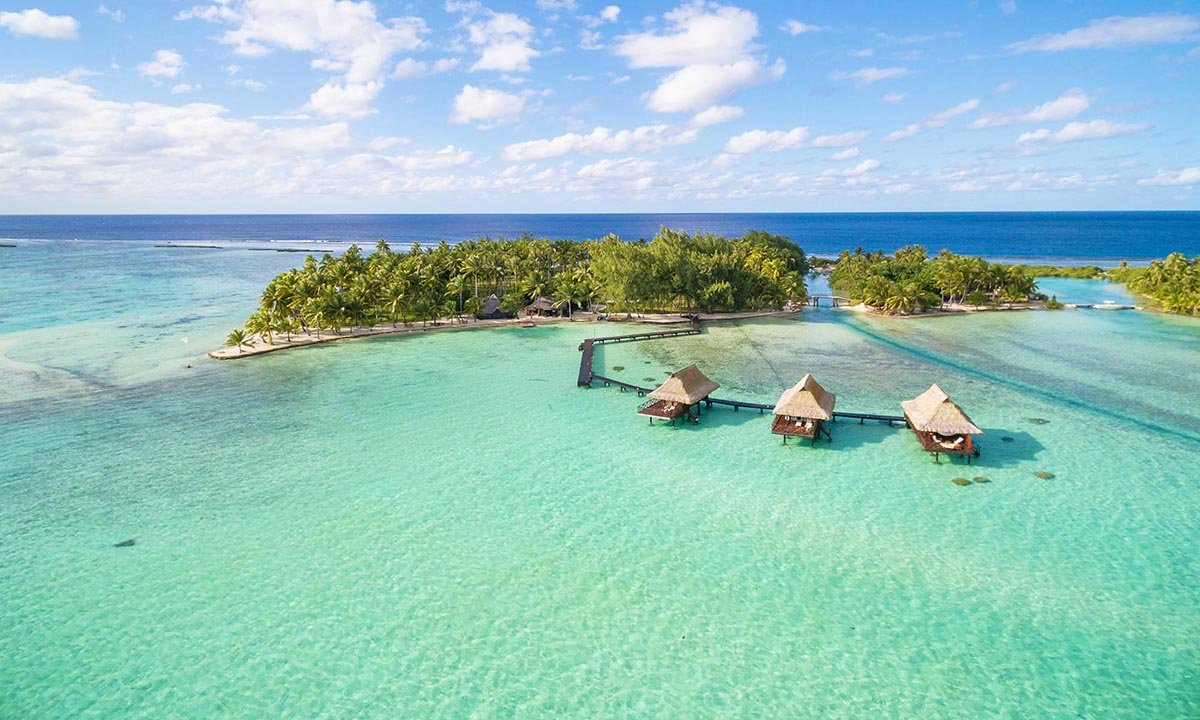
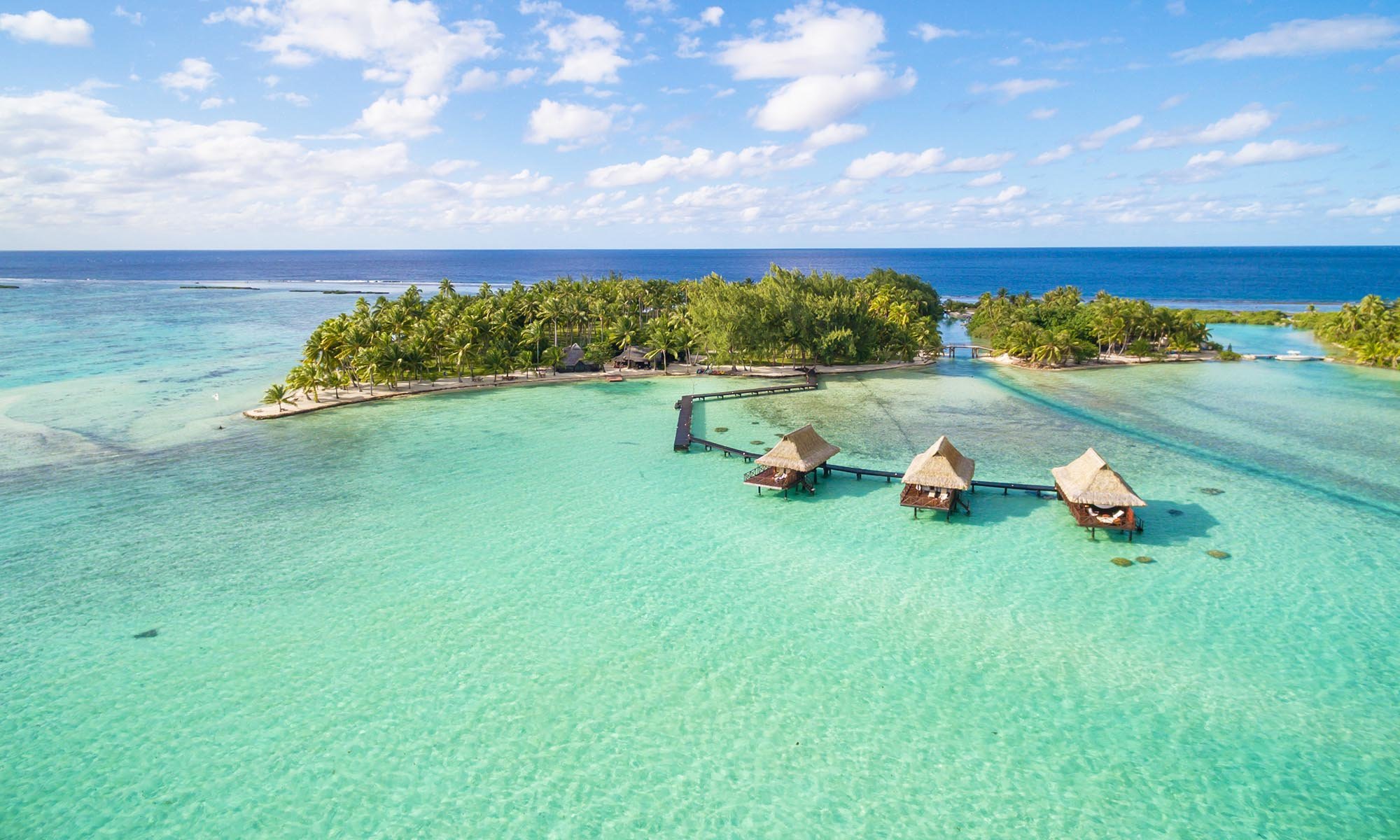
Hawaiki Nui reads like a quietly insistent argument for place. The restaurant leans into Taha'a’s lagoon, reef harvests and vanilla production to create a rustic, intimate experience that feels removed from busy resort circuits. Because the pace is governed by tides and local harvests, service and the menu unfold in a relaxed, unhurried way; this is the opposite of a high-turn dining row. The off‑the‑beaten‑path setting gives the restaurant a hidden‑gem quality, and the focused, terroir-driven cooking creates a charming, quietly refined island table rather than a flashy destination.
Best For
Hawaiki Nui is best for travelers who prize provenance and a sense of place over convenience. Guests looking for a remote, terroir-forward meal — whether celebrating a special occasion or simply marking a night of island travel — find the setting rewarding. The lack of resort crowds and the boat-or-ferry approach mean visits require intention, so it suits diners prepared for a short transfer and eager to taste what the lagoon and the island’s vanilla-rich agriculture produce. It’s less about grab-and-go dining and more about savoring local rhythms and flavors.
Ordering Tips
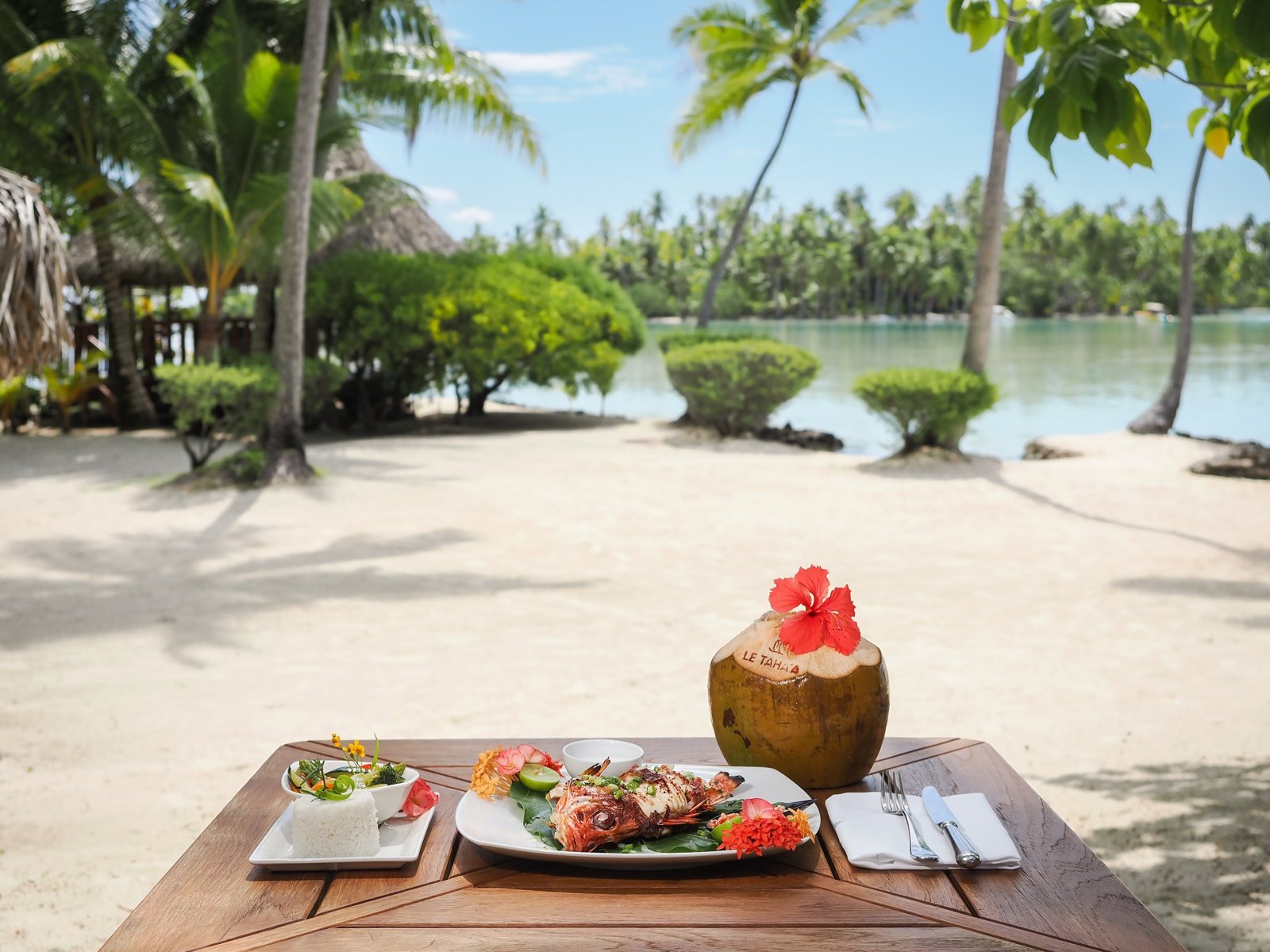
Let the lagoon guide your choices. The kitchen’s signatures are poisson cru and freshly landed seafood, so start with the raw or lightly dressed fish to taste the reef’s character. Ask what the crew hauled in that day and whether there are shellfish or reef fish preparations highlighting Taha’a’s specific harvests. Expect vanilla as a local note in some dishes or desserts — the island is known for its vanilla — and plan to order several small seafood plates to get a clear picture of the kitchen’s terroir-driven approach.
Venue details
Ambiance
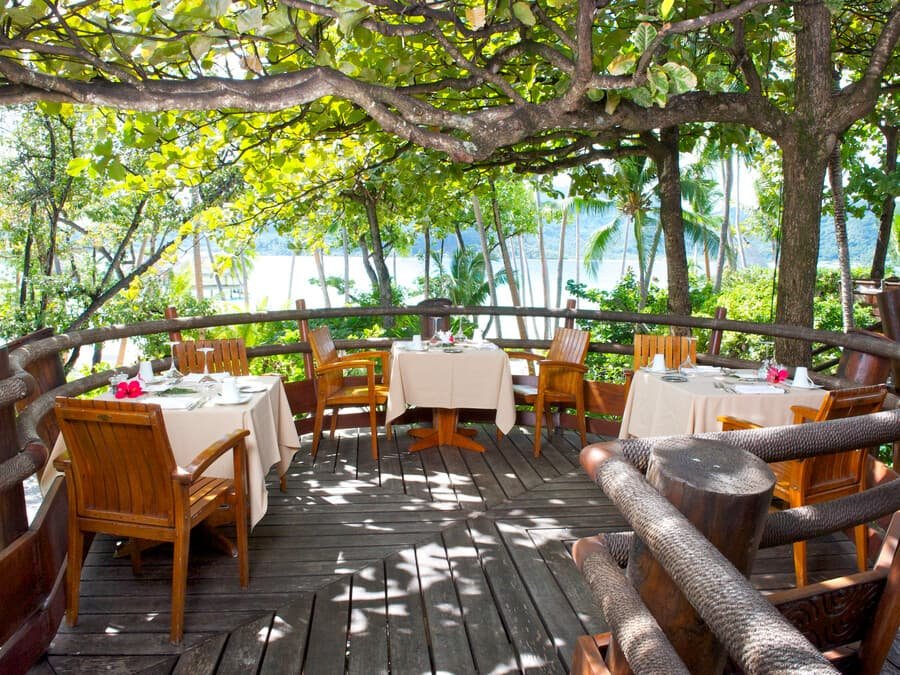
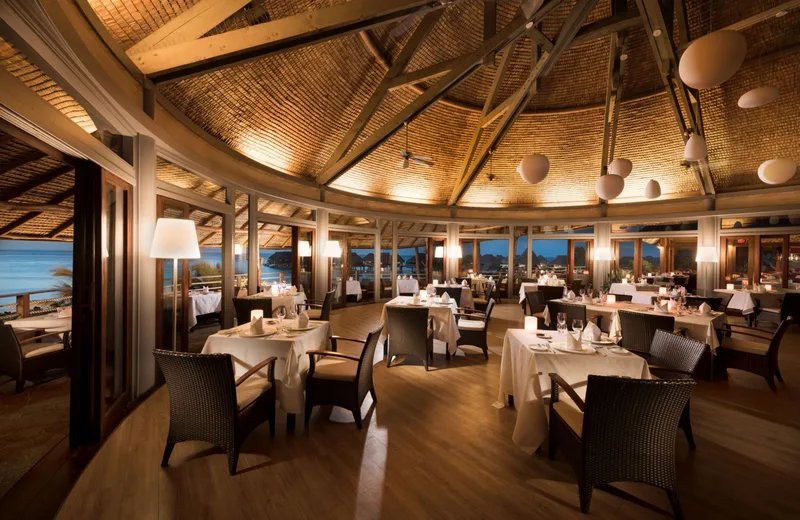
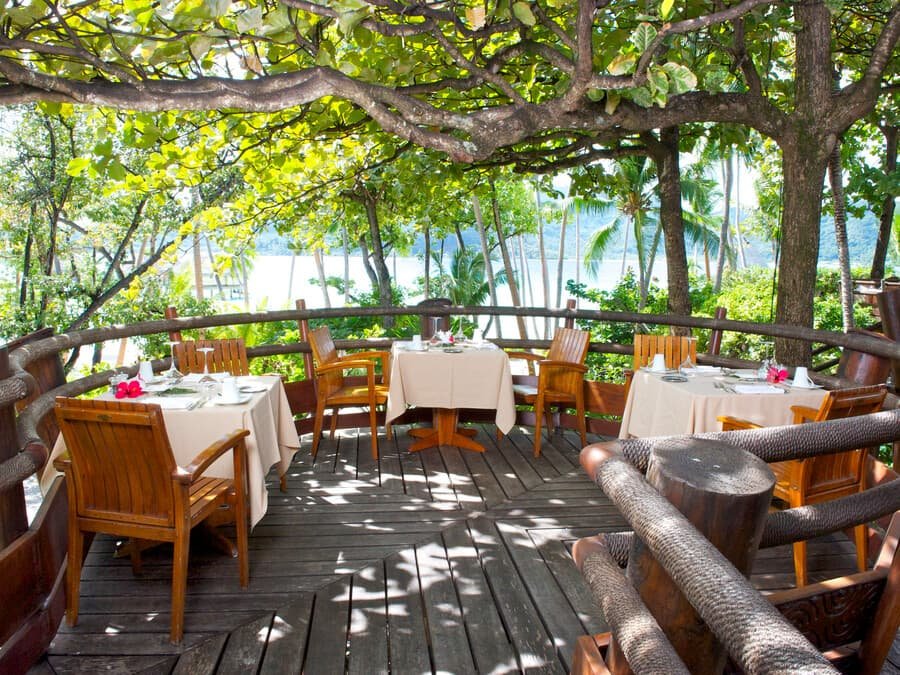
Warm, welcoming, and tranquil atmosphere perched high in the trees with restful lagoon views and lush greenery.
Tags
Vibe
Best For
Experience
Sourcing
View
At the Table
- Dress Code
- Casual
- Noise Level
- Quiet
- Service Style
- Upscale Casual
- Meal Pacing
- Leisurely
- Capacity
- Medium
- Kitchen
- Traditional
- Menu Format
- Buffet
- Wine Program
- Curated
- Dietary
- Vegetarian friendly, Vegan options, Gluten-free options
Signature Dishes
- poisson cru
- fresh seafood
Know before you go
Know Before You Go
- Getting there
- 9FJ3+GRM, Taha'a, French Polynesia
Planning details
Location
9FJ3+GRM, Taha'a, French Polynesia · Directions
letahaa.com/en-gb/dining-options/le-hawaiki-nui-restaurant?fgal=40
Recognition and awards

Also consider
Also Consider
- Tipairua Restaurant, Notable alternative
- Titiraina Restaurant, Notable alternative
- Tipairua – Restaurant gourmet, Creative cooking, Creative cooking
- Le Taha'a, Polynesian Fine Dining, Polynesian Fine Dining
- Le Corail, Notable alternative
Restaurant context
How it compares on Taha'a
Hawaiki Nui is the better fit when the meal needs to feel planned and occasion-ready. Tipairua Restaurant and Titiraina Restaurant are stronger cross-shops for diners prioritizing ease, flexibility, or a less formal island meal. Without a published price tier for Hawaiki Nui, treat it as a quality-led choice rather than a value-first one.
Against Le Taha'a, the decision is about what kind of Polynesian fine-dining night the trip needs. Le Taha'a is the cleaner comparison for travelers explicitly searching within Polynesian Fine Dining, while Hawaiki Nui makes sense when the draw is a composed restaurant with a recent Relais Chateaux Award signal. If the table has to satisfy a special-occasion brief, compare those two first.
Tipairua – Restaurant gourmet is the better alternative for diners leaning toward creative cooking, while Le Corail belongs in the wider luxury cross-shop set rather than the most direct Taha'a island comparison. For the easiest booking mindset, start with Tipairua Restaurant or Titiraina Restaurant; for the more polished dinner, keep Hawaiki Nui on the shortlist.
Explore Tahaa
Around this place
Discover more on Pearl
Unlock the full Hawaiki Nui guide in Pearl, including awards, comparisons, FAQs, planning details, and nearby places.
Compare Hawaiki Nui
| Venue | Location | Cuisine | Awards |
|---|---|---|---|
| Hawaiki Nui | Tahaa | Polynesian | 2026 Relais Chateaux Restaurants2025 Relais Chateaux Award |
| Tipairua Restaurant | Tahaa | No published awards | , |
| Titiraina Restaurant | Tahaa | No published awards | , |
| Tipairua – Restaurant gourmet | Patio Taha A | Creative cooking | No published awards |
| Le Taha’a | Tahaa | Polynesian Fine Dining | 2025 Relais Chateaux Award |
| Le Corail | Bora Bora | No published awards | , |
How Hawaiki Nui Tahaa compares with similar nearby venues.
FAQ
Frequently Asked Questions
What are alternatives to Hawaiki Nui in Tahaa?
Le Taha'a, Tipairua Restaurant, Tipairua – Restaurant gourmet, and Titiraina Restaurant are useful named comparisons when planning a meal around Hawaiki Nui. You can also compare it with other dining in Tahaa depending on the meal period and setting you want.
Is Hawaiki Nui good for a special occasion?
Hawaiki Nui may suit a special meal if you want Polynesian cuisine in Tahaa, and it holds a Relais Chateaux Award for 2026. Specific table setup, group suitability, and occasion packages are not available, so confirm directly with the venue.
How far ahead should I book Hawaiki Nui?
Booking lead time is not available. Since hours are limited to breakfast from 7–10 AM and dinner from 6:30–9:30 PM daily, check directly with the venue if a particular date or dinner matters to your plan.
What should I order at Hawaiki Nui?
The cuisine is Polynesian, but no specific dishes or menu format are available. Ask the restaurant what best represents the current menu when you visit.
Is lunch or dinner better at Hawaiki Nui?
Lunch service is not available. Hawaiki Nui's daily hours are 7–10 AM for breakfast and 6:30–9:30 PM for dinner, so dinner is the relevant evening option.
Does Hawaiki Nui handle dietary restrictions?
Dietary-restriction information is not available. Ask the venue directly before you go, especially if you need confirmation for a specific allergy or dietary request.