
Hamamoto
Sushi · CHINATOWN, Singapore
Restaurant in Singapore, Singapore
 Book with Pearl
The Read
Ingredient-Led Omakase
Price
$300–500per person
Dress
Smart Casual
Why go
Hamamoto holds a Michelin 1 Star and a near-perfect for serious omakase in Tanjong Pagar. One sitting per service, closed Monday and Sunday, makes it one of Singapore's hardest reservations. At $$$$, it competes directly with Shoukouwa and Sushi Sakuta. Book weeks ahead and go without an agenda: the chef sets the menu.
About Hamamoto
One sitting. One chef. Very few seats. Book now or wait months.
Hamamoto operates on scarcity by design. There is one sitting at lunch and one at dinner, closed on Mondays and Sundays, which means roughly ten services per week for what is already one of Singapore's hardest tables to secure. If you are comparing this to the broader Singapore sushi scene, that booking constraint alone tells you something meaningful: Kyoto-born chef Kazuhiro Hamamoto is not running volume. This holds a Michelin 1 Star as of 2024, placing it firmly in the conversation with Shoukouwa, Sushi Ichi, and Sushi Sakuta as one of Singapore's most credentialed sushi destinations.
What you are actually paying for
The $$$$ price tier at Hamamoto is not a surprise given the Michelin recognition, but the question for value-seekers is whether the money goes to the right places. Here, it does. The chef's sourcing philosophy is the engine of the experience: nodoguro and chutoro appear as nigiri, and the care applied to ingredient selection carries through to the preceding courses, including uni and smoked tuna preparations that are considered as seriously as the sushi itself. This is not a counter where the cold courses feel like filler before the main event. The preliminary dishes are constructed to the same standard as the nigiri, which is exactly what you want at this price point.
One technical detail worth noting: Hamamoto uses both red vinegar and rice vinegar for the sushi rice, selecting between them to complement each fish's natural flavour profile. For diners comparing this to other counters in Singapore, that level of rice attentiveness is the kind of detail that separates the counters worth the premium from those that are simply expensive. If you have eaten at Sushi Ashino or Sushi Hare, Hamamoto competes directly in that tier, with the Michelin star giving it an edge on credentialled recognition.
The wine angle: pairing depth at a sushi counter
The editorial angle worth addressing directly: wine program information is not publicly documented for Hamamoto, and inventing specifics here would do you no favours. What can be said with confidence is that serious Kyoto-trained sushi chefs at this price and credential level typically work with sake selections that mirror the same sourcing rigour applied to fish, and that $$$$ omakase counters in Singapore increasingly support meaningful beverage pairings. For diners where the drink pairing is as important as the food, clarify directly with the restaurant when booking. What the menu structure does suggest is that the pacing of courses, from opening dishes through to nigiri, creates natural moments for pairing consideration in a way that a purely à la carte format does not. This is a counter built for the full progression, not a drop-in for a few pieces.
Practical intelligence: how to get a seat
Hamamoto is at 58 Tras Street in Singapore's Tanjong Pagar area, a neighbourhood with a concentration of serious Japanese dining that also includes options from our full Singapore restaurants guide. Service runs Tuesday through Saturday: lunch from 12 PM to 3 PM, dinner from 6:30 PM to 11 PM. Mondays and Sundays are dark. With a single sitting per service, the available covers per week are sharply limited, and booking difficulty is rated hard. Plan at minimum several weeks out; peak periods may require more lead time.
For context on how Hamamoto fits the broader Asia sushi circuit: if you are travelling and want to benchmark against comparable counters elsewhere, Harutaka in Tokyo, Sushi Shikon in Hong Kong, and Sukiyabashi Jiro Roppongiten operate in the same tier of seriousness and comparable booking difficulty. Sushi Harasho in Osaka, Sushi Kanesaka in Tokyo, Edomae Sushi Hanabusa, Sushi Sho in New York, and HANE in Seoul round out the comparative set for omakase diners building a reference frame across cities.
Know Before You Go
- Address: 58 Tras St, Singapore 078997
- Hours: Tuesday to Saturday: Lunch 12 PM–3 PM, Dinner 6:30 PM–11 PM
- Closed: Monday and Sunday
- Price tier: $$$$
- Awards: Michelin 1 Star (2024)
- Sittings: One per service (lunch and dinner)
- Booking difficulty: Hard: plan weeks ahead minimum
- Booking method: Contact the restaurant directly; confirm beverage pairing options at time of reservation
- Cuisine: Sushi / Omakase
How It Compares
For more on dining and travel in Singapore, see our full Singapore hotels guide, our full Singapore bars guide, our full Singapore wineries guide, and our full Singapore experiences guide.
Planning details
- Hours
- Monday: closed · Tuesday: 12 PM-3 PM 6:30 PM-11 PM
- Location
- 58 Tras St, Singapore 078997
- Reservations
- Book on the venue's website
- Website
- hamamoto.com.sg
- Phone
- +65 9672 7110
The take
The Take
The Vibe
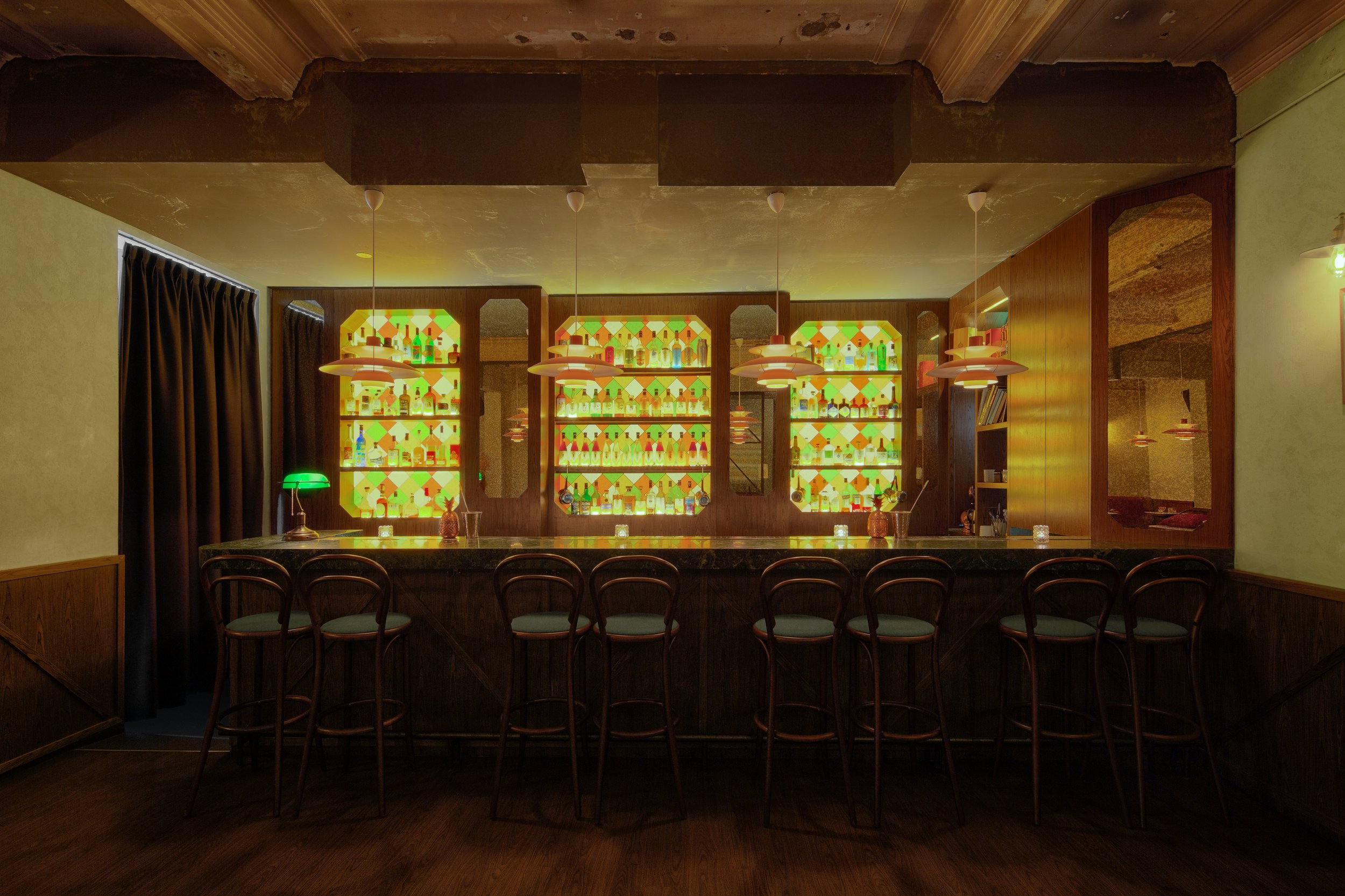
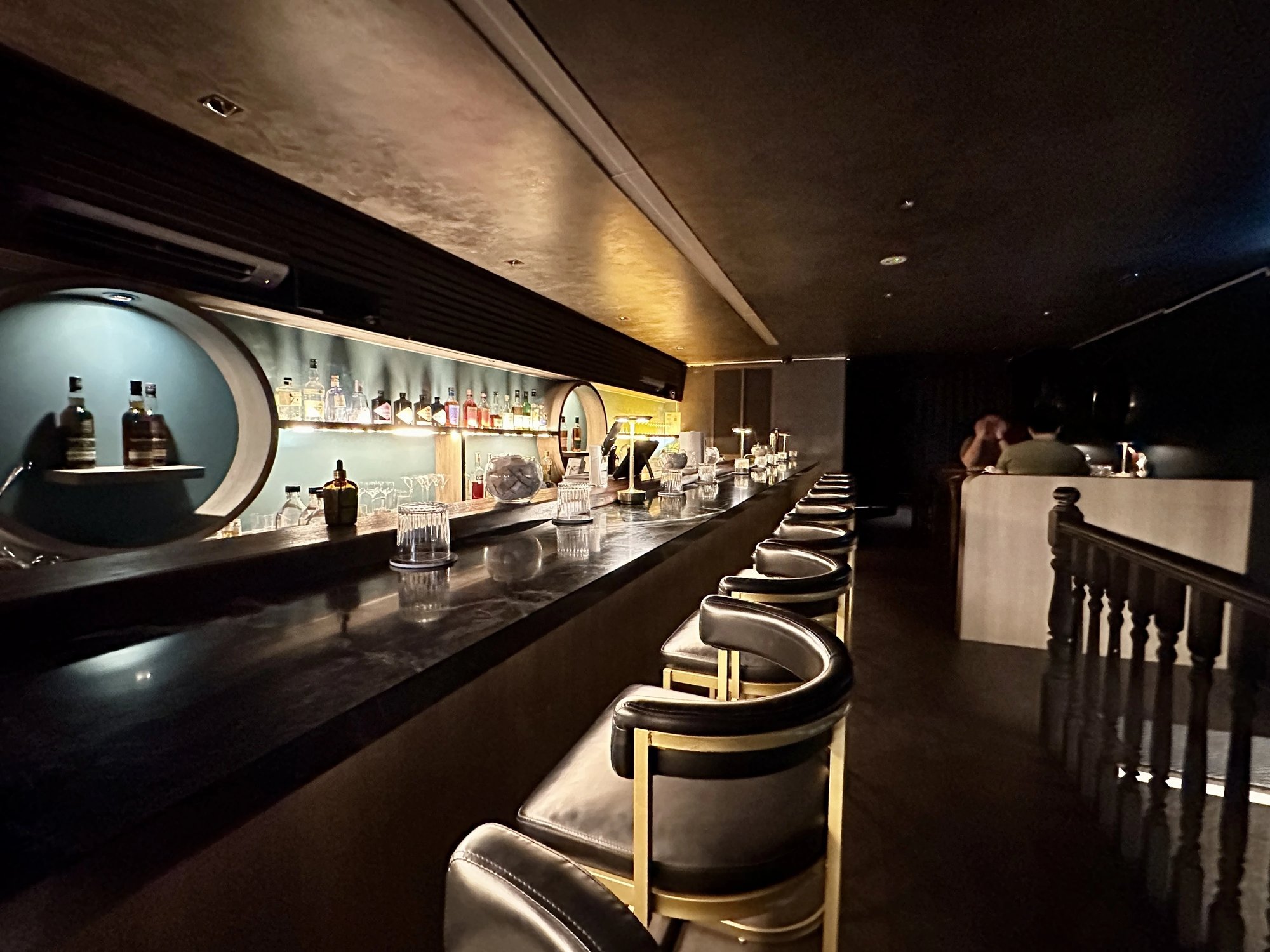
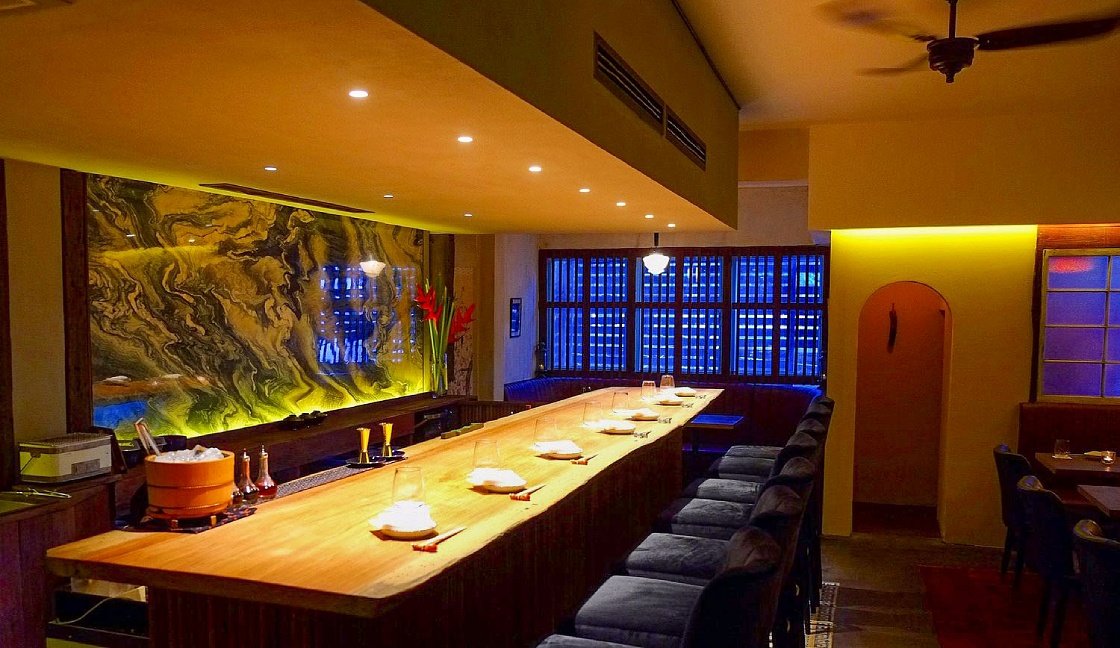
Hamamoto presents a restrained, quietly rigorous atmosphere built around a single-minded obsession with sourcing. The counter is compact and controlled, favouring close attention to ingredient quality over showy theatrics. Service feels focused and deliberate: the kind of restrained elegance associated with fine edomae technique rather than flamboyant dining. The setting supports concentrated tasting: the room’s scale and the chef-centered service create a meditative, almost scholarly dining rhythm that complements the precise treatment of fish and rice.
Best For
Hamamoto suits intimate, high-focus dining occasions where the meal itself is the event. The format is designed for single-sitting omakase at a chef’s counter, making it a natural choice for a date night or a special occasion when guests want a sequence of nigiri and seasonal fish. The kitchen’s sourcing-led philosophy and Michelin recognition also make it appealing to diners who prize provenance and technical precision in a compact, attentive environment.
Ordering Tips
Expect a strict omakase counter experience where the chef shapes every piece: Hamamoto uses both red (akazu) and standard rice vinegar and chooses the shari to complement each fish. The menu centers on ingredient selection, and the fish dictates the rice, so diners should follow the sequence the chef presents. Signatures such as Lobster with Uni and Caviar, Smoked Kinmedai and Nodoguro nigiri illustrate the kitchen’s focus on premium, carefully sourced seafood and nuanced seasoning choices.
Venue details
Ambiance
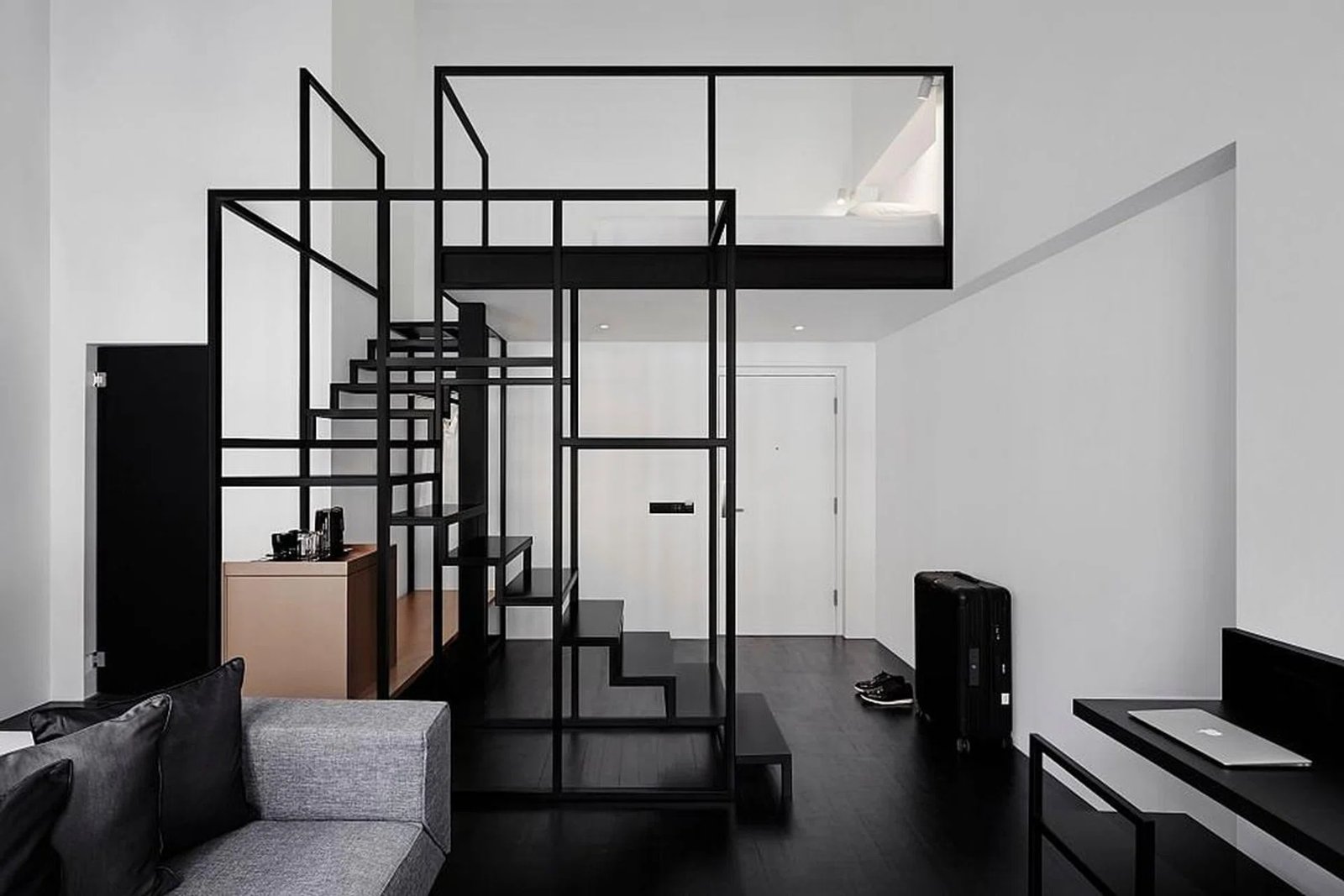
Hushed, intimate space with purposefully sparse, dark design that accentuates simplicity and focus on the cuisine.
Tags
Vibe
Best For
Experience
At the Table
- Dress Code
- Smart Casual
- Noise Level
- Quiet
- Service Style
- Formal
- Meal Pacing
- Extended Experience
- Capacity
- Intimate
- Kitchen
- Modern
- Menu Format
- Omakase, Counter dining
- Drinks Focus
- Umeshu
- Private Dining
- Available
Signature Dishes
- Lobster with Uni and Caviar
- Smoked Kinmedai
- Nodoguro Nigiri
Know before you go
Know Before You Go
- Getting there
- 58 Tras St, Singapore 078997
Planning details
Hours
- Monday
- closed
- Tuesday
- 12 PM-3 PM 6:30 PM-11 PM
- Wednesday
- 12 PM-3 PM 6:30 PM-11 PM
- Thursday
- 12 PM-3 PM 6:30 PM-11 PM
- Friday
- 12 PM-3 PM 6:30 PM-11 PM
- Saturday
- 12 PM-3 PM 6:30 PM-11 PM
- Sunday
- closed
Location
Recognition and awards
Also consider
Also Consider
- Zén: European Contemporary, $$$$
- Jaan by Kirk Westaway: British Contemporary, $$$
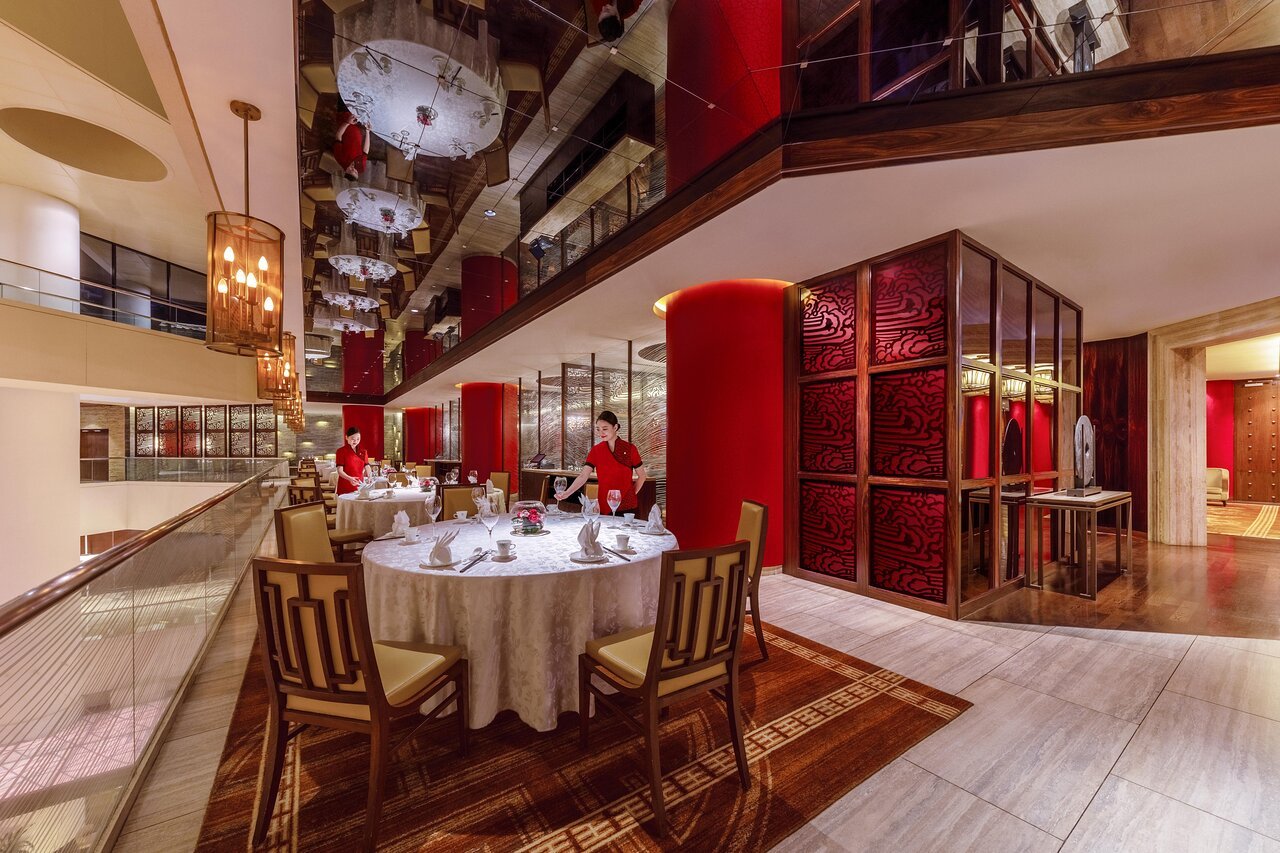
- Summer Pavilion: Cantonese, $$
- Burnt Ends: Australian Barbecue, Barbecue, $$$
- Seroja: Singaporean, Malaysian, $$$
Restaurant context
For Singapore's $$$$ bracket, Hamamoto and Zén sit at comparable price points but serve very different purposes. Zén is a full European contemporary tasting menu across multiple courses and wine pairings: the format is broad and the room is polished. Hamamoto is narrower and more precise: you are there for sushi craft, not a multi-discipline progression. If you want the widest possible fine-dining experience at the top of Singapore's price range, Zén has the edge on format variety. If sushi specifically is the goal, Hamamoto is the more credentialled choice.
Against the $$$ options, the comparison shifts on value. Jaan by Kirk Westaway offers British contemporary fine dining with city views at a lower price ceiling, making it the better call for diners who want a full-service luxury meal without the full $$$$ commitment. Seroja at $$$ delivers Singaporean and Malaysian fine dining with a strong local identity: a better recommendation if cuisine diversity or regional specificity matters more than sushi precision. Burnt Ends at $$$ is a different category entirely: Australian-style wood-fire cooking that is more casual and easier to book, but the experience is not comparable to Hamamoto's counter format.
For the value-seeker doing the maths: Summer Pavilion at $$ is the outlier in this group: Cantonese fine dining at a fraction of the price, with Michelin recognition of its own. If the goal is a serious restaurant meal in Singapore without the top-tier spend, Summer Pavilion is the practical recommendation. But if you are specifically comparing Hamamoto against other sushi counters in the city, it sits at the top of the credentialled tier alongside Shoukouwa and Sushi Sakuta, with booking difficulty that reflects that position. Book Hamamoto when sushi is the non-negotiable; consider the $$$ options when flexibility on format matters more than precision.
Explore Singapore
Around this place
Discover more on Pearl
Unlock the full Hamamoto guide in Pearl, including awards, comparisons, FAQs, planning details, and nearby places.
Compare Hamamoto
| Venue | Awards | Price |
|---|---|---|
| Hamamoto | Michelin 1 Star 20262025 Michelin 1 Star2024 Michelin 1 Star | $$$$ |
| Zén | 2026 OAD Top Restaurants in Asia Ranked · #4Michelin 3 Stars 20262026 Black Pearl 1 Diamond2026 La Liste Top Restaurants2025 OAD Top Restaurants in Asia Ranked · #32025 Asia's 50 Best Restaurants · #792025 La Liste Top Restaurants2025 Michelin 3 Stars2025 The Best Chef Two Knives | $$$$ |
| Jaan by Kirk Westaway | 2026 OAD Top Restaurants in Asia Ranked · #52Michelin 2 Stars 20262026 Black Pearl 2 Diamond2026 Les Grandes Tables du Monde Members2026 La Liste Top RestaurantsAsia's Best Fine Dining Experience 20262025 Asia's 50 Best Restaurants · #77We're Smart World Top Restaurants 2025We're Smart World Top 100 2025 | $$$ |
| Summer Pavilion | Michelin 1 Star 20262026 OAD Top Restaurants in Asia Highly Recommended2026 Black Pearl 1 Diamond2026 Wine Spectator Best of Award of ExcellenceChinese Restaurant Awards 2026: Elite 25 Asia Top 50 Honourees2025 Asia's 50 Best Restaurants · #952025 OAD Top Restaurants in Asia Ranked · #1242025 Wine Spectator Best of Award of Excellence2025 Michelin 1 Star | $$ |
| Burnt Ends | 2026 World's Best Steaks 101 Best Steak Restaurants · #92026 OAD Top Restaurants in Asia Ranked · #382026 Asia's 50 Best Restaurants · #59Michelin 1 Star 20262026 Black Pearl 1 Diamond2026 Wine Spectator Award of Excellence2026 La Liste Top RestaurantsWorld's Best Wine Lists 2026: Global Category Winners2025 World's Best Steaks 101 Best Steak Restaurants · #5 | $$$ |
| Seroja | 2026 OAD Top Restaurants in Asia Ranked · #192026 Asia's 50 Best Restaurants · #20Michelin Green Star 2026Michelin 2 Stars 20262026 Black Pearl 1 Diamond2026 La Liste Top Restaurants2025 OAD Top Restaurants in Asia Ranked · #392025 Asia's 50 Best Restaurants · #40Tatler Best Restaurants Asia-Pacific 2025 | $$$ |
















Side-by-side comparison to help you decide where to book.
FAQ
Frequently Asked Questions
Is lunch or dinner better at Hamamoto?
Lunch is the harder seat to justify on scheduling, but it is functionally the same omakase experience as dinner: one sitting, same kitchen, same Michelin 1 Star format. Dinner suits most visitors better because the pacing fits naturally into an evening in Tanjong Pagar. That said, if your Singapore calendar is tight, lunch on a Tuesday through Saturday is a legitimate option and no less serious a meal. Book either slot as far in advance as possible; neither is easy to secure.
Is Hamamoto good for solo dining?
Yes: a sushi counter with one sitting and chef-driven omakase is one of the few formats that actually works better solo than in a group. You get the full counter experience without coordinating preferences, and Kyoto-born Kazuhiro Hamamoto's approach to nigiri and preceding courses is designed to be followed in sequence. Solo seats are still subject to the same booking pressure, so plan ahead.
What should I order at Hamamoto?
There is no à la carte menu: Hamamoto runs omakase only, so the kitchen decides the sequence. Based on Michelin recognition, the nigiri (nodoguro and chutoro are cited specifically) and the preceding courses such as uni and smoked tuna are the pillars of the meal. The sushi rice is dressed in either red or rice vinegar depending on the fish, which is a deliberate technique rather than a stylistic flourish. Your only real decision is lunch versus dinner and when you can get a reservation.
Is Hamamoto worth the price?
At $$$$ with a Michelin 1 Star and an omakase format built around sourcing quality, nodoguro, chutoro, uni, the price is consistent with what serious sushi counters charge in Singapore and Tokyo. The value case depends on whether you want a chef-driven sequence with no substitutions, one sitting per service, and ingredient-first cooking. If you want flexibility or à la carte, look at other Tanjong Pagar options. If the omakase format suits you, Hamamoto is priced fairly for what it delivers.
Is the tasting menu worth it at Hamamoto?
The omakase at Hamamoto earned a Michelin star in 2024, and the structure, preceding dishes including uni and smoked tuna, then nigiri with vinegar-matched rice, reflects a kitchen that treats the full sequence as the point. It is worth it if you are booking specifically for a crafted omakase progression rather than a casual sushi meal. Compare against Zén or other Singapore tasting-menu counters if you are weighing multiple $$$$ options for the same trip.