
Restaurant in Gijon, Spain
Sidrería Asturias
100ptsAsturian Cider-House Format
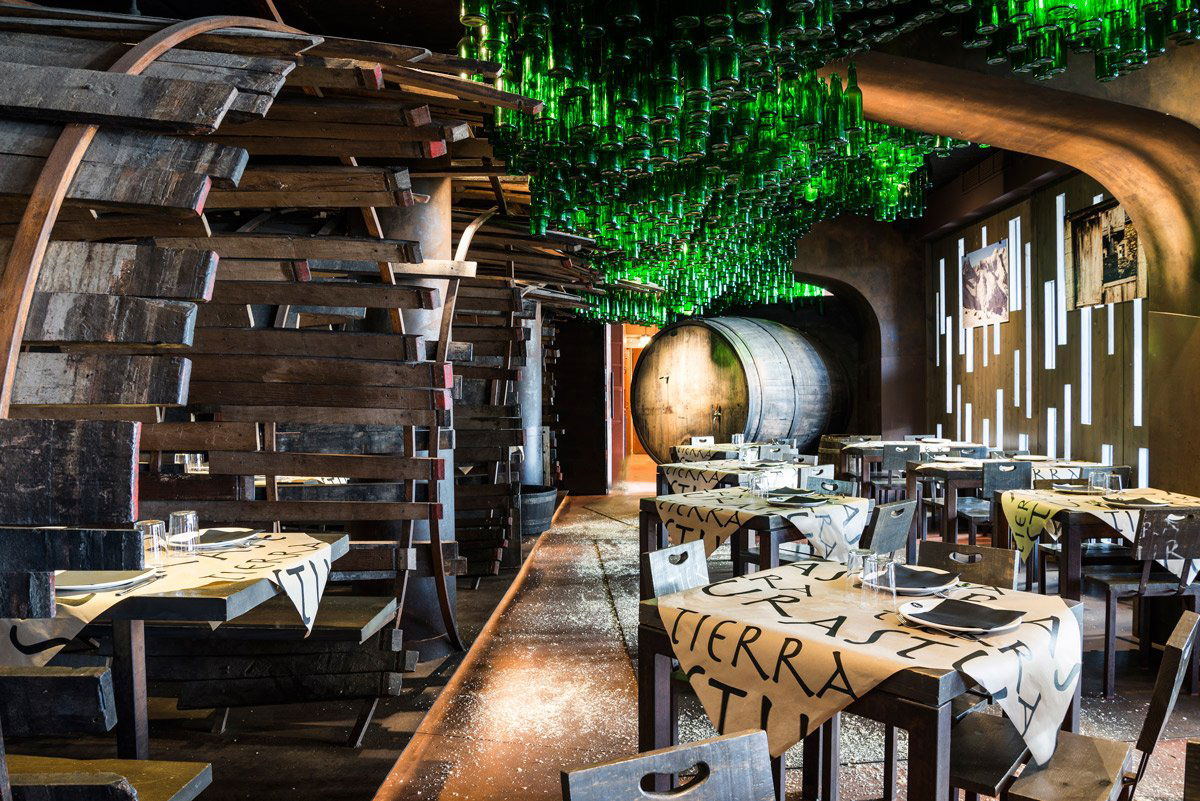
About Sidrería Asturias
Sidrería Asturias in Gijón sits at the intersection of two things the region does better than almost anywhere else in Spain: cider and fire-cooked protein. The format here is traditional sidrería — communal, unhurried, tied to the rhythms of the Asturian countryside — and the sourcing logic that underlies it connects directly to the fishing ports and cattle farms that define northern Spain's food identity.
Where the Cider Comes From First
In Asturias, the sidrería is not simply a restaurant category — it is a cultural contract. The format predates modern dining by centuries, rooted in the apple orchards of the interior valleys where cider was currency, preservative, and social glue long before wine reached this corner of the Cantabrian coast. Walking along Calle Dr. Aquilino Hurlé in Gijón's eastern quarter, you encounter the particular atmosphere that defines these spaces: long wooden tables, the faint tang of fermented apple in the air, and a room that operates on its own clock, indifferent to the pace of the street outside. Sidrería Asturias sits within that tradition, and understanding what it offers requires understanding the tradition first.
The sidrería format places ingredient sourcing at the centre of everything. Unlike tasting-menu restaurants — where the kitchen's craft is the primary argument , a sidrería lives or dies on what it sources and how faithfully it handles those materials. Spain's haute dining circuit, from Arzak in San Sebastián to El Celler de Can Roca in Girona, operates on entirely different principles , ambition, technique, transformation. The sidrería, by contrast, is a format of transparency: the quality of the raw material is the point.
Asturian Sourcing and What It Actually Means
Asturias produces some of the most geographically concentrated high-quality ingredients in the Iberian Peninsula. The coastline running west from Gijón to Llanes delivers percebes, nécoras, and merluza through fishing communities that have supplied the same markets for generations. Inland, the lush, rain-heavy valleys support cattle breeds , particularly the Asturiana de los Valles , whose beef has a fat profile closer to a well-raised British native breed than to the leaner cattle of Castile. The cider itself comes from more than 20 indigenous apple varieties grown across the Camín Real corridor, pressed in lagares that follow seasonal rhythms tied to the harvest rather than commercial demand.
This sourcing geography is the reason the sidrería as a format makes cultural sense in Asturias in a way it would not elsewhere. A sidrería in Madrid is a simulacrum; in Gijón, you are three kilometres from the sea and forty minutes from the orchards. That proximity is not incidental , it shapes what appears on the table and how reliably it appears. The chorizo criollo, the cachopo (the region's breaded veal cutlet that has become a kind of culinary shorthand for Asturian abundance), the sidra natural poured from shoulder height in the traditional escanciar pour: each of these is a direct expression of place in a way that transcends any single venue's execution.
For context on how other Spanish regions handle the relationship between place and plate at the highest level, Aponiente in El Puerto de Santa María and Quique Dacosta in Dénia both build their menus around hyper-local marine sourcing, but through the filter of fine-dining transformation. The sidrería inverts that logic: less transformation, more fidelity to material.
The Gijón Eating Scene Around It
Gijón is a working port city that has developed a dining scene more layered than its profile outside Spain would suggest. The Cimadevilla neighbourhood and the streets around the port host a concentration of casual-to-serious eating that rewards extended exploration. Within the city's broader restaurant range, the formats run from wine-led small-plate rooms like Camila Cañas, Vinos y Raciones to contemporary casual operations including KO Burger and Koa Poke. There is also Pasiones, which represents a different register of the city's eating ambitions. Our full Gijón restaurants guide maps these across neighbourhood and format.
The sidrería occupies a specific place in that range: it is the format most tied to local ritual and least oriented toward visitors. This is not unwelcoming , Asturian hospitality is direct , but it is a space designed for the way locals actually eat: long, unhurried meals that begin with cider and move through several rounds of food without urgency. The pacing is built into the format. Arriving expecting the rhythm of a contemporary restaurant will produce friction; arriving prepared for a two-hour progression through the menu will produce the opposite.
Spain's Broader Fine Dining Context
It is worth situating the sidrería format against Spain's international dining reputation, not to conflate the two but to understand the range. Spain currently holds one of the densest concentrations of serious restaurant talent in Europe. DiverXO in Madrid, Mugaritz in Errenteria, Azurmendi in Larrabetzu, Martin Berasategui in Lasarte-Oria, Cocina Hermanos Torres in Barcelona, Ricard Camarena in València, and Atrio in Cáceres all represent the transformative, technique-heavy end of the country's output. These restaurants share an orientation toward innovation and the international fine-dining conversation. The sidrería occupies the opposite pole , not lesser, but defined by entirely different values. For international visitors who arrive in Spain having eaten at venues comparable to Le Bernardin in New York City or Lazy Bear in San Francisco, the sidrería offers a genuinely different frame of reference: food as communal habit rather than curated experience.
Planning a Visit
Sidrería Asturias is located at Calle Dr. Aquilino Hurlé, 36, in Gijón's eastern district. Contact details and current hours were not available at the time of writing, so confirming opening times directly before visiting is advisable , Asturian sidrerías frequently follow seasonal rhythms and may reduce hours outside peak summer and weekend periods. The format is walk-in friendly by local convention, though weekends and summer evenings in Gijón draw consistent local demand, and arriving early in a service tends to ease access. Dress is entirely informal; the space is built for conversation and noise, not ceremony. Budget expectations should align with the format: this is a category defined by volume and generosity rather than precision pricing, and the cider is typically sold by the bottle at rates that make the full meal a reasonable spend for the experience delivered.
Frequently Asked Questions
- What do people recommend at Sidrería Asturias?
- The sidrería format in Asturias centres on a set of regional staples that recur across the leading venues in the region: cachopo (breaded veal filled with cheese and cured meat), grilled meats sourced from Asturian cattle, fresh fish from the Cantabrian coast, and sidra natural poured using the traditional shoulder-height escanciar technique. Specific current dishes at Sidrería Asturias were not available in our records at the time of writing, so checking with the venue directly will give you the most accurate picture of what is on offer.
- How hard is it to get a table at Sidrería Asturias?
- Sidrerías in Gijón are generally walk-in operations rather than reservation-heavy venues, unlike Michelin-tier destinations where booking windows extend months in advance. That said, Gijón's dining scene draws significant local demand on weekends and during the summer season when the city's population swells. Arriving at the start of a service , typically lunch from 1:30pm or dinner from 9pm in the Spanish convention , gives the leading chance of immediate seating without a long wait.
- What is Sidrería Asturias leading at?
- Within the sidrería format, the strongest argument for venues of this type in Asturias is always the integrity of the sourcing: cider from regional producers, protein from cattle raised on Cantabrian pasture, and seafood from nearby ports. Sidrerías do not compete on technique or presentation; they compete on the quality of what they buy and the faithfulness of how they handle it. That is where reputations are built in this category, and it is the dimension most worth paying attention to when assessing any specific venue in this format.
- Is Sidrería Asturias allergy-friendly?
- Sidrería menus in Asturias tend to feature gluten-heavy dishes , cachopo in particular involves breadcrumb coatings , and dairy is common across the region's cooking. For specific allergen information at Sidrería Asturias, contacting the venue directly before your visit is the only reliable approach, as no allergy data was available in our records. Current EU food labelling regulations require Spanish restaurants to identify the 14 major allergens on request, so staff should be able to advise on site.
- Is the cider at Sidrería Asturias natural or from a commercial producer?
- Asturian sidrerías in Gijón overwhelmingly serve sidra natural , unfiltered, naturally fermented cider drawn from the barrel or bottle rather than force-carbonated commercial cider. The distinction matters significantly to the experience: natural cider is lower in carbonation, sharper in acidity, and considerably more variable bottle to bottle, which is why it is poured using the escanciar technique to aerate it at the point of serving. Sidrería Asturias is located within a city that has direct relationships with producing lagares in the nearby Nava and Villaviciosa valleys, the two primary appellations within the Denominación de Origen Sidra de Asturias.
Related editorial
- Best Fine Dining Restaurants in ParisFrom three-Michelin-star icons to the next generation of Parisian chefs pushing boundaries, these are the restaurants that define fine dining in the world's culinary capital.
- Best Luxury Hotels in RomeFrom rooftop terraces overlooking ancient ruins to Michelin-starred hotel dining, these are the luxury hotels that make Rome unforgettable.
- Best Cocktail Bars in KyotoFrom sleek lounges to hidden speakeasies, Kyoto's cocktail scene blends Japanese precision with global influence in ways you won't find anywhere else.
Save or rate Sidrería Asturias on Pearl
Keep this venue in your Pearl passport, rate it after you visit, and track it alongside every other place you collect.