

Restaurant in Seattle, United States
Cookie's Country Chicken
100Pearl PointsConvenience First
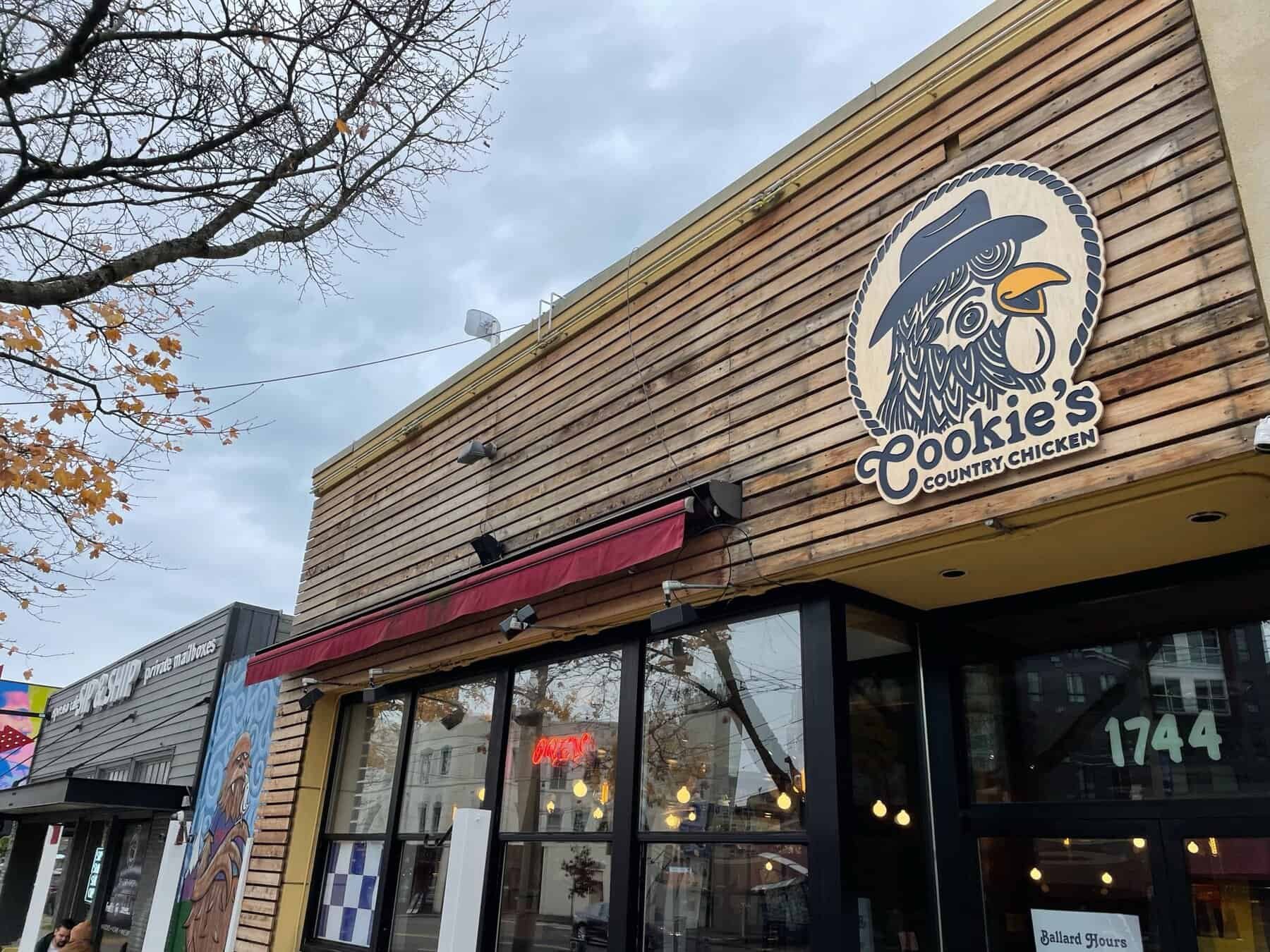
About Cookie's Country Chicken
1744 NW Market St is useful when you need an easy Ballard option with broad daytime-to-evening hours, not when you need a clearly defined cuisine, chef-led format, or special-occasion dining room. Keep it for casual plans where location matters more than a destination-level meal.
For plans in Seattle, this venue is best treated as a practical option with verified daily hours and a casual dress code. The useful facts are direct: it opens at 11 AM every day, closes at 8 PM Sunday through Thursday, closes at 9 PM on Friday and Saturday. Treat it as a convenience-led stop, not a destination meal built around unverified claims about awards, tasting menus, or a specific cuisine promise.
Use it when flexibility matters more than a defined dining agenda
The strongest case here is logistical. The verified listing supports a simple read: daily 11 AM opening hours, evening closing hours, casual attire. Because no cuisine, price tier, chef, booking method, or service format is verified, this is not the page to use for decisions that depend on those specifics. For a broader comparison, look at named Seattle options with clearer public identities, including Stoneburner, Moshi Moshi Sushi, San Fermo, Lupe's Situ Tacos, La Carta De Oaxaca.
Service expectations should be kept simple. With no verified awards or formal dining signals attached, the smart read is to expect an easygoing experience rather than making assumptions about a particular style of hospitality. That can be a positive if the goal is a simple stop, a solo visit, or an uncomplicated meet-up. It is less useful if the decision depends on a known beverage program, special-occasion polish, or a specific counter or tasting format.
Better for casual plans than detail-dependent booking
For explorers building a Seattle list, this should sit in the “useful if convenient” category. Cross-shop it with broader local research like Our full Seattle restaurants guide, then widen the plan with Our full Seattle bars guide, Our full Seattle hotels guide, Our full Seattle wineries guide, Our full Seattle experiences guide. If the brief is simply another Seattle option to compare, keep the shortlist focused on verified needs such as timing, dress code, whether another venue has a clearer fit for the occasion.
Bottom line: choose it if the hours and casual dress code solve the plan. If the meal itself needs a clearer point of view, compare it with Stoneburner, Moshi Moshi Sushi, San Fermo, Lupe's Situ Tacos, or La Carta De Oaxaca.
Frequently Asked Questions
What times are verified?
The verified hours start at 11 AM every day and run until 8 PM Sunday through Thursday, with Friday and Saturday open until 9 PM. Choose the time that fits your plan; no specific meal period or menu format is verified.
What should I wear?
Keep it casual. The verified dress code for this Seattle venue is casual, so simple everyday attire is the safest read.
Is it good for solo dining?
It can work for a solo plan if the hours and casual dress code fit your day. No specific seating format or solo-dining setup is verified, so check directly with the venue if that detail matters.
How far ahead should I book?
No booking details or reservation-heavy format are verified for this Seattle venue. If your plan is specific, check with the venue directly; otherwise, use the verified daily hours as the main planning detail.
What are alternatives in Seattle?
For other Seattle options to compare, look at Stoneburner, San Fermo, Moshi Moshi Sushi, Lupe's Situ Tacos, or La Carta De Oaxaca. This venue is best evaluated on its verified hours and casual dress code.
Location
1744 NW Market St, Seattle, WA 98107
Seattle, United States
Compare Cookie's Country Chicken
How It Compares in Ballard
1744 NW Market St is the practical choice if the plan is anchored to Market Street and needs an easy, casual stop. Stoneburner and San Fermo are better fits when the room and overall experience matter more than convenience.
If cuisine direction is the deciding factor, Moshi Moshi Sushi, Lupe's Situ Tacos, La Carta De Oaxaca are cleaner comparisons because the choice is easier to explain to a group.
Where to Go If This Does Not Fit
If the group wants a more clearly defined Ballard dinner, start with Stoneburner or San Fermo. If the brief is cuisine-specific, compare Moshi Moshi Sushi, Lupe's Situ Tacos, La Carta De Oaxaca before committing.
How It Compares in Ballard
Choose 1744 NW Market St for convenience first. Against Stoneburner, Moshi Moshi Sushi, San Fermo, it is the easier call only when the address and timing matter more than a clearly framed dining style.
For a more defined meal, cross-shop harder. Lupe's Situ Tacos and La Carta De Oaxaca give you a clearer cuisine direction, while Moshi Moshi Sushi is the cleaner pick when the group specifically wants sushi. San Fermo and Stoneburner are stronger candidates when ambiance is part of the decision.
Booking difficulty looks easiest here because no reservation constraints or awards signals are attached. That makes it useful for lower-pressure plans, but less persuasive for diners comparing quality of experience or value for money against peers with more defined identities.
Explore Seattle
Save or rate Cookie's Country Chicken on Pearl
Keep this venue in your Pearl passport, rate it after you visit, and track it alongside every other place you collect.