

Restaurant in Santiago, Chile
White Rabbit
0Pearl PointsProvidencia Counter Dining
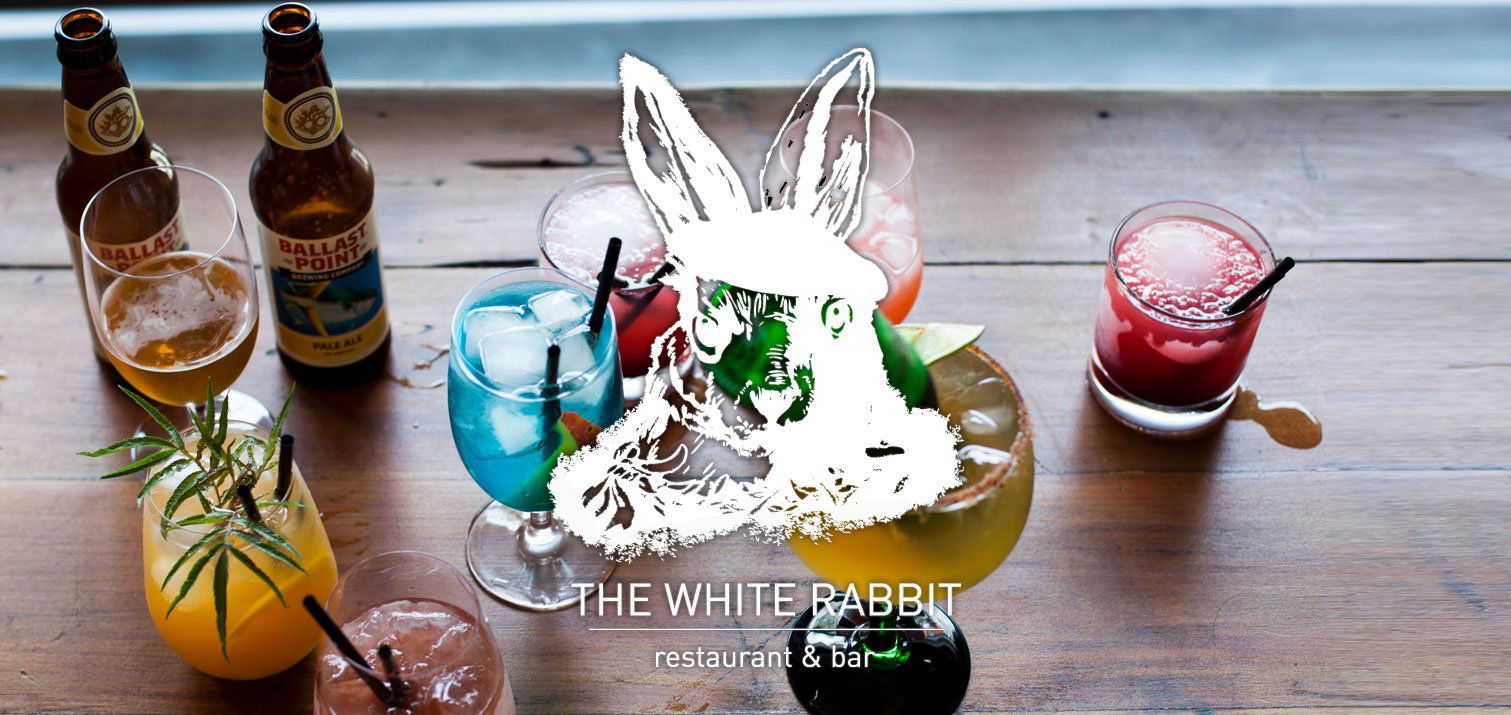
About White Rabbit
This listing is retired after a June 2026 status audit.
Providencia's Dining Corridor and Where White Rabbit Sits Within It
Antonia López de Bello is not a street that asks for much patience. Providencia's restaurant density along this stretch means that a kitchen has to declare its position quickly or risk being read as interchangeable with its neighbours. The addresses here range from neighbourhood staples to places with clear formal ambitions, the competitive pressure that creates has, over the past several years, pushed a number of kitchens to sharpen their menu logic considerably. White Rabbit at number 118 operates within that context, occupying a spot in a neighbourhood where the dining register has been climbing without fully crossing into the kind of ceremony that defines, say, the upper tier of Las Condes or the area around Boragó (Modern Chilean) in Lo Barnechea. White Rabbit is a casual American gastropub at Antonia López de Bello 118 in Providencia, Santiago.
Providencia as a dining zone rewards the kind of visitor who wants seriousness without spectacle. Peumayen in Providencia made that case years ago by building a kitchen around indigenous Chilean ingredients and a tasting format that resists casual reading. The neighbourhood has since accumulated enough comparable addresses to constitute a genuine tier, not just a cluster of individually interesting rooms. White Rabbit arrives in that context as an address on a street already doing editorial work for it.
What Menu Architecture Reveals About a Kitchen's Priorities
The way a restaurant structures its menu is among the more reliable signals of what a kitchen actually believes. Price-driven menus compress choice to a formula. Trend-driven menus sequence dishes to satisfy a moment. The kitchens that hold up over time tend to build menus with an internal logic that the diner can follow, where each section exists because the kitchen has a clear reason for it rather than because convention demands it.
In Santiago, this kind of structural thinking has become more visible across a specific cohort of kitchens. 99 Restaurante built its reputation in part on the discipline of its tasting format. Demencia approaches its menu as a sequence with editorial intent rather than a list of available dishes. Ambrosia (French - Chilean) has long used French structural discipline as a frame for Chilean produce, which is itself a form of menu argument. These kitchens share a belief that the order and relationship between dishes carries meaning, that a diner who reads the menu carefully can understand something about the kitchen's thinking before the first course arrives.
White Rabbit's placement in Providencia, among rather than above this conversation, suggests a kitchen that is working within a defined register rather than trying to set a new one. That is not a criticism. Some of the most consistent restaurants in any city are the ones that know exactly which conversation they are part of and execute within it with clarity. The question a visitor brings to White Rabbit is whether the menu, when it arrives, has that kind of structural confidence, whether the sections hold together as an argument or simply as a sequence of available options.
The Santiago Context: A City Mid-Conversation
Santiago's restaurant scene has been through a visible shift over the past decade. The city that once imported its fine-dining framework wholesale from Europe, French technique, imported produce, European wine lists weighted toward Bordeaux, has spent the last several years building a more locally grounded formal register. La Calma by Fredes (Seafood) represents one expression of that shift, anchoring its menu to Chilean coastal produce and resisting the temptation to frame it through a European lens. Boragó set the trajectory for that conversation more than a decade ago and remains its most cited reference point internationally.
What has emerged from that shift is a city with at least three visible dining tiers. The first is the internationally recognised formal tier, populated by a small number of kitchens with Latin America's 50 Best or Michelin recognition. The second is the serious local tier, where kitchens operate with real technical ambition and local critical recognition but without the same international profile. The third is the neighbourhood-serious tier, where the food is considered and the execution is careful but the frame is more relaxed. Providencia tends to draw kitchens from the second and third of those tiers, occasionally producing one that migrates toward the first.
For a visitor planning a broader Santiago itinerary, it helps to read each address against that tier structure. The city rewards sequential dining across its neighbourhoods rather than a single-destination approach. An evening at White Rabbit in Providencia pairs naturally with a broader survey that might include D.O. Restoran in Lo Barnechea for contrast in register, or a meal at a wine-forward address like Bocanáriz for a different kind of structured experience. For those extending beyond Santiago, Pasta e Vino Ristorante in Valparaiso and Rosario in Rengo offer a sense of how Chile's restaurant culture extends into the regions, each with its own structural logic and local sourcing argument.
Planning a Visit: What to Know Before You Go
White Rabbit is at Antonia López de Bello 118 in Providencia, a neighbourhood well-served by Santiago's Metro system, the Baquedano station on Line 5 puts you within comfortable walking distance, the street is active enough in the evenings that the approach on foot is direct. Providencia draws a mix of local professionals and visitors staying in the neighbourhood's hotels, which means the room tends to feel grounded rather than tourist-facing.
For a broader view of how White Rabbit fits within the city's full dining picture,
Visitors to Chile who are building a longer itinerary beyond Santiago will find that the country's food culture extends considerably further than the capital. Aquí Jaime in Concon on the coast and Lapostolle Residence in Santa Cruz in the Colchagua wine country both represent distinct expressions of Chilean hospitality and produce. Further north, Awasi Atacama in San Pedro de Atacama operates in a register shaped by extreme terrain and altitude, while andBeyond Vira Vira in Araucanía and CasaMolle in El Molle extend Chile's hospitality story into landscapes that reframe what local sourcing actually means. Wine-focused visitors will find the conversation grounded at Viña Concha y Toro in Pirque, where scale and history give a different kind of structural reading than the city's restaurant kitchens can offer.
For those arriving in Santiago from a broader international dining circuit, the reference points worth carrying in are not European fine dining comparisons but rather the tasting-format restaurants that have redefined what structured menus can do in urban settings. Le Bernardin in New York City and Lazy Bear in San Francisco both illustrate, from their respective positions, what it looks like when a kitchen commits fully to a menu architecture rather than a menu list. That frame is useful when reading Santiago's most considered kitchens, White Rabbit among them.
Location
Antonia López de Bello 118, Providencia, Región Metropolitana, Chile
Santiago, Chile
Save or rate White Rabbit on Pearl
Keep this venue in your Pearl passport, rate it after you visit, and track it alongside every other place you collect.