
Restaurant in San Francisco, United States
jū-ni
350ptsPlan weeks ahead. The precision earns it.


About jū-ni
jū-ni is Chef Geoffrey Lee's counter omakase on Fulton Street, ranked #370 in North America by Opinionated About Dining (2025) and holding a Michelin Plate designation. At $$$$ per head, it's among San Francisco's most technically focused sushi experiences — book three to four weeks out minimum, and go knowing the format is counter-only, no walk-ins.
The Verdict
If you've been to jū-ni once, the question isn't whether to return — it's whether your second visit will hold up against memory. At the $$$$ price point, Chef Geoffrey Lee's omakase on Fulton Street earns its repeat visits: the technical precision that impressed you the first time is consistent enough to trust, and the format rewards familiarity. This is not a one-and-done dinner. It's the kind of room where knowing what to expect makes the experience sharper, not duller.
For San Francisco sushi at this tier, jū-ni sits in the serious conversation alongside The Shota and Kusakabe. If you want the most technically focused nigiri-forward experience in the city at the $$$$ level, jū-ni is the booking to make. If you want more kaiseki structure or a longer, more theatrical progression, look elsewhere.
The Room and the Feel
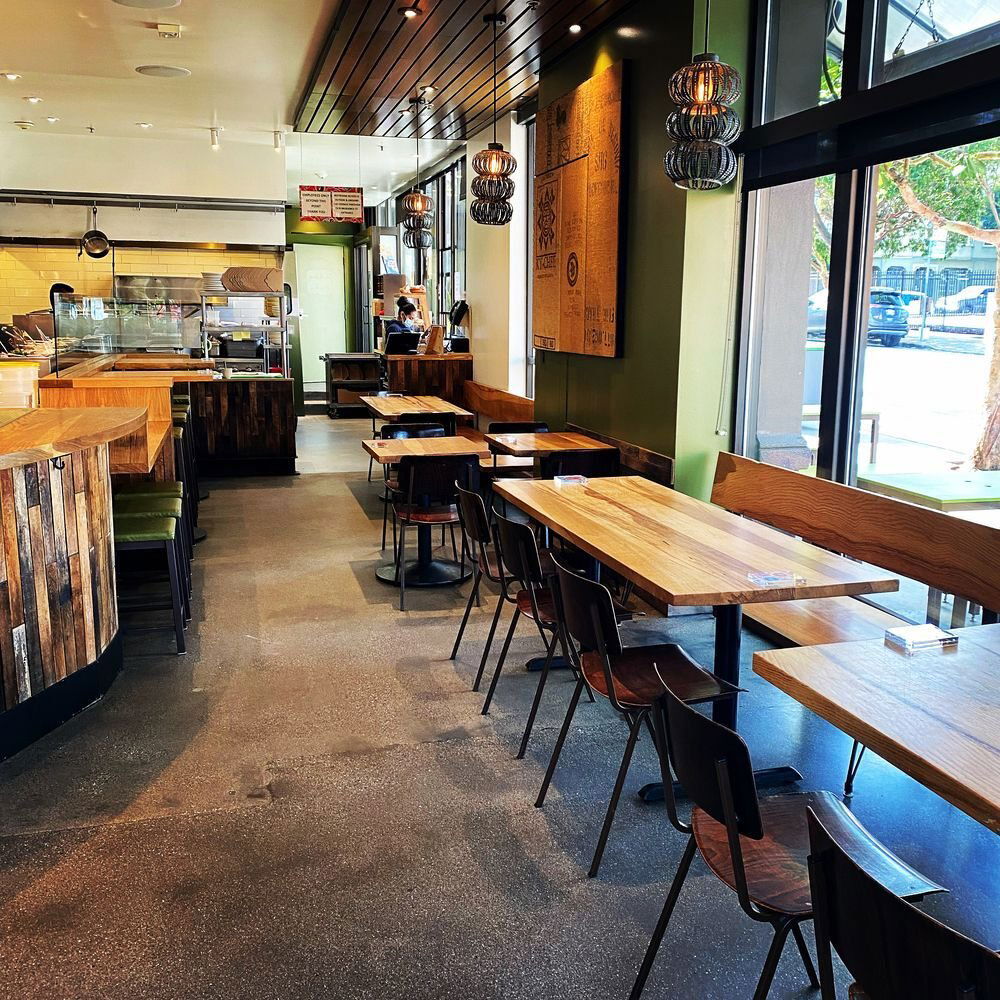
The atmosphere at 1335 Fulton St is deliberately controlled — quiet enough for conversation, intimate enough that you notice the pacing. This is not a loud, energy-driven room. The counter format keeps the mood focused: you are watching the work, not performing for the space. For a second visit, that restraint is an asset. The room doesn't distract from the food, which is exactly the point at this price level. If you're bringing someone who needs ambient buzz to settle in, manage expectations in advance , this is a concentration room, not a celebration-night-out room.
Noise is not a factor here the way it is at busier San Francisco dining rooms. The sushi counter format keeps volume low and the experience close. For a date or a serious business dinner where conversation matters, the atmosphere works in your favor.
Service: Does It Earn the Price?
This is where jū-ni either justifies or fails to justify its position at the leading of San Francisco's price tier. The service philosophy at an omakase counter like this is structurally different from a full-service restaurant: there is no front-of-house distance between diner and kitchen, and the pacing is chef-controlled rather than guest-controlled. That means the service quality is embedded in the timing, the explanations, and the attentiveness of the team at the counter , not in tableside flourishes.
With a 4.7 Google rating across 480 reviews and consecutive recognition from Opinionated About Dining , ranked #370 in North America in 2025, up from #504 in 2024 , the evidence suggests the service execution is consistent. The Michelin Plate designation, held in both 2024 and 2025, confirms a floor of quality. What that combination tells you: this is a kitchen and team operating with discipline. For a returning guest, that consistency is the service. You are not surprised; you are confirmed.
At the $$$$ tier, service polish matters. Compared to a room like Atelier Crenn or The French Laundry, jū-ni offers a more stripped-back interaction model , less ceremony, more craft. Whether that earns the price depends on what you value. If tableside theater and front-of-house choreography are important to you, this format will feel lean. If you want the money going directly into the fish and the technique, jū-ni makes that trade clearly.
Booking: Plan Ahead
Getting a reservation at jū-ni is genuinely difficult. Book at least three to four weeks out as a baseline; peak periods and weekend slots go faster. Tuesday through Sunday, 5–10 PM are the only service windows (the restaurant is closed Monday and Sunday). The absence of Sunday service narrows the weekend window further , Saturday is the premium slot and the hardest to secure.
If you are planning a special occasion, don't leave this to the week before. The small counter format means capacity is limited by design, and demand at this recognition level , OAD top 400 North America, Michelin Plate , means the room fills. For comparison, Hamano Sushi is a more accessible alternative if your timeline is short. For an equally serious omakase commitment on a tighter booking window, Kusakabe is worth checking first.
Practical Details
| Detail | jū-ni | The Shota | Kusakabe |
|---|---|---|---|
| Price range | $$$$ | $$$$ | $$$$ |
| Cuisine | Omakase sushi | Omakase sushi | Omakase / kaiseki |
| Hours | Tue–Sat, 5–10 PM | Check current | Check current |
| Closed | Sun & Mon | Varies | Varies |
| Booking difficulty | Hard (3–4 wks+) | Hard | Moderate–Hard |
| Format | Counter omakase | Counter omakase | Counter omakase |
| Recognition | OAD #370 (2025), Michelin Plate | Michelin-recognized | Michelin-recognized |
How It Compares in San Francisco
At the $$$$ tier in San Francisco, jū-ni competes in a dense field. See the full comparison section below for how it stacks up against Lazy Bear, Atelier Crenn, and the city's other flagship dining rooms. For the full picture of where to eat in the city, see our full San Francisco restaurants guide. If you're planning a broader trip, our San Francisco hotels guide, bars guide, wineries guide, and experiences guide are worth consulting.
For a wider lens on serious sushi at this price tier across North America, Masa in New York City and Sushi Masaki Saito in Toronto represent the upper ceiling of the format. For California-focused fine dining beyond sushi, Single Thread Farm in Healdsburg and The French Laundry in Napa are the relevant comparisons for occasion dining at this spend level. Beyond the Bay Area, Le Bernardin in New York City, Alinea in Chicago, Providence in Los Angeles, and Emeril's in New Orleans give useful calibration for what the $$$$ tier delivers across U.S. fine dining markets.
FAQ
- Is jū-ni good for a special occasion? Yes, with one caveat: it suits occasions where the focus is on the food rather than on theatrical service or a big room. The counter format is intimate and quiet, which works well for a milestone dinner between two people. For larger groups or guests who need high-energy front-of-house warmth, a room like Lazy Bear may land better. For a food-first occasion at the $$$$ tier, jū-ni is a strong call.
- Is jū-ni worth the price? At $$$$ for a nigiri-focused omakase with OAD top 400 North America recognition and consecutive Michelin Plate designations, the price reflects a kitchen operating at a consistently high level. It's worth it if omakase is your preferred format and technical precision matters more to you than theatrical presentation. If you want more spectacle for the spend, Atelier Crenn or Lazy Bear give you more ceremony at a comparable price point.
- Can I eat at the bar at jū-ni? jū-ni operates as a counter omakase, meaning the counter IS the experience , not a walk-in bar alternative. There is no separate bar seating for à la carte orders. You are booking the counter and the tasting menu together. Walk-ins are unlikely to be accommodated given the booking difficulty at this recognition level.
- What should a first-timer know about jū-ni? Book three to four weeks out minimum, plan for a Tuesday through Saturday service window (closed Sunday and Monday), and go in knowing the format is counter omakase , you eat what the kitchen sends, at the kitchen's pace. The room is quiet and focused. Dress smart-casual at minimum. If this is your first omakase experience in San Francisco, jū-ni is a high floor to start from , but if budget is a concern, Hamano Sushi is worth knowing as a lower-pressure entry point.
- Is the tasting menu worth it at jū-ni? The tasting menu is the only option , this is not a venue where you order à la carte. Given Chef Geoffrey Lee's consistent recognition (OAD rank improving year-over-year, Michelin Plate held across multiple years), the format delivers reliably. The question is whether a nigiri-focused progression is the right format for your group. For a comparable spend on a more eclectic tasting menu format, Lazy Bear or Atelier Crenn offer different structures worth comparing before you commit.
Compare jū-ni
Frequently Asked Questions
Is jū-ni good for a special occasion?
Yes, with the right expectations. The format — intimate counter, chef-led pacing, no à la carte — is built for occasions where the meal itself is the event. At $$$$ per head with Michelin Plate recognition and a spot on OAD's Top Restaurants in North America, it carries the credibility to mark something. Just know the room is quiet and controlled by design, not celebratory in a loud sense. If you need a private dining room or a festive atmosphere, look elsewhere.
Is jū-ni worth the price?
For omakase specifically, yes. jū-ni has held Michelin Plate status and OAD Top Restaurants in North America recognition across multiple consecutive years, which puts it in consistent company at the $$$$ tier. The case for value rests on whether you want a focused, chef-directed sushi experience rather than something more freewheeling. If you're after a broader tasting menu format, Lazy Bear or Atelier Crenn may suit you better for the same spend.
Can I eat at the bar at jū-ni?
jū-ni operates as a counter-format omakase restaurant, so the counter itself is the primary seating. Reservations are required — this is not a walk-in bar situation. Book three to four weeks out as a minimum baseline, longer for weekend slots.
What should a first-timer know about jū-ni?
The format is omakase only: you eat what Chef Geoffrey Lee serves, at the pace the kitchen sets. The room at 1335 Fulton St is deliberately intimate, so late arrivals or large groups disrupt the experience for everyone. Book well in advance, confirm your dietary restrictions when reserving, and treat the Tuesday-to-Saturday window as your only realistic options given Monday and Sunday closures.
Is the tasting menu worth it at jū-ni?
If omakase is the format you want, jū-ni consistently delivers enough precision to justify its $$$$ price point — OAD ranked it #370 in North America in 2025, up from #504 the prior year, which signals momentum. If you're new to omakase and unsure whether the format suits you, it's worth trying a less expensive sushi counter first. For the price, go in knowing what you're buying: chef's choices, counter seating, no substitutions.
Hours
- Monday
- Closed
- Tuesday
- 5–10 pm
- Wednesday
- 5–10 pm
- Thursday
- 5–10 pm
- Friday
- 5–10 pm
- Saturday
- 5–10 pm
- Sunday
- Closed
Recognized By


Similar venues by awards
Related editorial
- How travel will be redefined by 2040By 2040, Travel Won't Be an Industry — It Will Be Infrastructure My thesis is simple and, I suspect, unfashionable: by 2040 travel will stop behaving like a discretionary consumer category and start
- How travel will be redefined by 2040By 2040, Travel Won't Be a Trip — It Will Be a Stack My thesis is simple and, I think, uncomfortable: by 2040, "travel" will no longer describe a discrete journey from point A to point B.
- How travel will be redefined by 2040The Death of Tourism as We Know It: Why 2040 Will Demand a Completely Different Kind of Traveler Let me be direct: the version of travel most of us grew up dreaming about — cheap flights, crowded lan
Save or rate jū-ni on Pearl
Keep this venue in your Pearl passport, rate it after you visit, and track it alongside every other place you collect.