
Restaurant in Sakai, Japan
æ¥æ¬æç å³ææ
100Pearl PointsKita Ward Table Cooking
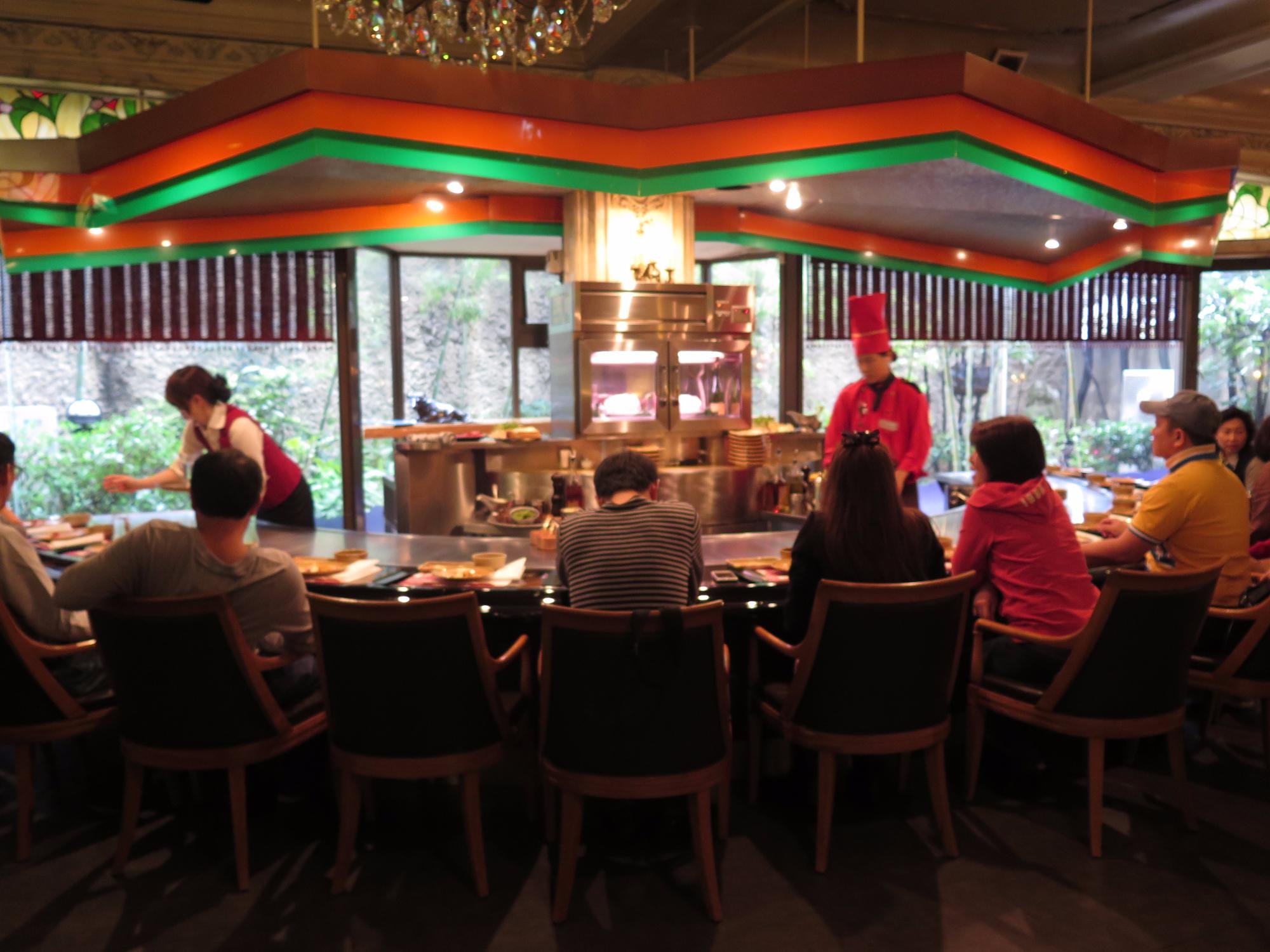
About æ¥æ¬æç å³ææ
A neighbourhood Japanese restaurant in Sakai's Kita Ward, 日本料理 味菜 suits diners looking for a quieter, local alternative to Osaka's busier dining corridors. Booking is easy and the atmosphere is likely calm and unhurried. Detailed pricing and menu data are limited, so verify specifics directly before visiting — and see our full Sakai guide for alternatives.
Quick Verdict
日本料理 味菜 in Sakai's Kita Ward is worth considering if you're looking for a neighbourhood Japanese dining experience away from Osaka's more heavily trafficked restaurant corridors — but with limited data available, first-timers should approach with calibrated expectations rather than high-stakes occasion dining. Booking appears direct, which already puts it ahead of the harder-to-access kaiseki rooms in central Osaka.
What to Expect as a First-Timer
Sakai sits south of Osaka, known more for its craft heritage and local food culture than for destination dining. A restaurant at this address in Kita Ward is likely drawing a neighbourhood crowd rather than an international one, which tends to shape the atmosphere: quieter, more settled, less performative than the dining rooms clustered around Shinsaibashi or Namba. For a first visit, that ambient register — calm, local, unhurried , is the baseline to expect. If you're arriving from central Osaka, allow around 30–40 minutes by train via the Midosuji or Nankai lines.
The brunch and morning service angle is worth flagging directly: Japanese dining at this category level in residential Sakai often skews toward lunch formats that mirror traditional morning meal structures , rice, pickles, grilled fish, miso , rather than Western brunch conventions. If that's the format you're after, this part of Osaka Prefecture delivers it more authentically than tourist-facing spots in the city centre. For comparable morning-format Japanese dining further afield, Gion Sasaki in Kyoto and akordu in Nara both offer structured lunch programmes worth comparing.
What the Venue Offers
Because detailed menu, pricing, and hours data are not currently available in our database, we can't give you the dish-level specifics that would normally anchor this section. What we can say: Japanese cuisine restaurants at a neighbourhood scale in Sakai typically operate across a lunch and dinner format, with set-course options sitting between ¥1,500 and ¥5,000 at lunch and potentially higher at dinner depending on the kitchen's ambitions. Treat those figures as a category baseline, not confirmed pricing , verify directly before booking.
For verified high-confidence dining in the broader Osaka region, HAJIME in Osaka is a documented benchmark, and Harutaka in Tokyo illustrates what serious Japanese counter dining looks like at the leading end if you're calibrating expectations across formats.
Practical Details
Address: 3005-25 Kanaokacho, Kita Ward, Sakai, Osaka 591-8022, Japan. Reservations: Booking difficulty is rated Easy , walk-in or same-week reservations are likely feasible, though calling ahead is always advisable for weekend lunch. Dress: No dress code data available; smart-casual is appropriate for most neighbourhood Japanese restaurants at this level. Budget: Pricing data is not confirmed , budget for ¥2,000–¥4,000 per head at lunch as a reasonable working estimate for the category. Getting there: Sakai is accessible from Osaka via the Nankai Main Line or Midosuji subway line; allow 25–40 minutes from central Osaka depending on your starting point.
How It Compares
See the comparison section below for how 日本料理 味菜 sits relative to other Sakai dining options including Kawaki, Oga, and Birdland.
Also in Sakai
If you're spending time in the area, Pearl's local guides cover the full picture: our full Sakai restaurants guide, Sakai hotels, Sakai bars, Sakai wineries, and Sakai experiences are all worth checking before your trip. Other Sakai dining options worth knowing: Domani and Ootoku round out the local shortlist for different occasions.
FAQ
Can I eat at the bar at 日本料理 味菜?
Seat configuration data is not available for this venue. Neighbourhood Japanese restaurants in Sakai at this scale sometimes offer counter seating, which suits solo diners and those who want to watch the kitchen. Call ahead to confirm what's available before arriving with a group expecting a specific setup.
Is 日本料理 味菜 good for a special occasion?
With no awards data, pricing confirmation, or reviews in our database, we'd steer you toward a verified venue for a high-stakes occasion. HAJIME in Osaka is the documented choice for a serious celebration in this region. That said, a quiet neighbourhood Japanese room in Sakai can work well for an intimate, low-key occasion if the format fits.
What should a first-timer know about 日本料理 味菜?
Go in with neighbourhood-dining expectations rather than destination-dining ones. Sakai is not a tourist dining hub, which is either a plus or a minus depending on what you want. The area is a 30–40 minute train ride from central Osaka, so pair a meal here with other Sakai plans rather than making it a standalone trip. Booking appears easy, so there's no pressure to plan far in advance. Check our full Sakai restaurants guide for context on the local dining scene.
What should I wear to 日本料理 味菜?
No dress code is confirmed. Smart-casual , clean, neat, nothing overly casual , is the right call for most neighbourhood Japanese restaurants in this part of Osaka Prefecture. If the venue turns out to have a more formal kaiseki structure, that bar would move up slightly, but there's no data suggesting formality is required here.
What are alternatives to 日本料理 味菜 in Sakai?
For seafood, Kawaki is the most direct comparison in Sakai's seafood category. Oga and Birdland are also local options worth checking depending on your format preference. If you're open to making the trip to Osaka, HAJIME operates at a different level entirely. See our Sakai restaurants guide for the full picture.
Is 日本料理 味菜 good for solo dining?
Neighbourhood Japanese restaurants in Japan are generally well-suited to solo dining , counter seating is common and eating alone carries no social awkwardness in this context. Whether this venue has counter seating specifically is unconfirmed, but if solo counter dining is your priority, it's worth asking when you book. For a verified solo counter experience at the higher end, Harutaka in Tokyo is the benchmark format to understand what's possible.
What should I order at 日本料理 味菜?
Specific menu data is not available. For a Japanese restaurant in this category and location, a set lunch course is usually the most focused way to eat , it reflects what the kitchen has chosen to prioritise that day and typically delivers better value than ordering à la carte. If a seasonal set is on offer, that's the default recommendation for a first visit.
Location
3005-25 Kanaokacho, Kita Ward, Sakai, Osaka 591-8022, Japan
Sakai, Japan
Compare æ¥æ¬æç å³ææ
Among the Sakai venues Pearl currently tracks, Kawaki is the clearest alternative if seafood is your priority — it operates with a specific format focus that makes the booking decision more straightforward. 日本料理 味菜, by contrast, sits in the broader Japanese cuisine category, which typically means more format flexibility but less of the sharp identity that destination diners tend to want. If you're choosing between the two, Kawaki is the stronger call when you know seafood is what you're after.
Oga and Birdland are also in the Sakai mix, though detailed data on both is similarly limited in our current database. Without confirmed pricing or awards across the peer group, the most honest comparison we can offer is on booking friction: all of these venues appear accessible without the weeks-out advance planning that Osaka's top-tier kaiseki rooms demand. That makes Sakai dining as a whole a lower-stakes proposition than booking into something like HAJIME in Osaka, where the commitment is significantly higher on both cost and planning.
For diners who are primarily in Sakai for the city's broader appeal and want a reliable Japanese meal without the research overhead, Ootoku and Domani round out the local options worth considering. The decision between these venues will come down to format preference and what's available on your day — none of them appear to require far-in-advance planning, which keeps your options open.
Explore Sakai
Save or rate æ¥æ¬æç å³ææ on Pearl
Keep this venue in your Pearl passport, rate it after you visit, and track it alongside every other place you collect.