PORTERHOUSE
Al Olaya, Riyadh
Restaurant in Riyadh, Saudi Arabia
 Book with Pearl
The Read
Dress
Smart Casual
Why go
PORTERHOUSE is easiest to recommend for a Riyadh special occasion when location and timing matter more than a fully published menu brief. Its Al Olaya address and daily 12:30 PM to 1 AM hours make planning simple, but diners who need confirmed pricing, cuisine specifics, or dress expectations should compare it with LPM, Yokari, or Julien by Daniel Boulud before committing.
About PORTERHOUSE
PORTERHOUSE in Riyadh's daily operating hours from 12:30 PM to 1 AM give diners a wide window for an afternoon, evening, or late plan without having to build the whole day around a narrow service. The dress code is smart casual, which makes it a practical option when the group wants a polished plan without needing a highly specific format confirmed in advance.
The decision point is simple: consider this when the priority is Riyadh, broad daily opening hours, and a smart-casual setting. Confirm directly before committing if the group needs a clearly published price range, cuisine details, menu format, or other specifics. For diners comparing options, LPM, Lusin, Yokari, Julien by Daniel Bouloud, and Flavours All Day Dining are natural names to cross-shop depending on the kind of plan you want.
A special-occasion choice when convenience matters more than a tasting-menu brief
This is a practical celebration option rather than a research-heavy destination. Its features point to ease: Riyadh, daily service, smart-casual dress, and a late 1 AM closing time. That combination helps for mixed schedules, especially when the plan may run later than expected. For a more casual city-wide search, use our full Riyadh restaurants guide; for a hotel-led evening around the meal, pair the decision with our full Riyadh hotels guide.
The tradeoff is clarity. Without a published price range, awards, chef details, cuisine description, or seat count to anchor expectations, the strongest case is logistical rather than credential-led. That does not rule it out for an occasion, but it does mean diners who care about exact format should confirm details before making it the centerpiece of a night.
Where to cross-shop before committing
If the brief requires more detail before booking, compare PORTERHOUSE with Julien by Daniel Bouloud, Flavours All Day Dining, LPM, Lusin, and Yokari. Use the comparison to check the occasion, timing, and budget directly rather than relying on assumptions.
Quick reference: choose PORTERHOUSE for Riyadh convenience, smart-casual dress, and late daily hours; choose another venue when cuisine, price, or format needs to be nailed down before the reservation.
Planning details
- Location
- Prince Muhammad Ibn Abd Al Aziz, Al Olaya, Riyadh 12313, Saudi Arabia
- Reservations
- Book on OpenTable
- Website
- porterhouse-sa.com
- Phone
- +966112170088
The take
The Take
The Vibe
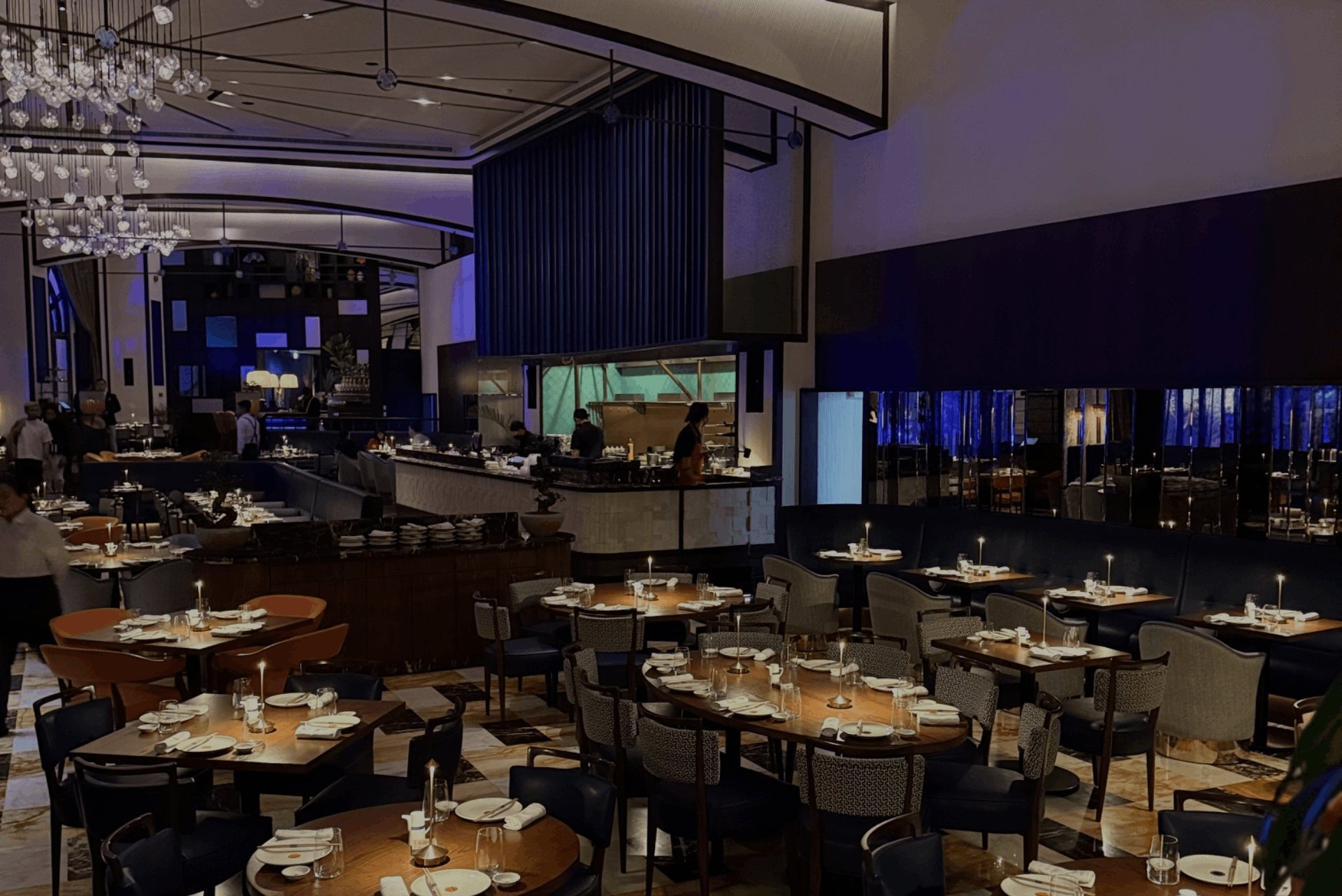
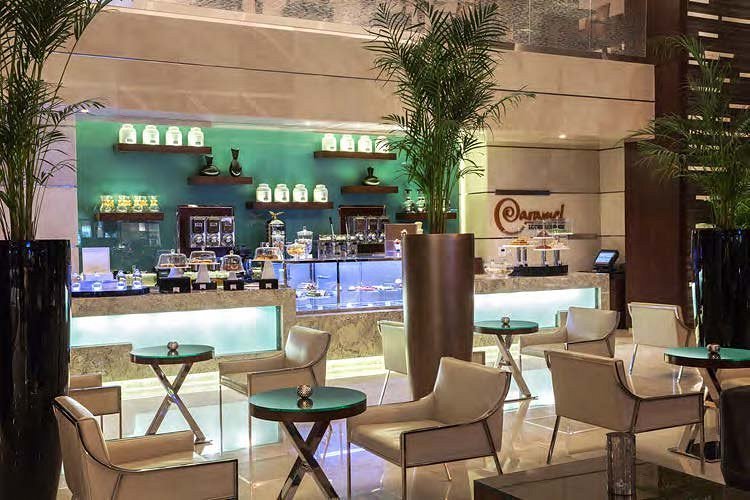
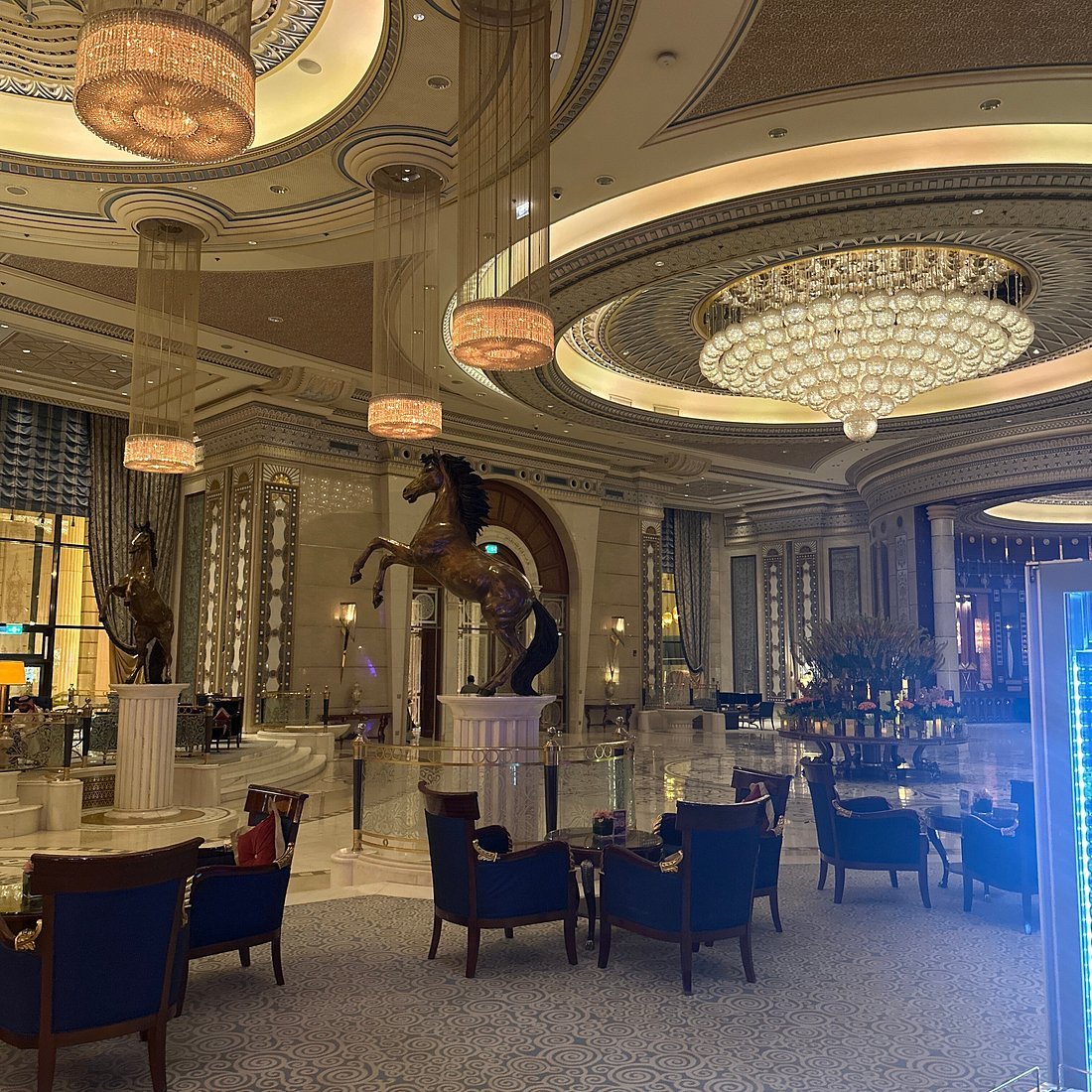
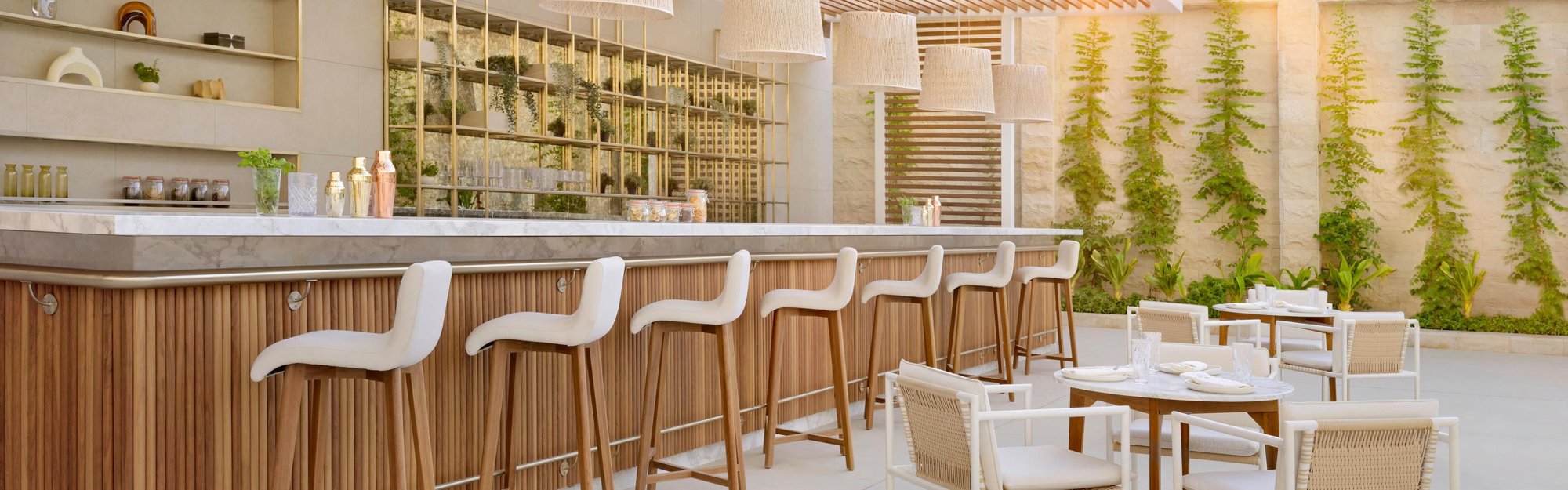
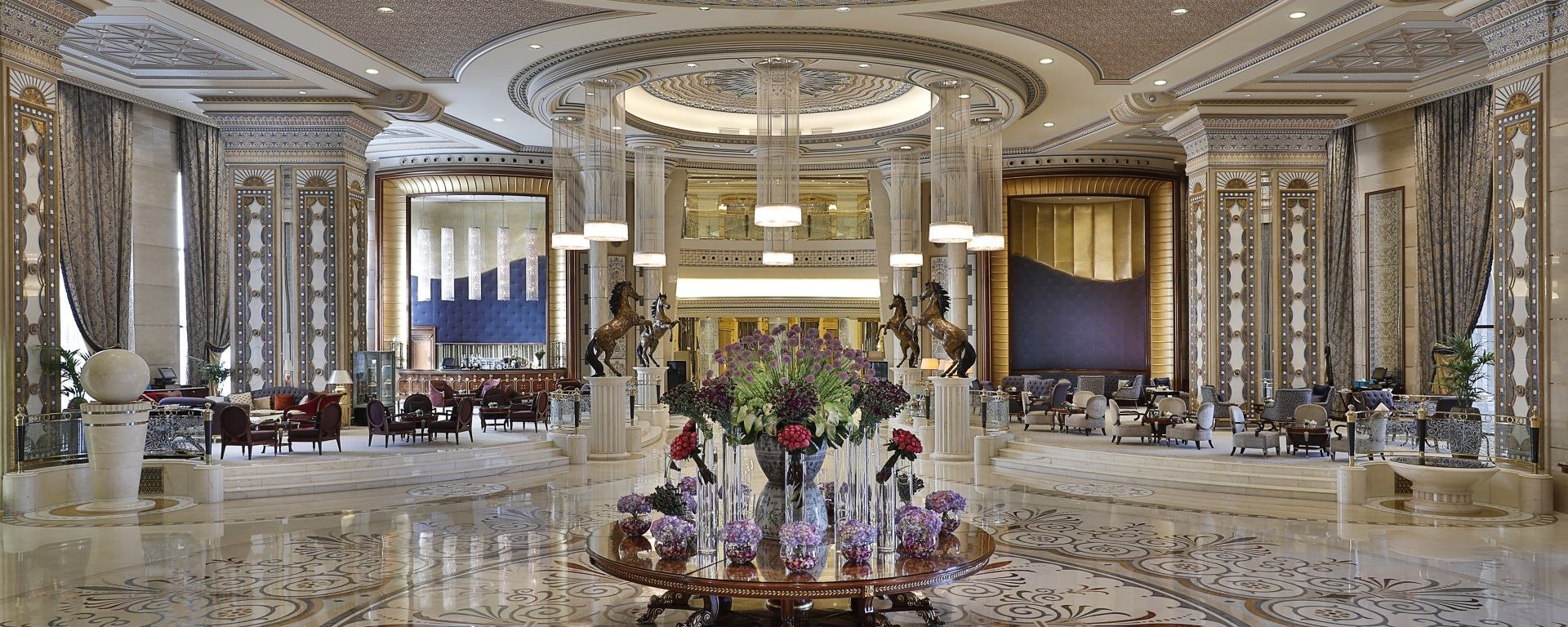
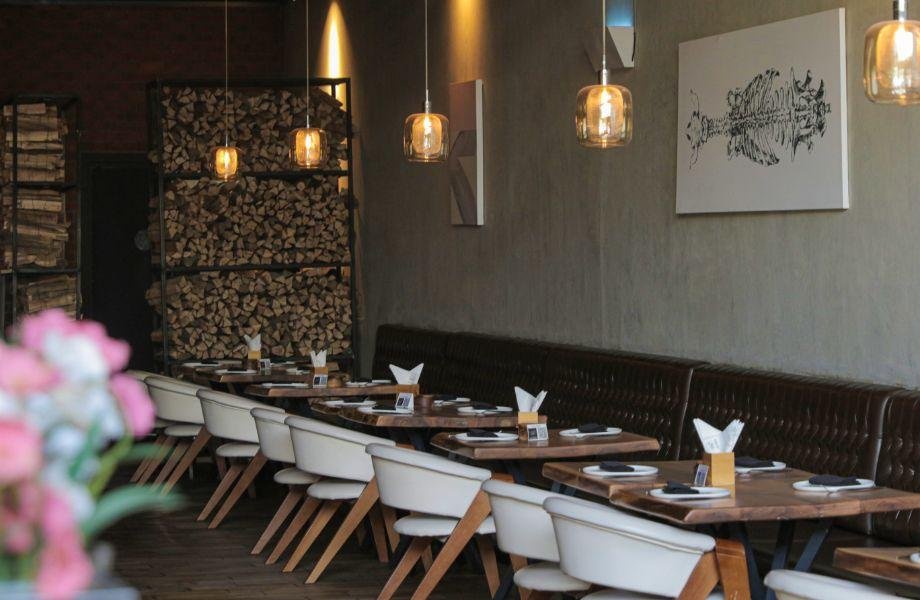
PORTERHOUSE presents itself as a serious grill room where atmosphere is part of the argument. Low, calibrated lighting and a faint smoke-and-char temperality make the dining room feel both intimate and substantial. Architectural cues — the sounds of a busy grill kitchen and references to ventilation stacks — nudge the space toward an industrial, modern edge, while the emphasis on provenance and technical discipline gives it an overall sophisticated, premium tone. It reads as an elegant, deliberately composed steakhouse designed for focused, meat-forward dining rather than casual grazing.
Best For
This is a dinner-first destination for nights that warrant attention: date nights, business dinners and milestone celebrations. The restaurant is built around substantial steaks and the rituals that accompany them — menus that feel weighty, attention to cooking-temperature precision, and sides and sauces that frame the main event. Located on Al Olaya’s dining corridor, it appeals to diners seeking a polished, assured steakhouse experience in Riyadh’s premium sector, where the evening hour is the primary moment to visit.
Ordering Tips
When ordering, center the meal on beef — the menu and name both advertise the porterhouse as the centerpiece. Expect the kitchen to prioritize precise cooking and dry-age or provenance details as part of the quality signal; ask staff about cut and recommended doneness if you want the optimal finish. Start with restrained starters such as carpaccio or escargot to calibrate flavors before the main, and leave room for sides and sauces that are designed to complement rather than overshadow the steak.
Venue details
Ambiance
Industrial warehouse-style with cozy, intimate atmosphere, attentive service, and a modern elegant design.
Tags
Vibe
Best For
Experience
At the Table
- Dress Code
- Smart Casual
- Noise Level
- Conversational
- Service Style
- Upscale Casual
- Meal Pacing
- Leisurely
- Capacity
- Medium
Signature Dishes
- Porterhouse steak
- Carpaccio
- Escargot
Know before you go
Know Before You Go
- Getting there
- Prince Muhammad Ibn Abd Al Aziz, Al Olaya, Riyadh 12313, Saudi Arabia
Planning details
Location
Prince Muhammad Ibn Abd Al Aziz, Al Olaya, Riyadh 12313, Saudi Arabia · Directions
Also consider
If this is not the right fit
Try LPM for a livelier upscale room, or Lusin when the group wants a clearer regional dining identity. For a more flexible hotel-style meal, Flavours All Day Dining is the safer fallback.
For broader planning beyond dinner, scan our full Riyadh bars guide, our full Riyadh wineries guide, and our full Riyadh experiences guide. Saudi cross-city options include A Well-remembered Piazza in Makkah, Al Baik in Jeddah, Al Mahatta in AlUla, Al Rousha Café in Taif, Al Shorfa Café in Turaif, and Anasa in Shura Island. For international contrast, see Jōdo Saké Bar in Los Angeles and Onigiri Time in Pasadena.
Restaurant context
How it compares in Riyadh
PORTERHOUSE is the practical pick when the brief is central Al Olaya convenience and a broad dining window. LPM is stronger for diners who want a recognizable dining-room scene, while Yokari is the better fit when the group is specifically asking for Japanese food rather than a general special-occasion reservation.
For value judgment, the issue is clarity. With no published price range attached here, PORTERHOUSE is harder to benchmark before booking. Flavours All Day Dining is likely the easier choice for groups with mixed preferences, while Julien by Daniel Boulud makes more sense when the occasion needs a chef-name signal and a more defined upscale brief.
Lusin is the useful cross-shop for diners who want a clearer regional identity and a more specific food direction. Choose PORTERHOUSE when timing and location are carrying the decision; choose Lusin, Yokari, or LPM when cuisine and room personality matter more than convenience.
Explore Riyadh
Around this place
Discover more on Pearl
Unlock the full PORTERHOUSE guide in Pearl, including awards, comparisons, FAQs, planning details, and nearby places.
Compare PORTERHOUSE
| Venue | Location | Awards |
|---|---|---|
| PORTERHOUSE | Riyadh | No published awards |
| Yokari | Riyadh | No published awards |
| Lusin | Riyadh | No published awards |
| LPM | Riyadh | No published awards |
| Flavours All Day Dining | Riyadh | No published awards |
| Julien by Daniel Boulud | Riyadh | No published awards |
How PORTERHOUSE Riyadh compares with similar nearby venues.
FAQ
Frequently Asked Questions
Is PORTERHOUSE good for solo dining?
It can work for a straightforward solo visit in Riyadh. The daily 12:30 PM to 1 AM hours make it easy to fit in around work or travel, which is more practical than a place with a narrow service window.
Can I eat at the bar at PORTERHOUSE?
Do not count on a bar-first setup unless that is confirmed directly with the venue. The key features are Riyadh, smart-casual dress, and the long daily service window, so it suits an easy plan more than a specialist bar plan.
Is PORTERHOUSE good for a special occasion?
Yes, if the priority is Riyadh, smart-casual dress, and a late-running plan rather than a highly specific tasting-menu brief. Its daily hours until 1 AM make it easier to use for flexible celebrations and group plans.
What are alternatives to PORTERHOUSE in Riyadh?
For comparison, look at Julien by Daniel Bouloud, LPM, Lusin, Yokari, or Flavours All Day Dining, then choose based on the level of formality, timing, and details your group needs confirmed before booking.
Is lunch or dinner better at PORTERHOUSE?
PORTERHOUSE is open daily from 12:30 PM to 1 AM, so it can work for an afternoon, evening, or late plan. Later times may be especially practical if you need flexibility, but confirm any menu or service specifics directly before you go.