
Restaurant in Lochristi, Belgium
Renard
100ptsFlemish Rural Precision
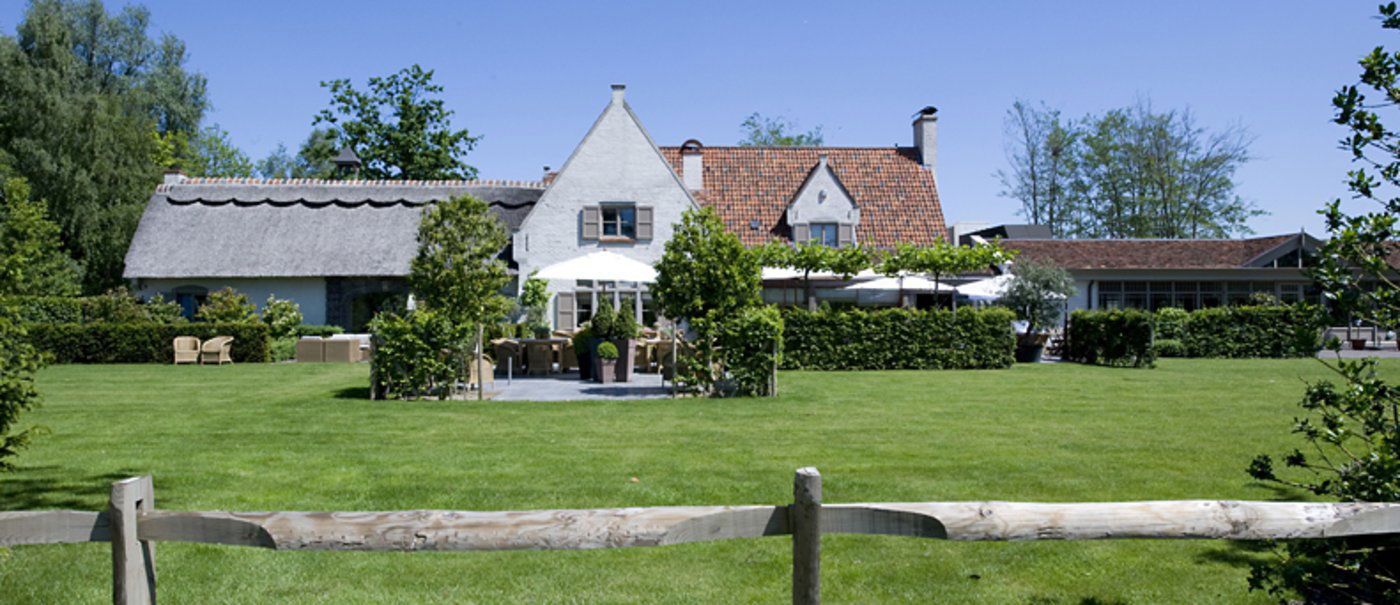
About Renard
Renard occupies a distinct position in Lochristi's growing fine-dining circuit, situated on Dendermondsesteenweg in a municipality that has quietly accumulated serious kitchen talent. With limited public information available, the restaurant rewards direct investigation for travellers tracing Belgium's regional dining culture beyond the Ghent and Antwerp corridors. Check current availability and format before visiting.
Lochristi's Quiet Ambition: Where Belgian Fine Dining Moves Off the Motorway
The road through Lochristi, a semi-rural municipality in the Ghent periphery of East Flanders, does not announce itself as a dining destination. That is precisely the point. Belgium's most interesting restaurant decade has not unfolded in its cities alone. A steady dispersal of serious kitchen ambition into the Flemish countryside, following the model established by places like Hof van Cleve in Kruishoutem and Willem Hiele in Oudenburg, has redrawn the map of where ambitious cooking actually happens in this country. Lochristi sits inside that pattern. The municipality now hosts a cluster of independently minded restaurants that operate well beyond the expectations of their postcode.
Renard, at Dendermondsesteenweg 19, is one of those addresses. The name — French for fox, an animal associated in European culinary tradition with cunning, adaptability, and a certain sly intelligence — suggests a kitchen with a clear self-image. Beyond that, the restaurant's public footprint is deliberately spare, which in the current Belgian fine-dining culture often signals a booking model built on word-of-mouth and a format designed for guests who arrive already informed.
The Flemish Countryside Dining Model
To understand what Renard is likely doing, it helps to understand the category it operates within. Flemish rural fine dining developed a distinctive grammar over the past two decades. The format typically involves smaller rooms, tasting menus anchored to seasonal and regional produce, wine lists with serious depth in both French and Belgian selections, and a service register that is warmer and less ceremonially rigid than comparable Paris or Brussels addresses. The Boury in Roeselare model, or the approach taken at De Jonkman in Sint-Kruis, illustrates the tier: Michelin-recognised, produce-led, architecturally considered, and rooted in a specific geography without being folkloric about it.
That broader category , call it the Flemish country-town fine-dining tier , competes neither with the volume-driven brasseries of Ghent nor with the destination theatrics of a Zilte in Antwerp. It occupies a middle register defined by seriousness of intent, intimacy of scale, and a cooking philosophy that tends to privilege technique in service of flavour rather than technique as spectacle. Renard's address and positioning within Lochristi place it in conversation with that peer group.
Lochristi's Dining Circuit: A Village That Punches Hard
The concentration of credible restaurants in a municipality of roughly 25,000 people is unusual enough to warrant attention. Lochristi's dining scene spans several distinct formats. D'Oude Pastorie anchors the modern cuisine end at the €€€ tier, while OX'E holds the classic French position at the same price bracket. Further variety comes from Restaurant Melt, Verjus, and Barbacoa, each occupying a different register of the local offer.
That plurality matters. A village dining circuit with multiple formats creates the conditions for a genuinely local food culture rather than a single trophy restaurant drawing visitors from a distance. Renard enters that circuit as an additional data point, and its positioning relative to the French-leaning OX'E and the modern-cuisine D'Oude Pastorie will sharpen as more information about its format becomes publicly available. For a full picture of what Lochristi currently offers, the EP Club Lochristi restaurants guide maps the full competitive set.
Belgium's Cultural Coordinates: Why Flemish Gastronomy Has Its Own Grammar
Belgium's culinary culture is a specific thing, not a diluted version of French or Dutch traditions. The Flemish kitchen draws on centuries of trade-route influence, a dairy and vegetable agriculture that remains among Europe's most productive, and a restaurant culture that adopted French technique early without subordinating its own regional logic. The result is a cooking tradition that is comfortable with richness and precision simultaneously, that takes bread, butter, and North Sea fish with deep seriousness, and that has developed a particular relationship with Wallonian and French wine that differs from the purely Francophile approach of Brussels.
Restaurants operating in the East Flanders countryside inherit that tradition directly. The proximity to Ghent's market infrastructure, the access to Flemish coast produce, and the influence of a well-travelled local dining public that compares across borders without losing regional loyalty creates a specific audience expectation. A kitchen in Lochristi is cooking for guests who know what Bartholomeus in Heist is doing with North Sea shellfish, who have eaten at L'air du temps in Liernu, and who have formed opinions about whether Belgian kitchens need to look to Le Bernardin in New York or Atomix for formal reference points or whether the tradition is self-sufficient. That is not a naive audience, and serious kitchens in this corridor are aware of it.
Planning a Visit to Renard
Renard is located at Dendermondsesteenweg 19, 9080 Lochristi. The municipality sits east of Ghent and is accessible by road from both Ghent and the broader E17 corridor, making it a realistic destination from Antwerp and Brussels for a dedicated dinner rather than an incidental stop. Given the spare public profile, the most reliable approach is to contact the restaurant directly or consult a current reservations platform to confirm current format, pricing, and availability before making a journey. Belgian fine dining at this tier frequently operates on fixed tasting-menu formats that benefit from advance booking, and several restaurants in the Lochristi circuit work on limited seatings per service.
Comparable addresses in the Belgian countryside, including Castor in Beveren and d'Eugénie à Emilie in Baudour, tend to operate with advance booking windows of several weeks for weekend slots, and first-time visitors are well-served by confirming dietary accommodations at the time of reservation rather than on arrival. The same logic applies at Renard until more specific booking intelligence is publicly confirmed. For parallel planning in the broader Belgian fine dining orbit, Bozar Restaurant in Brussels offers a useful contrast as a city-based reference point in a similar cultural register.
Frequently Asked Questions
- What dish is Renard famous for?
- No specific signature dishes have been confirmed in publicly available sources for Renard. Given the restaurant's location within the East Flanders fine-dining corridor and the broader conventions of Flemish country-town cuisine, menus at this tier typically centre on seasonal regional produce with French technical foundations. Contacting the restaurant directly is the most reliable route to current menu information before your visit.
- What is the leading way to book Renard?
- Renard's booking method has not been confirmed through publicly available data. Belgian fine-dining restaurants in Lochristi and the surrounding East Flanders area typically accept reservations by phone or through an online reservations platform, with weekend slots at serious kitchens often requiring several weeks of lead time. Reaching out directly to the restaurant at Dendermondsesteenweg 19, 9080 Lochristi is the most direct path to current availability and format confirmation.
- Is Renard a suitable destination for a dedicated fine-dining trip from Ghent or Antwerp?
- Lochristi sits within practical driving distance of both Ghent and Antwerp, making a dedicated dinner visit viable for travellers already in either city. The municipality has accumulated a genuine cluster of serious restaurants, which means Renard can be considered alongside the broader Lochristi dining circuit rather than as a standalone detour. Confirming current format and seating availability in advance is advisable, as smaller country-town fine-dining rooms in this corridor often operate with limited covers per service.
Related editorial
- Best Fine Dining Restaurants in ParisFrom three-Michelin-star icons to the next generation of Parisian chefs pushing boundaries, these are the restaurants that define fine dining in the world's culinary capital.
- Best Luxury Hotels in RomeFrom rooftop terraces overlooking ancient ruins to Michelin-starred hotel dining, these are the luxury hotels that make Rome unforgettable.
- Best Cocktail Bars in KyotoFrom sleek lounges to hidden speakeasies, Kyoto's cocktail scene blends Japanese precision with global influence in ways you won't find anywhere else.
Save or rate Renard on Pearl
Keep this venue in your Pearl passport, rate it after you visit, and track it alongside every other place you collect.