Sakura
Balesin Island, Polillo
Restaurant in Polillo, Philippines
 Book with Pearl
The Read
Dress
Smart Casual
Why go
Sakura is worth considering if the meal needs to stay inside the Balesin Clubhouse orbit and convenience matters more than a documented chef, wine list, or awards trail. Treat it as a practical island choice.
About Sakura
Is Sakura in Polillo worth considering? It may be, but details are limited. The basics are simple: Sakura is in Polillo, and the dress code is smart casual. Beyond that, details on cuisine, chef, awards, prices, hours, menu format, seating, drinks, or service style are not available, so it should be read as a cautious starting point rather than a full review.
Book it with limited details
Sakura may not be a destination venue, wine-focused venue, tasting-menu room, or award-led booking. For readers who care about cuisine details, cellar depth, pairing structure, named chefs, published accolades, or price range, those specifics are not available.
That also makes it a weaker fit for travelers who choose venues by tasting menus, sommelier programs, or published critical recognition. If the meal is the anchor of the trip, scan our full Polillo restaurants guide first, then consider other Polillo planning resources, including Polillo hotels, to shape the day around what is actually available.
Who should choose it
Choose Sakura if you are already looking for an option in Polillo and are comfortable confirming practical details before you go. Skip it as a planned destination if the occasion depends on specific cuisine, a known menu format, published awards, a specific drinks program, or detailed pricing. For now, the guidance is direct: Sakura is in Polillo, and smart casual dress is the standard.
Planning details
- Location
- Balesin Clubhouse, Balesin Island, 4339 Polillo, Quezon
The take
The Take
The Vibe
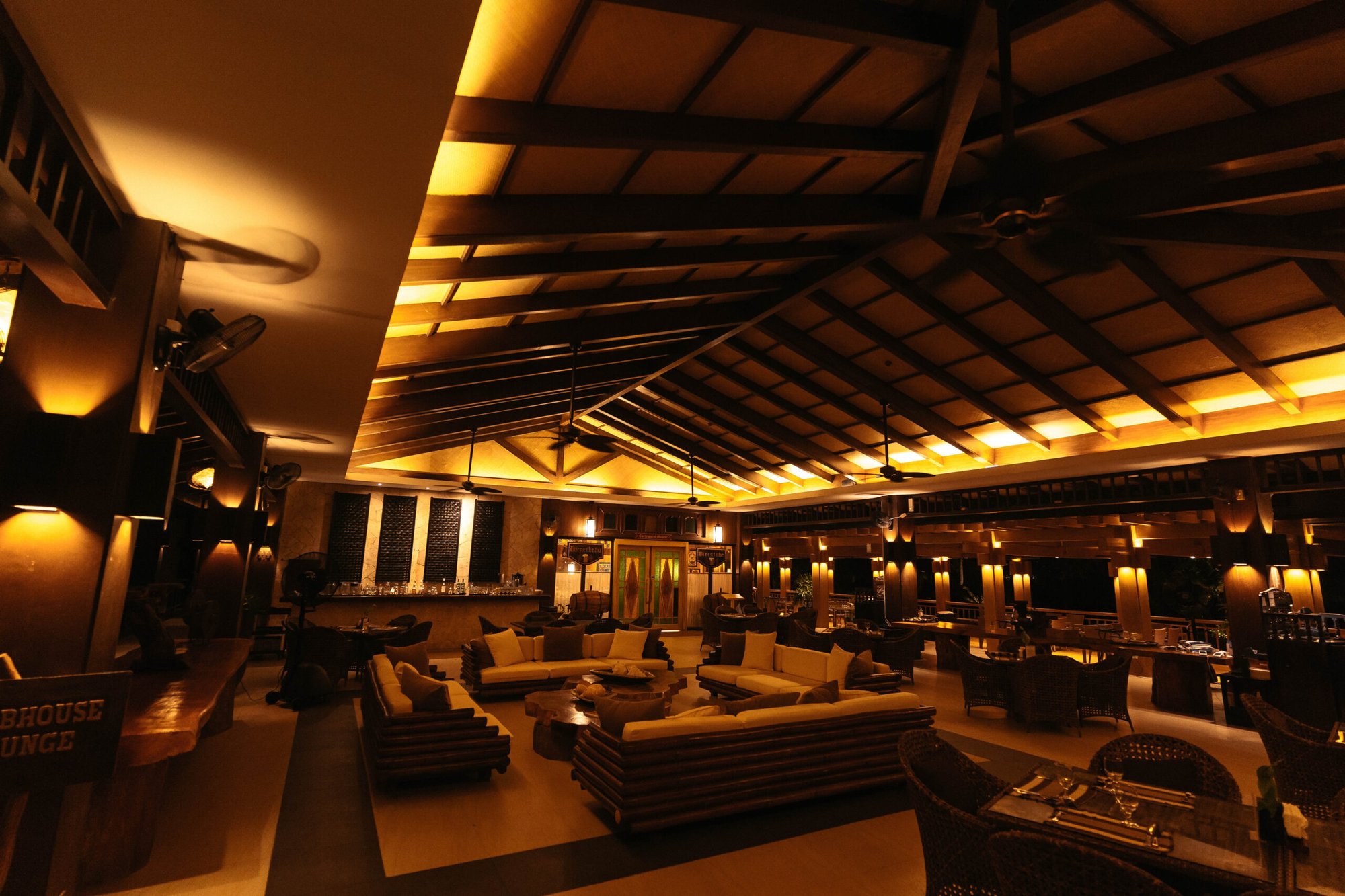
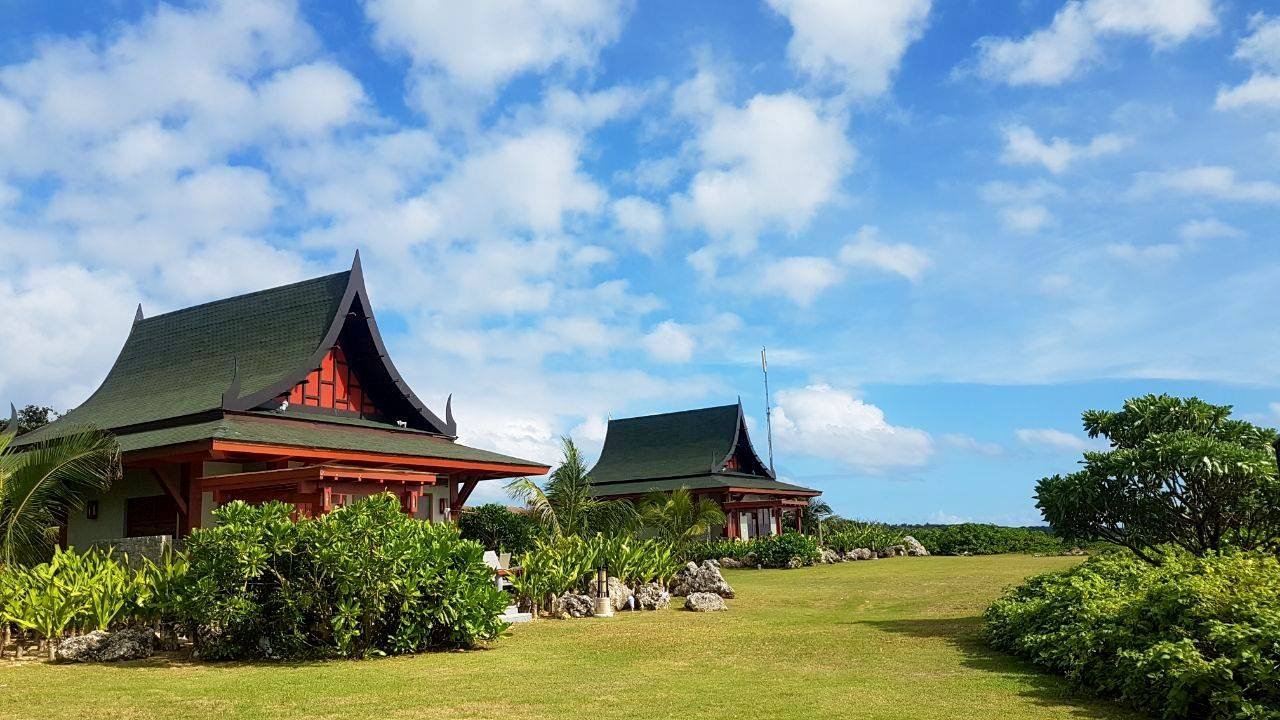
Sakura occupies a distinctly secluded registers: it is the Japanese restaurant of a private-club resort on Balesin Island, reachable only by charter flight. Its island setting makes exclusivity and calmness central to the experience. As resort dining, Sakura sits between high-end urban omakase and casual neighbourhood spots; it balances credibility with accessibility for a mixed resort clientele. Expect a scenic, serene setting shaped by the island context and the logistics of membership access, where the mood tilts toward retreatful calm rather than bustling metropolitan energy.
Best For
Sakura is best for travelers treating Balesin as a purposeful escape: couples seeking a romantic getaway and visitors marking a special occasion. The restaurant’s placement inside a tightly controlled private-club resort, reached by charter flight and reserved for members and their guests, makes dining here feel like part of a trip itinerary rather than a neighbourhood stop. It suits evenings when guests plan ahead and want a refined Japanese meal in a secluded setting, especially for date nights and celebratory dinners that benefit from the island’s privacy and resort pacing.
Ordering Tips
The menu highlights a range of classic Japanese items, Edo-san maki, spider roll and beef and seafood teppanyaki, so prioritize those signature preparations to sample the restaurant’s strengths. Expect a broad menu; order across categories so a table can share sushi, rolls and teppanyaki. Remember access is limited to club members and guests, so confirm availability through the resort and time your meal within your travel schedule to account for the island’s logistics.
Venue details
Ambiance
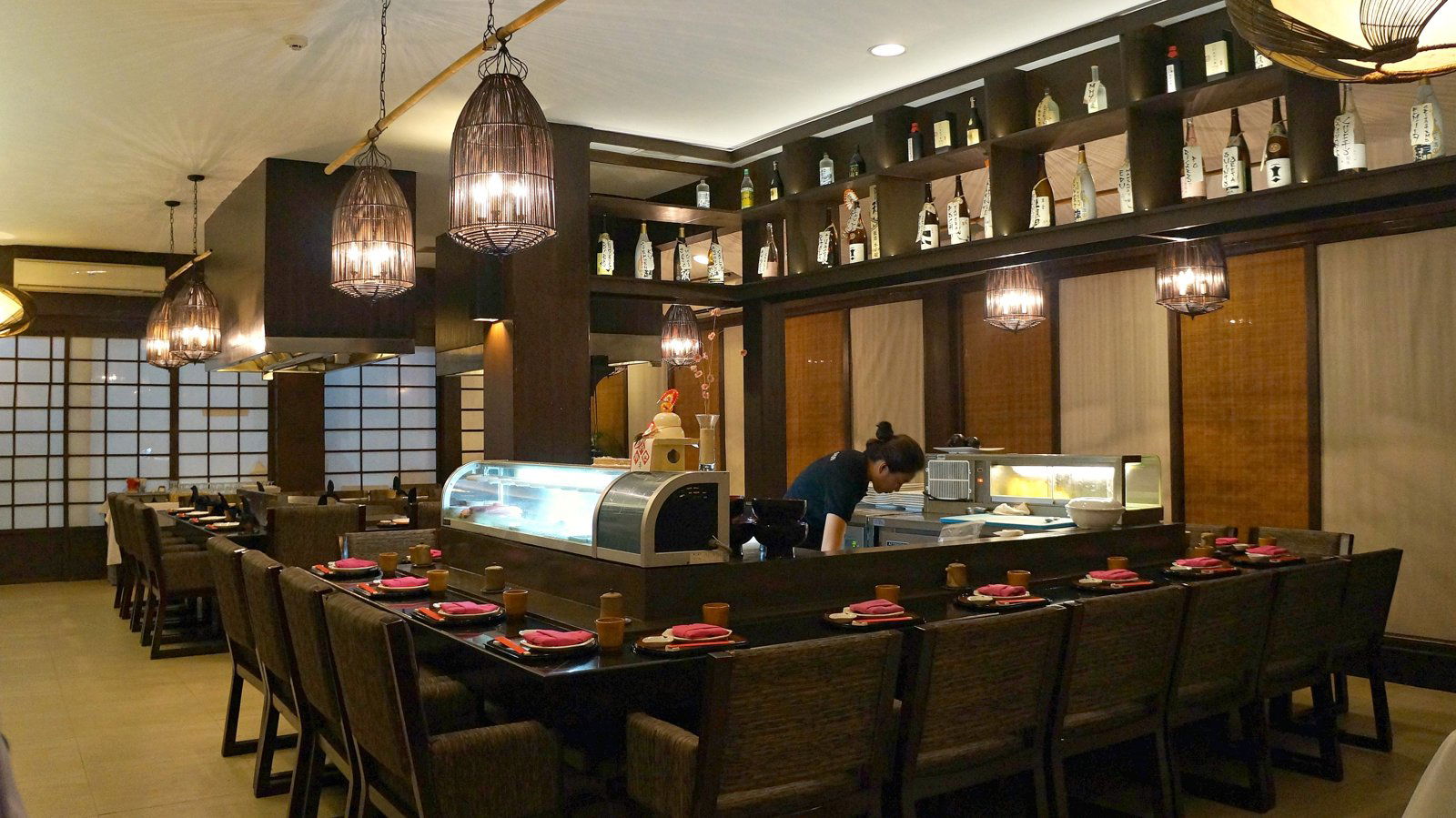
Intimate clubhouse setting with shoji walls creating a traditional Japanese atmosphere.
Tags
Vibe
Best For
At the Table
- Dress Code
- Smart Casual
- Noise Level
- Conversational
- Service Style
- Upscale Casual
- Meal Pacing
- Leisurely
- Capacity
- Medium
- Kitchen
- Traditional
- Menu Format
- A la carte, Counter dining
Signature Dishes
- Edo-san maki
- spider roll
- beef and seafood teppanyaki
Know before you go
Know Before You Go
- Getting there
- Balesin Clubhouse, Balesin Island, 4339 Polillo, Quezon
Planning details
Location
Balesin Clubhouse, Balesin Island, 4339 Polillo, Quezon · Directions
Explore Polillo
Around this place
Discover more on Pearl
Unlock the full Sakura guide in Pearl, including awards, comparisons, FAQs, planning details, and nearby places.
FAQ
Frequently Asked Questions
Is Sakura good for a special occasion?
There is not enough detail to judge Sakura as a special-occasion choice.
What should a first-timer know about Sakura?
Sakura is in Polillo, but detailed information is limited.
What should I wear to Sakura?
Wear smart casual clothing. That is the dress code for Sakura in Polillo.
What are alternatives to Sakura in Polillo?
Look at other dining in Polillo if you want to compare options, especially if you need specific cuisine, pricing, hours, or a more clearly defined experience.
Does Sakura handle dietary restrictions?
Details about specific dietary handling are not available, so ask Sakura directly before arriving. That is especially important if you need strict ingredient control or cross-contact precautions.