
Restaurant in Alken, Belgium
Philippe
100ptsRural Belgian Precision
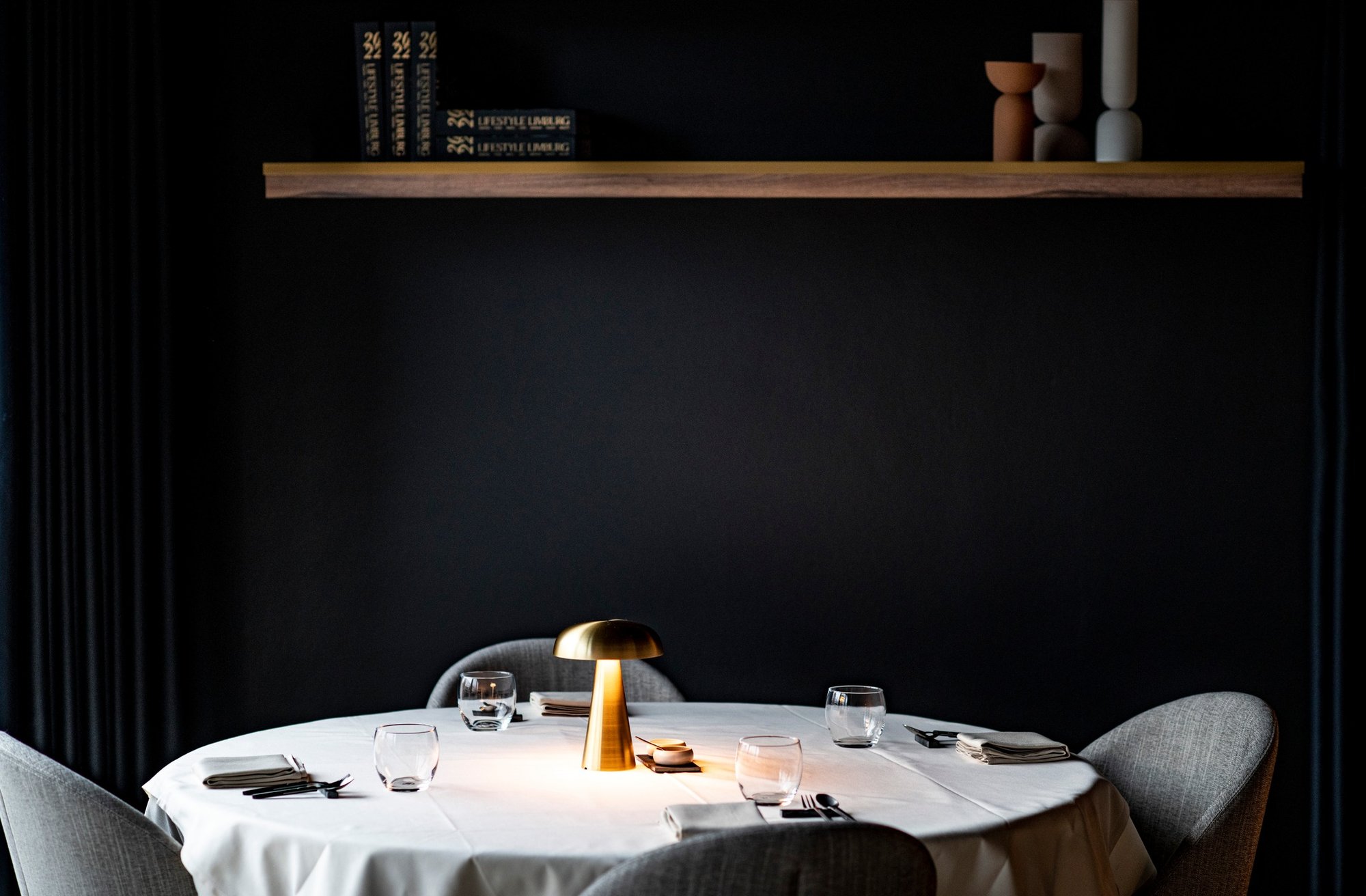
About Philippe
Philippe occupies a quiet address on Motstraat in Alken, a small Flemish municipality in the Hasselt hinterland where Belgium's producer-led dining tradition finds an understated home. The restaurant sits within a regional dining scene shaped by proximity to Limburg's agricultural belt, and draws visitors who seek precise, ingredient-focused cooking away from the city circuit. For those tracing Belgium's broader fine-dining geography, Philippe offers a grounded counterpoint to the urban flagship.
Small-Town Address, Producer Country
Belgium's most coherent fine-dining story has never been exclusively urban. While Bozar Restaurant in Brussels and Zilte in Antwerp anchor the metropolitan tier, a parallel circuit of destination restaurants has long operated from smaller Flemish and Walloon towns, drawing diners who make the drive precisely because provenance tends to travel better at shorter distances. Alken sits within that logic. The municipality is a short reach from Hasselt in the Limburg province, a region whose sandy loam soils, market gardens, and fruit orchards have supplied Flemish kitchens for generations. Philippe, at Motstraat 1b, occupies this geography deliberately: the address places it within reach of that supply chain in a way that a city kitchen never quite can be.
Limburg's culinary identity rests on seasonal produce that moves quickly from field to plate. The province is known across Belgium for its fruit harvests, its artisan vegetable growers, and a broader agricultural density that gives local chefs a sourcing advantage over peers working in larger urban centres. Restaurants that operate in this belt, from Alken outward through the Hasselt suburbs, tend to reflect that proximity in their menus, even when the cooking style reaches toward French or modern European registers. The ingredient, in this part of Belgium, is frequently the argument.
Where Alken Sits in Belgium's Fine-Dining Geography
Understanding Philippe requires situating Alken inside Belgium's wider restaurant map. The country's Michelin-recognised addresses have historically clustered in Flanders, with a secondary concentration in Wallonia, and the geography reflects something real: proximity to French culinary tradition in the south, proximity to Dutch and German market influences in the north, and a deep-rooted Flemish cooking culture in between. Hof van Cleve in Kruishoutem and Boury in Roeselare represent the Flemish flagship tier, both operating at the €€€€ bracket with creative French or Modern Flemish menus. De Jonkman in Sint-Kruis and Castor in Beveren occupy a similarly serious Modern Flemish and Modern European register. Philippe's Limburg setting places it in the eastern flank of this network, closer to the Walloon border than the North Sea, and farther from the well-documented Ghent-Bruges-Antwerp axis that tends to attract international coverage first.
That positioning is worth noting for readers planning a Belgian dining itinerary. The Limburg corridor, anchored by Hasselt but extending through smaller addresses like Alken, represents a less-trafficked route into Flemish fine dining. Maison Colette in Tongerlo and Eenig, also in Alken, suggest that the town itself is acquiring a small but coherent dining identity. Two destination-calibre addresses in a municipality of this scale is not accidental: it reflects local demand, a producer supply base, and the kind of quiet civic pride that Flemish food culture tends to generate outside the spotlight.
The Ingredient Argument in Belgian Cooking
Across the country's more serious kitchens, from L'air du Temps in Liernu to Le Chalet de la Forêt in Uccle, the conversation has increasingly shifted from technique to sourcing. This is not a trend imported from Nordic cuisine alone: Belgium has its own produce tradition, rooted in the country's small-farm density, its hop and grain heritage, its coastal fisheries, and its inland market gardens. The leading addresses use French technique as a framework but localise the argument through what arrives at the kitchen door. Willem Hiele in Oudenburg has made this case emphatically at the coast. Bartholomeus in Heist does the same with North Sea catch. In Limburg, the equivalent argument runs through the land rather than the sea.
Philippe's location on Motstraat in Alken positions it to make that terrestrial case. Whether the kitchen draws on Limburg fruit, regional market gardens, or the broader Flemish interior supply chain is a question the restaurant's own documentation would need to answer, but the geography creates the conditions. Restaurants at this postcode and this price tier in Belgium's eastern provinces do not typically operate independently of what surrounds them.
Practical Orientation
Alken is accessible from Hasselt in under ten minutes by car, and from Brussels the drive runs roughly one hour along the E313 motorway. For visitors combining Philippe with a broader Limburg itinerary, Hasselt itself offers hotel infrastructure, with the restaurant then a short transfer. Booking practice in Belgium at this level of address typically runs several weeks ahead, particularly for weekend service, and direct contact through the restaurant's own channels is the standard route. Those building a multi-day Belgian dining circuit might pair Alken with the broader Limburgse and Flemish east addresses covered in our full Alken restaurants guide, or extend westward toward the Flemish creative addresses. For readers arriving from further afield, the contrast between a Limburg address like Philippe and the grand French-influenced rooms of d'Eugénie à Emilie in Baudour or the contemporary international tone of La Table de Maxime in Our maps the spread of Belgium's current serious dining scene across its linguistic and geographic regions. Internationally, the conversation about producer-led fine dining extends to addresses like Le Bernardin in New York City and Atomix in New York City, where sourcing and cultural specificity have similarly become the primary editorial argument. La Durée in Izegem offers another regional Flemish reference point for those mapping the country's mid-tier fine dining by geography.
Frequently Asked Questions
- What kind of setting is Philippe?
- Philippe operates from a small-town address in Alken, a Flemish municipality in Limburg province east of Hasselt. The setting is residential rather than urban, consistent with the producer-focused, destination-restaurant model common to Belgium's non-metropolitan fine dining tier. Without confirmed award data or a published price range on record, the closest editorial frame is a regionally serious address within a town that also hosts Eenig, suggesting a local dining identity above what the town's scale might suggest.
- Is Philippe child-friendly?
- Belgium's smaller destination restaurants vary considerably on this question, and the answer at Philippe is not confirmed in available documentation. As a general orientation: restaurants at the Alken address and likely price tier in this country tend toward quieter, adult-leaning service environments, particularly at dinner. Families considering a visit should contact the restaurant directly to confirm whether the format suits younger guests.
- What do people recommend at Philippe?
- No confirmed menu details, signature dishes, or documented guest recommendations are available in the current record for Philippe. Given the Limburg setting and the ingredient-led tradition of serious Flemish restaurants in this region, the kitchen's produce sourcing would be a reasonable focal point, but specific dish recommendations require direct confirmation from the restaurant or a verified review source. Readers tracking Belgian fine dining by cuisine and awards context may also consult the broader peer set including Boury in Roeselare and De Jonkman in Sint-Kruis for a calibrated sense of what the Modern Flemish register currently looks like.
- How does Philippe compare to other serious restaurants in the Hasselt and Limburg area?
- Alken's position within the Limburg dining circuit places Philippe alongside a small number of destination-calibre addresses in Belgium's eastern Flemish provinces, a corridor that receives less international coverage than the Antwerp-Ghent axis despite comparable agricultural sourcing conditions. The town's second notable restaurant, Eenig, suggests the local scene has genuine depth for its size. Without confirmed awards or price data for Philippe, direct comparison to the €€€€ Flemish flagship tier remains speculative, but the address and regional context position it within a serious provincial dining conversation rather than a casual neighbourhood one.
Related editorial
- Best Fine Dining Restaurants in ParisFrom three-Michelin-star icons to the next generation of Parisian chefs pushing boundaries, these are the restaurants that define fine dining in the world's culinary capital.
- Best Luxury Hotels in RomeFrom rooftop terraces overlooking ancient ruins to Michelin-starred hotel dining, these are the luxury hotels that make Rome unforgettable.
- Best Cocktail Bars in KyotoFrom sleek lounges to hidden speakeasies, Kyoto's cocktail scene blends Japanese precision with global influence in ways you won't find anywhere else.
Save or rate Philippe on Pearl
Keep this venue in your Pearl passport, rate it after you visit, and track it alongside every other place you collect.