
Allegria !
Provençal · Paradou
Restaurant in Paradou, France
 Book with Pearl
The Read
Alpilles-Rooted Provençal
Price
€€€
Chef
Julie Chaix
Dress
Smart Casual
Why go
Book Allegria! for a polished Provençal meal in Paradou when lunch value or a quiet celebration matters more than formality. It sits between the village-bistro feel of Le Bistrot du Paradou and the higher-spend occasion restaurants nearby, making it a good fit for couples, dates, and measured special occasions.
About Allegria !
Allegria ! in Paradou is a Provençal restaurant led by chef-owner Julie Chaix. It is classified at the €€€ price level, has a smart-casual dress code, and holds a Michelin Plate for 2026.
Its opening pattern is limited: Friday lunch and dinner, Saturday lunch and dinner, and Sunday lunch, with Monday through Thursday closed. That makes it a restaurant to plan around rather than a casual daily fallback.
Plan around the limited weekly services
Lunch is available on Friday, Saturday, and Sunday. For diners already planning time in Paradou, those midday services may be the simpler way to fit Allegria ! into an itinerary.
Dinner is listed on Friday and Saturday only. Because the restaurant sits at a €€€ price level and has smart-casual expectations, it is a better fit for diners who want a considered Provençal meal rather than an ultra-casual stop.
For diners comparing options, the decision is less about broad cuisine category and more about the style of meal they want. Le Bistrot du Paradou is a natural comparison point in Paradou. Chapeau de Paille - Bistrot Provençal, La Cabro d'Or, Le Relais du Castelet, and Maison Hache may also be useful reference points depending on the occasion.
The appeal is restraint, not spectacle
The grounded case for Allegria ! is direct: Provençal cooking, chef-owner Julie Chaix, €€€ pricing, smart-casual dress, and Michelin Plate recognition in 2026. Those facts point to a polished restaurant choice without needing to invent details about menu format, signature dishes, or service style.
For special occasions, the main question is whether the limited opening pattern works for the plan. A Friday or Saturday dinner can suit a more deliberate evening, while Sunday is lunch only. Diners should check current availability before building an itinerary around a specific service.
Ordering expectations should stay aligned with the cuisine. Allegria ! is identified as Provençal, but no specific dishes, set menus, tasting menus, or dietary accommodations are listed. If those details matter, confirm them directly when booking.
Who should book, and who should look elsewhere
Book Allegria ! if you want a Provençal meal in Paradou from chef-owner Julie Chaix, are comfortable with €€€ pricing, and can work within the Friday-to-Sunday service window. It is also a sensible choice for diners who value a smart-casual setting and Michelin Plate recognition.
Look elsewhere if you need a meal from Monday through Thursday, a Sunday dinner, or confirmed details that are not part of the profile here, such as a specific menu format or dietary policy. Chapeau de Paille - Bistrot Provençal, La Cabro d'Or, Le Relais du Castelet, Maison Hache, and Le Bistrot du Paradou are useful comparison points when deciding what kind of meal best fits the occasion.
Planning details
- Location
- 285 Chem. de Bourgeac, 13520 Paradou, France
- Website
- les-petites-maisons.com/restauration
- Phone
- +33 4 48 70 00 23
The take
The Take
The Vibe
Allegria reads like a quietly refined provincial kitchen: unostentatious yet attentive to provenance. The writing emphasizes the Alpilles setting and the surrounding olive groves, herb gardens and orchards, and the food reflects that local larder. It earns a Michelin Plate in 2025, which signals consistent quality without the stiff formality of starred houses. That balance creates a cozy, intimate atmosphere with a rustic Provençal heart and an elegant sensibility — a place that feels rooted in its landscape and deliberately modest in ambition while delivering thoughtful, regionally focused cooking.
Best For
Allegria is best enjoyed for an evening meal that leans toward date-night or special-occasion dining. Its Michelin Plate recognition and careful, regionally driven cooking make it a choice for visitors who want serious Provençal flavors without the ceremony and pricing of starred restaurants. The quiet village setting supports an intimate, relaxed pace; reservations for dinner are sensible given the restaurant's local prominence. Parties seeking a celebratory yet unpretentious Provençal experience will find the tone and food well matched to those occasions.
Ordering Tips
Lean into the house specialties and the Provençal ingredient focus: try the pork terrine, which is served with bread toasted in the meat juices, as a savory opener; follow with the pan-fried tuna with aubergine and tomato reduction for a dish that showcases regional produce and technique; finish with the red berry panna cotta for a light, fruit-led dessert. Given the kitchen's local sourcing, expect menus that highlight seasonal produce and simple preparations that foreground flavors rather than heavy elaboration.
Venue details
Ambiance
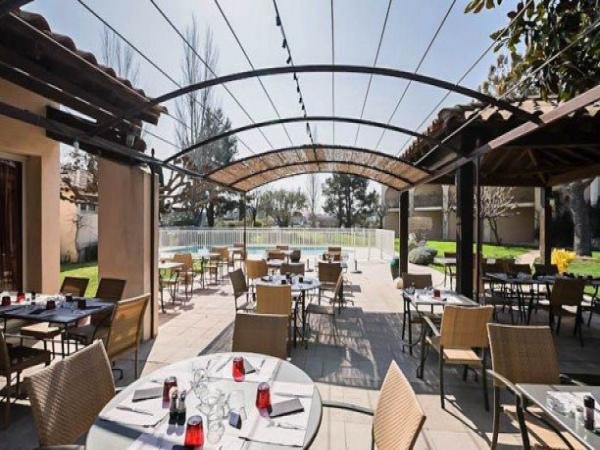
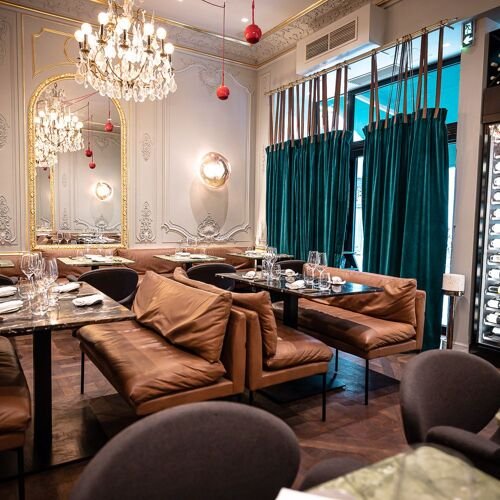
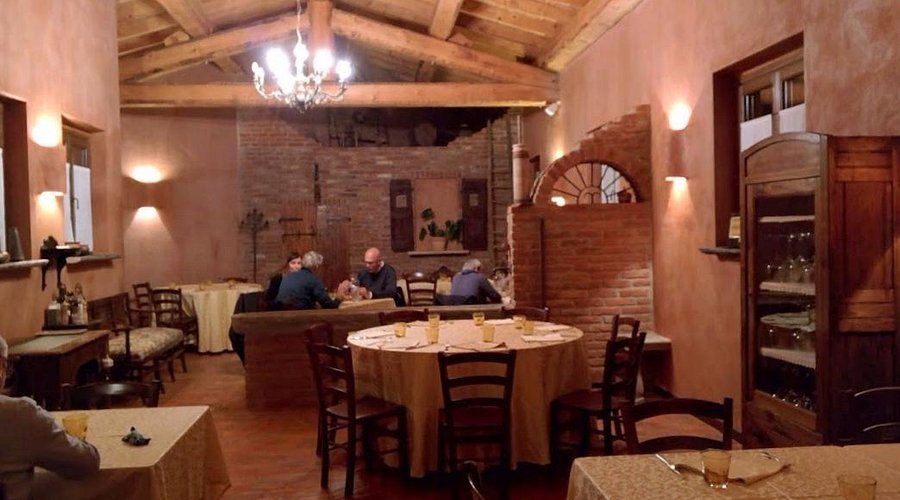
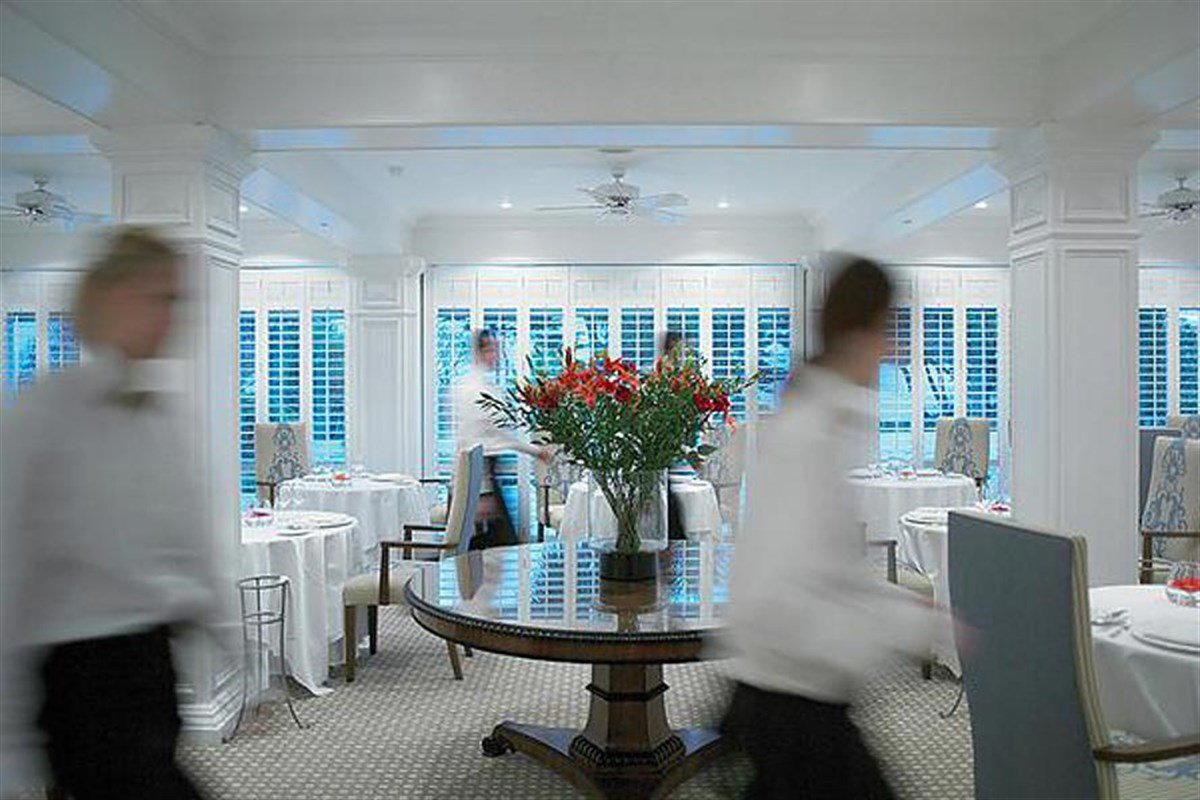
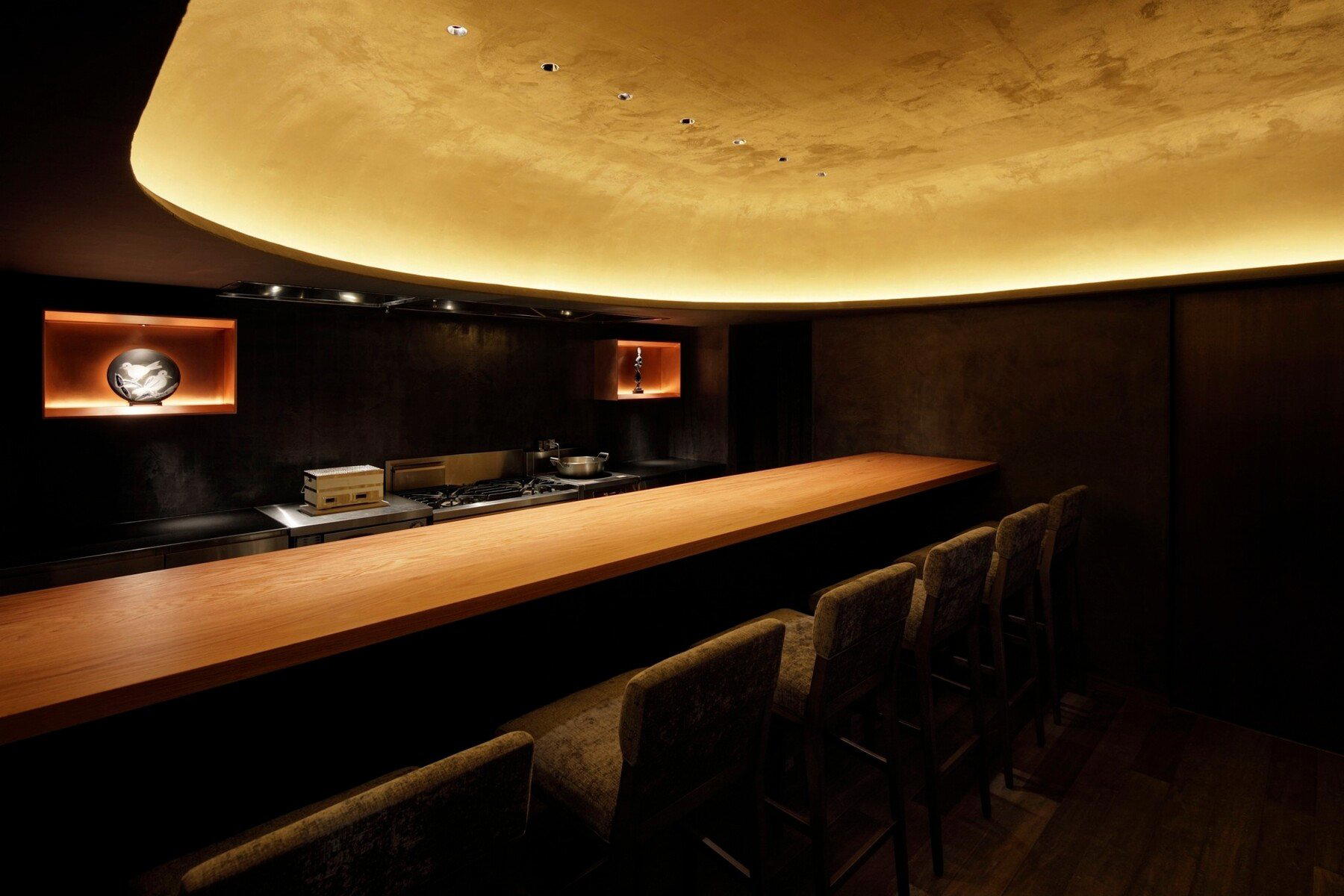
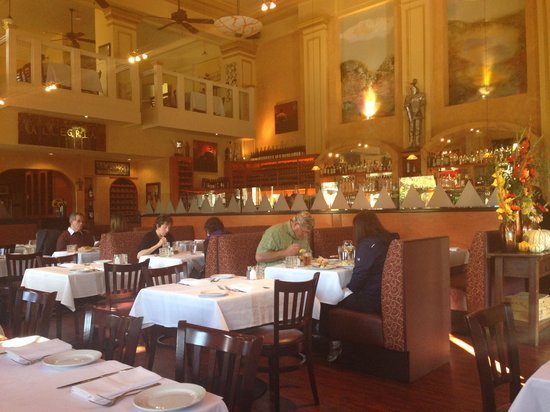
Tranquil terrace shaded by plane trees for alfresco dining or cool stone-accented dining room with linen-and-ceramic elegance and Provençal understatement; candlelit dinners with pastoral serenity.
Tags
Vibe
Best For
Experience
Sourcing
View
At the Table
- Dress Code
- Smart Casual
- Noise Level
- Quiet
- Service Style
- Upscale Casual
- Meal Pacing
- Leisurely
- Capacity
- Intimate
Signature Dishes
- pork terrine with bread toasted in meat juices
- pan-fried tuna with aubergine and tomato reduction
- red berry panna cotta
Know before you go
Know Before You Go
- Getting there
- 285 Chem. de Bourgeac, 13520 Paradou, France
Planning details
Location
285 Chem. de Bourgeac, 13520 Paradou, France · Directions
Recognition and awards
Also consider
Good Backups Nearby
If Allegria ! is not the right fit, book Le Bistrot du Paradou for a more classic Paradou bistro meal with Provençal familiarity.
For a lower-spend alternative, choose Chapeau de Paille - Bistrot Provençal. For a larger celebration where a higher bill is expected, compare La Cabro d'Or and Maison Hache first.
Restaurant context
How It Compares
Allegria ! is the middle-ground Provençal booking in this set: more polished than Chapeau de Paille - Bistrot Provençal, but less of a splurge than La Cabro d'Or or Maison Hache. For a couple choosing between lunch and dinner, it makes the strongest case when the meal should feel considered without becoming a full luxury outing.
Le Bistrot du Paradou is the better choice for classic village-bistro atmosphere and a more familiar Provençal rhythm. Allegria ! is better when the priority is a calmer, chef-led meal. Le Relais du Castelet sits closer on price positioning, so the tie-breaker is mood: choose Allegria ! for a quieter special-occasion feel, and Le Relais du Castelet when the group wants a more traditional Provençal stop.
For value, Chapeau de Paille - Bistrot Provençal is the easier low-spend choice. For a bigger celebration, La Cabro d'Or or Maison Hache justify a look before committing. Allegria ! is the practical pick when booking difficulty matters and the goal is a polished but not overbuilt meal in or around Paradou.
Explore Paradou
Around this place
Discover more on Pearl
Unlock the full Allegria ! guide in Pearl, including awards, comparisons, FAQs, planning details, and nearby places.
Compare Allegria !
| Venue | Location | Cuisine | Awards | Price |
|---|---|---|---|---|
| Allegria ! | Paradou | Provençal | Michelin Guide France & Monaco 20262025 Michelin Plate | €€€ |
| Le Bistrot du Paradou | Paradou | Provençal | Michelin Guide France & Monaco 20262026 OAD Casual in Europe Recommended2025 OAD Casual in Europe Ranked · #4112025 Michelin Plate2024 OAD Casual in Europe Ranked · #3522024 Michelin Plate2023 OAD Casual in Europe Highly Recommended | €€€ |
| La Cabro d'Or | Les Baux | Provençal | 2026 Relais Chateaux RestaurantsMichelin Guide France & Monaco 2026We're Smart World Top Restaurants 20252025 Michelin Plate2024 Michelin Plate | €€€€ |
| Chapeau de Paille - Bistrot Provençal | Saint-Rémy-de-Provence | Provençal | 2024 Michelin Plate | €€ |
| Le Relais du Castelet | Fontvieille | Provençal | Michelin Guide France & Monaco 20262025 Michelin Plate2024 Michelin Plate | €€€ |
| Maison Hache | Eygalières | Provençal | 2025 Gault & Millau Remarkable Restaurant2025 Michelin 1 Star2024 Michelin 1 Star | €€€€ |
.png?width=1200&quality=80)





How Allegria! Paradou compares with similar nearby venues.
FAQ
Frequently Asked Questions
Does Allegria ! handle dietary restrictions?
Dietary accommodations are not specified. If allergies or restrictions matter, confirm them directly with Allegria ! when booking. The profile does confirm Provençal cuisine and service from Friday through Sunday.
How far ahead should I book Allegria !?
A booking window is not stated. Because Allegria ! is open only Friday lunch and dinner, Saturday lunch and dinner, and Sunday lunch, it is sensible to check availability before planning around a specific service.
What should I order at Allegria !?
The cuisine is Provençal, but no specific dishes or menu format are listed. The safest expectation is a Provençal meal led by chef-owner Julie Chaix. For another Provençal reference point, Chapeau de Paille - Bistrot Provençal is also worth comparing.
Is the tasting menu worth it at Allegria !?
A tasting menu is not listed in the available facts. Allegria ! is confirmed as a €€€ Provençal restaurant in Paradou with a Michelin Plate in 2026, but diners should confirm any current menu format directly before booking.
Is Allegria ! good for a special occasion?
It can be a good fit if the occasion calls for Provençal cooking in Paradou, €€€ pricing, smart-casual dress, and a limited Friday-to-Sunday schedule. Chef-owner Julie Chaix and the 2026 Michelin Plate recognition give diners clear reasons to consider it for a planned meal.