
Restaurant in Villanders, Italy
Oberpartegger
100ptsEisack Valley Farmhouse Table
About Oberpartegger
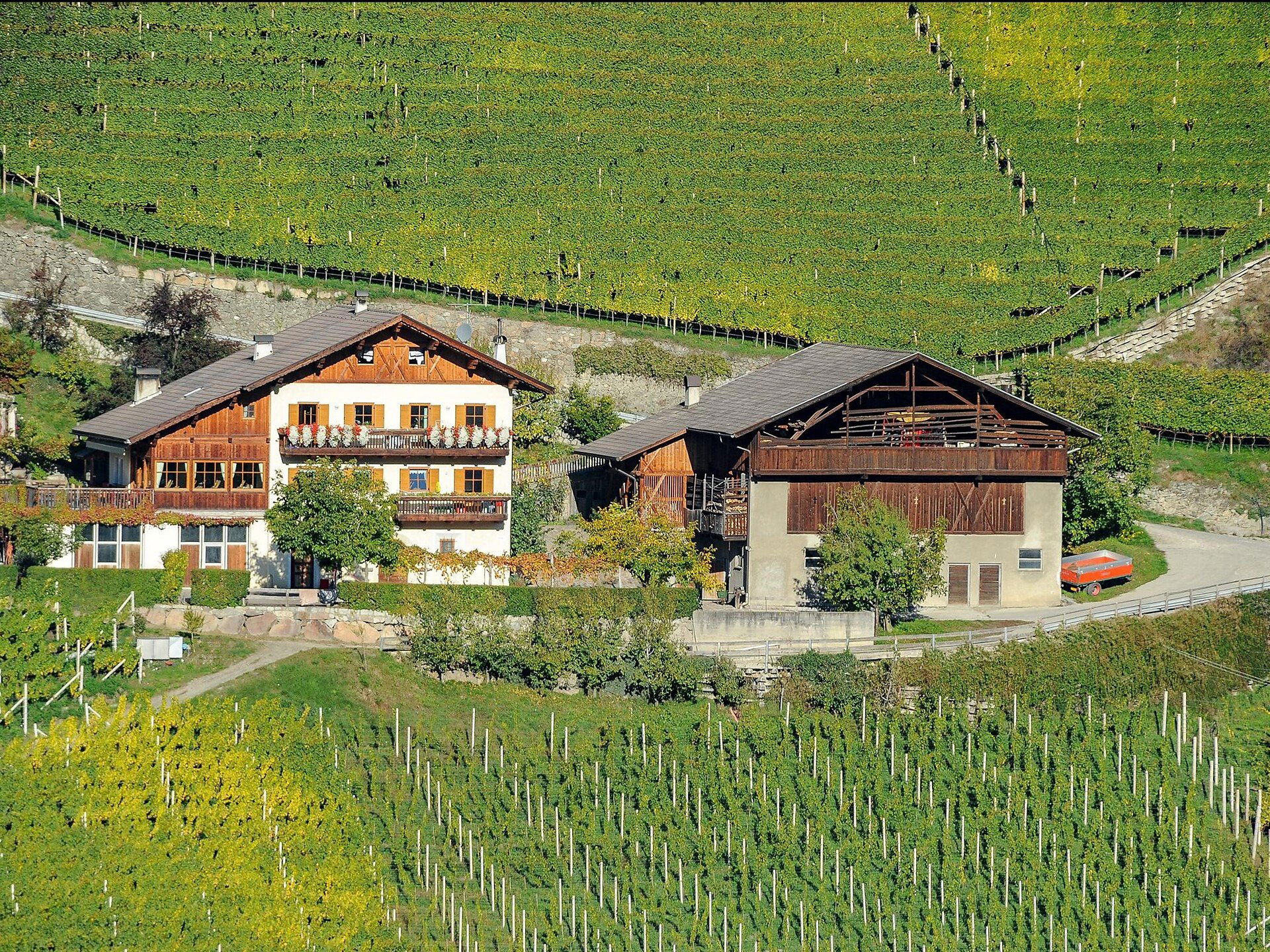
Oberpartegger sits in Villanders, a small hillside village in South Tyrol's Eisack Valley, where the cooking tradition draws on centuries of Alpine and northern Italian influence. The address places it among a tight cluster of farm-adjacent restaurants that define the village's dining character. Visitors reaching Villanders from Bolzano should allow for mountain road travel time and confirm hours directly before visiting.
Where Alpine Tradition Meets the Eisack Valley Table
South Tyrol's relationship with food is inseparable from its geography. The Eisack Valley, which cuts north from Bolzano through terrain that shifts from vine-terraced slopes to dense conifer forest, has produced a cooking culture that sits at the intersection of Austrian Hausmannskost and northern Italian farmhouse tradition. Villanders — a small settlement on the valley's western flank — concentrates that dual inheritance into a remarkably compact dining scene. Oberpartegger, addressed at Unter St. Stefan 7, occupies that village context: a place where the kitchen's cultural frame is determined as much by altitude and agricultural calendar as by any individual chef's choices.
To understand what draws visitors up the mountain roads to addresses like this one, it helps to understand South Tyrol's position in Italian gastronomy more broadly. The region hosts some of Italy's most decorated kitchens , Atelier Moessmer Norbert Niederkofler in Brunico and a cluster of serious tables across the province , yet it also maintains a parallel tradition of farm restaurants and Gasthöfe that predate the modern fine-dining apparatus entirely. Villanders sits in the second category. The village's handful of restaurants, including Larmhof, Pschnickerhof, Röckhof, and Winklerhof, operate as expressions of local agricultural life rather than destinations engineered for outside recognition. Oberpartegger belongs to that tradition.
The Cultural Frame: South Tyrolean Farmhouse Cooking
The cooking tradition that shapes a table like Oberpartegger's draws on a specific historical circumstance: South Tyrol was part of the Austro-Hungarian Empire until 1919, and its food culture never fully absorbed the Italian template that governs kitchens further south. Speck rather than prosciutto. Knödel rather than gnocchi. Sauerkraut alongside polenta. The result is a cuisine that reads as hybrid to outsiders but feels internally coherent to anyone who has spent time in the region. Ingredients come from farms at elevation, where the growing season is compressed and flavour concentrates accordingly , apple orchards that produce fruit sharper and more aromatic than valley-floor equivalents, dairy from herds that graze above 1,000 metres, rye grown in conditions that give the bread a density and slight sourness that flatland grains cannot replicate.
This is the context in which farm-adjacent restaurants across Villanders operate. The culinary logic here is one of proximity and season: what is in the cellar or the field determines what is on the table, and the menu's shape across the year reflects that constraint directly. Italian dining traditions at the other end of the country , the seafood-centred precision of Uliassi in Senigallia or the refined Campanian cooking at Quattro Passi in Marina del Cantone , operate from entirely different ingredient logic. South Tyrolean farmhouse cooking's answer to terroir is altitude and seasonality, not coastline or microclimate.
Villanders as a Dining Village
Villanders is not a large settlement, and its dining scene functions as a coherent whole rather than a competitive marketplace. The restaurants here , Oberpartegger among them , tend to share a register: hearty portions, local produce, wine lists weighted toward the Alto Adige DOC, and an atmosphere that reflects agricultural community life rather than urban restaurant culture. Visitors who arrive expecting the structural precision of, say, Le Calandre in Rubano or the conceptual ambition of Osteria Francescana in Modena are setting the wrong frame of reference. The better comparisons are the village Gasthäuser and agriturismi that dot the Alpine foothills , places where the point is neither innovation nor spectacle, but fidelity to a local food tradition with deep roots.
For context on what else the village offers, our full Villanders restaurants guide maps the full peer set. The Fine Dining option in Villanders represents the more formal tier of that scene, while Oberpartegger and its immediate neighbours occupy a more grounded register.
Italy's Broader Restaurant Spectrum: Where Villanders Sits
Italy's restaurant culture spans an enormous range, from the three-Michelin-star formality of Enoteca Pinchiorri in Florence and the multi-award ambitions of Piazza Duomo in Alba to the family-run country tables that sustain Italian food culture at its most local. Villanders addresses , Oberpartegger included , sit firmly in that second category. They are not competing with Enrico Bartolini in Milan or Reale in Castel di Sangro for a position in the national fine-dining conversation. Their relevance is local and cultural: they are the tables that keep a regional cooking tradition alive and accessible, and in a country as culinarily diverse as Italy, that function is not a lesser category.
Internationally, the contrast is equally instructive. The technical ambition of Le Bernardin in New York City or the tasting-menu architecture of Atomix in New York City represent one end of the restaurant spectrum. Dal Pescatore in Runate occupies a middle ground , decades of operation, Michelin recognition, strong regional identity , while Villanders farm restaurants occupy a different register entirely, one that prioritises continuity and community over culinary ambition in the modern sense.
Planning a Visit to Oberpartegger
Villanders sits above the Eisack Valley floor, accessed by road from the A22 motorway corridor that links Bolzano to Bressanone. The village is small enough that navigation is direct once you are on the mountain road. Unter St. Stefan, the street address for Oberpartegger, places the property in the lower part of the village settlement. Given the sparse publicly available data for this address , no confirmed hours, phone number, or booking platform appear in the current record , visitors should plan with flexibility and confirm directly before the trip. This is consistent with the character of many small South Tyrolean farm restaurants, which operate on seasonal schedules and family availability rather than fixed commercial hours. Spring through autumn represents the most reliable window for this type of village table; winter closures are common in the area. Arriving by car is the practical default; public transport to Villanders is limited.
Frequently Asked Questions
- Is Oberpartegger good for families?
- For a small South Tyrolean village table at this address in Villanders, the likely setting is informal and farmhouse-adjacent , a format that typically accommodates families more comfortably than price-point or formality would restrict. Confirm capacity and format directly before visiting, as no booking details are publicly confirmed.
- What's the vibe at Oberpartegger?
- If you are arriving from a larger city and expecting a polished urban dining room, adjust accordingly: Villanders farm restaurants generally run at an unpretentious, community register. Without confirmed awards or a documented formal program, the reasonable expectation here is a grounded Alpine atmosphere , heavier on local character than on dining-room theatre.
- What should I eat at Oberpartegger?
- No confirmed menu or signature dishes are on record for this address. Given the cuisine tradition of Villanders and South Tyrol broadly , Knödel, Speck, local rye bread, Alpine dairy, and game preparations in season , those are the categories most likely to represent the kitchen well. Cross-reference the regional cooking tradition rather than expecting a confirmed dish list before arrival.
- Is Oberpartegger representative of South Tyrolean farmhouse cooking?
- The address and village context place Oberpartegger within the South Tyrolean Gasthof and farm-restaurant tradition, a format that predates the modern Italian fine-dining apparatus and draws on the region's Austrian-Italian dual inheritance. Without documented awards or a confirmed chef record, its strongest credential is that village context itself , a cuisine culture shaped by elevation, agricultural season, and centuries of cross-border culinary exchange that distinguishes the Alto Adige from anywhere else in Italy.
Related editorial
- Best Fine Dining Restaurants in ParisFrom three-Michelin-star icons to the next generation of Parisian chefs pushing boundaries, these are the restaurants that define fine dining in the world's culinary capital.
- Best Luxury Hotels in RomeFrom rooftop terraces overlooking ancient ruins to Michelin-starred hotel dining, these are the luxury hotels that make Rome unforgettable.
- Best Cocktail Bars in KyotoFrom sleek lounges to hidden speakeasies, Kyoto's cocktail scene blends Japanese precision with global influence in ways you won't find anywhere else.
Save or rate Oberpartegger on Pearl
Keep this venue in your Pearl passport, rate it after you visit, and track it alongside every other place you collect.