
Lega'
Italian · Katsuragi, Nara
Restaurant in Nara, Japan
 Book with Pearl
The Read
Kansai Rural Italian
Price
¥¥
Dress
Smart Casual
Why go
A Michelin-starred Italian restaurant in Katsuragi run by chefs Ron Hsu and Aaron Phillips, Lega' has held its star in both 2024 and 2025; making it Nara's strongest argument for Italian cooking at a ¥¥ price tier. The Katsuragi location requires planning, but the value-to-recognition ratio is difficult to match in the region.
About Lega'
Lega'; Verdict
At the ¥¥ price point, Lega' is one of the most compelling arguments for Italian cooking outside of Italy's own Michelin circuit. Two consecutive Michelin stars (2024 and 2025) at a mid-range price tier is a rare combination; it signals serious technical ambition without the ¥¥¥¥ commitment you'd make at cenci in Kyoto or 8½ Otto e Mezzo Bombana in Hong Kong. If you are already familiar with Nara's dining scene and are weighing where to spend your next meal, book Lega'. The value-to-recognition ratio is difficult to beat in this region.
Portrait
Lega' sits in Katsuragi, a quieter district of Nara Prefecture that most visitors bypass entirely on their way to the deer parks and temples of central Nara. That location is part of what makes the restaurant function the way it does: a focused, chef-driven Italian kitchen in an environment deliberately removed from the tourist circuit. Chefs Ron Hsu and Aaron Phillips are running something genuinely specific here, Italian cuisine executed with enough precision to earn back-to-back Michelin recognition in a country where that distinction is among the most competitive in the world.
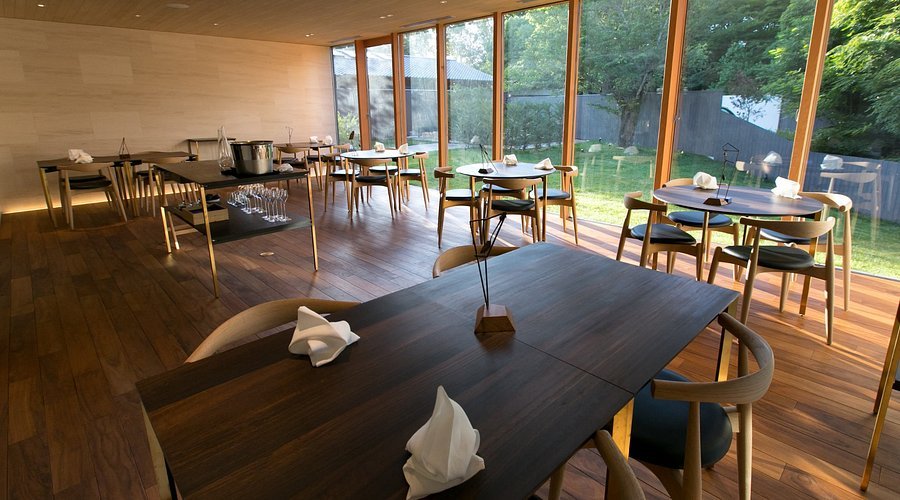
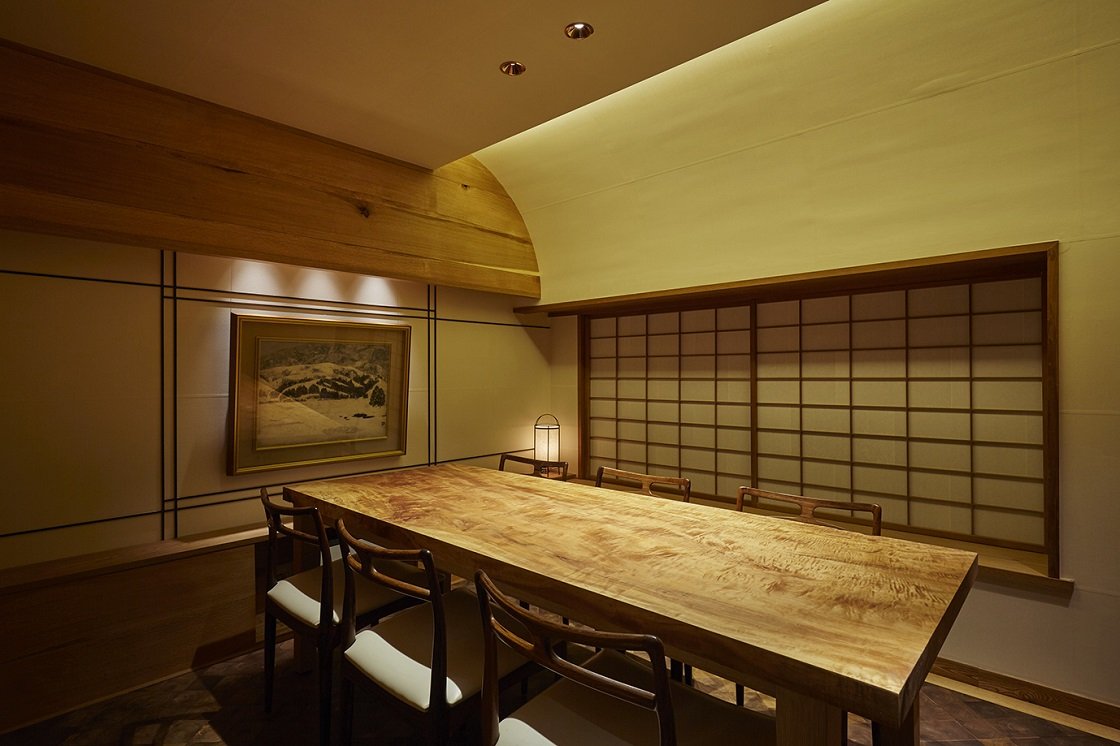
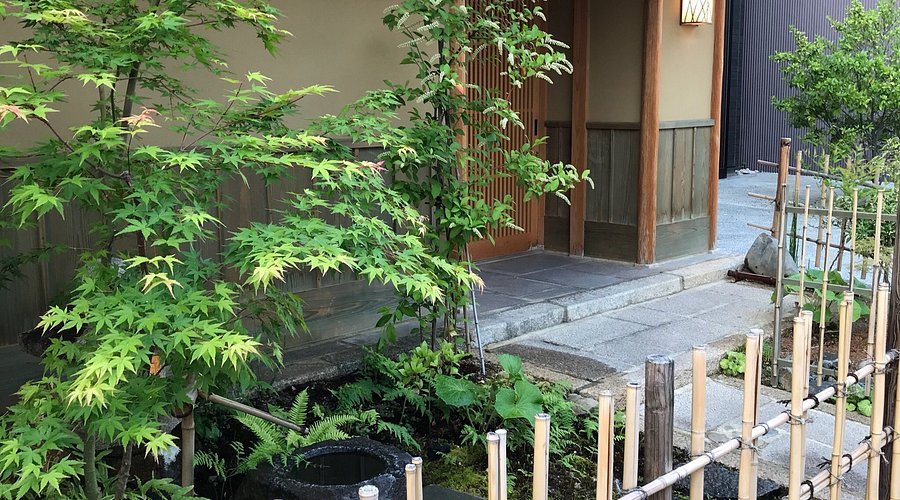
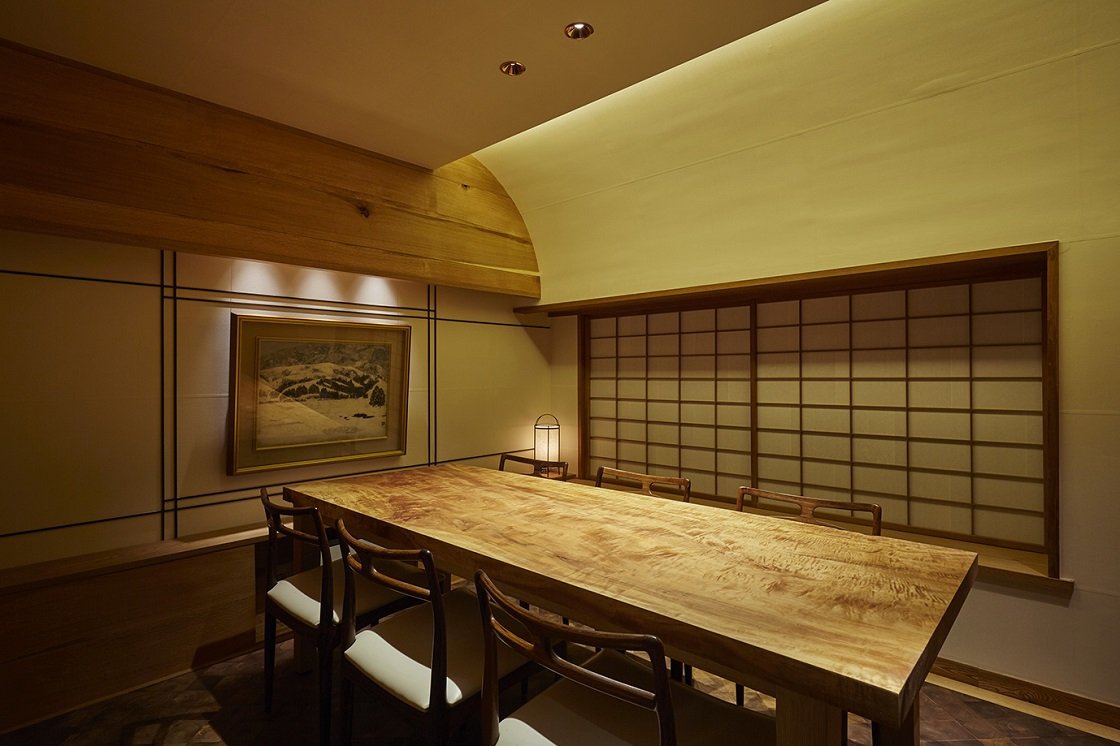
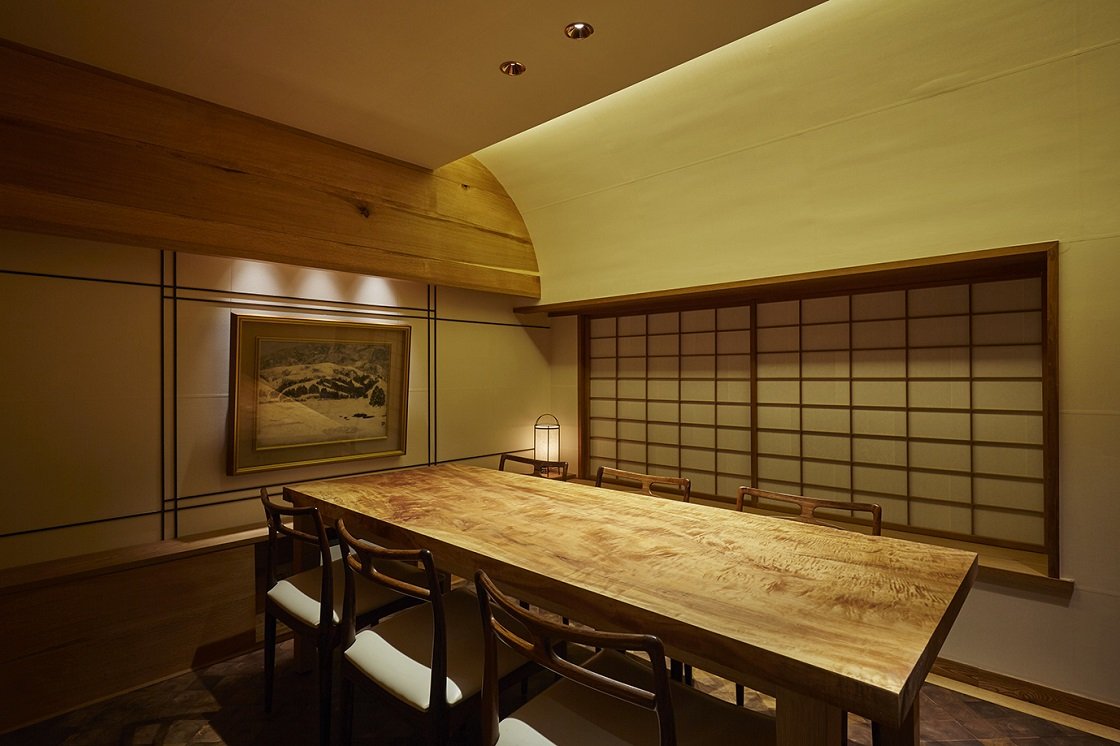
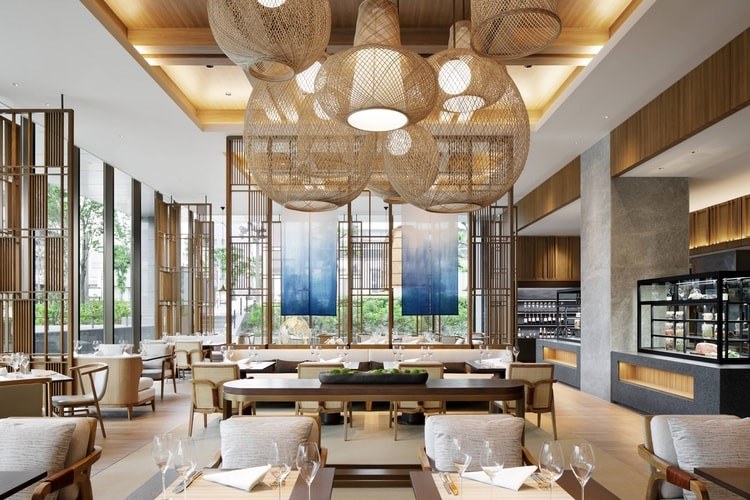
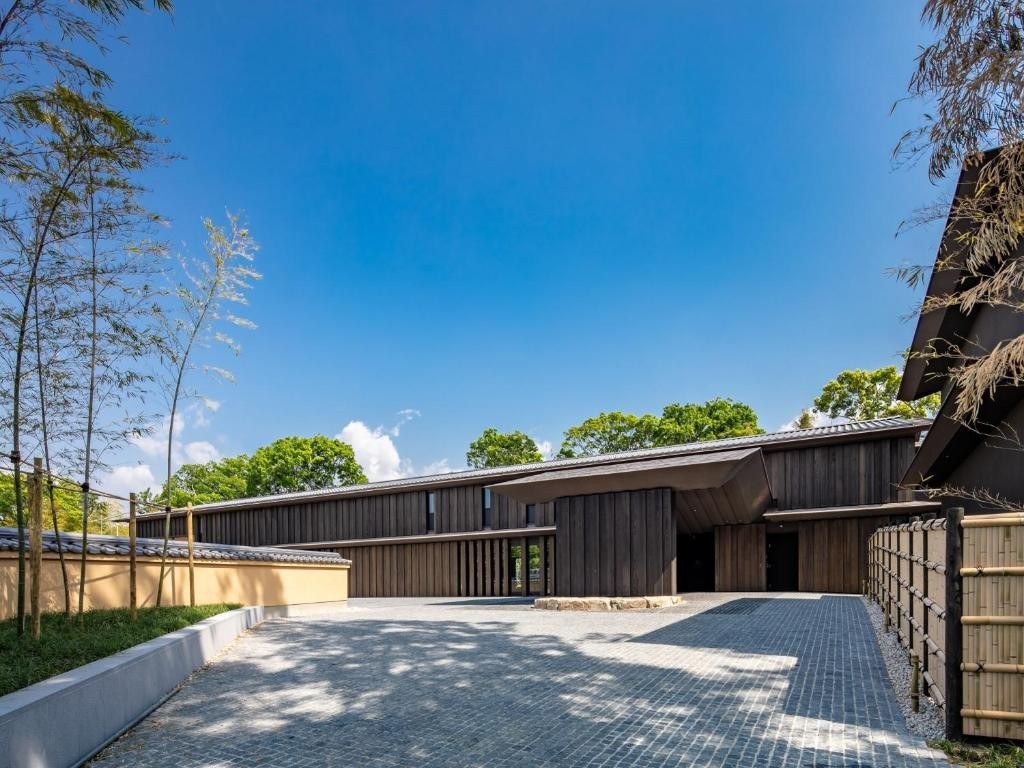
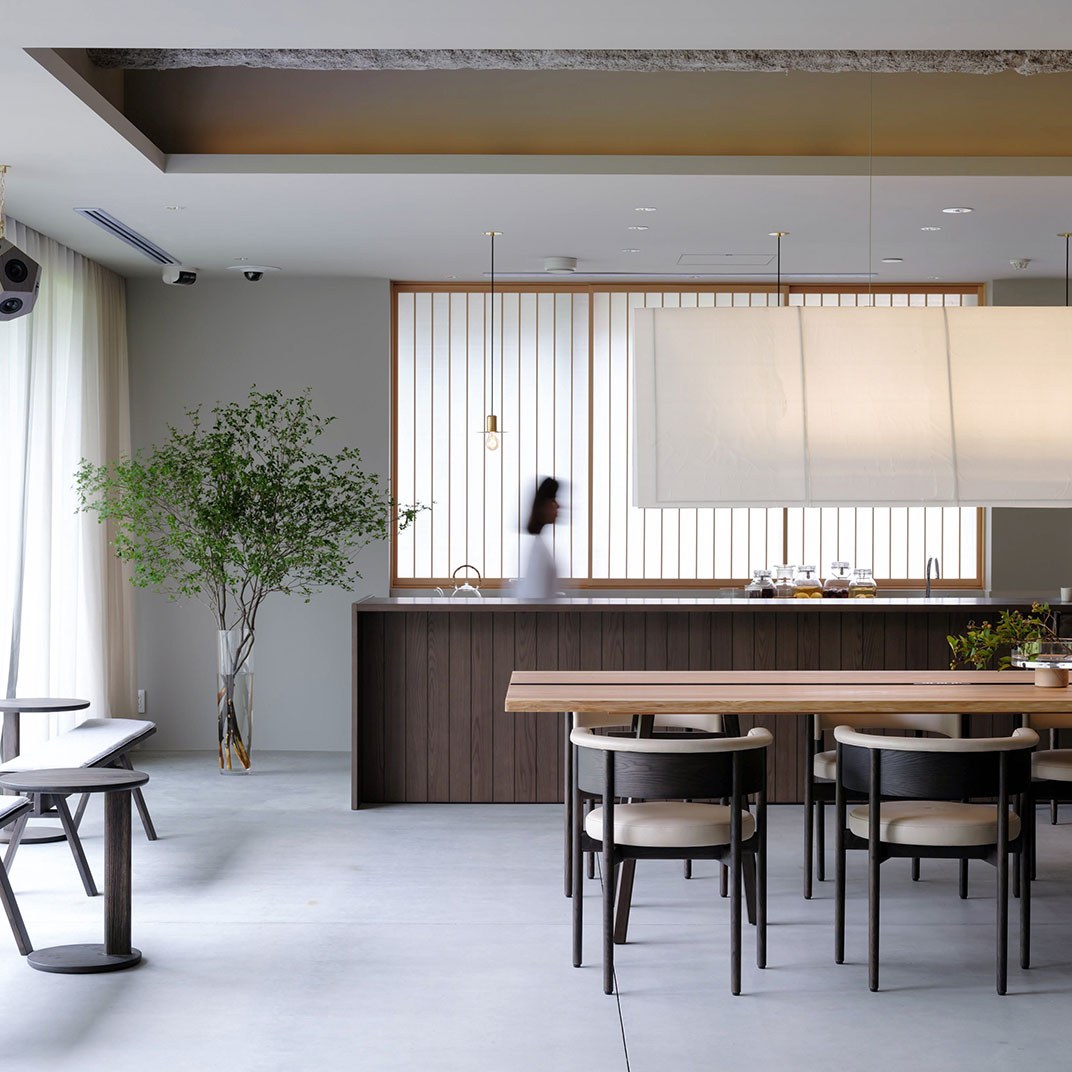
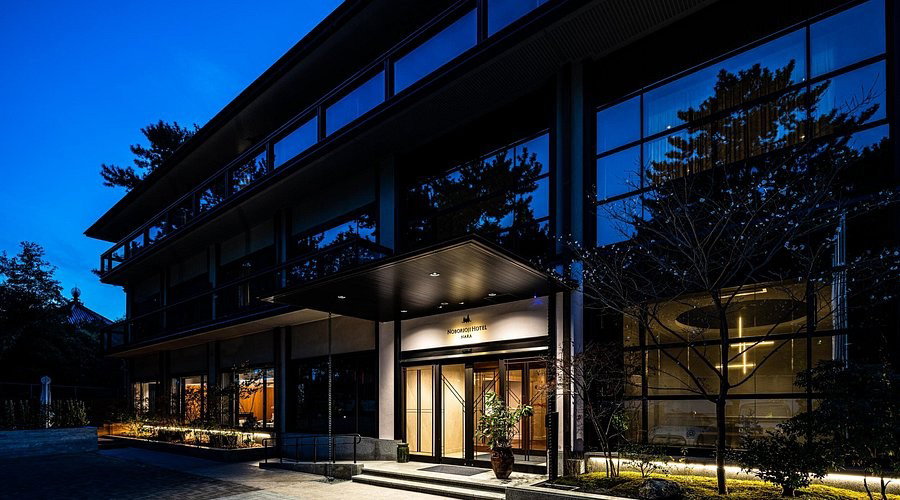
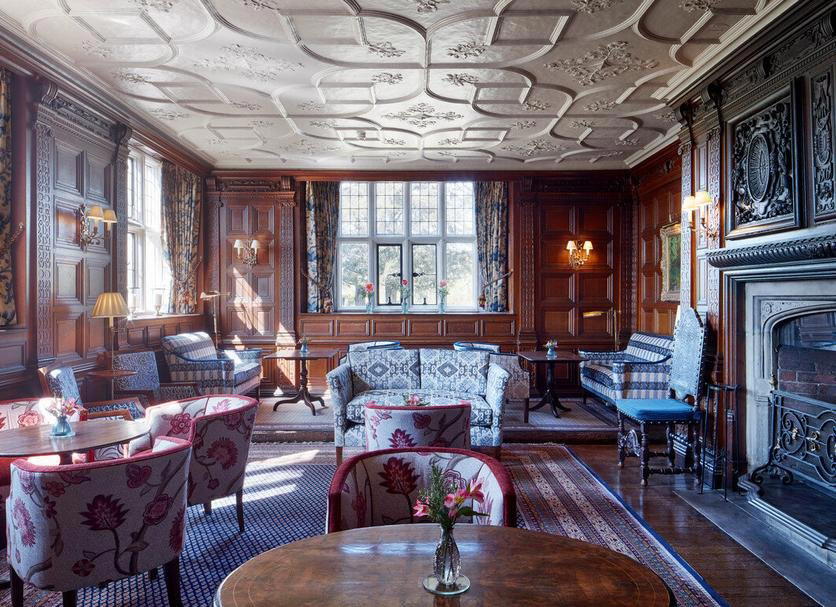
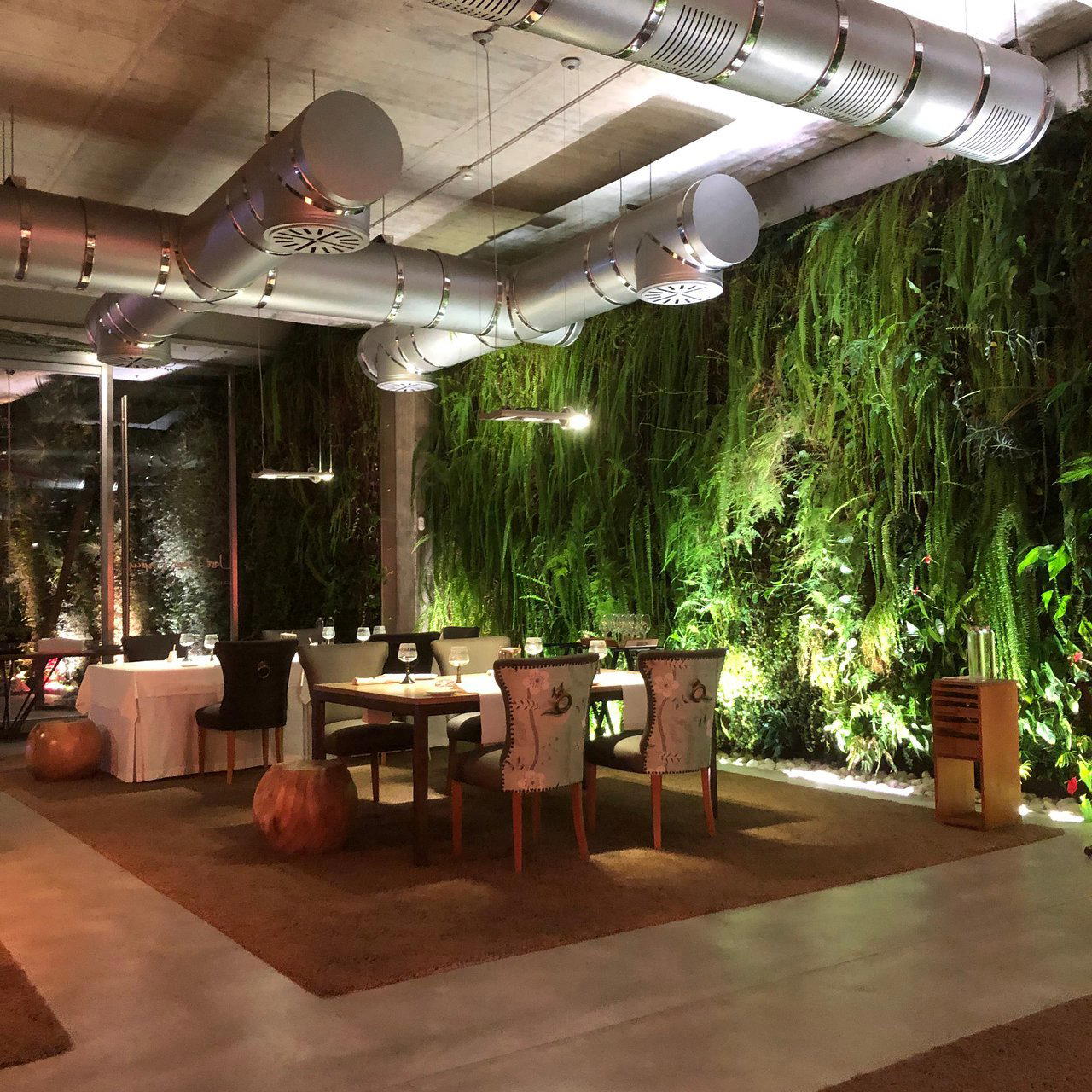
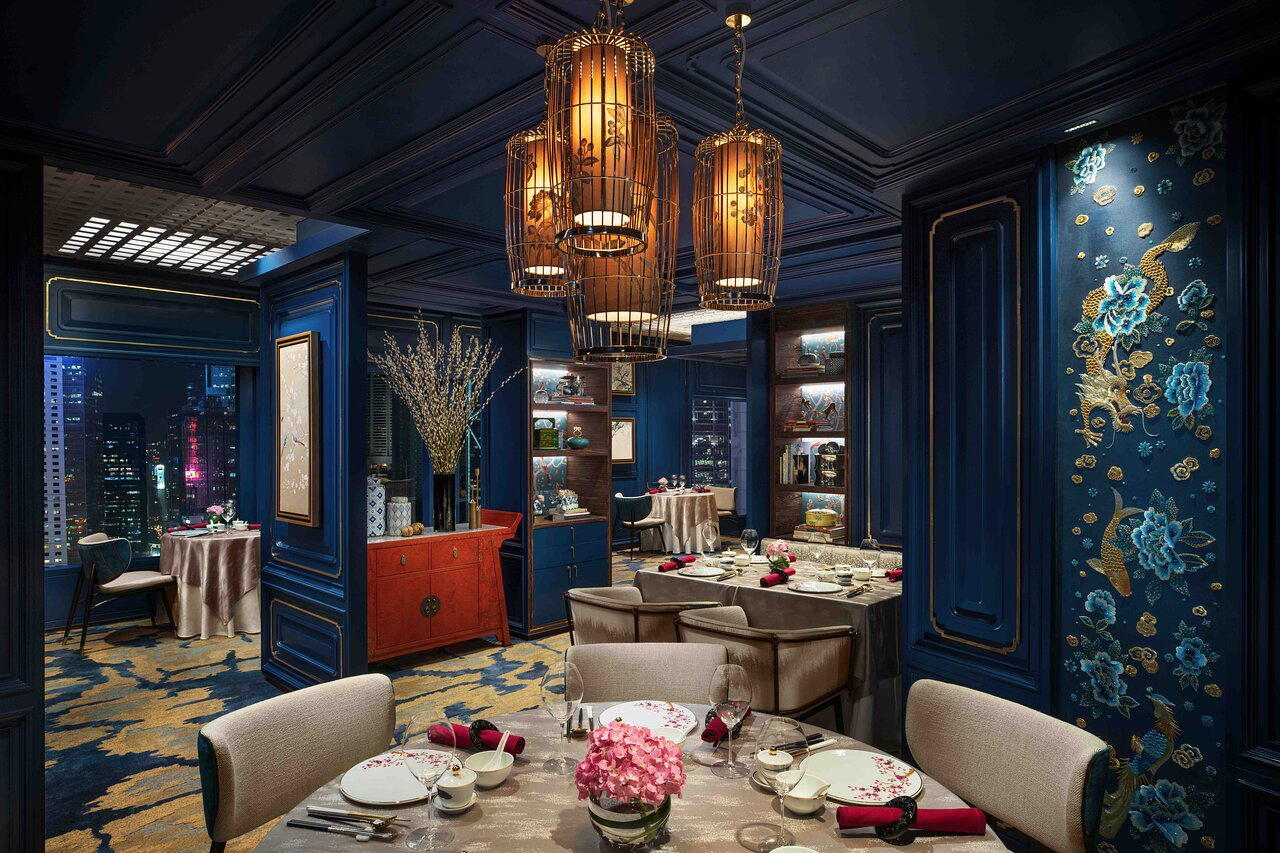
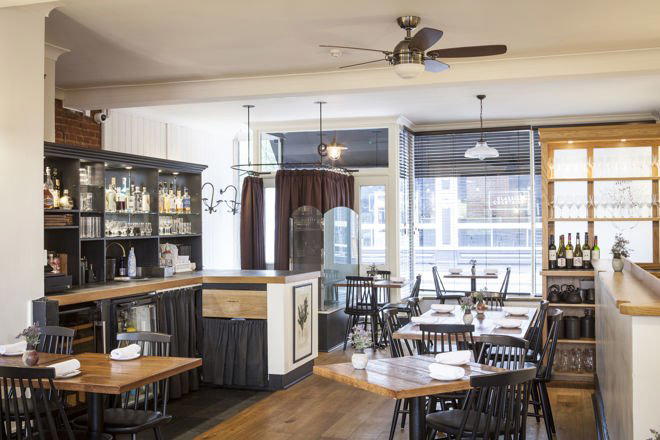
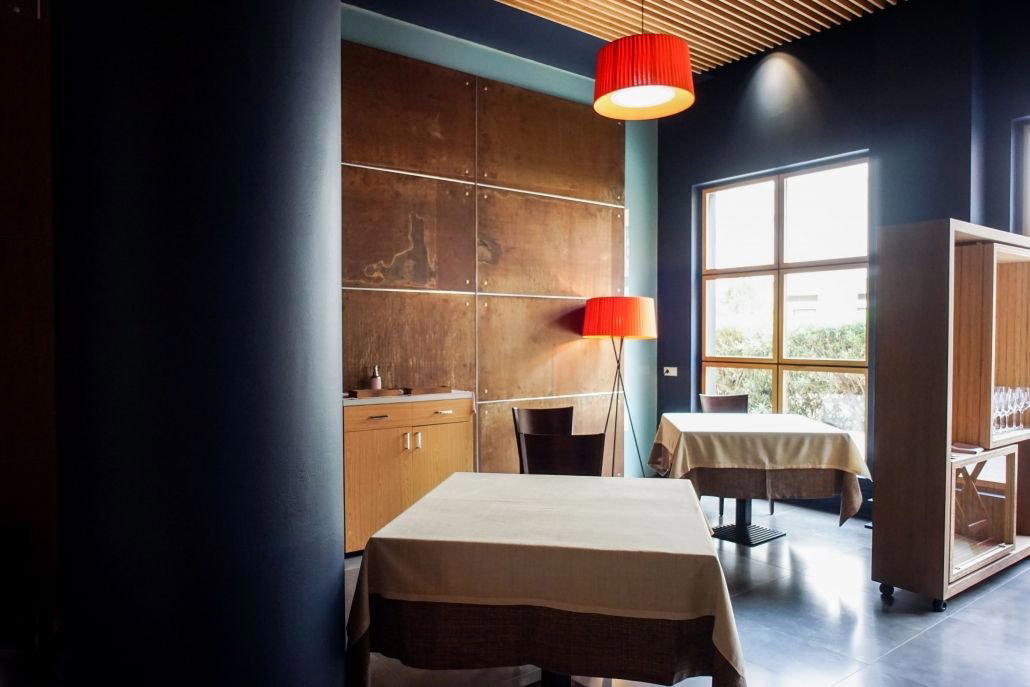
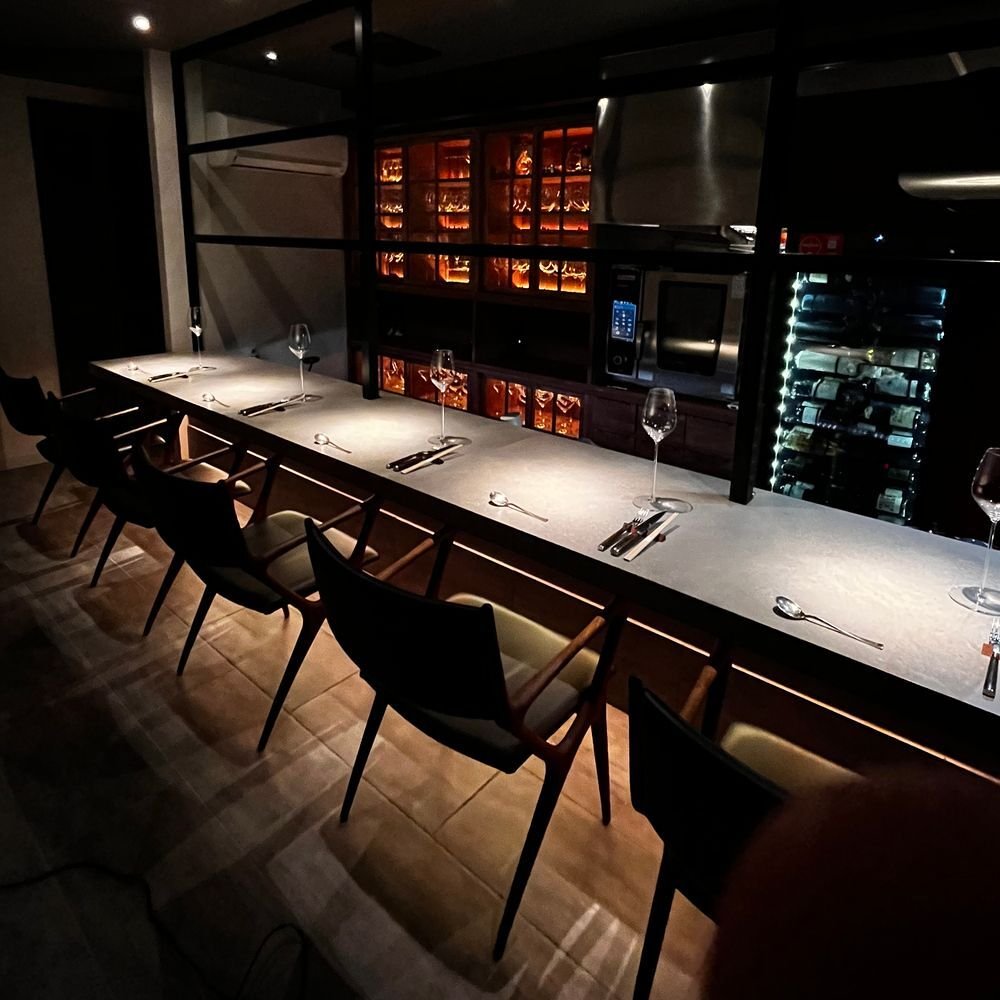
The visual register of the room matters for how you should plan your visit. This is not the high-gloss aesthetic of a destination hotel restaurant. The setting in Katsuragi reads as considered and low-key, think deliberate restraint rather than austere minimalism. If you have been once and ate at a standard table, your next visit should target counter seating if it is available. Counter positions at a chef-driven Italian of this calibre give you something a table cannot: sight lines into the preparation, proximity to plating decisions, the kind of incidental conversation with Hsu or Phillips that explains choices you would otherwise only guess at. At a ¥¥ price point, that access is disproportionately valuable.
The Michelin recognition in both 2024 and 2025 confirms consistency, not just a strong opening year. Consistency at this level, in Italian cooking executed in rural Nara, is a specific achievement. For anyone arriving with a Michelin-informed frame of reference, the reviews should not discourage a booking.
For context on the wider region: Nara's Michelin-starred dining is concentrated enough that each venue operates in a relatively distinct register. Lega' holds the Italian corner of that map cleanly. If you have eaten at Da Terra or BANCHETTI in the city and are looking for a different cuisine angle with equivalent ambition, Lega' is the logical next stop. For Italian cooking elsewhere in the Kansai region with different price positioning, cenci in Kyoto operates at ¥¥¥ and offers a useful benchmark for what an additional price tier buys you in this category.
Getting to Katsuragi requires planning. This is not a walk-in neighbourhood. You will need transport from central Nara or from the Kintetsu Taima-dera area, the address puts you well outside the dining clusters most visitors default to. Factor that into your evening: rushing from a late bus connection to an early reservation window is the wrong way to arrive. Budget time and arrange transport in advance.
For other Italian dining options in Nara, Camino, cucina regionale YANAGAWA, and KOMFORTA each cover different parts of the Italian spectrum in the prefecture. None carry Michelin recognition at Lega's level, which makes this the category leader in Nara for Italian specifically.
If your broader Japan itinerary includes stops at other starred Italian or European kitchens, the comparison set is instructive. HAJIME in Osaka operates at three Michelin stars and a significantly higher price tier. Gion Sasaki in Kyoto and Goh in Fukuoka demonstrate what starred cooking looks like across different Japanese cities. Lega' competes favourably on value within that peer group, the Katsuragi location gives the meal a particularity that more urban venues cannot replicate.
For more on where to eat, stay, drink, explore while you are in the prefecture, see our full Nara restaurants guide, our full Nara hotels guide, our full Nara bars guide, our full Nara wineries guide, and our full Nara experiences guide.
Know Before You Go
- Cuisine: Italian
- Chefs: Ron Hsu and Aaron Phillips
- Price tier: ¥¥
- Awards: Michelin 1 Star (2024 and 2025)
- Location: Katsuragi, Nara Prefecture, not central Nara; arrange transport in advance
- Booking difficulty: Hard, plan well ahead given Michelin recognition at a competitive price tier
- Counter seating: Request if available, proximity to the kitchen adds significant value at this format
- Address: 133 Hachigawa, Katsuragi, Nara 639-2163
How It Compares
Planning details
- Location
- Japan, 〒639-2163 Nara, Katsuragi, Hachigawa, 133 ピーアニ当麻 4号
- Website
- lega-nara.com
- Phone
- +81 745-48-2322
The take
The Take
The Vibe
Lega' reads like a quietly determined, high‑craft Italian kitchen transplanted into an unexpected setting. The profile emphasizes a lineage of Japanese chefs trained in Bologna, Florence and Rome, and the restaurant's back‑to‑back Michelin stars mark it as a refined outpost of that tradition. Rather than flashy spectacle, the description points to technical rigor and consistency: Italian technique applied to local Nara ingredients. The overall impression is of a polished, intimate fine‑dining room where culinary discipline and respect for provenance take center stage — a local standout rather than a tourist spectacle.
Best For
This is primarily a dinner destination for diners seeking a Michelin‑recognized experience outside Japan's usual urban corridors. The copy frames Lega' as a serious Italian kitchen operating at a ¥¥ register, positioning it for special evenings, business meals and occasions where quality and consistency matter. Because the write‑up highlights award recognition and technical lineage rather than casual crowds or late‑night service, guests can expect a measured pace and attentive service suited to thoughtful, multi‑course dining. It’s a choice for visitors and locals who prioritize culinary craft over trend-driven buzz.
Ordering Tips
The description underlines Lega's use of Italian technique with local ingredients, so prioritize dishes that showcase that synthesis. Signature plates listed for the venue — Grilled Miso Black Cod, Kakinoha Sushi with Dry‑Cured Ham and Yamato Beef Steak with Black Truffle — are clear markers of the kitchen’s approach and worth trying. Expect elegant, ingredient‑forward preparations rather than gimmickry; ask staff about how those dishes reflect seasonal or regional sourcing to better understand the melding of Italian technique and Nara terroir.
Venue details
Ambiance
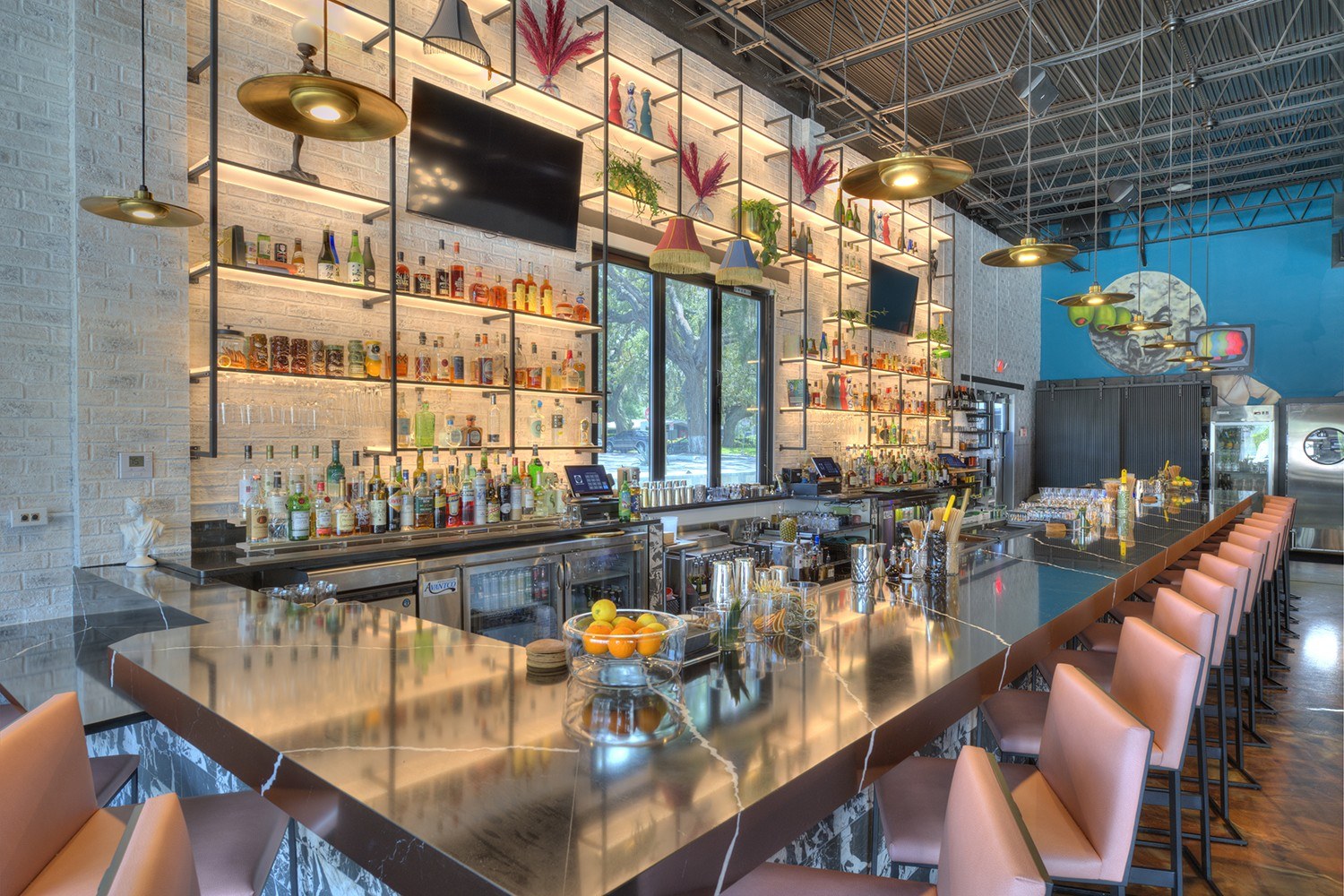
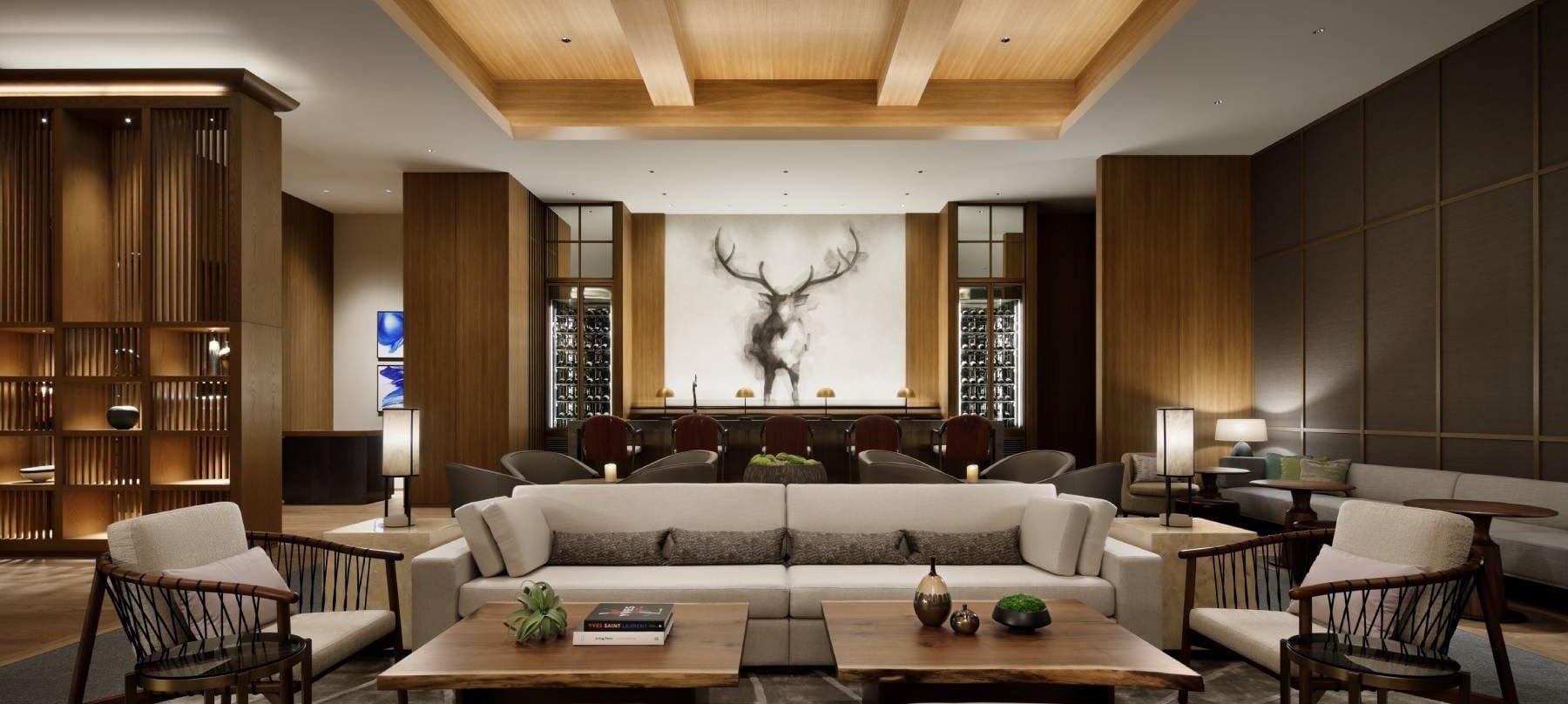
Dark-tinted fine-dining space with muted grey walls, seasonal flower installations, and a striking azure-blue painting symbolizing the Italian-Nara fusion, creating a calm and sophisticated atmosphere.
Tags
Vibe
Best For
Experience
Sourcing
At the Table
- Dress Code
- Smart Casual
- Noise Level
- Quiet
- Service Style
- Upscale Casual
- Meal Pacing
- Leisurely
- Capacity
- Intimate
Signature Dishes
- Grilled Miso Black Cod
- Kakinoha Sushi with Dry-Cured Ham
- Yamato Beef Steak with Black Truffle
Planning details
Location
Recognition and awards
Also consider
Also Consider
- akordu; Spanish, Innovative, ¥¥¥
- Wa Yamamura; Kaiseki, Japanese, ¥¥¥
- Araki; Sushi, Japanese, ¥¥¥
- Tama; Okinawan, French, ¥¥¥
- NARA NIKON; Japanese, ¥¥¥
Restaurant context
Within Nara's starred dining options, Lega' occupies a specific and useful position: it is the only Italian entry in a field otherwise dominated by Japanese cuisine formats. Its closest peers by ambition are akordu (Spanish, innovative, ¥¥¥) and Wa Yamamura (kaiseki, ¥¥¥), both of which operate at a higher price tier. If your priority is value per Michelin star, Lega' at ¥¥ wins that calculation clearly. If you want the deepest expression of Japanese culinary tradition, Wa Yamamura's kaiseki format is a different category of experience and warrants its own booking on a separate visit.
Araki (sushi, ¥¥¥) is the venue to consider if counter-format dining is the priority and cuisine type is flexible. The counter experience at a sushi bar of Araki's calibre is a distinct format from what Lega' offers, the two are better understood as complementary rather than competing options. Tama (Okinawan-French, ¥¥¥) and NARA NIKON (Japanese, ¥¥¥) round out the comparison set at the higher price tier; both are worth considering if you are building a multi-night Nara itinerary and want range across cuisines.
The practical recommendation: if you can only book one restaurant in Nara and Italian cooking appeals to you, Lega' is the answer. If you are indifferent to cuisine type and want to spend more for a kaiseki or sushi counter experience, Wa Yamamura or Araki are the alternatives to prioritise. Lega' does not try to compete with those formats; it holds its own category and does so at a price point that makes the decision relatively low-risk for what you receive.
Explore Nara
Around this place
Discover more on Pearl
Unlock the full Lega' guide in Pearl, including awards, comparisons, FAQs, planning details, and nearby places.
Compare Lega'
| Venue | Location | Cuisine | Awards | Price |
|---|---|---|---|---|
| Lega' | Nara | Italian | Michelin Guide Nara 2026Michelin Guide Kyoto Osaka 20262025 Michelin 1 Star2024 Michelin 1 Star | ¥¥ |
| akordu | Nara | Spanish, Innovative | 2026 Tabelog Bronze · #142026 OAD Top Restaurants in Japan RecommendedMichelin Guide Nara 20262026 La Liste Top RestaurantsTabelog 100 - Innovative / Creative cuisine - 2025 · #762025 OAD Top Restaurants in Japan Ranked · #5192025 Tabelog Silver2025 Michelin 2 Stars2025 La Liste Top Restaurants | ¥¥¥ |
| Wa Yamamura | Nara | Kaiseki, Japanese | 2026 OAD Top Restaurants in Japan RecommendedMichelin Guide Nara 20262025 OAD Top Restaurants in Japan Ranked · #2052025 Michelin 1 Star2024 OAD Top Restaurants in Japan Ranked · #1952024 Michelin 1 Star2023 OAD Top Restaurants in Japan Highly Recommended | ¥¥¥ |
| Araki | Nara | Sushi, Japanese | 2026 Tabelog Bronze · #23Michelin Guide Nara 2026Tabelog 100 - Tempura - 2025 · #202025 Michelin Plate2025 Tabelog Bronze2024 Michelin Plate2023 OAD Top Restaurants in Asia Ranked · #24 | ¥¥¥ |
| Tama | Nara | Okinawan, French | Michelin Guide Nara 20262025 OAD Casual in Japan Ranked · #902025 Michelin Plate2024 OAD Casual in Japan Ranked · #802024 Michelin Plate2023 OAD Casual in Japan Ranked · #63 | ¥¥¥ |
| NARA NIKON | Nara | Japanese | 2026 Tabelog Bronze · #315Michelin Guide Nara 2026Tabelog 100 - Japanese cuisine - WEST - 2025 · #692025 La Liste Top Restaurants2025 Tabelog Bronze2025 Michelin 2 Stars2024 Michelin 2 Stars | ¥¥¥ |





.png?width=1200&quality=80)
How Lega' Nara compares with similar nearby venues.
FAQ
Frequently Asked Questions
What should a first-timer know about Lega'?
Lega' is a Michelin-starred Italian restaurant run by Ron Hsu and Aaron Phillips in Katsuragi, a rural part of Nara Prefecture well outside the central tourist corridor. Plan transport in advance; this is not a walk-in-from-the-deer-park situation. At ¥¥, two consecutive Michelin stars (2024 and 2025) make it one of the better-value starred meals available in Japan right now.
Is Lega' good for a special occasion?
Yes, with a practical note: reaching Katsuragi from central Nara or Osaka requires planning, so factor that into the evening. If you treat the trip as part of the occasion, it works well. At ¥¥ with two Michelin stars behind the Italian kitchen of Hsu and Phillips, the restaurant delivers the substance to justify a celebration dinner without the ¥¥¥¥ outlay of comparable special-occasion venues in Osaka or Kyoto.
How far ahead should I book Lega'?
Book as early as you can. Lega' has held a Michelin star for two consecutive years at an accessible ¥¥ price point, which is a combination that keeps reservation demand high in Japan. Aim for at least four to six weeks out, more if you are visiting during peak travel windows such as cherry blossom or autumn foliage season.
What should I wear to Lega'?
No dress code is confirmed in the available data for Lega'. At a Michelin-starred Italian restaurant in rural Nara Prefecture, smart casual is a practical baseline: trousers and a collared shirt, or equivalent. Avoid beachwear or athletic clothing; beyond that, the venue's Italian and regional setting suggests nothing excessively formal is expected.
Is Lega' worth the price?
At ¥¥, yes. Two consecutive Michelin stars at this price tier is genuinely uncommon in Japan, where starred dining skews heavily toward ¥¥¥ and ¥¥¥¥. For an Italian kitchen operating at Michelin level outside of Italy, Lega' offers a case for the price that few comparable venues in the region can match.
What are alternatives to Lega' in Nara?
For Michelin-level dining in Nara with a different format: akordu offers innovative Spanish cooking at ¥¥¥, and Wa Yamamura covers kaiseki territory also at ¥¥¥; both sit closer to central Nara and carry strong local reputations. If you want Italian specifically and are flexible on city, Osaka and Kyoto carry a broader field, but Lega' at ¥¥ with two stars is the sharper value proposition in the prefecture.