![[bu:r], Restaurant in Milan](https://cdn.enprimeurclub.com/storage/v1/object/public/images/restaurants/d843f498-b3ce-4779-9965-232b5eaf50cf/hero1.jpg?width=2560&quality=80)


.png?width=1200&quality=80)
[bu:r]
Modern Italian, Creative · Porta Vigentina - Porta Lodovica, Milan
Restaurant in Milan, Italy
 Book with Pearl
The Read
Small-Producer Italian Precision
Price
€€€€
Chef
Eugenio Boer
Dress
Smart Casual
Why go
[bu:r] is Chef Eugenio Boer's intimate creative Italian restaurant on Via Mercalli, Milan, holding a Michelin Plate (2025) and ranked in OAD's Top 180 Europe. At €€€€, it offers two seasonal tasting menus and à la carte, with dinner Wednesday–Friday and lunch available Saturday–Sunday. Booking is easy, with two to three weeks' notice sufficient for most dates.
About [bu:r]
Should You Book [bu:r]?
If you have already eaten at [bu:r] once, the question on a second visit is not whether the room or the cooking has changed in any dramatic way — it mostly hasn't, and that consistency is the point. What changes is the menu. Chef Eugenio Boer rotates his dishes around seasonal ingredients and aromatic plants, which means a dinner here in autumn reads differently from one in spring. For a special occasion in Milan at the €€€€ price tier, this is one of the more considered options: intimate without being stiff, creative without abandoning the Italian pantry. Book it.
About [bu:r]
[bu:r] opened on Via Mercalli in the Porta Vittoria district of Milan and has built a quiet reputation in the years since. It earned a Michelin Plate in both 2024 and 2025, and Opinionated About Dining ranked it among the top 180 restaurants in Europe in 2024, giving it a Highly Recommended citation when it was still classed as a new restaurant in 2023. Those are not the credentials of a flash-in-the-pan opening. For context on what the Italian creative dining scene produces at its most ambitious, you can look to venues such as Osteria Francescana in Modena or Piazza Duomo in Alba — [bu:r] occupies a different register, more personal in scale, but the OAD ranking places it in serious company.
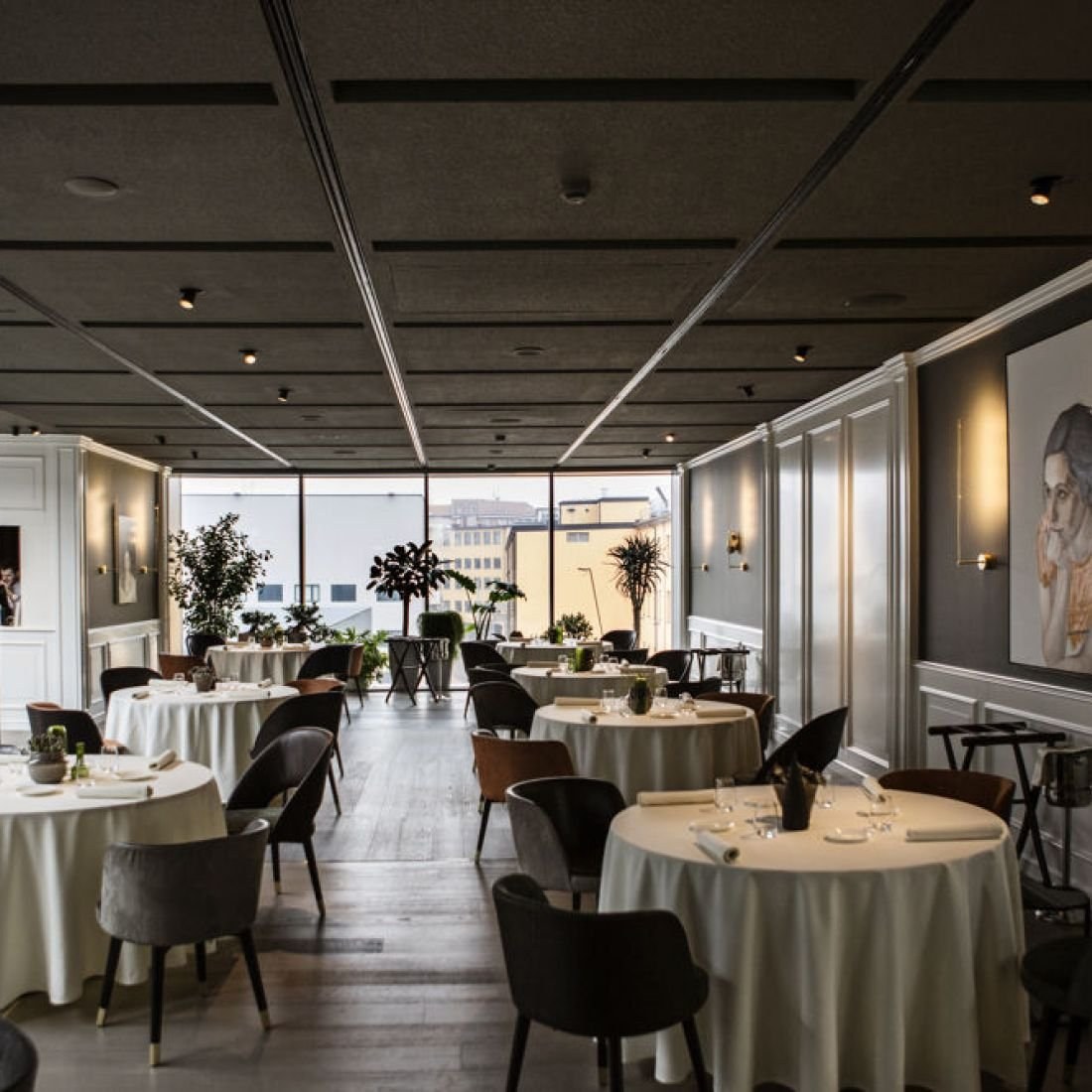
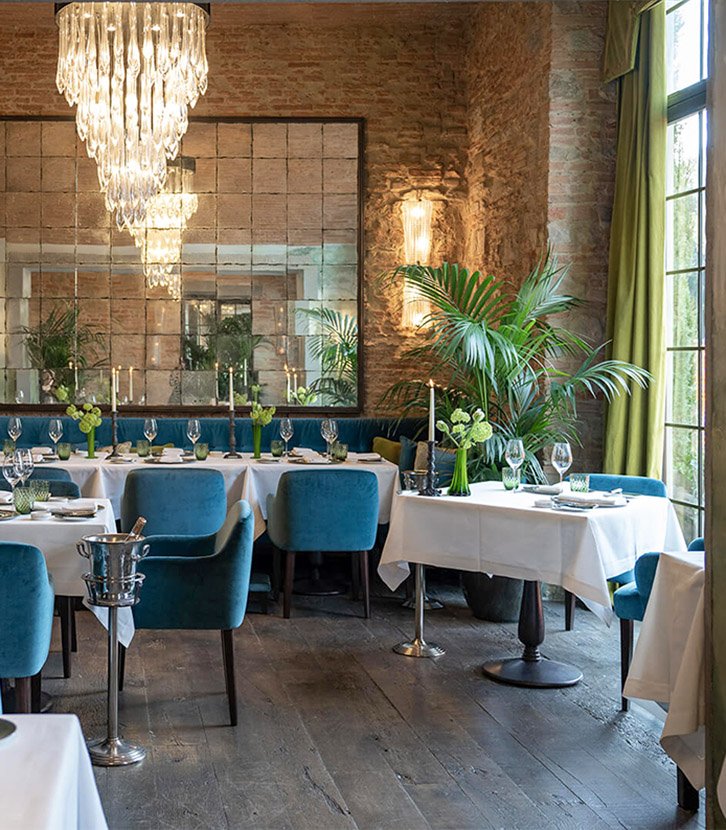
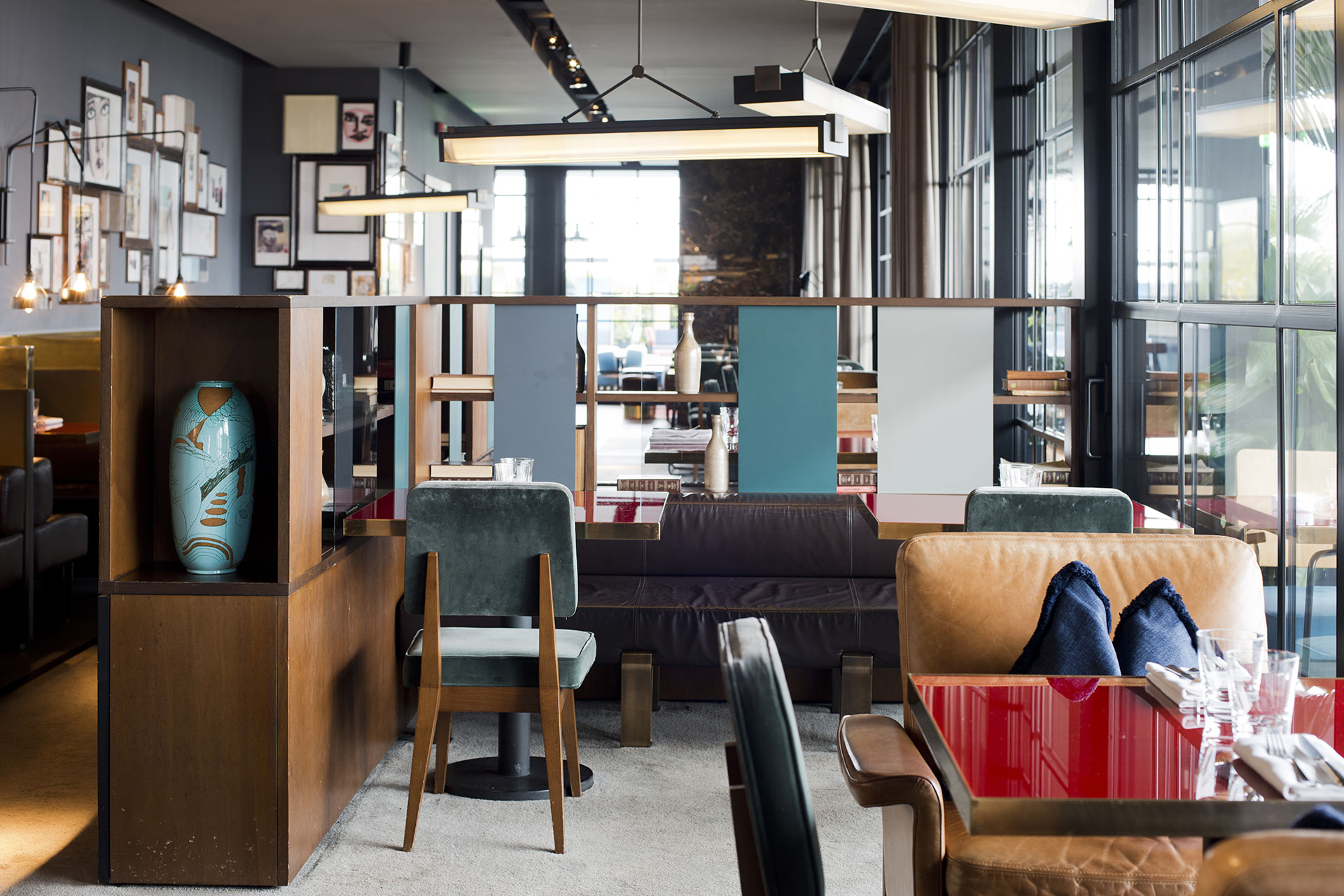
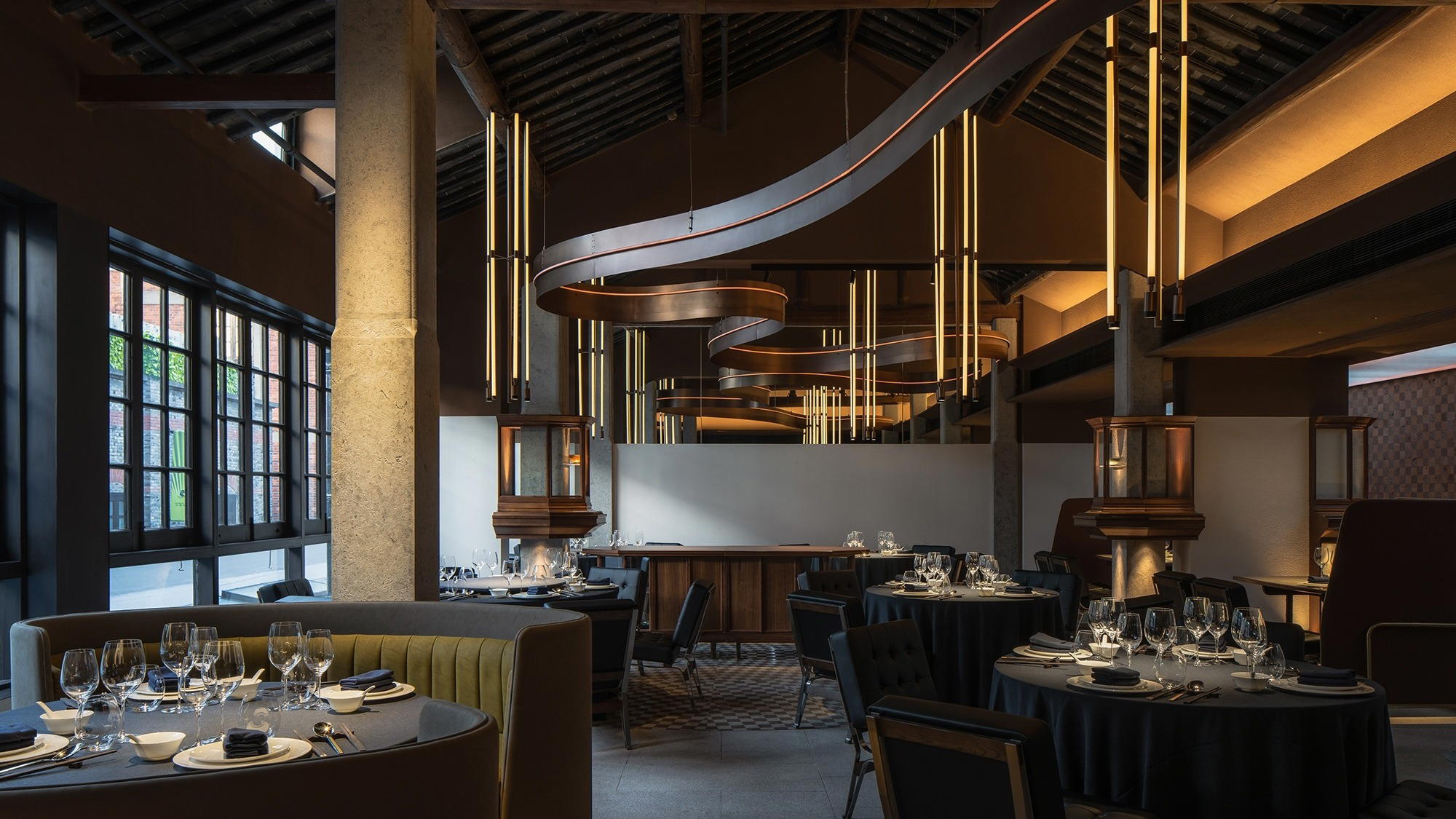
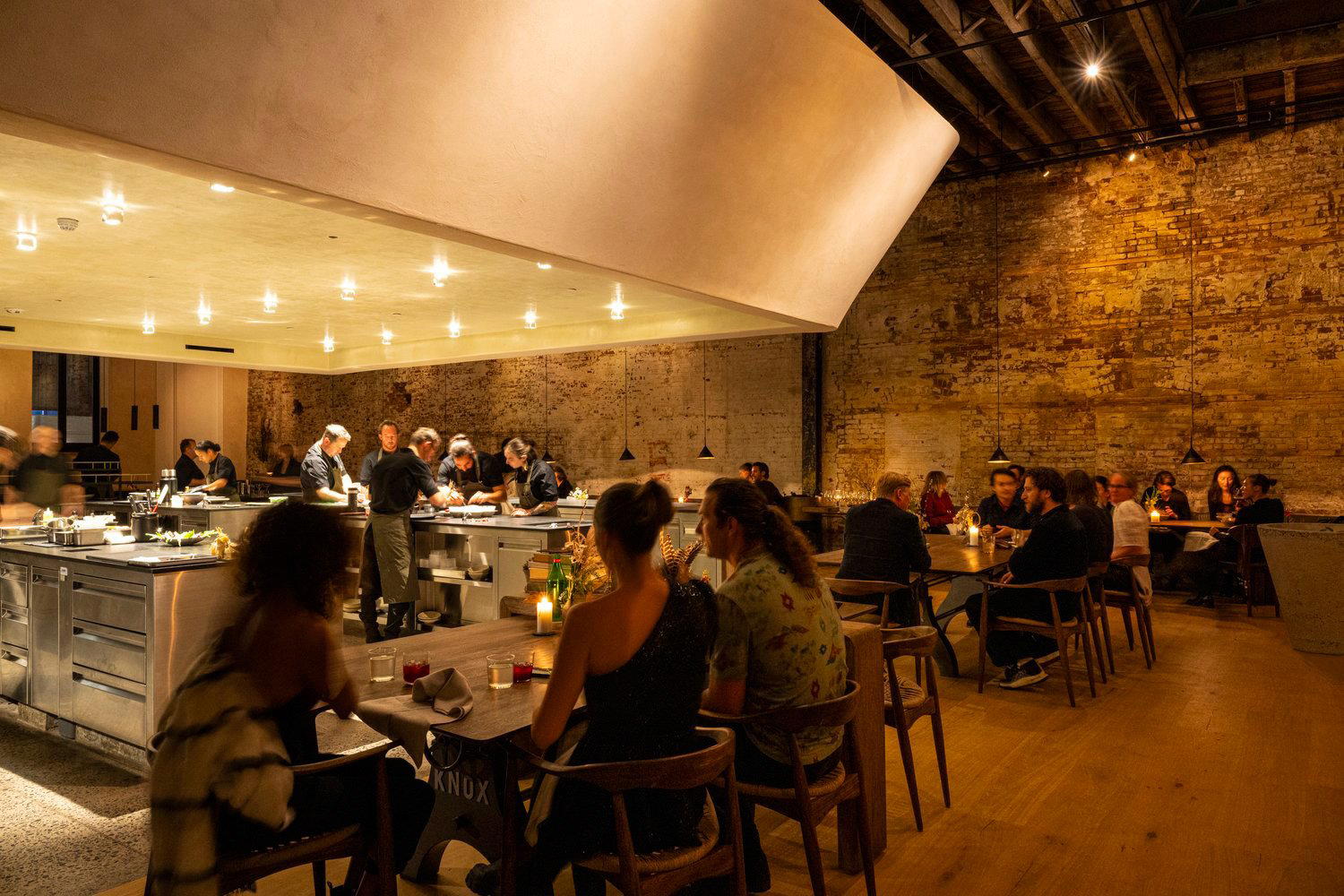
The room itself matters here, particularly for a celebration dinner or a date. The lighting is subdued and the atmosphere is quiet enough for conversation even on a busy Friday evening, this is not a venue where noise becomes a problem after 10 PM the way it does at louder Milan openings. The energy reads as calm and deliberate rather than buzzy or theatrical. If you are bringing a partner or a small group to mark something significant, the atmosphere works in your favour. Solo diners will find it comfortable rather than isolating, though the format leans toward a seated, multi-course experience rather than a counter or bar setup.
The menu structure gives you real flexibility, which is worth understanding before you book. There is a concise à la carte alongside two tasting menus: "I Classici", which is built around meat-based dishes drawing on recognisable Italian references, and "Le Aromatiche", which places aromatic plants at the centre of each course. The second menu in particular shifts meaningfully by season, the aromatic plants available in late spring are not the same as those available in winter, so the menu you eat in May will be structurally different from the one in November. If you are planning a return visit specifically to eat something different, timing your booking around seasonal change is the most direct way to ensure that.
Boer's philosophy is grounded in 100% Italian produce, with a declared focus on small-scale producers. That constraint shapes the cooking more than any individual technique: the dishes reference familiar Italian flavours, then reframe them through his own creative lens. The result sits between tradition and invention without leaning heavily into either direction. This is not a restaurant where you come to be surprised by foam or deconstructed classics, it is one where the interest comes from how well the sourcing and the cooking are integrated. For a comparable approach to Italian creative cooking with strong regional sourcing credentials, Atelier Moessmer Norbert Niederkofler in Brunico operates in a similar philosophical space, though at a higher Michelin level and in a very different setting. In Milan specifically, Andrea Aprea and Seta cover the modern Italian €€€€ tier with different sensory priorities, more formal service, more elaborate production, but [bu:r] offers something those rooms do not: genuine intimacy at the same price point.
[bu:r] is open Wednesday through Friday for dinner only (7:30–10 PM), and on Saturday and Sunday for both lunch (12:30–1:30 PM) and dinner (7:30–10 PM). Monday and Tuesday are closed. The Saturday and Sunday lunch slots are the hardest to come by for walk-in purposes, and they offer the only daytime option during the week. If your schedule is flexible, a Saturday lunch is worth considering for a special occasion: the room has a different quality in natural light, and the shorter service window creates a more focused experience. Booking difficulty is rated Easy, which means reservations are generally available without weeks of advance planning, but for a specific date around an anniversary or celebration, booking two to three weeks out gives you reasonable choice of time.
For Italian creative cooking with deeper regional ambition outside Milan, Le Calandre in Rubano, Dal Pescatore in Runate, Enoteca Pinchiorri in Florence, Villa Crespi in Orta San Giulio, and Torre del Saracino in Vico Equense each represent distinct takes on the Italian fine dining canon. But if you are staying in Milan and want a creative Italian dinner that does not feel like a production designed for international visitors, [bu:r] is one of the more honest options in the city at this price tier.
For broader context on where [bu:r] fits within the city's dining options, see our full Milan restaurants guide. If you are planning a longer stay, our Milan hotels guide, bars guide, wineries guide, and experiences guide cover the rest.
Planning details
- Hours
- Monday: Closed · Tuesday: Closed
- Location
- Via Mercalli, 22, 20122 Milano MI, Italy
- Reservations
- Book on TheFork
- Website
- restaurantboer.com
- Phone
- +39 02 6206 5383
The take
The Take
The Vibe
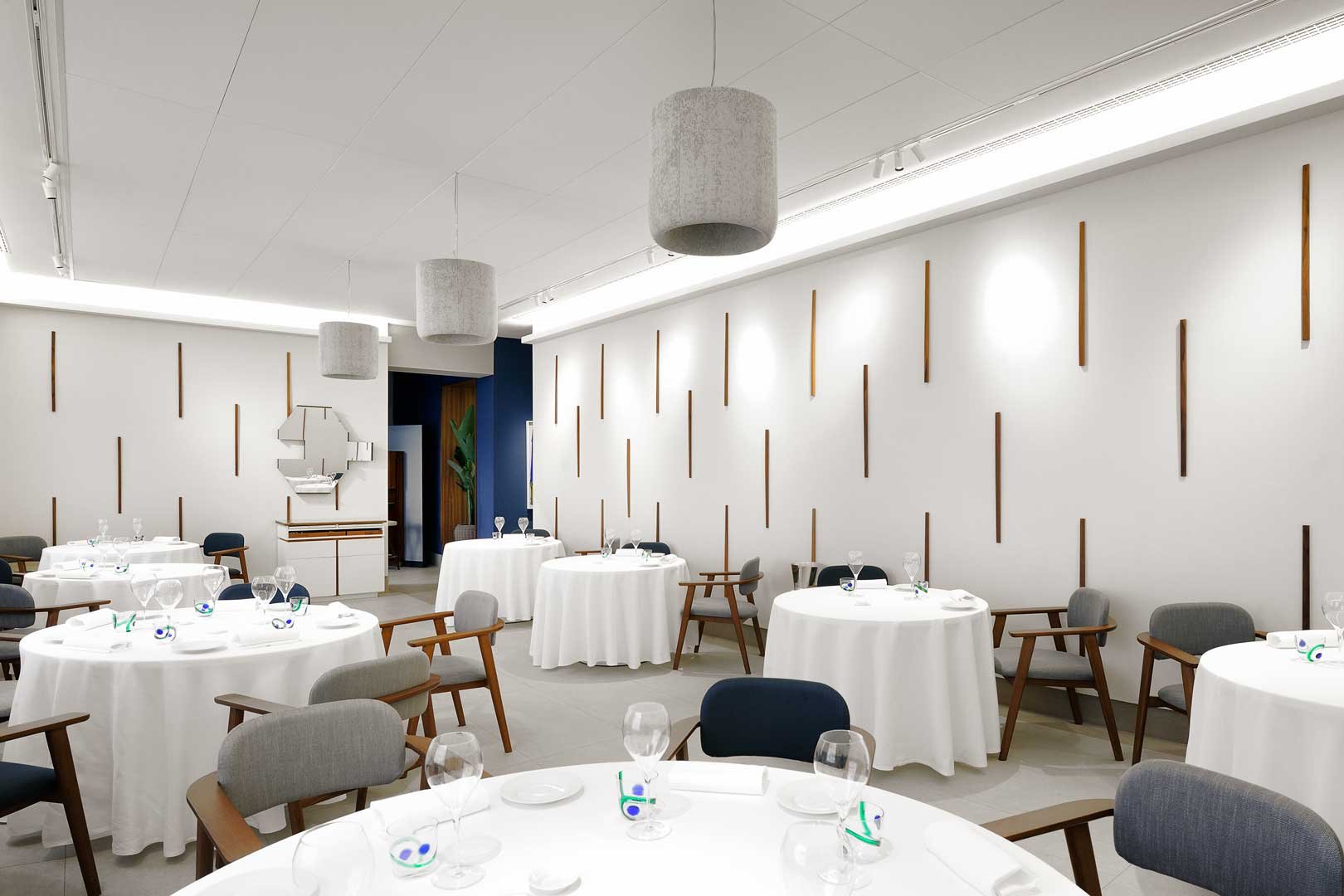
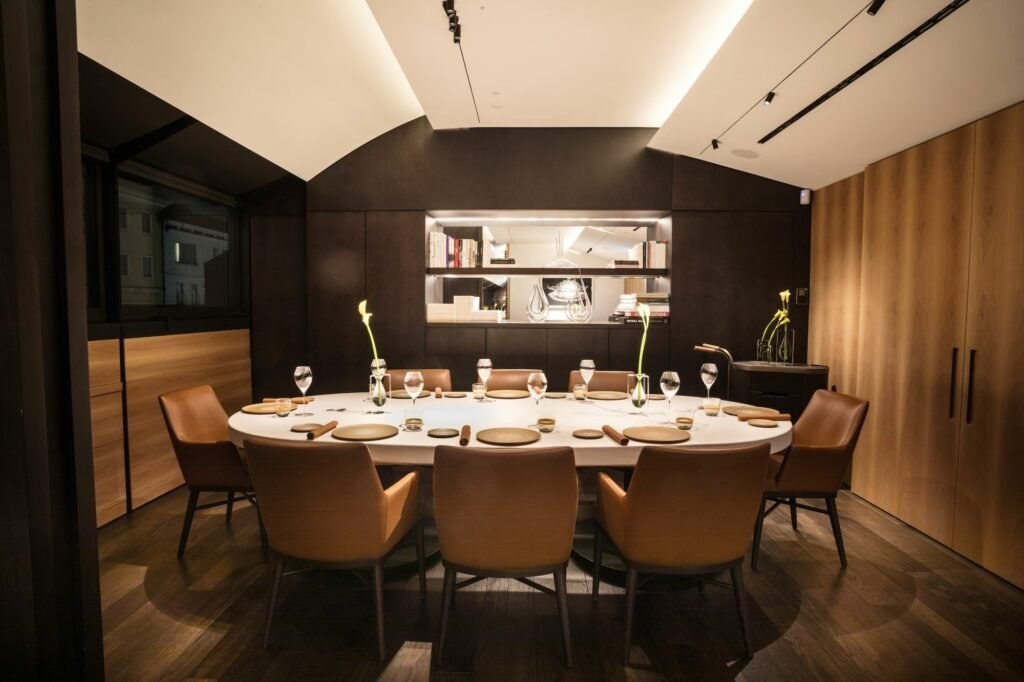
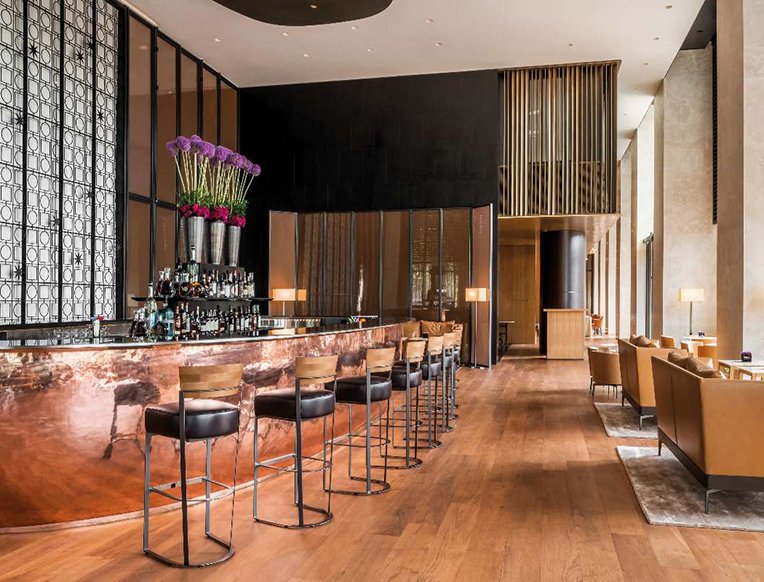
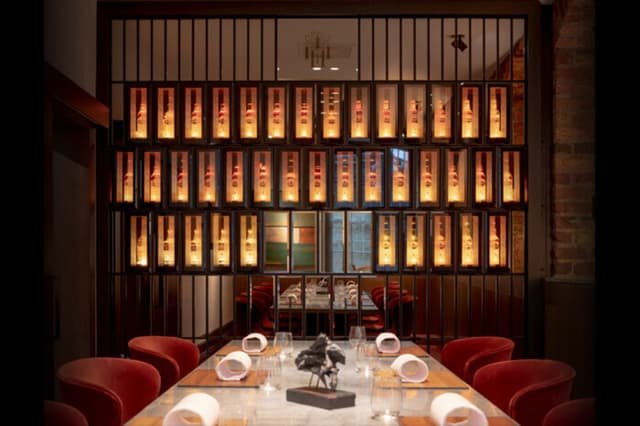
The room at [bu:r] favors restraint over flourish. Subdued lighting, restrained surfaces and a carefully measured spatial logic make the dining room feel composed and private; conversation is contained rather than broadcast. That calibrated understatement is intentional: the restaurant presents itself as a quietly precise counterpoint to flashier Milanese addresses. The service and design lean modern and minimalist rather than decorative, and the overall effect is one of disciplined calm that keeps the focus on the cooking and the company at the table.
Best For
This is a dinner-oriented destination for serious diners seeking formal, considered meals. Set among Milan’s high-tier fine-dining addresses and frequented by executives, [bu:r] suits business dinners and travelers who expect a composed, professional service style. It also fits special evenings where restraint and culinary rigor matter more than spectacle; the restaurant’s price tier and Michelin Plate placement signal an experience that rewards time and attention at the table rather than casual visits.
Ordering Tips
When ordering, prioritize the kitchen’s signature plates that showcase its creative, Italian-first sourcing. The listed highlights — Pigeon in Vineyard, Octopus & Grouper, Lobster and the Garibaldi Sandwich — reflect the restaurant’s range from refined rusticity to polished seafood work. Allow the staff to guide timing and pacing, and focus selections on these standout preparations to get a clear sense of the kitchen’s contemporary approach to Italian ingredients.
Venue details
Ambiance
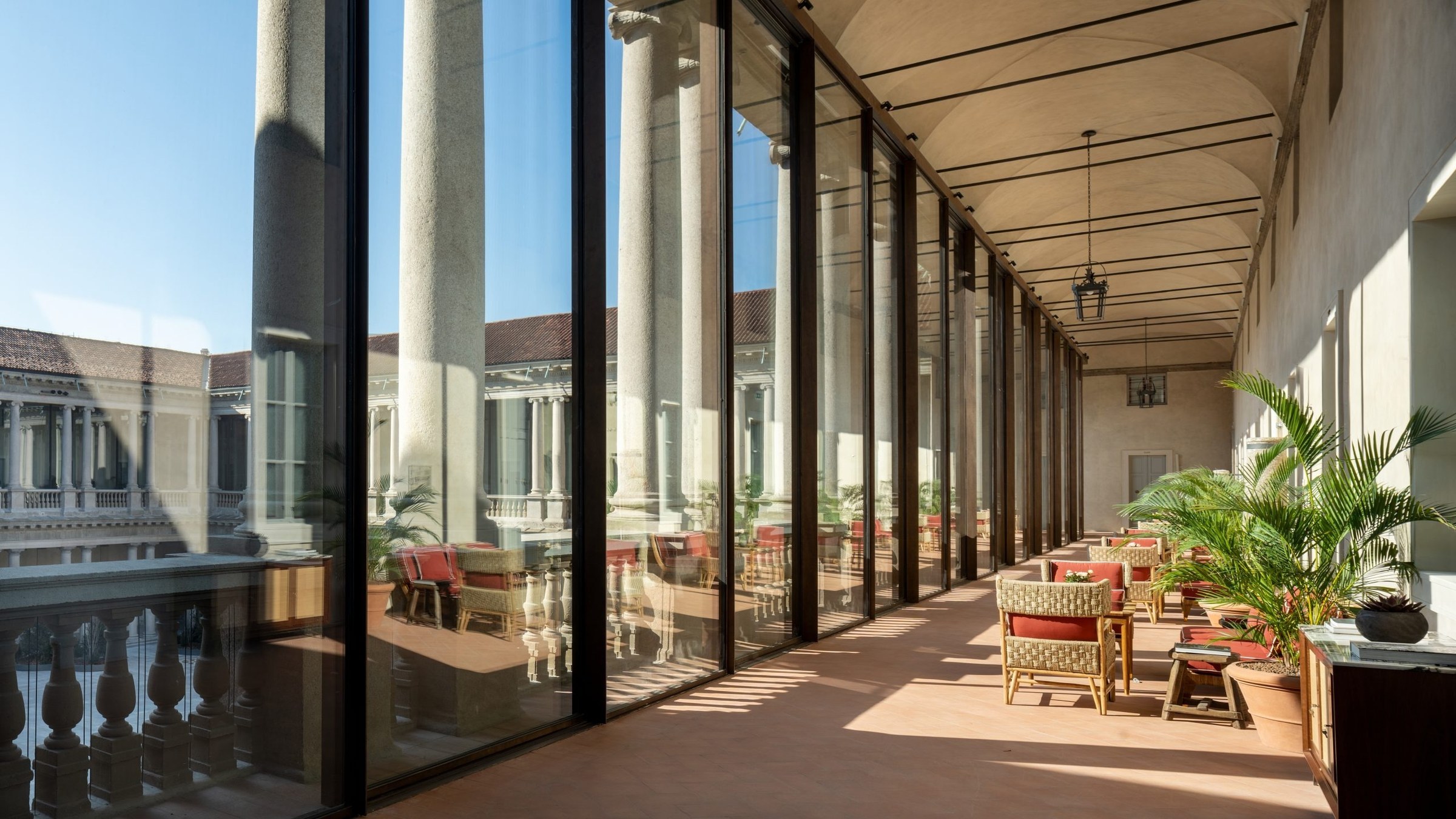
Elegant and cozy with sleek modern furniture, soft lighting, and a warm family atmosphere despite fine-dining caliber; outdoor seating available under a vine-trained pergola.
Tags
Vibe
Best For
Experience
Sourcing
At the Table
- Dress Code
- Smart Casual
- Noise Level
- Quiet
- Service Style
- Formal
- Meal Pacing
- Extended Experience
- Capacity
- Intimate
Signature Dishes
- Pigeon in Vineyard
- Octopus & Grouper
- Lobster
- Garibaldi Sandwich
Know before you go
Know Before You Go
- Getting there
- Via Mercalli, 22, 20122 Milano MI, Italy
Planning details
Hours
- Monday
- Closed
- Tuesday
- Closed
- Wednesday
- 7:30–10 pm
- Thursday
- 7:30–10 pm
- Friday
- 7:30–10 pm
- Saturday
- 12:30–1:30 pm, 7:30–10 pm
- Sunday
- 12:30–1:30 pm, 7:30–10 pm
Location
Via Mercalli, 22, 20122 Milano MI, Italy · Directions
Recognition and awards


Also consider
Also Consider
- Enrico Bartolini, Creative, €€€€
- Cracco in Galleria, Modern Cuisine, €€€€
- Andrea Aprea, Modern Italian, Italian Contemporary, €€€€
- Seta, Modern Italian, €€€€
- Contraste, Progressive Italian, Modern Cuisine, €€€€
Restaurant context
How [bu:r] Compares in Milan
Within Milan's €€€€ creative Italian tier, [bu:r] occupies a specific position: it is the most intimate option and the one most driven by seasonal ingredient sourcing, but it carries a Michelin Plate rather than stars. If Michelin star count is your primary filter, Enrico Bartolini (three stars) and Andrea Aprea and Seta (both starred) outrank [bu:r] on formal recognition. But star count does not tell the whole story: [bu:r]'s OAD Top 180 Europe ranking in 2024 places it among the most respected creative tables in the region by a different measure, and its booking difficulty is rated Easy, rare for a restaurant at this level.
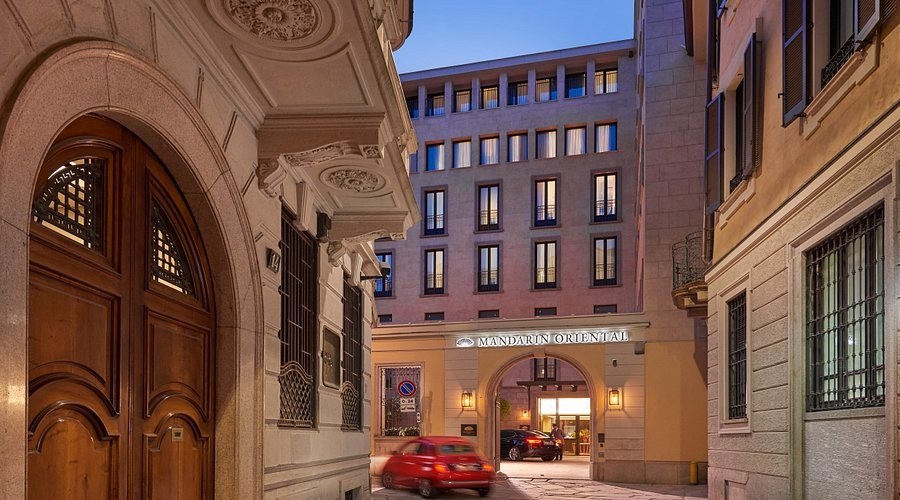
Contraste is the closest direct alternative if you want progressive, ingredient-focused cooking in a similarly intimate room. The two restaurants overlap significantly in philosophy and price, making them the clearest either/or choice in Milan. Cracco in Galleria is the pick if setting and spectacle matter, the Galleria Vittorio Emanuele II location is hard to beat for atmosphere, but the cooking is more theatrical and the experience more transactional. For pure service formality and consistent Michelin-level execution, Seta at the Mandarin Oriental is the safer choice for business dining or occasions where a conventional luxury experience is the priority.
The practical summary: book [bu:r] if you want a personal, seasonally driven creative Italian dinner that does not require planning weeks in advance. Book Enrico Bartolini if star count and production scale justify a harder booking process. Book Contraste if you want to compare directly against [bu:r]'s approach to progressive Italian cooking. Book Seta if the hotel setting and formal service polish are part of what you are paying for.
Around this place
Discover more on Pearl
Unlock the full [bu:r] guide in Pearl, including awards, comparisons, FAQs, planning details, and nearby places.
Compare [bu:r]
| Venue | Awards | Price |
|---|---|---|
| [bu:r] | Star Wine Lists 20262026 OAD Top Restaurants in Europe Recommended2026 Michelin Plate2025 Michelin Plate2024 OAD Top Restaurants in Europe Ranked · #1802024 Michelin Plate2023 OAD Top New Restaurants in Europe Highly Recommended | €€€€ |
| Enrico Bartolini | 2026 OAD Top Restaurants in Europe Ranked · #762026 Michelin 3 Stars2026 Les Grandes Tables du Monde Members2026 La Liste Top Restaurants2026 Falstaff Restaurant Guide2025 OAD Top Restaurants in Europe Ranked · #722025 Michelin 3 Stars2025 Michelin 1 Star2025 La Liste Top Restaurants | €€€€ |
| Cracco in Galleria | 2026 Michelin 1 Star2025 OAD Top Restaurants in Europe Ranked · #2282025 Michelin 1 Star2025 Wine Spectator Grand Award2024 OAD Top Restaurants in Europe Ranked · #218World's Best Wine Lists 20242024 Michelin 1 Star2023 OAD Top New Restaurants in Europe Highly Recommended2011 World's 50 Best Restaurants · #33 | €€€€ |
| Andrea Aprea | 2026 OAD Top Restaurants in Europe Recommended2026 Les Grandes Tables du Monde Members2026 Michelin 2 Stars2026 La Liste Top Restaurants2026 Falstaff Restaurant Guide2025 OAD Top Restaurants in Europe Ranked · #3212025 La Liste Top Restaurants2025 Michelin 2 Stars2025 The Best Chef Two Knives | €€€€ |
| Seta | 2026 OAD Classical in Europe Ranked · #332026 Wine Spectator Best of Award of Excellence2026 Les Grandes Tables du Monde Members2026 Michelin 2 Stars2026 La Liste Top Restaurants2026 Falstaff Restaurant Guide2025 OAD Classical in Europe Ranked · #292025 OAD Casual in North America Ranked · #454We're Smart World Top Restaurants 2025 | €€€€ |
| Contraste | 2026 OAD Top Restaurants in Europe Ranked · #96Star Wine Lists 20262026 Michelin 1 Star2026 La Liste Top Restaurants2025 The Best Chef Two Knives2025 La Liste Top Restaurants2024 Michelin 1 Star | €€€€ |














Key differences to consider before you reserve.
FAQ
Frequently Asked Questions
What should I order at [bu:r]?
Go with one of the two tasting menus rather than building your own meal from the à la carte. 'I Classici' centres on meat-based dishes rooted in Italian tradition, while 'Le Aromatiche' repositions aromatic plants as the lead ingredient — a genuinely different angle. Chef Eugenio Boer's stated focus is small-scale Italian producers, so the tasting format is where that philosophy lands most clearly.
Is lunch or dinner better at [bu:r]?
Saturday and Sunday lunch (12:30–1:30 pm) is a short window — one seating, limited availability — which makes it harder to book but a more contained commitment time-wise. Dinner runs 7:30–10 pm Thursday through Sunday. If your schedule allows, lunch on Saturday or Sunday is worth targeting for a quieter pace; dinner gives you more time to work through a full tasting menu without feeling rushed.
Does [bu:r] handle dietary restrictions?
The menu structure — two tasting menus plus à la carte — suggests some flexibility in approach, and the kitchen's sourcing philosophy implies engagement with ingredients at a detailed level. That said, no specific dietary accommodation policy is documented for [bu:r]. Contact them directly before booking, especially if a tasting menu is your plan, since modifications at this price point (€€€€) typically need to be confirmed in advance.
Is [bu:r] good for solo dining?
Yes. The room is described as intimate rather than cavernous, and the format — tasting menus or concise à la carte — works cleanly for one person. Solo diners at €€€€ venues in Milan are not unusual, and a counter or small table configuration suits the deliberate, quiet tone of the space. Book ahead; at this price point and size, walk-ins are a gamble.
Is the tasting menu worth it at [bu:r]?
At €€€€ pricing, [bu:r] sits at the top tier of Milan dining spend, but it holds a Michelin Plate (2025) and ranked #180 in Opinionated About Dining's Top Restaurants in Europe (2024) — recognitions that put it in credible company without the full Michelin star premium. The tasting menus earn their price if you want to see Boer's cooking as a whole argument rather than individual dishes. If you want flexibility or are price-sensitive at this tier, the à la carte is an option.
What are alternatives to [bu:r] in Milan?
For a comparable creative Italian format with more star power, Andrea Aprea (Michelin-starred) or Contraste are the closest comparisons in ambition and register. Seta at the Mandarin Oriental is the choice if you want a more formal hotel-dining experience. Cracco in Galleria carries more name recognition but divides opinion on value. Enrico Bartolini at Mudec is the pick if you want multiple Michelin stars and a larger production. [bu:r] sits between these tiers: more personal than Bartolini, more focused than Cracco.
Can I eat at the bar at [bu:r]?
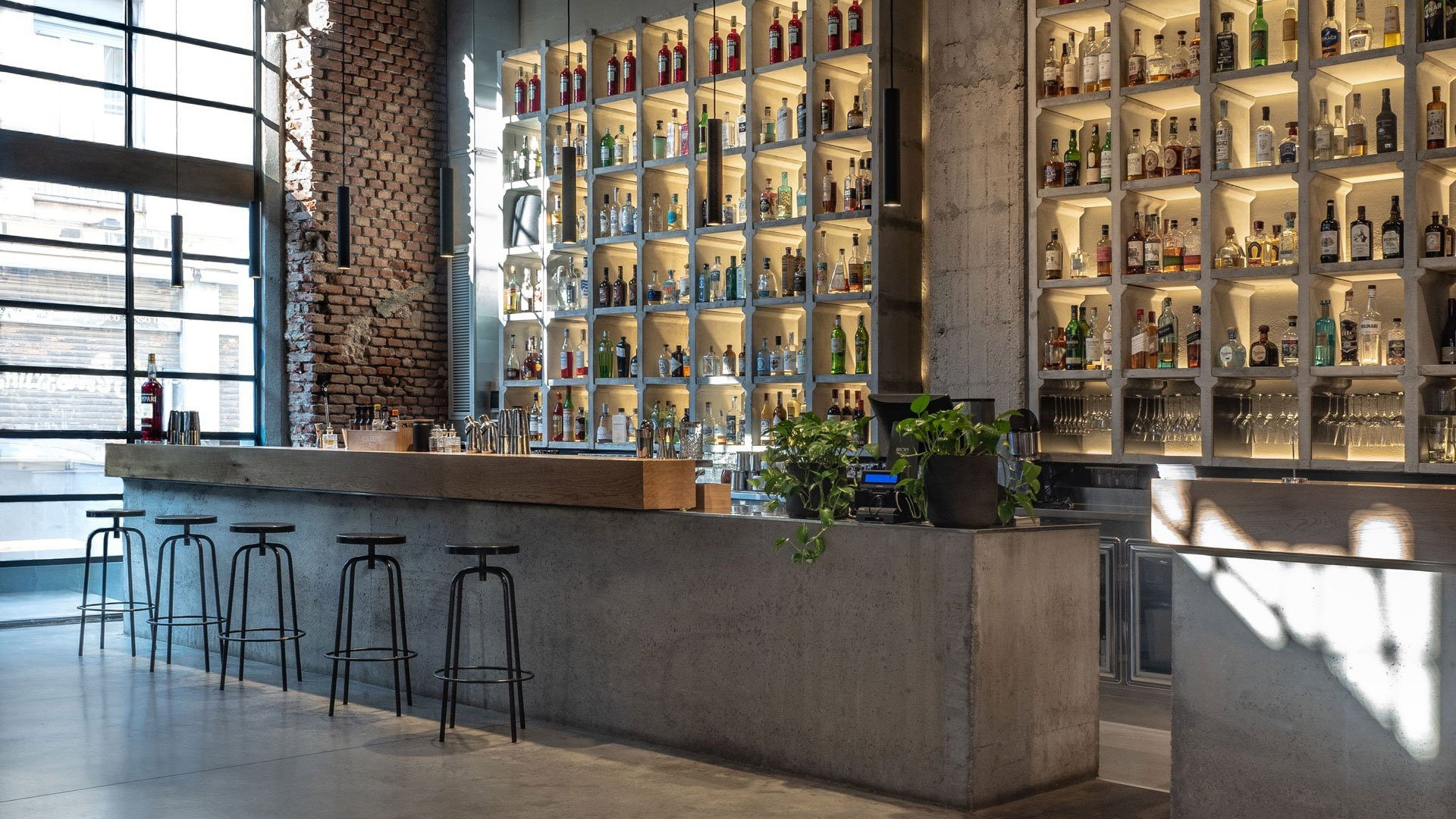
No bar dining option is documented for [bu:r]. The venue's format — intimate room, tasting menus, one or two seatings per service — points to a fully table-based operation. If counter or bar seating is a priority, Contraste or other Milan modern-Italian venues with open-kitchen counters would be worth considering instead.