
Restaurant in Melbourne, Australia
Meatmaiden
410Pearl PointsSmoke-first steak for atmosphere-over-formality diners.

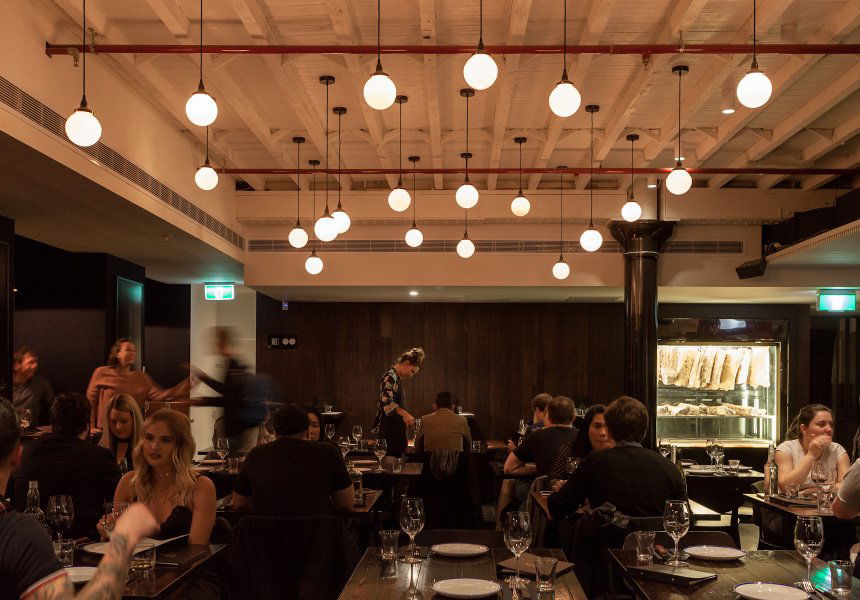
About Meatmaiden
Meatmaiden is Melbourne's most focused address for sourcing-serious, smoke-forward beef, operating from a subterranean room beneath Little Collins Street with a custom ironbark-fired smoker and a wet-and-dry ageing program. Book it for groups who want fire cooking with conviction behind it, not a classical steakhouse format. Booking is easy by Melbourne standards.
Verdict
Meatmaiden is not the place to book if you want a classical steakhouse experience with tableside sauces and white linen. It is a smoke-and-fire restaurant with a serious sourcing program, a subterranean room that earns its atmosphere, and a kitchen that treats ageing and provenance as the actual product. Book it for a group that cares about how their beef was raised and finished, not just how it arrives on the plate. Booking is direct, and the room suits occasions that call for energy over formality.
What Meatmaiden Is Actually Doing
The most common mistake first-time visitors make is arriving expecting a conventional steak restaurant. Meatmaiden, at 195 Little Collins Street beneath the historic Georges Building, runs a different operation. Under chef Jesse Sirawasit Nipitthumrong, the kitchen uses a custom-built grill and an ironbark-fired smoker to work with both wet- and dry-aged Australian beef. That combination of ageing method and cooking technology is the core of the proposition, and it shapes everything from the texture of the meat to the depth of flavour in the finished dish.
The sourcing is where the kitchen makes its position clearest. The restaurant works with Australian product, combining wet and dry-ageing to build flavour before the cut ever reaches the grill. Producers like O'Connor pasture-fed beef and Rangers Valley Wagyu have been part of the program, with the kitchen's selection reflecting a preference for beef that has been developed over time rather than simply sourced and cooked. For a diner who wants to understand why one cut tastes different from another, this is the right kind of restaurant: the kitchen's relationship with provenance, maturation and patience gives the menu a logic that rewards attention.
Ironbark-fired smoker adds a layer of craft that separates this from grill restaurants that rely solely on heat. Ironbark burns hot and long, producing a smoke that integrates into the meat rather than sitting on leading of it. The 20-hour smoked brisket has been a benchmark dish, and the tomahawk ribeye demonstrates the same principles at a different scale. The approach does not chase novelty; it is consistent with a kitchen that has decided what it believes in and builds around that conviction.
The Room
Basement setting is a genuine asset, not a quirk. The space is industrial in character, lit partly by the glow of the grill, and it achieves an intimacy that ground-floor dining rooms at this scale often miss. There is a rawness to the environment that fits the food without feeling contrived. The open kitchen allows the cooking process to become part of the dining experience, which is appropriate given how central that process is to the restaurant's identity. Service is confident and relaxed without being performative, which suits the atmosphere and keeps the focus on the food.
For explorers of Australian fire cooking, Meatmaiden offers useful context. Venues like Brae in Birregurra and Saint Peter in Sydney represent the high-end sourcing-focused end of Australian dining, and Meatmaiden operates in a different register: more accessible, more direct, less ceremony. That is not a criticism. It is a useful distinction for readers deciding which direction to push their Melbourne itinerary.
Melbourne has strong competition in the fire-cooking space, and Meatmaiden's durability is a genuine signal. The broader Melbourne restaurant scene has no shortage of ambitious operations, but subterranean rooms with a credible ageing program and a clear point of view are rarer than they appear. See also Aru Melbourne and Bottarga for other Melbourne kitchens taking Australian produce seriously in a different register.
Practical Details
Reservations: Easy to book; no weeks-in-advance pressure at time of writing, though weekend evenings fill faster than weeknights. Address: 195 Little Collins Street, Melbourne CBD, beneath the Georges Building. Leading for: Groups of two to six who want an atmosphere-led dinner with substance behind it. Dress: Smart casual suits the room; nothing formal required. Ageing method: Wet and dry-aged Australian beef. Cooking equipment: Custom-built grill and ironbark-fired smoker. Related guides: Melbourne hotels, Melbourne bars, Melbourne wineries, Melbourne experiences.
How It Compares
Meatmaiden is the right call when you want a dinner built around fire cooking and sourcing rather than fine dining ceremony. Compared to Vue de Monde, which offers a significantly more formal experience at a higher price point with sweeping Rialto Tower views, Meatmaiden trades prestige for directness: you are there for the beef and the smoke, not the tasting menu architecture. Attica is the choice if the question is Australian produce used at its most conceptually ambitious; Meatmaiden asks less of the diner intellectually but delivers on immediate satisfaction in a way Attica does not always prioritise.
Florentino is the better pick for a special occasion that calls for old-world room gravitas and a classic European frame; Flower Drum wins on service precision and longevity if Cantonese is the direction. Meatmaiden is the strongest option in its specific lane: smoke-forward, sourcing-serious, mid-to-upper price tier, and genuinely atmospheric without requiring a celebration as an excuse to book.
If pure value and a more casual night are the priority, 48h Pizza e Gnocchi Bar will cost meaningfully less and deliver a different kind of craft. But for a group that wants to spend an evening eating beef that has been thought about at every stage from paddock to plate, Meatmaiden is the most focused address in Melbourne for that specific experience.
Frequently Asked Questions
Is Meatmaiden good for solo dining?
Yes, the basement bar and counter seating make solo visits work well here. The relaxed, confident service style at 195 Little Collins St suits solo diners who want to eat well without the formality of a full table setup. It is a better solo option than Vue de Monde or Flower Drum, where the room and format lean toward groups or occasion dining.
How far ahead should I book Meatmaiden?
A few days is usually enough for weeknights; weekend evenings fill faster and a week's notice is safer. There is no weeks-in-advance pressure of the kind you face at tightly controlled tasting-menu restaurants. If your date is flexible, midweek gives you the most choice.
Does Meatmaiden handle dietary restrictions?
The menu is built around meat and fire, so vegetarians and vegans will find very little to work with here. The kitchen uses wet and dry-aged beef alongside an ironbark-fired smoker, meaning smoke and animal protein are central to almost every dish. If dietary restrictions extend beyond avoiding certain cuts, this is not the right venue and 48h Pizza e Gnocchi Bar or Flower Drum would give you more flexibility.
What are alternatives to Meatmaiden in Melbourne?
For a more classical, white-tablecloth steakhouse experience, Florentino is the closer comparison. Vue de Monde covers the prestige-occasion angle with a broader tasting format. If you want fire-led cooking with a similarly grounded mood but a different protein focus, 48h Pizza e Gnocchi Bar is a reasonable lateral move for casual group dining. Attica and Flower Drum occupy entirely different formats and are not direct alternatives.
Is Meatmaiden good for a special occasion?
It works for occasions where atmosphere and food quality matter more than ceremony. The subterranean room at 195 Little Collins Street, grill glow and all, creates a genuinely distinctive setting. If the occasion calls for formal service, private dining rooms or tableside theatre, Vue de Monde or Florentino are better fits. Meatmaiden suits birthdays and celebrations where the group wants a strong dining experience without a tasting-menu commitment.
Location
195 Little Collins St, Melbourne VIC 3000, Australia
Melbourne, Australia
Compare Meatmaiden
| Venue | Cuisine | Price | Awards | Booking Difficulty | Value |
|---|---|---|---|---|---|
| Meatmaiden | Smoke, fire and Melbourne’s more grounded side of meat culture Beneath the streets of Little Collins Street, Meatmaiden has long held a distinctive place in Melbourne’s dining landscape - a restaurant that channels the primal appeal of smoke and fire into something more controlled, urban and characterful. It is not a steak restaurant in the grand classical sense, but a modern cool meat restaurant with its own identity - one that reflects Melbourne’s taste for atmosphere, craft and a certain understated confidence. At the heart of Meatmaiden lies a clear understanding of what makes fire-led cooking compelling. Boldness is certainly part of the equation, but so too is precision. The kitchen works with heat, smoke and time in a way that gives the food depth without tipping into heaviness, allowing rustic methods to take on a more refined and contemporary form. This balance between force and control is one of the restaurant’s defining strengths. The meat programme reflects a similar seriousness. Working with Australian product and combining both wet and dry-ageing, the restaurant builds flavour with care before bringing each cut to its custom-built grill and ironbark-fired smoker. Provenance remains an important part of the story, and the handling of the meat suggests a kitchen that understands how much the quality of the final plate depends on sourcing, maturation and patience long before the first flame is lit. What has always made Meatmaiden appealing is that it understands meat not simply as indulgence, but as part of a wider culture of product, preparation and respect for the people behind it. Farmers, ageing, sourcing and process all matter here, and that gives the restaurant a more grounded sense of purpose. In that regard, it feels closely aligned with the broader values that have shaped contemporary Australian dining at its best - integrity, quality and a genuine awareness of where great flavour begins. The subterranean setting suits the concept well. Industrial in character yet still intimate, the room is shaped by the glow of the grill, the darker tones of the basement space and the steady hum of conversation. There is a rawness to the environment, but never a sense of contrivance. Instead, Meatmaiden feels honest, lived-in and very much itself - a restaurant that draws people in through mood as much as menu. Hospitality follows the same line. The team is relaxed, confident and very professional, guiding the experience with a natural ease that fits the style of the house. There is no unnecessary performance in the service, only a sense that the restaurant knows its identity and allows guests to settle into it. Meatmaiden earns its place in the ranking as one of Melbourne’s more individual and enduring addresses for great steak - a restaurant where smoke, fire, sourcing and atmosphere come together with conviction.; Meatmaiden - Melbourne’s Underground Shrine to Smoke and Steak Tucked beneath the historic Georges Building on Little Collins Street, Meatmaiden is a subterranean sanctuary for carnivores seeking bold flavours and refined technique. This modern steak restaurant melds American smokehouse traditions with Australian produce, delivering a dining experience that’s equal parts indulgent and inventive. The Meat & Fire Philosophy At the heart of Meatmaiden’s kitchen is a custom-built grill and an ironbark-fired smoker, infusing each cut with a signature depth and smokiness. The restaurant sources premium meats from renowned local producers, including dry-aged O’Connor pasture-fed beef and richly marbled Rangers Valley Wagyu. Standout dishes such as the 20-hour smoked brisket and the tomahawk ribeye exemplify the restaurant’s commitment to quality and flavour. While Tom Johnson previously led the kitchen, Meatmaiden’s culinary direction continues to evolve under the guidance of its dedicated team. The chefs’ expertise ensures that each dish maintains the high standards that patrons have come to expect. Meatmaiden’s interior combines industrial chic with moody lighting, creating an ambiance that’s both edgy and inviting. The open kitchen allows diners to witness the culinary craftsmanship firsthand, while the bar serves up inventive cocktails and a curated selection of local wines and beers. In a city renowned for its culinary scene, Meatmaiden stands out as a must-visit destination for meat lovers seeking a memorable dining experience. Age Method: Australia Beef Type: Wet & dry aged Grill Type: Custom built grill & ironbark-fired smoker | Easy | , | ||
| Attica | Australian Modern | World's 50 Best | Unknown | , | |
| Flower Drum | Cantonese | World's 50 Best | Unknown | , | |
| Vue de Monde | Australian Fine Dining | Unknown | , | ||
| Florentino | Modern Italian | Unknown | , | ||
| 48h Pizza e Gnocchi Bar | Unknown | , |
How Meatmaiden stacks up against the competition.
Also Consider
- Attica, Australian Modern, Australian Modern
- Flower Drum, Cantonese, Cantonese
- Vue de Monde, Australian Fine Dining, Australian Fine Dining
- Florentino, Modern Italian, Modern Italian
- 48h Pizza e Gnocchi Bar, Notable alternative
Meatmaiden is the right call when you want a dinner built around fire cooking and sourcing rather than fine dining ceremony. Compared to Vue de Monde, which offers a significantly more formal experience at a higher price point with sweeping Rialto Tower views, Meatmaiden trades prestige for directness: you are there for the beef and the smoke, not the tasting menu architecture. Attica is the choice if the question is Australian produce used at its most conceptually ambitious; Meatmaiden asks less of the diner intellectually but delivers on immediate satisfaction in a way Attica does not always prioritise.
Florentino is the better pick for a special occasion that calls for old-world room gravitas and a classic European frame; Flower Drum wins on service precision and longevity if Cantonese is the direction. Meatmaiden is the strongest option in its specific lane: smoke-forward, sourcing-serious, mid-to-upper price tier, and genuinely atmospheric without requiring a celebration as an excuse to book.
If pure value and a more casual night are the priority, 48h Pizza e Gnocchi Bar will cost meaningfully less and deliver a different kind of craft. But for a group that wants to spend an evening eating beef that has been thought about at every stage from paddock to plate, Meatmaiden is the most focused address in Melbourne for that specific experience.
Recognized By

Explore Melbourne
Save or rate Meatmaiden on Pearl
Keep this venue in your Pearl passport, rate it after you visit, and track it alongside every other place you collect.