

Café Deco
British Contemporary · Fitzrovia, London
Restaurant in London, United Kingdom
 Book with Pearl
The Read
Deceptively Domestic Precision
Price
$50–100per person
Dress
Smart Casual
Why go
Café Deco is a Michelin Plate British Contemporary restaurant in Bloomsbury, priced at ££ and considerably easier to book than most London restaurants at its quality level. Chef Anna Tobias runs a weekly-changing seasonal menu with strong European wine pairings. For flavour-forward, unpretentious cooking with a genuinely interesting wine list, it is one of the better-value bookings in central London.
About Café Deco
Verdict
Café Deco is one of the better-value Michelin Plate restaurants in central London, and considerably easier to book than most of its peers. The cooking is seasonal British contemporary at a ££ price point, the service is warm rather than formal, and the wine list is more considered than the room's bistro feel suggests. If you want technically sound, flavour-forward food without the ceremony or the bill that comes with the city's ££££ bracket, this is a strong booking. The main misconception to correct before you arrive: this is not a café in any meaningful sense. The name undersells it.
About Café Deco
Café Deco sits on Store Street in Bloomsbury, a short walk from the British Museum, and the location explains part of why it remains relatively off the radar for destination diners. The neighbourhood lacks the restaurant-district pull of Mayfair or Soho, which works in your favour: tables are genuinely easier to secure here than at comparable-quality venues across town.
Chef Anna Tobias runs a weekly-changing menu built around seasonal British produce with clear European influences. The format is deliberately unfussy. Dishes arrive looking simple, and the skill lies in the seasoning and the combinations rather than in architectural plating. That domesticity is intentional, and it is the thing most likely to wrong-foot a first-time visitor who expects Michelin Plate recognition to mean elaborate presentation. It does not here. What it means is that the kitchen understands its ingredients and knows when not to interfere with them.
The menu typically opens with shareable snacks, charcuterie, mussels in escabeche, before moving through starters that demonstrate a confident hand with acidity and seasoning: salt cod fritters with aïoli, artichoke vinaigrette, tuna with radish. Main courses are proportioned for appetite rather than aesthetics. A Spanish-influenced stew of sausage, morcilla, bacon and beans sits alongside lighter options like baked brill with potato. Desserts hold their own: crema catalana, rhubarb ice cream, and the kind of cake (chocolate and walnut, for instance) that reinforces the domestically confident register the kitchen operates in throughout.
Service involves the chefs directly. They bring dishes to the table and explain them without theatre. This is not a gimmick: it means questions about provenance or preparation get an informed answer rather than a rehearsed one, and it gives the room a quality of attention that larger restaurants with separated front and back of house rarely achieve at this price level.
The Wine List
The wine program at Café Deco is worth booking for in its own right, particularly if you approach it as a weekly-changing menu pairing exercise. The list skews European and shows real specificity in its selections: expect producers and regions that a list assembled for broad appeal would not risk. A Tarragona Macabeu-Muscat blend and a cherry-ripe Sicilian Frappato are the kinds of choices that signal a buyer with genuine curiosity rather than one filling categories.
For a wine-focused visitor, the combination of an adventurous, largely European list and a kitchen that changes weekly creates a pairing dynamic that rewards repeat visits. The food's emphasis on acidity, cured proteins, and assertive seasoning gives the wine list clear reference points to work from, the aïoli-heavy dishes, the escabeche, the morcilla stew all point naturally toward the kind of textural, mineral-edged European whites and medium-weight reds the list appears to favour. This is the kind of list where asking for a recommendation will produce a better result than picking by grape variety alone.
At the ££ price tier, it is unusual to find a wine program with this degree of considered selection. Restaurants in the ££££ bracket, CORE by Clare Smyth, Sketch, The Lecture Room and Library, offer deeper cellars and sommelier-led service, but Café Deco's list punches above its price category for the explorer who wants something interesting in the glass without the markup that comes with a tasting menu format.
How It Compares to Other London Restaurants
For the broader Modern British and contemporary cooking category in London, see our full London restaurants guide. If you are exploring beyond restaurants, we also cover hotels, bars, wineries, and experiences across the city.
For British Contemporary cooking in a similar vein but different register, Anchor & Hope on the South Bank offers strong, produce-driven plates in an equally unfussy room. Apricity in Mayfair covers some of the same seasonal ground with a stronger sustainability focus and a more urban-cool aesthetic. Outside London, comparable sensibilities surface at Hand and Flowers in Marlow and hide and fox in Saltwood. For British Contemporary cooking in entirely different geographic contexts, Jaan by Kirk Westaway in Singapore and Dog and Gun Inn in Skelton demonstrate the range of the genre. At the three-star end of the British spectrum, The Fat Duck in Bray, L'Enclume in Cartmel, and Moor Hall in Aughton occupy a different register entirely. Gidleigh Park in Chagford is worth considering if you want a country-house format with comparable seasonal seriousness.
Know Before You Go
- Price tier: ££ (mid-range; accessible for central London)
- Cuisine: British Contemporary, weekly-changing seasonal menu
- Booking difficulty: Easy, one of the more accessible Michelin Plate venues in London
- Location: 43 Store St, Bloomsbury WC1E 7DB, short walk from the British Museum and Tottenham Court Road
- Recognition:
- Service style: Chefs serve many dishes themselves; expect informed, direct conversation rather than formal front-of-house performance
- Wine: Largely European list with adventurous selections; ask for a recommendation rather than ordering by varietal
- Group size: Well-suited to tables of 2–4; the intimate room means larger groups should check availability in advance
Planning details
- Hours
- Monday: 12–11 PM · Tuesday: 12–11 PM
- Location
- 43 Store St, London WC1E 7DB, United Kingdom
- Reservations
- Book on SevenRooms
- Website
- cafe-deco.co.uk
- Phone
- +44 20 8091 2108
The take
The Take
The Vibe
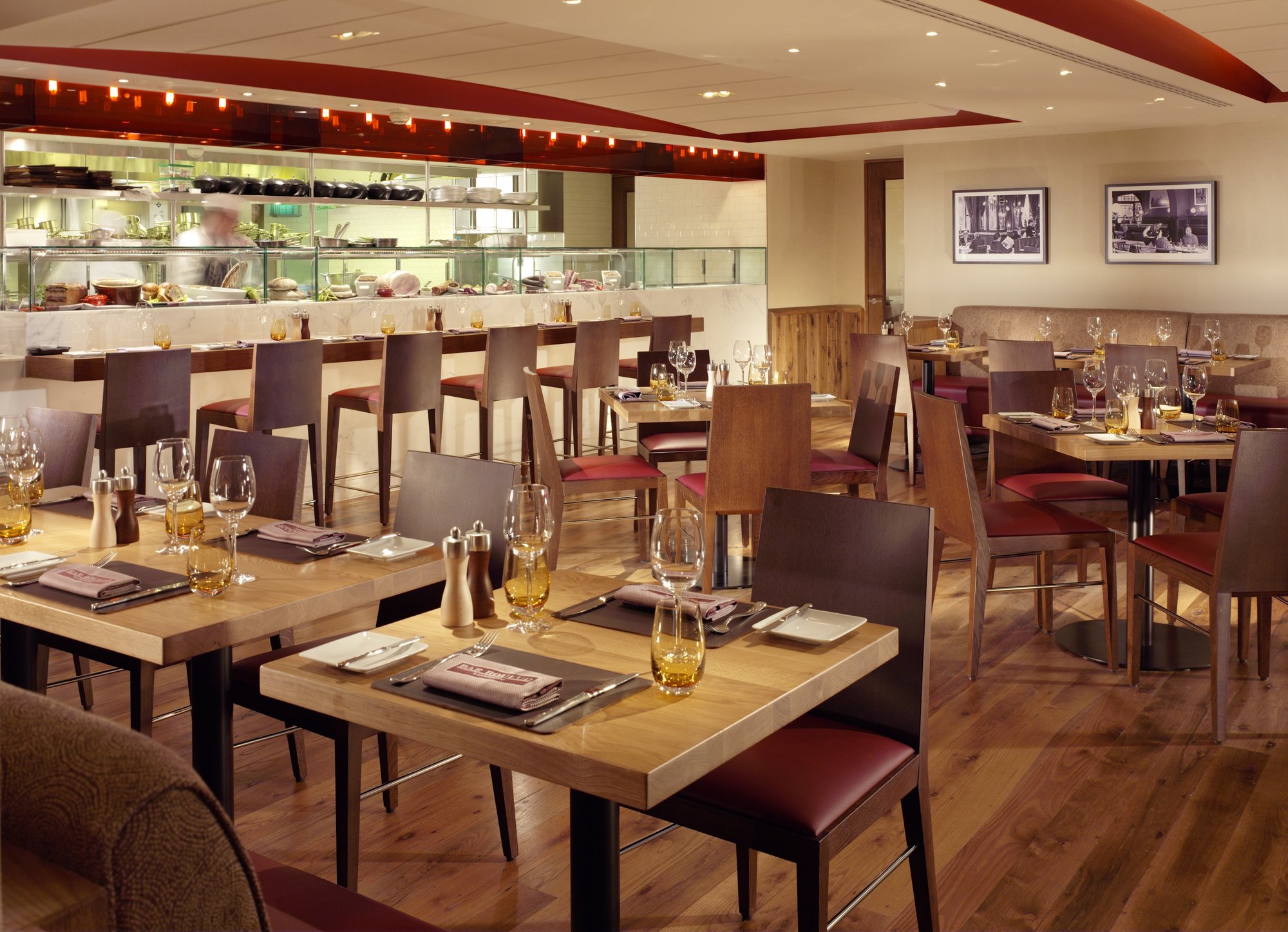
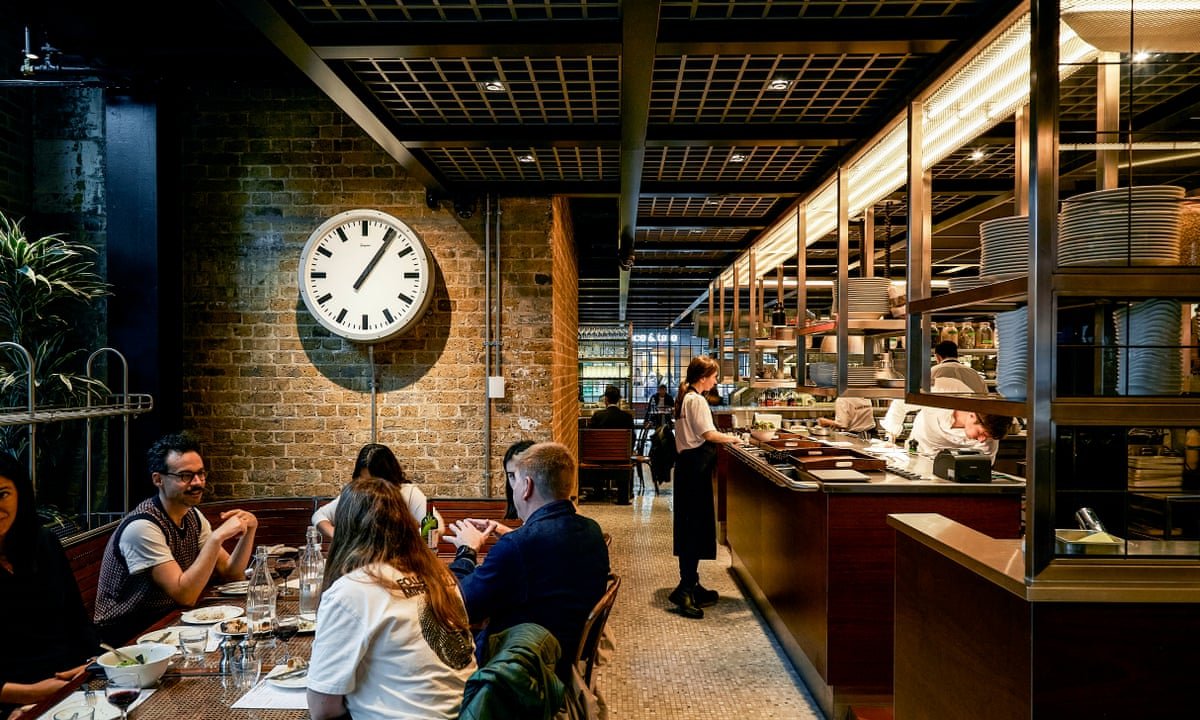
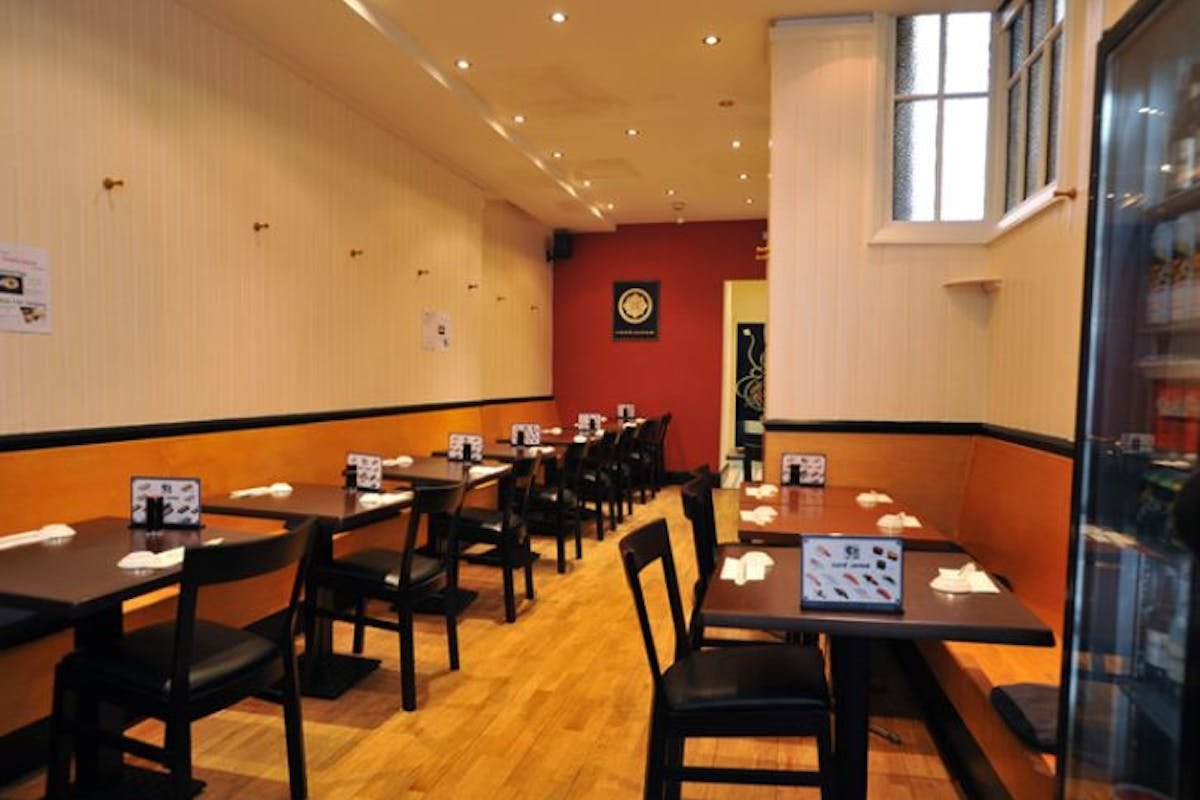
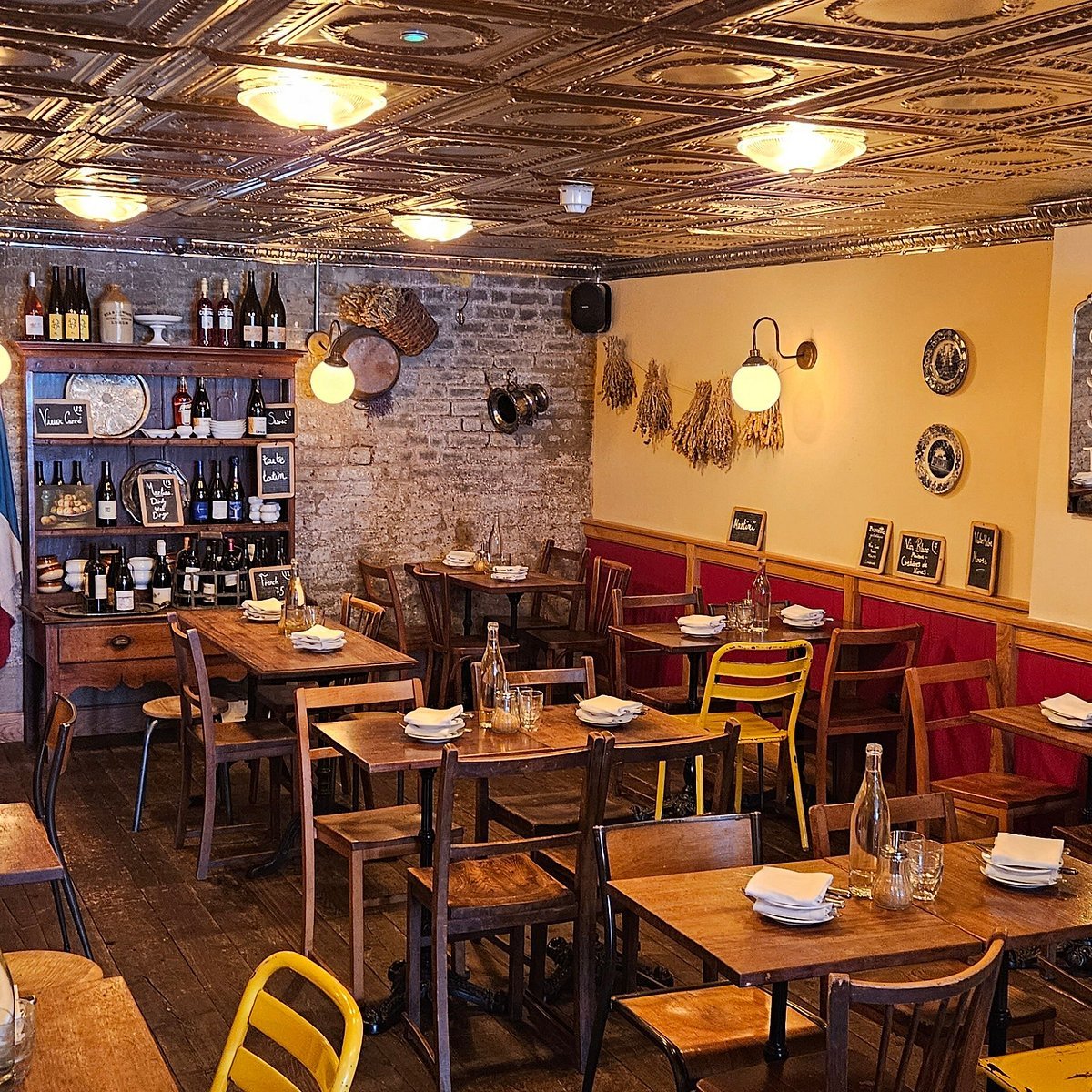
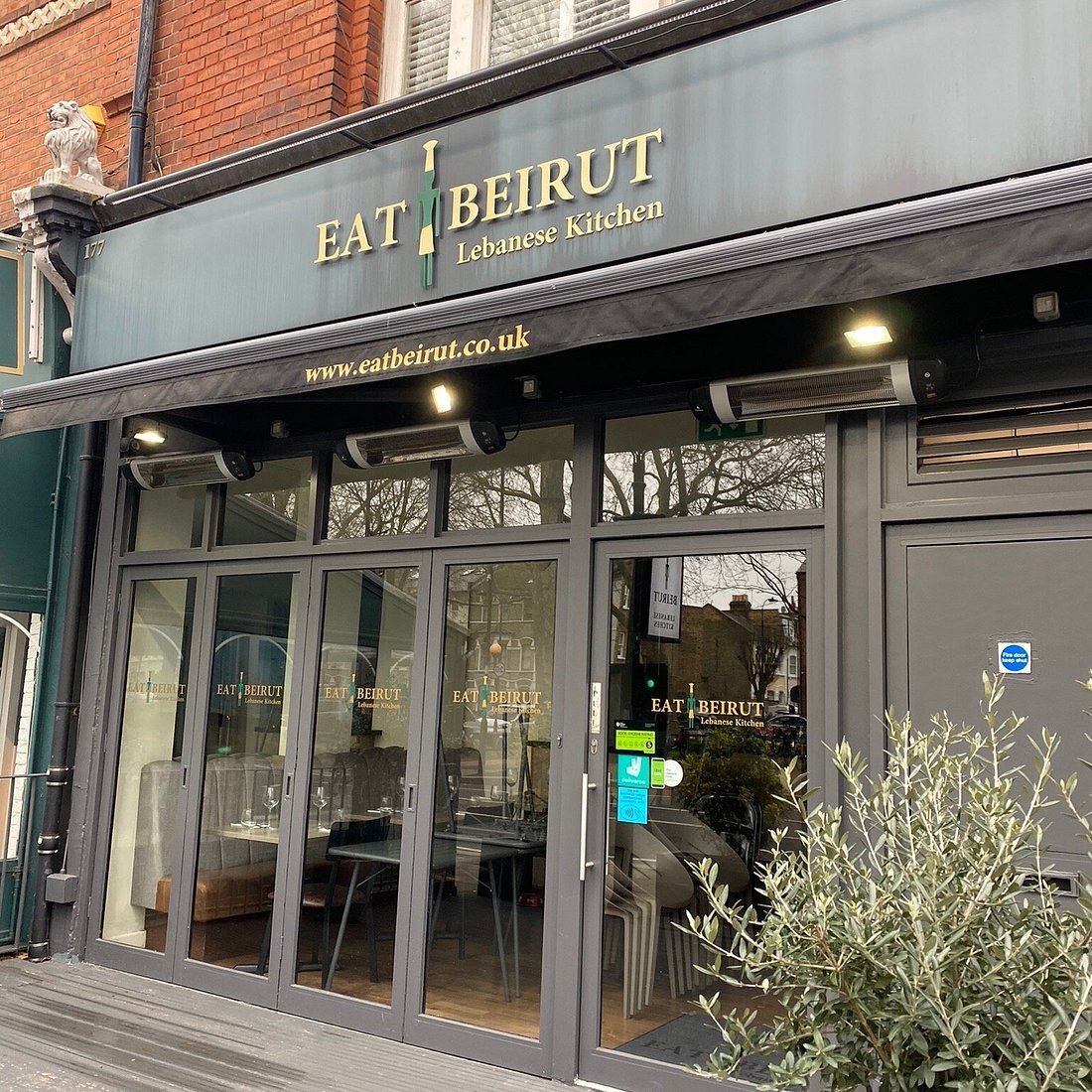
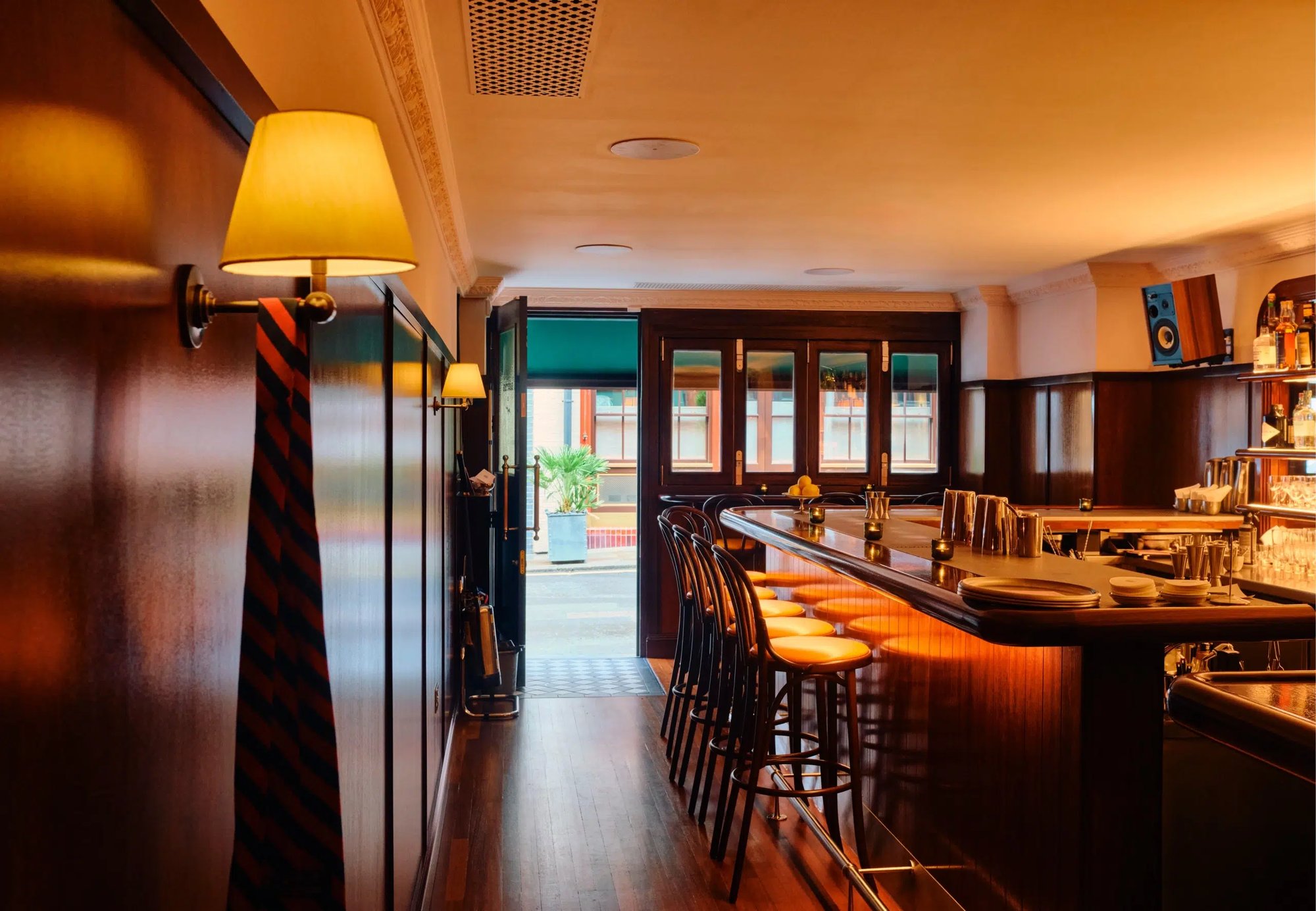
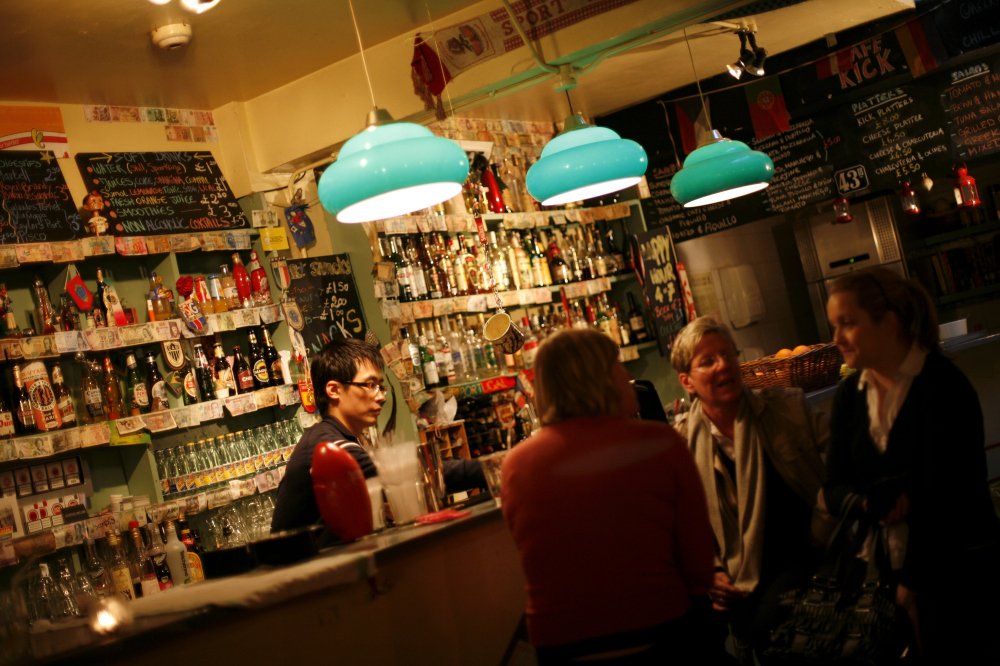
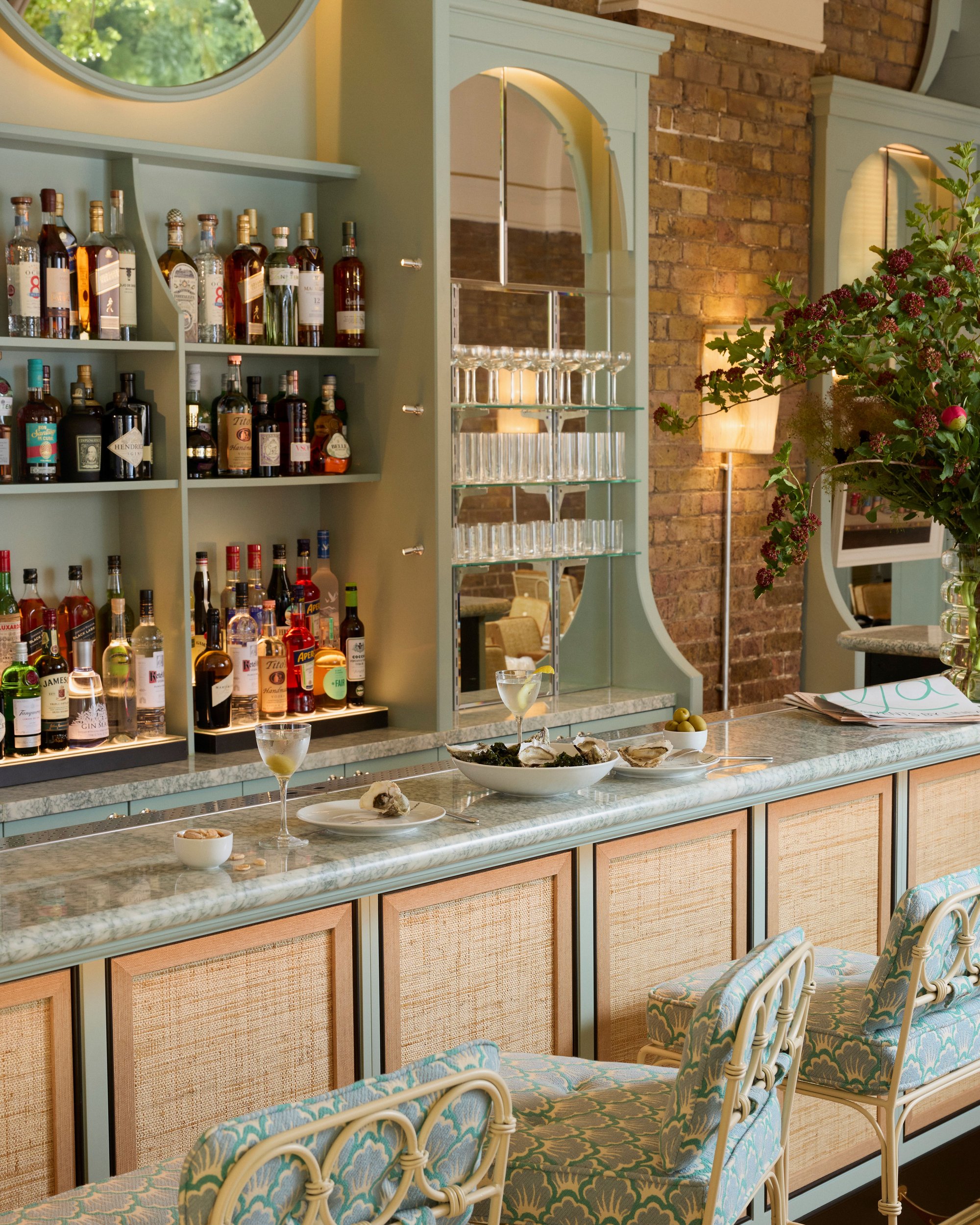
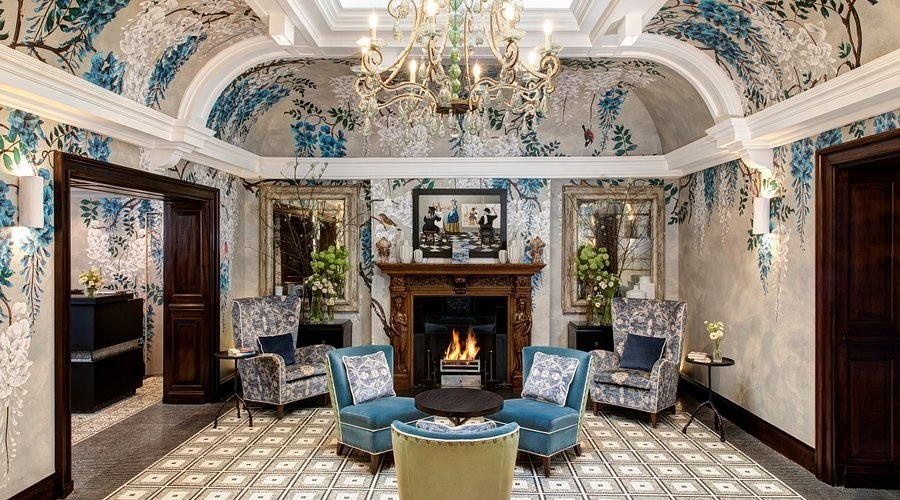
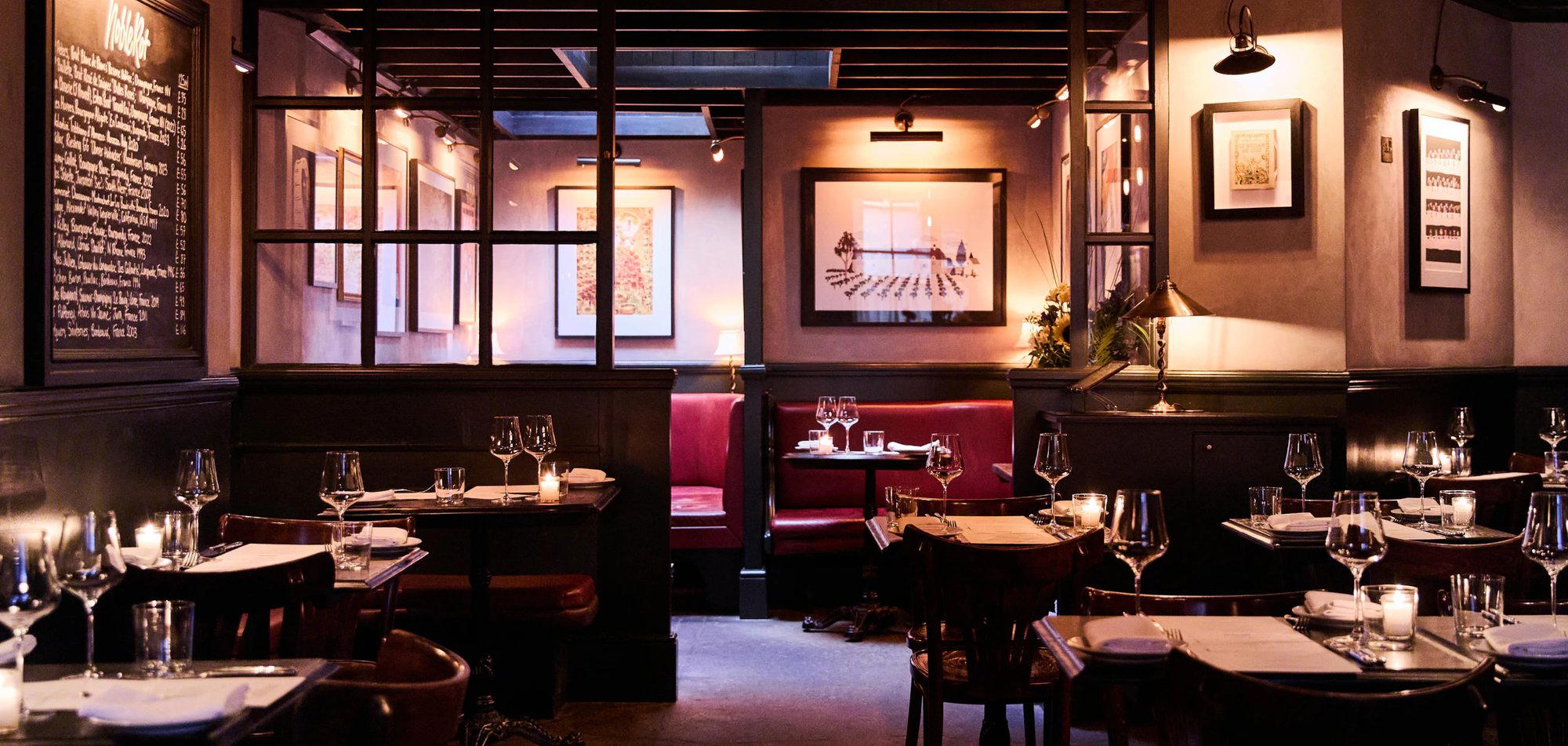
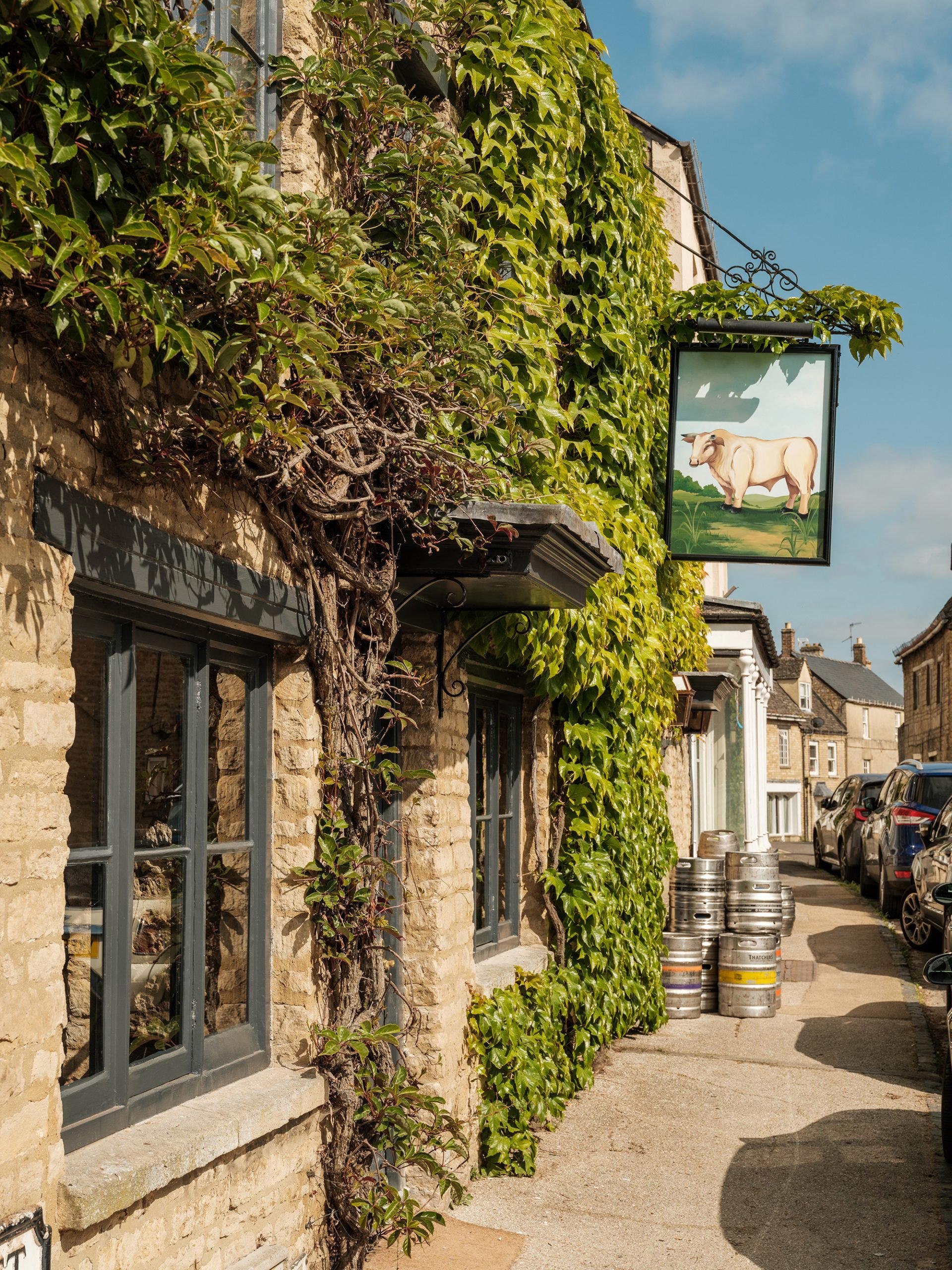
Café Deco presents an understated, quietly confident presence on Store Street. The exterior’s clean lines and simple signage give way to an intimate, simply furnished dining room where the kitchen is very much on show: chefs are visible from the floor and often deliver dishes to tables. The focus on seasonality and precise, deceptively domestic cooking, now recognised with a Michelin Plate, lends the room a refined but unpretentious air. Overall the restaurant reads as minimalist and sophisticated: a neighbourhood bistro that trusts ingredients and lets the food do the talking.
Best For
This Bloomsbury bistro suits quiet, attentive meals rather than boisterous nights out. Its intimate room and calm Store Street setting make it a good pick for date nights, solo dinners, or low-key catch-ups with friends. The place balances occasional tourist trade from the nearby British Museum with a steady local and academic clientele, so guests can expect a neighbourhood feel and consistent year-round service. The Michelin Plate and weekly-changing menu mean it’s a reliable choice when you want thoughtful, seasonal cooking without ceremony.
Ordering Tips
Menus rotate weekly and the kitchen’s approach is explicitly seasonal, so plan to be flexible and ask staff what's currently in supply. Because chefs are visible and sometimes bring dishes to the table, take the opportunity to ask about origins and preparation: staff knowledge is a good guide to what’s freshest. Trust small plates and simple preparations: the restaurant’s strengths are in ingredient quality and precise cooking rather than fixed signature dishes, so let the weekly menu dictate the best choices.
Venue details
Ambiance
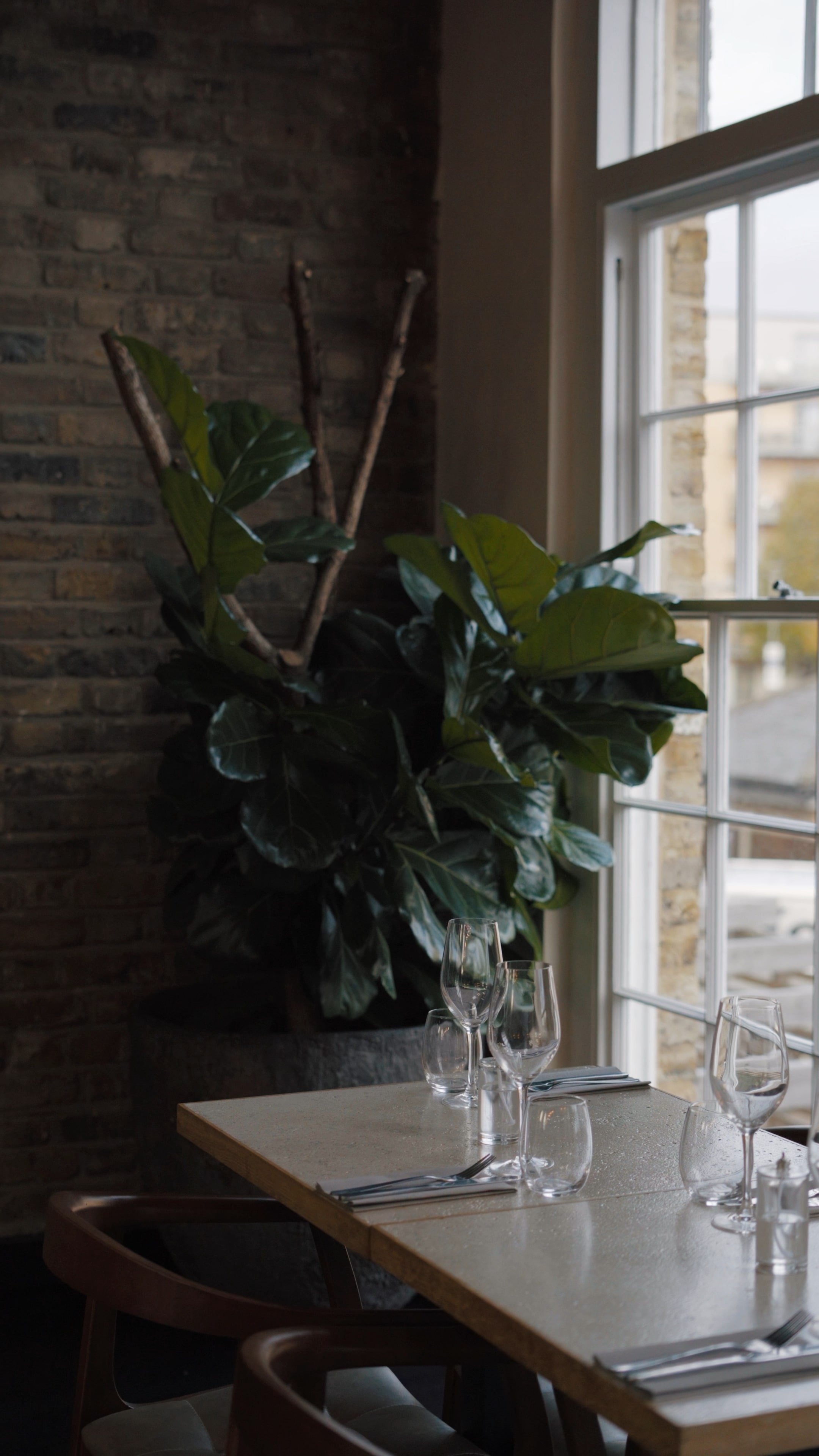
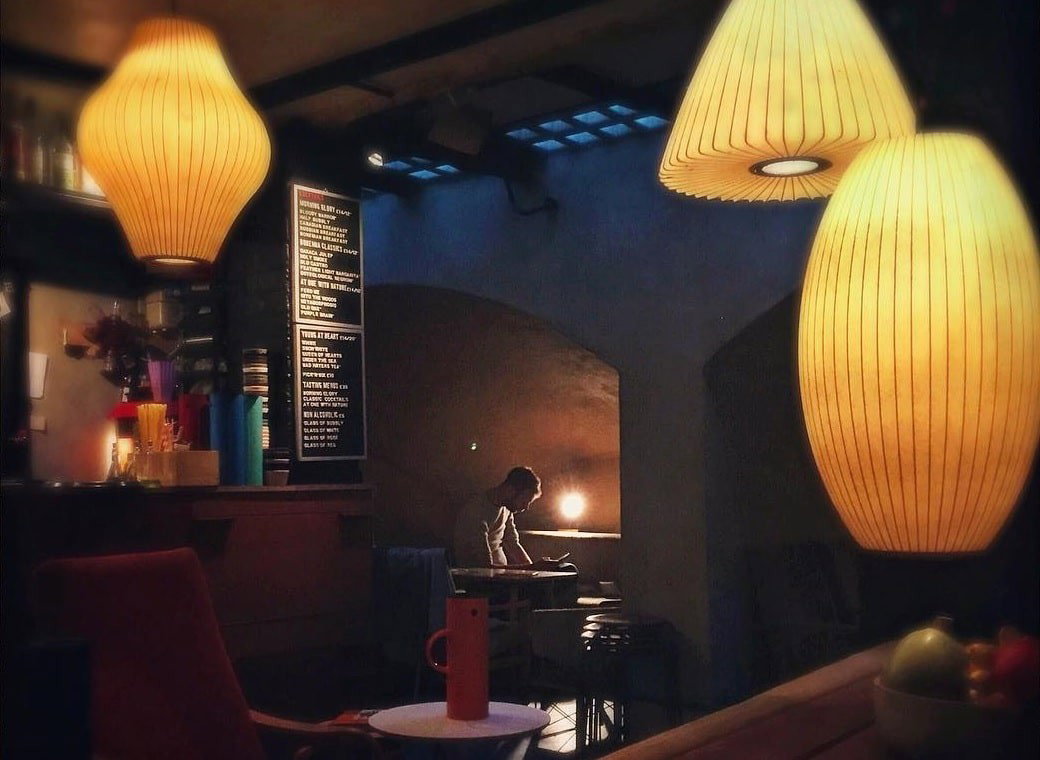
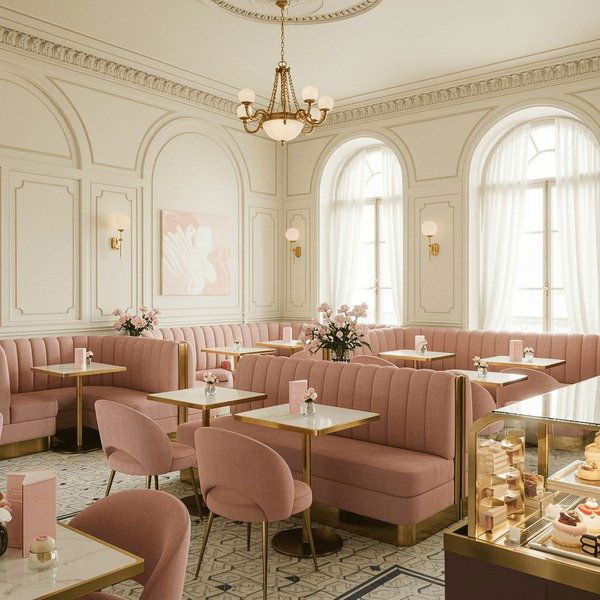
Intimate room with murmuring voices, yellow candlelight, clean and simple bistro-style decor creating a friendly, familiar, and buzzing neighbourhood atmosphere.
Tags
Vibe
Best For
Experience
Sourcing
At the Table
- Dress Code
- Smart Casual
- Noise Level
- Conversational
- Service Style
- Upscale Casual
- Meal Pacing
- Leisurely
- Capacity
- Intimate
- Kitchen
- Seasonal
- Menu Format
- A la carte
- Dietary
- Vegetarian friendly
- Outdoor Seating
- Yes
Know before you go
Know Before You Go
- Getting there
- 43 Store St, London WC1E 7DB, United Kingdom
Planning details
Hours
- Monday
- 12–11 PM
- Tuesday
- 12–11 PM
- Wednesday
- 12–11 PM
- Thursday
- 12–11 PM
- Friday
- 12–11 PM
- Saturday
- 12–11 PM
- Sunday
- Closed
Location
43 Store St, London WC1E 7DB, United Kingdom · Directions
Also consider
Also Consider
- CORE by Clare Smyth: Modern British, ££££
- Restaurant Gordon Ramsay: Contemporary European, French, ££££
- Sketch, The Lecture Room and Library: Modern French, ££££
- The Ledbury: Modern European, Modern Cuisine, ££££
- Dinner by Heston Blumenthal: Modern British, Traditional British, ££££
Restaurant context
Café Deco sits in a different tier from the ££££ Modern British venues that dominate London's critical conversation. CORE by Clare Smyth and Dinner by Heston Blumenthal offer deeper technical ambition and fuller tasting menu formats, but both require significant advance planning and spend. If you are deciding between Café Deco and either of those, the decision turns on what you want from the evening: a destination event, or a very good meal without the ceremonial weight.
Restaurant Gordon Ramsay and Sketch, The Lecture Room and Library are harder to book, more expensive, and structured around set tasting menus: better choices if the occasion demands formality or a longer commitment. The Ledbury at ££££ is the closest in spirit to Café Deco in terms of seasonal, produce-driven focus, but it operates at a significantly higher price point and with more formal service. For a weeknight booking where the food matters more than the room, Café Deco at ££ wins on value and accessibility.
The most direct comparison is not a ££££ venue at all: Café Deco competes with the better neighbourhood restaurants across London's inner zones: places where a Michelin Plate or Bib Gourmand signals genuine kitchen intent at a mid-range price. Within that bracket, the weekly-changing menu format and the quality of the wine list give it a clear advantage over most casual bistro alternatives in the Bloomsbury and Fitzrovia area. If you want to spend less and eat well, book here rather than making the Mayfair or Chelsea trip.
Around this place
Discover more on Pearl
Unlock the full Café Deco guide in Pearl, including awards, comparisons, FAQs, planning details, and nearby places.
Compare Café Deco
| Venue | Price | Booking Difficulty | Awards |
|---|---|---|---|
| Café Deco | ££ | Easy | Michelin Guide Great Britain & Ireland 20262026 Michelin PlateThe Good Food Guide 20252025 Michelin Plate2024 Michelin Plate |
| CORE by Clare Smyth | ££££ | Unknown | Star Wine Lists 2026 · #12026 Harden's Top 100 UK Restaurants · #252026 OAD Top Restaurants in Europe Ranked · #532026 National Restaurant Awards Top 100 · #872026 AA 5-Rosette RestaurantsMichelin Guide Great Britain & Ireland 20262026 La Liste Top Restaurants2025 National Restaurant Awards Top 100 · #382025 OAD Top Restaurants in Europe Ranked · #46 |
| Restaurant Gordon Ramsay | ££££ | Unknown | 2026 OAD Classical in Europe Ranked · #682026 AA 4-Rosette RestaurantsMichelin Guide Great Britain & Ireland 20262026 La Liste Top Restaurants2026 Falstaff Restaurant Guide2025 National Restaurant Awards Top 100 · #142025 OAD Classical in Europe Ranked · #96The Good Food Guide 20252025 Michelin 3 Stars |
| Sketch, The Lecture Room and Library | ££££ | Unknown | 2026 Harden's Top 100 UK Restaurants · #532026 OAD Classical in Europe Ranked · #1202026 AA 5-Rosette RestaurantsMichelin Guide Great Britain & Ireland 20262026 La Liste Top Restaurants2025 OAD Classical in Europe Ranked · #105We're Smart World Top Restaurants 20252025 Michelin 3 Stars2024 OAD Classical in Europe Ranked · #117 |
| The Ledbury | ££££ | Unknown | Star Wine Lists 2026 · #12026 Harden's Top 100 UK Restaurants · #42026 National Restaurant Awards Top 100 · #42026 OAD Top Restaurants in Europe Ranked · #142026 AA 4-Rosette RestaurantsMichelin Guide Great Britain & Ireland 20262026 La Liste Top Restaurants2026 Falstaff Restaurant Guide2025 National Restaurant Awards Top 100 · #3 |
| Dinner by Heston Blumenthal | ££££ | Unknown | Star Wine Lists 2026 · #12026 OAD Top Restaurants in Europe Ranked · #1442026 AA 4-Rosette Restaurants2026 OAD Top Restaurants in Asia Recommended2026 La Liste Top RestaurantsMichelin Guide Great Britain & Ireland 20262026 Falstaff Restaurant Guide2025 Michelin 2 Stars2025 La Liste Top Restaurants |
.png?width=1200&quality=80)










A quick look at how Café Deco measures up.
FAQ
Frequently Asked Questions
Does Café Deco handle dietary restrictions?
The weekly-changing menu at Café Deco is built around seasonal British and European cooking, which means the kitchen adapts frequently. Contact them directly before visiting if you have specific dietary needs, as menus shift every week and dish compositions change with them. The format here is closer to a bistro than a fine-dining operation, so the team is likely more flexible than a fixed tasting-menu restaurant would be.
What should a first-timer know about Café Deco?
The menu changes weekly, so do not arrive with a fixed idea of what you will eat. It holds a Michelin Plate (2025), which signals consistent cooking quality rather than a formal fine-dining experience. The room is small and intimate, the chefs often serve the dishes themselves, and the price range is ££, making it one of the more accessible Michelin-recognised spots in central London. It sits on Store Street, a short walk from the British Museum.
What should I order at Café Deco?
Because the menu rotates weekly, specific dishes cannot be guaranteed. Based on what the kitchen has been known to run: the salt cod fritters with aïoli are a strong starter if available, and main courses tend toward well-proportioned bistro fare like baked fish or hearty stews. Start with the nibbles or charcuterie, and leave room for dessert: the kitchen takes the sweet course seriously.
Is Café Deco worth the price?
At ££ with a Michelin Plate, Café Deco sits in a bracket that is genuinely hard to find in central London. You are getting chef-driven, seasonal cooking at a price point well below what comparable recognition usually costs. For the area and the quality signalled by that award, it is good value.
Is the tasting menu worth it at Café Deco?
Café Deco does not run a traditional tasting menu format. The kitchen operates more like a neighbourhood bistro with a short, weekly-changing à la carte. If you are looking for a multi-course structured tasting experience, CORE by Clare Smyth or The Ledbury are better fits. Café Deco is the right call if you want a relaxed meal with high cooking standards and no ceremony.
What should I wear to Café Deco?
The room is simply furnished and the atmosphere is that of a neighbourhood bistro rather than a formal dining room. There is no indication of a dress code. Comfortable, casual clothing fits the setting without any issue.
Is Café Deco good for solo dining?
The intimate format and chefs-serving-guests setup make it a reasonable choice for solo diners who want some interaction with the kitchen. At ££, the financial commitment for a solo visit is low relative to other Michelin-recognised restaurants in the area. It is worth confirming counter or bar seating availability when booking.