
Restaurant in Chamalières, France
Le Welcome
150ptsAuvergne Market Bistro

About Le Welcome
A confident neighbourhood bistro in Chamalières, Le Welcome earns its name through hearty, ingredient-led cooking rooted in the Auvergne region. Chef Sylvain Revelant, who trained under Édouard Loubet and Hélène Darroze, channels that pedigree into approachable, local-produce-forward plates without ceremony. For a town more associated with presidential history than destination dining, it is a genuinely useful address.
Where Auvergne Produce Takes the Lead
There is a particular kind of French bistro that gets little international coverage yet sustains the credibility of a region's dining culture: the neighbourhood address where a well-trained chef chooses proximity over prestige, and where the sourcing discipline you expect at a Michelin room quietly underpins a far more casual plate of food. In Chamalières, a town on the western edge of Clermont-Ferrand known more for its association with former French president Valéry Giscard d'Estaing than for its restaurants, Le Welcome operates in exactly that register.
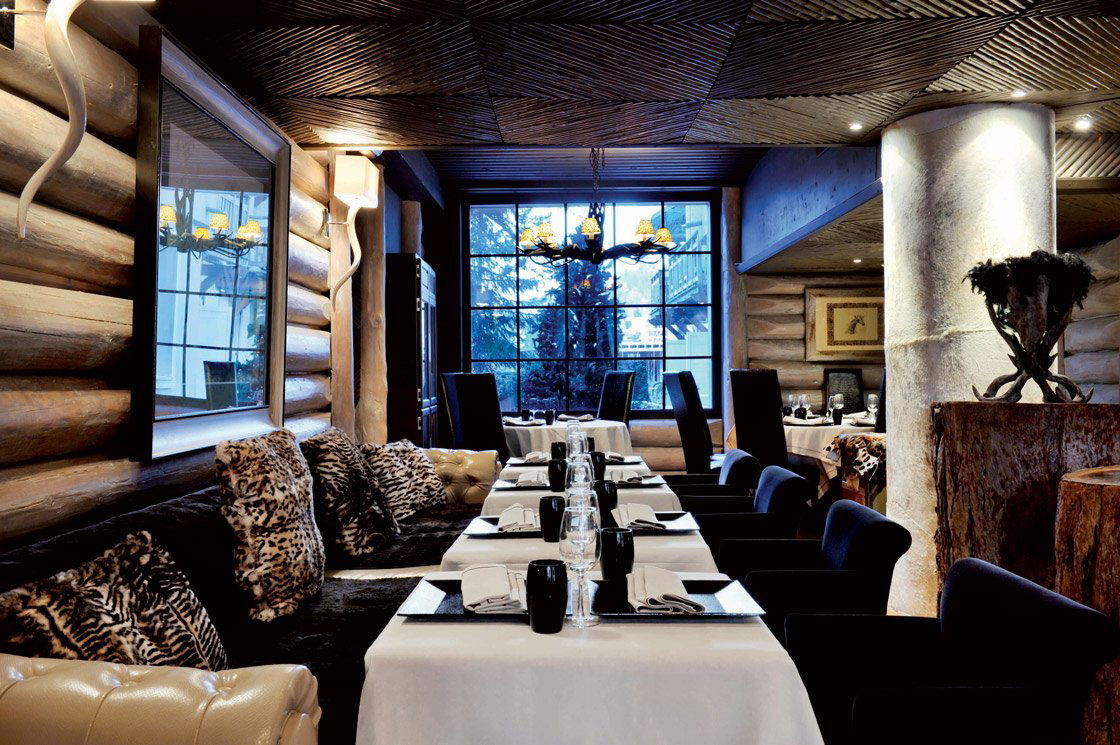
The bistro sits at 13 rue du Bosquet, and the room reads as a place built for regular use rather than occasion dining. The atmosphere is easy-going and the service pitched at the same register: cheerful without performance, attentive without formality. This is the kind of room where the cooking does the signalling, not the decor. For readers planning a broader Auvergne itinerary, our full Chamalières restaurants guide maps the wider scene.
The Sourcing Logic Behind the Menu
French regional cooking has always depended on proximity, but the last decade has sharpened the distinction between restaurants that source locally as a marketing position and those where it is a genuine operational commitment. Le Welcome belongs to the latter group. The menu draws predominantly on local and seasonal Auvergne ingredients, and the results read as dishes shaped by what is available rather than by a fixed concept imposed on whatever arrives.
The dish references on record illustrate the principle clearly: asparagus paired with pine buds, and croaker with wild mushrooms and a shellfish emulsion. Asparagus and pine buds is a combination that only makes sense at a specific point in the calendar when both are in their narrow window; it is not a dish you can run all year. Croaker is a coastal fish that reaches the interior in fresh condition only through deliberate sourcing relationships, and pairing it with wild mushrooms connects coast to forest in a way that reflects real foraging supply chains rather than a chef's whim. The shellfish emulsion adds a technical thread that speaks to Chef Sylvain Revelant's training background without letting technique overwhelm the produce.
Revelant's CV places this approach in context. Stints with Édouard Loubet, whose work at Flocons de Sel in Megève reflects a similarly terrain-rooted sensibility, and with Hélène Darroze, represent two distinct but complementary lines of French culinary thought: one anchored in southern French landscapes and aromatic intensity, the other in a more refined, product-first Gascon tradition. Bringing both into a bistro format is a compression of register that takes real skill to execute without losing the relaxed quality that makes this kind of room work.
Chamalières in the French Regional Dining Picture
The Auvergne-Rhône-Alpes region sits in an interesting position within French dining culture. On one hand, it contains some of the most decorated addresses in the country: Troisgros in Ouches, Paul Bocuse in Collonges-au-Mont-d'Or, and the wider legacy of the Lyon bouchon tradition. On the other, the Auvergne sub-region has historically been associated with fortifying, ingredient-heavy cuisine, from lentils de Puy to the volcanic-plateau cheeses, rather than with refined restaurant culture. That combination creates an environment where a bistro with serious cooking credentials occupies a specific and relatively clear space: it is not competing with the destination rooms further north, but it is offering something qualitatively different from the direct regional table.
For comparison, consider what the same level of chef pedigree produces in denser culinary cities. Alléno Paris au Pavillon Ledoyen operates at the extreme end of the Paris fine-dining register: multi-starred, formal, and priced accordingly. Mirazur in Menton uses garden-to-table sourcing in a coastal context with three stars and international visibility. Le Welcome does not compete with either in format or ambition, but the sourcing logic it applies draws from the same school of thought: that the provenance of ingredients is itself an editorial decision about what kind of cooking you want to produce.
Other French regional addresses that work in a comparable register include Bras in Laguiole, where Michel Bras codified Aubrac terrain into haute cuisine, and Auberge de l'Ill in Illhaeusern, which has maintained Alsatian ingredient identity across multiple generations. The ambitions differ sharply, but the underlying principle of cooking from a specific place rather than a general French vocabulary connects them. Further afield, Au Crocodile in Strasbourg and Assiette Champenoise in Reims demonstrate how regional anchoring can sustain a restaurant's identity across changing trends. International readers who want to understand French regional cooking in a global frame might also consider how AM par Alexandre Mazzia in Marseille uses local and Mediterranean produce at an experimental level, or how Le Bernardin in New York City and Emeril's in New Orleans translate French technical training into entirely different ingredient environments.
A Note on Radio and the Chamalières Dining Context
Chamalières is not a city with a deep bench of dining options, which makes the presence of two kitchens worth noting in proximity. Radio, the modernist address in town, operates in the contemporary creative register with more formal ambitions and pricing. Le Welcome sits at the accessible end of the spectrum, where the format is casual bistro and the register is hearty rather than refined. Together they give the town a small but functional range of options across different budgets and occasions.
Planning Your Visit
Le Welcome is at 13 rue du Bosquet in Chamalières, a short distance from central Clermont-Ferrand and accessible by car or local transport from the city. Given the bistro's size and local following, booking ahead is advisable, particularly for weekend lunches. Chamalières has limited accommodation of its own; most visitors use Clermont-Ferrand as a base. For broader trip planning, our Chamalières hotels guide, bars guide, wineries guide, and experiences guide cover the full picture.
Frequently Asked Questions
Is Le Welcome child-friendly?
The relaxed, convivial atmosphere at Le Welcome, typical of a well-run French bistro rather than a formal dining room, makes it a reasonable choice for families with older children in a town with moderate pricing by French restaurant standards.
How would you describe the vibe at Le Welcome?
Easy-going and local in the leading sense: Chamalières is not a tourist destination, and Le Welcome's cheerful, unfussy service reflects a room that operates primarily for people who come back regularly rather than once. The awards recognition it has received places it in the reliable regional bistro category rather than the destination-dining tier, and the price point reinforces that positioning.
What dish is Le Welcome famous for?
Go in expecting to follow what is in season. The documented dishes, asparagus with pine buds and croaker with wild mushrooms and shellfish emulsion, reflect a kitchen that lets ingredient availability lead the menu. Chef Revelant's training under Édouard Loubet and Hélène Darroze informs that approach, but the bistro format means the results land as hearty, grounded plates rather than tasting-menu constructions.
Recognized By

Similar venues by awards
Related editorial
- Best Fine Dining Restaurants in ParisFrom three-Michelin-star icons to the next generation of Parisian chefs pushing boundaries, these are the restaurants that define fine dining in the world's culinary capital.
- Best Luxury Hotels in RomeFrom rooftop terraces overlooking ancient ruins to Michelin-starred hotel dining, these are the luxury hotels that make Rome unforgettable.
- Best Cocktail Bars in KyotoFrom sleek lounges to hidden speakeasies, Kyoto's cocktail scene blends Japanese precision with global influence in ways you won't find anywhere else.
Save or rate Le Welcome on Pearl
Keep this venue in your Pearl passport, rate it after you visit, and track it alongside every other place you collect.