Giacomo
Larvotto
Restaurant in Larvotto, Monaco
 Book with Pearl
The Read
Price
$50–100per person
Dress
Smart Casual
Why go
Giacomo is a practical Larvotto pick for a polished meal near the waterfront, especially when location and occasion matter more than a documented tasting-menu format. Book it for a date, celebration, or business dinner where the setting does some of the work; compare with Muse Restaurant, Coya, or Neptun Monaco Beach if you want a clearer culinary identity before choosing.
About Giacomo
For Giacomo in Larvotto, the practical planning facts are direct: it opens for lunch and dinner daily, and the dress code is smart casual. Beyond that, there is little detail to fix its cuisine, chef-led format, tasting-menu structure, awards history, price band, or signature dishes. It is best approached as a Larvotto booking to evaluate on timing, location, and fit for your group.
The trade-off is that there is less detail to research before committing. If you need a clearer sense of culinary identity, compare Giacomo with MayaBay, Muse Restaurant, Smakelijk Monaco, or The Niwaki. If the priority is another Larvotto option, keep Neptun Monaco Beach in the mix.
Book it for a direct Larvotto meal, not a research-heavy dining pilgrimage
The strongest case for booking is practical: Giacomo serves both lunch and dinner every day in Larvotto. Monday through Friday, lunch runs from 12–2:30 PM and dinner from 7–9:45 PM. Saturday and Sunday, lunch runs from 12–3:15 PM and dinner from 7–9:45 PM. Diners planning a broader Monaco meal plan can use Our full Larvotto restaurants guide to compare it with nearby restaurants.
Who should cross-shop before committing
Book here if being in Larvotto and choosing from lunch and dinner hours are central to the plan. Cross-shop Smakelijk Monaco, MayaBay, Muse Restaurant, The Niwaki, or other Larvotto dining rooms if the group wants a clearer read on style before choosing. For a fuller trip plan, use broader guides rather than treating one dinner as the whole plan.
Planning details
- Location
- Boulevard du Larvotto L27, 98000, Monaco
- Reservations
- Book on SevenRooms
- Website
- bigmammagroup.com
- Phone
- +33172685013
The take
The Take
The Vibe
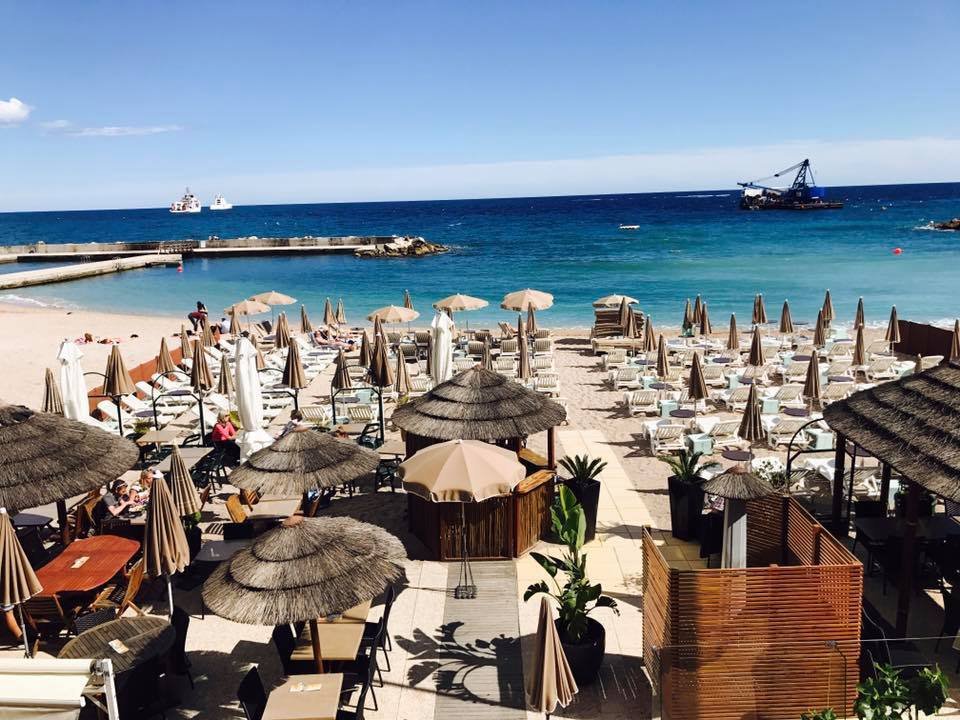
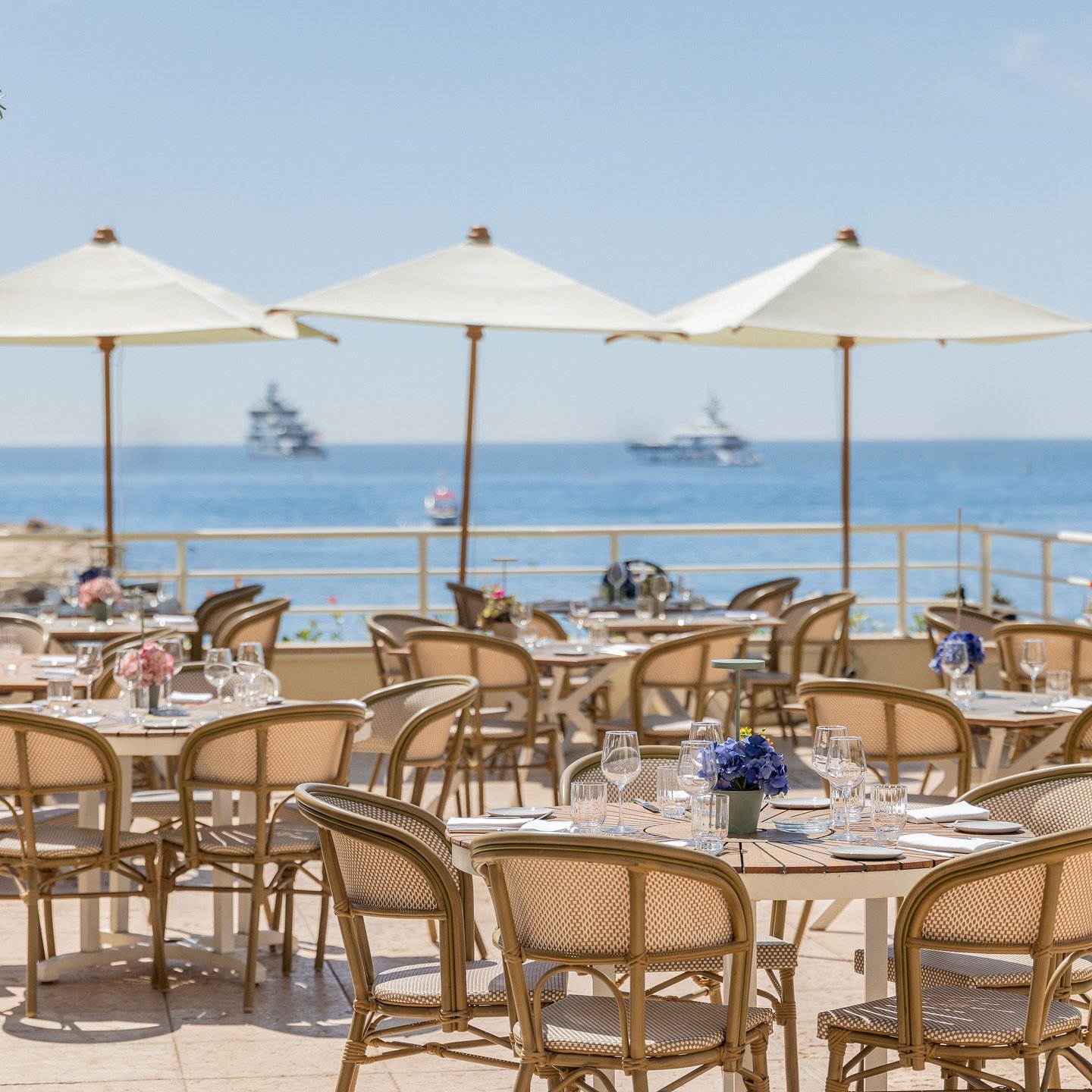
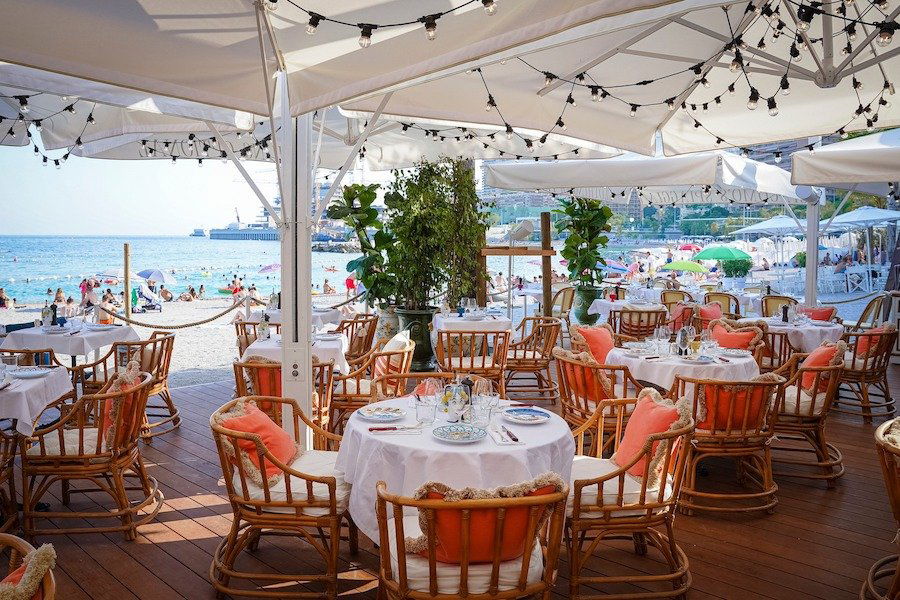
Giacomo sits on Boulevard du Larvotto with the sea literally at its doorstep, so the restaurant’s personality is inseparable from the waterfront setting. Italian culinary tradition is the structural backbone of the Riviera, so the room feels rooted: classic coastal Italian cooking in a lively Larvotto register. Service and pacing lean relaxed and unforced, allowing guests to linger as the Mediterranean light moves from late afternoon into deep blue and orange. The overall effect is scenic and quietly charming: a place where the view and food share equal billing.
Best For
Giacomo is best experienced in the evening, when the boulevard’s light and the sea become central to the meal. On Larvotto, antipasti and a carafe of something cold can constitute a full evening, making it suited to diners who want an unhurried dinner by the water. The restaurant’s Italian framing and coastal location make it especially appropriate for seafood and pasta-focused dinners that pair with the shifting Riviera sky, and for groups or couples who prefer a relaxed, convivial pace rather than ceremonious formality.
Ordering Tips
Lean into the coastal Italian menu and the venue’s seaside context: order seafood-forward plates such as Linguine alla Vongole and pasta all'astice, and reserve heartier classics like Ossobuco Milano for a more substantial course. The account explicitly notes that antipasti and a carafe of something cold can make an evening, so consider starting with shared starters and a carafe or bottle to set an unhurried rhythm. Because the setting is part of the experience, leave room to linger through the changing light rather than rushing the meal.
Venue details
Ambiance
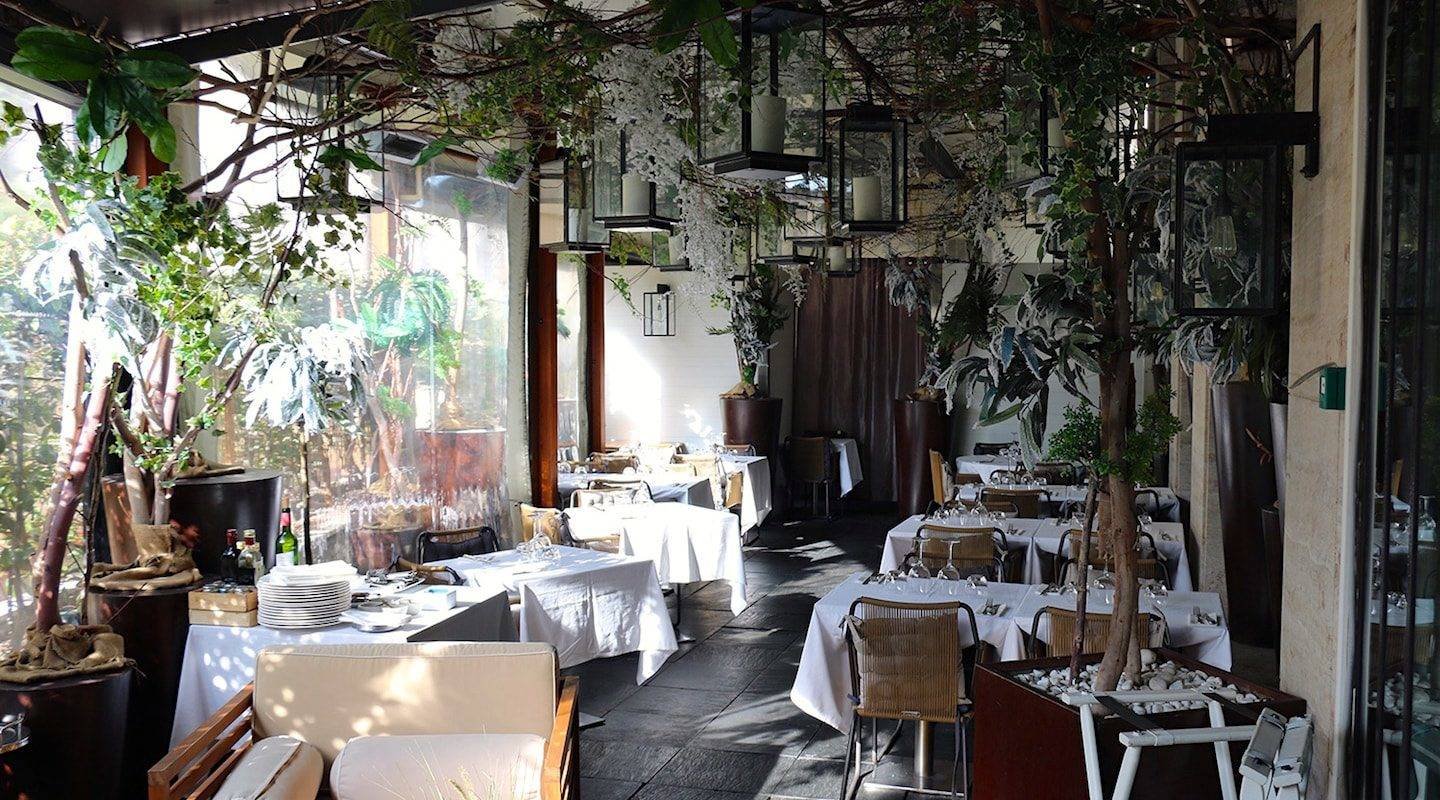
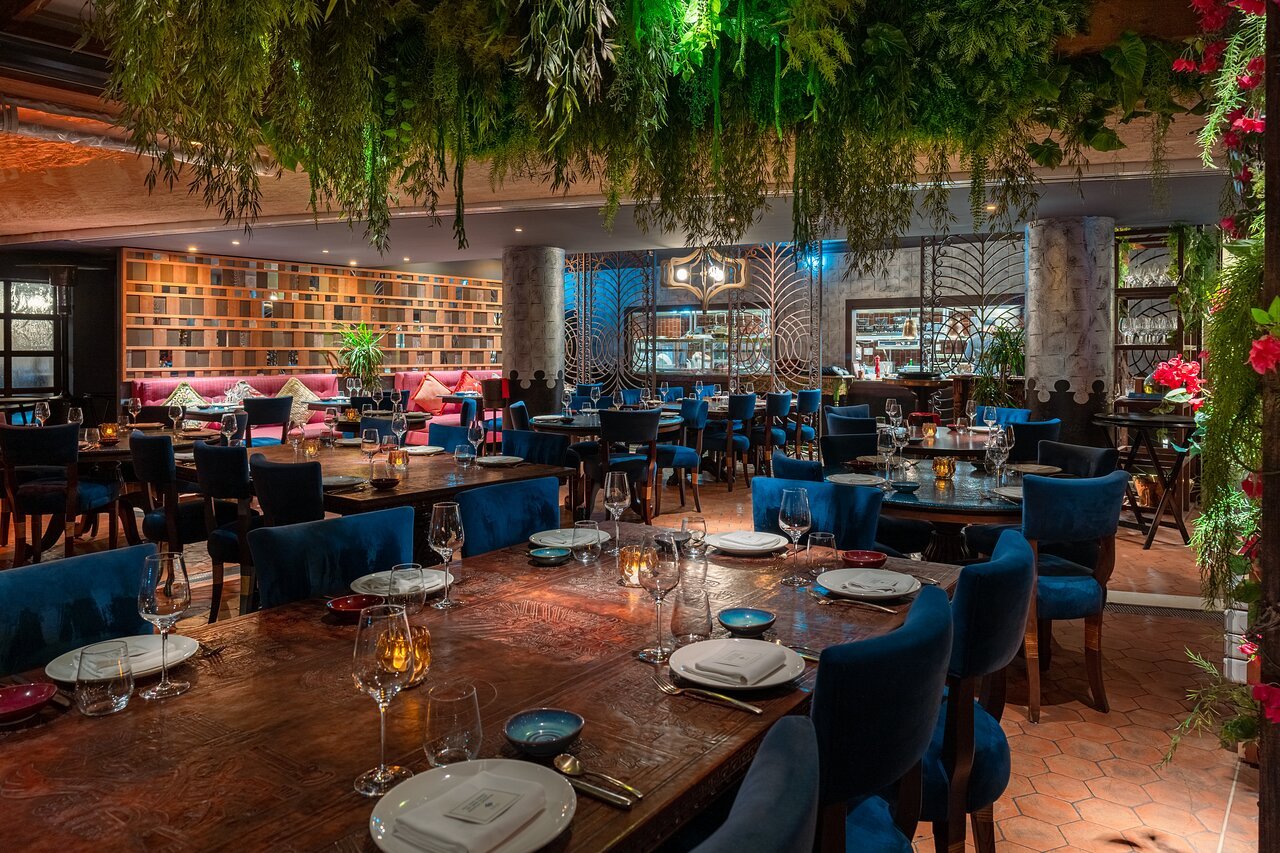
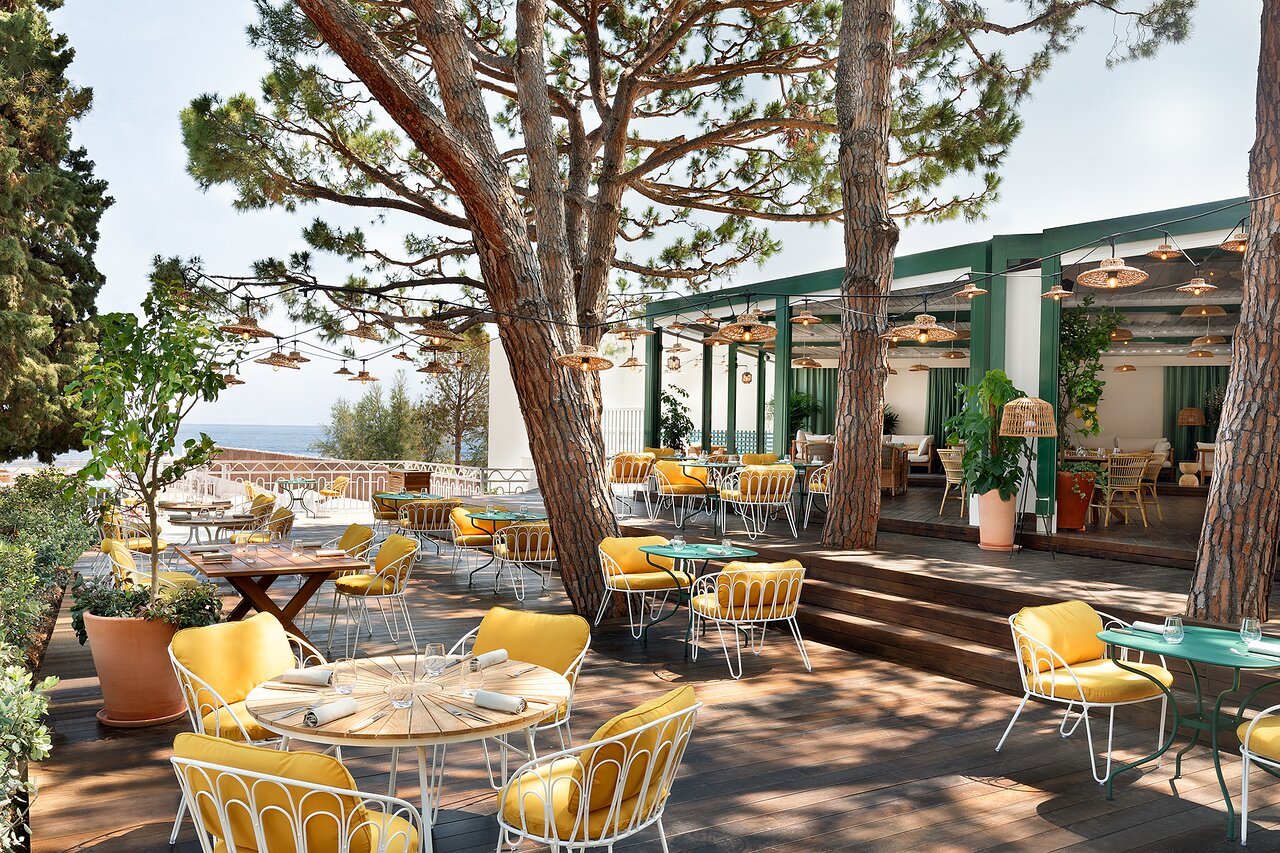
Sunny, relaxed 1970s Amalfi Coast family home vibe with sea breeze, colorful cocktails, and lively beachside terrace atmosphere.
Tags
Vibe
Best For
Experience
View
At the Table
- Dress Code
- Smart Casual
- Noise Level
- Lively
- Service Style
- Upscale Casual
- Meal Pacing
- Standard
- Capacity
- Medium
- Kitchen
- Traditional
- Menu Format
- A la carte, Small plates
- Drinks Focus
- Cocktails
- Private Dining
- Available
- Outdoor Seating
- Yes
Signature Dishes
- Linguine alla Vongole
- Ossobuco Milano
- Mammargherita pizza
- pasta all'astice
Know before you go
Know Before You Go
- Getting there
- Boulevard du Larvotto L27, 98000, Monaco
Planning details
Location
Boulevard du Larvotto L27, 98000, Monaco · Directions
Also consider
Also Consider
- The Niwaki, Notable alternative
- Muse Restaurant, Notable alternative
- Smakelijk Monaco, Notable alternative
- MayaBay, Thai, €€€€
- Neptun Monaco Beach, Notable alternative
Restaurant context
How it compares in Larvotto
Choose Giacomo when the goal is a smooth Larvotto meal with an occasion feel and low planning friction. The Niwaki is the better comparison if the group wants a more defined Japanese-leaning choice, while Muse Restaurant is the stronger cross-shop for diners who want the meal to feel more restaurant-led than beach-adjacent.
For value, Smakelijk Monaco is the sensible venue to check before committing, especially for a casual group that does not need a high-spend mood. Neptun Monaco Beach is the more obvious pick when the setting is the main reason to stay in Larvotto.
MayaBay sits in a different lane: Thai, €€€€, and better for diners who want a clearer cuisine signal and are comfortable with a splurge. Giacomo is the safer choice for mixed groups who care more about ease and location than a specific cuisine brief.
Explore Larvotto
Around this place
Discover more on Pearl
Unlock the full Giacomo guide in Pearl, including awards, comparisons, FAQs, planning details, and nearby places.
Compare Giacomo
| Venue | Location | Cuisine | Price | Awards |
|---|---|---|---|---|
| Giacomo | Larvotto | , | , | No published awards |
| The Niwaki | Larvotto | , | , | No published awards |
| Muse Restaurant | Larvotto | , | , | No published awards |
| Smakelijk Monaco | Larvotto | , | , | No published awards |
| MayaBay | Monte Carlo | Thai | €€€€ | 2024 Michelin Plate |
| Neptun Monaco Beach | Larvotto | , | , | No published awards |
.png?width=1200&quality=80)
How Giacomo Larvotto compares with similar nearby venues.
FAQ
Frequently Asked Questions
Does Giacomo handle dietary restrictions?
Contact Giacomo directly before booking if anyone in the party has dietary requirements.
Is lunch or dinner better at Giacomo?
Both are possible based on the hours. Giacomo serves lunch Monday to Friday from 12–2:30 PM and Saturday to Sunday from 12–3:15 PM. Dinner is listed daily from 7–9:45 PM.
Is Giacomo good for a special occasion?
That depends on what you need from the occasion. Giacomo is a Larvotto option with daily lunch and dinner service, but there are no confirmed awards, tasting-menu format, price band, or signature dishes available here.
What are alternatives to Giacomo?
Compare Giacomo with Neptun Monaco Beach, MayaBay, Muse Restaurant, Smakelijk Monaco, The Niwaki, or other dining in Larvotto, depending on what kind of meal you want.
What should I order at Giacomo?
Review the current menu directly with the restaurant before deciding what to order.