
Restaurant in Lafayette, United States
Bucatino Trattoria Romana
100ptsRoman Pasta Canon
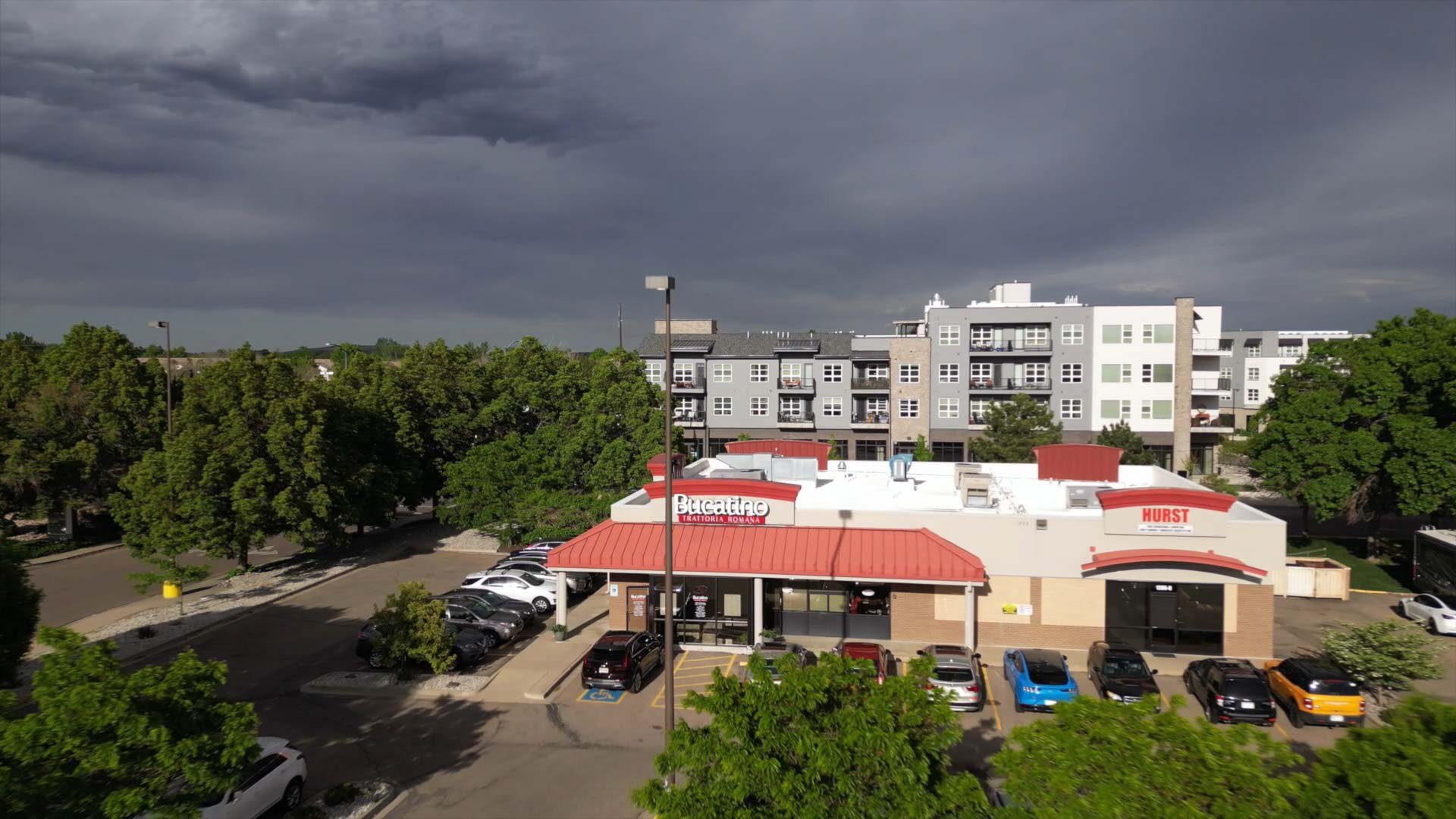
About Bucatino Trattoria Romana
Roman Trattoria Cooking in the Colorado Front Range South Public Road in Lafayette, Colorado runs through a stretch of the kind of American commercial strip that rarely announces itself as a destination. Which is precisely why a trattoria...
Roman Trattoria Cooking in the Colorado Front Range
South Public Road in Lafayette, Colorado runs through a stretch of the kind of American commercial strip that rarely announces itself as a destination. Which is precisely why a trattoria committed to Roman culinary tradition reads as a small act of conviction here. Bucatino Trattoria Romana, at 1265 S Public Rd, plants a specific Italian regional identity in a city better known for its proximity to Boulder than for any particular dining tradition. That specificity matters. Roman cooking is not Italian cooking in the generic sense: it is offal-forward, pasta-driven, and built around a handful of dishes that Romans themselves treat as litmus tests. A trattoria named for bucatini, the thick hollow pasta that serves as the vessel for cacio e pepe and amatriciana, is making a quiet declaration about where its loyalties sit.
The Atmosphere a Roman Format Creates
Roman trattorias operate on a set of sensory cues that distinguish them from the broader Italian-American casual dining category. The room is typically close and slightly loud, with ceramic plates, red wine poured in tumblers or short-stemmed glasses, and the smell of rendered guanciale or cacio layering into the air. The format is deliberate in its informality: this is not the theatrical, white-tablecloth Italian of midtown Manhattan, nor the open-kitchen tasting-counter model that has defined the ambitions of places like Smyth in Chicago or Lazy Bear in San Francisco. A Roman trattoria belongs to an older, less performative tradition, one where the credential is the recipe itself, held close and repeated daily rather than reinvented seasonally. In a Front Range dining environment that skews toward mountain-casual or Boulder-adjacent health-forward concepts, that kind of repetition-as-mastery is a different kind of statement.
Where Bucatino Sits in Lafayette's Dining Picture
Lafayette has a modest but broadening restaurant scene. The city's dining range runs from the Southeast Asian cooking at Amarin Thai Cuisine to the Italian-American format at Antoni's Italian Cafe and the Peruvian register at Barranco, alongside neighborhood anchors like Batch and Brine and the communal format of Community Supper Club. Within that set, Bucatino occupies the Italian slot with a regional specificity that Antoni's does not necessarily claim. The name alone signals an intent to stay close to Rome: bucatini is not a pasta that appears in every Italian kitchen, and building an identity around it suggests the kitchen has a narrower, more disciplined culinary frame of reference than the standard trattoria that serves everything from tagliatelle bolognese to pizza. That narrowness, in the context of American Italian dining, is typically a sign of seriousness. For a broader view of where Lafayette's restaurants sit relative to each other, our full Lafayette restaurants guide maps the city's current options.
The Roman Pasta Canon and What It Demands
Roman pasta cookery has four dishes that function almost as guild qualifications: cacio e pepe, amatriciana, carbonara, and gricia. Each is built from minimal ingredients, and each is technically unforgiving. Cacio e pepe fails without the right emulsification technique; carbonara breaks if the egg hits heat rather than residual warmth; amatriciana depends on guanciale rather than pancetta and on a tomato that does not overwhelm the pork fat. These are not dishes that benefit from creativity. They benefit from discipline and sourcing. The American interpretation of Roman pasta has historically suffered from both substitution (bacon for guanciale, Parmesan for Pecorino Romano) and from a tendency to enrich or complicate what should be structurally spare. A trattoria named for the pasta most associated with this canon is inviting that standard of comparison. In the broader American restaurant conversation, the properties that hold the most critical attention, from Le Bernardin in New York City to The French Laundry in Napa, do so in part because they maintain standards that can be evaluated against a known tradition. A Roman trattoria in Colorado is playing the same game at a different scale and price point, but the logic is identical.
Planning a Visit
Bucatino Trattoria Romana is located at 1265 S Public Rd in Lafayette, Colorado 80026, accessible by car from both Boulder and Denver, with Lafayette sitting roughly midway along the US-36 corridor. For current hours, reservations, and any seasonal menu updates, the most reliable approach is to contact the restaurant directly or check current listings, as booking method and operating schedule details are not confirmed in available records. In a category where restaurants of this type tend to seat modestly and fill with regulars, arriving with a reservation or early in the dinner window is the practical default. Roman trattorias in this price tier, which sits below the tasting-menu level commanded by venues like Addison in San Diego or Blue Hill at Stone Barns, typically represent the accessible end of serious Italian regional cooking, where a full meal with wine lands in the casual-to-mid-casual range by Front Range standards. Those looking for the full spectrum of American fine dining ambition, from Atomix in New York City to Providence in Los Angeles or Emeril's in New Orleans, will find a different register entirely at Bucatino, and that is precisely the point. This is trattoria cooking: direct, ingredient-focused, and priced for regulars, not occasions. For European comparison, the discipline of regional Italian cooking at this level sits in a tradition also seen at places like Atelier Moessmer Norbert Niederkofler in Brunico, though the formats differ sharply. And for those who want the farm-to-table intensity of the American West alongside a formal tasting format, Single Thread Farm in Healdsburg or The Inn at Little Washington represent the other end of the spectrum. Bucatino is a different conversation entirely.
Frequently Asked Questions
Would Bucatino Trattoria Romana be comfortable with kids?
At a mid-casual price point in Lafayette, a trattoria format is generally compatible with families, though the leading confirmation is a direct call ahead to ask about seating and timing.
What is the overall feel of Bucatino Trattoria Romana?
The name and declared Roman trattoria format position it as a neighborhood restaurant with regional Italian specificity, operating below the formal dining tier and closer to the everyday end of Lafayette's dining range. Without an awards record in available data, it reads as a local Italian anchor rather than a destination venue drawing from across the region.
What is the leading thing to order at Bucatino Trattoria Romana?
Given the Roman trattoria premise and the restaurant's name, the pasta menu anchored by bucatini preparations is the natural starting point. Roman pasta canon dishes, built around guanciale, Pecorino Romano, and minimal saucing, are the dishes most directly connected to the kitchen's declared culinary reference point, and are where a cook trained in that tradition will put their most careful attention.
Is Bucatino Trattoria Romana a good option for Roman food specifically, rather than general Italian?
The restaurant's name is a direct reference to bucatini, a pasta central to four of Rome's most technically demanding dishes: cacio e pepe, amatriciana, carbonara, and gricia. That naming choice signals a kitchen organized around Roman specificity rather than the broad Italian-American menu format. In Lafayette's dining context, that makes it the most directly Rome-oriented Italian option in the city, a distinction that matters to anyone who wants regional cooking rather than a generalist Italian menu.
Related editorial
- How travel will be redefined by 2040By 2040, Travel Will Stop Being a Place You Go and Become a State You Inhabit Thesis: The defining shift in travel by 2040 will not be faster planes or smarter hotels — it will be the collapse of the
- How travel will be redefined by 2040By 2040, Travel Won't Be an Industry — It Will Be Infrastructure My thesis is simple and, I suspect, unfashionable: by 2040 travel will stop behaving like a discretionary consumer category and start
- How travel will be redefined by 2040By 2040, Travel Won't Be a Trip — It Will Be a Stack My thesis is simple and, I think, uncomfortable: by 2040, "travel" will no longer describe a discrete journey from point A to point B.
Save or rate Bucatino Trattoria Romana on Pearl
Keep this venue in your Pearl passport, rate it after you visit, and track it alongside every other place you collect.