
More e Macine
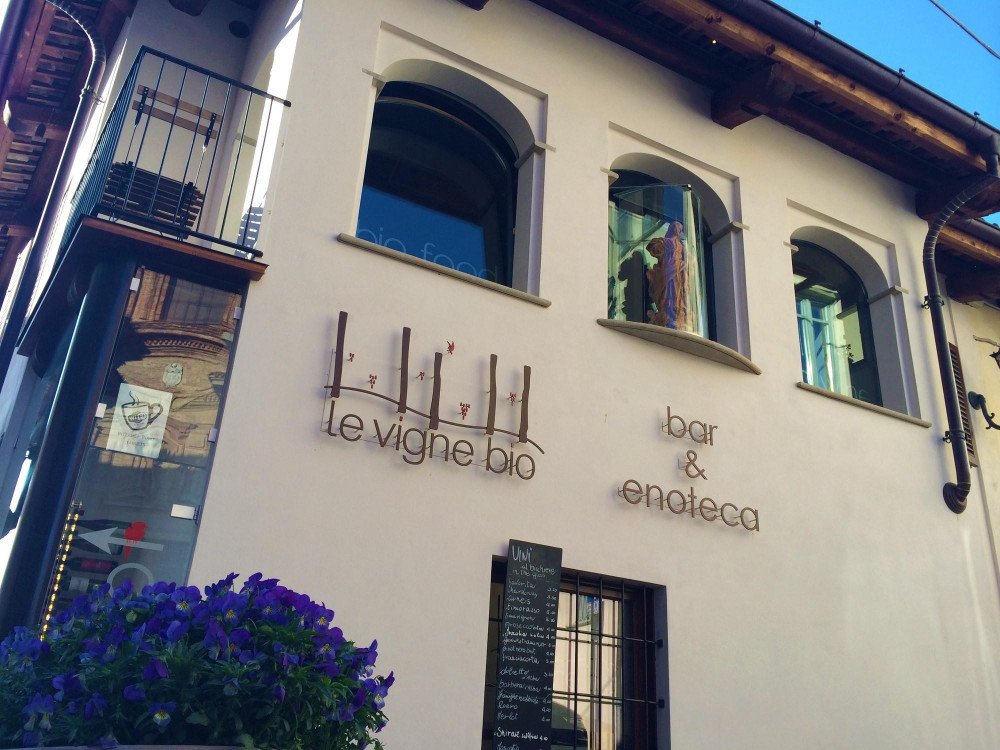
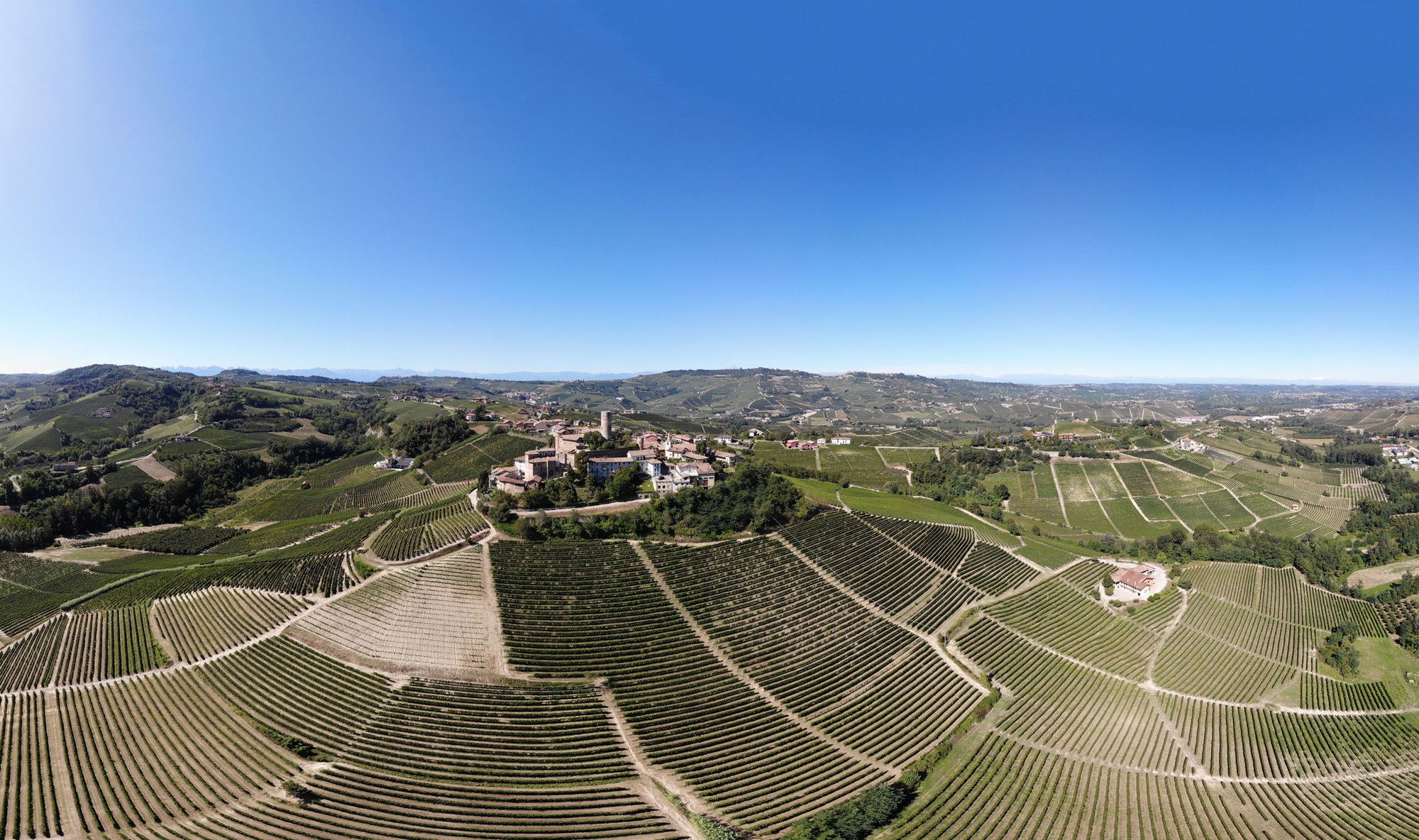
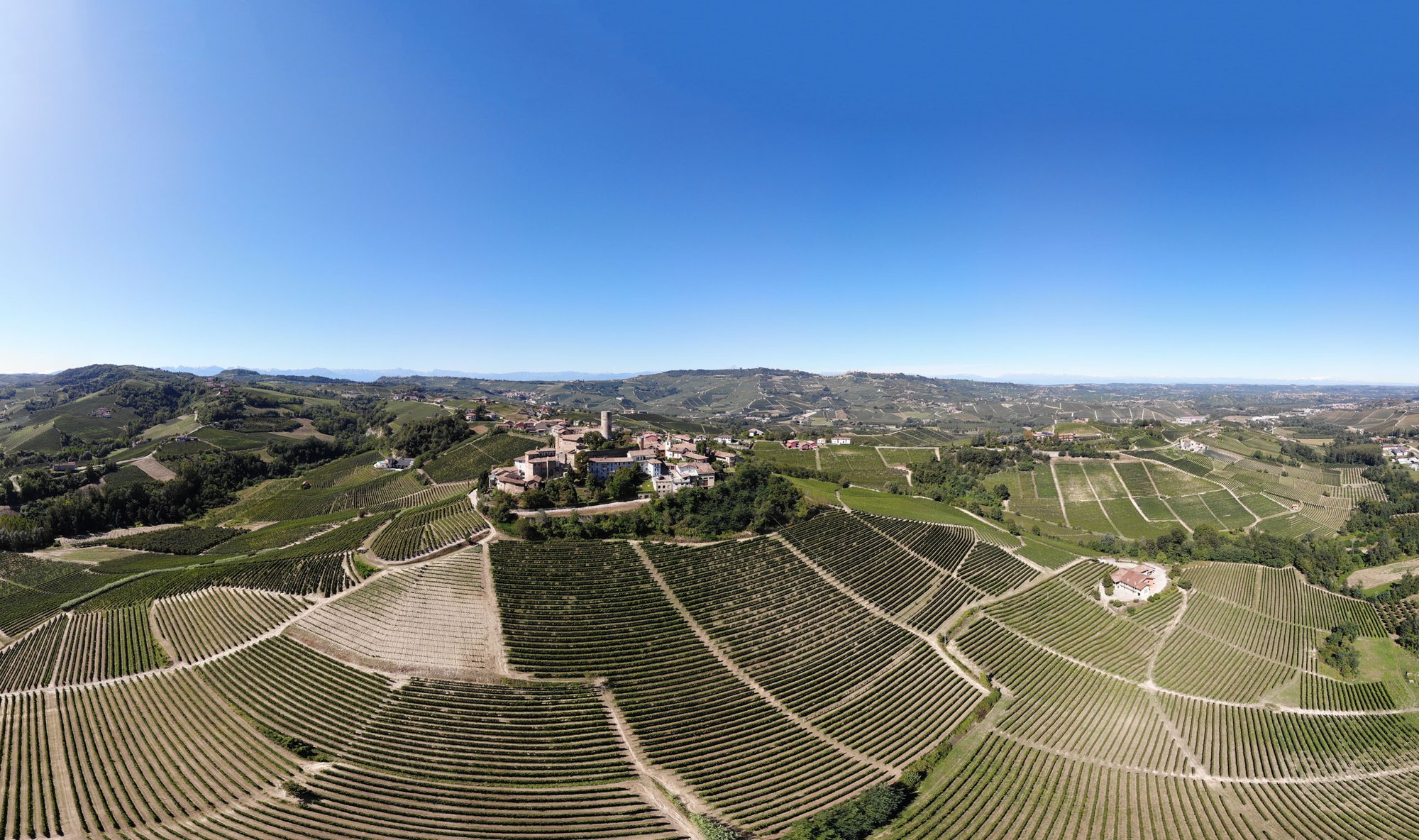
La Morra historic centre, La Morra
Restaurant in La Morra, Italy
 Book with Pearl
The Read
Price
$30–50per person
Dress
Casual
Why go
Book More e Macine when the La Morra plan is wine-led and flexible rather than a formal tasting-menu dinner. Star Wine List recognition gives it a clear reason to be on a Barolo-country shortlist, but Osteria Arborina is the better fit for modern cuisine and Osteria Veglio is the easier value choice for Piedmontese cooking.
About More e Macine
More e Macine is a La Morra venue listed as open daily from 11 AM to 11:30 PM, with a casual dress code and Star Wine List recognition for 2026. Plan around those clear basics rather than assuming a specific cuisine, menu format, price level, chef, service style, or booking difficulty.
That makes More e Macine a flexible La Morra option. The Star Wine List recognition is the clearest public signal to consider, but it should not be stretched into claims about particular bottles, pairings, cellar depth, or a defined dining format.
Choose it for flexible timing and a casual dress code
The most useful planning detail is the schedule: More e Macine is listed as open every day from 11 AM to 11:30 PM. That makes it easier to fit into a La Morra itinerary than venues with narrower hours, but do not assume separate lunch or dinner services, a set menu structure, or a particular style of meal.
The dress code is casual, so there is no need to plan around formal attire. If your group needs a clearly defined cuisine, tasting-menu format, price range, or special service setup before booking, check those details directly with the venue.
Where it sits among La Morra choices
For a broader restaurant decision, compare More e Macine with Osteria Arborina, Osteria Veglio, Bovio, La Sbornia a Verduno, and Locanda in Cannubi. More e Macine is the pick to consider when its daily hours, casual dress code, and Star Wine List recognition match the plan; the other venues are useful alternatives if you want to compare nearby dining options before committing.
Build the day around practical logistics rather than assumptions. Use the full La Morra restaurants guide for a broader meal plan, then pair it with the La Morra wineries guide if wine is the main reason for the trip. If staying nearby, the La Morra hotels guide can help keep the itinerary practical.
Planning details
- Location
- Via XX Settembre, 18, 12064 La Morra CN, Italy
- Website
- osteriamoreemacine.shop
- Phone
- +39 0173 500395
The take
The Take
The Vibe
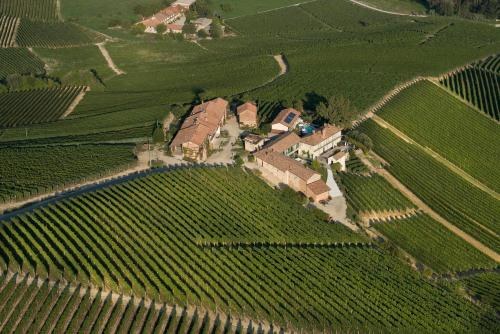
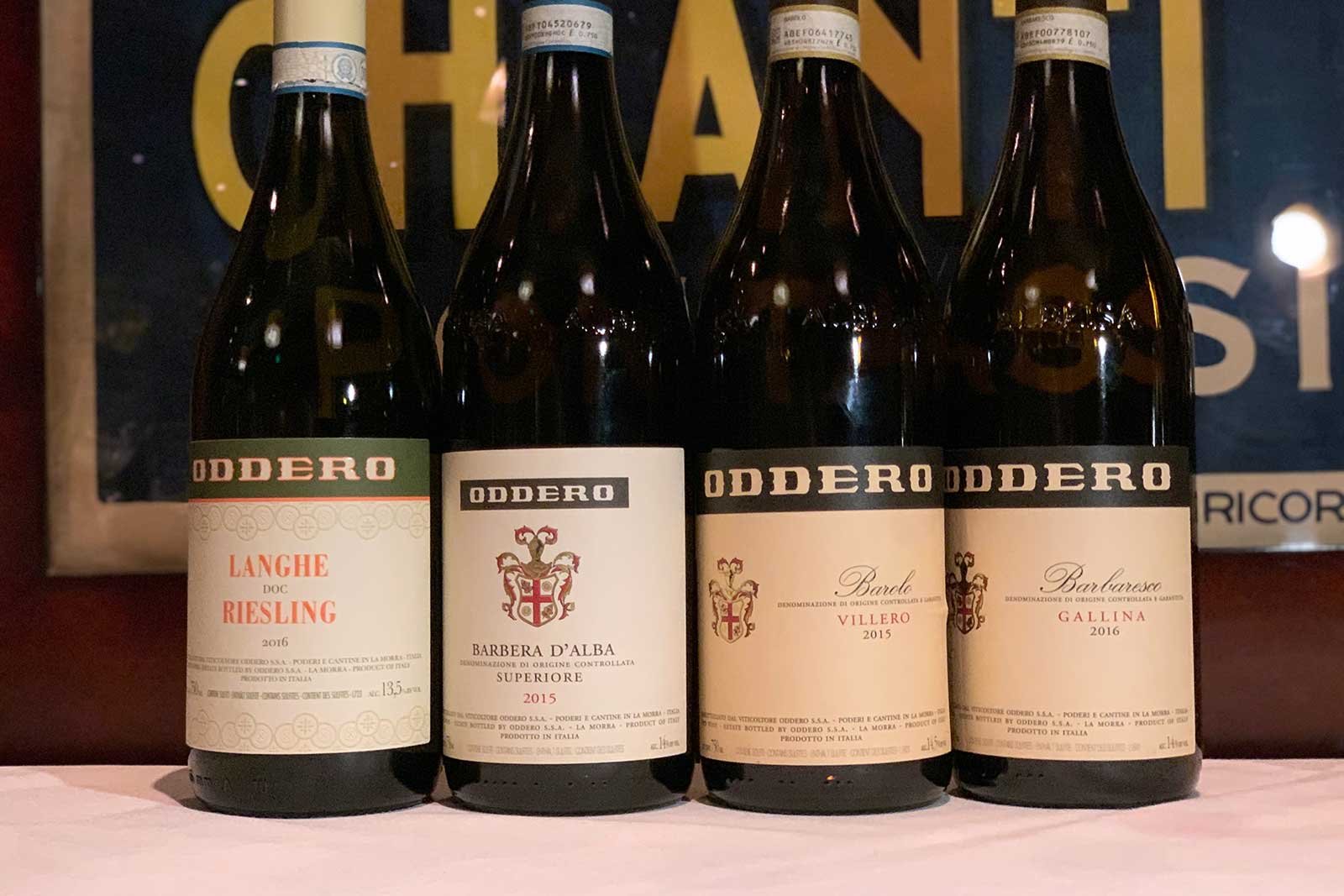
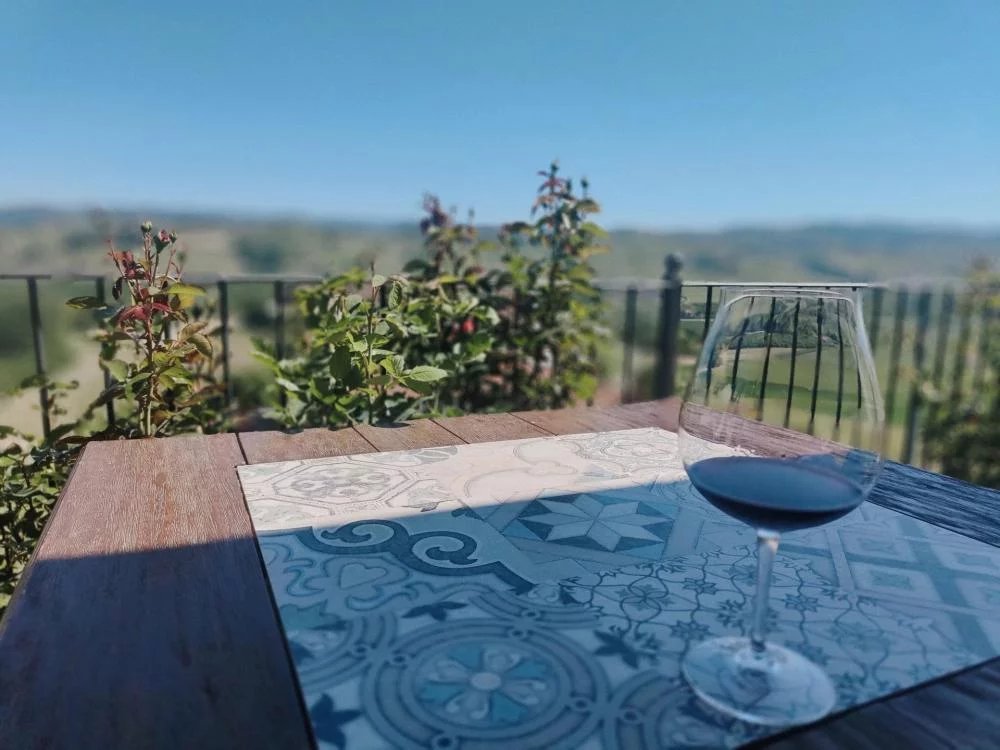
More e Macine reads as a wine-first destination perched in La Morra’s compact historic centre. The hilltop setting gives the room wide vineyard views, and the pour list — which includes producers such as Nervi and Serafino — makes clear that the glass is the priority here. Rather than a formal Piedmontese restaurant, the place shapes itself around tasting and conversation: a polished, wine-focused mood where selection and provenance drive the experience. Food exists to support the bottles, and the overall tone is thoughtful and quietly serious about what ends up in the glass.
Best For
This is a spot for people who come to the Langhe to drink as much as to dine. Its all-day format suits afternoon stops for a thoughtful glass, a pre- or post-dinner pour when you’re exploring La Morra, and easy walk-in visits from nearby accommodation. The emphasis on by-the-glass credibility makes it particularly rewarding for visitors interested in regional producers and tasting through specific bottlings; it’s less about a formal multi-course dinner and more about wine-led exploration in a village setting.
Ordering Tips
Let the wine programme lead your choices: ask the staff about the by-the-glass selections and any standout bottles from producers named on the list. The description highlights Nervi and Serafino, so enquiring after those pours is a sensible starting point. Treat the food as accompaniment — order dishes that are presented to support the wine rather than the other way around (the venue lists classic local items such as vitello tonnato, ravioli plin and battuta di fassone among its signatures). Arriving in the afternoon gives you time to browse the pour list and decide by glass.
Venue details
Ambiance
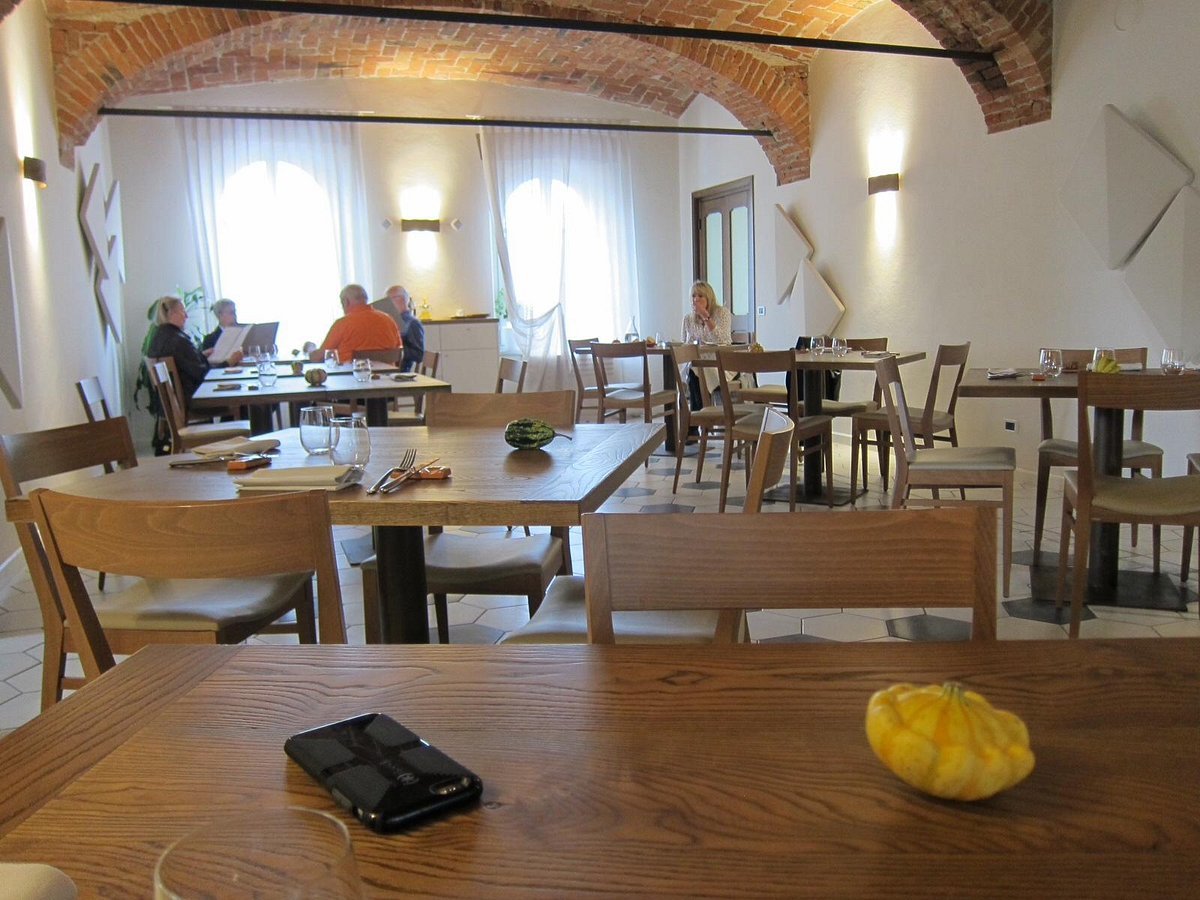
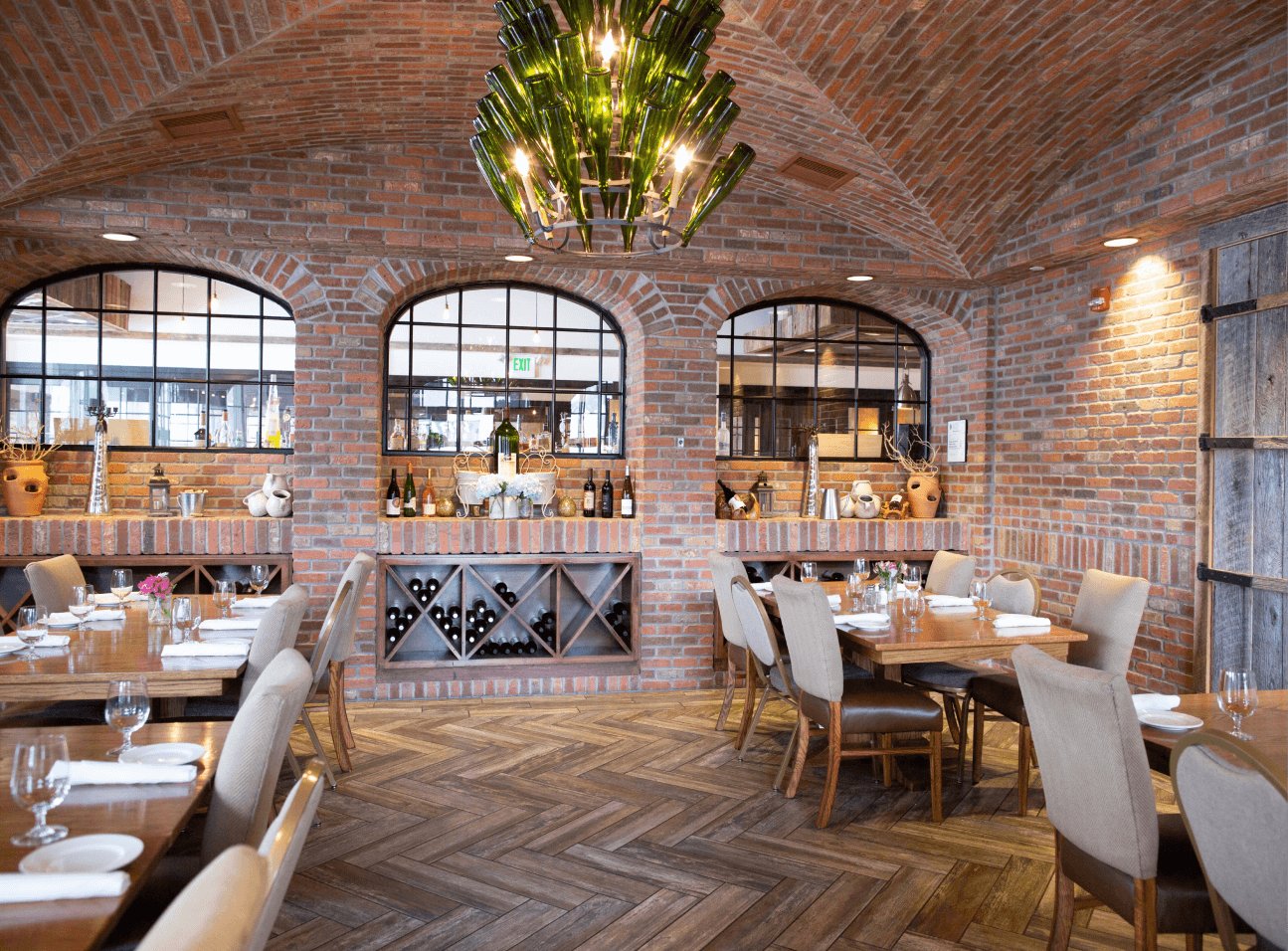
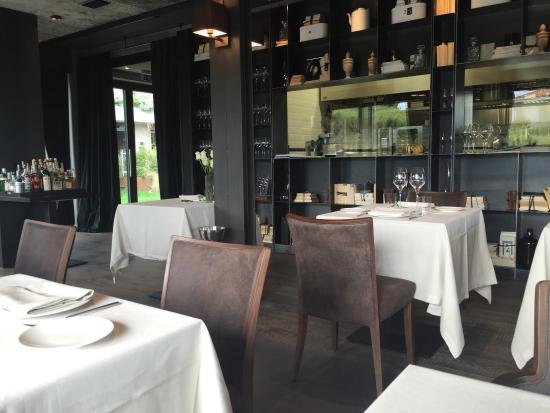
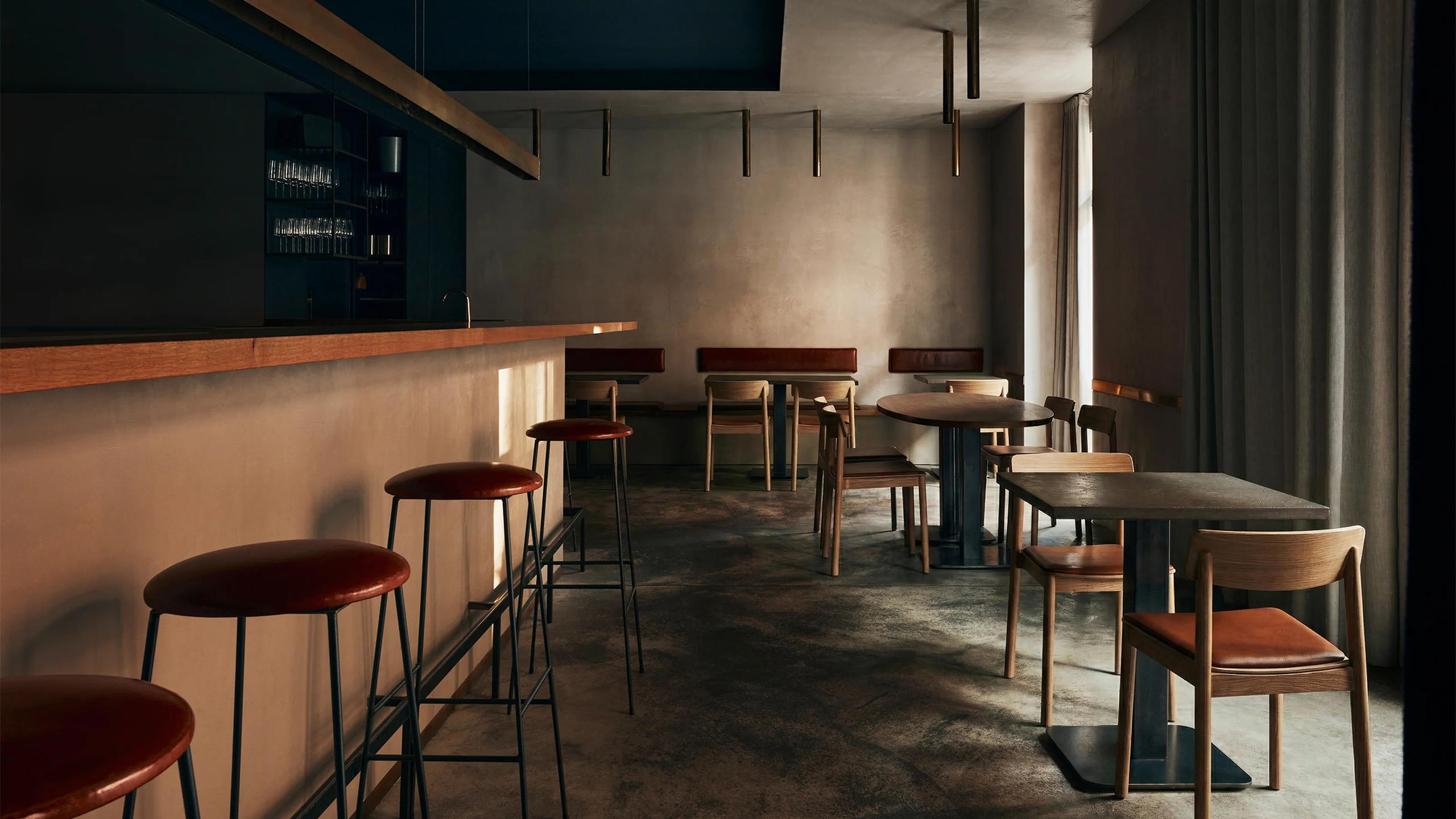
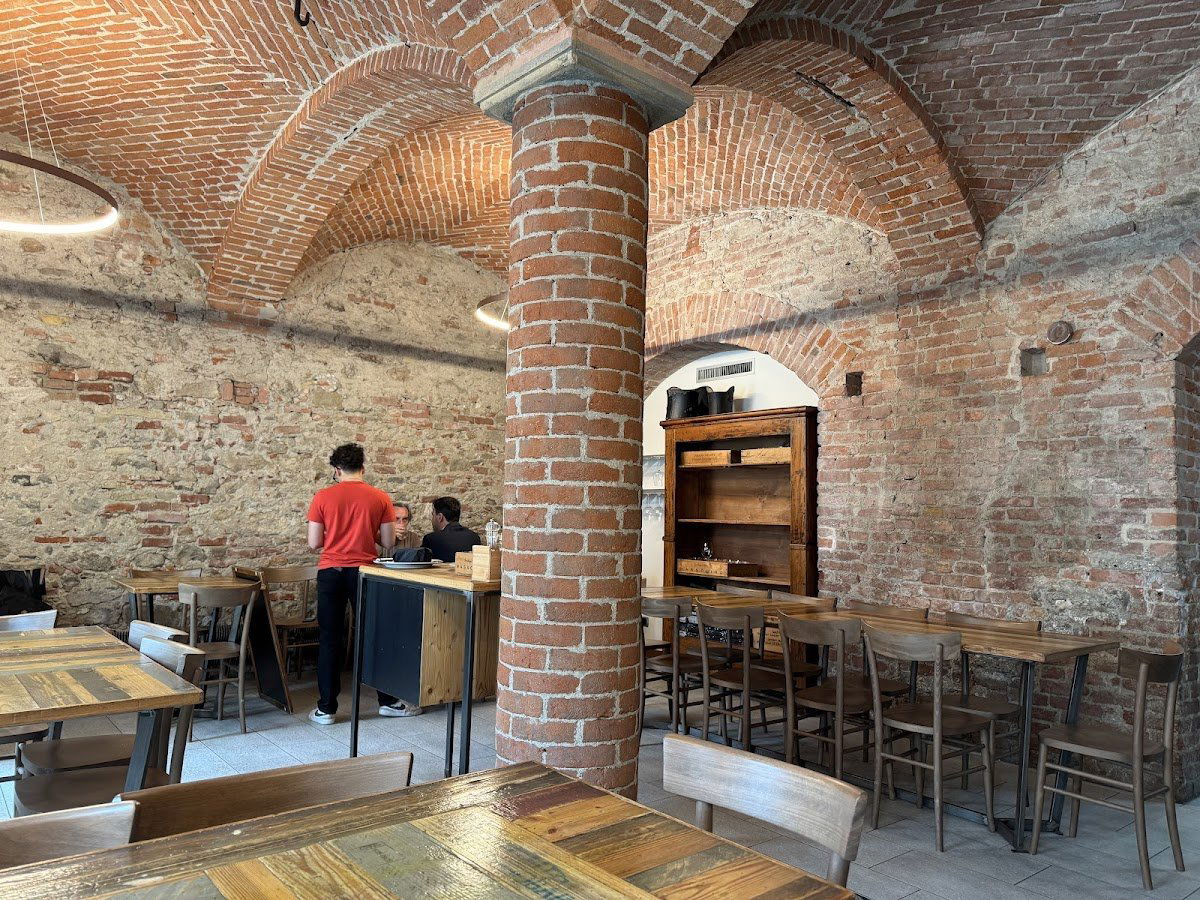
Simple and informal with wooden tables, brick vaults, and an authentic welcoming feel.
Tags
Vibe
Best For
Experience
View
Accessibility
At the Table
- Dress Code
- Casual
- Noise Level
- Conversational
- Service Style
- Casual
- Meal Pacing
- Standard
- Capacity
- Medium
- Kitchen
- Traditional
- Menu Format
- A la carte
- Wine Program
- Exceptional
- Dietary
- Vegetarian friendly, Gluten-free options
- Outdoor Seating
- Yes
Signature Dishes
- vitello tonnato
- ravioli plin
- battuta di fassone
Know before you go
Know Before You Go
- Getting there
- Via XX Settembre, 18, 12064 La Morra CN, Italy
Planning details
Location
Recognition and awards

Also consider
If More e Macine is not the right fit
Book Osteria Arborina if the group wants a more structured modern meal. Book Osteria Veglio if the priority is a lower-spend Piedmontese table in La Morra.
Restaurant context
How it compares in and around La Morra
More e Macine is the wine-first choice in this set. Against Osteria Arborina, which is clearly positioned as Modern Cuisine at €€€, it is the better fit for a less formal evening where the bottle decision drives the meal. Osteria Arborina is the smarter pick for diners who want a more defined restaurant format and are comfortable spending more.
Osteria Veglio is the value comparison: Piedmontese cooking at € makes it the safer choice for a traditional meal without a high spend. La Sbornia a Verduno sits in the middle at €€ with regional cuisine, better for guests willing to leave La Morra for a broader local-food plan. Choose More e Macine if staying in town matters and wine is the main filter.
Bovio and Locanda in Cannubi are the broader cross-shops when the group wants a different setting outside the immediate La Morra decision. More e Macine is easiest to justify for a relaxed, wine-literate stop; it is less compelling if the group needs a clearly priced cuisine category before booking.
Around this place
Discover more on Pearl
Unlock the full More e Macine guide in Pearl, including awards, comparisons, FAQs, planning details, and nearby places.
Compare More e Macine
| Venue | Location | Cuisine | Awards | Price |
|---|---|---|---|---|
| More e Macine | La Morra | , | Star Wine Lists 2026 | , |
| Bovio | Alba | No published awards | , | , |
| Osteria Arborina | La Morra | Modern Cuisine | 2026 Michelin Plate2025 Michelin Plate2024 Michelin Plate | €€€ |
| Osteria Veglio | La Morra | Piedmontese | Star Wine Lists 20262026 Bib Gourmand2025 Michelin Bib Gourmand2024 Michelin Bib Gourmand | € |
| La Sbornia a Verduno | Verduno | Regional Cuisine | 2026 Michelin Plate2025 Michelin Plate2024 Michelin Plate | €€ |
| Locanda in Cannubi | Barolo | No published awards | , | , |
.png?width=1200&quality=80)
.png?width=1200&quality=80)

How More e Macine La Morra compares with similar nearby venues.
FAQ
Frequently Asked Questions
What should I wear to More e Macine?
Casual dress applies at More e Macine in La Morra. Neat, relaxed clothing is appropriate; no formal dress code is listed. The venue is also listed as open daily from 11 AM to 11:30 PM.
What should a first-timer know about More e Macine?
The basics are straightforward: More e Macine is in La Morra, has a casual dress code, is listed as open every day from 11 AM to 11:30 PM, and has Star Wine List recognition for 2026. Do not assume a specific cuisine, menu format, price level, chef, or service style before checking directly. Osteria Arborina and Osteria Veglio are useful nearby alternatives to compare.
Is lunch or dinner better at More e Macine?
The hours run daily from 11 AM to 11:30 PM. Choose a time based on your itinerary and confirm current service details directly with the venue. La Sbornia a Verduno is another nearby option to consider when comparing plans.
Is More e Macine good for a special occasion?
It can be a practical choice if the details fit your occasion: La Morra location, casual dress code, daily 11 AM–11:30 PM hours, and Star Wine List 2026 recognition. If you need a formal format, a specific cuisine, or a tasting-menu experience, check directly before booking or compare with Bovio or Locanda in Cannubi.