.png?width=1200&quality=80)
kodō
Izakaya · Wholesale District, Los Angeles
Restaurant in Los Angeles, United States
 Book with Pearl
The Read
Kyoto-California Robata
Price
$$$$
Dress
Smart Casual
Why go
kodō earned a Michelin Plate in 2025 for Kyoto-rooted izakaya cooking — robata, sushi, and rotating off-menu specials — inside a converted Arts District firehouse. The à la carte format gives you more spending control than most $$$$-tier LA Japanese restaurants. Book three to four weeks out minimum; availability has tightened since the Michelin recognition.
About kodō
The Verdict
If you think kodō is just another trendy Arts District izakaya riding the neighbourhood's wave of concept-driven openings, reconsider. The Michelin Plate recognition it earned in 2025 is the clearest signal that the kitchen earns its $$$$ price tag on the plate, not on the premise. This is Kyoto-rooted cuisine — robata, sushi, nigiri — filtered through a California sensibility, served inside a converted firehouse on South Santa Fe Avenue. For returning visitors deciding what to order next, the answer is: go deeper into the off-menu specials and give the seafood program serious attention.
A Former Firehouse, Reframed
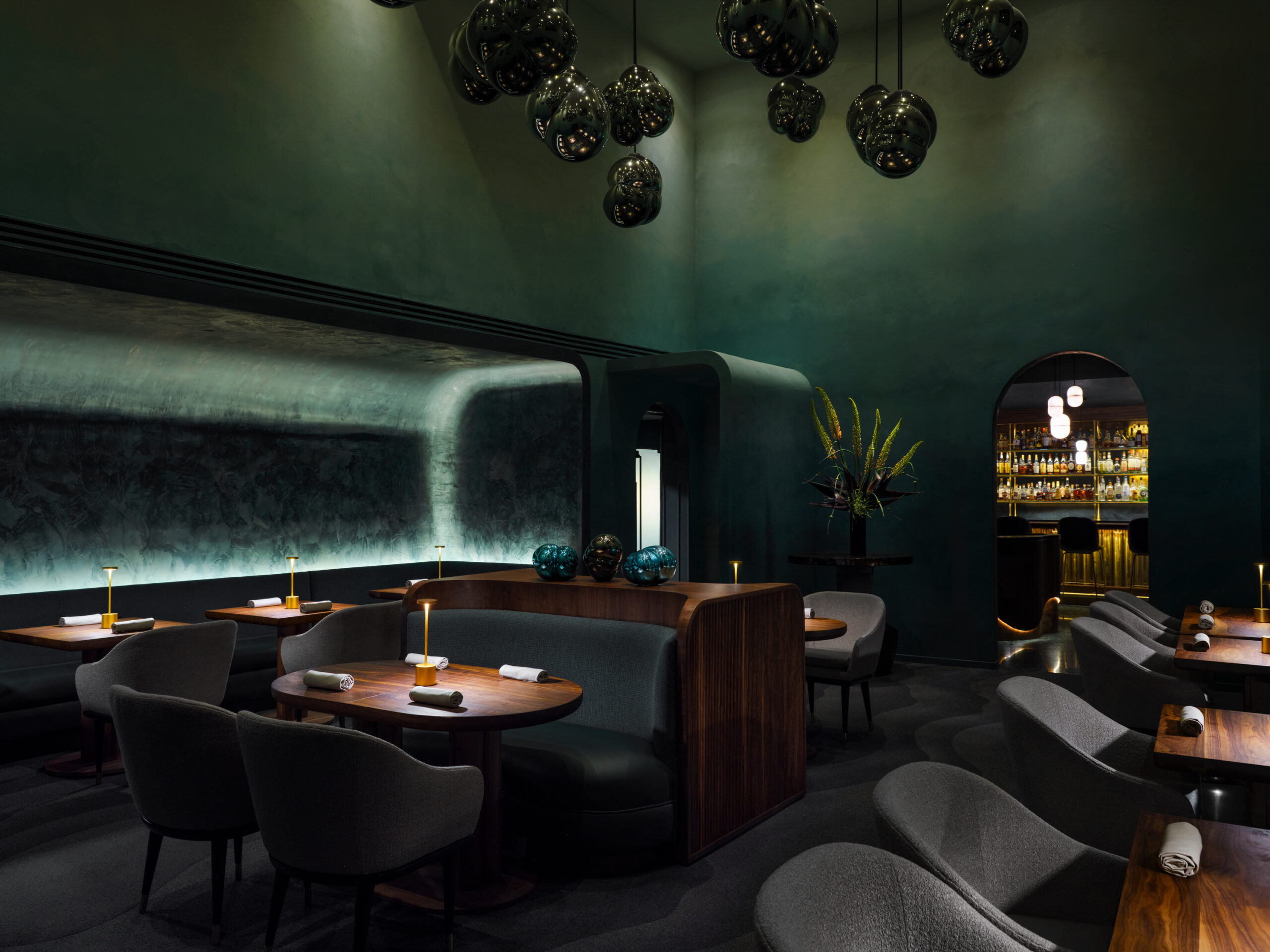
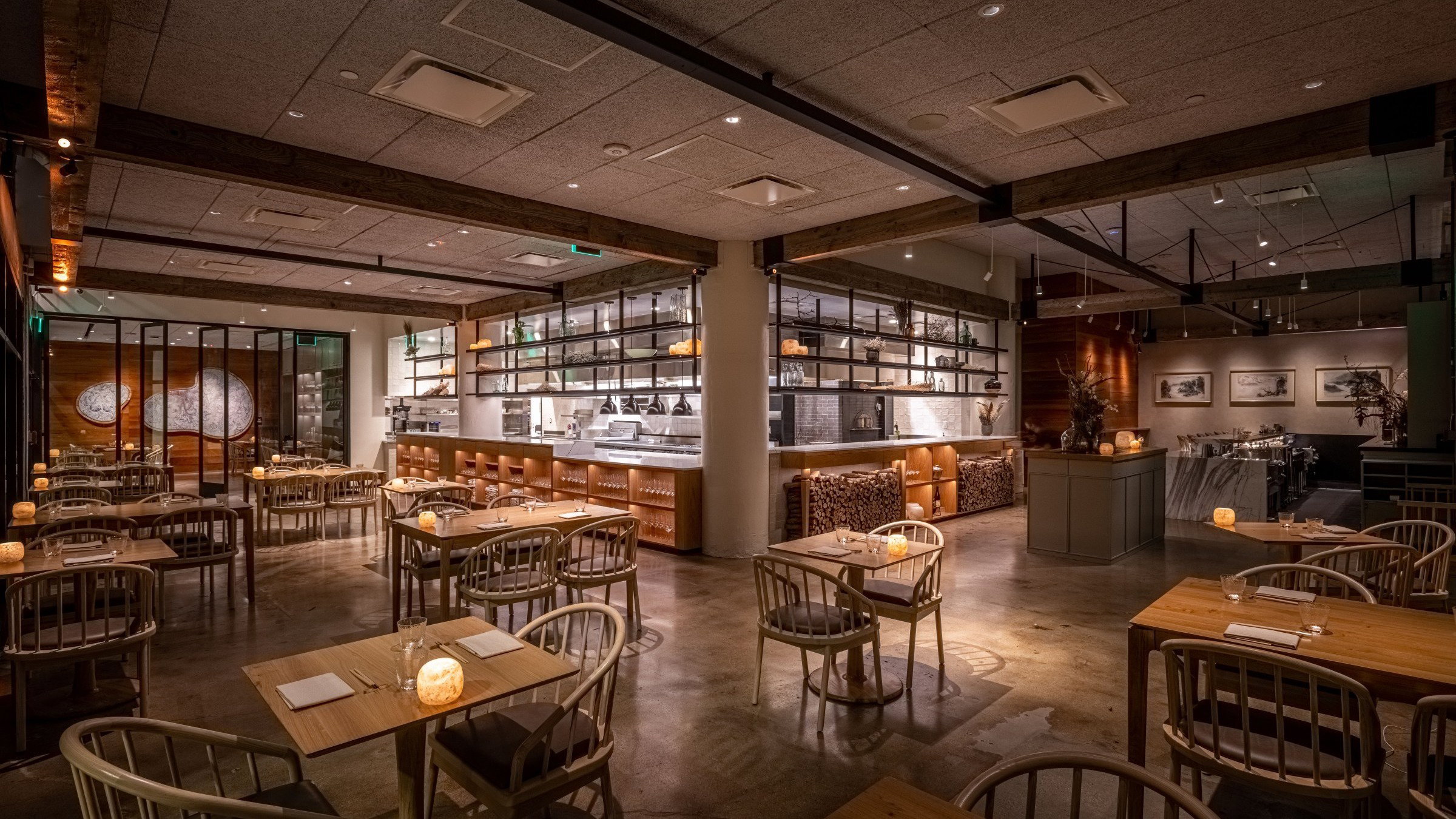
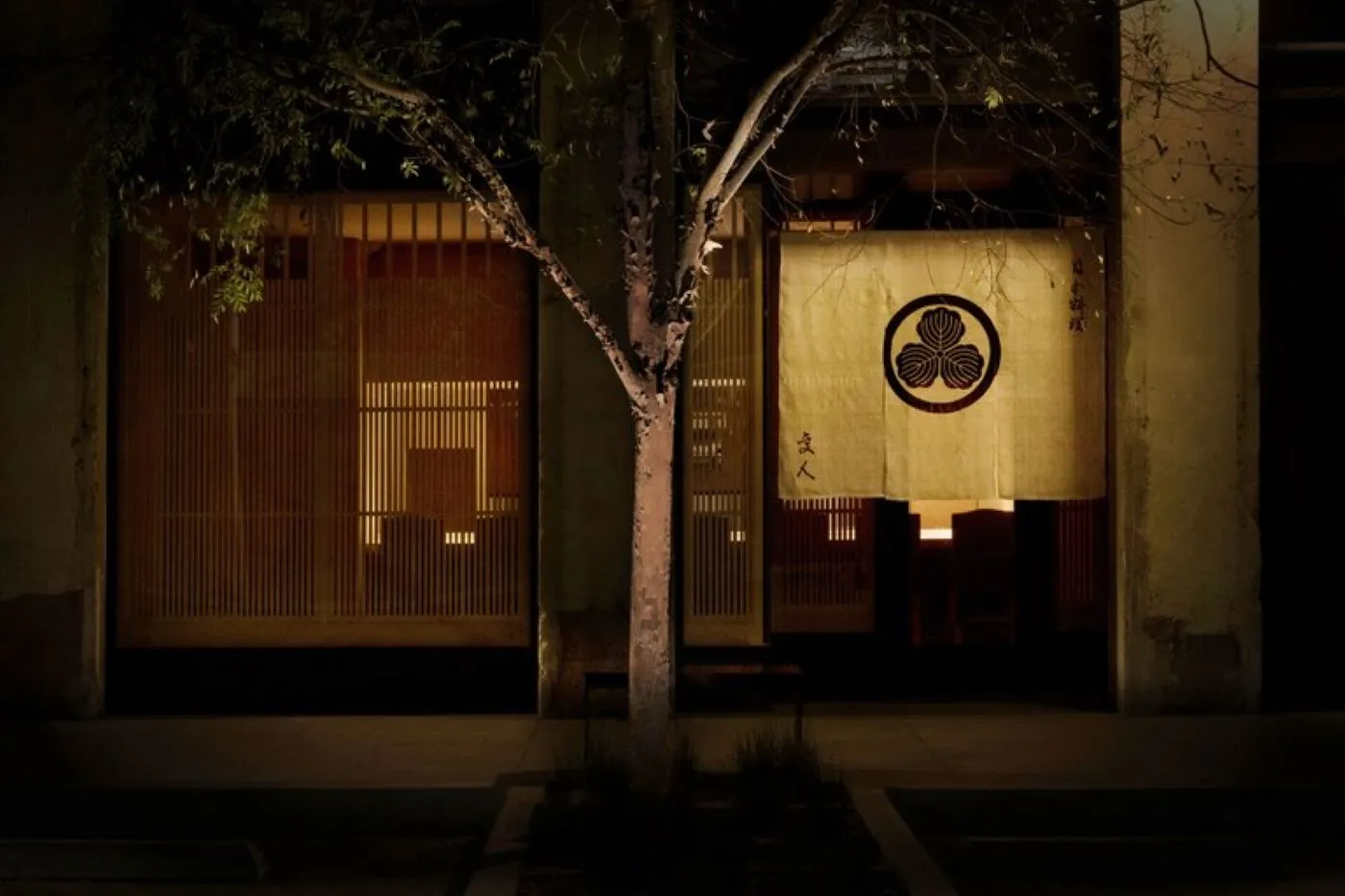
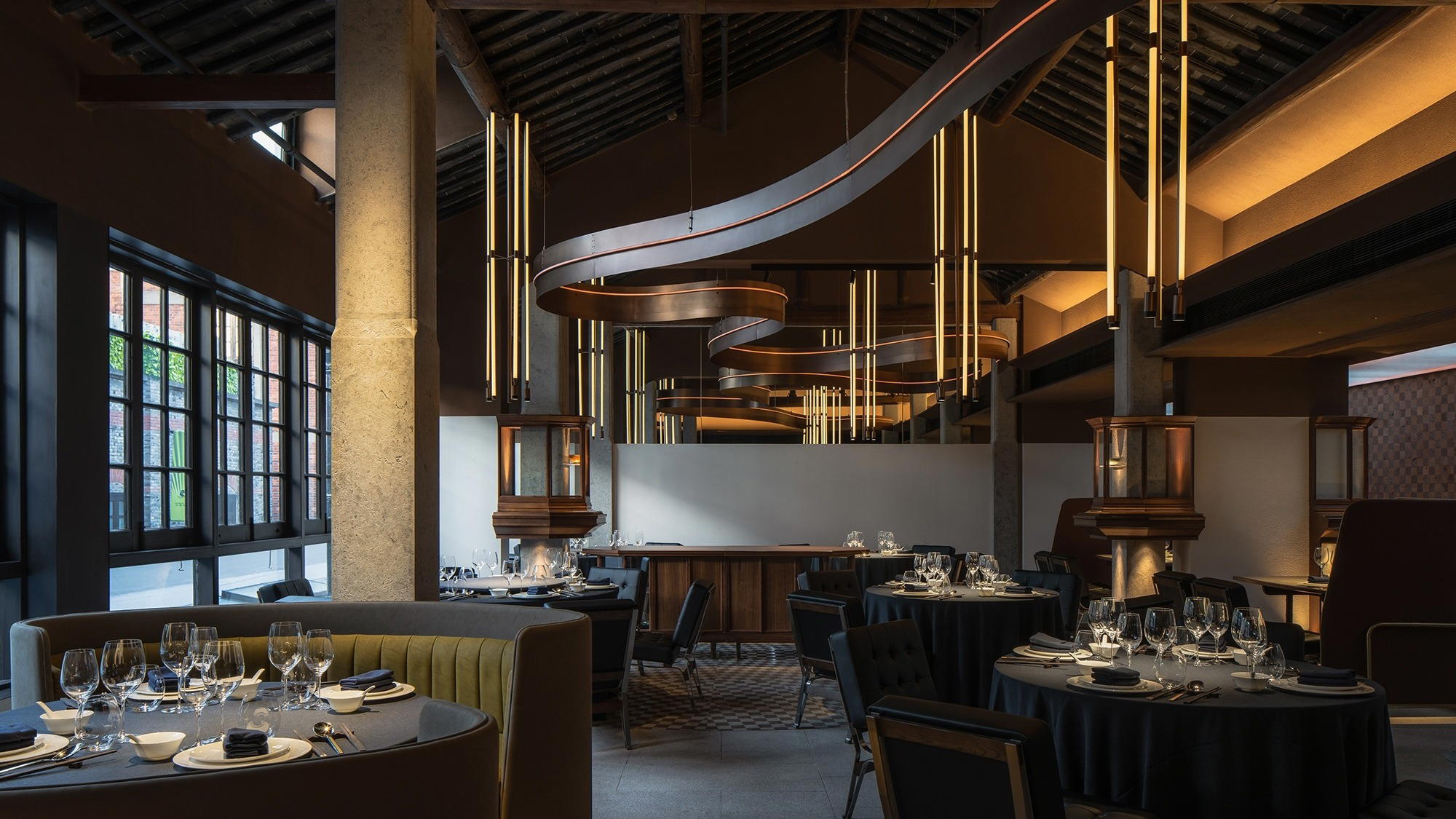
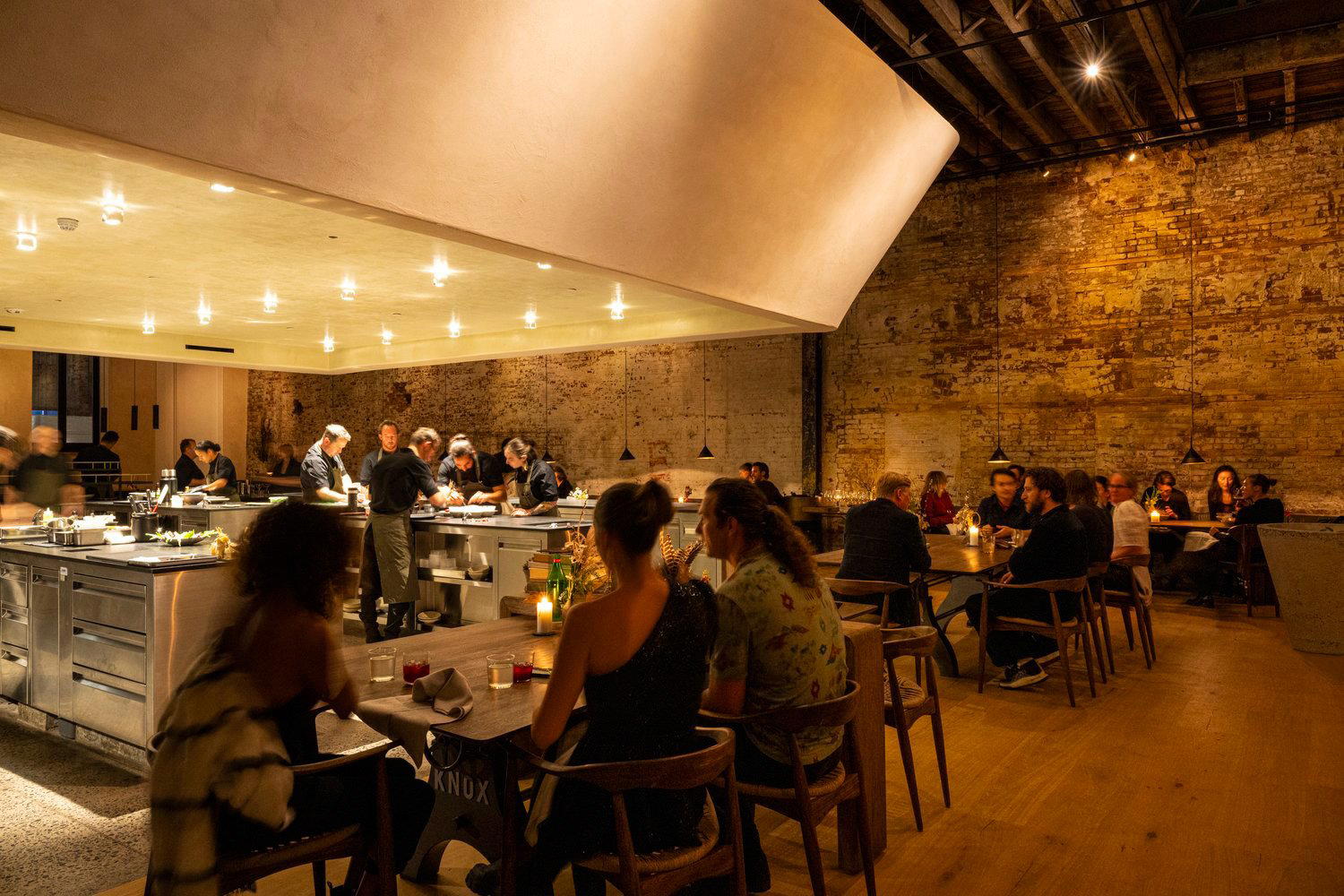
The most common assumption about kodō is that its setting is the point, a photogenic former firehouse in one of LA's most photographed dining corridors. The setting is real, but it is not the story. What matters is that the space creates the right conditions for the food: natural materials, a calm register, a patio option for outdoor dining when the weather suits. The atmosphere runs quieter and more composed than many Arts District neighbours, which makes it a better call for a conversation-first dinner than spots that lean into the room's energy as the main event. The noise level stays manageable, which at this price point is not a given in Los Angeles.
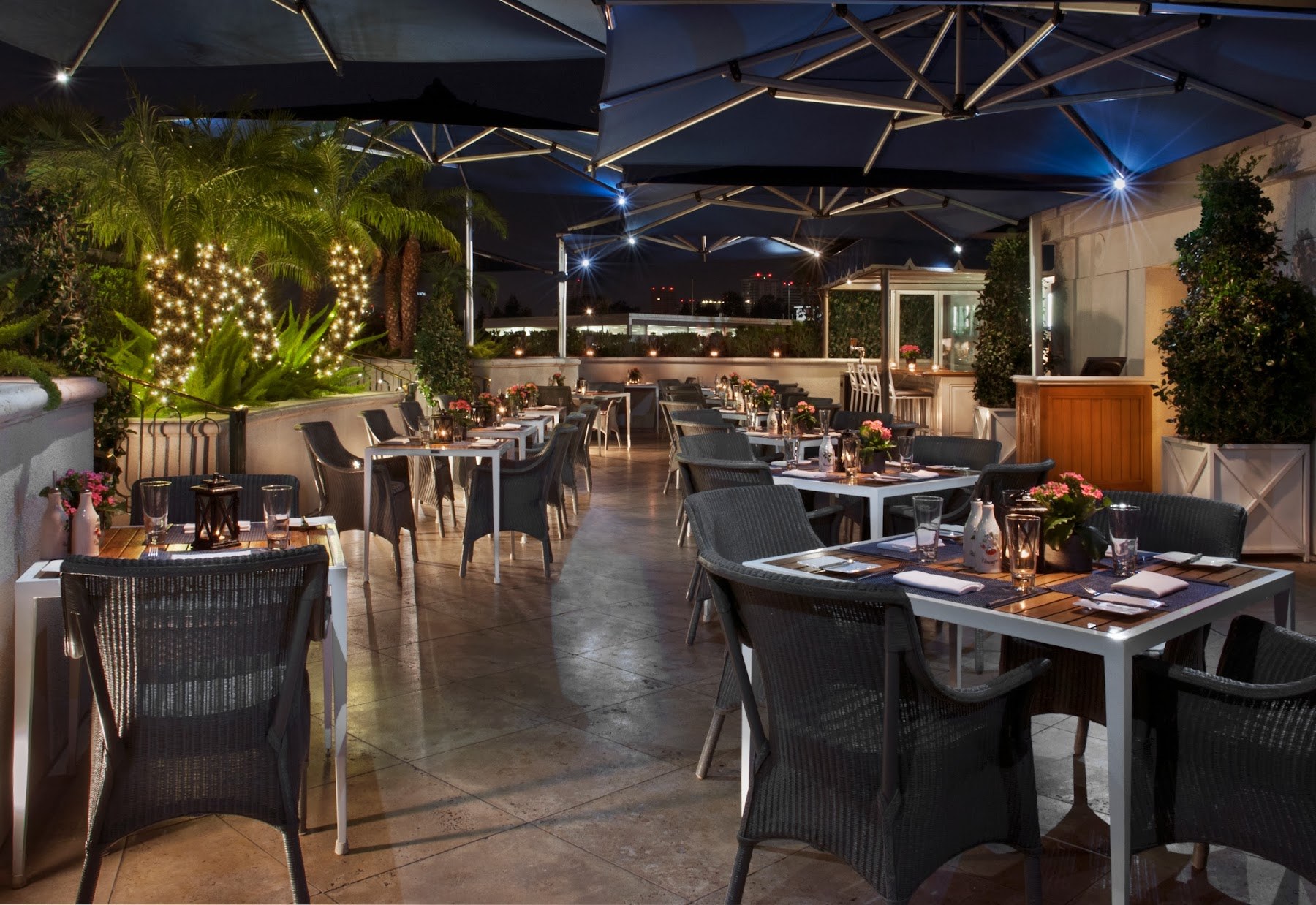
The indoor-outdoor split gives the room flexibility. The patio works well for earlier seatings; the interior holds its mood as the night progresses. Neither option feels like a downgrade. If you have been once and sat outside, come back for the indoor counter experience to compare the register, the natural materials and the understated design read differently when you are fully inside the former firehouse shell.
What to Order on Your Return
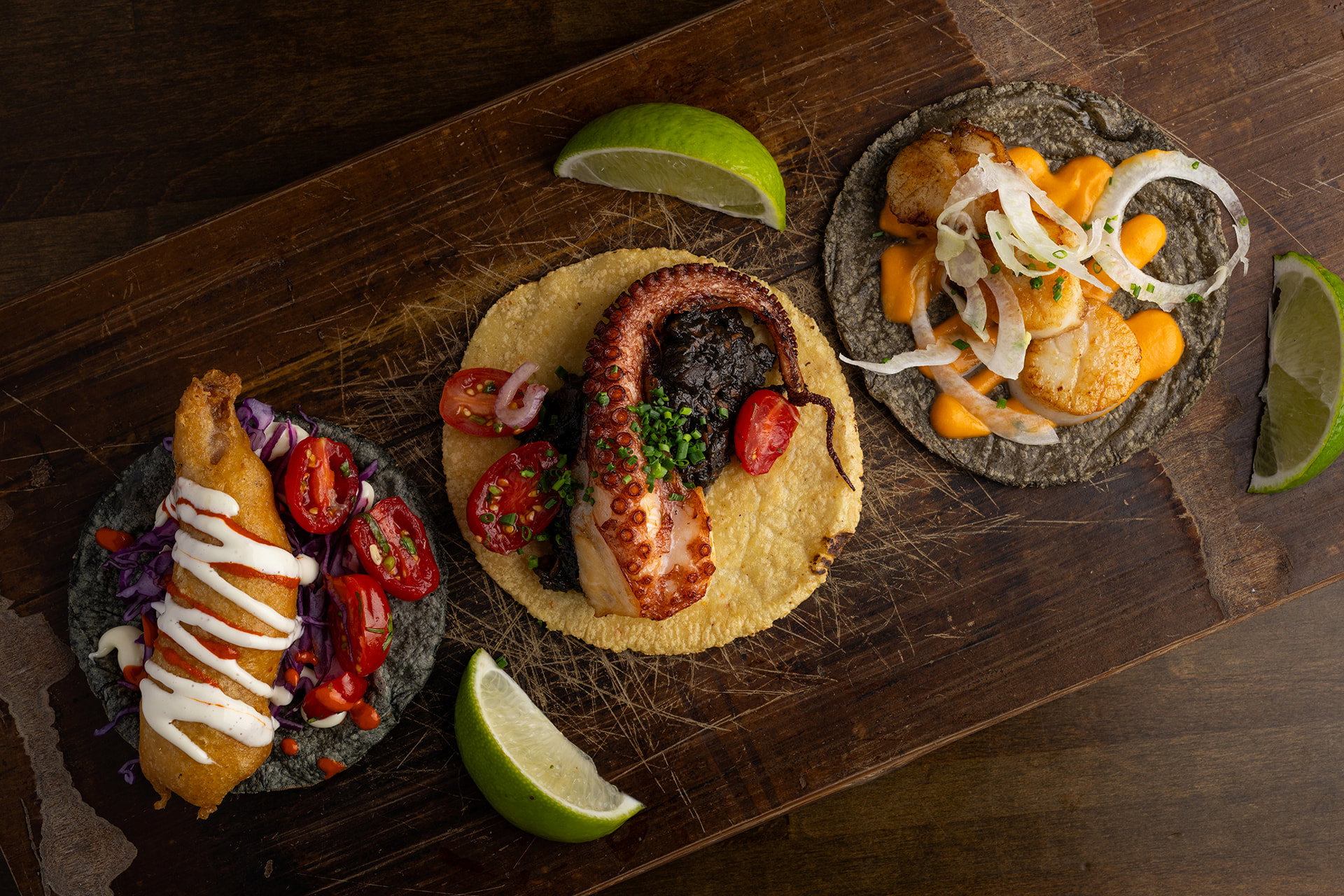
Sushi and nigiri are the anchor of a return visit. The quality is high enough that the crowd around you, and there will be a crowd, and some of them will be on their phones, will not pull your attention away from the plate. Sea bream and octopus are the specific preparations called out as precise and well-executed; start there if you have not already.
Off-menu specials are where kodō rewards repeat visitors specifically. Japanese sea snail has been noted as one of the more memorable options when available. Specials rotate, so asking the server directly on arrival is the move rather than waiting to be told. If you came on a first visit and stuck to the printed menu, you likely missed this tier of the offering.
Little neck clams in garlic and butter are worth ordering for the broth alone, a preparation that pulls from both Kyoto tradition and California coastal sensibility without forcing the point. For dessert, the cheesecake with passion fruit sauce and kinako crumble is a known quantity: it closes the meal in a direction that fits the kitchen's Japan-California register without being a novelty order.
For context on how this format compares to izakaya dining at its Japanese source, Benikurage in Osaka and Berangkat in Kyoto offer a useful benchmark for what the Kyoto-rooted dishes here are referencing.
Brunch and Weekend Format
The editorial angle here matters for planning: kodō's weekend and daytime service is the lower-competition window at a booking-hard venue. The Arts District draws a strong dinner crowd, and the Michelin Plate recognition in 2025 has tightened availability further. If a weekend lunch or brunch format is available, it is worth checking as an entry point, the off-menu specials and the seafood program still run, and the room feels different at a lower ambient energy. Confirm current weekend hours directly with the venue, as service windows are not publicly confirmed in available data.
Price and Value
At $$$$ in the Arts District, kodō sits in the same tier as Hayato and Kato but operates in a different format, izakaya-style ordering rather than a fixed tasting structure. That means your final bill is partly within your control, which is not the case at most LA venues in this price tier. Two people who order selectively can land below what a tasting menu at a comparable Michelin-recognised address would cost. Two people who work through the full menu, add specials, and drink well will spend accordingly.
For comparison against the broader LA fine dining tier: Providence offers a more structured seafood tasting at a higher fixed price; Somni and Osteria Mozza operate in different cuisine categories but similar price bands. Nationally, the izakaya format at this quality level has few direct peers, Lazy Bear in San Francisco and Smyth in Chicago are Michelin-recognised in broadly comparable experiential territory, though neither is Japanese in format. For the full picture of where kodō sits within LA dining, see our full Los Angeles restaurants guide.
Know Before You Go
- Address: 710 S Santa Fe Ave, Los Angeles, CA 90021
- Cuisine: Izakaya, Kyoto-rooted with California influence (robata, sushi, nigiri)
- Price: $$$$
- Awards: Michelin Plate (2025)
- Booking difficulty: Hard, book well in advance; Michelin recognition has tightened availability
- Seating options: Indoor and outdoor patio available
- Off-menu specials: Ask on arrival, not listed; rotate by availability
- Neighbourhood: Arts District, Los Angeles
- For more LA planning: Hotels guide | Bars guide | Experiences guide | Wineries guide
Planning details
- Location
- 710 S Santa Fe Ave, Los Angeles, CA 90021
- Reservations
- Book on Resy
- Website
- kodo.la
- Phone
- (213) 471-1932
The take
The Take
The Vibe
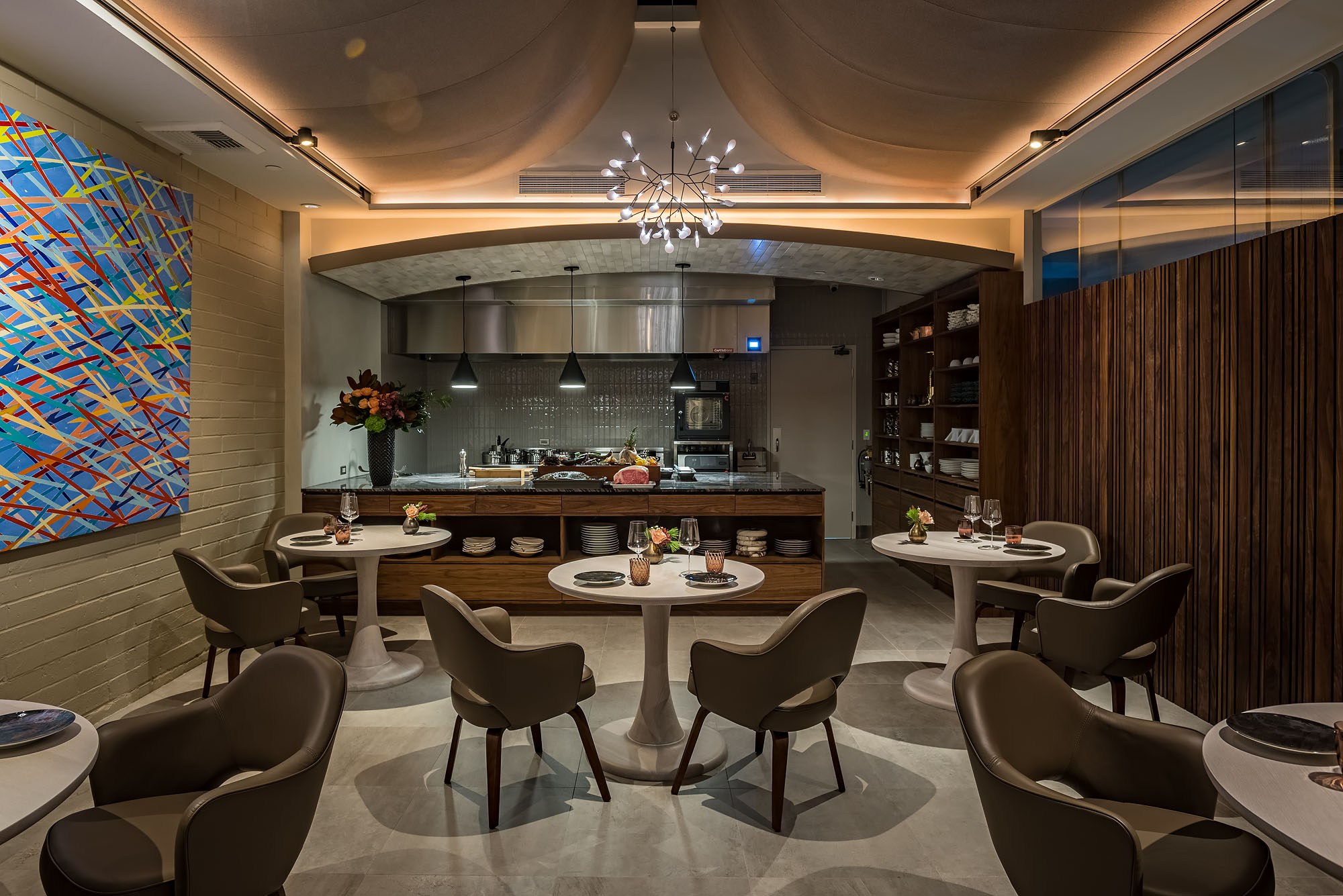
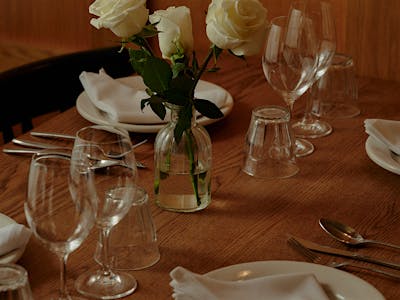
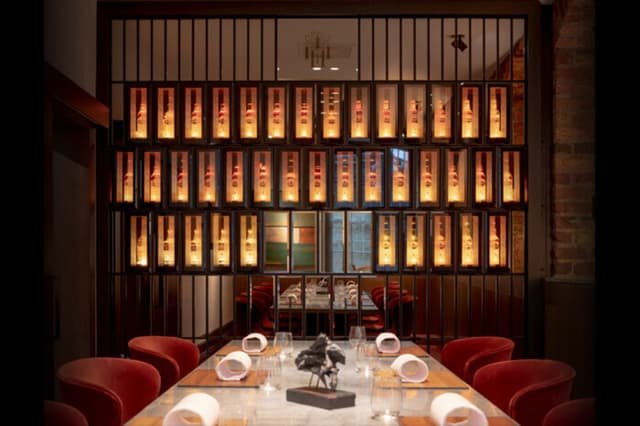
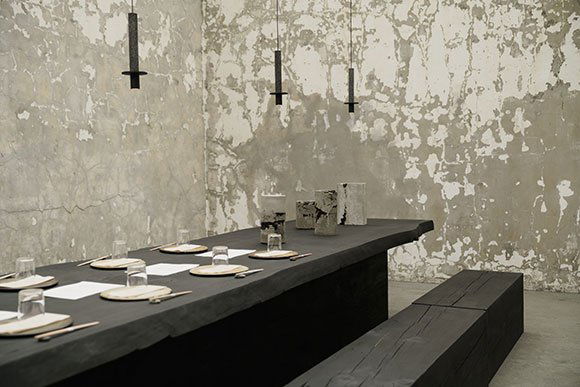
kodō occupies a converted firehouse in the Arts District and leans into the building's structural weight and high ceilings to create a calm, restrained room. Natural materials—stone, wood and intentionally aged surfaces—set a deliberate material hierarchy, while design touches (a boulder used as a desk, careful lighting) keep the focus on craft rather than spectacle. The result is a serene, quietly trendy setting where the room's industrial past still reads in the architecture even as the dining experience feels considered and composed.
Best For
This is an evening destination that fits date nights, special occasions and group dinners that appreciate sharing plates and thoughtful technique. The izakaya format rewards lingering and repeated ordering, so it suits small groups who want to graze rather than follow a strict multi-course progression. The patio offers a breezier alternative for warmer nights and open-air socializing, while the sober, design-forward interior makes it a natural pick for anyone seeking a stylish yet calm night out in the Arts District.
Ordering Tips
Approach the menu with an izakaya mindset: order multiple small plates to share and expect to return to the menu across the evening. Standouts listed in the venue's profile—the Wagyu Ribeye, Truffle Risotto, Tuna Tartare and the Omakase Platter—anchor an otherwise grazing-friendly menu. Consider starting light and adding richer items as you go, and take advantage of the outdoor patio for a more informal, open-air pace to the meal.
Venue details
Ambiance
Dark, romantic atmosphere with minimalist wabi-sabi design using natural materials like wood and stone, creating a luxurious and relaxing Zen-like setting.
Tags
Vibe
Best For
Experience
Sourcing
At the Table
- Dress Code
- Smart Casual
- Noise Level
- Conversational
- Service Style
- Upscale Casual
- Meal Pacing
- Leisurely
- Capacity
- Medium
Signature Dishes
- Wagyu Ribeye
- Truffle Risotto
- Tuna Tartare
- Omakase Platter
Know before you go
Know Before You Go
- Getting there
- 710 S Santa Fe Ave, Los Angeles, CA 90021
Planning details
Location
Recognition and awards
Also consider
Also Consider
- Kato, New Taiwanese, Asian, $$$$
- Hayato, Japanese, $$$$
- Vespertine, Progressive, Contemporary, $$$$
- Holbox, Mexican Seafood, Mexican, $$
- Sushi Kaneyoshi, Sushi, Japanese, $$$$
Restaurant context
At $$$$ and with a Michelin Plate, kodō sits in a clear tier within LA's Japanese dining options, but the format matters when comparing. Hayato is the more technically precise Japanese address at the same price tier, with a kaiseki structure that suits diners who want a fixed, chef-directed progression. kodō gives you more control over the meal: you order what you want, you can include or skip the off-menu specials, and a well-edited order will land below the fixed spend at Hayato. If the question is technical Japanese cooking in a tasting format, Hayato wins on depth. If you want flexibility, a livelier setting, and a credentialed kitchen without a fixed menu commitment, kodō is the better booking.
Sushi Kaneyoshi is the right comparison if sushi specifically is what you are after, it is a focused omakase counter with serious Michelin credentials, while kodō covers broader izakaya range. Kato operates in the same $$$$ band with comparable critical recognition but runs a New Taiwanese tasting format, a different cuisine category, though useful as a benchmark for what a similarly priced, similarly awarded LA dining experience delivers in terms of precision and progression. Of the $$$$ peers, Kato is the tighter, more chef-controlled experience; kodō is the more flexible, group-friendly option.
Holbox at $$ is a different conversation entirely, Mexican seafood, lower price point, easier to book, but worth naming for diners whose priority is seafood quality relative to spend. If the $$$$ commitment at kodō feels like a stretch and seafood is the draw, Holbox delivers serious quality at roughly half the price. Vespertine is the outlier in this set: a progressive, contemporary format with an immersive concept that operates in a completely different register. It is not a substitute for kodō but is worth knowing about if the Arts District's experiential dining range is what you are mapping.
Around this place
Discover more on Pearl
Unlock the full kodō guide in Pearl, including awards, comparisons, FAQs, planning details, and nearby places.
Compare kodō
| Venue | Awards | Price |
|---|---|---|
| kodō | Michelin Plate 20262026 Michelin Plate2025 Michelin Plate2024 Michelin Plate | $$$$ |
| Kato | 2026 OAD Top Restaurants in North America Ranked · #302026 North America's 50 Best Restaurants · #49Star Wine Lists 20262026 James Beard Award Semifinalists2026 James Beard Award Nominees2026 James Beard Award Winners2026 Chinese Restaurant Awards — Elite 12 United States Top 20 Honourees2026 Wine Spectator Best of Award of Excellence2026 Michelin 2 Stars | $$$$ |
| Hayato | 2026 Food & Wine Top 10 US Restaurants · #62026 OAD Top Restaurants in North America Ranked · #132026 Michelin 2 Stars2026 La Liste Top Restaurants2025 LA Times 101 Best Restaurants · #52025 OAD Top Restaurants in North America Ranked · #102025 The Best Chef One Knife2025 La Liste Top Restaurants2025 Michelin 2 Stars | $$$$ |
| Vespertine | 2026 OAD Top Restaurants in North America Ranked · #932026 Michelin 2 Stars2026 La Liste Top Restaurants2025 LA Times 101 Best Restaurants · #332025 Robb Report 100 Greatest American Restaurants of the 21st Century · #712025 OAD Top Restaurants in North America Ranked · #982025 The Best Chef Two Knives2025 La Liste Top Restaurants2025 Michelin 2 Stars | $$$$ |
| Holbox | 2026 North America's 50 Best Restaurants · #262026 OAD Top Restaurants in North America Ranked · #532026 James Beard Award Nominees2026 James Beard Award Semifinalists2026 Michelin 1 Star2025 LA Taco Best Tacos in LA · #22025 World's 50 North America's Best Restaurants · #422025 OAD Top Restaurants in North America Ranked · #432025 James Beard Award Semifinalists | $$ |
| Sushi Kaneyoshi | 2026 OAD Top Restaurants in North America Ranked · #1032026 Michelin 1 Star2025 LA Times 101 Best Restaurants · #242025 OAD Top Restaurants in North America Ranked · #782025 Michelin 1 Star2024 LA Times 101 Best Restaurants · #322024 OAD Top Restaurants in North America Ranked · #882024 Michelin 1 Star2023 OAD Top Restaurants in North America Ranked · #69 | $$$$ |
















What to weigh when choosing between kodō and alternatives.
FAQ
Frequently Asked Questions
What are alternatives to kodō in Los Angeles?
Hayato is the closest in prestige — a Michelin-starred kaiseki that costs more and requires more advance planning, but delivers a tighter, more formal Japanese experience. Sushi Kaneyoshi is the call if nigiri is your sole focus. Kato offers a more chef-driven tasting format at a similar price tier. kodō sits between those poles: izakaya-style flexibility at $$$$ pricing, with Michelin Plate recognition to back the quality.
How far ahead should I book kodō?
Plan at minimum two to three weeks out for a Friday or Saturday table, more if your date is fixed. The Arts District draws consistent foot traffic and kodō's Michelin Plate (2025) has raised its profile further. Weekend daytime service tends to be the lower-competition window if your schedule allows flexibility.
Is kodō worth the price?
At $$$$, kodō is priced at the top of the Arts District market, but it operates izakaya-style rather than as a set-menu omakase, which means the bill scales with what you order. The sushi and nigiri quality, Michelin Plate recognition, and off-menu specials like Japanese sea snail justify the tier if you eat broadly from the menu. If you order conservatively, the value case weakens compared to a format like Hayato where the price is fixed and the experience is structured around it.
Is kodō good for a special occasion?
Yes, with the right expectations. The former firehouse setting, patio option, and Kyoto-California menu with Michelin Plate standing make it a credible special-occasion choice in LA. It works better for a birthday dinner or anniversary where you want an impressive room and strong food than for milestone celebrations that require a private space or orchestrated tasting format — Hayato or Vespertine serve that need more deliberately.