
Zum Ochsen
Seasonal Cuisine · Kernen im Remstal
Restaurant in Kernen im Remstal, Germany
 Book with Pearl
The Read
Butcher-Rooted Swabian Seasonal
Price
€€
Dress
Smart Casual
Why go
A 300-year-old Swabian restaurant in Kernen im Remstal earning a Michelin Plate (2024) and at the €€ price point. The kitchen follows the seasons, leans on regional sourcing, runs its own butcher's shop on site. Book the set menu on your first visit; come back for à la carte as the seasons shift.
About Zum Ochsen
Verdict: A Genuine Return-Visit Restaurant
Zum Ochsen earns a confident recommendation, particularly if you are exploring the Remstal wine country and want a kitchen that takes Swabian tradition seriously without freezing it in amber. Book it for your first night in Kernen im Remstal, then plan to come back.
Portrait
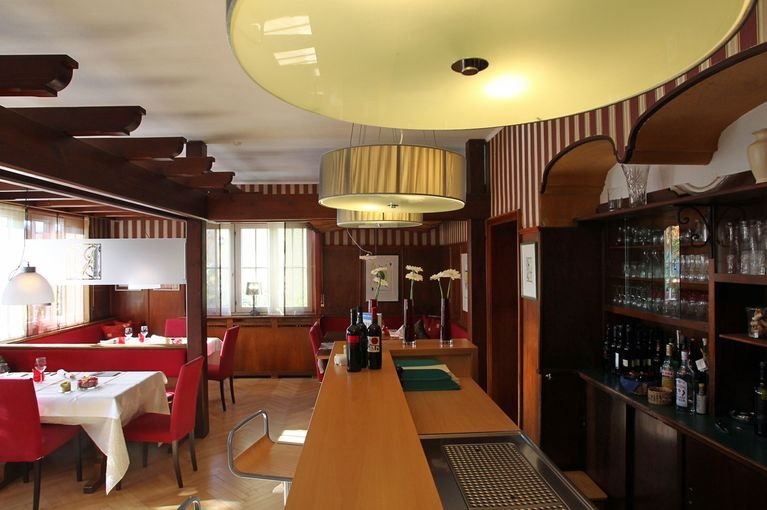
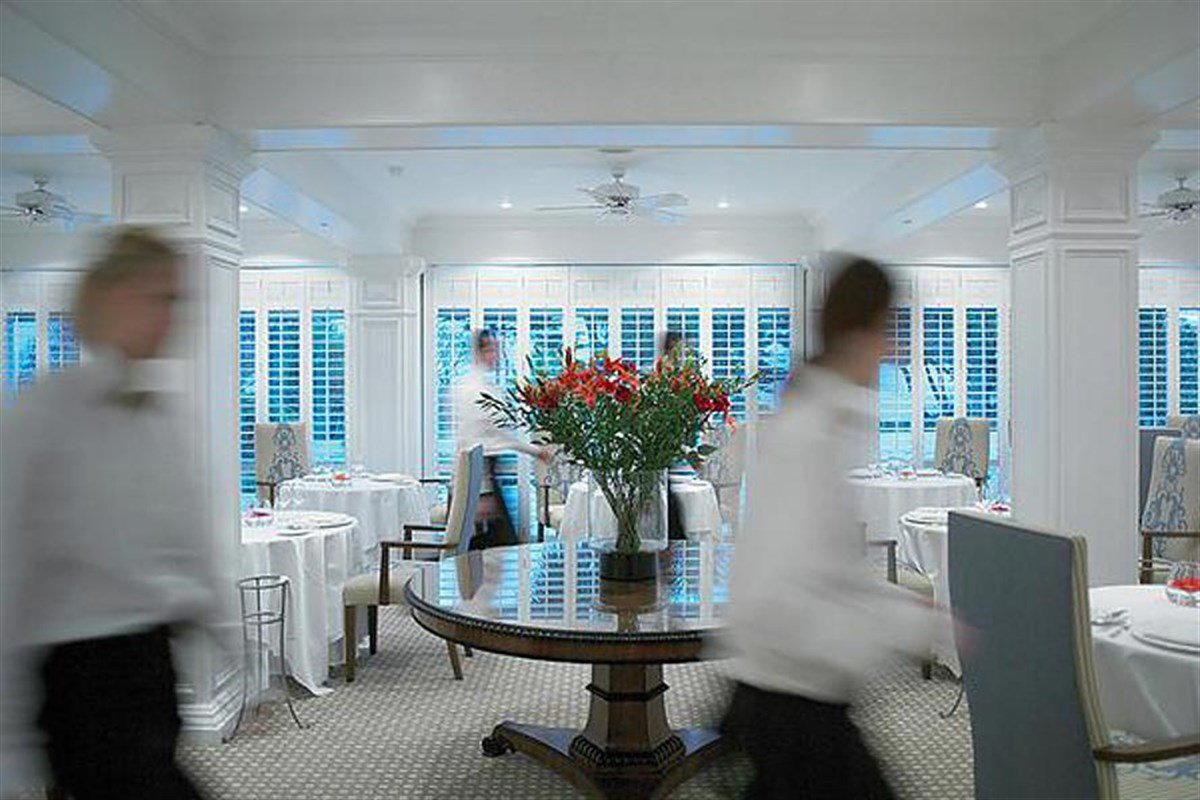
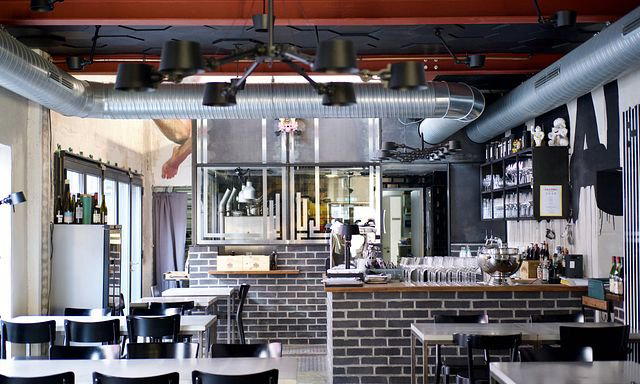
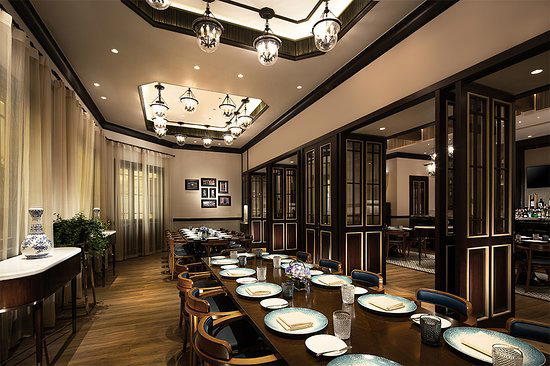
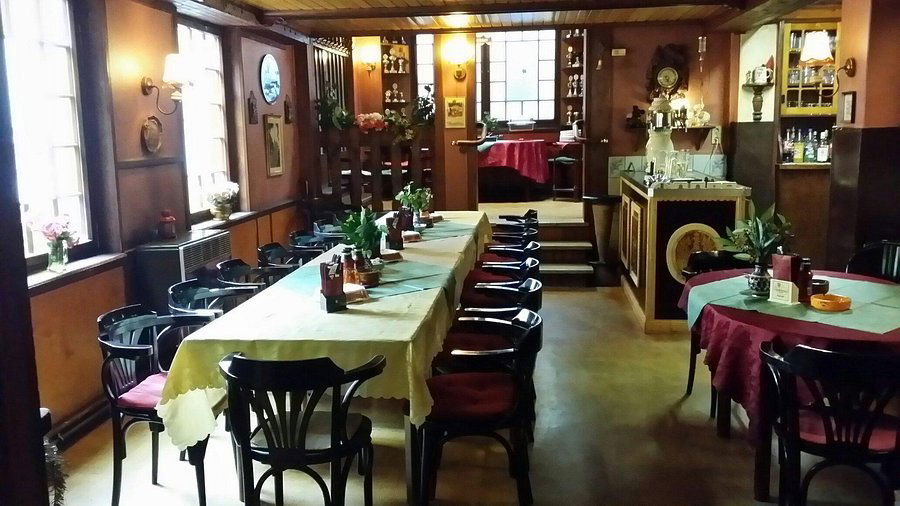
The visual first impression at Zum Ochsen is one of considered continuity. A building that has stood for three centuries could easily tip into museum-piece territory, but the interior here has been updated to sit beside the food rather than contradict it. The plates arrive with obvious care for presentation, the room reads as a working restaurant rather than a heritage attraction. That balance matters: it tells you the kitchen is focused on what is on the plate, not on the story hanging on the walls.
What you are eating is Swabian cuisine that follows the seasons and absorbs international technique without losing its regional identity. The emphasis throughout is on local sourcing, the butcher's shop operating within the property is not a marketing detail but a structural commitment: it means the meat and sausage products you eat here are made on site, giving the kitchen direct control over quality and provenance from an early stage in the process. For a food-focused traveller, that is worth paying attention to.
On a first visit, the three- or four-course set menu is the right call. It gives you a structured read of what the kitchen does across the full arc of a meal, at this price tier it represents a lower-commitment entry point than the set menus at the €€€€ restaurants elsewhere in Germany. The à la carte option is there if you prefer to pick your way through, but the menu format is how you get the clearest picture of the kitchen's current direction.
On a second visit, the case for à la carte strengthens. By that point you have a sense of which direction the kitchen leans, you can make more targeted choices based on what is in season. Swabian cuisine at its most grounded means dishes built around what the region is producing right now, which means the menu shifts through the year. A spring visit and an autumn visit to Zum Ochsen will not look identical. That seasonal responsiveness is a reason to return rather than a reason to hesitate about booking.
A third visit is where the regulars live. The Michelin Plate citation notes the volume of returning guests, that is not an accident. A restaurant that has been operating for 300 years in a small town like Kernen im Remstal survives through repeat custom, the kitchen clearly earns it. By a third visit, you can move across the menu with confidence, use the à la carte to explore less obvious choices, treat it as a dependable anchor for the area rather than a destination to be ticked off.
The multi-visit strategy also applies to the broader context of Kernen im Remstal. The Remstal is a wine region, Zum Ochsen sits within that ecosystem. If you are spending time exploring the area, see our full Kernen im Remstal wineries guide alongside this restaurant. The combination of regional wine and a kitchen rooted in local produce makes for a coherent trip rather than a series of disconnected stops. You can also find accommodation and activity options in our Kernen im Remstal hotels guide and experiences guide.
For a direct local comparison, Malathounis offers a Mediterranean alternative in the same town if you want variety across a longer stay. See our full Kernen im Remstal restaurants guide for the complete picture, the bars guide if you want to extend the evening.
Ratings at a Glance
- Awards: Michelin Plate (2024)
- Price tier: €€
Booking
Booking difficulty is low. Zum Ochsen does not require weeks of advance planning in the way that high-demand tasting-menu restaurants do. That said, it is a local institution with a loyal regular clientele, so booking ahead for weekend evenings is sensible. For weekday lunches or early dinners, shorter notice is typically fine. The set menu format; three or four courses; means service runs at a manageable pace, the kitchen is not operating in the high-pressure omakase or counter-only formats that create bottlenecks elsewhere.
Quick reference:
How It Compares
See the full comparison section below.
Related Restaurants Worth Knowing
- JAN in Munich, for a contemporary German reference point at a higher price tier
- Mesnerhaus in Mauterndorf, seasonal cuisine with a comparable regional-sourcing philosophy
- The First in Blankenhain, another seasonal cuisine operator worth tracking
- ES:SENZ in Grassau, seasonal precision at a higher spend level
- Schanz in Piesport, wine-region dining with strong credentials
- Waldhotel Sonnora in Dreis, if you are building a longer German fine-dining itinerary
- Victor's Fine Dining by Christian Bau in Perl, top-tier reference for the broader German dining conversation
- The Table Kevin Fehling in Hamburg, for a major-city contrast
FAQ
Is the tasting menu worth it at Zum Ochsen?
- Yes, at the €€ price point the three- or four-course set menu is a fair deal for Michelin Plate-recognised cooking with a genuine seasonal focus and in-house butchery. It is not in the same spend bracket as Germany's starred restaurants, which means the value calculation is direct: you are getting documented quality at an accessible price. First-time visitors should default to the set menu over à la carte to get the full picture of what the kitchen produces.
What are alternatives to Zum Ochsen in Kernen im Remstal?
- Malathounis is the main local alternative, offering Mediterranean cuisine in the same town. For higher-end options in the broader German context, Schwarzwaldstube in Baiersbronn (€€€€, French classic) or Vendôme in Bergisch Gladbach (€€€€, modern European) represent the best of the category but at a significantly higher cost and booking difficulty. If you want to stay at the €€ tier in Kernen im Remstal, Zum Ochsen is the strongest documented option.
Does Zum Ochsen handle dietary restrictions?
- No specific dietary information is available in the public record. Given the set menu format alongside à la carte, there is flexibility in how you order, but contact the restaurant directly before your visit if you have specific requirements. A kitchen that runs its own butcher's shop and emphasises regional meat products may have limited options for non-meat eaters, so it is worth confirming in advance.
Can Zum Ochsen accommodate groups?
- No confirmed group booking information is available. As a long-established local restaurant with a loyal regular base, it is reasonable to expect some capacity for group dining, but seat count is not confirmed in the available data. Contact the restaurant directly for groups of six or more. The set menu format works well for groups who want a streamlined service experience without navigating a long à la carte list.
Is Zum Ochsen good for solo dining?
- Yes, with a caveat. The €€ price point and relaxed booking difficulty make it a low-friction solo stop, the à la carte format lets a solo diner self-edit the meal length and cost. A restaurant with 300 years of local custom tends to run a room that accommodates single covers without making them feel like an afterthought. That said, no counter seating or bar dining is confirmed in the available data, so if you prefer bar-side solo dining, verify the setup before arriving.
Is Zum Ochsen good for a special occasion?
- It works well for a low-key celebration, particularly for guests who value food quality and regional authenticity over formal ceremony. At €€, it will not feel as event-like as a starred restaurant, but that is also why it suits occasions where you want a great meal without the full production of a fine-dining tasting experience. For a milestone dinner where the food matters more than the ritual, this is a well-supported choice in the region.
Planning details
- Location
- Kirchstraße 15, 71394 Kernen im Remstal, Germany
- Website
- ochsen-kernen.de
- Phone
- +49 7151 94360
The take
The Take
The Vibe
Zum Ochsen sits in a stone-fronted row on Kirchstraße and reads as a living piece of local history. The house has served the Remstal valley for three centuries, and the restaurant foregrounds that continuity: food feels like an extension of place, rooted in Swabian technique and seasonal produce. Service and surroundings are quietly confident rather than showy, and the Michelin Plate nod frames the kitchen as reliably skilled without extravagant reinvention. The result is a warm, historically grounded spot where traditional recipes are treated with care and local identity is central to the experience.
Best For
Zum Ochsen is best for gatherings that value tradition and regional character. It naturally suits celebrations and family events—its role in marking weddings and harvests is part of the restaurant’s DNA—and it also works for business dinners where regional cooking and dependable execution matter. The kitchen’s focus on seasonal Swabian staples makes it a good pick when you want straightforward, well-made dishes that reflect local agriculture rather than a modern tasting-menu flourish.
Ordering Tips
Lean into the classics: the house-special Maultaschen Ochsen, Zwiebelrostbraten and Wiener Schnitzel showcase the restaurant’s relationship to Swabian tradition. The menu prizes seasonal, locally sourced ingredients, so ask the staff what’s freshest or which vegetables and sides reflect the current harvest. The Michelin Plate recognition signals consistent technique and sourcing—favor the time-honored preparations on the menu rather than chasing contemporary reinterpretations that aren’t the venue’s focus.
Venue details
Ambiance
Timbered warmth blended with modern lines, creating a gemütlich yet polished atmosphere.
Tags
Vibe
Best For
Experience
Sourcing
At the Table
- Dress Code
- Smart Casual
- Noise Level
- Conversational
- Service Style
- Upscale Casual
- Meal Pacing
- Leisurely
- Capacity
- Medium
Signature Dishes
- Zwiebelrostbraten
- Maultaschen Ochsen
- Wiener Schnitzel
Planning details
Location
Recognition and awards
Also consider
Also Consider
- Schwarzwaldstube; French, Classic French, €€€€
- Aqua; Contemporary German, Italian/Japanese, Creative, €€€€
- Vendôme; Modern European, Creative, €€€€
- CODA Dessert Dining; Creative, €€€€
- Tantris; Modern French, French Contemporary, €€€€
Restaurant context
Zum Ochsen sits at a fundamentally different price tier from most of the recognised names in German restaurant culture. Where Schwarzwaldstube in Baiersbronn, Aqua in Wolfsburg, Vendôme in Bergisch Gladbach, CODA Dessert Dining in Berlin, and Tantris all operate at €€€€ with the booking difficulty and formal expectations that come with that bracket, Zum Ochsen delivers Michelin Plate-recognised cooking at €€ with easy booking. If your question is where to eat well in the Remstal without committing to a multi-hundred-euro evening, this is the answer.
For diners choosing between Zum Ochsen and one of the €€€€ options listed above, the honest comparison is this: you are trading ceremony and depth of tasting-menu ambition for accessibility, regional authenticity, value. Schwarzwaldstube or Vendôme will deliver a more technically elaborate experience with greater service formality. Zum Ochsen will deliver a better read of what Swabian cooking actually looks like when it is done with care and consistency. They are solving different problems. If your trip is centred on the Remstal specifically and you want cooking that is rooted in the place you are visiting, Zum Ochsen is the more coherent choice.
Within Kernen im Remstal itself, Malathounis is the main local alternative, offering Mediterranean cuisine at a different register. For a two-restaurant stay in the area, the combination of Zum Ochsen for regional Swabian cooking and Malathounis for variety covers the local options well. See the full Kernen im Remstal restaurants guide for the complete current listing.
Explore Kernen im Remstal
Around this place
Discover more on Pearl
Unlock the full Zum Ochsen guide in Pearl, including awards, comparisons, FAQs, planning details, and nearby places.
Compare Zum Ochsen
| Venue | Price | Awards |
|---|---|---|
| Zum Ochsen | €€ | Michelin Guide Germany 20262026 Michelin Plate2025 Michelin Plate2024 Michelin Plate |
| Schwarzwaldstube | €€€€ | 2026 OAD Classical in Europe Ranked · #9Michelin Guide Germany 20262026 Les Grandes Tables du Monde Members2026 La Liste Top Restaurants2025 OAD Classical in Europe Ranked · #82025 La Liste Top Restaurants2025 Michelin 3 Stars2024 OAD Classical in Europe Ranked · #82024 Michelin 3 Stars |
| Aqua | €€€€ | 2026 OAD Top Restaurants in Asia Recommended2026 Les Grandes Tables du Monde Members2026 La Liste Top RestaurantsWe're Smart World Top Restaurants 20252025 La Liste Top Restaurants2025 The Best Chef Two Knives2025 Michelin 3 Stars2024 Michelin 3 Stars2015 World's 50 Best Restaurants · #33 |
| Vendôme | €€€€ | 2026 OAD Top Restaurants in Europe Ranked · #84Michelin Guide Germany 20262026 La Liste Top Restaurants2025 OAD Top Restaurants in Europe Ranked · #542025 La Liste Top Restaurants2025 Michelin 2 Stars2024 OAD Top Restaurants in Europe Ranked · #472024 Michelin 2 Stars2023 OAD Top New Restaurants in Europe Ranked · #46 |
| CODA Dessert Dining | €€€€ | Michelin Guide Germany 20262026 Michelin 2 StarsStar Wine Lists 20262026 Falstaff Restaurant Guide2026 OAD Top Restaurants in Europe Recommended2026 La Liste Top RestaurantsGermany's Best Restaurant 2025 · #12025 World's 50 Best Restaurants · #792025 OAD Top Restaurants in Europe Ranked · #261 |
| Tantris | €€€€ | Star Wine Lists 2026 · #12026 OAD Classical in Europe Ranked · #502026 OAD Top Restaurants in Europe Ranked · #61Michelin Guide Germany 20262026 Les Grandes Tables du Monde Members2026 La Liste Top Restaurants2025 OAD Classical in Europe Ranked · #672025 World's 50 Best Restaurants · #732025 OAD Top Restaurants in Europe Ranked · #74 |
.png?width=1200&quality=80)












A quick look at how Zum Ochsen measures up.
FAQ
Frequently Asked Questions
Is the tasting menu worth it at Zum Ochsen?
At the €€ price point, the three- or four-course set menu is a solid choice. Zum Ochsen holds a Michelin Plate (2024), which recognises good cooking at this level, the kitchen draws on its own on-site butchery for meat and sausage courses; that's a genuine differentiator from most regional competitors. If you want maximum value from a single visit, the set menu is the smarter order over à la carte.
What are alternatives to Zum Ochsen in Kernen im Remstal?
Kernen im Remstal is a small town, so meaningful alternatives are mostly in the wider Remstal or Stuttgart area. Zum Ochsen's combination of Michelin recognition, house butchery, mid-range pricing (€€) is difficult to match locally at the same value tier. If you're willing to travel further into Baden-Württemberg, higher-rated restaurants exist, but they operate at significantly higher price points and in a different format.
Can Zum Ochsen accommodate groups?
A 300-year-old restaurant with a loyal regular clientele typically has the infrastructure for group bookings, the availability of both à la carte and set menus gives groups a practical ordering framework. For larger parties, booking ahead with notice of group size is advisable; Zum Ochsen does not appear to require weeks of lead time, but group reservations benefit from earlier contact.
Is Zum Ochsen good for solo dining?
Yes. The Michelin Plate-recognised kitchen and €€ pricing make it a low-risk solo lunch or dinner, the set menu format works well for a single diner who wants a structured meal without over-ordering. Zum Ochsen's reputation as a regulars' restaurant suggests a comfortable, unpretentious atmosphere that does not disadvantage solo guests.
Is Zum Ochsen good for a special occasion?
It works for a low-key celebration; Michelin Plate recognition and three centuries of operation give it credibility, the four-course set menu provides enough structure for a considered meal. It is not a high-drama destination with elaborate tasting menus or theatrical service; if the occasion calls for that level of formality, you would need to look at higher-tier restaurants in the Stuttgart region. For a meaningful but relaxed dinner, Zum Ochsen is a sound choice at the €€ price range.