
Restaurant in تهران, Iran
Kenzo (كنزو)
100ptsNorthern Tehran Contemporary
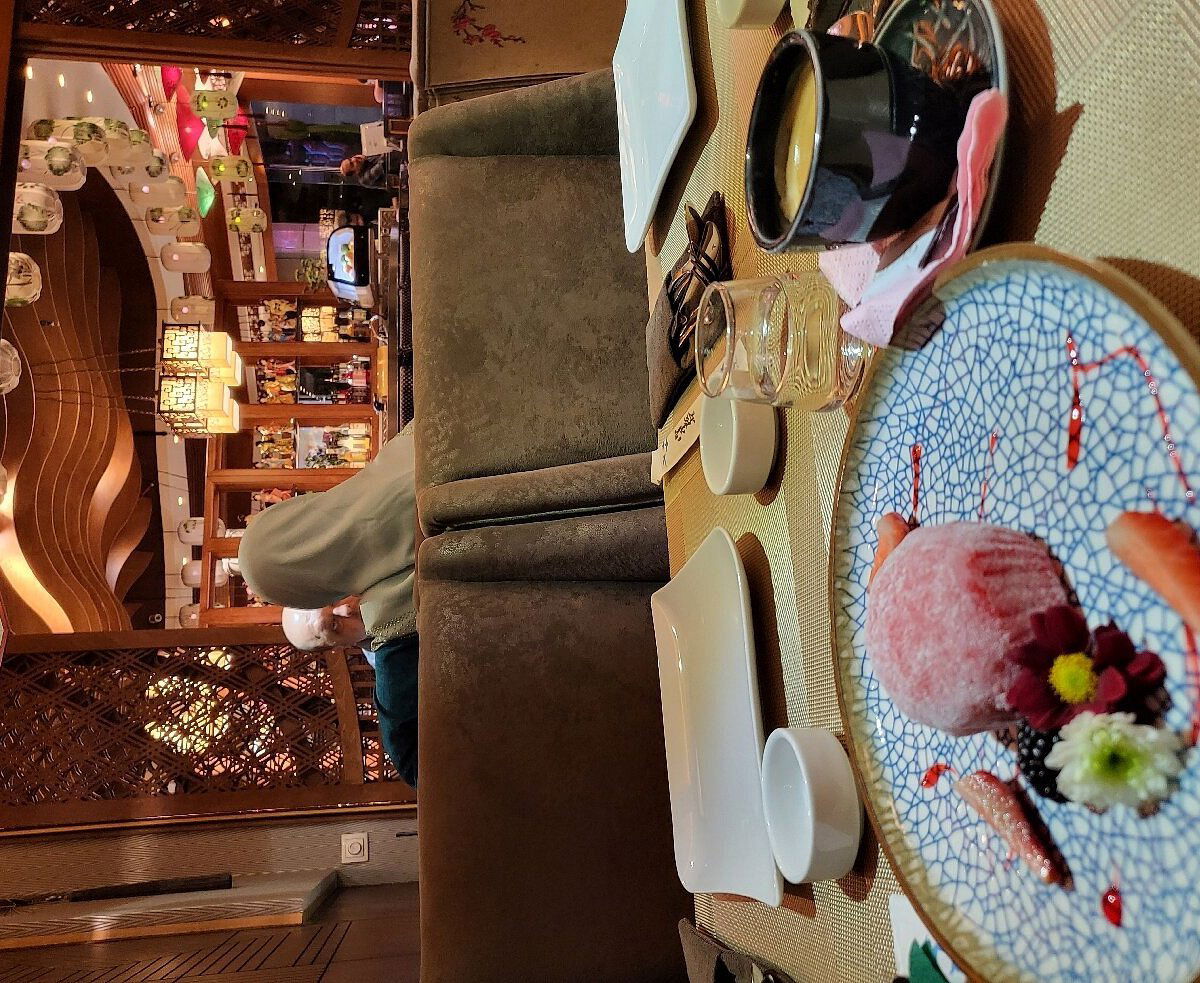
About Kenzo (كنزو)
Located on Khoddami Street near Vanak Square, Kenzo sits in one of Tehran's more commercially active dining corridors, where the city's appetite for international and contemporary formats has grown steadily over the past decade. The name signals a deliberate positioning away from traditional Persian formats, placing it within a broader shift in Tehran's mid-to-upper dining tier toward global-influenced concepts.
Vanak Square and the Shape of Tehran's Contemporary Dining
The stretch of Khoddami Street that meets Vanak Square has become one of Tehran's more telling dining addresses. What was once a neighbourhood defined largely by residential towers and office traffic now functions as a corridor where newer restaurant concepts test how far Tehran's dining public will follow international formats. The city's upper-middle dining tier has expanded noticeably over the past decade, and venues here sit at a particular intersection: internationally inflected in name and aesthetic, but operating inside a regulatory and cultural context that makes direct comparison with, say, Le Bernardin in New York City or Atomix in New York City largely beside the point. The relevant peer set is local, and understanding it requires a different frame.
Kenzo occupies this address with a name that reads as deliberately non-Persian, a choice that in Tehran carries its own signal. Across the city, restaurants choosing foreign or ambiguous names tend to position themselves toward a clientele interested in dining as a modern social experience rather than as an exercise in culinary heritage. That positioning is neither better nor worse than the tradition-led alternative, but it does place Kenzo in a competitive tier where atmosphere, format, and the sense of occasion carry more weight than regional recipe fidelity.
How Tehran's Restaurant Scene Frames What Kenzo Represents
Tehran is a city of roughly fifteen to seventeen million people, and its dining culture reflects the complexity that scale implies. The formal restaurant sector spans an enormous range: from traditional Persian teahouses and kabab specialists operating on decades of loyal custom, to contemporary addresses that borrow from Korean, Italian, Japanese, and fusion formats. This range is not uniform across the city. Northern Tehran, particularly the districts around Elahiyeh, Zafaraniyeh, and Vanak, concentrates the higher-end contemporary offer.
Venues like Soo Korean Restaurant and Döner Garden (دونر گاردن) represent different nodes in Tehran's international-format restaurant tier: one specialising in a cuisine tradition with its own rigorous logic, the other working within a fast-casual international format that has travelled well across Middle Eastern cities. 哈三秘制脆皮烤鸭餐厅 德黑兰店 signals something further: a Chinese regional specialist operating in Tehran, evidence of how specific and varied the international offer has become. Kenzo sits somewhere in this evolving range of concept restaurants, where the name and address are often the first signals a diner reads.
Further afield, the contrast sharpens. Traditional formats remain the backbone of Iranian dining culture outside the capital. Koohpayeh Restaurant (رستوران کوهپایه) and Baastan Restaurant in Isfahan both represent the deep-rooted Persian dining tradition that contemporary Tehran venues are, consciously or not, positioning themselves against or alongside. That tension, between heritage and contemporary format, defines much of what is interesting about eating in Iran right now.
The Cultural Stakes of Naming and Format
In a city where dining out carries social weight well beyond the food itself, a restaurant's name does a significant amount of work before a dish arrives. Persian dining culture has historically centred the meal around sharing, abundance, and the ritual of hospitality, a framework that shapes everything from menu structure to table size to the pace of service. Contemporary venues that step outside that framework, whether through a Japanese-inflected name like Kenzo, a Korean concept, or an Italian format, are making an implicit argument about what a night out in Tehran can mean.
This is the context in which Kenzo on Khoddami Street reads as more than a restaurant address. It is part of a broader recalibration happening across Tehran's northern districts, where younger diners in particular are drawing from a reference pool that includes international travel, social media, and the dining cultures of cities they may never have visited. The result is a restaurant tier that is genuinely cosmopolitan in aspiration, even if the regulatory environment means the execution differs from what those international references might suggest.
For a broader sense of how this plays out across the city's dining options, the full Tehran restaurants guide maps the range from traditional to contemporary across multiple neighbourhoods and price points.
Reading Tehran's Dining Range: From Capital to Province
One of the more instructive ways to understand what a venue like Kenzo represents is to set it against the full spread of Iranian dining. Outside Tehran, the picture shifts considerably. Anar Caravanserai in Anar frames the meal within a heritage architectural setting, where the building itself is the primary context. Laneh Tavoos Restaurant in Marv Dasht and Bozorgi Restaurant in Qom operate within the traditional Persian hospitality format that has defined the country's dining culture for centuries.
Coastal venues bring their own character. Khorsand Seafood in Bandar Abbas and Mr Fish (آقای ماهی) in Bandar Abbas work from the Gulf's ingredient base, a register entirely different from the lamb and rice traditions of the central plateau. Hot Stone Fish at Good Fish Restaurant in Tabriz reflects the northwest's distinct culinary character, which draws as much from Azerbaijani and Turkish traditions as from the Persian centre. The range is considerable, and Tehran's contemporary restaurant tier, of which Kenzo is a part, represents only one thread within it.
Elsewhere in the country, venues like Caesar Italian Restaurant in Yazd, Croll (سی رول) in Qeshm, Jijian Classic Kabab in Qeshm, and Eghbali Restaurant in Qazvin each illustrate how internationally influenced formats and traditional ones coexist in cities well beyond the capital. The appetite for variety is not exclusive to Tehran.
Planning a Visit
Kenzo is located on Khoddami Street near Vanak Square in northern Tehran, an area well served by the Tehran Metro's Line 2, which stops at Vanak. For visitors approaching from central or southern Tehran, the metro is the more reliable option given the city's traffic patterns, particularly during evening peak hours. As with most Tehran restaurants operating in this tier, confirming hours and reservation requirements directly through local booking channels or by phone before visiting is advisable, since operational details shift and the venue's own digital presence may not reflect current practice. Dress expectations at contemporary northern Tehran addresses tend toward smart casual, though there are no signals from the Kenzo address specifically to suggest otherwise.
Frequently Asked Questions
What should I order at Kenzo (كنزو)?
Without confirmed menu data from a verified source, naming specific dishes would be speculative. The more useful approach is to ask staff directly which items reflect the kitchen's current focus, as menus at contemporary Tehran restaurants in this tier tend to evolve. If the format leans international, look for the items that appear most frequently on the current menu rather than those imported from an international template.
How hard is it to get a table at Kenzo (كنزو)?
In Tehran's northern dining corridor, weekend evenings at well-regarded contemporary addresses fill quickly, particularly among the city's younger professional demographic. Whether Kenzo operates a formal reservation system or relies on walk-in capacity is not confirmed in available data. In either case, visiting mid-week or arriving early in the evening service reduces friction at most addresses in this tier. Checking current booking practice locally before visiting is the practical step.
What is the defining dish or idea at Kenzo (كنزو)?
The name and address together suggest a deliberate positioning within Tehran's contemporary, internationally inflected dining tier, where the concept and setting carry as much meaning as any single dish. Without verified menu or kitchen data, the defining idea is leading understood through that positioning: a restaurant choosing to operate under a non-Persian name in one of the city's more commercially active dining corridors, signalling a specific kind of dining experience to a specific kind of diner.
Is Kenzo (كنزو) suited to visitors unfamiliar with Tehran's contemporary dining scene?
For visitors approaching Tehran's restaurant culture from the outside, the Vanak Square area provides a useful entry point into the contemporary tier: international in register, northern in geography, and accessible by metro via Line 2. Kenzo's address on Khoddami Street places it within walking distance of other dining options, making it practical to compare formats in a single visit. As with any Tehran restaurant, confirming operational details in advance through local sources is the sensible preparation step.
Related editorial
- Best Fine Dining Restaurants in ParisFrom three-Michelin-star icons to the next generation of Parisian chefs pushing boundaries, these are the restaurants that define fine dining in the world's culinary capital.
- Best Luxury Hotels in RomeFrom rooftop terraces overlooking ancient ruins to Michelin-starred hotel dining, these are the luxury hotels that make Rome unforgettable.
- Best Cocktail Bars in KyotoFrom sleek lounges to hidden speakeasies, Kyoto's cocktail scene blends Japanese precision with global influence in ways you won't find anywhere else.
Save or rate Kenzo (كنزو) on Pearl
Keep this venue in your Pearl passport, rate it after you visit, and track it alongside every other place you collect.