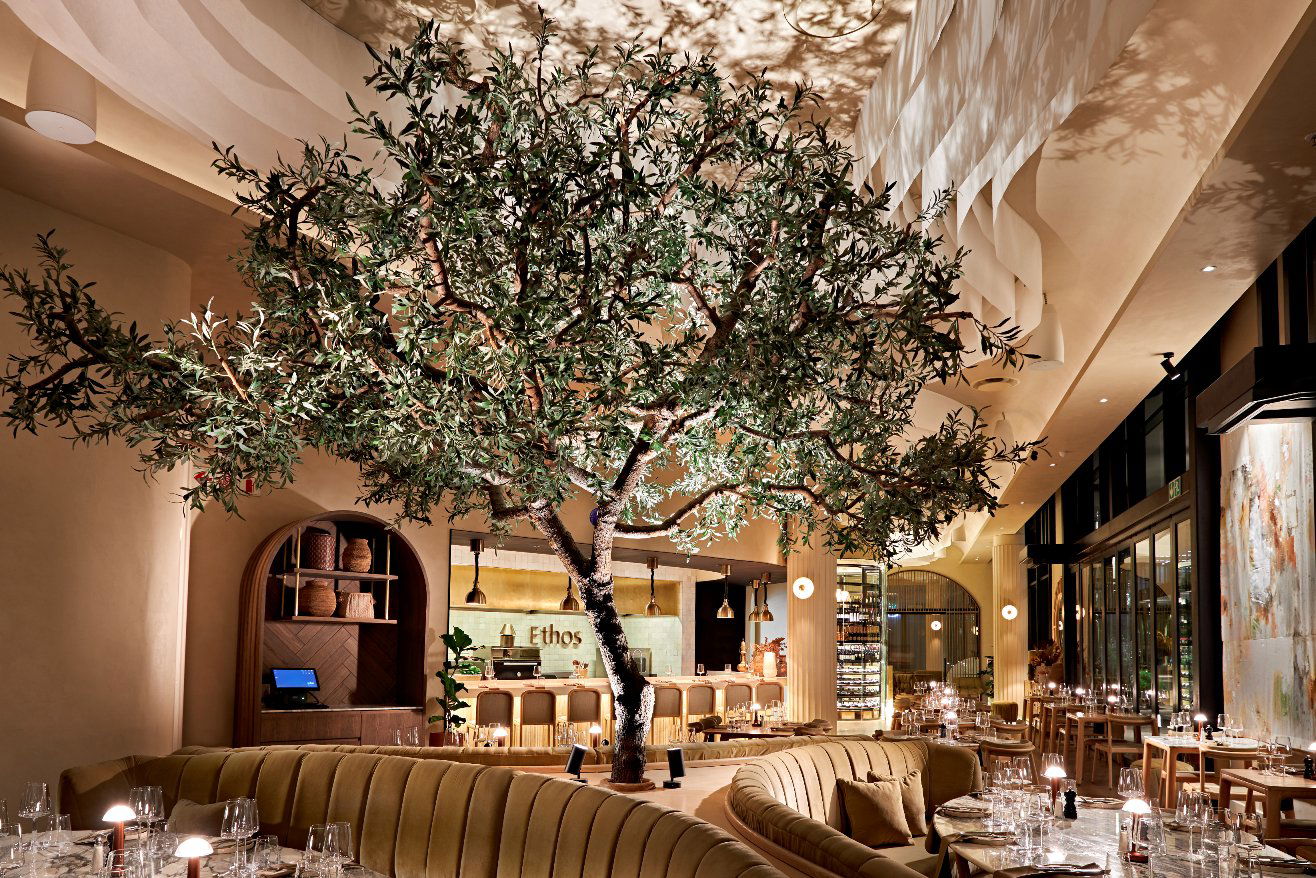

Ethos Restaurant
Dunkeld, Johannesburg
Restaurant in Johannesburg, South Africa
 Book with Pearl
The Read
Dress
Smart Casual
Why go
Ethos Restaurant is worth booking for a polished Rosebank meal where wine matters, especially given its Star Wine List recognition in 2026. It is less useful for diners who need a confirmed cuisine lane, named signature dishes, or a tasting-menu structure before committing, so cross-shop Marble Restaurant or The Prawnery Restaurant if the brief is more specific.
About Ethos Restaurant
Ethos Restaurant in Johannesburg has a clear signal for diners who care about wine: Star Wine List recognition in 2026. Beyond that, planning is simple: it is in Johannesburg, has a smart casual dress code, opens daily from 12 PM, and closes later on Friday and Saturday.
Use the Star Wine List recognition as a helpful cue, not as a reason to assume a specific cuisine, chef-driven format, signature dish, price band, or tasting-menu structure. Ethos Restaurant is best described carefully: a Johannesburg restaurant with Star Wine List recognition and broad daily hours.
Choose it for a Johannesburg meal where wine recognition matters
The practical appeal is direct. Ethos Restaurant opens at 12 PM daily, closes at 10 PM from Sunday through Thursday, and stays open until 11 PM on Friday and Saturday. That makes it flexible for midday plans, evening bookings, and later weekend plans.
The main caveat is expectation-setting. Treat Ethos Restaurant as a Johannesburg restaurant with wine recognition rather than a narrowly defined destination tasting-menu booking. If the group needs a specific culinary lane before committing, compare it against peers first.
Who should book, and who should cross-shop
Book Ethos Restaurant when the plan matches its core details: Johannesburg, smart casual dress, daily hours from 12 PM, and Star Wine List recognition in 2026. It is a stronger fit for diners who value those signals than for anyone looking for a specific cuisine, dish, price point, or chef-led format.
Cross-shop Marble Restaurant if the group wants another Johannesburg dining option. Look at The Prawnery Restaurant if that venue better fits the plan. Consider Clico Restaurant or Sec when comparing other restaurant choices. Consider Sabi Sabi Private Game Reserve only if you are weighing a different kind of venue rather than a standalone Johannesburg restaurant choice.
Planning details
- Location
- Corner Eastwood and, Parks Blvd, Rosebank, 2196, South Africa
- Website
- ethos.restaurant
- Phone
- +27 10 446 9906
The take
The Take
The Vibe
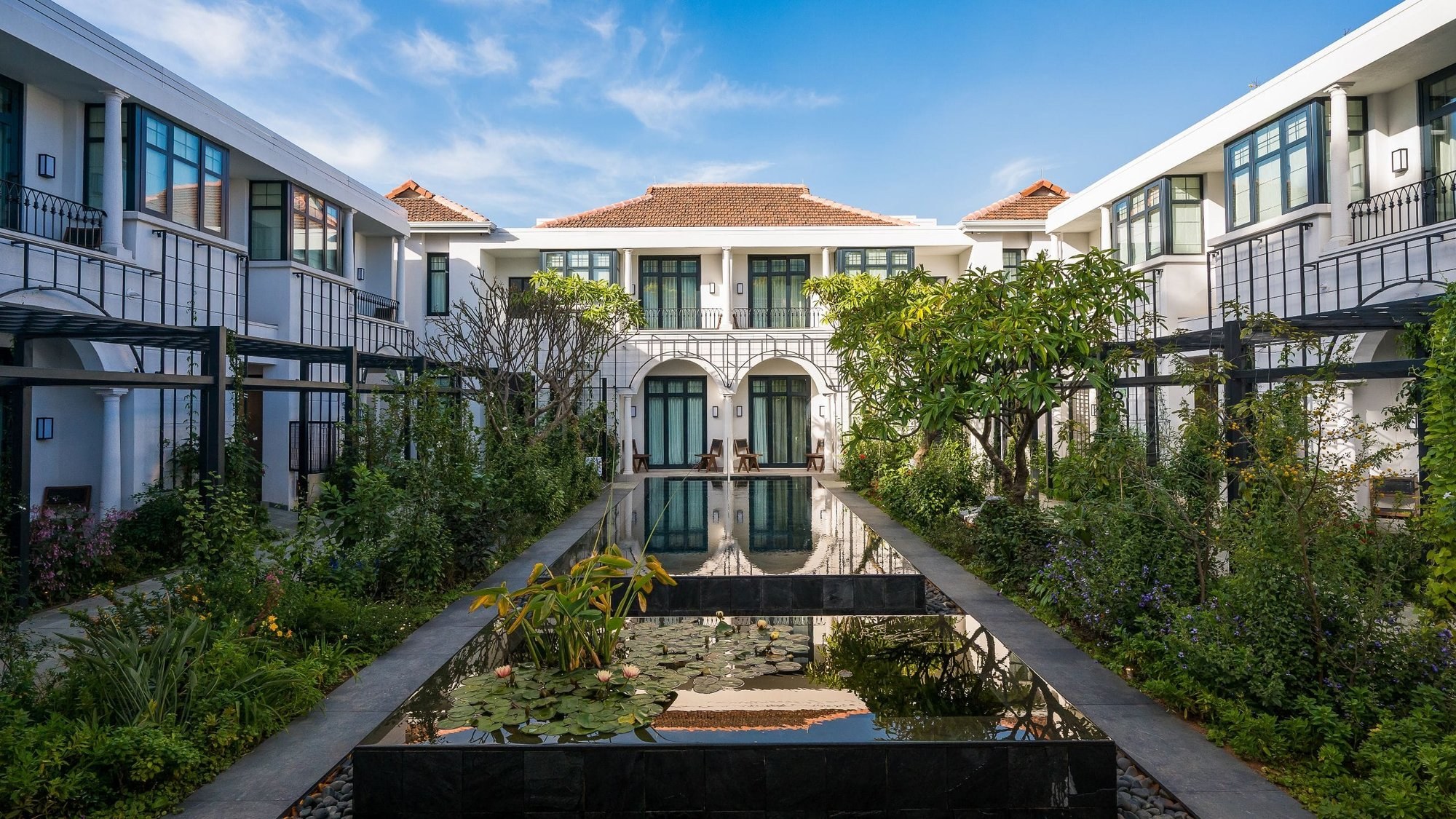
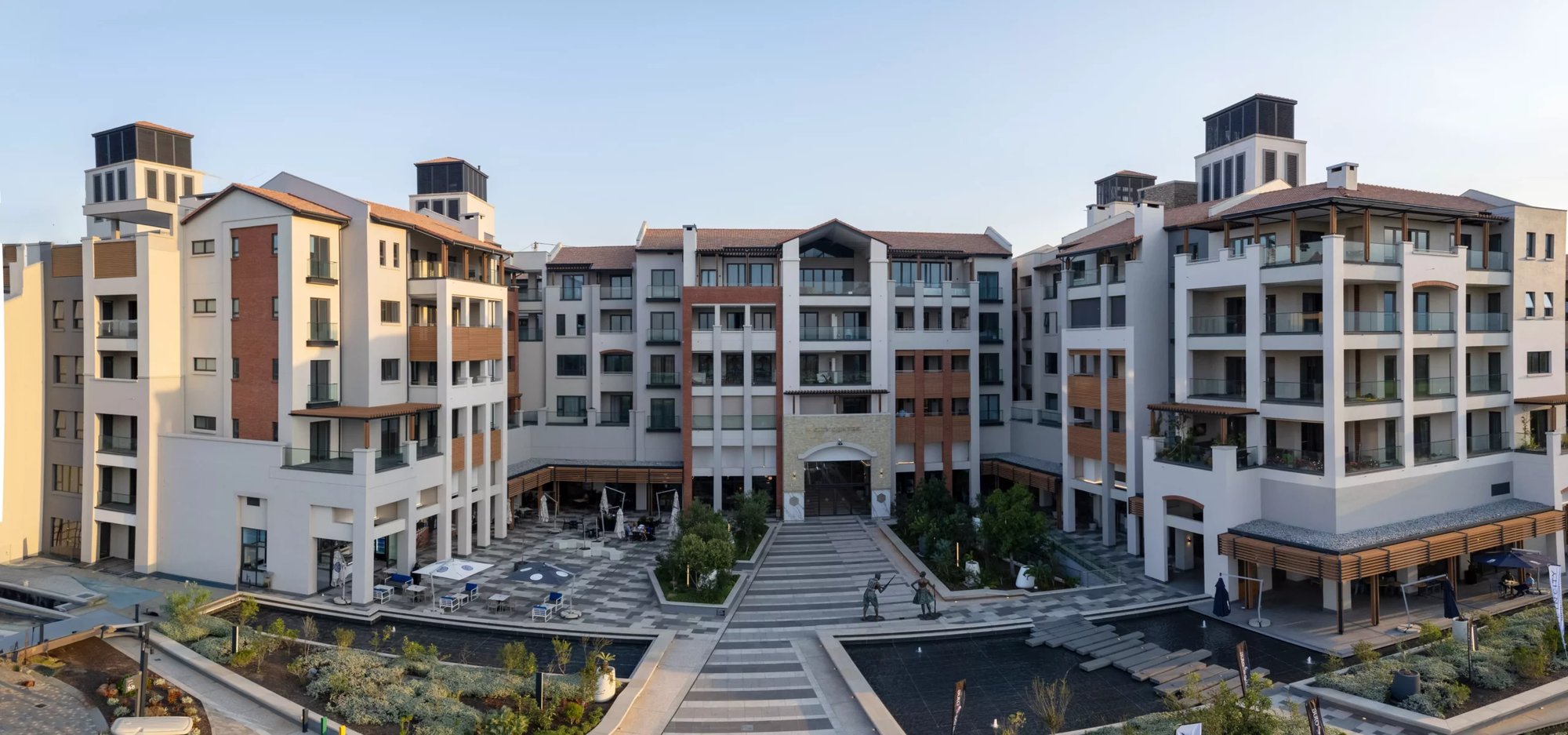
Ethos reads as a refined corner restaurant in Rosebank that balances modern clarity with an elegant, sophisticated sensibility. It situates itself within Johannesburg’s move toward walkable, neighbourhood dining while staking a claim in the city’s mid-to-upper tier—aiming for the consistency and polish that discerning local diners expect. The dining room and service emphasize restraint and purpose, and the restaurant’s focused wine program reinforces that editorial direction. Ethos feels urbane and deliberate rather than flashy, presenting a composed place for guests who prize thoughtful cooking and a curated bottle list.
Best For
Ethos is well suited to business dinners, date nights, and celebratory meals where composed service and a considered wine list matter. Its corner location in Rosebank makes it a neighbourhood anchor—convenient for locals and professionals—while its mid-to-upper positioning encourages a measured pace across courses. Diners who value a deliberate wine program and refined Mediterranean plates will find the setting attentive to conversation and detail. The restaurant is especially appropriate for small groups or pairs seeking a polished evening rather than casual, speedy dining.
Ordering Tips
Highlight the restaurant’s signature items when ordering: the Beef Tomahawk for a show-stopping main, the king prawns to sample the kitchen’s approach to seafood, and the Pistachio Panna Cotta for a textural, restrained dessert. Given Ethos’s deliberate wine program, ask for a wine pairing or a recommendation from the list to complement Mediterranean flavors. Portions and pacing skew towards a composed, multi-course experience, so plan courses with the table and allow room to explore the wine list alongside the meal.
Venue details
Ambiance
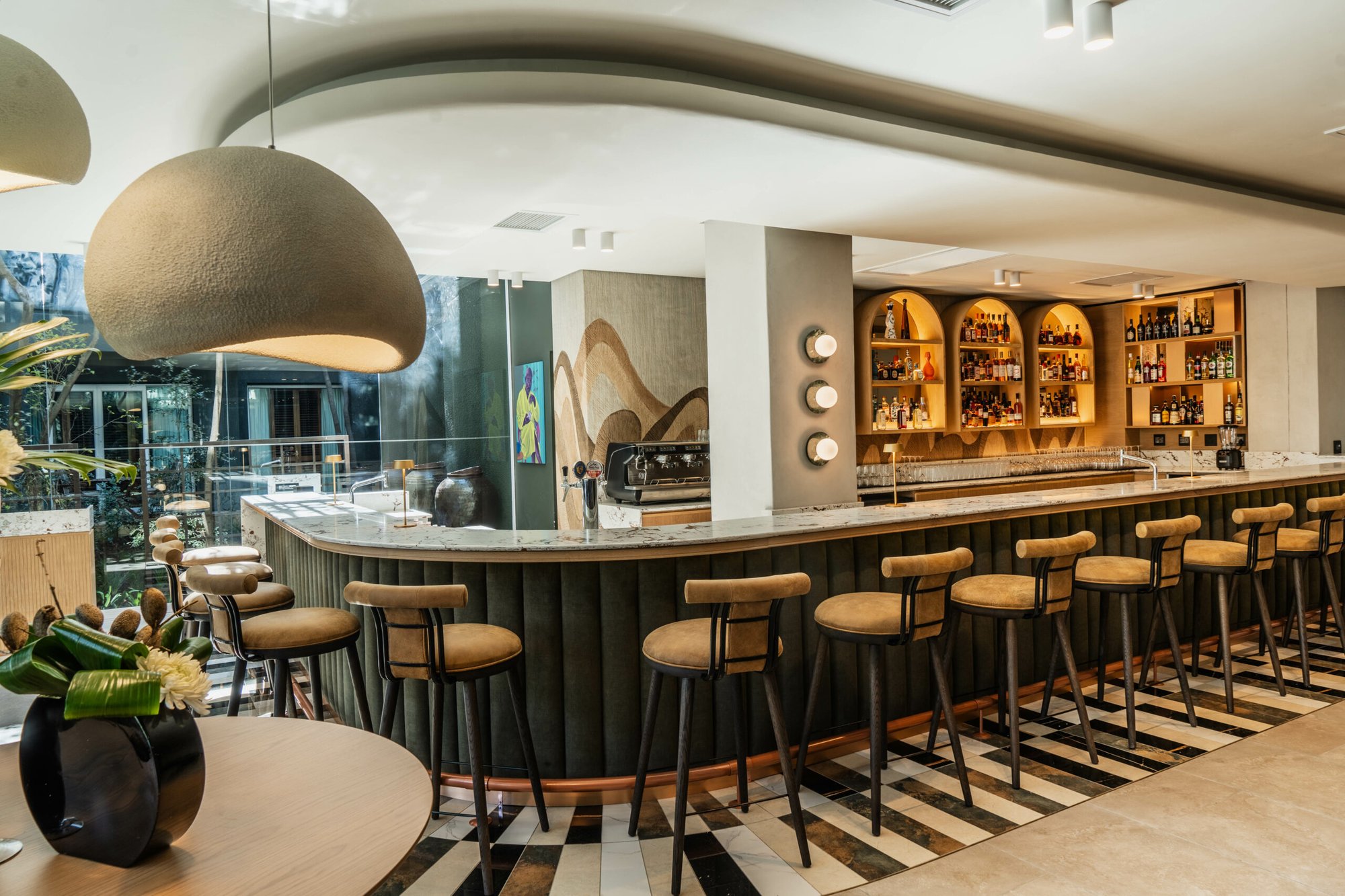
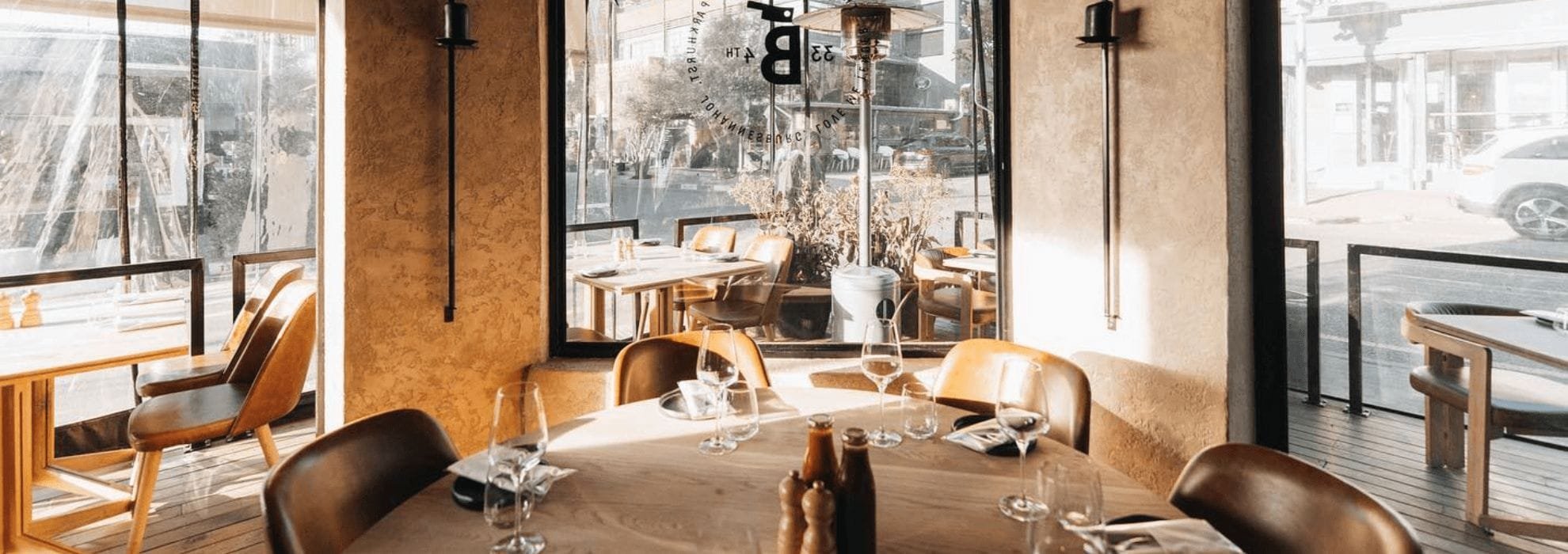
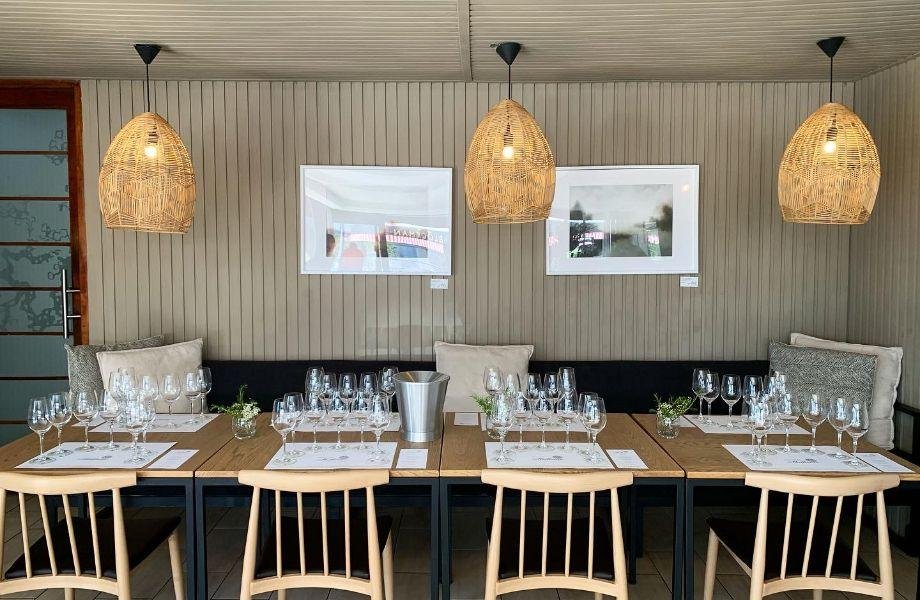
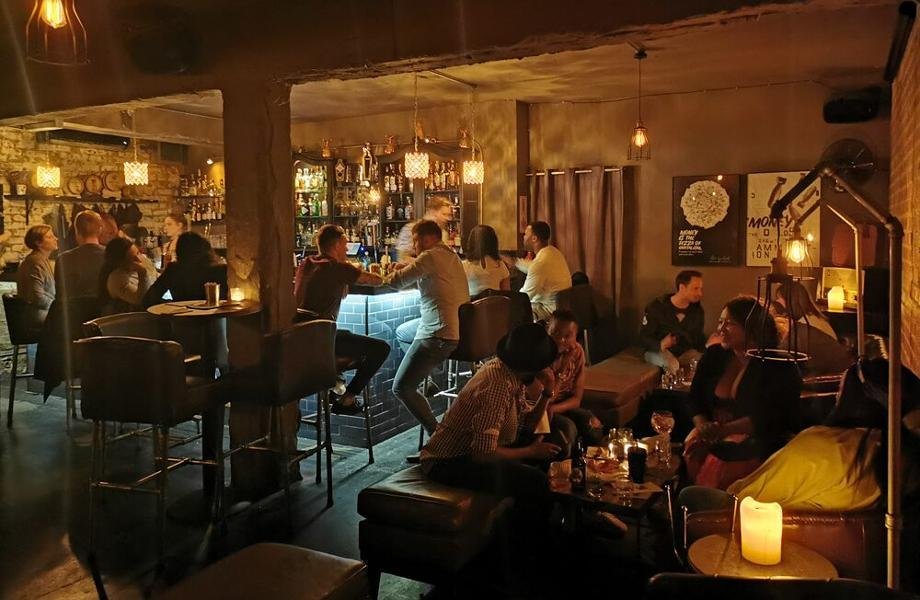
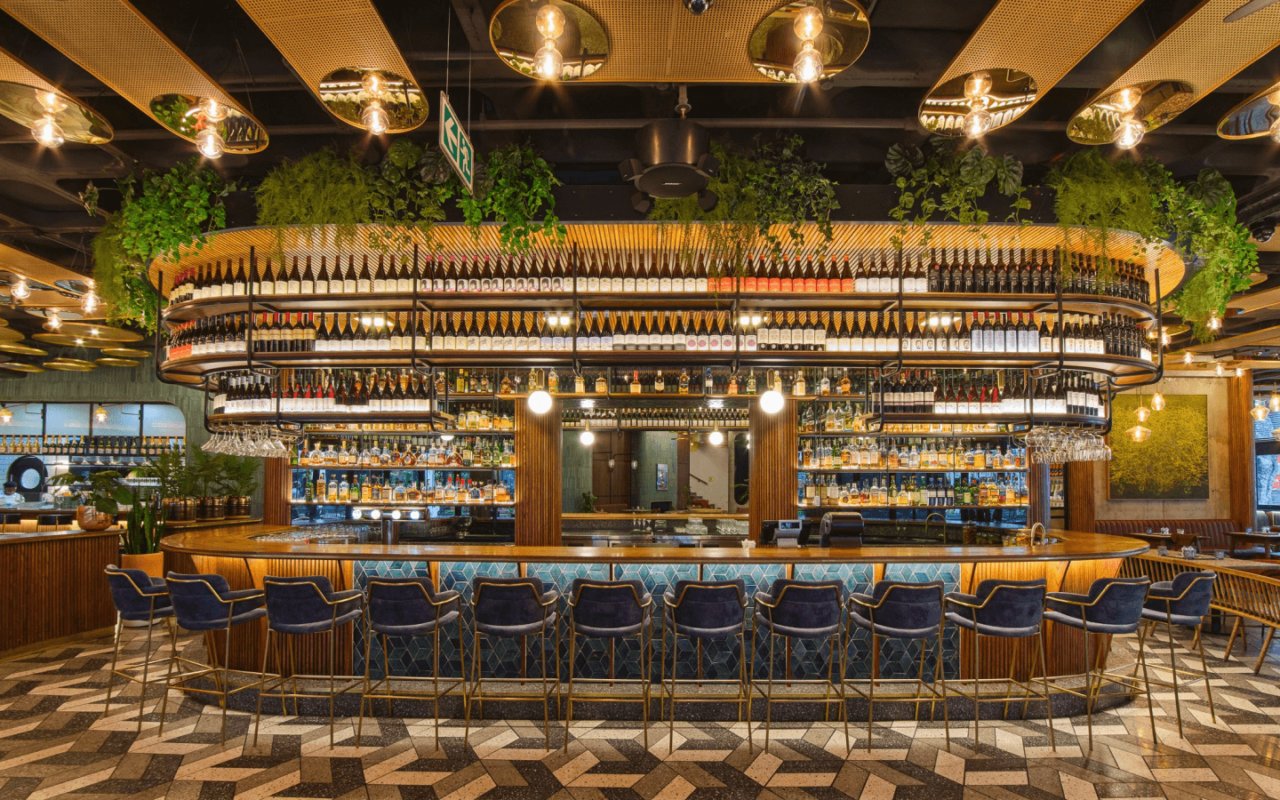
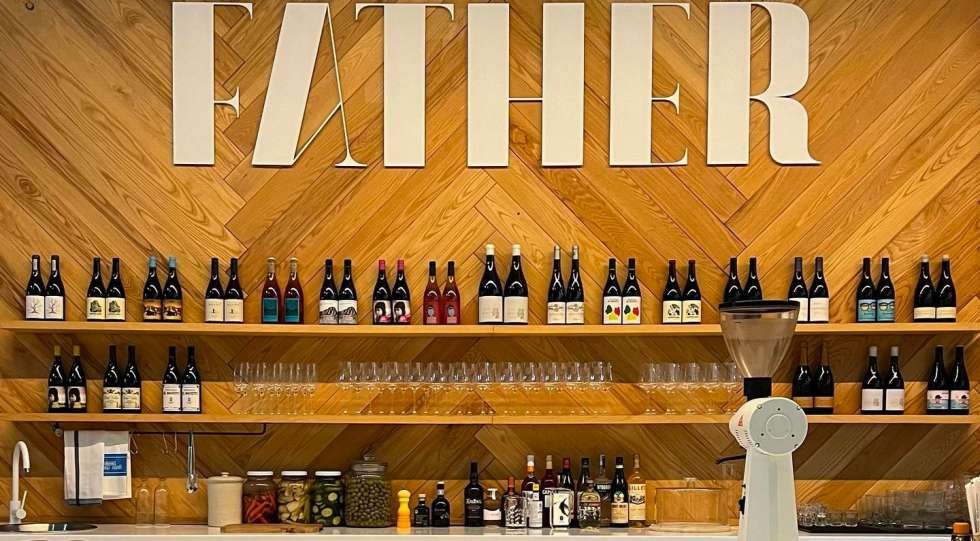
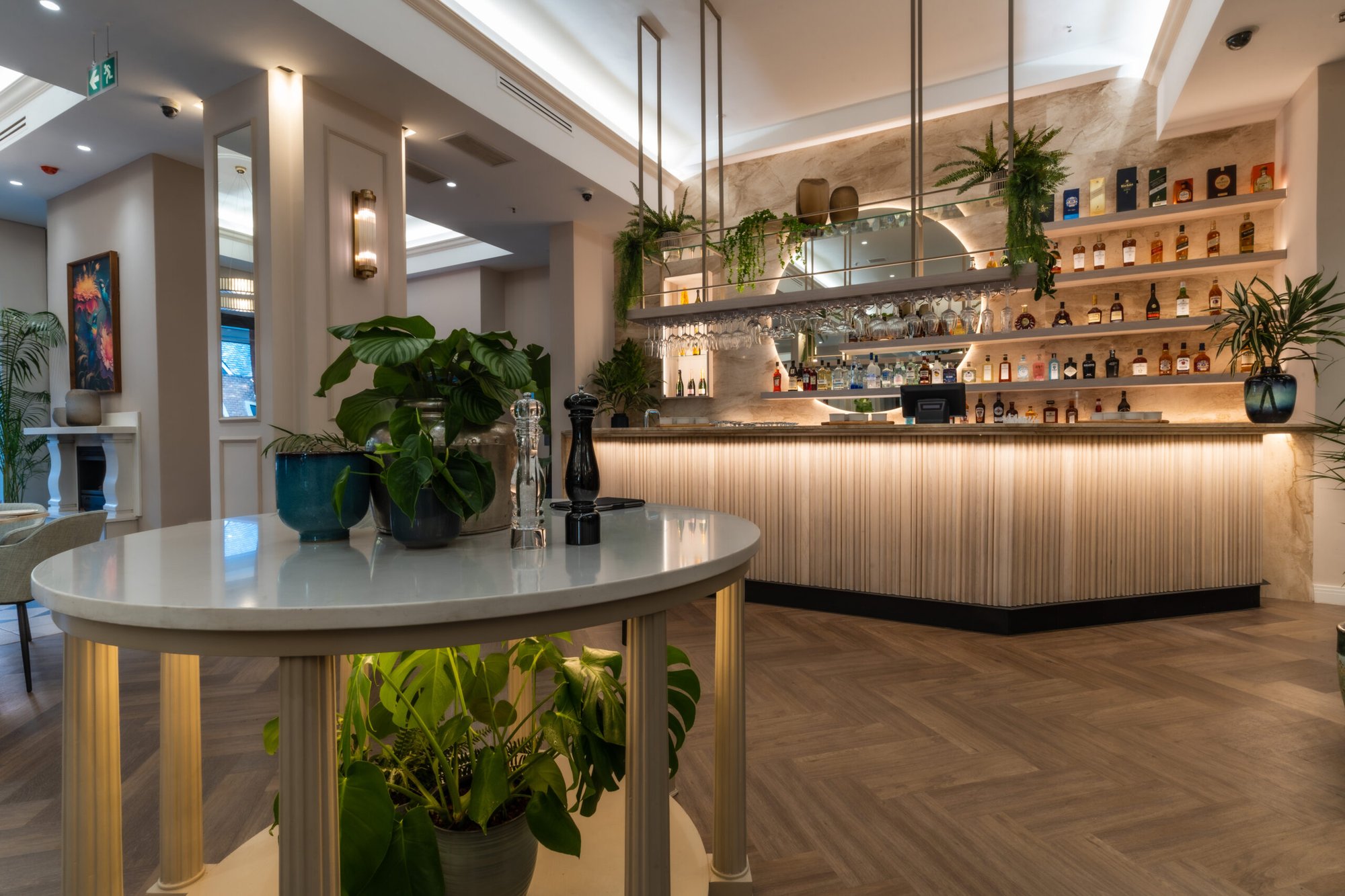
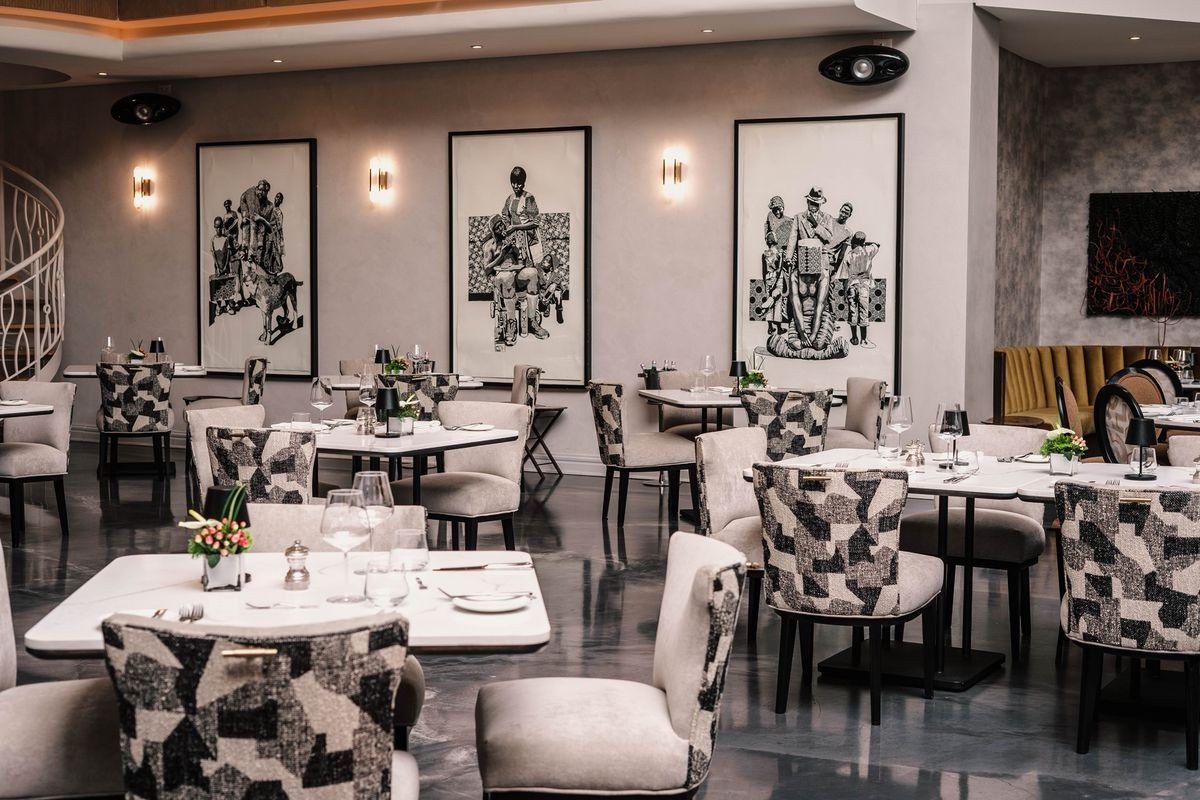
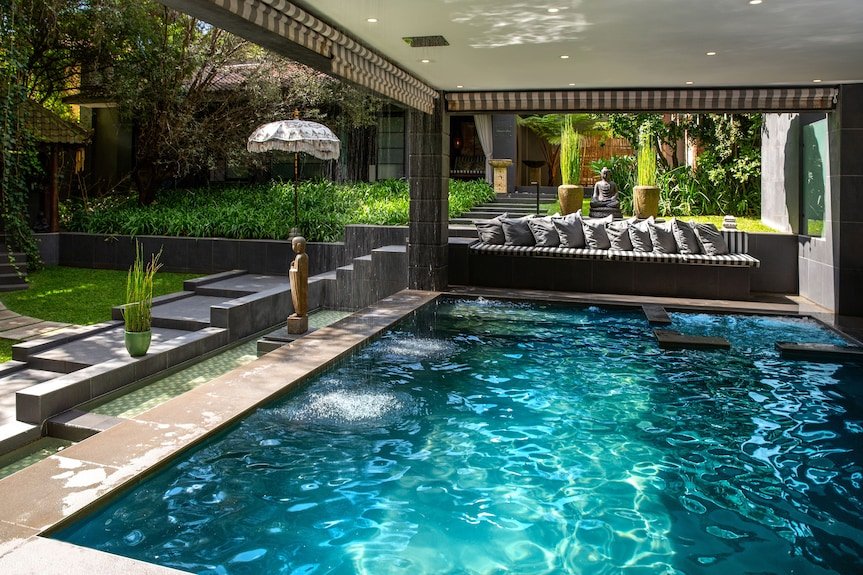
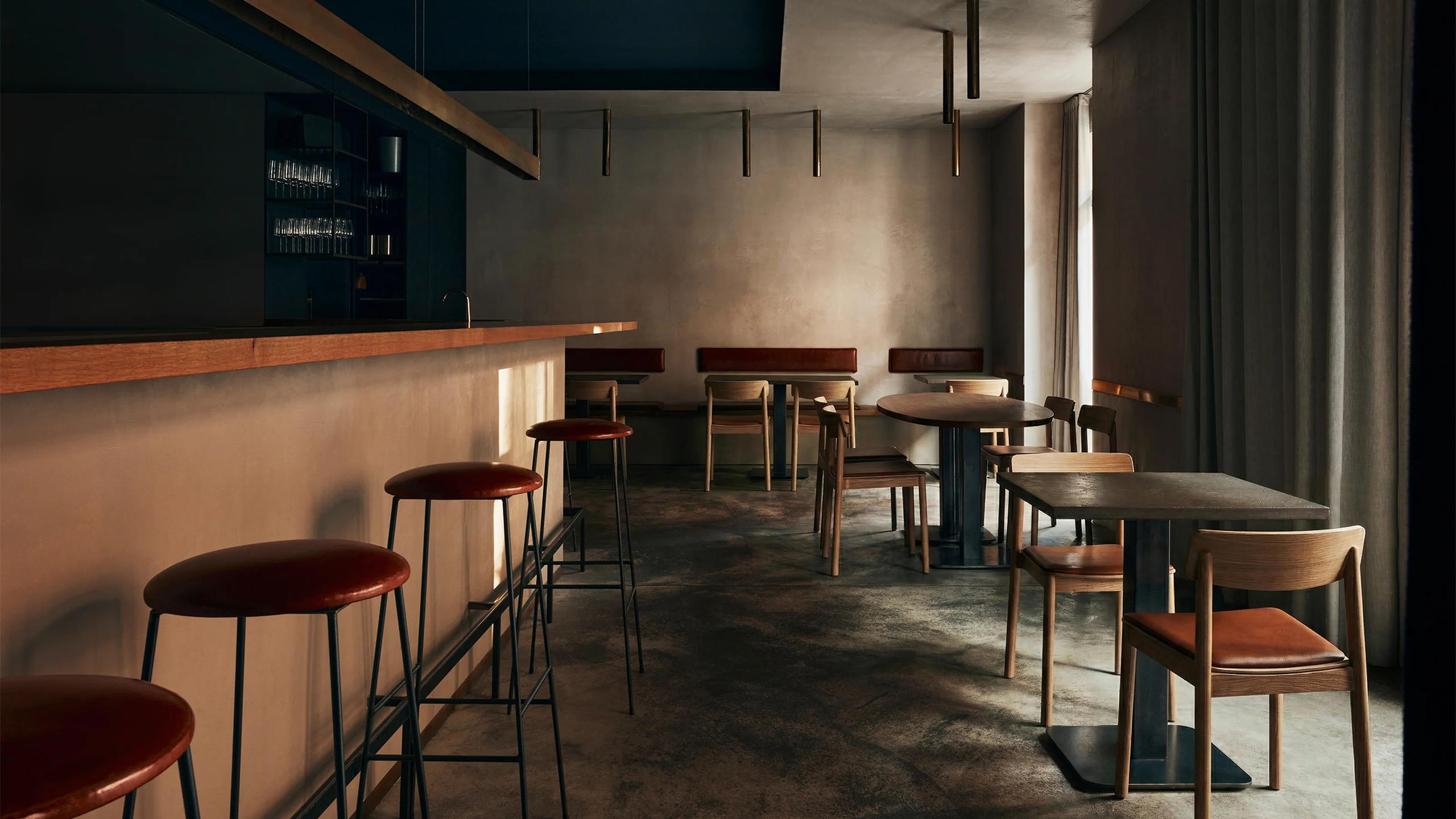
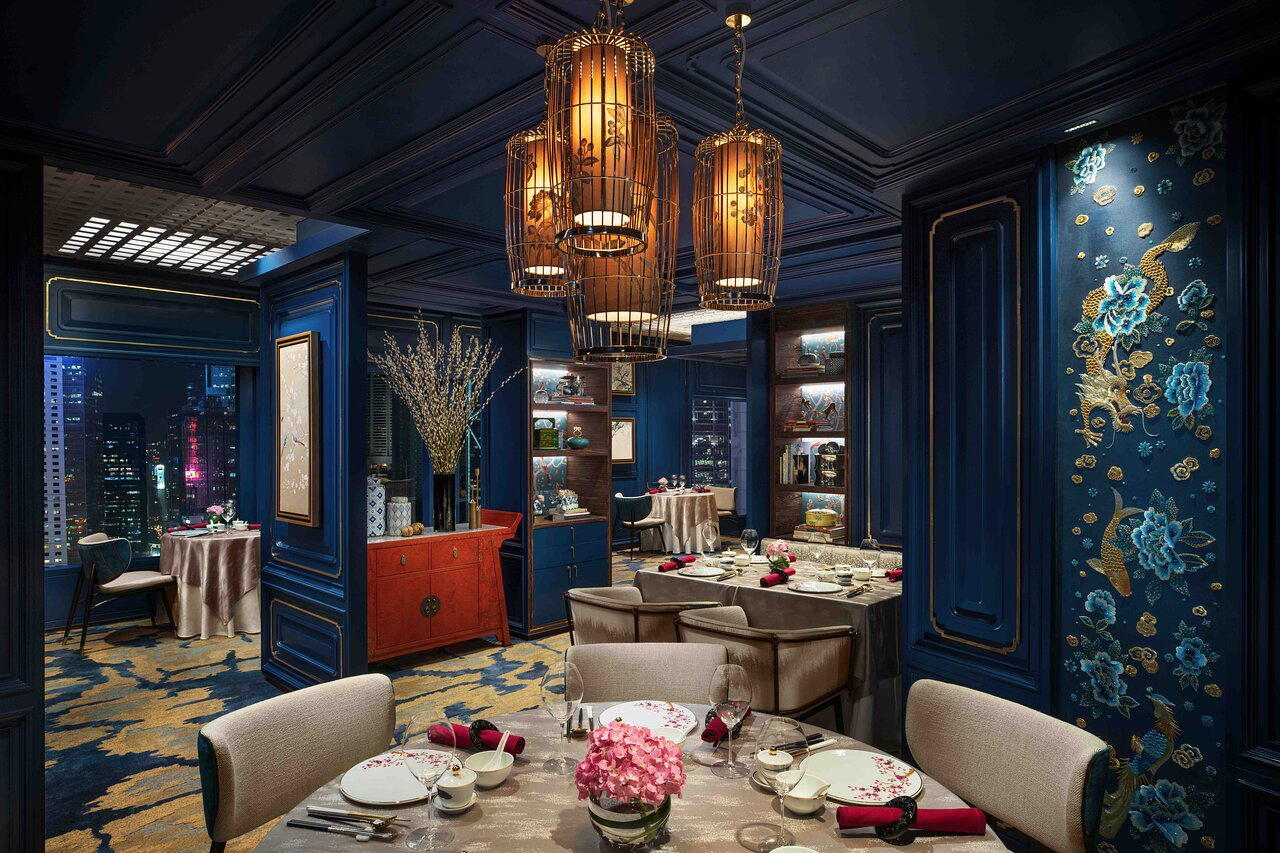
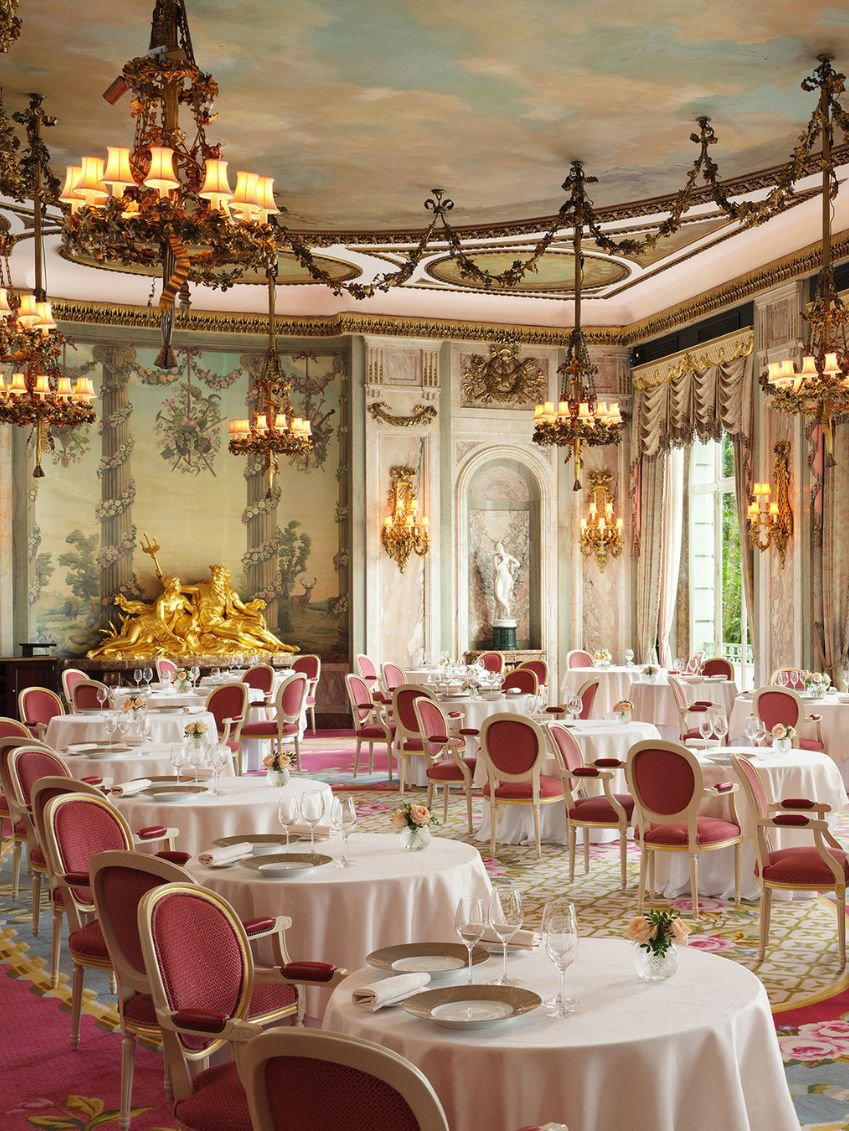
Moody lighting with high ceilings, vast space, and beautifully executed decor that feels stylish yet sometimes sterile.
Tags
Vibe
Best For
Experience
At the Table
- Dress Code
- Smart Casual
- Noise Level
- Conversational
- Service Style
- Upscale Casual
- Meal Pacing
- Leisurely
- Capacity
- Large
Signature Dishes
- Beef_Tomahawk
- Pistachio_Panna_Cotta
- king_prawns
Know before you go
Know Before You Go
- Getting there
- Corner Eastwood and, Parks Blvd, Rosebank, 2196, South Africa
Planning details
Location
Corner Eastwood and, Parks Blvd, Rosebank, 2196, South Africa · Directions
Recognition and awards

Also consider
Where to book if Ethos Restaurant is not the right fit
If the group wants a more energetic Johannesburg dinner, book Marble Restaurant instead. If the brief is seafood rather than wine, The Prawnery Restaurant is the cleaner alternative.
For a quieter, more intimate meal, compare Clico Restaurant and Sec. For a luxury trip built around the setting rather than a single city dinner, Sabi Sabi Private Game Reserve is the more appropriate choice.
Restaurant context
How Ethos Restaurant compares in Johannesburg
Ethos Restaurant is the safer pick when the group wants Rosebank convenience and a wine-led dinner without turning the booking into a major project. Compared with Marble Restaurant, it reads as the calmer choice; Marble is the better fit for a higher-energy Johannesburg night where the room is part of the draw.
Against The Prawnery Restaurant, the decision is about specificity. Choose The Prawnery Restaurant when seafood is the point of the meal. Choose Ethos Restaurant when the group is more flexible on food direction and wants the wine program to guide the evening.
Clico Restaurant and Sec are better cross-shops for diners seeking a more intimate or format-driven restaurant experience, while Sabi Sabi Private Game Reserve belongs in a different decision set: book that for a travel-based luxury stay, not as a direct city-dinner substitute.
Explore Johannesburg
Around this place
Discover more on Pearl
Unlock the full Ethos Restaurant guide in Pearl, including awards, comparisons, FAQs, planning details, and nearby places.
Compare Ethos Restaurant
| Venue | Location | Awards |
|---|---|---|
| Ethos Restaurant | Johannesburg | Star Wine Lists 2026 |
| Clico Restaurant | Hillbrow | No published awards |
| Sec | Hillbrow | No published awards |
| Marble Restaurant | Johannesburg | No published awards |
| The Prawnery Restaurant | Johannesburg | No published awards |
| Sabi Sabi Private Game Reserve | Johannesburg | No published awards |
How Ethos Restaurant Johannesburg compares with similar nearby venues.
FAQ
Frequently Asked Questions
Can I eat at the bar at Ethos Restaurant?
Is Ethos Restaurant good for a special occasion?
It may suit a special occasion if its details fit your plan: Johannesburg, smart casual dress, daily opening from 12 PM, and Star Wine List recognition in 2026. Friday and Saturday hours run from 12 PM to 11 PM, which can help with later plans.
What are alternatives to Ethos Restaurant?
Compare Marble Restaurant, Sec, Clico Restaurant, and The Prawnery Restaurant when considering other restaurant choices. Sabi Sabi Private Game Reserve is a different kind of venue rather than a straightforward Johannesburg restaurant substitute.
What should I wear to Ethos Restaurant?
The dress code is smart casual. Choose neat, polished clothing rather than very casual attire.
What should I order at Ethos Restaurant?
The clearest dining signal is Star Wine List recognition in 2026, so review current details when booking or on arrival.
Is midday or evening better at Ethos Restaurant?
Ethos Restaurant opens at 12 PM daily, so both midday and evening plans are possible. Hours are 12 PM to 10 PM Sunday through Thursday and 12 PM to 11 PM on Friday and Saturday.