Croft 3
Fanmore, Isle of Mull
Restaurant in Isle of Mull, United Kingdom
 Book with Pearl
The Read
Dress
Casual
Why go
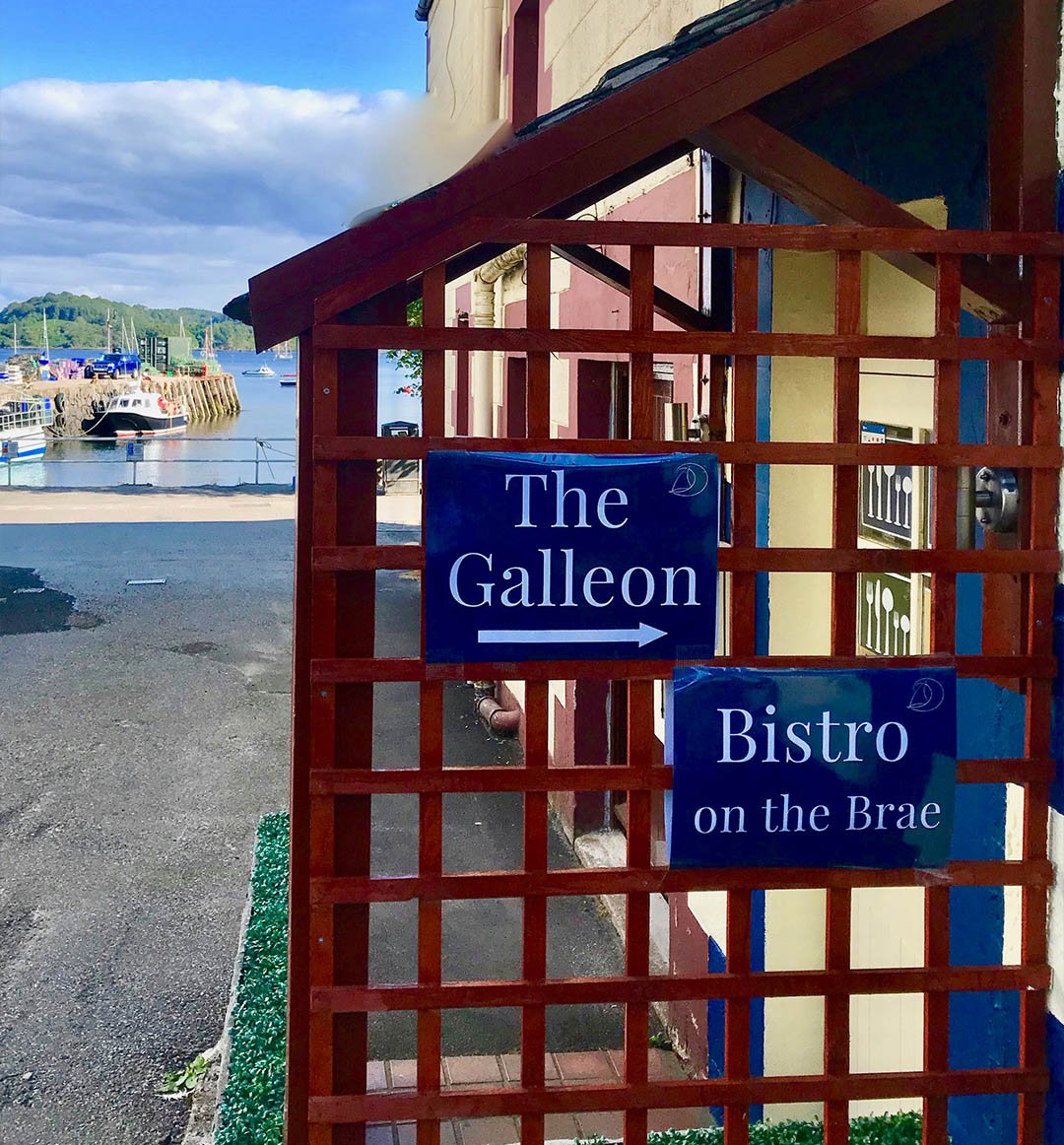
Croft 3 is worth considering for a relaxed Isle of Mull meal when timing and setting matter more than published chef, menu, or awards detail. Lunch is the flexible choice for island days; dinner makes more sense for a date or small celebration. Compare with Café Fish for Tobermory seafood energy, Ar Bòrd for a tighter occasion feel, and The Galleon Bistro for a familiar bistro alternative.
About Croft 3
Consider Croft 3 when the Isle of Mull setting and timing matter as much as choosing between more fully documented dining options. Croft 3 is on the Isle of Mull, has set opening hours, and lists a casual dress code.
Better as a planned meal than a last-minute fallback
The strongest practical reason to consider Croft 3 is its set weekly schedule. It is closed on Monday and Tuesday, then opens during daytime and evening periods on Wednesday, Thursday, Friday, and Saturday, with a Sunday daytime opening from 1–4 PM. That makes timing the key decision: plan around the published hours rather than assuming all-day availability.
For a meal that needs to fit a specific day or time, make the plan early enough that the timing fits the rest of the day.
Who should choose it over other named options
Croft 3 is for diners who want an Isle of Mull meal and are comfortable choosing around location, timing, and island practicality. If the priority is comparing other named options, Café Fish is a relevant venue to cross-shop. Ar Bòrd should be on the same shortlist for another Isle of Mull option, while The Galleon Bistro is another named venue to compare before choosing.
The main caveat is information depth. It is better for guests comfortable choosing on location, timing, and island practicality. For a wider scan before committing, use Isle of Mull restaurants guide.
Use daytime hours for flexibility, evening hours for the occasion
For daytime plans, Croft 3 is easiest to consider on Wednesday through Saturday from 11 AM–2 PM, or on Sunday from 1–4 PM. For evening plans, it is open Wednesday, Thursday, and Saturday from 6–10 PM, and Friday from 5–10 PM. If you are comparing multiple named venues before deciding, Mingary Castle is another option to check directly for its current details.
The practical verdict: choose Croft 3 for a casual Isle of Mull meal when the published opening hours fit your itinerary. Choose Café Fish or The Galleon Bistro if those venues better match your plans, and compare Ar Bòrd if you want another Isle of Mull option on the same shortlist.
Planning details
- Location
- Croft 3, Fanmore, Isle of Mull PA73 6LX, United Kingdom
- Reservations
- Book on the venue's website
- Website
- croft3mull.com
- Phone
- +447915994364
The take
The Take
The Vibe
Croft 3 reads like a destination carved out of the Hebrides themselves: a serious, deliberate table that rewards the effort of getting there. The write-up frames the restaurant in a lineage of remote British kitchens that trade city bustle for intent and ingredient proximity. The tone is understated and refined rather than flashy: dining here feels like a considered act rather than a night out. Expect a secluded, quietly sophisticated experience where the landscape and the journey into Fanmore frame the meal as much as the cooking itself.
Best For
This is a venue for travelers who plan meals into their trip rather than stumbling on them. Because Croft 3 sits beyond Tobermory on the western shore of Mull and requires a ferry crossing and further driving, it naturally suits weekend escapes and those treating a meal as a focal point of a trip. The setting also lends itself to intimate, celebratory evenings for couples or small groups who appreciate seafood- and provenance-driven British cooking and don’t mind arranging transport and reservations in advance.
Ordering Tips
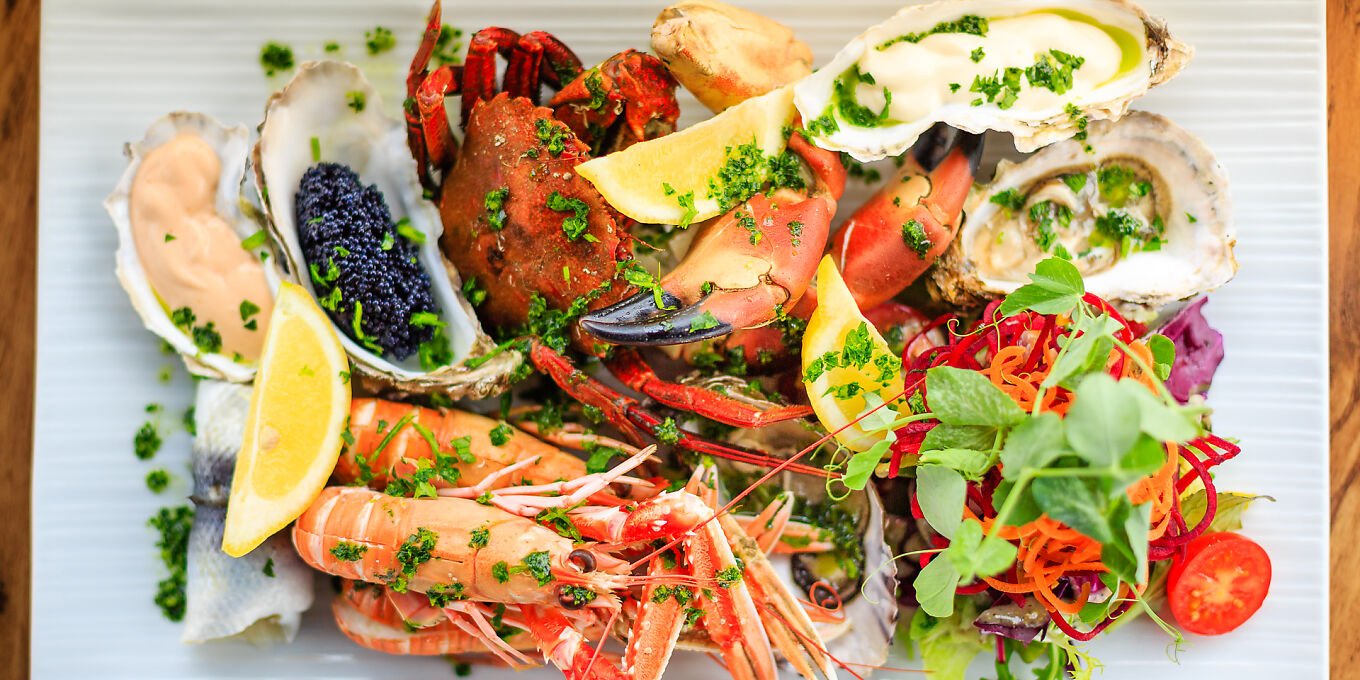
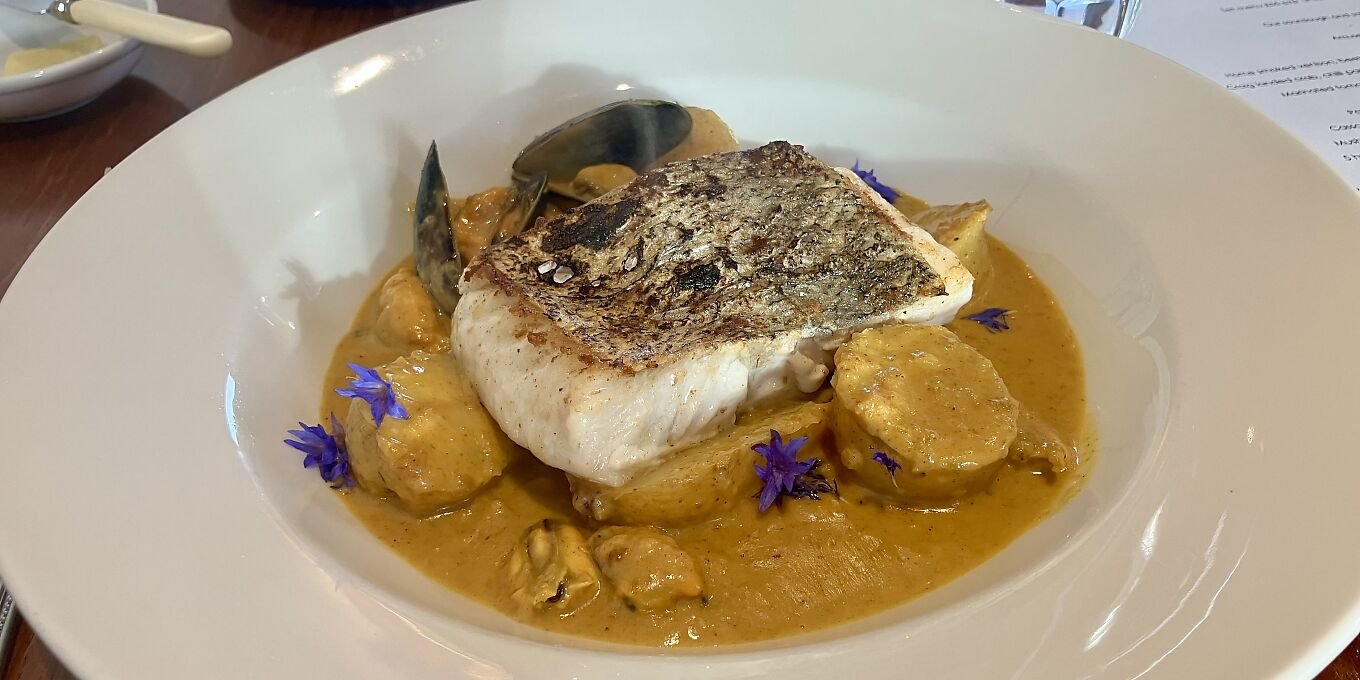
The menu leans on Mull’s abundant local seafood and traditional British ingredients: the signature Haggis with cornbread and salsa verde and the Half lobster with niçoise salad are explicitly called out. Lean into dishes that highlight shellfish and locally sourced produce; these reflect the island’s strengths described in the text. Because the restaurant rewards planning and sits at a remove from visitor infrastructure, book ahead and build travel time into your plans so the meal isn’t rushed.
Venue details
Ambiance
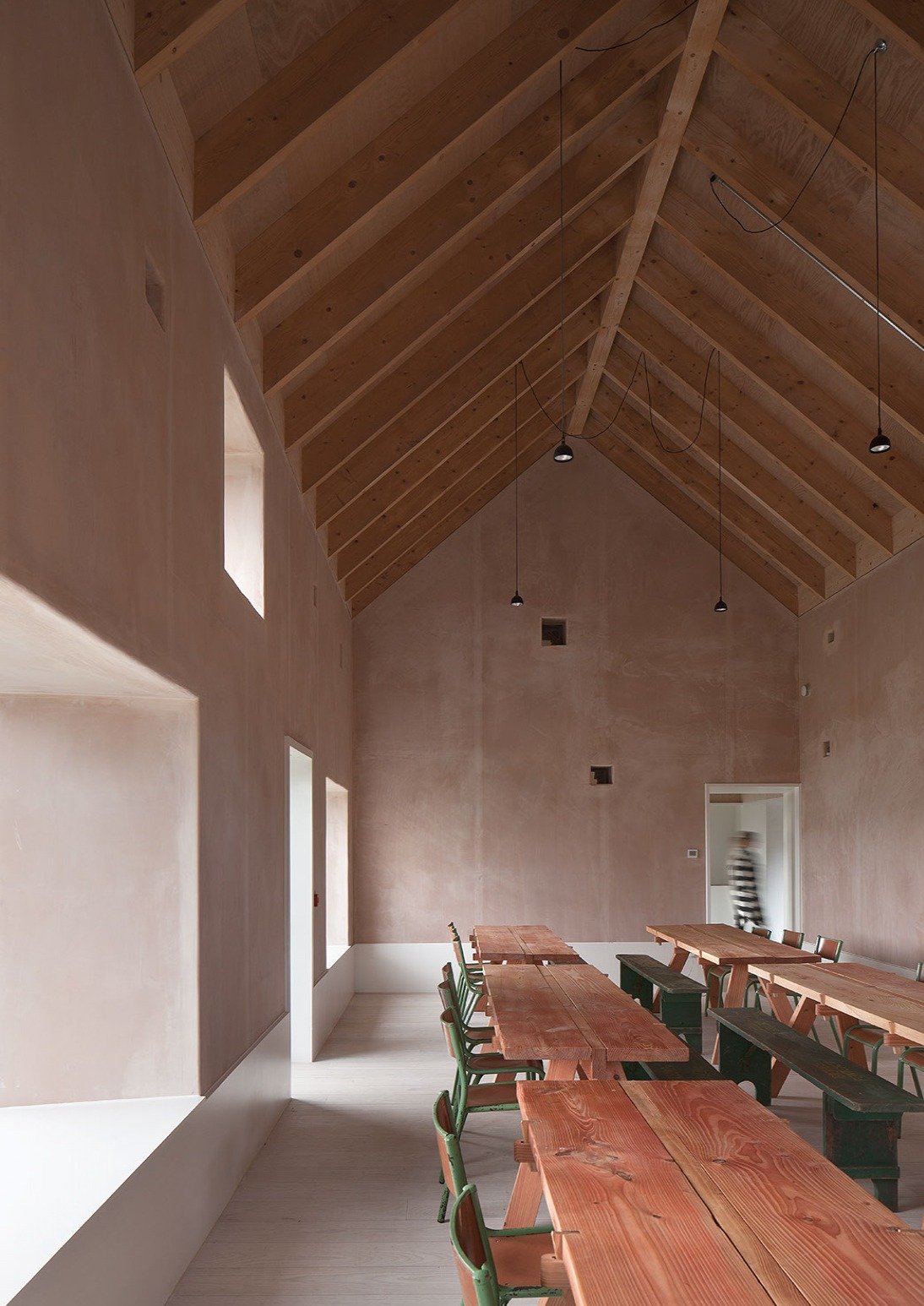
Monastic feel with communal tables, narrow windows, clean lines, and calming atmosphere.
Tags
Vibe
Best For
Experience
Sourcing
View
At the Table
- Dress Code
- Casual
- Noise Level
- Conversational
- Service Style
- Upscale Casual
- Meal Pacing
- Leisurely
- Capacity
- Small
- Kitchen
- Seasonal
- Menu Format
- A la carte, Small plates
- Dietary
- Vegetarian friendly, Vegan options
Signature Dishes
- Haggis with cornbread and salsa verde
- Half lobster with niçoise salad
Know before you go
Know Before You Go
- Getting there
- Croft 3, Fanmore, Isle of Mull PA73 6LX, United Kingdom
Planning details
Location
Croft 3, Fanmore, Isle of Mull PA73 6LX, United Kingdom · Directions
Also consider
Also Consider
- Ar Bòrd, Notable alternative
- Café Fish, Notable alternative
- The Galleon Bistro, Notable alternative
- Cafe Fish, Upper Floor, The Pier, Tobermory, Notable alternative
- Mingary Castle, Modern British, £££
Restaurant context
How Croft 3 compares on Mull
Croft 3 is the practical pick if the meal needs to fit around an Isle of Mull itinerary without turning the booking into a project. Ar Bòrd is the stronger cross-shop for diners who want a smaller, more occasion-led feel, while Café Fish is the clearer choice if the priority is Tobermory and a seafood-focused meal.
For value, Croft 3 is harder to judge because no price range is listed, so the safer decision is based on occasion fit rather than spend. The Galleon Bistro is the better fallback for a familiar bistro-style evening, while Cafe Fish, Upper Floor, The Pier, Tobermory suits diners who want to stay close to the pier-side dining circuit.
If the brief is a higher-spend celebration with a clearer luxury signal, Mingary Castle is the splurge comparison: Modern British and £££, but outside the immediate Mull set. Croft 3 makes more sense when the goal is a calmer island meal and an easier booking, not a formal destination dinner.
Explore Isle of Mull
Around this place
Discover more on Pearl
Unlock the full Croft 3 guide in Pearl, including awards, comparisons, FAQs, planning details, and nearby places.
Compare Croft 3
| Venue | Location | Cuisine | Price | Awards |
|---|---|---|---|---|
| Croft 3 | Isle of Mull | , | , | No published awards |
| Ar Bòrd | Isle of Mull | , | , | No published awards |
| Café Fish | Isle of Mull | , | , | No published awards |
| The Galleon Bistro | Isle of Mull | , | , | No published awards |
| Cafe Fish, Upper Floor, The Pier, Tobermory | Argyll And Bute | , | , | No published awards |
| Mingary Castle | Kilchoan | Modern British | £££ | 2026 AA 3-Rosette RestaurantsMichelin Guide Great Britain & Ireland 20262025 Michelin Plate |


.png?width=1200&quality=80)
How Croft 3 Isle of Mull compares with similar nearby venues.
FAQ
Frequently Asked Questions
What are alternatives to Croft 3 in Isle of Mull?
Start with Café Fish, The Galleon Bistro, Ar Bòrd, Cafe Fish, Upper Floor, The Pier, Tobermory, and Mingary Castle, depending on which venue best fits your plans. Croft 3 is an Isle of Mull option with set published hours and a casual dress code. Compare current opening times directly before deciding.
What should I wear to Croft 3?
Croft 3 lists a casual dress code. Go neat and practical rather than formal, especially if your meal is part of a wider Isle of Mull day. If you are comparing it with Mingary Castle, check that venue's own guidance before choosing what to wear.
Is Croft 3 good for a special occasion?
It can be, if the occasion is about a planned meal on the Isle of Mull and the published hours fit your schedule. Croft 3 has evening hours on Wednesday, Thursday, Friday, and Saturday, which may suit a meal planned around a specific time better than a spontaneous visit. If you are comparing it with Mingary Castle, check that venue's current details directly.
How far ahead should I book Croft 3?
Check ahead if the timing matters, especially for evening plans, because Croft 3 is closed on Monday and Tuesday and has limited published opening windows through the rest of the week. Daytime hours are available Wednesday through Saturday from 11 AM–2 PM, with Sunday hours from 1–4 PM. If you want more flexibility, compare the current hours for Ar Bòrd or The Galleon Bistro as well.
Is daytime or evening better at Croft 3?
Daytime may be the easier choice for fitting a meal into the day, while evening works when the meal is planned around a later slot. Croft 3 is open 11 AM–2 PM on Wednesday, Thursday, Friday, and Saturday, 6–10 PM on Wednesday, Thursday, and Saturday, 5–10 PM on Friday, and 1–4 PM on Sunday. Choose based on which published opening window fits your itinerary.