
Restaurant 1950
Regional Cuisine · Hayingen
Restaurant in Hayingen, Germany
 Book with Pearl
The Read
Swabian Alb Precision
Price
€€€€
Dress
Smart Casual
Why go
Restaurant 1950 holds back-to-back Michelin stars (2024 and 2025) under chef Chetan Shetty in the small Swabian Alb village of Hayingen; a serious destination for regional cuisine at €€€€ pricing. The sourcing-led menu reflects what the limestone plateau produces by season. A car is essential and booking 4-8 weeks out is the minimum; this is not a casual stop.
About Restaurant 1950
A Michelin star in a village of 3,000: the number that tells you everything about Restaurant 1950
Restaurant 1950 has held a Michelin star for at least two consecutive years; 2024 and 2025; which, in a village the size of Hayingen on the Swabian Alb, is an extraordinary credential. Chef Chetan Shetty is running a €€€€ regional cuisine operation in one of Germany's more remote dining destinations, the Michelin inspectors have returned to confirm it twice. If you are weighing whether to make the drive, that back-to-back recognition should settle the question: this is not a one-year anomaly.
The editorial angle that defines Restaurant 1950 is sourcing. Regional cuisine at this price tier, €€€€, only makes sense when the ingredients justify the premium, on the Swabian Alb, the raw material is genuinely distinctive. The plateau sits above 700 metres, with a cooler microclimate and limestone soils that produce herbs, game, dairy, root vegetables with a different character than the Rhine valley floor. A kitchen operating under the Restaurant 1950 name, in a building that references a specific postwar decade, is making a deliberate argument about place and provenance. The €€€€ price point is the bet that argument lands on the plate.
Chef Chetan Shetty brings an international perspective to a hyper-local product base, a combination that, when it works, produces food that neither a purely classical kitchen nor a purely modern one could make. The sourcing brief at this level is not just a marketing position; it disciplines the entire menu structure, limiting what can be served to what the region produces at its finest in a given season. For an explorer-minded diner, that constraint is the point: you are eating the Swabian Alb in a particular week of the year, not a generic fine-dining menu that could be running anywhere from Hamburg to Hong Kong.
When to go
The Swabian Alb has a defined seasonal rhythm that matters more here than at a restaurant sourcing globally. Late spring through early autumn, roughly May to October, is when the plateau is at its most productive: wild herbs, local lamb, summer vegetables, the game season opening in early autumn. If you can align your visit with the transition from summer to autumn, you are likely to catch the menu at its most varied. Winter visits are worth considering if wild boar or venison is the draw, but confirm availability before booking, as hours and seasonal closures are not publicly confirmed in the current data.
Day of week is also worth thinking through. A village restaurant at this level, drawing destination diners rather than local regulars, typically runs a compressed service schedule, often dinner only, possibly with a Friday-to-Sunday window. Book on that assumption and verify directly when you confirm your reservation. Arriving on a Saturday evening and expecting a Sunday lunch fallback could leave you without options in Hayingen; the dining infrastructure beyond Restaurant 1950 is limited, though ROSE (Organic) is a nearby alternative worth knowing about.
Booking and logistics
This is a hard booking. A one-star restaurant in a small German village runs fewer covers than a city counterpart, which means the absolute number of seats available each week is low. Demand from destination diners, people making a specific trip to the Swabian Alb, competes with local regulars for a limited table count. Book at minimum four to six weeks out; for weekend dates or special occasions, two to three months is a safer target. The restaurant's address is Aichelauer Str. 6, 72534 Hayingen. Hayingen is not served by meaningful public transport, so a car or hired driver is the practical requirement. The nearest city with rail access is Reutlingen, roughly 30 kilometres northwest, making this an overnight trip for most international visitors. For hotel options in the area, see our full Hayingen hotels guide.
For broader context on eating and drinking in the region while you are making the trip, our full Hayingen restaurants guide, bars guide, wineries guide, and experiences guide are useful planning resources.
Value and price positioning
€€€€ in Germany for regional cuisine means you are paying for the sourcing brief, the kitchen's technical execution, the Michelin credibility, not for a grand urban room or an extended service team. The per-head cost should be assessed against what a comparable star-level meal costs in Munich or Stuttgart: at city prices plus transport, Restaurant 1950 in Hayingen may represent reasonable value if you are already planning a Swabian Alb itinerary. As a standalone destination from outside Germany, the trip cost makes it a serious commitment.
For comparison within Germany's one-star regional category, JAN in Munich offers a more accessible urban alternative, ES:SENZ in Grassau makes a similar case for Alpine-regional sourcing in a destination setting. If the Swabian Alb specifically draws you, Restaurant 1950 is the anchor, but build the trip around multiple experiences to justify the journey. See also Schanz in Piesport and Waldhotel Sonnora in Dreis for other German destination restaurants at comparable credential levels.
For regional cuisine peers outside Germany, Trattoria al Cacciatore - La Subida in Cormons and Thaller - Gasthaus in Sankt Veit am Vogau represent the same category argument, local sourcing, specific place, Michelin recognition, in different European contexts.
Planning details
- Location
- Aichelauer Str. 6, 72534 Hayingen, Germany
- Reservations
- Book on TheFork
- Website
- speisekartenweb.de/restaurants/hayingen/1950-bio-fine-dining-restaurant-44309
- Phone
- +49 7383 94980
The take
The Take
The Vibe
Restaurant 1950 sits discreetly on the Swabian Alb, the kind of place that doesn’t advertise itself and rewards those who already know to look. The prose here frames it as a rural stage for serious, refined cooking: it occupies the upper price bracket in Germany’s independent fine-dining scene and is likened to national reference points such as Schwarzwaldstube and Vendôme. The experience reads as considered and sophisticated rather than flashy — a destination destination restaurant that feels quietly exceptional, where the surrounding plateau and compact villages form an unassuming backdrop to meticulous, high-level cuisine.
Best For
This restaurant is best experienced as a deliberate evening destination: it draws guests to Hayingen rather than relying on passing trade, and it sits in the upper tier of Germany’s independent dining scene. That positioning makes it especially appropriate for dinner, special evenings and weekend escapes when diners are willing to travel for a memorable meal. The writing emphasizes the regional pattern of destination travel—driving two hours for a starred meal is normal—so visitors who treat the visit as the centerpiece of an overnight stay will get the most from the setting and cuisine.
Ordering Tips
Treat a visit to Restaurant 1950 as a focused culinary appointment: the description frames it as high-end, destination dining in the upper price bracket, so expect a refined, multi-course approach. The venue highlights signature preparations — Pflaume & Sellerie, Lauch & Kohl, Apfel & Rote Beete — which are worth sampling to understand the kitchen’s direction. Because the restaurant draws guests specifically to Hayingen, consult local planning resources (the Hayingen guide is mentioned) when arranging a visit so the meal fits into any longer stay.
Venue details
Ambiance
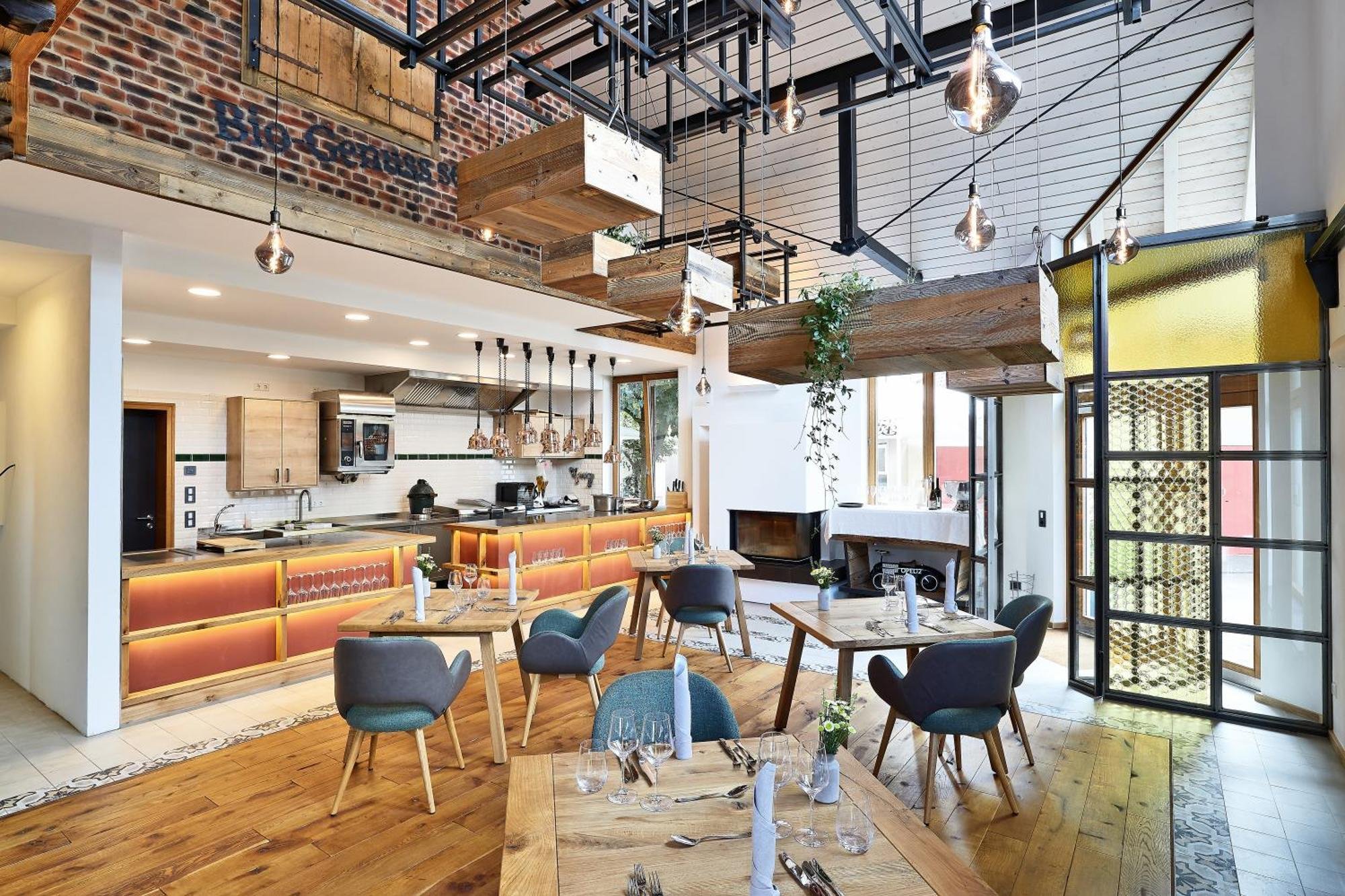
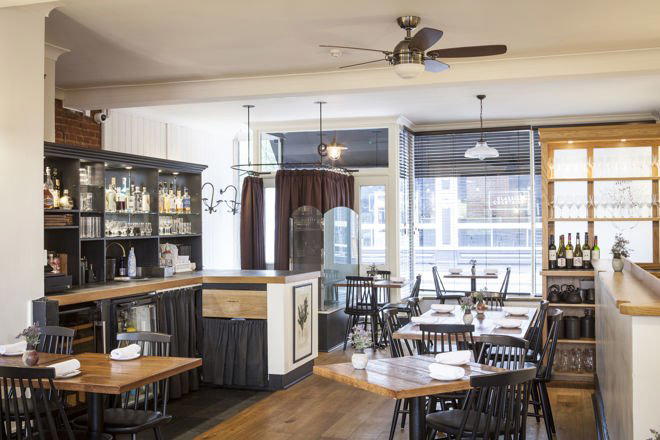
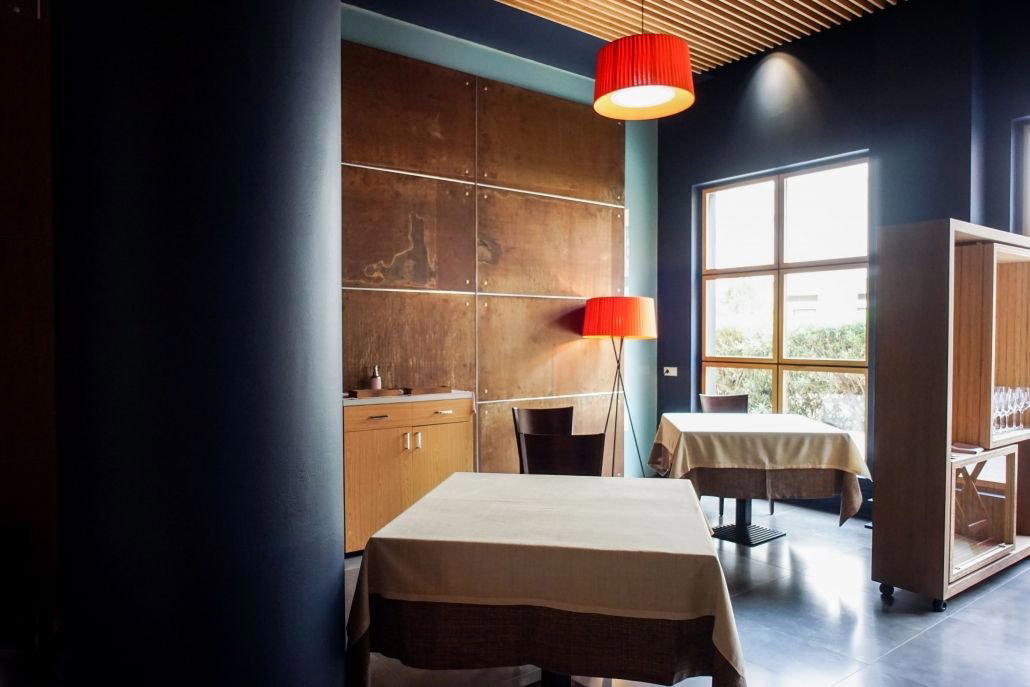
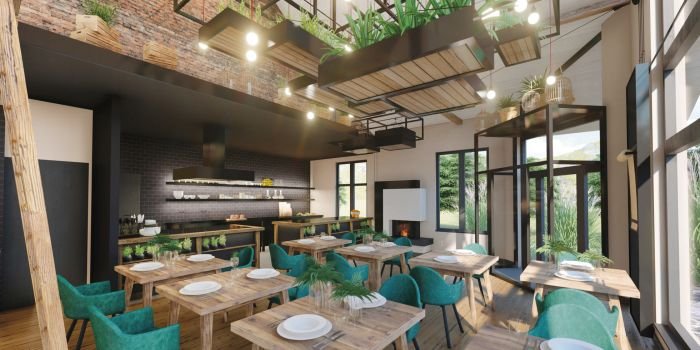
Modern and attractive dining area with high ceilings, hanging herb boxes, open kitchen, and a convivial 'living room' atmosphere.
Tags
Vibe
Best For
Experience
Sourcing
At the Table
- Dress Code
- Smart Casual
- Noise Level
- Quiet
- Service Style
- Formal
- Meal Pacing
- Leisurely
- Capacity
- Intimate
Signature Dishes
- Pflaume & Sellerie
- Lauch & Kohl
- Apfel & Rote Beete
Planning details
Location
Aichelauer Str. 6, 72534 Hayingen, Germany · Directions
speisekartenweb.de/restaurants/hayingen/1950-bio-fine-dining-restaurant-44309
Recognition and awards
Also consider
Also Consider
- Schwarzwaldstube; French, Classic French, €€€€
- Aqua; Contemporary German, Italian/Japanese, Creative, €€€€
- Vendôme; Modern European, Creative, €€€€
- CODA Dessert Dining; Creative, €€€€
- Tantris; Modern French, French Contemporary, €€€€
Restaurant context
At €€€€ and one Michelin star, Restaurant 1950 occupies the same price tier as Germany's most recognised fine-dining rooms, but the experience is structurally different. Schwarzwaldstube in Baiersbronn operates at three stars with a deeply classical French register; it is the choice if technical grandeur and an extended brigade are your benchmark. Vendôme in Bergisch Gladbach similarly runs at a higher star level with a Modern European creative framework. If your metric is maximum Michelin weight per euro, both outrank Restaurant 1950 on raw credential; but neither is making the specific Swabian Alb regional argument that 1950 is built around.
Aqua in Wolfsburg brings an Italian-Japanese-German creative synthesis at three stars, CODA Dessert Dining in Berlin runs an entirely distinct dessert-led format; both are easier to reach by public transport and sit in urban contexts. For a diner choosing between these rooms, Restaurant 1950 is the right pick only if place-specific regional sourcing is the draw; if you want creative internationalism or dessert-forward dining, the others serve you better. Tantris in Munich offers Modern French in a historically significant room with easier logistics than a Swabian Alb trip requires.
The honest positioning: Restaurant 1950 is the most logistically demanding of these options and the lowest on the Michelin star count, but it is the only one putting the Swabian Alb plateau on the plate. For an explorer-minded diner who structures trips around a specific landscape and its produce, it is a coherent choice. For a diner prioritising maximum credential, city access, or international cuisine range, one of the three-star alternatives; or The Table Kevin Fehling in Hamburg or Victor's Fine Dining by Christian Bau in Perl; will be a better fit.
Explore Hayingen
Around this place
Discover more on Pearl
Unlock the full Restaurant 1950 guide in Pearl, including awards, comparisons, FAQs, planning details, and nearby places.
Compare Restaurant 1950
| Venue | Cuisine | Price | Booking Difficulty | Awards |
|---|---|---|---|---|
| Restaurant 1950 | Regional Cuisine | €€€€ | Hard | Michelin Guide Germany 20262025 Michelin 1 Star2024 Michelin 1 Star |
| Schwarzwaldstube | French, Classic French | €€€€ | Unknown | 2026 OAD Classical in Europe Ranked · #9Michelin Guide Germany 20262026 Les Grandes Tables du Monde Members2026 La Liste Top Restaurants2025 OAD Classical in Europe Ranked · #82025 La Liste Top Restaurants2025 Michelin 3 Stars2024 OAD Classical in Europe Ranked · #82024 Michelin 3 Stars |
| Aqua | Contemporary German, Italian/Japanese, Creative | €€€€ | Unknown | 2026 OAD Top Restaurants in Asia Recommended2026 Les Grandes Tables du Monde Members2026 La Liste Top RestaurantsWe're Smart World Top Restaurants 20252025 La Liste Top Restaurants2025 The Best Chef Two Knives2025 Michelin 3 Stars2024 Michelin 3 Stars2015 World's 50 Best Restaurants · #33 |
| Vendôme | Modern European, Creative | €€€€ | Unknown | 2026 OAD Top Restaurants in Europe Ranked · #84Michelin Guide Germany 20262026 La Liste Top Restaurants2025 OAD Top Restaurants in Europe Ranked · #542025 La Liste Top Restaurants2025 Michelin 2 Stars2024 OAD Top Restaurants in Europe Ranked · #472024 Michelin 2 Stars2023 OAD Top New Restaurants in Europe Ranked · #46 |
| CODA Dessert Dining | Creative | €€€€ | Unknown | Michelin Guide Germany 20262026 Michelin 2 StarsStar Wine Lists 20262026 Falstaff Restaurant Guide2026 OAD Top Restaurants in Europe Recommended2026 La Liste Top RestaurantsGermany's Best Restaurant 2025 · #12025 World's 50 Best Restaurants · #792025 OAD Top Restaurants in Europe Ranked · #261 |
| Tantris | Modern French, French Contemporary | €€€€ | Unknown | Star Wine Lists 2026 · #12026 OAD Classical in Europe Ranked · #502026 OAD Top Restaurants in Europe Ranked · #61Michelin Guide Germany 20262026 Les Grandes Tables du Monde Members2026 La Liste Top Restaurants2025 OAD Classical in Europe Ranked · #672025 World's 50 Best Restaurants · #732025 OAD Top Restaurants in Europe Ranked · #74 |













How Restaurant 1950 stacks up against the competition.
FAQ
Frequently Asked Questions
Can I eat at the bar at Restaurant 1950?
No bar seating is documented for Restaurant 1950. As a Michelin-starred restaurant in Hayingen running limited covers, the format is almost certainly table-only and reservation-driven. Walk-in or bar options are not realistic at this level in a venue this size; book a table or don't make the trip.
Is the tasting menu worth it at Restaurant 1950?
For the format, yes. A Michelin star held in both 2024 and 2025 at a regional cuisine restaurant in a village of 3,000 tells you the kitchen is executing at a level well above its surroundings. Chef Chetan Shetty's regional focus means the menu is tied to Swabian Alb sourcing, which gives the tasting format a coherent logic that city restaurants with global supply chains often lack. If you want à la carte flexibility, this is not your venue.
What should a first-timer know about Restaurant 1950?
Hayingen is not a destination you stumble into; you need a car and a plan. The restaurant sits at Aichelauer Str. 6, the nearest cities with accommodation are Reutlingen and Ulm. Budget for a €€€€ spend, plan an overnight stay nearby, treat this as a dedicated trip rather than a dinner stop. The Michelin star is the anchor; everything else requires logistics.
How far ahead should I book Restaurant 1950?
Book at least 4–6 weeks out, further for weekend dates. A one-star restaurant in a small German village runs fewer covers than any city equivalent, which means the absolute number of available seats is low and demand from destination diners fills them fast. There is no walk-in fallback here; if you don't have a reservation, you don't eat.
Is Restaurant 1950 worth the price?
At €€€€ for regional cuisine in rural Germany, you are paying for Michelin-technical execution and a sourcing brief rooted in the Swabian Alb; not for a city address or a famous room. That price is justified if you value precision cooking over atmosphere and are willing to make the journey. For comparison, Tantris in Munich charges similar money with a richer cultural setting; Restaurant 1950 trades that for a more focused, produce-driven case.
Is Restaurant 1950 good for a special occasion?
Yes, with conditions. The Michelin star for 2024 and 2025 gives it the credibility for a significant occasion, the remoteness adds a sense of occasion that a city booking rarely delivers. It works best for couples or very small groups who can handle the logistics. Larger parties or anyone expecting a convivial urban energy will find the format too austere for a celebration.