
Restaurant in Oro Valley, United States
Harvest
100ptsSonoran Sourcing Discipline
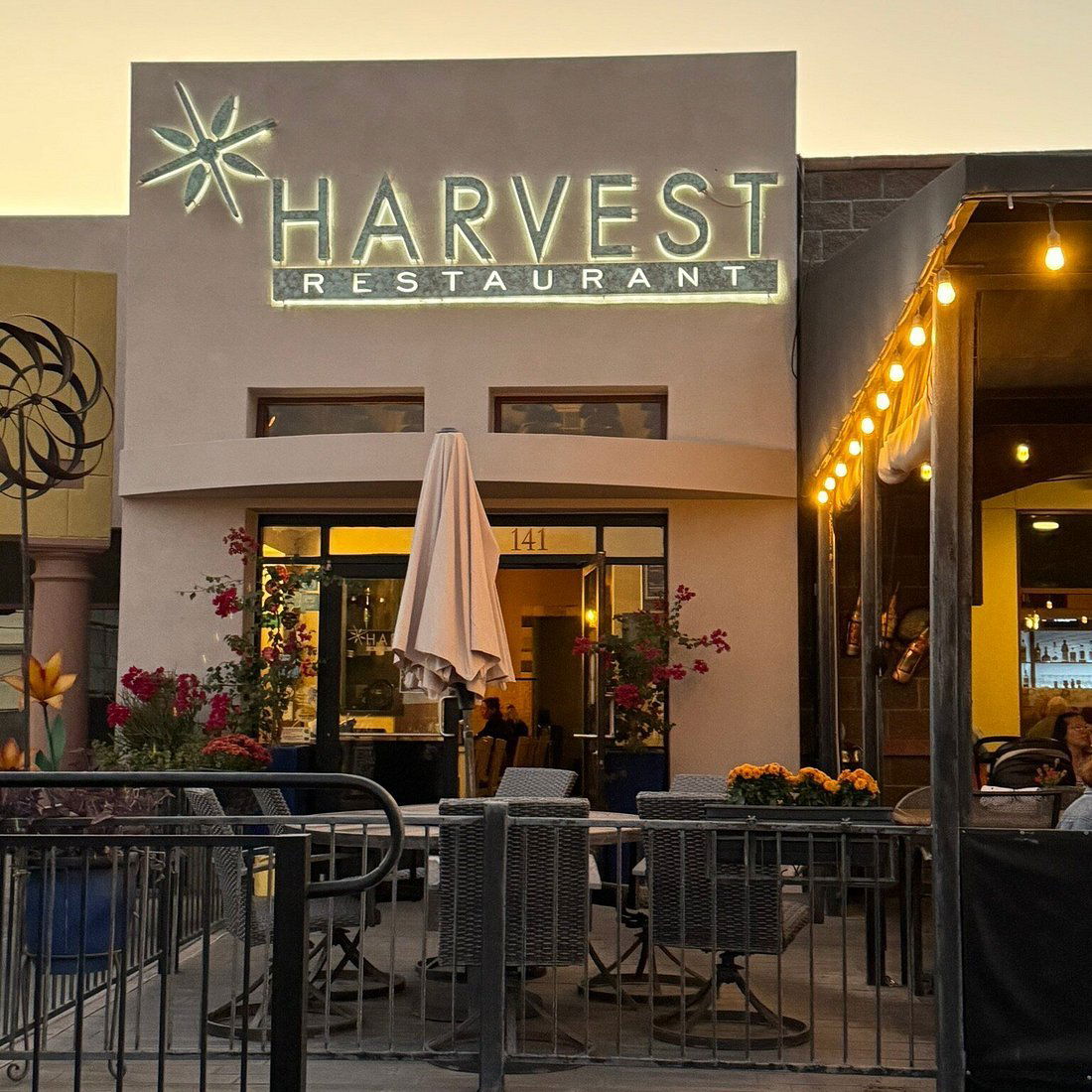
About Harvest
Oro Valley's dining scene has matured well beyond its suburban origins, and Harvest, situated in a La Cañada Drive retail strip, reflects that shift. The name signals a sourcing-forward orientation common among American restaurants rethinking ingredient provenance, placing it in conversation with farm-to-table traditions that have redefined casual-fine dining across the Southwest.
Where Oro Valley's Ingredient-Forward Movement Has Its Clearest Expression
Suburban Arizona restaurants have spent the better part of two decades catching up to the farm-to-table momentum that reshaped dining in Portland, San Francisco, and the Hudson Valley. The catch-up is no longer theoretical. Oro Valley, north of Tucson along the Santa Cruz River corridor, now supports a tier of restaurants that take sourcing seriously enough to let it drive the menu rather than decorate it. Harvest, on La Cañada Drive, occupies that tier. The name is less a marketing signal than a working premise: what comes in the door determines what goes on the plate.
That orientation connects Harvest to a wider American dining conversation about provenance. At the high end of that conversation sit places like Single Thread Farm in Healdsburg, where the farm is literally adjacent to the kitchen, or Blue Hill at Stone Barns in Tarrytown, where Dan Barber's sourcing philosophy has influenced a generation of American chefs. Harvest operates at a different scale and price point, but the underlying instinct — that the quality of the ingredient is the argument — places it in the same lineage.
The Sonoran Desert as a Larder
Arizona's agricultural calendar is not what most visitors expect. The low-desert growing season runs roughly October through May, producing winter vegetables, citrus, and heritage grains at a time when much of the continental United States is under frost. Summer monsoon season, which arrives reliably in July and August, shifts the pantry again: desert herbs, wild-harvested ingredients, and produce adapted to extreme heat. A kitchen that pays attention to this calendar operates differently from one working off a national distributor's standard menu, rotating through the same items regardless of geography.
The Sonoran Desert also produces ingredients with no direct equivalent elsewhere: tepary beans, cholla buds, saguaro fruit, and heirloom corn varieties cultivated by Indigenous communities for centuries before commodity agriculture arrived. Restaurants across southern Arizona have begun incorporating these ingredients, partly as a gesture toward regional identity and partly because the ingredients are genuinely worth cooking with. Whether Harvest draws from this specific tradition is not documented in the public record, but the sourcing-forward framing the name implies positions it inside a regional conversation that has been gaining seriousness for years.
For comparison, consider what sourcing specificity has done for restaurants like Bacchanalia in Atlanta or Brutø in Denver, both of which built reputations on knowing exactly where their proteins and produce originated. The credential is not just ethical , it changes what a kitchen can do technically, because the cook knows the age, treatment, and condition of an ingredient in ways that commodity sourcing cannot guarantee.
Oro Valley's Dining Context
Oro Valley sits at roughly 2,700 feet elevation, which moderates temperatures compared to central Tucson and has attracted a professional residential base over the past two decades. The restaurant scene that has developed alongside that demographic is more varied than the suburb's strip-mall geography suggests. Bottega Michelangelo holds the Italian end of the market with enough seriousness to draw diners from across greater Tucson. Saffron Indian Bistro has built a following on its own regional sourcing and spice depth. Harvest fits into a pattern of Oro Valley restaurants treating the suburban address as incidental rather than defining. See our full Oro Valley restaurants guide for the broader picture.
The La Cañada Drive corridor where Harvest is located runs through Oro Valley's commercial spine. Arriving, you are in a shopping center rather than a standalone building , a format shared by a surprising number of serious American restaurants that have learned to ignore context and focus on what happens inside. The interior, the sourcing, and the service create the experience; the parking lot does not diminish it.
Sourcing-Forward Dining in American Context
The farm-to-table movement that crested in the early 2010s has been replaced by something more rigorous: supply-chain transparency, direct relationships with specific farms, and menus that genuinely change based on what is available rather than what a concept requires. Nationally, this approach is represented at its most committed by places like The French Laundry in Napa, which maintains a two-acre kitchen garden, and Lazy Bear in San Francisco, where the menu is built around a single collaborative meal format tied to seasonal availability.
At the more accessible end, restaurants like Emeril's in New Orleans and Providence in Los Angeles have demonstrated that sourcing discipline and broad audience appeal are not in conflict. The restaurants that fail in this format are those that adopt the language of sourcing without the operational discipline: menus that claim local provenance but run the same dishes year-round regardless of what the season actually offers.
Harvest's name is a commitment, at least implicitly, to the seasonal logic that sourcing-forward cooking requires. Whether that commitment extends to full supply-chain documentation, named farm relationships, or rotating menus is information the venue would need to provide directly. What the name signals, and what the Oro Valley context supports, is a restaurant operating inside a tradition that American dining has been refining for twenty years.
Planning Your Visit
Harvest is located at 10355 N La Cañada Drive, Suite 141, in Oro Valley. For current hours, menu details, and reservation availability, contacting the restaurant directly is the most reliable approach, as seasonal menu rotations at sourcing-forward restaurants can affect service formats and timing. Given Oro Valley's growing dining profile and the general pattern of ingredient-driven restaurants attracting a loyal local following, booking ahead for weekend service is advisable. Parking in the La Cañada corridor is direct. For visitors traveling from central Tucson, the drive north on Oracle Road or La Cañada takes approximately 20 to 25 minutes depending on traffic.
Frequently Asked Questions
- What is the leading thing to order at Harvest?
- Without confirmed menu documentation, specific dish recommendations would be speculative. What sourcing-forward restaurants in this category typically do well are preparations where the ingredient quality is the primary argument: roasted or raw vegetables at peak season, proteins with documented provenance, and dishes that shift based on availability rather than a fixed concept. Ask the kitchen what arrived most recently , that question tends to surface the leading option on any given night. For broader context on what Arizona's seasonal produce calendar makes possible, the Sonoran Desert growing season runs October through May, with a secondary summer window driven by monsoon rains.
- Do I need a reservation at Harvest?
- Oro Valley's dining scene has tightened as the suburb's residential base has grown, and ingredient-driven restaurants with a neighborhood following , the tier in which Harvest sits , tend to fill weekend tables earlier than their suburban address might suggest. Contacting the restaurant directly to confirm current reservation policy is the practical step. For reference, comparable sourcing-focused restaurants in smaller American cities, including Addison in San Diego and Causa in Washington, D.C., recommend booking at least a week out for prime service times.
- How does Harvest fit into Oro Valley's dining scene compared to other farm-to-table options in southern Arizona?
- Southern Arizona has developed a credible cluster of ingredient-conscious restaurants over the past decade, anchored by Tucson's designation as a UNESCO Creative City of Gastronomy , the first American city to receive that recognition, awarded in 2015. Harvest's position in Oro Valley places it at the northern edge of that broader Tucson food culture, drawing on the same regional pantry of desert ingredients, heritage grains, and winter produce that has distinguished the area's serious restaurants. For visitors building a wider Arizona itinerary, pairing a meal at Harvest with other Oro Valley options such as Bottega Michelangelo gives a reasonable cross-section of what the suburb's dining tier now offers. See the full Oro Valley guide for additional context alongside nationally recognized sourcing-driven restaurants like Atomix in New York City, Alinea in Chicago, Le Bernardin in New York City, The Inn at Little Washington, and 8½ Otto e Mezzo Bombana in Hong Kong.
Related editorial
- Best Fine Dining Restaurants in ParisFrom three-Michelin-star icons to the next generation of Parisian chefs pushing boundaries, these are the restaurants that define fine dining in the world's culinary capital.
- Best Luxury Hotels in RomeFrom rooftop terraces overlooking ancient ruins to Michelin-starred hotel dining, these are the luxury hotels that make Rome unforgettable.
- Best Cocktail Bars in KyotoFrom sleek lounges to hidden speakeasies, Kyoto's cocktail scene blends Japanese precision with global influence in ways you won't find anywhere else.
Save or rate Harvest on Pearl
Keep this venue in your Pearl passport, rate it after you visit, and track it alongside every other place you collect.