Busumo
Central Göttingen, Göttingen
Restaurant in Göttingen, Germany
 Book with Pearl
The Read
Dress
Casual
Why go
Busumo is a practical central Göttingen pick for an easy meal, not a wine-led destination. Choose it when convenience, flexible timing, and low booking pressure matter; look elsewhere if the night depends on a defined cuisine format, chef profile, or documented cellar depth.
About Busumo
Choose Busumo if the goal is an easy Göttingen meal with low planning friction; do not choose it on the basis of a chef, published wine depth, or a clearly defined cuisine format. This is best treated as a practical pick rather than a heavily documented destination dinner.
The main reason to choose it is simplicity: Busumo is in Göttingen, with hours that make it usable across much of the week. For a food-focused trip through Göttingen, use our full Göttingen restaurants guide to build the wider plan, then treat this as a flexible slot rather than the anchor booking.
Choose it for convenience, not wine-list certainty
The wine-angle test is where Busumo offers little support: it does not feature a dedicated wine program, cellar focus, pairing format, or sommelier-led reason to prioritize it. That does not make it a bad choice; it just means wine-driven diners should not choose it expecting documented depth. If the night is about bottles, pacing, or a more structured dining experience, compare other options first, including Intuu.
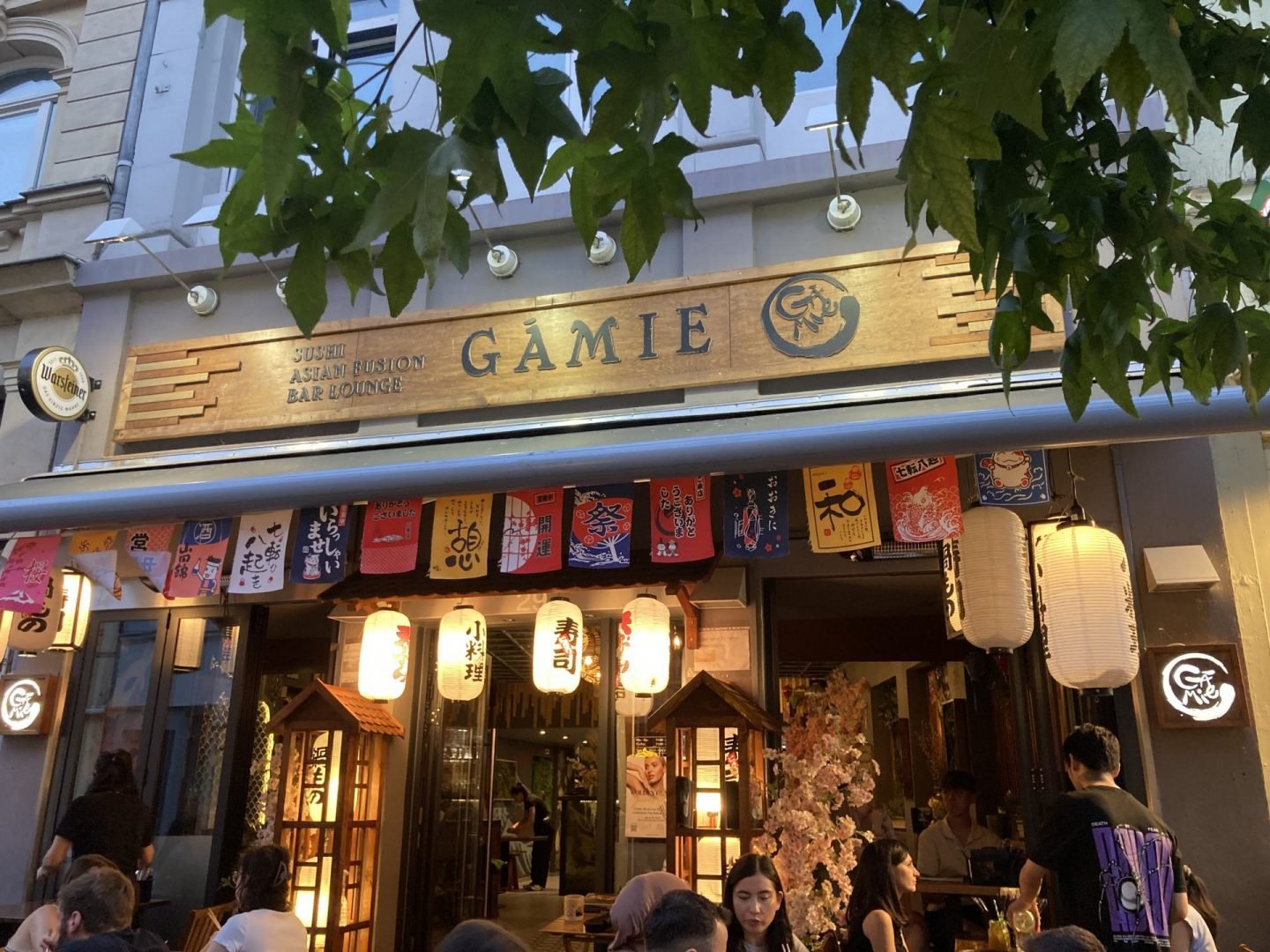
The case is strongest when flexibility matters. The hours and casual dress code make Busumo easier to fit into a moving plan than a more formal meal. For another comparison, cross-shop Restaurant Madras; other useful reference points include Gamie Restaurant, Tante Giulia, or Viani Alimentari.
Where it fits in a Göttingen plan
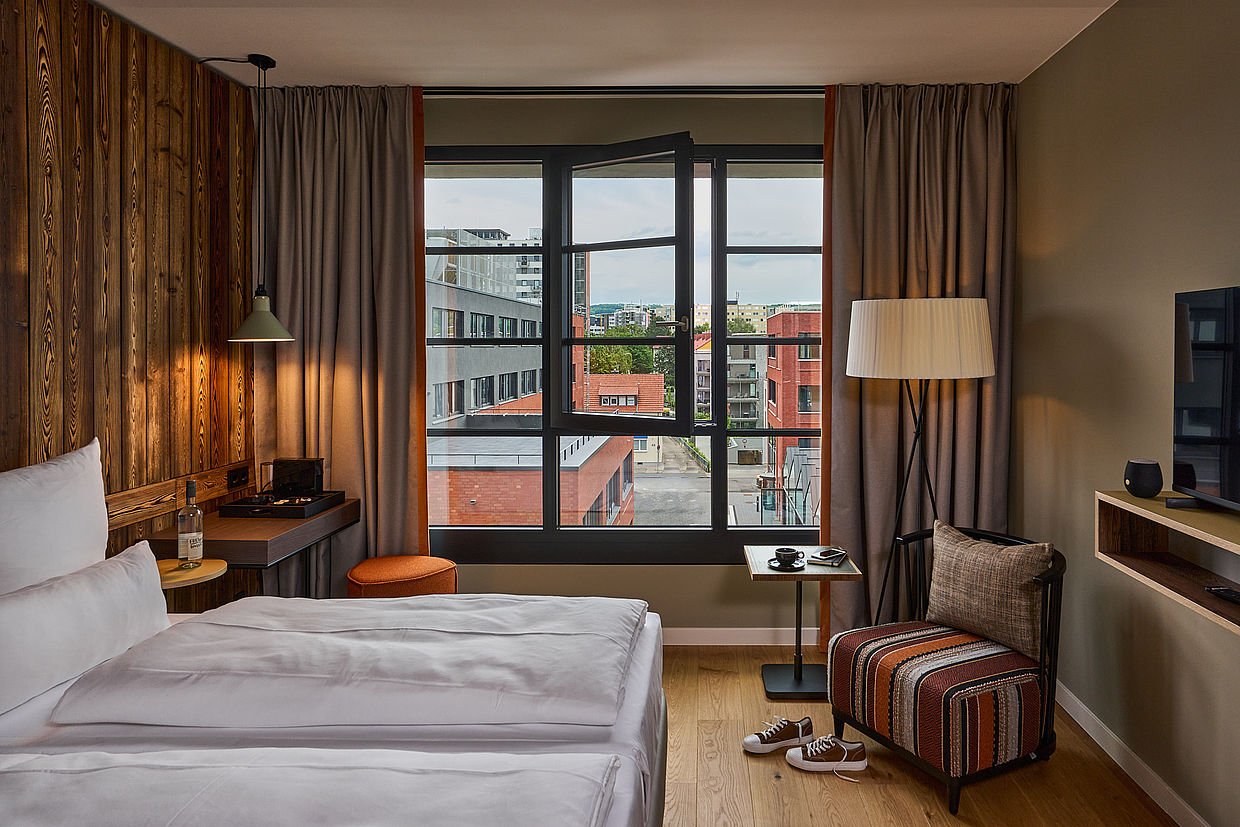
Busumo makes sense as a low-commitment restaurant choice, especially when the rest of the day is doing the heavy lifting: hotel logistics, time in Göttingen, or an uncomplicated evening. Pair it with our full Göttingen hotels guide if the priority is an easy stay rather than a single ambitious table.
Travelers building a wider food itinerary should save the bigger decision energy for restaurants with more clearly documented formats. In Göttingen, Busumo is the sensible, easy option when hours, casual dress, and flexibility matter more than a documented wine or tasting-menu experience.
Planning details
- Location
- Groner Str. 13, 37073 Göttingen, Germany
- Website
- busumo.de
- Phone
- +4955182071686
The take
The Take
The Vibe
Busumo sits on a working stretch of Groner Strasse and shapes itself to the local rhythm rather than to destination-driven dining. The restaurant reads as unpretentious and approachable: it caters to a steady flow of students, residents and commuters who prize reliable cooking and regularity over spectacle. Because the street is functional rather than polished, Busumo’s appeal is practical—repeat visits are driven by substance. The tone feels casual and relaxed, a neighborhood spot that fits neatly into Göttingen’s compact, university-influenced dining scene rather than trying to be a flashy standout.
Best For
Busumo is best for weekday dinners and casual after-work meals when the university and commuter crowd is most active. It suits locals and students looking for dependable international cooking in the western approach to the old town, and it works well for solo diners and small groups who favour a straightforward, no-frills meal. The address rewards repeat visits—regulars come for the consistency of the food and the familiar, local-first atmosphere rather than for high-concept presentation or formal service.
Ordering Tips
Expect Busumo to deliver steady, substance-first cooking rather than an atmosphere-driven experience. Because the restaurant earns repeat custom from neighbourhood regulars and the university population, go with the assumption that familiar, reliable dishes are the draw; opt for crowd-pleasing choices if you want to see what keeps locals coming back. Visit on weekday evenings to experience the core clientele in full swing, and treat the meal as a practical, convivial option for after-work or study-night dining rather than a special-occasion splurge.
Venue details
Ambiance
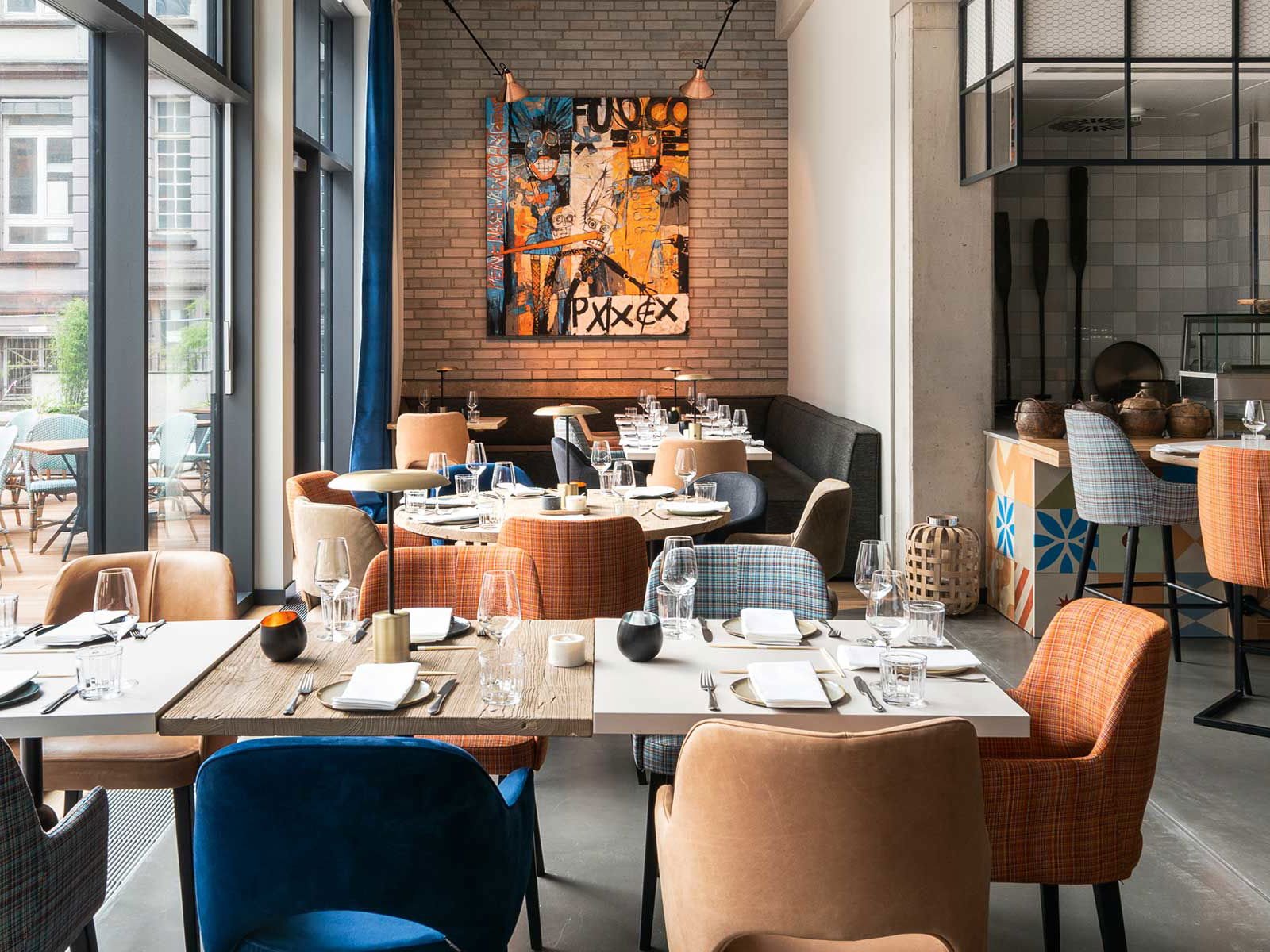
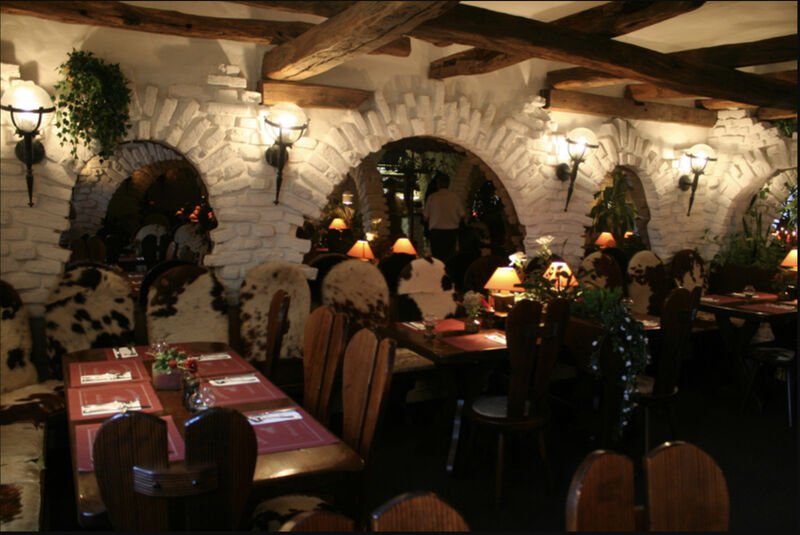
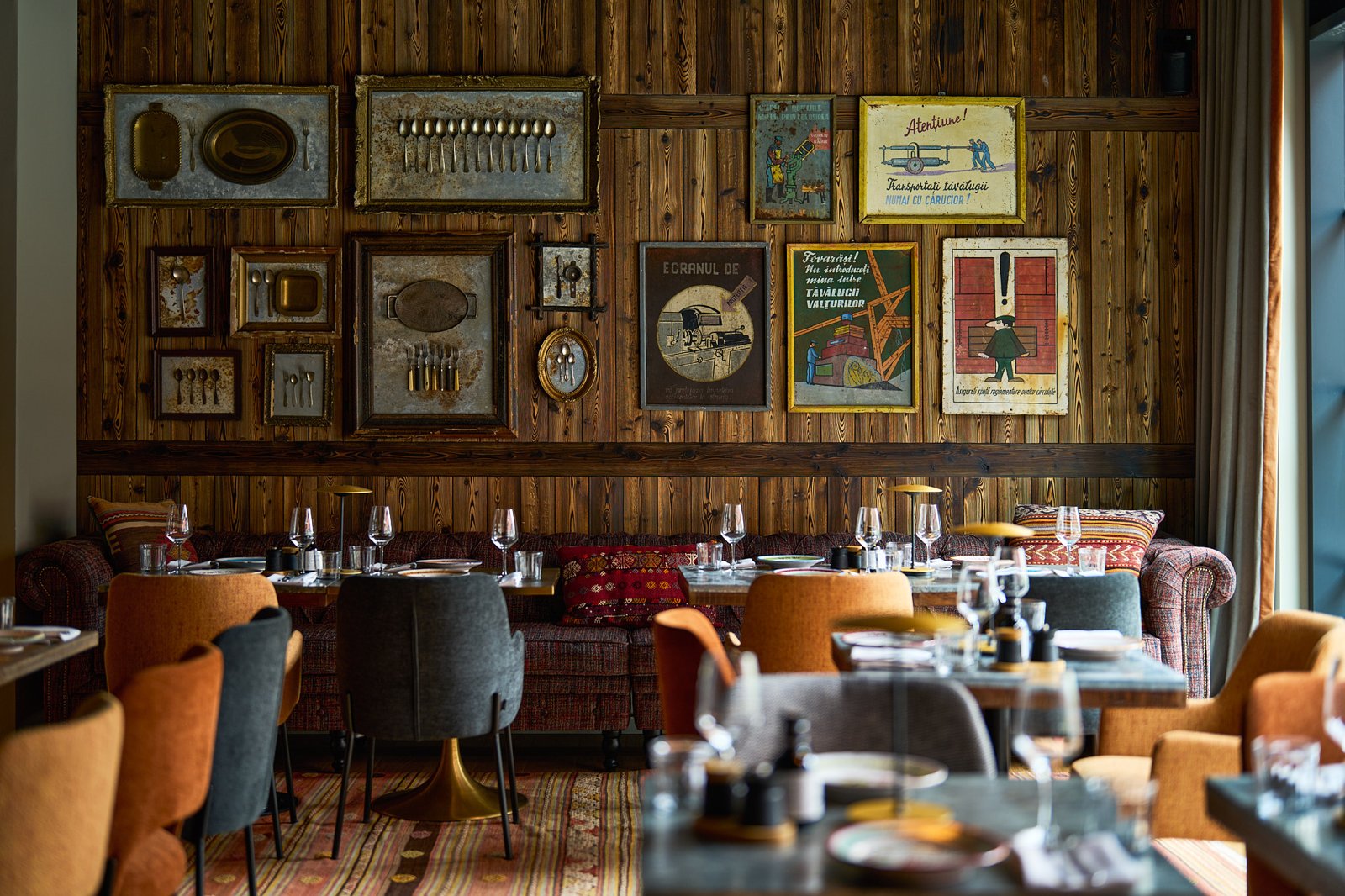
Modern atmosphere with friendly service.
Tags
Vibe
Best For
Accessibility
At the Table
- Dress Code
- Casual
- Noise Level
- Conversational
- Service Style
- Upscale Casual
- Meal Pacing
- Standard
- Capacity
- Medium
Know before you go
Know Before You Go
- Getting there
- Groner Str. 13, 37073 Göttingen, Germany
Planning details
Location
Also consider
Where to go if Busumo does not fit
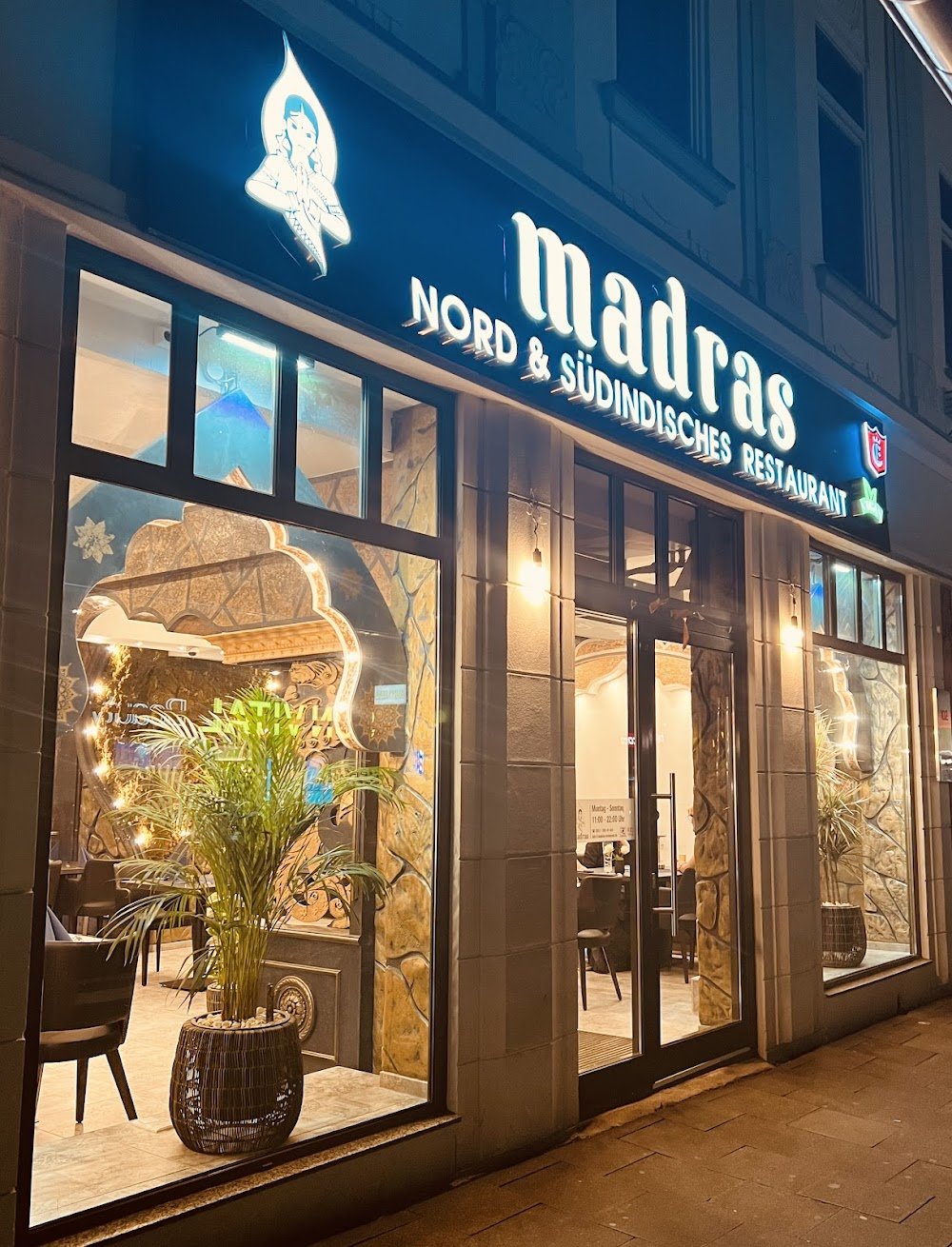
Choose Intuu if the meal needs a clearer format and the budget can stretch to €€€. Choose Restaurant Madras if the decision is driven by a specific cuisine craving rather than central convenience.
Restaurant context
How Busumo compares in Göttingen
Busumo is the easy, central choice when the priority is convenience and low planning pressure. Intuu is the clearer upgrade for diners who want a defined Japanese Contemporary format and are comfortable with a €€€ price tier; it is the stronger pick for a more deliberate dinner.
For value-focused or cuisine-specific decisions, compare the craving first. Restaurant Madras is the more obvious alternative when Indian cooking is the goal, while Tante Giulia and Viani Alimentari are better cross-shops when the brief leans Italian or casual European. Busumo wins mainly on ease, not on a documented wine program or special-occasion signal.
Gamie Restaurant is worth checking if Busumo is not available or if the group wants another Göttingen option without committing to Intuu's higher stated tier. For a wine-led meal, none of these peers should be treated as proven cellar destinations from the available details; choose by cuisine, location, and budget instead.
Explore Göttingen
Around this place
Discover more on Pearl
Unlock the full Busumo guide in Pearl, including awards, comparisons, FAQs, planning details, and nearby places.
Compare Busumo
| Venue | Location | Cuisine | Price | Awards |
|---|---|---|---|---|
| Busumo | Göttingen | , | , | No published awards |
| Gamie Restaurant | Göttingen | , | , | No published awards |
| Tante Giulia | Göttingen | , | , | No published awards |
| Intuu | Göttingen | Japanese Contemporary | €€€ | Michelin Guide Germany 20262026 Michelin Plate2025 Michelin Plate2024 Michelin Plate |
| Restaurant Madras | Göttingen | , | , | No published awards |
| Viani Alimentari | Göttingen | , | , | No published awards |

.png?width=1200&quality=80)
How Busumo Göttingen compares with similar nearby venues.
FAQ
Frequently Asked Questions
What should I order at Busumo?
There is no signature dish or menu format available, so check the current menu when you arrive. If the choice is between planning a full event meal or treating it as a casual meal stop, keep expectations in the second lane.
Is Busumo good for solo dining?
Details on seating format or solo-dining setup are not available. It does have a casual dress code and hours across the week, which can make Busumo easier to fit into a flexible Göttingen plan.
What should I wear to Busumo?
Casual dress is the dress code, so regular day-to-night clothing is the safe call. There is no need to dress up unless the rest of your plans call for it.
Is an earlier or later visit better at Busumo?
Choose based on the hours. Busumo opens at 11:30 AM Monday through Saturday, closes at 8:30 PM on Monday, runs until 10 PM Tuesday through Saturday, and opens 3 to 10 PM on Sunday. Earlier visits suit a simple stop; later visits work better on the days with a 10 PM closing time.
Is Busumo good for a special occasion?
Only if the occasion is casual and convenience matters more than a formal, highly documented dining plan. If the plan needs more ceremony, Gamie Restaurant or Intuu are useful comparisons; Busumo is more useful when you want an easy meal in Göttingen without turning it into an event.
What are alternatives to Busumo?
For another comparison, consider Gamie Restaurant or Intuu. Tante Giulia, Restaurant Madras, and Viani Alimentari are also useful reference points when comparing Busumo with other dining choices.
What should a first-timer know about Busumo?
Plan around the hours first: Monday is 11:30 AM to 8:30 PM, Tuesday through Saturday is 11:30 AM to 10 PM, and Sunday is 3 to 10 PM. The main reason to choose Busumo is convenience in Göttingen, so treat it as an easy, flexible option rather than a destination meal.