    Restaurant in Funafuti, Tuvalu

    Halavai Restaurant

    100pts

    Atoll-Edge Pacific Table

    Halavai Restaurant, Restaurant in Funafuti

    About Halavai Restaurant

    Eating at the Edge of the Map: Dining in Funafuti Funafuti is one of the most geographically isolated capitals on earth. The atoll sits in the central Pacific, roughly equidistant from Hawaii and Australia, on land that rises no more than a few...

    Eating at the Edge of the Map: Dining in Funafuti

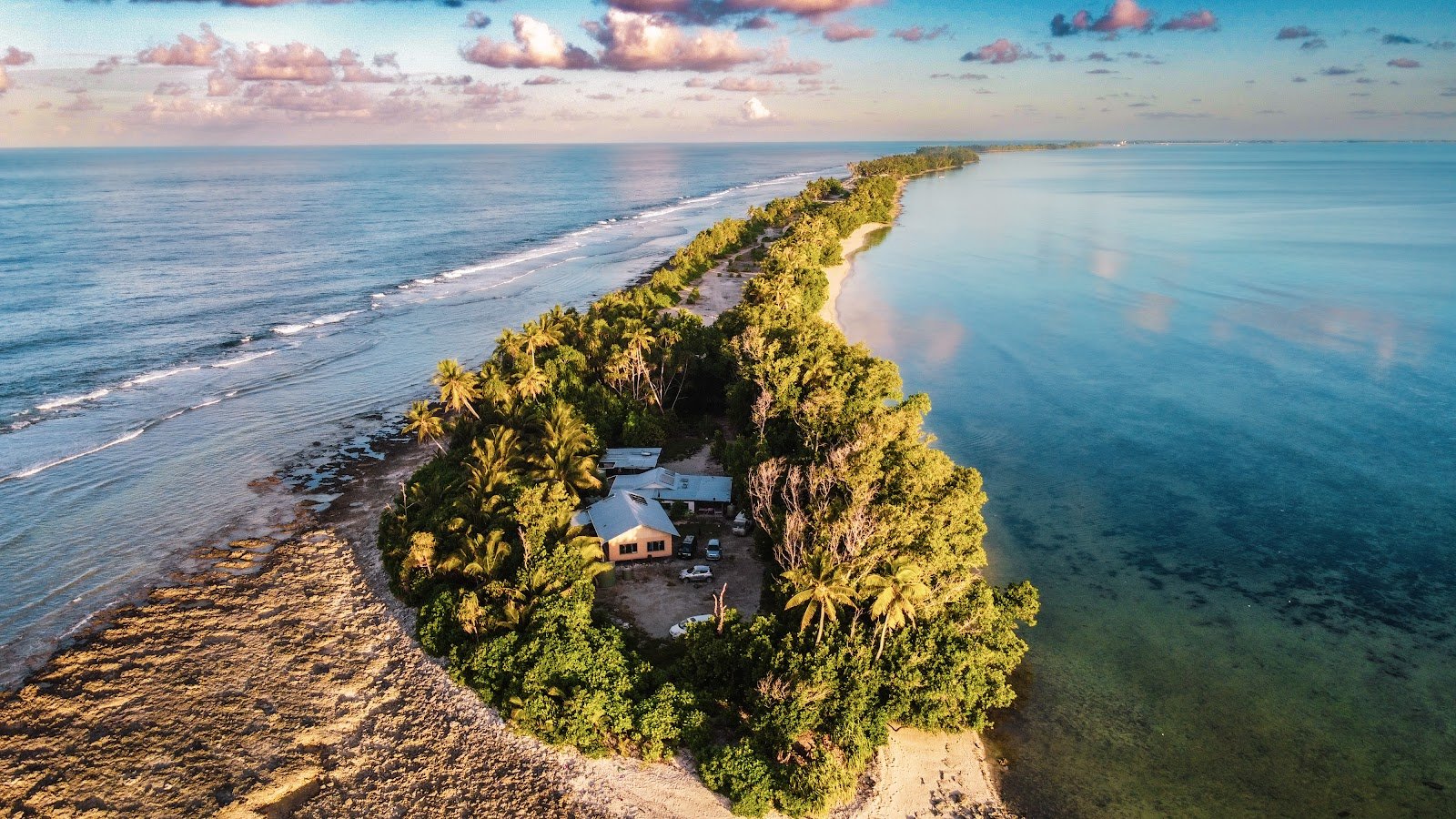
    Funafuti is one of the most geographically isolated capitals on earth. The atoll sits in the central Pacific, roughly equidistant from Hawaii and Australia, on land that rises no more than a few metres above sea level. Getting here requires a connecting flight through Fiji or Suva, and the total land area of the atoll is measured in square kilometres rather than square miles. That geographic reality shapes everything about how food arrives, how it is prepared, and what it means to eat well here. Halavai Restaurant operates within that context, in a city where the supply chain for any ingredient that does not come from the ocean or a backyard garden involves a cargo flight or a shipping route measured in days.

    Pacific Island Food Culture and What It Demands of a Restaurant

    Across Polynesia and Micronesia, the foundations of the table are built from ocean protein, starchy root crops, and coconut in its many forms. Tuvalu sits at the intersection of those traditions. The sea provides yellowfin tuna, reef fish, and shellfish; the land produces taro, breadfruit, and pandanus. This is not a cuisine built around scarcity so much as one shaped by specificity: you cook what the reef and the garden give you, and the craft lies in how you treat those materials. It is a tradition that bears comparison, in structural terms, to the coastal kitchens of Aponiente in El Puerto de Santa María, where the entire menu premise rests on rethinking what the sea offers, or to the vegetable-first logic of Arpège in Paris. The parallel is not culinary equivalence but conceptual alignment: constraint and locality as creative anchors.

    In Funafuti, that localism is not a stylistic choice. It is the baseline condition. A restaurant here cannot rely on daily deliveries of imported produce in the way that a kitchen in a major hub city can. What is available shapes what appears on the table, and that relationship between place and plate is more direct than almost anywhere else a traveller is likely to encounter.

    Halavai Restaurant in Context

    Funafuti has a limited restaurant scene by the standards of any regional capital, and Halavai Restaurant is one of the addresses that visitors and residents return to within it. Blue Ocean Restaurant represents another reference point in the local dining picture, and the two names tend to anchor conversations about where to eat on the atoll. For broader coverage of where to eat and drink across the city, the full Funafuti restaurants guide provides a wider map.

    Funafuti does not sit in the same category as dining destinations where a dense peer set of Michelin-recognised addresses sets the competitive frame. The relevant comparison is not against Le Bernardin in New York City or Atomix in New York City, nor the tasting-menu formats of Alinea in Chicago or Lazy Bear in San Francisco. The frame is different entirely. Here, the relevant question is what a kitchen does with what the Pacific provides, and whether it does so with intention and care. In that narrower but locally meaningful frame, Halavai holds a position worth understanding before you arrive.

    What the Setting Tells You

    Arriving at any restaurant in Funafuti involves the particular sensory grammar of a low-lying atoll: the salt air is persistent, the light is flat and bright off the lagoon, and the sounds of an ordinary Pacific afternoon, motorbikes, children, the occasional cargo flight overhead, form the backdrop to any meal. There is no theatre of arrival of the kind that defines a meal at Alain Ducasse at Louis XV in Monte Carlo or the architectural drama that surrounds Azurmendi in Larrabetzu. What there is instead is the directness of a small island town, where the distance between the kitchen and the reef that supplied it is measured in minutes rather than supply chain nodes.

    That directness is not a consolation for the absence of scale; it is a different kind of value. Diners who have spent time in places like Atelier Crenn in San Francisco or engaged with the marine-focused ambition of Amber in Hong Kong will recognise the appeal of eating somewhere the provenance chain is genuinely short. In Funafuti, that shortness is structural, not marketed.

    Planning a Meal: What Visitors Should Know

    Because detailed operational data for Halavai Restaurant is not publicly available through verified channels, specific booking policies, hours, and pricing cannot be confirmed here. What is known from general experience of dining in Funafuti applies: the restaurant scene is small enough that asking at your accommodation, whether the Vaiaku Lagi Hotel or a guesthouse on the main islet, will yield current, reliable guidance on where Halavai is operating, when it opens, and whether reservations are needed. In a town of this scale, local knowledge is the most accurate booking system available.

    Travellers arriving from major Pacific hubs, including Suva and Tarawa, should factor in the limited flight schedule to Funafuti when planning any specific dining commitment. The Tuvalu Air and Fiji Airways connections operate on schedules that can shift, and meal plans tied to specific evenings should carry some flexibility.

    For comparison, reaching a table at a formally bookable address, such as Allnéo Paris au Pavillon Ledoyen or 8½ Otto e Mezzo Bombana in Hong Kong, involves booking systems, lead times, and confirmation emails. Reaching a table in Funafuti involves understanding the atoll's rhythms. Neither is harder; they are simply different logistical registers.

    The Broader Significance of Eating Here

    Tuvalu is among the nations most directly threatened by sea-level rise, and that fact carries weight at every table on the atoll. Eating in Funafuti is, in a quiet way, an act of attention to a place that the rest of the world talks about in the abstract but rarely visits. The food traditions here, built around the Pacific's abundance and shaped by centuries of island navigation and trade, deserve to be understood on their own terms rather than measured against the benchmarks of cities with entirely different resource bases.

    Restaurants in small Pacific capitals occupy a category that does not have a clean critical vocabulary yet. The frameworks used to discuss Arzak in San Sebastián, Atelier Moessmer in Brunico, or Aqua in Wolfsburg do not transfer. What transfers is the underlying principle: food that reflects where it comes from, prepared with care for the people eating it, in a setting that could not exist anywhere else. Halavai Restaurant, operating in one of the smallest and most remote capitals in the world, is exactly that kind of place. For a certain kind of traveller, that is the entire point.

    Frequently Asked Questions

    What should I order at Halavai Restaurant?
    Verified menu data for Halavai Restaurant is not publicly available through confirmed sources, so specific dish recommendations cannot be made here. As a general principle anchored in Tuvalu’s food culture, ocean-based dishes using locally caught reef fish and tuna are the backbone of any serious kitchen on the atoll. Asking the staff directly on arrival is the most reliable way to understand what is fresh and available that day, which in an atoll kitchen with a short supply chain, is almost always the deciding factor. For broader context on eating in the city, see the full Funafuti restaurants guide.
    How hard is it to get a table at Halavai Restaurant?
    Funafuti’s dining scene is small enough that formal booking infrastructure of the kind used by recognised addresses in major cities does not apply in the same way. The restaurant does not appear in any current awards tier that would drive high external demand, and the total visitor volume to Tuvalu remains low by any regional Pacific measure, with the country receiving only a few hundred international tourists in typical years. In practical terms, securing a table is less about lead time and more about confirming current hours and availability through your accommodation on arrival.
    Is Halavai Restaurant a good option for travellers who want to eat local Tuvaluan food rather than imported cuisine?
    Tuvalu’s geographic isolation means that any kitchen operating seriously on the atoll draws heavily on local and Pacific-sourced ingredients by necessity. The supply conditions that make imported produce expensive and unpredictable in Funafuti create a natural orientation toward reef fish, root crops, and coconut-based preparations that define Tuvaluan and broader Micronesian food traditions. For a traveller specifically seeking food rooted in local culture rather than an internationally standardised menu, Funafuti’s restaurant scene, including Halavai and Blue Ocean Restaurant, offers a more direct connection to place than most Pacific tourism hubs where imported food dominates the higher-end options.
    Keep this place

    Save or rate Halavai Restaurant on Pearl

    Keep this venue in your Pearl passport, rate it after you visit, and track it alongside every other place you collect.