Noma Sushi
Centro Empresarial / Jurerê Internacional, Florianopolis
Restaurant in Florianopolis, Brazil
 Book with Pearl
The Read
Dress
Smart Casual
Why go
A practical sushi pick in Florianopolis's Centro for dinner dates, small celebrations, and easier last-minute planning. Noma Sushi is strongest when sushi is the clear craving and the group wants an evening meal without a complicated reservation chase; cross-shop if the night calls for waterfront dining, Iberian flavors, pizza, or a louder group setting.
About Noma Sushi
For dinner in Florianopolis, Noma Sushi is an evening venue with a smart casual dress code. It is closed on Monday, so plan for another day of the week and confirm any details that matter to your group before you go.
Use the confirmed schedule first, then contact the venue directly for anything more specific.
Use it for dinner plans, not a daytime meal
Noma Sushi is a dinner-only choice based on the available hours. It is closed on Monday; open Tuesday, Wednesday, Thursday, and Sunday from 7–11:30 PM; and open Friday and Saturday from 7 PM–12 AM. That makes it a better fit for an evening plan than a lunch or afternoon meal.
Check directly before planning a larger group meal or a special occasion with firm requirements. For a simpler dinner, the confirmed evening schedule and smart casual dress code are the main planning anchors.
Who should book, and who should cross-shop
Book if the priority is an evening meal in Florianopolis and the confirmed hours suit your plan. Cross-shop if your group needs more certainty about format, menu details, budget, or a specific occasion setup before committing.
For broader planning across the city, use Our full Florianopolis restaurants guide. If the night needs a stay, a drink before dinner, or a non-restaurant plan, the city guides for hotels, bars, wineries, and experiences can help shape the rest of the evening.
Planning details
- Location
- R. Alm. Lamego, 201 - Centro, Florianópolis - SC, 88015-600, Brazil
- Website
- linktr.ee
- Phone
- +5548991705869
The take
The Take
The Vibe
Noma Sushi positions Japanese technique squarely within southern Brazil’s ingredients and culinary history. The writing emphasizes local currents — oysters from Ribeirão da Ilha and fish pulled from warm coastal waters — and describes a sushi culture that blends rigorous technique with what the island produces. The restaurant’s Centro address reinforces that localism: it serves a practical, neighborhood register rather than a resort sensibility. The result is a modern, quietly confident sushi house that reads as part of Florianópolis’s food landscape, honoring both Japanese technique and the Atlantic seafood traditions that define the island.
Best For
Noma Sushi suits both midday and evening meals for people who want a serious take on sushi that feels of the place. Its Centro location draws office workers, locals, and visitors, so lunch for a workday bite and dinner for an attentive meal are both natural fits. The tone described in the text is measured rather than touristy or flashy, making it a practical choice for business dinners and after-work groups who appreciate technique applied to southern-Atlantic seafood. Larger celebratory bookings are possible given its established reputation, but the core audience reads as local and discerning.
Ordering Tips
The menu emphasizes nigiri, temaki, hot rolls and other formats that marry Japanese technique with local fish; look for preparations that highlight southern-Atlantic seafood. Signature items to try include the Kaitai Ceremony and the Premium Combination Plates, which showcase a range of bites, and the Oak Roll as a noted specialty. If you want a sampling of the restaurant’s approach, choose a combination plate or the Kaitai Ceremony to experience how classic sushi formats are adapted with regional ingredients such as oysters and island-caught fish.
Venue details
Ambiance
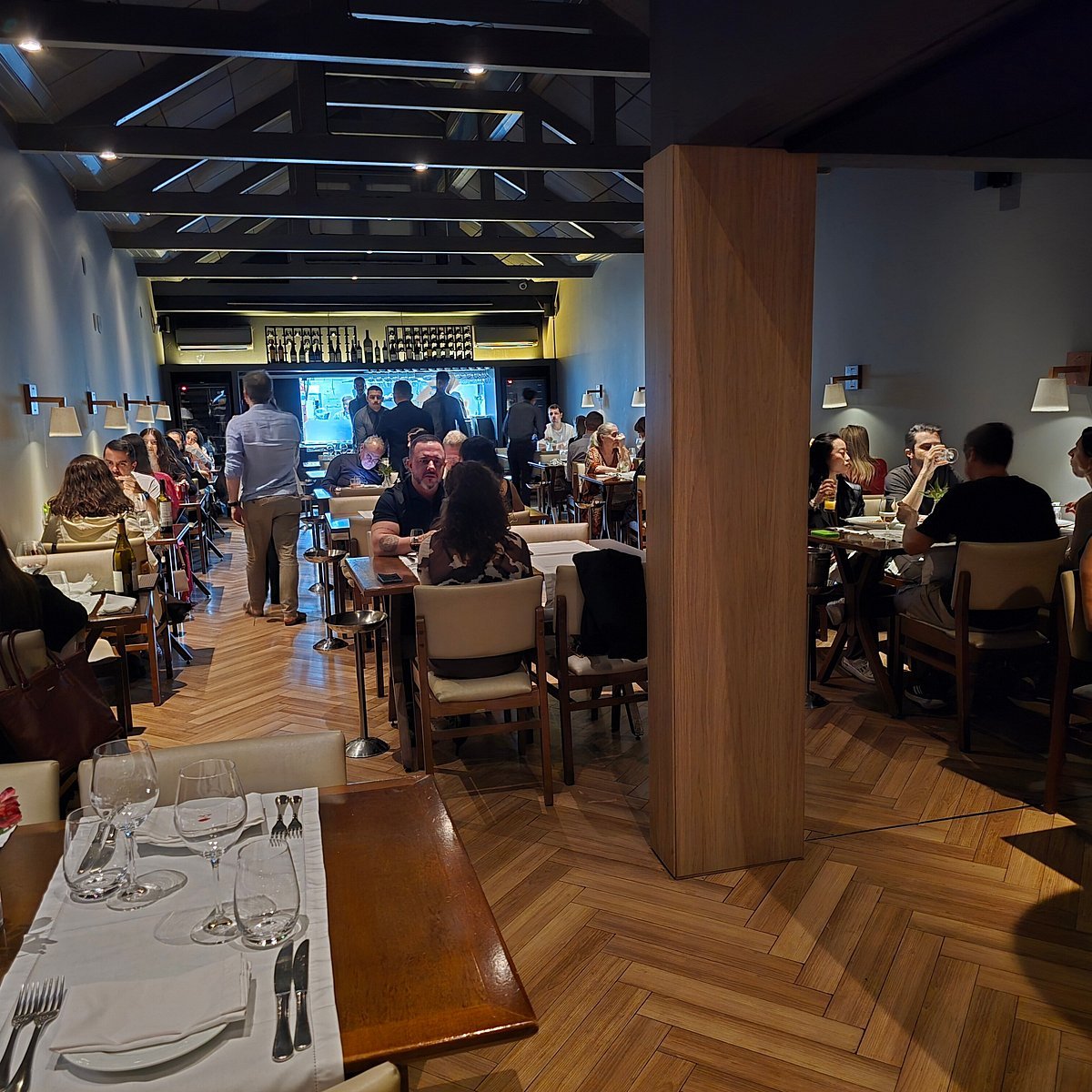
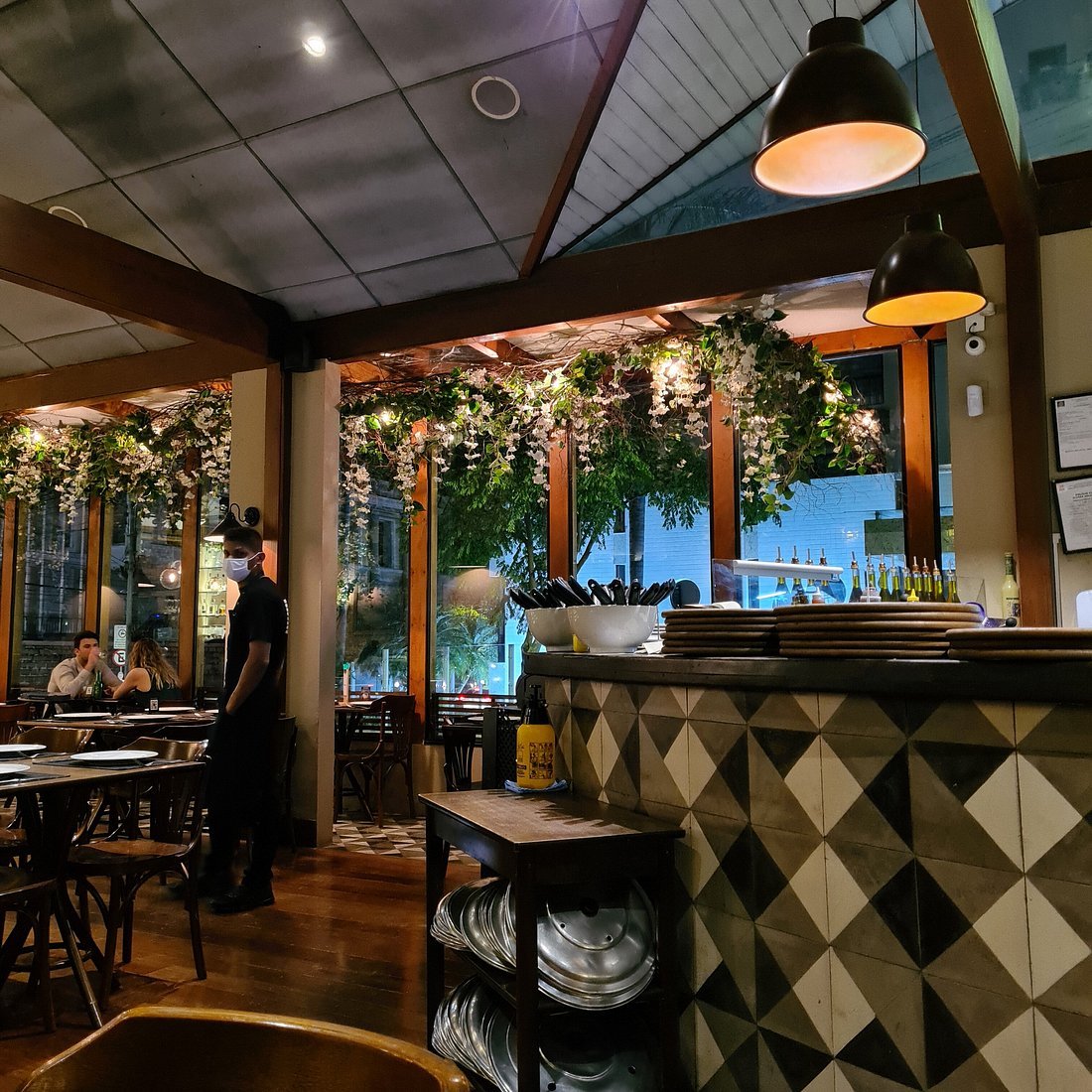
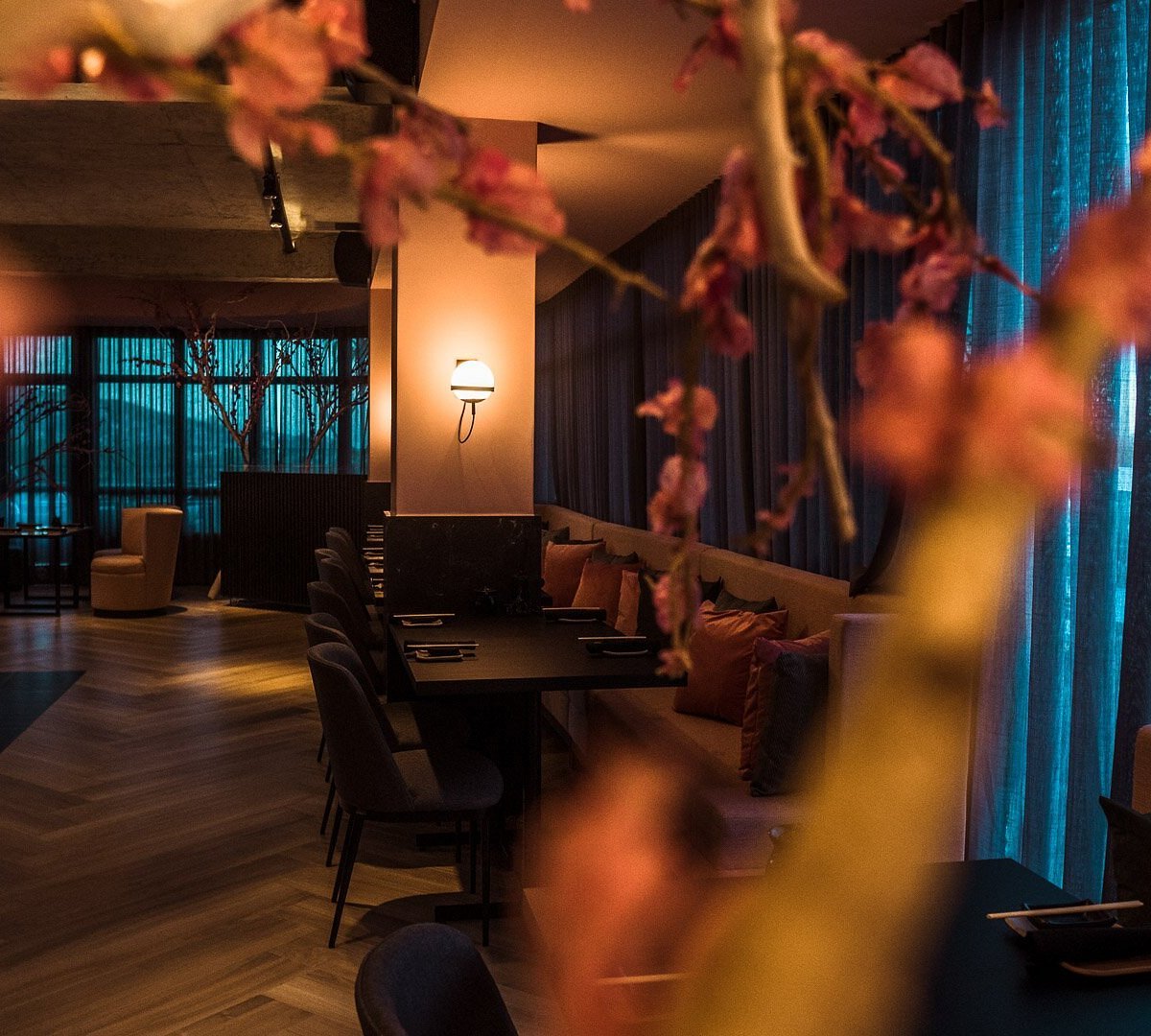
Modern and sophisticated with neon lights, hanging fairy lights, and a club-like energy; intimate yet lively with contemporary design and breathtaking city views.
Tags
Vibe
Best For
Experience
Sourcing
View
Accessibility
At the Table
- Dress Code
- Smart Casual
- Noise Level
- Lively
- Service Style
- Upscale Casual
- Meal Pacing
- Leisurely
- Capacity
- Medium
Signature Dishes
- Kaitai Ceremony
- Premium Combination Plates
- Oak Roll
Know before you go
Know Before You Go
- Getting there
- R. Alm. Lamego, 201 - Centro, Florianópolis - SC, 88015-600, Brazil
Planning details
Location
R. Alm. Lamego, 201 - Centro, Florianópolis - SC, 88015-600, Brazil · Directions
Also consider
Where to go if this is not the fit
If sushi is not the shared craving, start with Forneria Catarina for a more group-friendly Italian-leaning option. If the group wants a livelier casual dinner, Restaurante Guacamole Cocina Mexicana - Floripa is the cleaner alternative.
Restaurant context
How it compares in Florianopolis
Choose Noma Sushi when sushi is the point and Centro is the right location. Against Restaurante Le Tuá and Píer 54 Restaurante, it reads as the more specific craving-driven choice: better for a compact dinner around sushi, less useful if the group wants a broader occasion restaurant or a setting that carries the night on its own.
Taberna Ibérica is the stronger cross-shop for diners who want Iberian flavors and a more shareable table format. Forneria Catarina is the safer bet for groups with mixed tastes, especially when pizza or Italian-leaning comfort is easier to agree on than sushi. For a louder, more casual group night, Restaurante Guacamole Cocina Mexicana - Floripa is the more obvious alternative.
On booking difficulty, Noma Sushi has the advantage if the goal is an easier dinner reservation. On value for money, the comparison is harder without a listed price tier, so the practical move is to use it for smaller tables first, then graduate to bigger celebrations once the ordering style and spend feel clear.
Explore Florianopolis
Around this place
Discover more on Pearl
Unlock the full Noma Sushi guide in Pearl, including awards, comparisons, FAQs, planning details, and nearby places.
Compare Noma Sushi
| Venue | Location | Awards |
|---|---|---|
| Noma Sushi | Florianopolis | No published awards |
| Restaurante Le Tuá | Florianopolis | No published awards |
| Píer 54 Restaurante | Florianopolis | No published awards |
| Taberna Ibérica | Florianopolis | No published awards |
| Forneria Catarina | Florianopolis | No published awards |
| Restaurante Guacamole Cocina Mexicana - Floripa | Florianopolis | No published awards |
How Noma Sushi Florianopolis compares with similar nearby venues.
FAQ
Frequently Asked Questions
Is lunch or dinner better at Noma Sushi?
Dinner is the clear pick, since the hours are evening only: Tuesday to Thursday and Sunday from 7–11:30 PM, and Friday to Saturday from 7 PM–12 AM. Noma Sushi is closed on Monday.
Can I eat at the bar at Noma Sushi?
Does Noma Sushi handle dietary restrictions?
Contact Noma Sushi directly before you go if anyone in your group has specific requirements.
How far ahead should I book Noma Sushi?
It is sensible to confirm ahead for dinner, especially if your group has a fixed time or is planning around the Friday or Saturday hours, when service runs until midnight.
Is Noma Sushi good for a special occasion?
It can work for an evening occasion if the confirmed hours and smart casual dress code fit your plan. For anything that depends on price, seating, menu format, or special arrangements, confirm directly with the venue first.
What are alternatives to Noma Sushi in Florianopolis?
For a different dinner plan in Florianopolis, compare it with Restaurante Le Tuá, Píer 54 Restaurante, Forneria Catarina, Taberna Ibérica, or Restaurante Guacamole Cocina Mexicana - Floripa. The best choice depends on the evening's location, timing, and the details each venue can confirm for your group.