


Toya
French-Japanese, Creative · Faulquemont
Restaurant in Faulquemont, France
 Book with Pearl
The Read
Hokkaido-Rooted Seasonal Counter
Price
$100–150per person
Chef
Loïc Villemin
Dress
Smart Casual
Why go
Toya holds a Michelin star and an OAD Classical ranking of 408 in Europe, making it the strongest kitchen in the Moselle by a significant margin. Chef Loïc Villemin's weekly-changing mystery menu blends French technique with Japanese influence, with the plant-based option drawing particular praise. Book six to eight weeks out minimum and go with the vegetable menu.
About Toya
Is Toya Worth the Drive to Faulquemont?
Yes, but only if you book the vegetable menu and plan well ahead. Toya holds a Michelin star and has climbed the Opinionated About Dining Classical in Europe rankings from a recommendation in 2023 to #374 in 2024 and #394 in 2025. That slight ranking shift is not a decline worth worrying about: Toya sits in a field of its own for this corner of Moselle, and for food-focused travellers willing to travel to a small town for serious cooking, it delivers. The more pressing question is not whether to go, but whether you can get a table.
What You're Going To Find
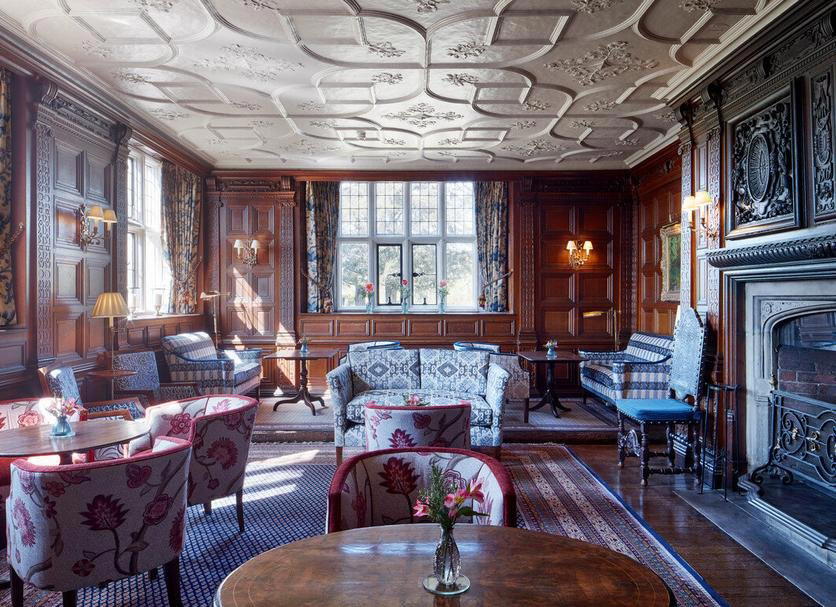
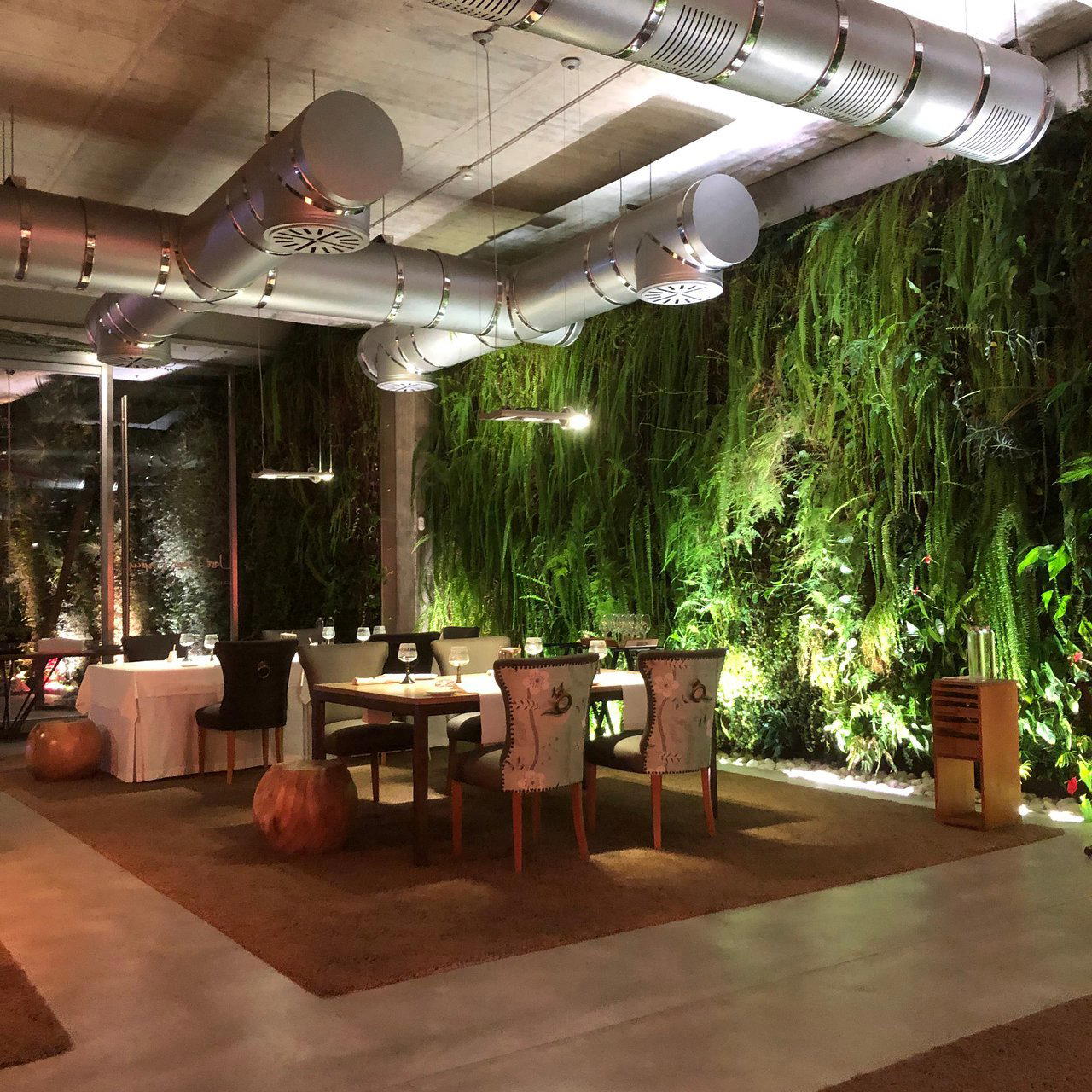
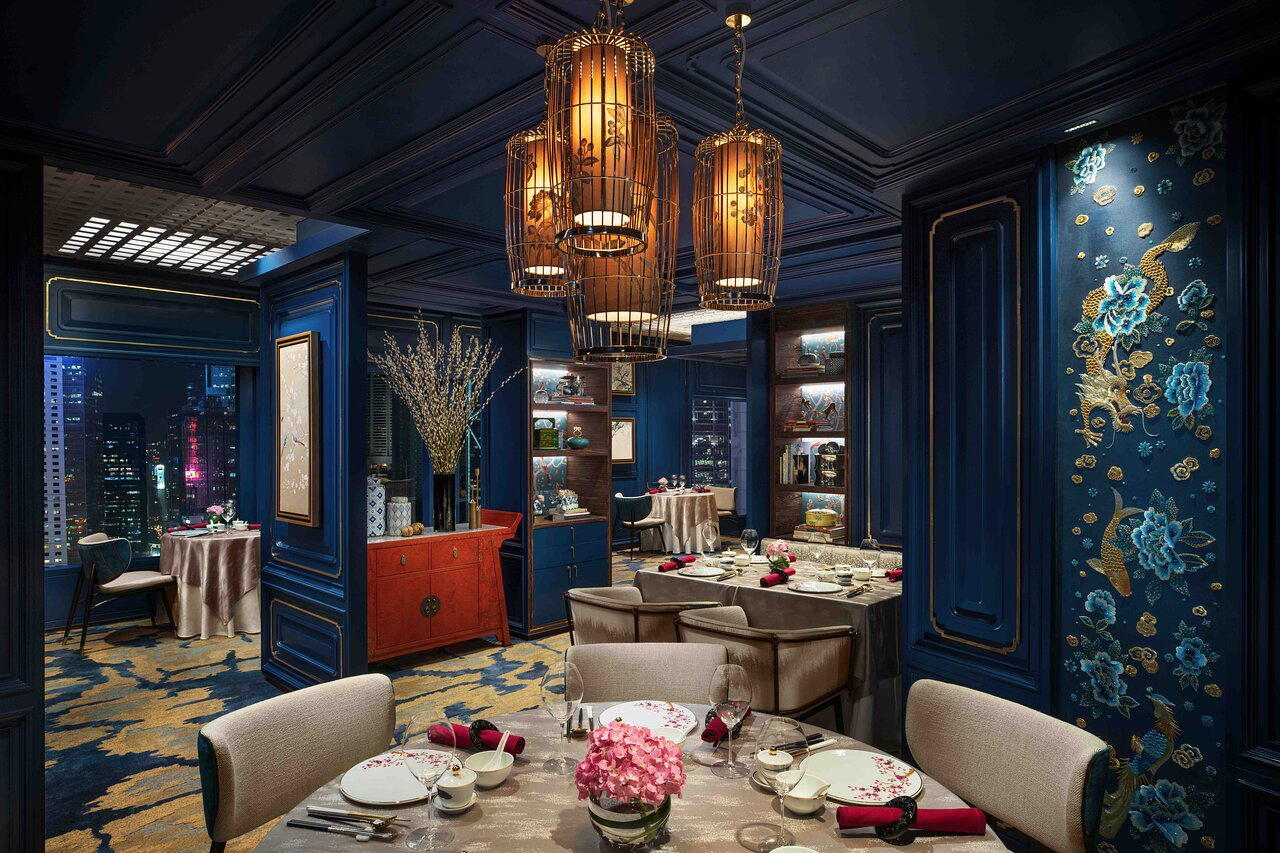
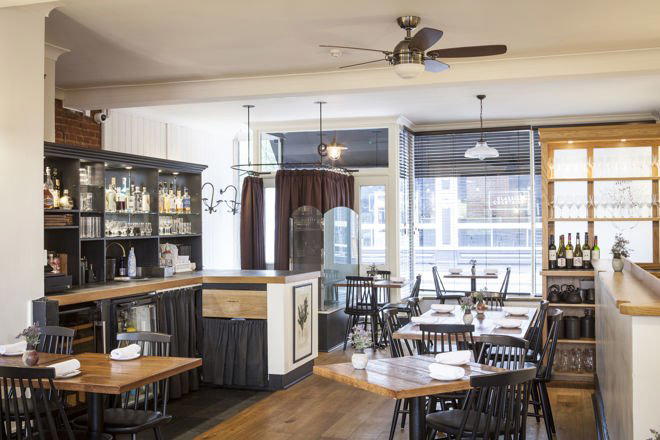
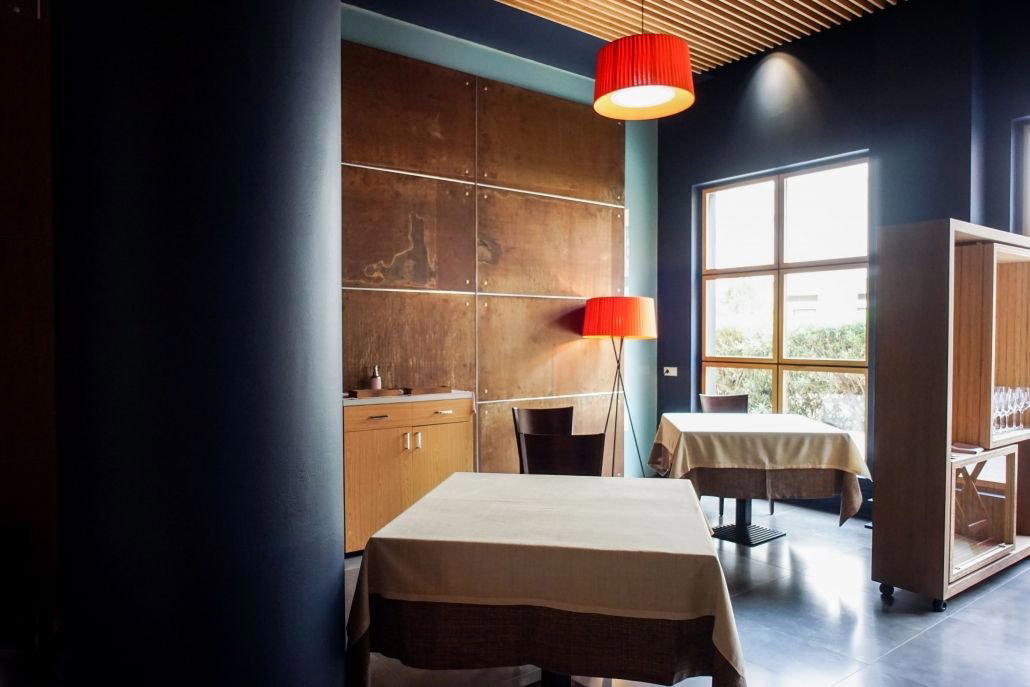
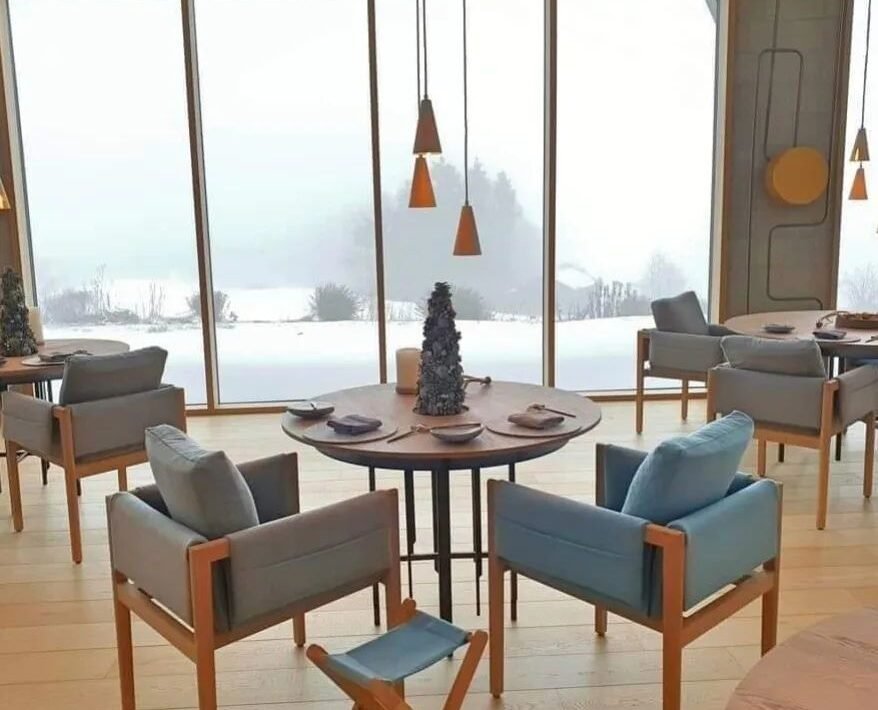
The setting is a golf course overlooking verdant grounds, and the room takes its cues from that view. Nature-inspired decor, soothing tones, a sense of space that does not announce itself aggressively. For a food enthusiast, this matters: the room does not compete with the plate for attention, which is the right call given how considered Loïc Villemin's cooking is. The visual grammar here is deliberate calm, not theatrical luxury.
Villemin trained under Jean-Georges Klein, Nicolas Le Bec, Bernard Loiseau, and Arnaud Lallement. That is a serious lineage in French fine dining. What he does with it is not a direct application of classical French technique. The name Toya references Tōya, the volcanic lake in Japan's Shikotsu-Tōya National Park on Hokkaido, and the Japanese influence reads throughout the menu without ever becoming a concept that overwhelms the cooking. Wild plants, herbs, local farm animals, and daily fish form the foundation. The menu changes weekly and is a mystery format, so you are committing to the chef's current thinking rather than selecting dishes you have researched. For explorers, that is the point.
The vegetable menu deserves specific attention. OAD tasters who ordered the plant-based option reported that it was where Villemin's technique showed most clearly: the build-up of flavours, the handling of texture, the progression across courses. Vegetables are increasingly the lead, not a supporting cast. If you are considering Toya and have not thought about the plant-based route, think about it now.
Does the Service Earn the Price Point?
At €€€€ pricing, in a small French town rather than a Paris arrondissement or a recognised gastronomic destination, the service experience is the deciding factor in whether the price feels justified.
The format itself informs the service model. A weekly-changing mystery menu requires a team that can explain and pace, not just execute. Guests are not ordering from a printed menu with familiar touchstones. The kitchen and the floor have to work together to make that experience feel like a guided discovery rather than an imposition. Based on the evidence available, Toya appears to manage this. That is not a given at this price level in venues outside major cities, where staffing depth and training resources are harder to maintain. The combination of awards trajectory, OAD recognition, and Google consistency suggests the service justifies the spend.
For travellers comparing this against Paris options at the same price tier, the trade-off is direct: you lose proximity and the infrastructure of a city dining circuit, but you gain a more focused, personal experience where the chef's presence and cooking vision are closer to the surface. Compare Toya to Victor's Fine Dining by Christian Bau in Perl just across the German border, another French-Japanese creative operation in a non-metropolitan setting with serious credentials. Both venues ask you to travel for the cooking, and both appear to deliver at that level.
When to Go
The weekly-changing menu means there is no single optimal month based on a signature dish. What matters more here is timing your visit for when local produce is at its peak: spring through early autumn in Moselle gives the kitchen the widest range of wild herbs, plants, and fresh vegetables to work. Late spring and early summer, when wild ingredients are most abundant in the region, are the strongest windows if your schedule allows. Midweek bookings at Michelin-starred venues in provincial France tend to offer slightly more table availability than Friday or Saturday, though at this level of demand, that distinction may be marginal. Book for your preferred timing and work backwards from availability.
Know Before You Go
- Address: Av. Jean Monnet, 57380 Faulquemont, France
- Price range: €€€€
- Chef: Loïc Villemin
- Cuisine: French-Japanese, Creative
- Menu format: Weekly-changing mystery menu; plant-based option available on request
- Awards: Michelin 1 Star (2024); OAD Classical in Europe #394 (2025); OAD Classical in Europe #374 (2024)
- Booking difficulty: Hard: plan weeks ahead minimum
- Getting there: Faulquemont is in the Moselle department of Lorraine. Nearest major city is Metz, roughly 30 minutes by car. Not accessible without a vehicle.
How Toya Fits the Wider French Fine Dining Circuit
For explorers building a route through France's non-Paris fine dining scene, Toya sits alongside destinations worth knowing. In the Grand Est region, Au Crocodile in Strasbourg and Assiette Champenoise in Reims are logical companions on a longer itinerary. Further afield, Auberge de l'Ill in Illhaeusern represents the Alsace grand tradition, while Flocons de Sel in Megève and Mirazur in Menton are the mountain and coast counterparts for a full regional sweep. For the vegetable-forward creative cooking specifically, Bras in Laguiole is the obvious reference point and a useful benchmark for how far Villemin's approach extends from that tradition. If you are also considering AM par Alexandre Mazzia in Marseille or Troisgros in Ouches, both share the weekly-evolution and produce-led philosophy, but operate at different scales and price registers.
For planning around Faulquemont itself, see our full Faulquemont restaurants guide, our Faulquemont hotels guide, and our Faulquemont bars guide. If you are extending the trip, our Faulquemont wineries guide and experiences guide cover what else the area offers.
Planning details
- Hours
- Monday: Closed · Tuesday: Closed
- Location
- Av. Jean Monnet, 57380 Faulquemont, France
- Reservations
- Book on the venue's website
- Website
- toya-restaurant.fr
- Phone
- +33 3 87 89 34 22
The take
The Take
The Vibe
Toya presents a quietly assured country refinement: the dining room favors calm materials, considered lighting and an architectural restraint that keeps attention on the food. The house mindfully avoids urban theatricality, choosing instead an unhurried, green setting on the edge of Faulquemont. The atmosphere reads more like a mindful, minimalist retreat than a showy fine-dining theatre: serene, measured and intimate. Hokkaido-inspired sourcing and a terroir-first French sensibility reinforce that restraint, so the overall impression is of composed elegance where nature and technique are in deliberate, unobtrusive conversation.
Best For
This is a restaurant built around an evening tasting experience: chef Loïc Villemin runs a weekly-changing mystery menu rooted in kaiseki principles, so Toya is best encountered at dinner. The rural, unhurried location and the focus on seasonality and sequence make it especially well suited to people seeking a considered, multi-course meal away from the city’s pace. Expect a vegetable-forward, market-driven progression with daily fish selections and a service tempo that privileges patience and attention over bustle.
Ordering Tips
Toya operates on a chef-led, mystery-menu model that prioritizes seasonality and sequencing, so the clearest tip is to leave room for the kitchen’s choices: there is deliberately no single signature dish and the menu changes weekly. The meal follows kaiseki logic, produce first, technique in support, and frequently centers vegetables, wild plants and a daily fish selection. Diners should be prepared for a tasting progression and embrace the menu’s element of surprise rather than seeking à la carte predictability.
Venue details
Ambiance
Zen and relaxing setting with panoramic golf course views, airy lines, neat decoration, serene lighting, and peaceful atmosphere.
Tags
Vibe
Best For
Experience
Sourcing
View
Accessibility
At the Table
- Dress Code
- Smart Casual
- Noise Level
- Quiet
- Service Style
- Formal
- Meal Pacing
- Leisurely
- Capacity
- Intimate
- Kitchen
- Seasonal
- Menu Format
- Tasting menu
- Wine Program
- Deep wine list
- Dietary
- Vegetarian friendly, Vegan options
- Private Dining
- Available
- Outdoor Seating
- Yes
Signature Dishes
Pain Perdu
Know before you go
Know Before You Go
- Getting there
- Av. Jean Monnet, 57380 Faulquemont, France
Planning details
Hours
- Monday
- Closed
- Tuesday
- Closed
- Wednesday
- 12:15–1 PM, 7:15–9 PM
- Thursday
- 12:15–1 PM, 7:15–9 PM
- Friday
- 12:15–1 PM, 7:15–9 PM
- Saturday
- 12:15–1 PM, 7:15–9 PM
- Sunday
- Closed
Location
Av. Jean Monnet, 57380 Faulquemont, France · Directions
Recognition and awards

Also consider
Also Consider
- Alléno Paris au Pavillon Ledoyen: Creative, €€€€
- Kei: Contemporary French, Modern Cuisine, €€€€
- L'Ambroisie: French, Classic Cuisine, €€€€
- Le Cinq - Four Seasons Hôtel George V: French, Modern Cuisine, €€€€
- Mirazur: Modern French, Creative, €€€€
Restaurant context
Toya operates at €€€€ alongside Paris heavyweights like Alléno Paris au Pavillon Ledoyen, Kei, L'Ambroisie, Le Cinq at the Four Seasons George V, and Mirazur, but the comparison is not straightforward. Those venues offer Paris addresses, extensive wine programmes, and the infrastructure of established gastronomic destinations. Toya offers something narrower and more personal: a single chef's current thinking, expressed through a weekly-evolving menu in a setting that removes distraction. If your priority is the cooking itself rather than the occasion around it, Toya competes directly on technique and produce quality. If you want the full Parisian grand dining experience, room, service theatre, wine list depth, the Paris options deliver more of that at the same price.
For booking difficulty, Toya is hard and Paris alternatives vary. L'Ambroisie is notoriously difficult to book and maintains a more classical French register. Le Cinq at the George V is more accessible given its hotel infrastructure. Kei, which also blends French and Japanese influences, is a direct stylistic comparison for diners who want the French-Japanese creative format but prefer a Paris base. Mirazur in Menton offers the produce-led, nature-inspired approach with more international recognition, but requires a different kind of journey. Toya's €€€€ spend goes almost entirely into the food.
The clearest recommendation by diner profile: if you are travelling through Lorraine or building a Grand Est gastronomic itinerary, Toya is the correct choice at this price level with no close local alternative. If you are choosing between Toya and a Paris booking as a standalone destination, the decision turns on whether you value cooking-first intimacy or the breadth and occasion of a Paris grand restaurant. Both are legitimate, but they are different experiences. Toya is the stronger choice for food-focused travellers; the Paris venues are better for mixed-priority occasions where ambiance, wine, and setting carry equal weight to the cooking.
Explore Faulquemont
Around this place
Discover more on Pearl
Unlock the full Toya guide in Pearl, including awards, comparisons, FAQs, planning details, and nearby places.
Compare Toya
| Venue | Awards | Price |
|---|---|---|
| Toya | Michelin Guide France & Monaco 20262025 OAD Classical in Europe Ranked · #394We're Smart World Top Restaurants 20252025 Michelin 1 Star2024 OAD Classical in Europe Ranked · #3742024 Michelin 1 Star2023 OAD Classical in Europe Recommended | €€€€ |
| Alléno Paris au Pavillon Ledoyen | 2026 OAD Classical in Europe Ranked · #35Michelin Guide France & Monaco 20262026 La Liste Top Restaurants2025 OAD Classical in Europe Ranked · #342025 The Best Chef Three Knives2025 Gault & Millau Exceptional Restaurant2025 Michelin 3 Stars2024 OAD Classical in Europe Ranked · #342024 World's 50 Best Restaurants · #79 | €€€€ |
| Kei | 2026 OAD Classical in Europe Ranked · #29Michelin Guide France & Monaco 20262026 Les Grandes Tables du Monde Members2026 La Liste Top Restaurants2026 Falstaff Restaurant Guide2025 OAD Classical in Europe Ranked · #262025 Michelin 3 Stars2025 Gault & Millau Prestige Restaurant2025 La Liste Top Restaurants | €€€€ |
| L'Ambroisie | 2026 OAD Classical in Europe Ranked · #10Michelin Guide France & Monaco 20262026 La Liste Top Restaurants2026 Falstaff Restaurant Guide2025 Michelin 3 Stars2025 La Liste Top Restaurants2024 OAD Classical in Europe Ranked · #102024 Michelin 3 Stars2023 OAD Classical in Europe Ranked · #11 | €€€€ |
| Le Cinq - Four Seasons Hôtel George V | No published awards | €€€€ |
| Mirazur | 2026 OAD Top Restaurants in Europe Ranked · #422026 Relais Chateaux RestaurantsMichelin Guide France & Monaco 20262026 Les Grandes Tables du Monde Members2026 La Liste Top Restaurants2025 OAD Top Restaurants in Europe Ranked · #68We're Smart World Top Restaurants 20252025 Michelin 3 Stars2025 The Best Chef Three Knives | €€€€ |









How Toya stacks up against the competition.
FAQ
Frequently Asked Questions
What are alternatives to Toya in Faulquemont?
There are no direct peers in Faulquemont itself: this is a destination restaurant in a small town, not a competitive dining cluster. For Michelin-level French cuisine in the wider Grand Est region, look at Arnaud Lallement's L'Assiette Champenoise near Reims (three stars) or, closer to the Moselle, Alexandre Haller's La Table de Haller in Haguenau. If the French-Japanese creative angle is what draws you, Kei in Paris covers similar creative territory at a comparable price point with easier logistics.
What should I wear to Toya?
Toya's nature-inspired and soothing room suggests a dress code closer to sharp casual than black-tie. A Michelin-starred setting in a golf course venue in provincial France typically calls for neat, put-together clothing: jacket optional for men. Overdressing is unlikely to be required, but shorts and trainers would be out of place at €€€€ pricing.
How far ahead should I book Toya?
Book at least four to six weeks out, possibly more. The menu changes weekly, which means each sitting has genuine scarcity: Loïc Villemin is cooking to a specific market cycle rather than a fixed formula. A Michelin star in a town with no alternative fine dining options concentrates demand significantly. If you have a specific date in mind, treat this like booking a Paris two-star: plan well ahead and confirm closer to the time.
Is the tasting menu worth it at Toya?
Yes: with one strong caveat: request the vegetable menu. OAD reviewers noted the plant-based format was the version that delivered the most coherent and impressive build of flavours, while the standard menu was considered less consistent. At €€€€ in a small French town rather than a capital city, you are paying Paris prices for a Michelin-starred experience with an OAD Classical Europe top-400 ranking (394 in 2025) and a chef trained under Lallement, Klein, and Loiseau. That pedigree justifies the price if you engage with the format on its own terms.