
Restaurant in Irving, United States
Edoko Omakase
100ptsSuburban Counter Omakase
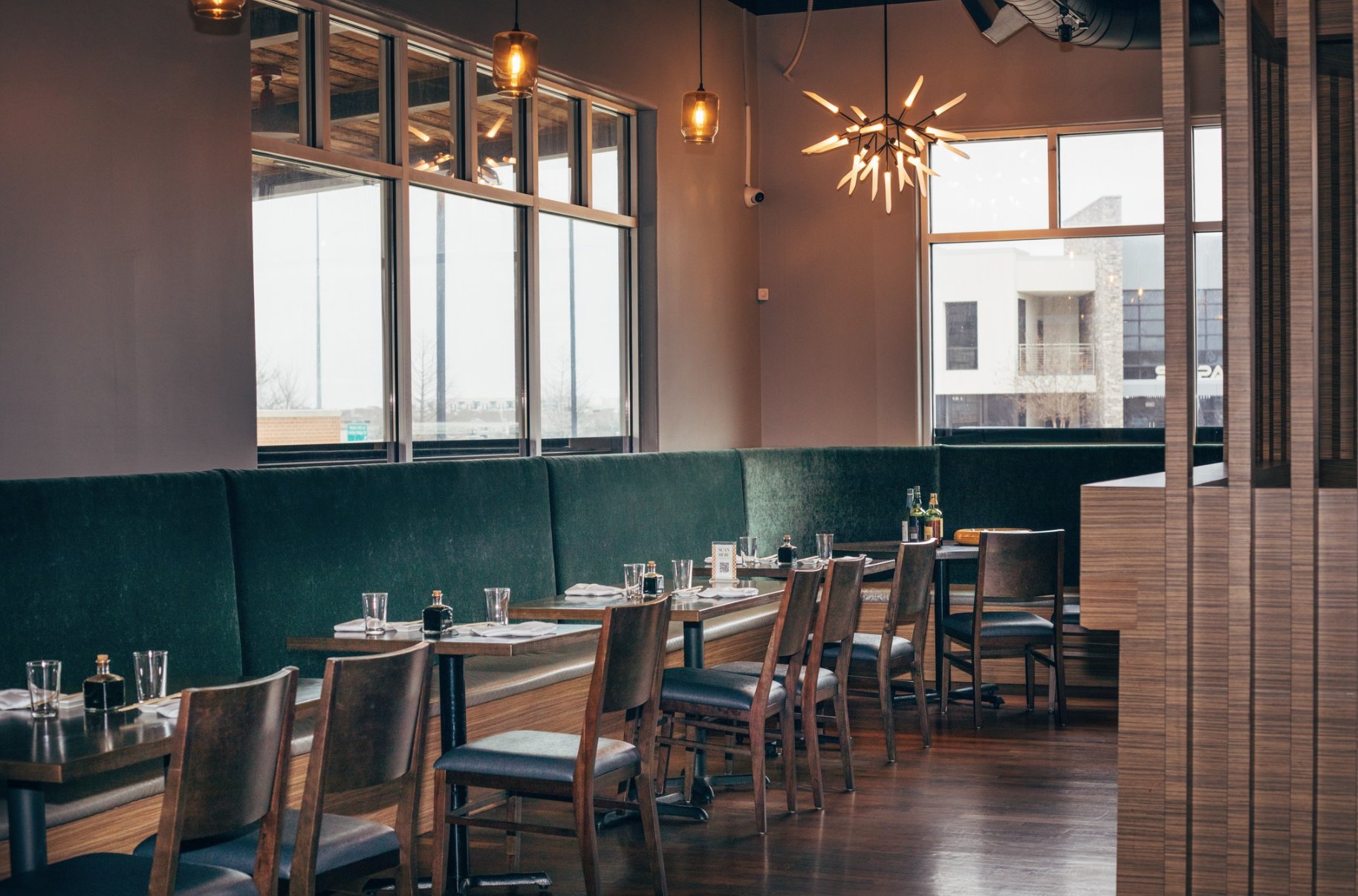
About Edoko Omakase
Edoko Omakase brings the structured precision of Japanese omakase dining to Irving, Texas, operating on West John Carpenter Freeway in Las Colinas. The format places the kitchen in control of the meal's sequence and pace, a contrast to the à la carte norm that dominates the suburb's dining corridor. For DFW diners tracking the region's quiet expansion of counter-format Japanese dining, this address is worth knowing.
The Counter Format and What It Demands
Omakase dining in American suburbs follows a specific logic. The format travels well from its Tokyo origins not because it simplifies, but because it disciplines both sides of the counter: the kitchen commits to a fixed sequence, and the diner surrenders menu control entirely. That exchange is the product. In a dining corridor like Las Colinas, where the restaurant mix runs heavily toward steakhouses, casual Italian, and Tex-Mex, an omakase counter occupies a genuinely different tier of engagement. Edoko Omakase, at 1030 W John Carpenter Freeway in Irving, sits inside that format and asks the same of its guests that any serious counter-format Japanese restaurant does: show up at the appointed time, trust the progression, and let the sequence read as a complete statement rather than a collection of individual choices.
That structural commitment is not incidental. It is what separates omakase from tasting-menu formats in other cuisines. At [Atomix in New York City](https://www.enprimeurclub.com/restaurants/atomix), for instance, the progression draws on Korean fine dining traditions with a similarly fixed arc. The principle is the same: menu architecture as authorship. What a counter offers in Irving differs in scale and context from what it offers in Manhattan, but the foundational logic, that the kitchen's sequencing is the art form, holds regardless of geography.
How the Menu Is Built
The omakase structure means there is no à la carte menu to parse, no list of dishes to negotiate between guests. The kitchen determines the number of courses, their order, and their pacing. In traditional Edomae-style omakase, the progression typically moves from lighter, cleaner preparations toward richer, fattier cuts, with the rice course arriving late as a structural anchor. Whether Edoko follows a strict Edomae lineage or adapts that architecture is not confirmed in available data, but the format itself carries inherited logic regardless of how closely any individual counter tracks the historical template.
This is the editorial point worth understanding about omakase in mid-tier American cities: the menu structure does the heavy lifting that décor and service do in other formats. A fourteen-seat sushi counter in a Las Colinas office park competes on sequencing precision, sourcing transparency, and the cumulative effect of twenty-odd courses more than it competes on atmosphere or neighborhood cachet. The same is true at the high end of the national tier. At [The French Laundry in Napa](https://www.enprimeurclub.com/restaurants/the-french-laundry) or [Le Bernardin in New York City](https://www.enprimeurclub.com/restaurants/le-bernardin), the architecture of a fixed progression communicates authority. The suburban omakase counter borrows that grammar and applies it in a different register.
For diners comparing format discipline across the DFW area, Edoko sits in a niche that most of Irving's dining scene, from the wood-fired plates at [Aire Libre](https://www.enprimeurclub.com/restaurants/aire-libre-irving-restaurant) to the Italian tableside tradition at [Bruno's Ristorante](https://www.enprimeurclub.com/restaurants/brunos-ristorante-irving-restaurant) or the Mexican regional cooking at [Cielito Mexican Flavors](https://www.enprimeurclub.com/restaurants/cielito-mexican-flavors-irving-restaurant), does not attempt. Even the longer, more wine-forward meal at [Delucca Gaucho Pizza & Wine Irving](https://www.enprimeurclub.com/restaurants/delucca-gaucho-pizza-wine-irving-irving-restaurant) operates on a guest-directed logic that omakase explicitly rejects. The closest local analog in spirit, though not in cuisine, might be a tasting-menu format where the kitchen fully controls pacing, but that category is thin in this part of the metro.
The Suburban Omakase Phenomenon
Over the past decade, omakase counters have spread beyond their original coastal concentrations in Los Angeles, New York, and San Francisco into secondary and tertiary American cities. Dallas-Fort Worth has been part of that expansion, with a small cluster of counter-format Japanese restaurants serving a diasporic Japanese population and a broader base of adventurous local diners. Irving sits adjacent to Dallas's core dining zip codes but operates in a different register, closer to the Las Colinas corporate hotel cluster than to the dense restaurant blocks of Deep Ellum or Knox-Henderson.
That suburban positioning is commercially rational. Office-park corridors near major highways generate reliable weekday dinner traffic from hotel guests and business diners who want something more considered than a hotel restaurant but are not driving thirty minutes into the city. An omakase counter at this address speaks to that demand pattern. The format also works financially in suburban locations because the fixed-seat, fixed-price structure reduces the revenue uncertainty that plagues à la carte restaurants during slow service periods. Compare the model to what drives counter-format investment at the highest end nationally: [Smyth in Chicago](https://www.enprimeurclub.com/restaurants/smyth), [Providence in Los Angeles](https://www.enprimeurclub.com/restaurants/providence), or [Addison in San Diego](https://www.enprimeurclub.com/restaurants/addison) all operate on fixed-progression formats that allow kitchens to plan with a precision that open menus cannot.
Placing Edoko in the Irving Scene
Irving's dining mix skews casual and mid-market, with a few outliers in either direction. [Flossie's](https://www.enprimeurclub.com/restaurants/flossies-irving-restaurant) anchors the more casual end of the local conversation. Edoko operates at the opposite end of format complexity without necessarily commanding the price points of the nationally recognized fixed-format counters. That positioning, serious format discipline at suburban price tolerance, is where most regional omakase counters find their footing.
For the broader DFW diner tracking the region's evolution, Irving is worth watching. The city's proximity to DFW International Airport and the Las Colinas corporate cluster means it draws a higher-than-average percentage of nationally traveled diners who have reference points for counter-format Japanese dining in other cities. That audience rewards format rigor in ways that a purely local suburban clientele might not. The same dynamic has made format-forward restaurants viable in suburban corridors near other major airports across the country. See the full picture of what Irving offers in [our full Irving restaurants guide](https://www.enprimeurclub.com/cities/irving).
Planning Your Visit
Edoko Omakase is located at 1030 W John Carpenter Freeway, Suite 100, Irving, TX 75039, in the Las Colinas corridor with direct access from the highway. Omakase counters at this format tier typically require advance reservations, often booked through a third-party platform, and rarely accommodate walk-ins given the fixed-seat, fixed-sequence nature of the service. Diners should expect to confirm reservation details directly with the restaurant, as hours and booking windows are subject to change. Arriving on time matters more at a counter-format restaurant than at a conventional table-service venue: a fixed progression cannot easily absorb a late arrival without disrupting the sequence for the full room.
Frequently Asked Questions
What do people recommend at Edoko Omakase?
Because omakase removes the ordering decision entirely, there is no single dish to seek out in the way you might target a signature plate at an à la carte restaurant. The kitchen sequences the full meal, and the progression itself is what draws returning guests. Diners familiar with counter-format Japanese restaurants in other cities, including nationally recognized counters like [Atomix in New York City](https://www.enprimeurclub.com/restaurants/atomix) or [Single Thread Farm in Healdsburg](https://www.enprimeurclub.com/restaurants/single-thread), tend to evaluate the full arc rather than individual courses. At Edoko, the recommendation is the format: trust the sequence and assess the meal as a complete statement.
Do they take walk-ins at Edoko Omakase?
Walk-ins are structurally difficult at any fixed-seat omakase counter. Because the kitchen prepares a set number of portions for a confirmed guest count, arriving without a reservation in Irving is unlikely to result in a seat. This holds true across the omakase format nationally, whether at suburban counters or at harder-to-access rooms like [Blue Hill at Stone Barns in Tarrytown](https://www.enprimeurclub.com/restaurants/blue-hill-at-stone-barns-tarrytown-restaurant) or [The Inn at Little Washington in Washington](https://www.enprimeurclub.com/restaurants/the-inn-at-little-washington-washington-restaurant). Booking ahead is the operative requirement. Contact the restaurant directly for current availability and reservation procedures.
How does Edoko Omakase compare to other high-format dining options in the DFW area?
Omakase counters occupy a distinct tier in the DFW dining picture, separated from tasting-menu restaurants in other cuisines by their Japanese counter-service tradition and their kitchen-directed sequencing format. In Irving specifically, Edoko has no direct format equivalent among its immediate neighbors. For context on how kitchen-controlled progression formats operate at the national level, venues like [Lazy Bear in San Francisco](https://www.enprimeurclub.com/restaurants/lazy-bear) or [Emeril's in New Orleans](https://www.enprimeurclub.com/restaurants/emerils-new-orleans-restaurant) demonstrate the range of fixed-format dining across American cities, though each operates in a different culinary tradition. Edoko's closest peer set is the small but growing cluster of suburban omakase counters that have emerged across DFW over the past several years.
Related editorial
- Best Fine Dining Restaurants in ParisFrom three-Michelin-star icons to the next generation of Parisian chefs pushing boundaries, these are the restaurants that define fine dining in the world's culinary capital.
- Best Luxury Hotels in RomeFrom rooftop terraces overlooking ancient ruins to Michelin-starred hotel dining, these are the luxury hotels that make Rome unforgettable.
- Best Cocktail Bars in KyotoFrom sleek lounges to hidden speakeasies, Kyoto's cocktail scene blends Japanese precision with global influence in ways you won't find anywhere else.
Save or rate Edoko Omakase on Pearl
Keep this venue in your Pearl passport, rate it after you visit, and track it alongside every other place you collect.