Mulas
Corrales
Restaurant in Corrales, United States
 Book with Pearl
The Read
Price
$30–50per person
Dress
Casual
Why go
Mulas is a practical Corrales option when ease and location matter more than a documented chef, cuisine, awards, or published drinks program. Treat it as a low-friction local choice, not a guaranteed destination meal. If the plan is drinks-led, Gruet Winery & Tasting Room is a clearer alternative; for a restaurant comparison in Corrales, cross-shop Forty Nine Forty.
About Mulas
For Corrales planning, the decision point is simple: Mulas is worth considering if the goal is a casual local stop rather than a destination meal. It is an easy Corrales choice rather than a special trip built around a known chef, awards history, cuisine, price point, or published tasting format.
Choose it for ease, not for a researched drinks destination
There is no cocktail list, wine focus, beverage format, or signature drink to anchor a drinks-first recommendation, so do not choose it expecting a bar identity that drives a night on its own. For another option to compare, Gruet Winery & Tasting Room is a relevant name to check.
For food-focused planning, Mulas is more of a flexible local option than a high-certainty reservation. That can be useful in Corrales, especially for diners who want something simple to fit into a broader day rather than a formal itinerary. If the meal needs another comparison point, Forty Nine Forty is another name to check alongside it.
Who should put it on the shortlist
Choose Mulas when convenience, Corrales location, and a casual dress code matter more than menu detail. Skip it for a milestone dinner where published pricing, a defined cuisine, and a documented drinks program would reduce risk. For broader planning, use our full Corrales restaurants guide, then compare other dining in Corrales generically before committing.
Planning details
- Location
- 4908 Corrales Rd, Corrales, NM 87048
- Reservations
- Book on OpenTable
- Website
- mulasnm.com
- Phone
- +15055488084
The take
The Take
The Vibe
Mulas sits in an agricultural pocket of Corrales where landscape defines everything: cottonwood-lined bosques, working acequias and orchard plots frame the dining experience. The writing emphasizes a proximity-based farm-to-table ethic, so the room reads as part of the land rather than transplanted urban ambition. That grounding makes the place feel scenic and quietly sophisticated: a rural destination that privileges seasonal produce and close relationships with growers. Rather than city polish, the tone is thoughtful and place-driven, with menus and meals that change with the valley’s short, specific harvest windows.
Best For
Mulas is best for diners who make the drive out for ingredient-forward meals that celebrate local seasons. Guests seeking thoughtful, dinner-focused meals, those who appreciate regional specificity and farm-to-table sourcing, will find the restaurant rewarding. The setting also suits relaxed daytime visits during peak harvests, when stone fruit and green chiles define the menu. In short, it’s a destination for people who treat food as an expression of place and timing rather than a generic urban restaurant run-through.
Ordering Tips
Let seasonality guide your choices: green chile season runs late August through October and valley stone-fruit peaks in July–August, so expect the menu to highlight what’s freshest. The venue’s signature items (Paella, Pork Belly and Green Chile Risotto Croquetas) are reliable touchstones of the kitchen’s approach and make good entry points. Ask servers about that day’s local producers and what’s coming from the on-site gardens so you can lean into peak-flavor dishes tied to Corrales’ short growing window.
Venue details
Ambiance
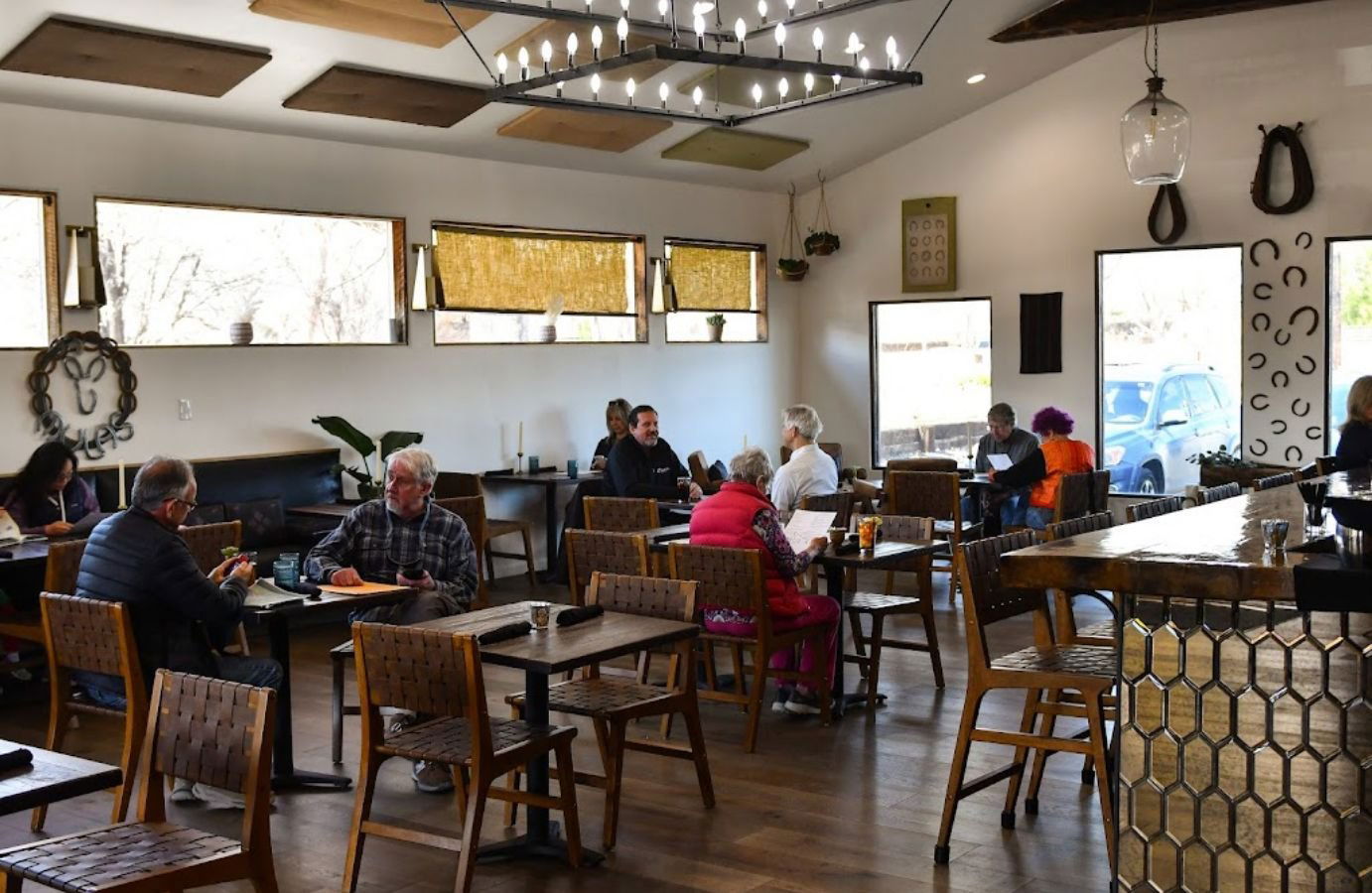
Casual atmosphere with friendly service and great outdoor patio seating.
Tags
Vibe
Best For
Experience
Sourcing
At the Table
- Dress Code
- Casual
- Noise Level
- Conversational
- Service Style
- Upscale Casual
- Meal Pacing
- Standard
- Capacity
- Medium
- Kitchen
- Fusion
- Menu Format
- A la carte, Small plates
- Drinks Focus
- Margaritas, Mules
- Outdoor Seating
- Yes
Signature Dishes
- Paella
- Pork Belly
- Green Chile Risotto Croquetas
Know before you go
Know Before You Go
- Getting there
- 4908 Corrales Rd, Corrales, NM 87048
Planning details
Location
Also consider
Also Consider
- Forty Nine Forty, Notable alternative
- El Pinto, Notable alternative
- Bien Shur, Notable alternative
- Garduno's, Notable alternative
- Gruet Winery & Tasting Room, Notable alternative
Restaurant context
How Mulas compares in Corrales and nearby
Mulas is the lower-certainty pick in this set: it may work for an easy Corrales stop, but the lack of confirmed cuisine, pricing, awards, or drinks detail makes it harder to recommend for diners who want to know exactly what they are booking. Forty Nine Forty is the cleaner Corrales cross-shop when the meal itself matters more than pure convenience.
For atmosphere with a more defined New Mexico dining identity, El Pinto and Garduno's are safer choices to compare before committing. If the occasion calls for a more polished night out, Bien Shur is the more occasion-oriented alternative, while Mulas fits better when the stakes are lower.
If drinks are the priority, Gruet Winery & Tasting Room is the clearer recommendation because the tasting-room format gives the visit a defined purpose. Mulas can still make sense for an easy local meal, but it is not the first pick here for a beverage-led outing.
Explore Corrales
Around this place
Discover more on Pearl
Unlock the full Mulas guide in Pearl, including awards, comparisons, FAQs, planning details, and nearby places.
Compare Mulas
| Venue | Location | Awards |
|---|---|---|
| Mulas | Corrales | No published awards |
| Forty Nine Forty | Corrales | No published awards |
| El Pinto | Albuquerque | No published awards |
| Bien Shur | Albuquerque | No published awards |
| Garduno's | Albuquerque | No published awards |
| Gruet Winery & Tasting Room | Albuquerque | No published awards |
How Mulas Corrales compares with similar nearby venues.
FAQ
Frequently Asked Questions
Is Mulas good for solo dining?
It can be a practical solo choice if you want an easy stop in Corrales rather than a destination meal. The casual dress code makes it a low-friction pick when convenience matters. If you want to compare another option, El Pinto is a name to check separately.
What should I order at Mulas?
Use Mulas for the Corrales location and casual feel rather than a named signature dish. It makes sense as a flexible stop when you want a simple decision. If your main goal is a more specific food or drink focus, Gruet Winery & Tasting Room is another option to compare.
Is Mulas good for a special occasion?
Only if the occasion is about convenience and keeping things low-friction. The Corrales location and casual dress code are the clearest reasons to choose it, not any celebratory format or award. For a more occasion-led search, Forty Nine Forty or El Pinto are useful comparison points to review separately.
What are alternatives to Mulas in Corrales?
For Corrales specifically, compare Mulas with other local dining options before deciding. Mulas is the simpler choice if you are optimizing for a casual Corrales option. If you want to widen the search beyond that immediate decision, Forty Nine Forty, El Pinto, Bien Shur, Garduno's, and Gruet Winery & Tasting Room are other names to consider separately.