
Auberge du Bon Laboureur
Modern Cuisine · Chenonceaux
Restaurant in Chenonceaux, France
 Book with Pearl
The Read
Kitchen-Garden Loire Cooking
Price
$50–100per person
Dress
Smart Casual
Why go
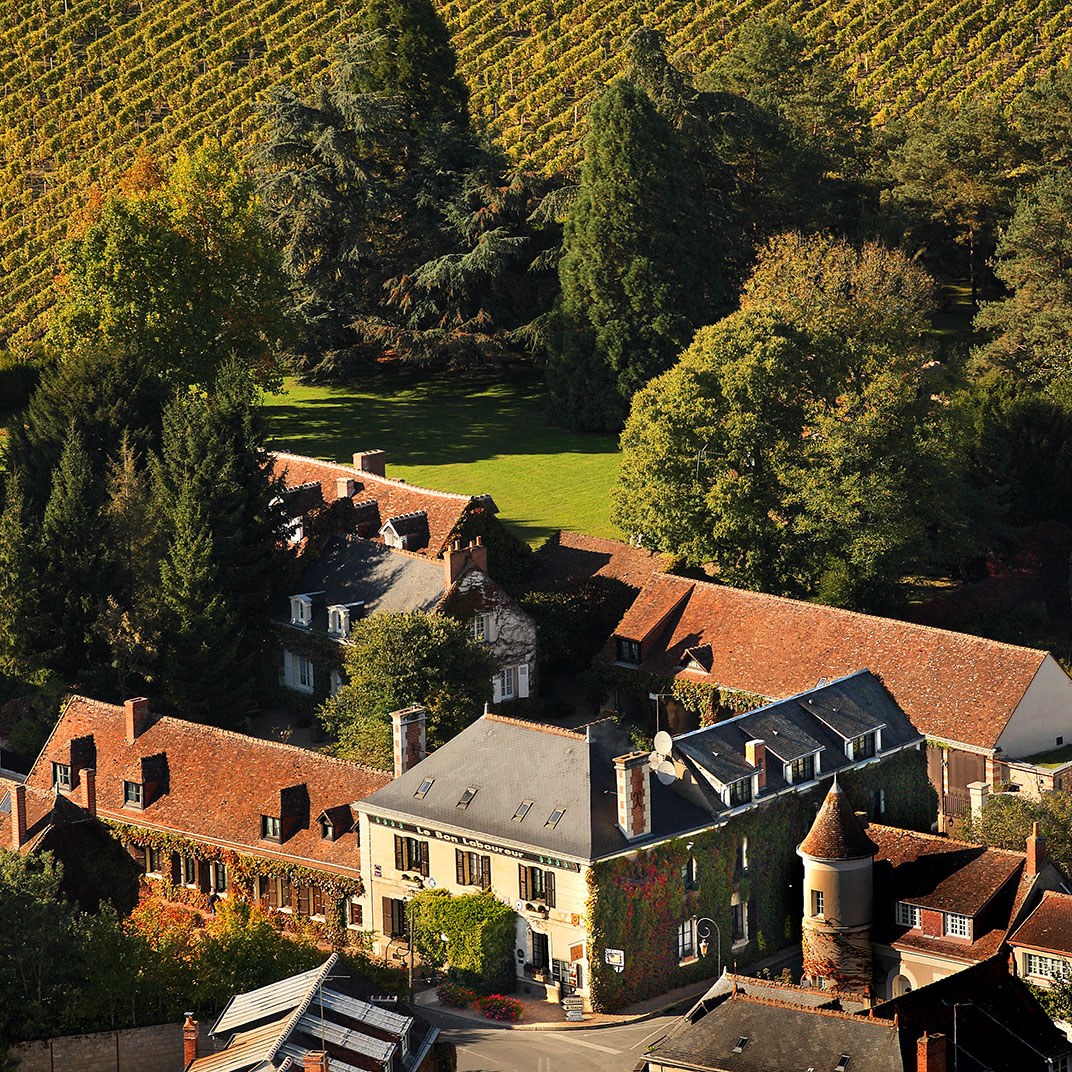
A Michelin Plate-recognised table inside a 1786 coaching inn, Auberge du Bon Laboureur is the strongest dining option in Chenonceaux itself. At the €€€ tier, it delivers seasonally driven modern French cooking from a kitchen garden, a Loire-focused wine list, and a setting that suits post-château lunches and special occasion dinners alike. Book three to four weeks ahead in high season.
About Auberge du Bon Laboureur
A Michelin-Recognised Table in the Loire Valley's Most-Visited Village
At the €€€ price tier, Auberge du Bon Laboureur is the most credible sit-down meal you will find in Chenonceaux itself. If you are already visiting the Château de Chenonceau and want a lunch or dinner that matches the occasion rather than just filling a gap between tourist stops, this is where to book. The Michelin Plate recognition it earned in 2024 is not a star, but it is Michelin's explicit signal that the kitchen is cooking well — and for a family-run inn in a village of fewer than 400 people, that credential carries weight.
The building dates to 1786, when it served as a coaching inn. More than two centuries later it is still family-operated, and the continuity shows in the way the room is run rather than in any sense of stagnation. This is a kitchen that has stayed relevant by focusing on what the surrounding region produces rather than chasing trend-driven format changes. Chef Antoine Jeudi leads the kitchen, now with Julien Perrodin alongside him, and the cooking draws on a small on-site kitchen garden whose produce shapes the menu directly. That garden is the source of one of the restaurant's more distinctive offerings: a vegetable-forward set menu that includes, as a notable dish, tomato stuffed with Touraine vegetables, fresh herb coulis and chickpea cream. For a €€€ restaurant in a heritage inn, the willingness to put a vegetable-centred menu on equal footing with the main carte is a practical signal about the kitchen's confidence in its sourcing.
The Loire Valley is one of France's most productive wine regions, and the wine list here reflects that proximity. Touraine whites, Vouvray, and Chinon reds sit naturally alongside a kitchen that prioritises regional ingredients. If you are pairing wine with the vegetable menu, expect the sommelier to steer you toward the valley's chenin blancs, which hold up well against herb-forward preparations. For a broader survey of the region's producers, see our full Chenonceaux wineries guide.
Booking This for a Special Occasion
For a special occasion dinner in high season — June through September, book at least three to four weeks ahead. Shoulder season (April, May, October) gives you more flexibility, but weekend tables still move quickly given how concentrated visitor traffic is in a village this size. The booking difficulty rating here is easy by Loire Valley standards, but that does not mean last-minute. If you are planning around a château visit, align your reservation with your château ticket time rather than the other way around: the château visit typically takes two hours, and a post-visit lunch is a natural fit.
For groups, the inn's coaching-inn layout and historic dining rooms offer a more atmospheric setting for a private meal than most restaurants in the immediate area can provide. If you are organising a group dinner around a Loire Valley itinerary, a milestone birthday, an anniversary trip, a corporate event tied to a château visit, contact the restaurant well in advance and ask specifically about private dining arrangements. The building's age and the family-run structure mean that group bookings often benefit from a degree of personalisation that larger hotel restaurants cannot replicate. For broader planning across the village, see our full Chenonceaux restaurants guide and our full Chenonceaux hotels guide.
How It Fits the Loire Valley's Wider Table
France's most celebrated country-inn restaurants set a high bar. Auberge de l'Ill in Illhaeusern and Georges Blanc in Vonnas represent the multi-generation, multi-star end of that tradition. Maison Lameloise in Chagny and Auberge du Vieux Puits in Fontjoncouse sit at similar points on the prestige curve. Auberge du Bon Laboureur is not competing at that level, its Michelin Plate positions it below the star tiers, but it is doing something those destinations are not: delivering a competent, regionally grounded meal inside a village that has almost no other serious options at this price point. For Loire Valley pilgrims who want a starred-level experience, Arpège in Paris and Les Prés d'Eugénie in Eugénie-les-Bains set the benchmark for vegetable-forward cooking at the leading end. The Bon Laboureur is not that, but at €€€ in Chenonceaux, it is the right call.
If you are building a longer French itinerary around destination dining, Troisgros in Ouches, Bras in Laguiole, Mirazur in Menton, Flocons de Sel in Megève, and Paul Bocuse in Collonges-au-Mont-d'Or each offer a more substantial flagship meal. La Table du Castellet and Frantzén in Stockholm illustrate how far the format can travel. Bon Laboureur is not a detour-worthy dining destination on its own, but if you are already in Chenonceaux, it is the obvious choice and it will not disappoint.
Know Before You Go
- Price tier: €€€
- Recognition: Michelin Plate (2024)
- Rating:
- Address: 6 Rue Bretonneau, 37150 Chenonceaux, France
- Cuisine: Modern French, seasonal, regionally sourced
- Booking difficulty: Easy, but book 3–4 weeks ahead in high season (June–September)
- Leading for: Post-château lunches, special occasion dinners, group meals in a private room
- Vegetarian option: Yes, dedicated vegetable-forward set menu
- Wine focus: Loire Valley, with strong Touraine and Vouvray representation
- Getting around: See our Chenonceaux experiences guide and bars guide for the full village picture
Planning details
- Location
- 6 Rue Bretonneau, 37150 Chenonceaux, France
- Reservations
- Book on TheFork
- Website
- bonlaboureur.com
- Phone
- +33 2 47 23 90 02
The take
The Take
The Vibe
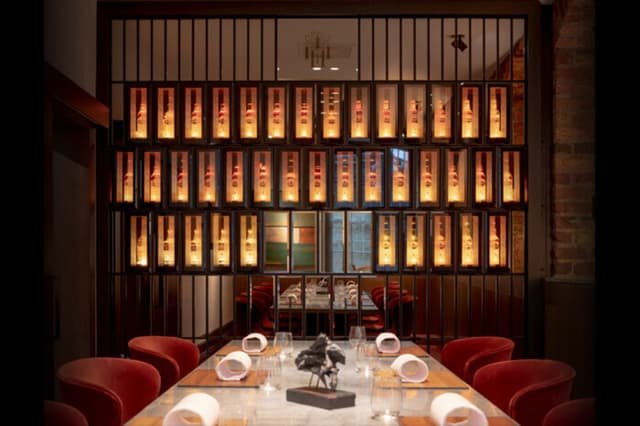
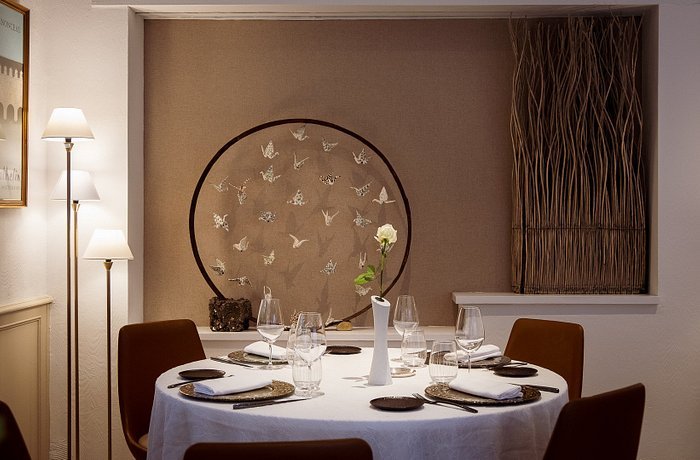
Auberge du Bon Laboureur presents as a historic Loire Valley inn where provincial character defines the dining experience. The building’s stone walls, flagstone floors and exposed timbers read like a ledger of domestic life across two and a half centuries, and the courtyard and kitchen aromas reinforce that lineage. The tone is quietly refined rather than flashy: the room’s old-world materials and the surrounding agricultural landscape emphasize provenance and seasonality. Diners encounter a relaxed, village-inn atmosphere that foregrounds the region’s produce and the steady, intimate rhythm of a longtime provincial restaurant.
Best For
This is an ideal spot for an evening meal when you want to lean into the Loire Valley’s culinary identity. The restaurant’s set-menu approach and classic dining room make it especially suited to dinner and small celebrations that favor deliberate, ingredient-led courses rather than fast, casual dining. Its setting on a quiet village street and the low-key charm of a centuries-old auberge make it well matched to romantic or special-occasion evenings and for travelers seeking an authentic, regionally rooted meal in Chenonceaux.
Ordering Tips
Look for the kitchen garden on the menu: the restaurant explicitly frames dishes around on-site produce, and the vegetable-forward set menu is a direct expression of that relationship. When available, prioritize courses that highlight Touraine vegetables and garden-sourced items—an example in the text points to a tomato stuffed with local produce. Given the framed set menu and the restaurant’s provincial identity, let the tasting progression guide you rather than assembling à la carte; seasonal dishes are presented to show the Loire’s strengths.
Venue details
Ambiance
Simple and elegant dining room with terrace overlooking peaceful gardens, charming and cozy historic atmosphere.
Tags
Vibe
Best For
Experience
Sourcing
View
Accessibility
At the Table
- Dress Code
- Smart Casual
- Noise Level
- Quiet
- Service Style
- Formal
- Meal Pacing
- Leisurely
- Capacity
- Small
- Kitchen
- Seasonal
- Menu Format
- A la carte, Prix fixe
- Wine Program
- Exceptional
- Dietary
- Vegetarian friendly
- Outdoor Seating
- Yes
Know before you go
Know Before You Go
- Getting there
- 6 Rue Bretonneau, 37150 Chenonceaux, France
Planning details
Location
6 Rue Bretonneau, 37150 Chenonceaux, France · Directions
Recognition and awards
Also consider
Also Consider
- Plénitude, Contemporary French, €€€€
- Pierre Gagnaire, French, Creative, €€€€
- Alléno Paris au Pavillon Ledoyen, Creative, €€€€
- Kei, Contemporary French, Modern Cuisine, €€€€
- Le Cinq - Four Seasons Hôtel George V, French, Modern Cuisine, €€€€
Restaurant context
Comparing Auberge du Bon Laboureur directly to Plénitude, Pierre Gagnaire, Alléno Paris au Pavillon Ledoyen, Kei, or Le Cinq at the Four Seasons George V is not quite the right frame, those are all €€€€ Paris institutions operating at the starred end of the French fine-dining spectrum. Bon Laboureur is a €€€ country restaurant in a village of fewer than 400 people, holding a Michelin Plate. The question is not whether it matches those rooms but whether it is the right choice for your trip.
If you are in Paris and looking for a serious meal, any of those five Paris alternatives will deliver more technical ambition, more formal service, and a more demanding wine programme than Bon Laboureur. For a solo dinner or a couple's meal at the top end of Paris dining, Plénitude or Le Cinq give you a fuller experience at a higher price. But none of them are in Chenonceaux, and none of them give you the specific pleasure of eating well inside a Loire Valley coaching inn on the evening of a château visit.
The honest comparison for Bon Laboureur is not Paris fine dining but the broader category of French country-inn restaurants, a category in which it performs credibly at its price point. If you want a starred experience in the Loire region and are willing to travel further, that is a separate trip decision. For the traveller already in Chenonceaux, Bon Laboureur is the correct answer at €€€, and no local alternative currently challenges it at this level.
Explore Chenonceaux
Around this place
Discover more on Pearl
Unlock the full Auberge du Bon Laboureur guide in Pearl, including awards, comparisons, FAQs, planning details, and nearby places.
Compare Auberge du Bon Laboureur
| Venue | Cuisine | Price | Booking Difficulty | Awards |
|---|---|---|---|---|
| Auberge du Bon Laboureur | Modern Cuisine | €€€ | Easy | Michelin Guide France & Monaco 20262025 Michelin Plate2024 Michelin Plate |
| Plénitude | Contemporary French | €€€€ | Unknown | 2026 OAD Classical in Europe Ranked · #1Michelin Guide France & Monaco 20262026 La Liste Top Restaurants2026 Falstaff Restaurant Guide2025 OAD Classical in Europe Ranked · #12025 World's 50 Best Restaurants · #142025 The Best Chef Three Knives2025 La Liste Top Restaurants2025 Gault & Millau Exceptional Restaurant |
| Pierre Gagnaire | French, Creative | €€€€ | Unknown | 2026 OAD Classical in Europe Ranked · #402026 Relais Chateaux RestaurantsMichelin Guide France & Monaco 20262026 Les Grandes Tables du Monde Members2026 La Liste Top Restaurants2026 Falstaff Restaurant Guide2025 OAD Classical in Europe Ranked · #902025 OAD Top Restaurants in Japan Ranked · #157We're Smart World Top Restaurants 2025 |
| Alléno Paris au Pavillon Ledoyen | Creative | €€€€ | Unknown | 2026 OAD Classical in Europe Ranked · #35Michelin Guide France & Monaco 20262026 La Liste Top Restaurants2025 OAD Classical in Europe Ranked · #342025 The Best Chef Three Knives2025 Gault & Millau Exceptional Restaurant2025 Michelin 3 Stars2024 OAD Classical in Europe Ranked · #342024 World's 50 Best Restaurants · #79 |
| Kei | Contemporary French, Modern Cuisine | €€€€ | Unknown | 2026 OAD Classical in Europe Ranked · #29Michelin Guide France & Monaco 20262026 Les Grandes Tables du Monde Members2026 La Liste Top Restaurants2026 Falstaff Restaurant Guide2025 OAD Classical in Europe Ranked · #262025 Michelin 3 Stars2025 Gault & Millau Prestige Restaurant2025 La Liste Top Restaurants |
| Le Cinq - Four Seasons Hôtel George V | French, Modern Cuisine | €€€€ | Unknown | No published awards |
.png?width=1200&quality=80)










A quick look at how Auberge du Bon Laboureur measures up.
FAQ
Frequently Asked Questions
Is Auberge du Bon Laboureur good for a special occasion?
Yes, with reasonable expectations. The Michelin Plate recognition (2024), charming coaching-inn setting dating to 1786, and a kitchen-garden-driven menu give it enough substance for a celebratory lunch or anniversary dinner in the Chenonceaux area. It is not a grand-occasion restaurant in the Auberge de l'Ill mould, but for a special meal tied to a château visit, it delivers. Book a table in the main dining room rather than the terrace if atmosphere matters to you.
What should I order at Auberge du Bon Laboureur?
The vegetable-forward set menu is the clearest expression of what the kitchen does well — the tomato stuffed with Touraine vegetables, fresh herb coulis, and chickpea cream is specifically cited in Michelin's own notes. Chef Antoine Jeudi and Julien Perrodin focus on seasonal, flavour-led cooking, so the set menu tends to be more coherent than ordering à la carte. Pair it with a Touraine or Vouvray from the wine list.
How far ahead should I book Auberge du Bon Laboureur?
Book at least two to three weeks ahead for visits between May and September, when Chenonceaux draws the bulk of its château tourism. Outside peak season, a week's notice is usually sufficient, but earlier is safer given the limited size of a coaching-inn dining room.
Is Auberge du Bon Laboureur worth the price?
At the €€€ tier, it is the most credible sit-down option in Chenonceaux itself, and the Michelin Plate backs up the kitchen's consistency. If you compare it against similarly priced bistros in Tours (35 km away), you are paying a location premium — but if you are already at the château, avoiding a mediocre tourist-trap lunch nearby makes the price defensible. For the quality-to-price ratio, the set menu is a better bet than ordering à la carte.
What should I wear to Auberge du Bon Laboureur?
Smart casual is appropriate. This is a Michelin-recognised French country inn with a formal enough setting to reward dressing up slightly, but it serves château visitors throughout the day, so you will not feel out of place in neat, presentable clothing. Avoid beachwear or overly casual sportswear; a collared shirt or equivalent is a sensible baseline.
Is the tasting menu worth it at Auberge du Bon Laboureur?
The vegetable-forward set menu is the one to choose — it draws directly from the on-site kitchen garden and showcases what makes this kitchen distinct from generic Loire tourist restaurants. Michelin specifically flagged it, which is a reliable signal that the kitchen is more confident here than in broader à la carte territory. If you are not interested in a vegetable-led format, the seasonal main menu is the alternative, though the kitchen garden menu is the clearer point of difference.
What are alternatives to Auberge du Bon Laboureur in Chenonceaux?
Within Chenonceaux itself, options are very limited — this is a small village and the Auberge is effectively the serious dining option. For a broader comparison, Tours (approximately 35 km west) has a deeper restaurant selection across multiple price points. If you are touring the Loire and want to plan around a stronger meal, Amboise is closer and has more choice. Auberge du Bon Laboureur makes most sense as a lunch stop paired with the château, not as a destination meal in its own right.