

La Pinte des Mossettes
Creative · Cerniat
Restaurant in Cerniat, Switzerland
 Book with Pearl
The Read
Alpine Forager's Table
Price
$150–200per person
Dress
Casual
Why go
A Michelin-starred farmstead in the Swiss Pre-Alps, La Pinte des Mossettes earned its €€€€ price point with a plant-forward, strictly seasonal creative menu rooted in the mountain landscape surrounding it. The panoramic terrace was the restaurant's defining feature. One of Switzerland's most location-specific fine dining experiences.
About La Pinte des Mossettes
The Verdict
If you are willing to drive up a mountain road in the Swiss Pre-Alps to reach an old farmstead in Cerniat, La Pinte des Mossettes will reward you with one of the most location-specific dining experiences in the country. This is a Michelin-starred restaurant where the surrounding landscape genuinely shapes what arrives on the plate, and where the setting does as much work as the kitchen. For first-timers, the key question is not whether the food is good — it is — but whether the journey and the format suit you. Book well ahead (months, not weeks), time your visit for summer or early autumn when the panoramic terrace and mountain pastures are at their peak, and arrive with an appetite for a menu that leans heavily vegetarian and follows the seasons without compromise.
Why Cerniat, and Why This Matters
Cerniat is not a dining destination with a cluster of options to compare. It is a small village in the Fribourg Pre-Alps, and La Pinte des Mossettes is its reason to visit. The farmstead sits above the valley with a view of mountain pastures that changes dramatically by season, snow-covered and contemplative in winter, lush and open in the warmer months. For a first-timer, understanding this context matters because it sets the entire frame. You are not choosing this restaurant over a nearby alternative; you are committing to a destination visit. The reward for that commitment is a meal anchored to this specific place in a way that few Michelin-starred restaurants manage. Herbs, flowers, and aromatic plants sourced from the surrounding countryside are the through-line of the cooking, and the kitchen follows the seasons strictly, which means the menu you eat in June is categorically different from the one served in October.
For the broader context of dining in this part of Switzerland, see our full Cerniat restaurants guide. If you are planning an overnight stay, our full Cerniat hotels guide covers your accommodation options in the area, and our full Cerniat experiences guide has suggestions for making a longer trip of it.
What to Expect on Your First Visit
The approach to the restaurant is part of the experience. The drive through mountain pastures to the old farmstead prepares you for what the kitchen is doing: cooking that is rooted in this countryside. When you arrive, the building delivers on the promise, creaking floorboards, a fireplace, and a panoramic terrace that opens up the view. First-timers should know that this is a relaxed, unhurried format, not a high-gloss city dining room. The atmosphere is warm and deliberate rather than formal.
The menu leans strongly toward vegetables, herbs, and seasonal plants, with fish and some protein appearing as supporting elements rather than headline acts. Michelin's own notes reference dishes built around early tomatoes and crayfish bisque with clary sage, confit of fish from Lake Geneva in hazelnut butter, and red fruit pickled in fig leaf oil with silky hazelnut milk and squash seeds. This gives you an accurate picture of the register: precise, seasonal, plant-forward, and place-specific. If you expect a protein-heavy tasting menu, this restaurant will surprise you. If you are open to a kitchen that treats herbs and wild plants as the main event, it is likely to be one of the more memorable meals you eat in Switzerland.
Wine list is described as carefully curated, and the restaurant also offers a non-alcoholic plant-based beverage option that you can compose yourself, a thoughtful alternative to a wine pairing that matches the kitchen's ethos. For context on how this compares to Switzerland's broader fine dining scene, venues like Hotel de Ville Crissier in Crissier and Cheval Blanc by Peter Knogl in Basel represent the classical fine dining pole, while La Pinte des Mossettes sits firmly at the nature-driven, terroir-first end of the spectrum.
Ideal time to visit
Summer and early autumn are the optimal windows. The panoramic terrace is the restaurant's most distinctive asset, and it requires good weather to pay off. The mountain pastures surrounding the farmstead are at their most visually compelling from June through September, and the kitchen's seasonal menu will be at its most varied and expressive during this period, when herbs and plants are most abundant. A clear day in July or August, with a table on the terrace, is the version of this experience the restaurant is designed to deliver.
Winter visits are possible, the fireplace and the interior character of the old farmstead make a compelling case, but you lose the terrace and the full visual impact of the setting. If your travel dates fall outside the warmer months, the restaurant still holds its Michelin credential and the cooking remains consistent, but the immersive landscape-to-plate connection is harder to feel when the pastures are under snow.
Mid-week bookings during summer may be marginally easier to secure than weekend slots, though availability is tight year-round given the single-location, high-demand profile of a Michelin-starred destination restaurant in a rural setting.
Booking
This is a hard booking. La Pinte des Mossettes operates as a destination restaurant in a small village with no local walk-in crowd to absorb; every seat is a deliberate reservation. Plan to book months in advance for summer and weekend slots, and do not assume that calling closer to your travel date will produce availability. Check their website for current reservation availability and opening hours, as rural restaurants of this type sometimes operate on limited days per week. For practical logistics around visiting the area, our full Cerniat bars guide and our full Cerniat wineries guide can help you plan around your dinner reservation.
Other Swiss Fine Dining Worth Considering
If you are planning a broader Swiss fine dining trip, Memories in Bad Ragaz, Maison Wenger in Le Noirmont, Einstein Gourmet in Sankt Gallen, and Mammertsberg in Freidorf are all worth building an itinerary around. For city-based options, The Restaurant in Zurich and Colonnade in Lucerne offer strong alternatives if mountain travel is not on your schedule. At the top end of the Swiss tasting menu format, Schloss Schauenstein in Fürstenau is the natural comparison point for destination fine dining in a rural Swiss setting. For alpine luxury with an Italian accent, Da Vittorio in St. Moritz sits at a different register entirely. If you are interested in creative nature-driven cooking at the European level, Arpège in Paris and Quique Dacosta in Dénia are the clearest points of reference for what a fully committed plant-and-landscape menu can achieve at its ceiling. L'Atelier Robuchon in Geneva rounds out the Swiss-adjacent options for those approaching from the French border.
Planning details
- Hours
- Location
- Location
- Route des Echelettes 8, Cerniat, 1654, Switzerland
- Reservations
- Book on the venue's website
- Website
- lapintedesmossettes.ch
- Phone
- +41 26 927 20 97
The take
The Take
The Vibe
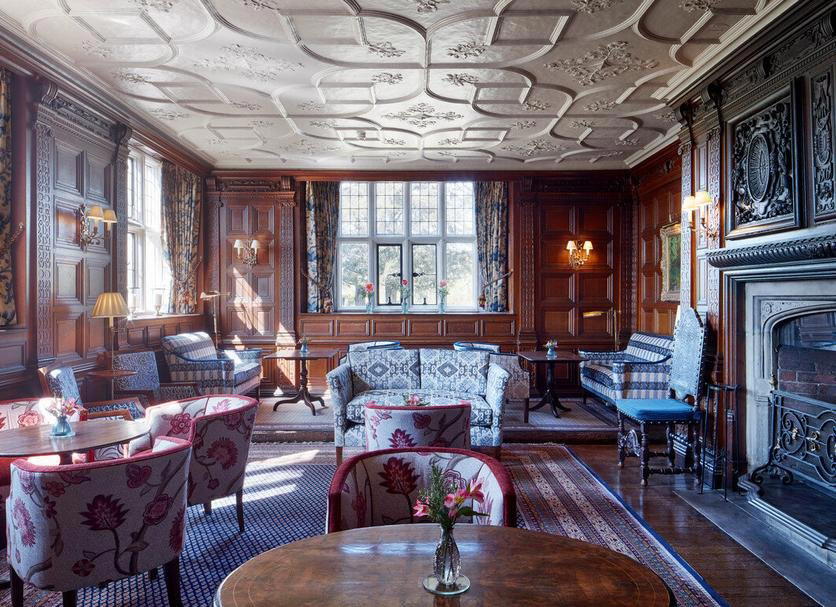
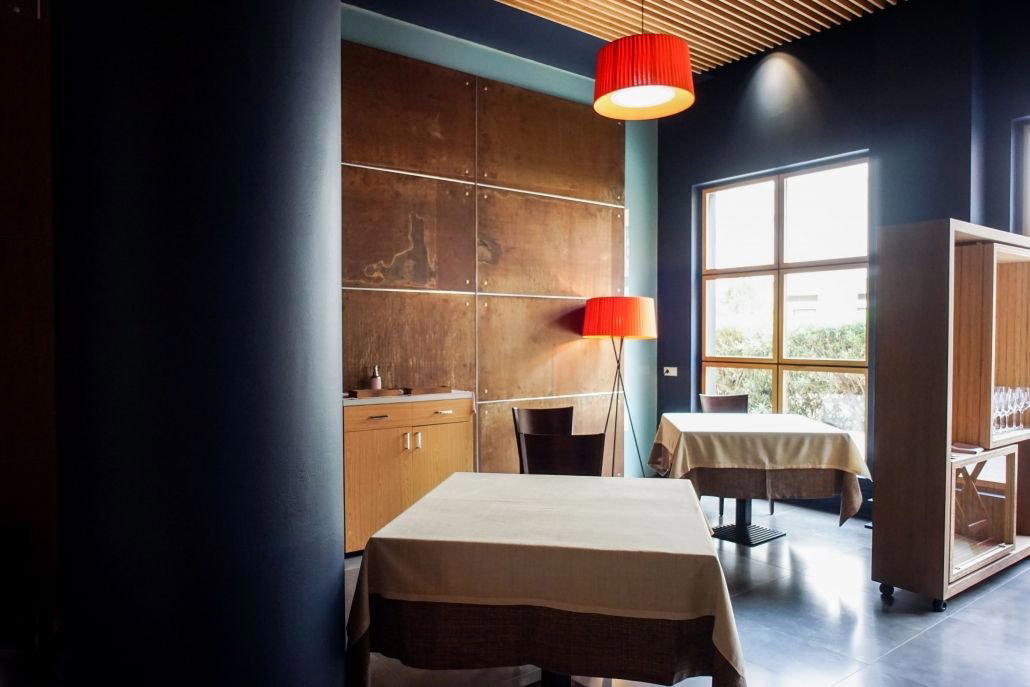
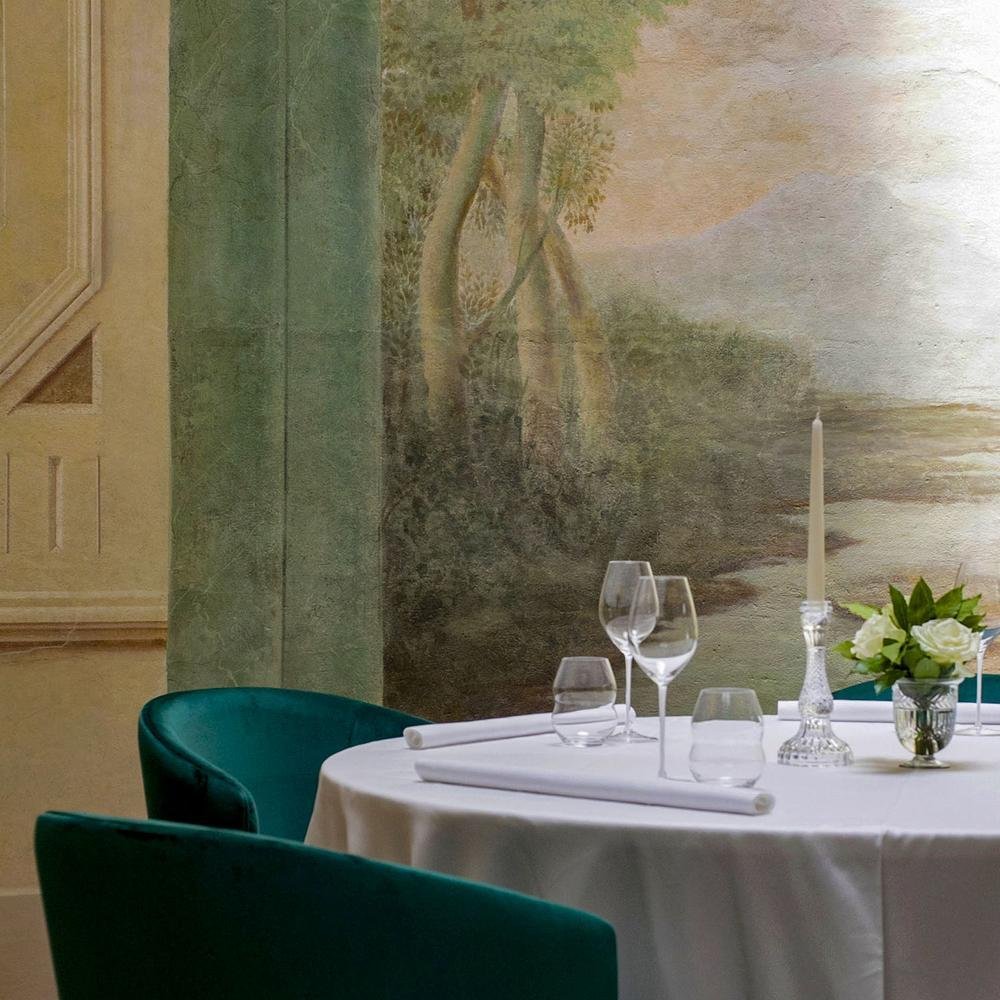
La Pinte des Mossettes reads like a lived-in Alpine farmhouse that happens to run a Michelin-starred kitchen. The arrival—up a road that climbs through summer pastures and timber-framed houses—frames the meal: an old stone farmstead, creaking floorboards and a fireplace anchor an authentic, historic interior. The informality feels genuine rather than staged, and the panoramic terrace opens onto rolling highland terrain and an expansive sky. The overall tone is quietly romantic and charming: technically serious cooking sits comfortably within a serene, rustic setting where the mountain landscape is the primary protagonist.
Best For
This is a destination for special evenings and focused dinners rather than quick stops. The restaurant’s Michelin recognition and mountain setting make it an ideal choice for date nights, anniversaries or a weekend escape where scenery and provenance matter as much as technique. Visitors travel specifically for the location and the seasonally driven, altitude-sensitive cooking, so it reads as a place to linger—ideally during a relaxed dinner service that takes in the terrace views when weather permits. It rewards those seeking a tranquil, elevated dining experience outside the city.
Ordering Tips
The kitchen’s approach is rooted in the mountain’s short growing season and serious attention to local foraging; diners should lean into that seasonality when choosing. Rather than seeking familiar, imported flavors, expect dishes that reflect what grows at altitude and let the provenance be the guide. When weather allows, request a table on the panoramic terrace to pair the meal with the landscape. The description emphasizes trusting the kitchen’s terrain-led priorities, so be prepared to follow the restaurant’s seasonal direction and enjoy a meal paced to the setting.
Venue details
Ambiance
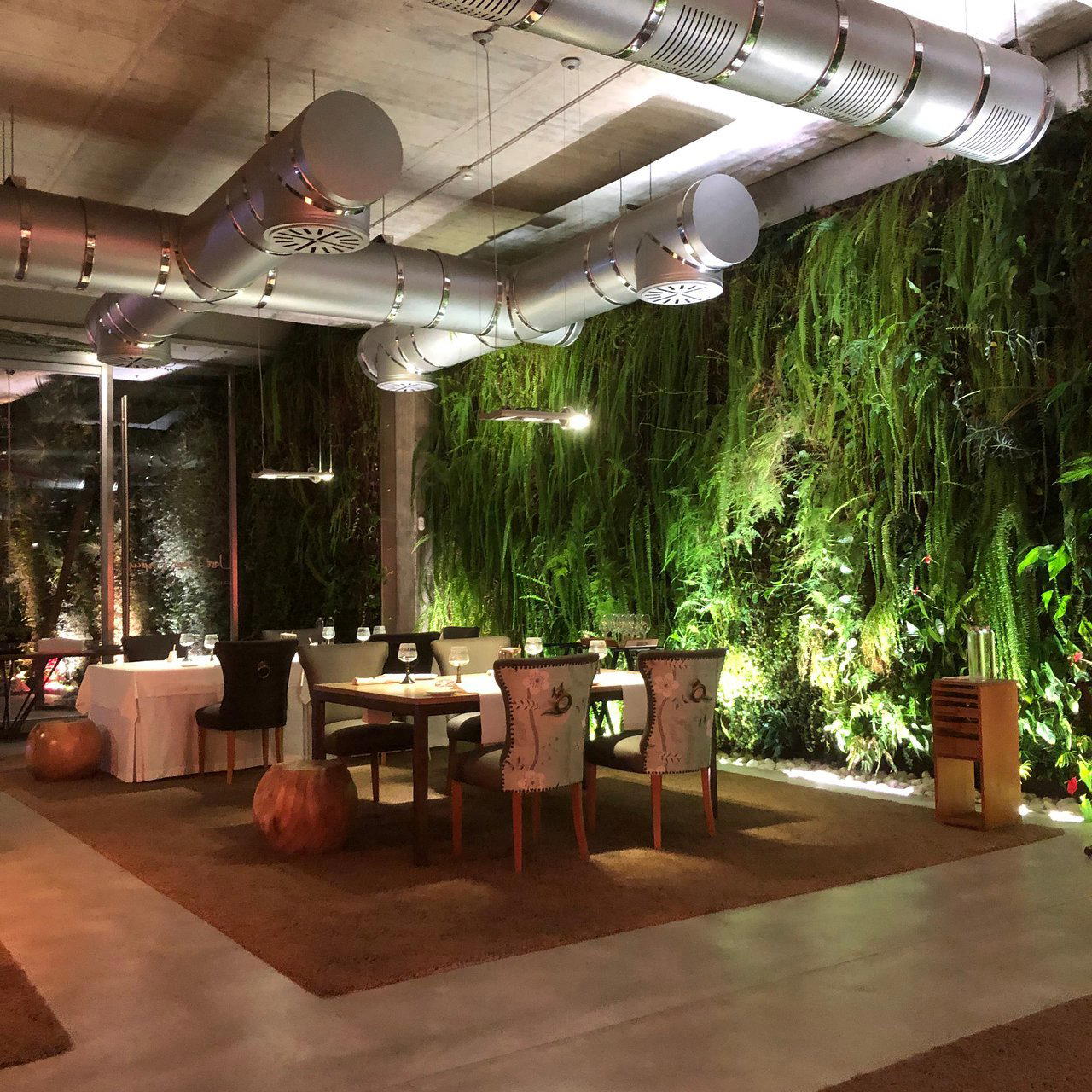
Cozy historic chalet with creaking floorboards, fireplace, panoramic terrace, and serene mountain surroundings.
Tags
Vibe
Best For
Experience
Sourcing
View
Accessibility
At the Table
- Dress Code
- Casual
- Noise Level
- Quiet
- Service Style
- Upscale Casual
- Meal Pacing
- Leisurely
- Capacity
- Intimate
- Kitchen
- Seasonal
- Menu Format
- Prix fixe
- Wine Program
- Curated
- Dietary
- Vegetarian friendly
- Private Dining
- Available
- Outdoor Seating
- Yes
Know before you go
Know Before You Go
- Getting there
- Route des Echelettes 8, Cerniat, 1654, Switzerland
Planning details
Hours
Location
Location
Route des Echelettes 8, Cerniat, 1654, Switzerland · Directions
Recognition and awards

Also consider
Also Consider
- Schloss Schauenstein, Modern European, Creative, €€€€
- Memories, Modern Swiss, €€€€
- roots, Flemish, Vegetarian, Modern Cuisine, €€€€
- IGNIV Zürich by Andreas Caminada, Sharing, €€€€
- focus ATELIER, Modern Swiss, Creative, €€€€
Restaurant context
La Pinte des Mossettes and Schloss Schauenstein are the two clearest comparisons for destination fine dining in a rural Swiss setting, and the choice between them comes down to format preference. Schloss Schauenstein is a castle in Fürstenau with a longer track record and higher Michelin recognition; La Pinte des Mossettes is a farmstead in Cerniat with a younger profile but a more distinctive landscape-to-plate concept. If you want the more storied Swiss fine dining institution, go to Schauenstein. If you want a meal that feels more rooted in its specific geography, La Pinte des Mossettes makes the stronger case.
Memories in Bad Ragaz and focus ATELIER both sit at the €€€€ tier with Modern Swiss credentials, but they operate in or near established resort towns rather than in the rural isolation of Cerniat. Both are easier to book and easier to reach, which matters if logistics are a constraint. IGNIV Zürich by Andreas Caminada is the most accessible of this peer group, a city restaurant with a sharing format that removes the destination-trip commitment entirely. If you want a €€€€ creative Swiss experience without the mountain drive, IGNIV is the practical call.
roots is the most direct philosophical parallel: a vegetable-forward, creative menu at the €€€€ level. If La Pinte des Mossettes appeals because of its plant-driven ethos but the Cerniat location is impractical for your trip, roots is worth serious consideration. La Pinte des Mossettes has the stronger setting and the more specific landscape connection, but the cooking philosophies are close enough that the decision may come down to geography alone.
Explore Cerniat
Around this place
Discover more on Pearl
Unlock the full La Pinte des Mossettes guide in Pearl, including awards, comparisons, FAQs, planning details, and nearby places.
Compare La Pinte des Mossettes
| Venue | Cuisine | Awards | Booking Difficulty |
|---|---|---|---|
| La Pinte des Mossettes | Creative | 2026 Falstaff Restaurant Guide2025 Michelin 1 Star2024 Michelin 1 Star | Hard |
| Schloss Schauenstein | Modern European, Creative | 2026 OAD Top Restaurants in Europe Ranked · #52026 Les Grandes Tables du Monde Members2026 La Liste Top Restaurants2026 Falstaff Restaurant Guide2025 OAD Top Restaurants in Europe Ranked · #52025 World's 50 Best Restaurants · #52We're Smart World Top Restaurants 20252025 Michelin 3 Stars2025 La Liste Top Restaurants | Unknown |
| Memories | Modern Swiss | Star Wine Lists 2026 · #12026 OAD Top Restaurants in Europe Ranked · #352026 La Liste Top Restaurants2026 Falstaff Restaurant Guide2025 OAD Top Restaurants in Europe Ranked · #282025 The Best Chef Two Knives2025 La Liste Top Restaurants2025 Michelin 3 Stars2024 OAD Top Restaurants in Europe Ranked · #12 | Unknown |
| roots | Flemish, Vegetarian, Modern Cuisine | 2026 La Liste Top RestaurantsWe're Smart World Top Restaurants 20252025 La Liste Top Restaurants2025 Michelin 2 Stars2024 Michelin 2 Stars | Unknown |
| IGNIV Zürich by Andreas Caminada | Sharing | Star Wine Lists 20262026 Falstaff Restaurant Guide2026 OAD Top Restaurants in Europe Highly Recommended2026 La Liste Top Restaurants2025 OAD Top Restaurants in Europe Ranked · #1612025 Michelin 2 Stars2025 La Liste Top Restaurants2025 The Best Chef One Knife2024 OAD Top Restaurants in Europe Ranked · #126 | Unknown |
| focus ATELIER | Modern Swiss, Creative | Star Wine Lists 2026 · #12026 Wine Spectator Best of Award of Excellence2026 OAD Top Restaurants in Europe Highly Recommended2026 Les Grandes Tables du Monde Members2026 La Liste Top Restaurants2026 Falstaff Restaurant Guide2025 OAD Top Restaurants in Europe Ranked · #1502025 Wine Spectator Best of Award of Excellence2025 The Best Chef Two Knives | Unknown |











Side-by-side comparison to help you decide where to book.
FAQ
Frequently Asked Questions
Is La Pinte des Mossettes worth the price?
At €€€€ pricing with a Michelin star (2024), it earns its price tag if the format suits you: seasonal, vegetable-forward creative cooking in a remote Alpine farmstead with a panoramic terrace. If you want a city-convenient fine dining experience, Memories in Bad Ragaz or IGNIV Zürich deliver comparable credentials with easier logistics. La Pinte des Mossettes is worth it specifically when you're looking for a destination built around landscape, seasonality, and cooking that reflects both.
How far ahead should I book La Pinte des Mossettes?
Book as early as possible, ideally 4 to 6 weeks ahead for summer and early autumn visits, which are peak season for the terrace. This is a destination restaurant in a small village with no passing trade, so every seat is accounted for. Last-minute availability is unlikely on weekends and during the summer terrace season.
Is lunch or dinner better at La Pinte des Mossettes?
Lunch is the stronger call, particularly in summer and early autumn. The panoramic terrace is the restaurant's most distinctive feature, and it only pays off in daylight with clear mountain views. An evening visit loses that advantage entirely. If you're making the drive from Fribourg or further, a lunch reservation also gives you the full journey through the mountain pastures in good light.
Is the tasting menu worth it at La Pinte des Mossettes?
Yes, for the right diner. The kitchen follows a seasonal, veggie-leaning format with herbs, flowers, and aromatic plants as the through-line, alongside fish from Lake Geneva and a plant-based non-alcoholic drinks option. If you want a classic meat-heavy tasting menu, this is not the right venue. If seasonal produce cooking with genuine regional grounding is the draw, the Michelin 1 Star (2024) recognition confirms the kitchen is executing at a level that justifies the format.