.png?width=1200&quality=80)

Tavola di Guido
Tuscan · Castellina in Chianti
Restaurant in Castellina in Chianti, Italy
 Book with Pearl
The Read
Estate-Rooted Tuscan Cooking
Price
$50–100per person
Dress
Smart Casual
Why go
Tavola di Guido earns its Michelin Plate (2024 and 2025) through disciplined Tuscan cooking built around estate-sourced ingredients and genuine seasonality. At the €€€ tier, the combination of a 1,280-bottle wine list, a quiet room, and consistent service makes it a sound bet for a long lunch or a special-occasion dinner in Castellina in Chianti. Book a week ahead; availability is rarely a problem.
About Tavola di Guido
Should You Book Tavola di Guido?
At the €€€ price tier, Tavola di Guido is one of the more considered bets in Castellina in Chianti: a Michelin Plate-recognised kitchen (2024 and 2025) anchored in Tuscan seasonality, with a wine list that earns its own separate attention. If you have already been once and are weighing a return, the answer is yes — provided you time it around what is currently in season, because the menu is genuinely built around that principle rather than just claiming it. The beetroot risotto with pancetta, crème fraîche, and nasturtium is only available when the nasturtium is ready, and that kind of restraint is what separates a kitchen that talks about terroir from one that practices it.
The Experience
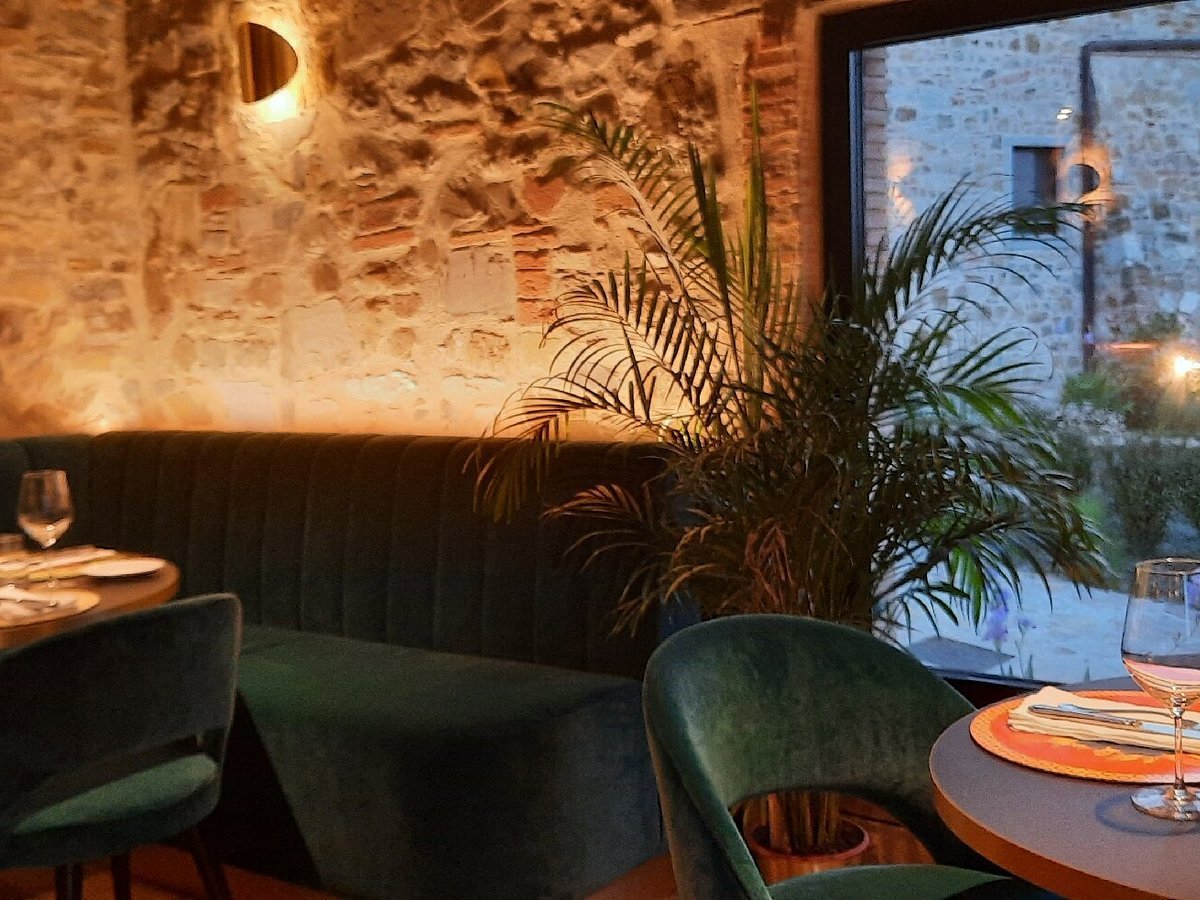
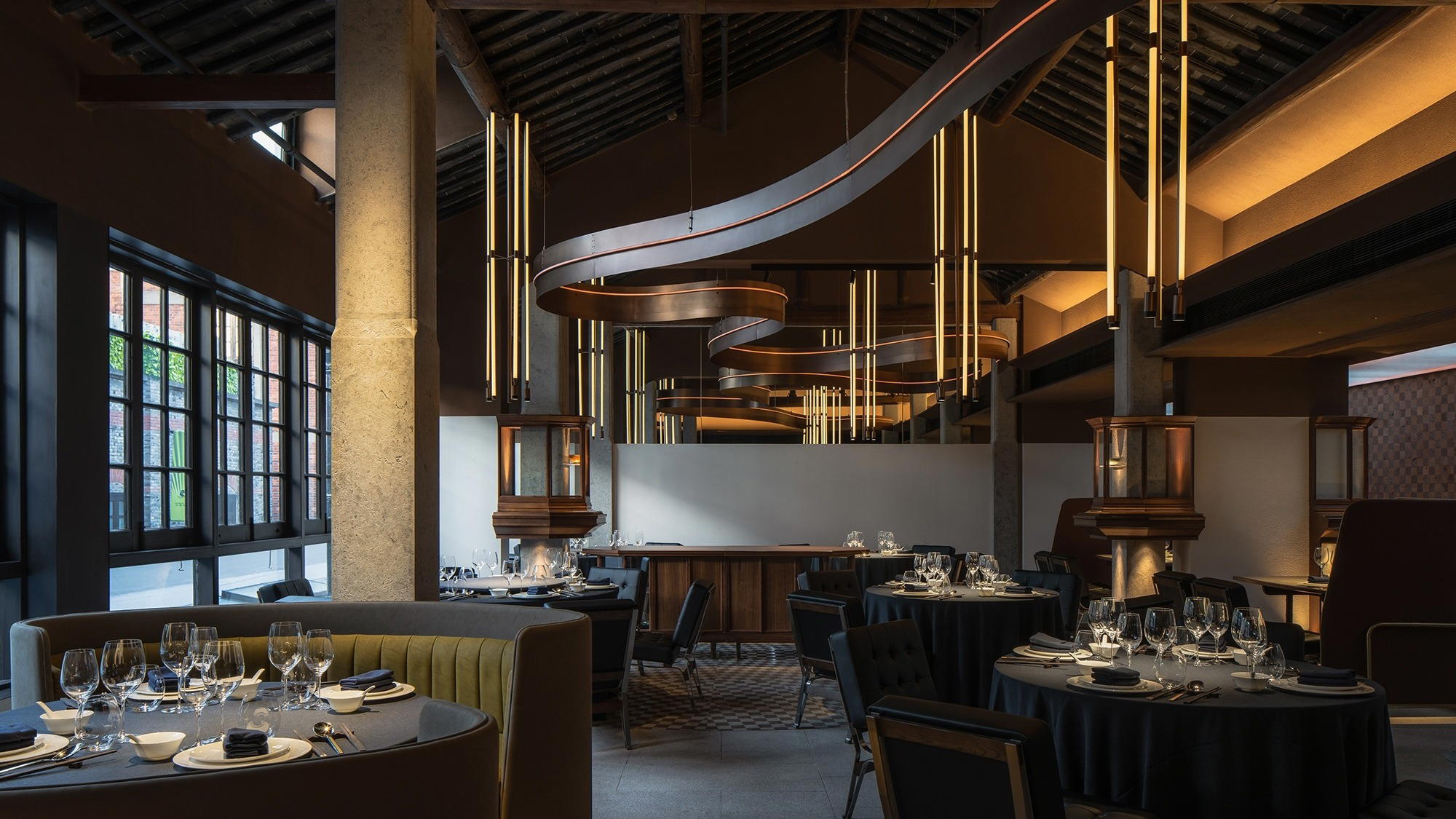
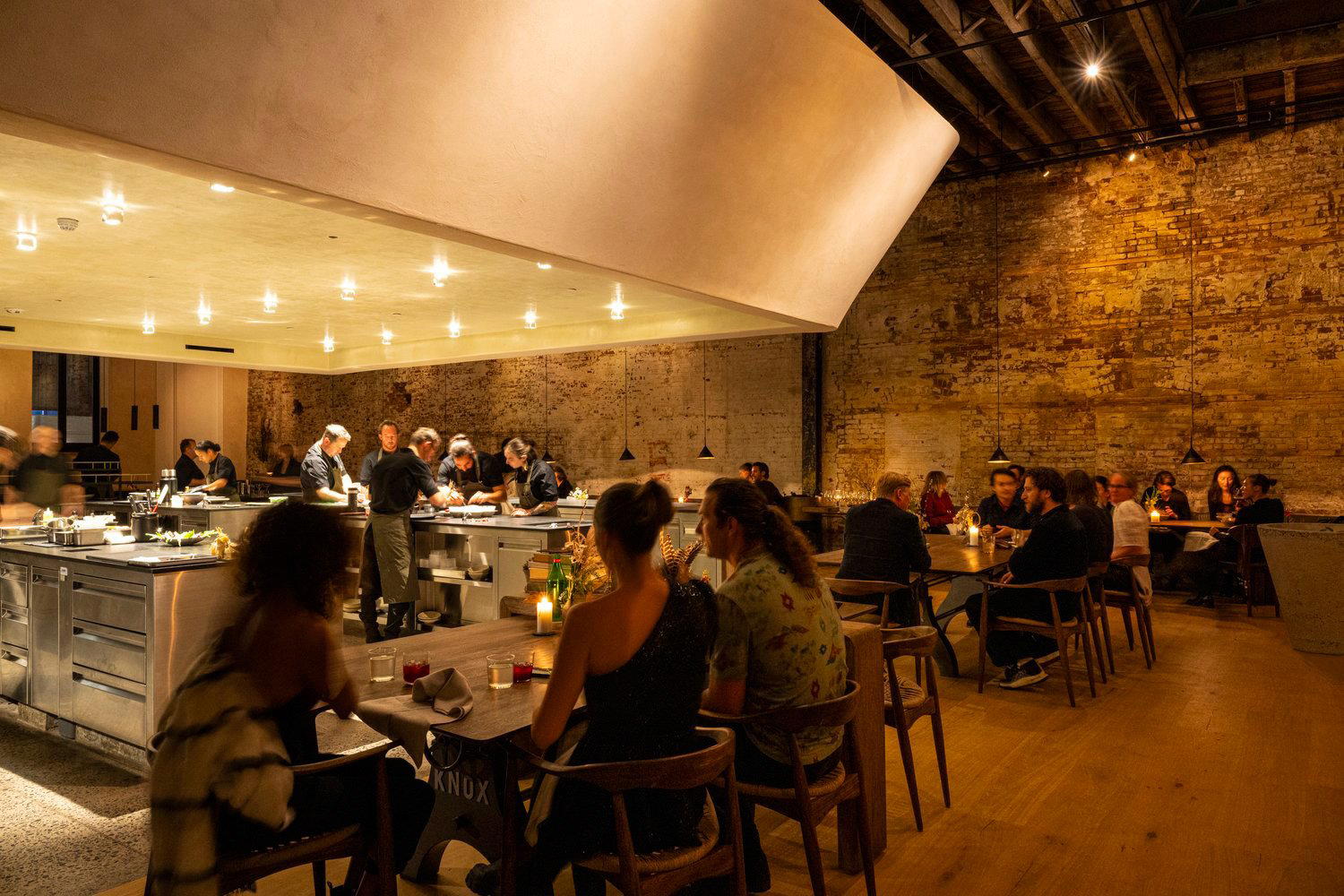
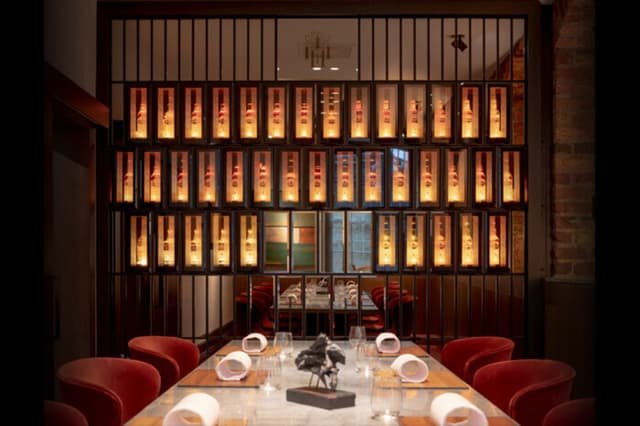
The atmosphere here sits in a register that suits the Chianti countryside: unhurried, warm without being theatrical. This is not a loud room. The energy is deliberate and the pace is the one you set, which makes it a strong choice for a long lunch or a dinner that is meant to stretch across the evening. For returning guests, that quality is worth naming explicitly: it is a room you can hear yourself think in, and talk across the table without effort. After 10 PM at livelier Florentine restaurants, that is not something you can take for granted.
The kitchen's relationship with the surrounding estate is the practical engine of the menu. The extra virgin olive oil comes from Poggibonsi or Castellina, sourced from the same farm, and that specificity matters at this price point. A €€€ meal in Tuscany carries an implicit promise about provenance; Tavola di Guido makes that promise explicit and backs it with named origins. For guests returning for a second visit, it is worth asking what is in season before you arrive — the menu shifts with it, and the leading dishes are the ones built around what is currently at peak.
Wine programme, managed by Wine Director Graig Churchill, is a genuine reason to engage rather than default to a house pour. The cellar runs to around 1,280 selections across Tuscan, Italian, and international labels, priced at the mid tier (a range of pricing, not exclusively top-end bottles). The item worth knowing about specifically is Amphoreum, a home-produced orange wine made from Trebbiano, medium-bodied, saline in character. It is the kind of wine you would not encounter at most restaurants in the region, and it gives a returning guest a clear destination on the list. Corkage, if you prefer to bring your own bottle, is set at $25, a reasonable figure at this level.
Chef Matthew Plummer and General Manager Erin Poders have held the room at a consistent standard across consecutive Michelin Plate cycles, which is the relevant metric here: not a single-year recognition but a sustained one. At the €€€ tier in a competitive Tuscan dining context, that consistency is the argument for the price. You are not paying for spectacle or for a tasting menu arms race. You are paying for a kitchen that knows what it is doing with ingredients it has sourced carefully, and a front-of-house that does not make you feel processed.
Service style is worth addressing directly because it is one of the places where mid-tier Tuscan restaurants can misfire in either direction, either too stiff or too absent. For a special occasion or a long dinner with someone you actually want to talk to, that calibration matters more than the menu itself.
Booking is direct. This is not a venue requiring three-week advance planning or a waitlist. For a weekend table, booking a week ahead is a reasonable margin; midweek lunches are easier still. If you are planning a special occasion and want a specific table or time, earlier notice is sensible, but this is not the kind of place that will turn you away on short notice for a party of two.
For context on what else Castellina in Chianti offers at table, the full Castellina in Chianti restaurants guide covers the range. Albergaccio di Castellina is the other name in the area worth knowing if you are deciding between options locally. Further afield in Tuscany, Caino in Montemerano and L'Asinello in Castelnuovo Berardenga represent the benchmark for what ambitious Tuscan cooking at a higher price point looks like. For hotels and activities while you are in the area, the Castellina in Chianti hotels guide, wineries guide, and experiences guide are the practical starting points.
Practical Details
Price tier: €€€ (cuisine pricing: €40–€65 for a typical two-course meal, not including beverages). Wine list: approximately 1,280 selections, mid-tier pricing, with a corkage fee of $25 if you bring your own. Service: lunch and dinner. Booking difficulty: easy. Awards: Michelin Plate 2024 and 2025.
Ratings at a Glance
- Cuisine: Tuscan, seasonally driven, estate-sourced
- Price: €€€
- Wine programme: Strong, 1,280 selections, Tuscan and international, mid-tier pricing
- Booking difficulty: Easy
- Recognition: Michelin Plate 2024 and 2025
Planning details
- Location
- 823 Fifth Ave. S., Minneapolis, Minnesota 55404
- Reservations
- Book on Tock
- Website
- tavolampls.com
- Phone
- +39 351 020 5716
The take
The Take
The Vibe
Tavola di Guido presents a quietly assured version of Tuscan cooking rooted in place. The kitchen practices cucina di territorio — a disciplined, tradition-forward approach that lets estate produce and the seasons set the menu’s terms. The restaurant’s consecutive Michelin Plates underline a refined seriousness: this is not showy chef-driven cuisine but precise, season-led cooking that rewards attention to provenance. Expect a composed dining room where terroir and technique take center stage, and the menu reads as a record of the surrounding landscape and local harvests rather than a rotating parade of culinary signatures.
Best For
Tavola di Guido is best for diners seeking a purposeful, food-focused evening in Castellina in Chianti. The restaurant reads as a destination within a small town — the kind of place worth a detour for travelers moving between Florence and Siena or for locals marking special moments. Its Michelin Plates and month-to-month menus make it well suited to celebrations and meaningful dinners where the seasonal specificity of ingredients is the point of the meal. This is a venue for guests who value provenance, discipline and the quietly elevated rhythms of Tuscan territory cooking.
Ordering Tips
Let seasonality guide your choices: the kitchen shapes dishes around what is genuinely available, and some plates appear only when specific ingredients are ready. The beetroot risotto with pancetta, crème fraîche and nasturtium, for example, is offered only when nasturtium is in season. Ask servers which items are current highlights and inquire about the estate-sourced olive oils — the menu is structured around that provenance. Seafood tartare and amberjack tuna are listed among signature dishes; check daily availability and choose dishes that celebrate whatever the kitchen is sourcing from the surrounding farms and coasts.
Venue details
Ambiance
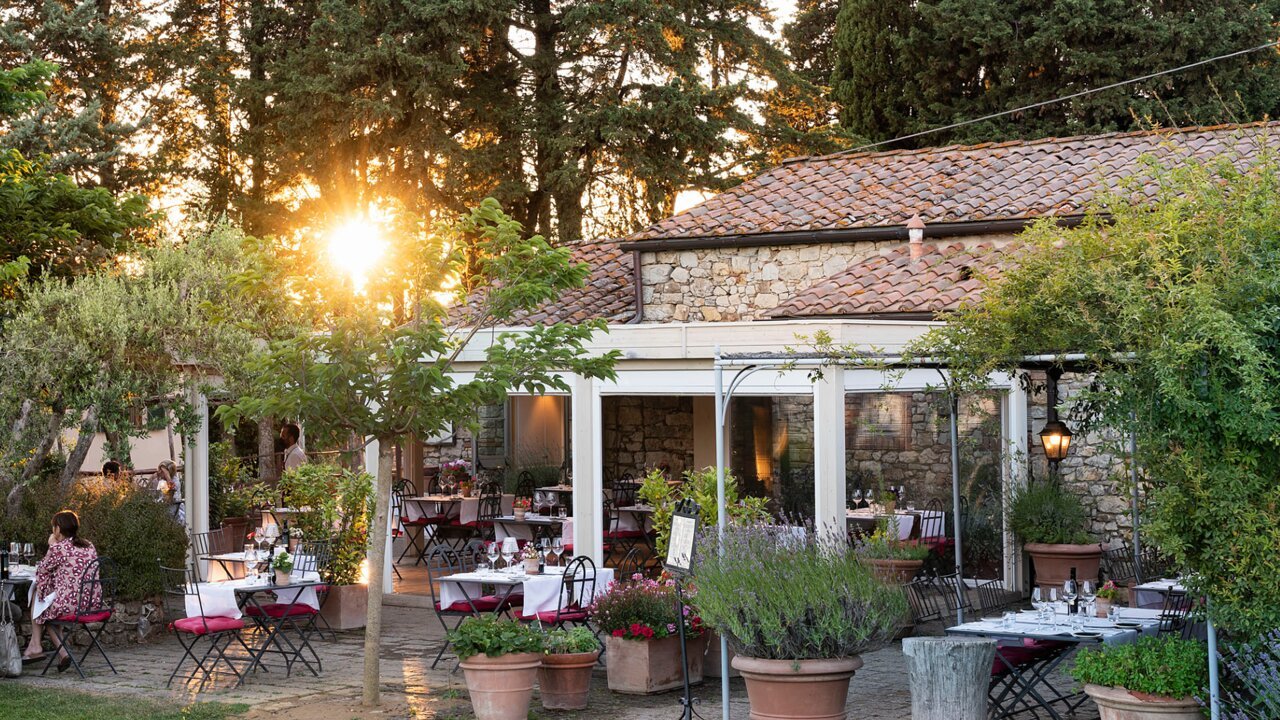
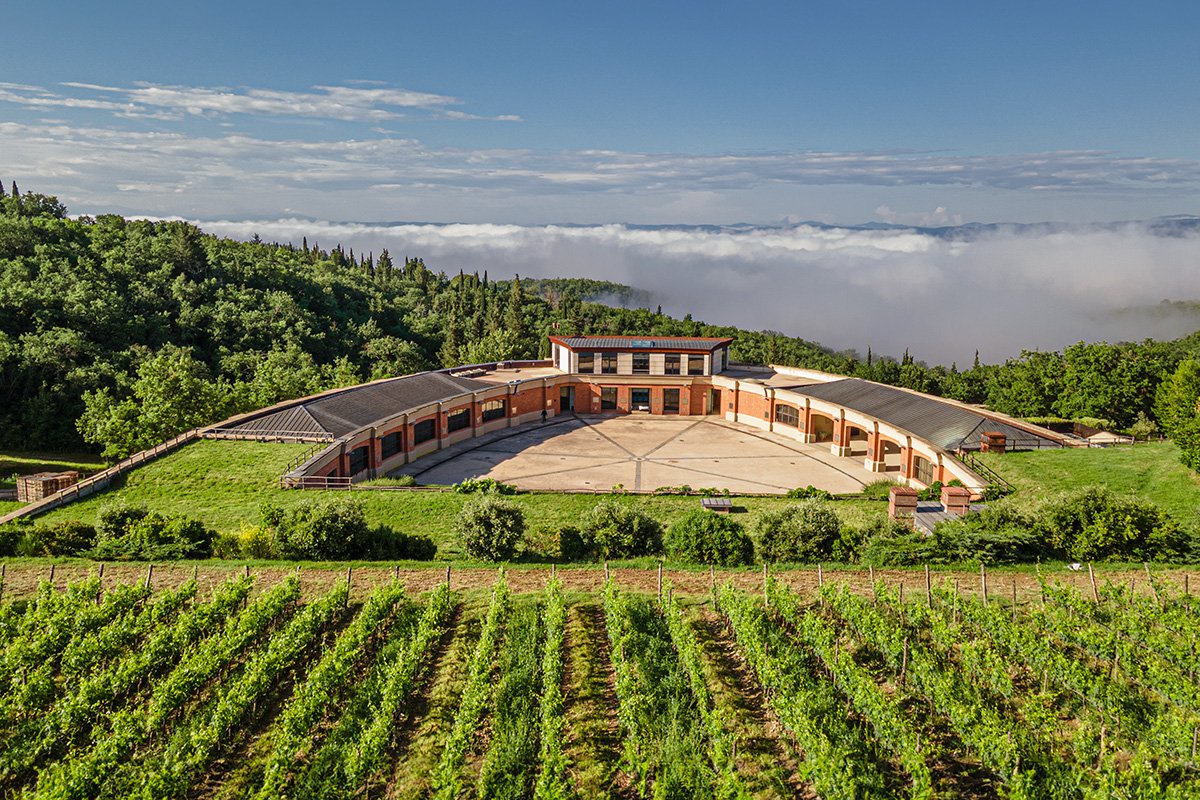
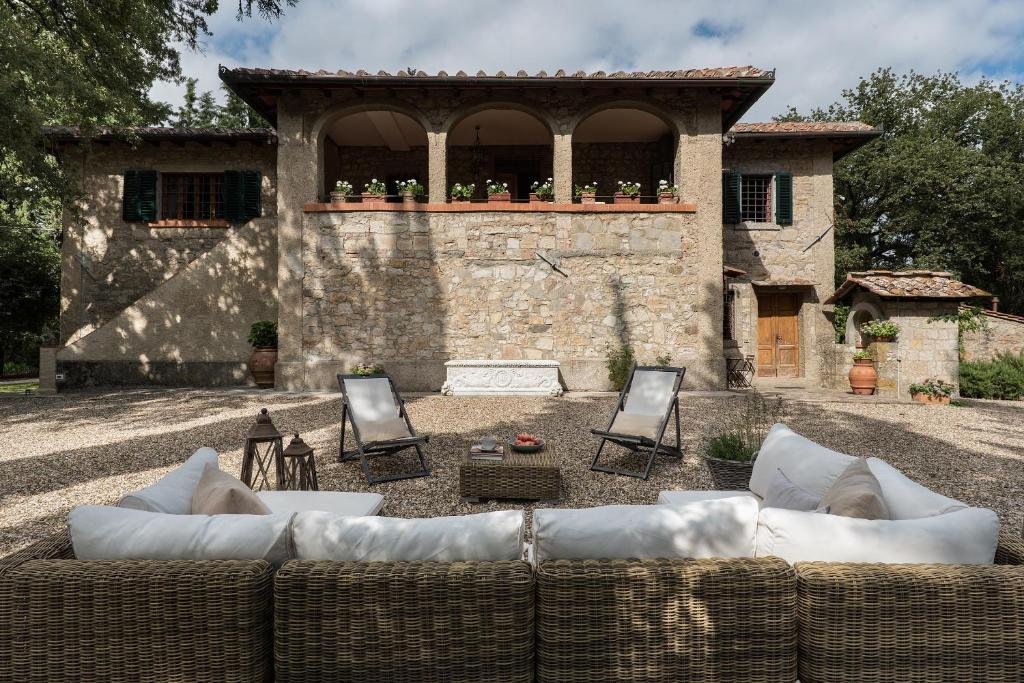
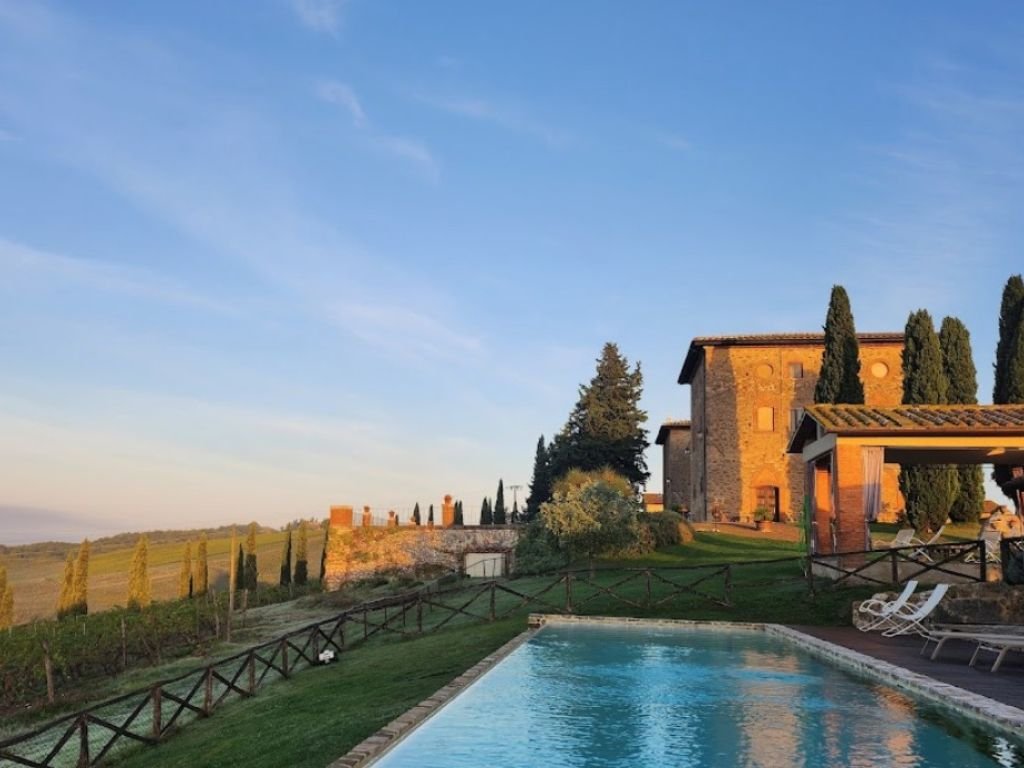
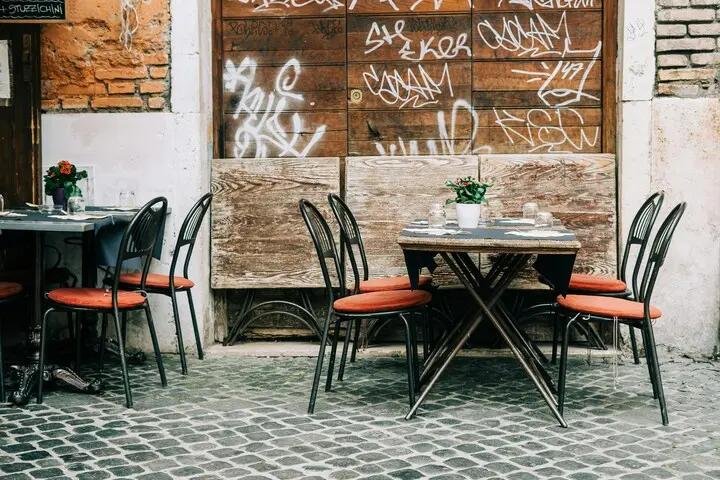
Candlelit garden terrace with countryside views, wood-fired interior for cooler evenings, peaceful and tranquil setting with romantic ambiance enhanced by stars and candles.
Tags
Vibe
Best For
Experience
Sourcing
View
Accessibility
At the Table
- Dress Code
- Smart Casual
- Noise Level
- Conversational
- Service Style
- Upscale Casual
- Meal Pacing
- Extended Experience
- Capacity
- Small
- Kitchen
- Farm-to-table
- Menu Format
- Tasting menu, Prix fixe
- Wine Program
- Exceptional
- Drinks Focus
- Tuscan wines, Italian wines, Natural wine, Amphoreum orange wine
- Dietary
- Vegetarian friendly, Vegan options, Gluten-free options, Allergy accommodating, Organic focus
- Private Dining
- Available
- Outdoor Seating
- Yes
Signature Dishes
- Beetroot risotto with pancetta and crème fraîche
- Seafood tartare
- Amberjack tuna
Know before you go
Know Before You Go
- Getting there
- 823 Fifth Ave. S., Minneapolis, Minnesota 55404
Planning details
Location
823 Fifth Ave. S., Minneapolis, Minnesota 55404 · Directions
Recognition and awards
Also consider
Also Consider
- Atelier Moessmer Norbert Niederkofler, Italian, Creative, €€€€
- Dal Pescatore, Italian, Italian Contemporary, €€€€
- Enoteca Pinchiorri, Italian - French, Italian Contemporary, €€€€
- Enrico Bartolini, Creative, €€€€
- Le Calandre, Progressive Italian, Creative, €€€€
Restaurant context
Tavola di Guido sits at €€€, which puts it in a different category from the benchmarks of Italian fine dining, Enoteca Pinchiorri in Florence, Dal Pescatore in Runate, and Atelier Moessmer Norbert Niederkofler in Brunico, all of which operate at €€€€ with Michelin star recognition. If you are deciding between a starred Italian experience and Tavola di Guido, the honest framing is this: the starred venues deliver a more formally constructed meal with greater technical ambition, but the price differential is significant and the booking lead time is longer. For a trip centred on Chianti rather than a destination-dining pilgrimage, Tavola di Guido is the more practical and cost-proportionate choice.
Within the Tuscan category specifically, Caino in Montemerano and L'Asinello in Castelnuovo Berardenga are the peer comparison points at a higher ambition level. Both are worth considering if you want Tuscan ingredients treated with greater creative complexity. Tavola di Guido is the better call if you prioritise a local, estate-focused menu, a strong wine list at accessible pricing, and a room that does not require advance planning. For Tuscany more broadly, Osteria Francescana in Modena and Piazza Duomo in Alba represent the outer boundary of what Italian fine dining looks like at the top of the market, useful context if you are building an Italy itinerary around food.
Among the €€€€ tier, Le Calandre in Rubano and Enrico Bartolini in Milan offer progressive and creative formats that Tavola di Guido does not attempt to compete. That is not a criticism, the Castellina kitchen is doing something different, and doing it at a price point where the risk is lower and the booking friction is minimal. For guests who have already experienced the starred Italian circuit, Tavola di Guido functions as a well-calibrated counterpoint: terroir-honest, service-consistent, and easier to access. Uliassi in Senigallia, Quattro Passi in Marina del Cantone, and Reale in Castel di Sangro round out the Italian fine dining landscape for context, but none of them are direct substitutes for what Tavola di Guido is doing at its price tier in Chianti.
Explore Castellina in Chianti
Around this place
Discover more on Pearl
Unlock the full Tavola di Guido guide in Pearl, including awards, comparisons, FAQs, planning details, and nearby places.
Compare Tavola di Guido
| Venue | Cuisine | Awards | Booking Difficulty |
|---|---|---|---|
| Tavola di Guido | Tuscan | 2026 Michelin Plate2025 Wine Spectator Award of Excellence2025 Michelin Plate2024 Michelin Plate | Easy |
| Atelier Moessmer Norbert Niederkofler | Italian, Creative | 2026 OAD Top Restaurants in Europe Ranked · #92026 Falstaff Restaurant Guide2026 Les Grandes Tables du Monde Members2026 Michelin 3 Stars2026 La Liste Top Restaurants2025 World's 50 Best Restaurants · #202025 OAD Top Restaurants in Europe Ranked · #362025 The Best Chef Three Knives2025 Michelin 3 Stars | Unknown |
| Dal Pescatore | Italian, Italian Contemporary | 2026 OAD Classical in Europe Ranked · #172026 Relais Chateaux Restaurants2026 Les Grandes Tables du Monde Members2026 La Liste Top Restaurants2026 Michelin 3 Stars2026 Falstaff Restaurant Guide2025 OAD Classical in Europe Ranked · #162025 Michelin 3 Stars2025 Relais Chateaux Award | Unknown |
| Enoteca Pinchiorri | Italian - French, Italian Contemporary | 2026 OAD Classical in Europe Ranked · #73Star Wine Lists 20262026 Wine Spectator Grand Award2026 Les Grandes Tables du Monde Members2026 La Liste Top Restaurants2026 Michelin 3 Stars2025 OAD Classical in Europe Ranked · #942025 Wine Spectator Grand Award2025 La Liste Top Restaurants | Unknown |
| Enrico Bartolini | Creative | 2026 OAD Top Restaurants in Europe Ranked · #762026 Michelin 3 Stars2026 Les Grandes Tables du Monde Members2026 La Liste Top Restaurants2026 Falstaff Restaurant Guide2025 OAD Top Restaurants in Europe Ranked · #722025 Michelin 3 Stars2025 Michelin 1 Star2025 La Liste Top Restaurants | Unknown |
| Le Calandre | Progressive Italian, Creative | 2026 OAD Top Restaurants in Europe Ranked · #38Star Wine Lists 20262026 Relais Chateaux Restaurants2026 Les Grandes Tables du Monde Members2026 Michelin 3 Stars2026 La Liste Top Restaurants2025 OAD Top Restaurants in Europe Ranked · #292025 World's 50 Best Restaurants · #31We're Smart World Top Restaurants 2025 | Unknown |













A quick look at how Tavola di Guido measures up.
FAQ
Frequently Asked Questions
Is the tasting menu worth it at Tavola di Guido?
If you're visiting during peak season, yes. The kitchen is built around strict seasonality — dishes like the beetroot risotto with pancetta, crème fraîche, and nasturtium only appear when the ingredient is ready, which means the menu reflects the moment rather than a fixed card. At €€€, that level of produce discipline is harder to find in Chianti without moving up to a full Michelin-starred room. The 2024 and 2025 Michelin Plate recognitions confirm the kitchen is operating at a consistent standard.
Is Tavola di Guido good for a special occasion?
Yes, with the right expectations. This is a composed, unhurried Tuscan kitchen with Michelin Plate recognition across two consecutive years — the kind of room that suits a slower, occasion-focused dinner rather than a celebratory group blowout. The wine cellar (1,280 selections, including the house Amphoreum orange wine) gives you something to build an evening around. For a milestone dinner in the Chianti countryside, it delivers.
Can Tavola di Guido accommodate groups?
No specific private dining or group capacity data is available in the record, so confirm directly before planning a large table. The kitchen's focus on seasonal, à la carte-style preparation suggests this is a room that suits parties of two to four rather than large group bookings. If you're planning a group trip to Chianti, it's worth asking early.
What should I order at Tavola di Guido?
The beetroot risotto with pancetta, crème fraîche, and nasturtium is the named signature — order it if it's on the menu, but it only appears in season. The extra virgin olive oil used in the kitchen comes from Poggibonsi or Castellina, both from the same estate, so dishes that showcase it are worth paying attention to. For wine, ask about the Amphoreum, a house-produced Trebbiano orange wine described as saline with a medium body.
Is Tavola di Guido worth the price?
At €€€ with Michelin Plate recognition in both 2024 and 2025, the kitchen is earning its price tier. The wine list runs to 1,280 labels at mid-tier markups, which adds value if you're drinking well. For the Chianti countryside, this is a considered spend rather than an expensive gamble — the seasonality-driven format means you're paying for produce decisions, not just a postcode.
What are alternatives to Tavola di Guido in Castellina in Chianti?
There are no direct Castellina in Chianti alternatives in our current database, but for Tuscan fine dining comparisons worth considering: Enoteca Pinchiorri in Florence operates at a higher price point with three Michelin stars, and Enrico Bartolini offers a more technically driven Italian format. If you're staying in the Chianti region, Tavola di Guido is one of the stronger local options at this price tier without travelling to Florence.