

La Bastide Bourrelly - Mathias Dandine
Provençal · Calas, Cabriès
Restaurant in Cabriès, France
 Book with Pearl
The Read
Reboul-Rooted Provençal Cooking
Dress
Smart Casual
Why go
La Bastide Bourrelly holds a 2026 Michelin star for produce-driven Provençal cooking rooted in the 1897 Reboul culinary canon, served in a historic bastide in the hilltop village of Cabriès. The terrace, the contemporary interior, and the option to stay overnight make this a destination worth planning around. Book two to three months ahead for spring and summer weekends: availability is tight.
About La Bastide Bourrelly - Mathias Dandine
Verdict
La Bastide Bourrelly is worth booking if you are making a deliberate trip to experience Michelin-starred Provençal cooking in a setting that earns its stars for atmosphere as much as technique. Chef Guillaume Lemelle, working under the creative direction associated with Mathias Dandine (who earned one Michelin star at La Magdeleine and whose vision shaped this project), delivers seasonal, produce-led cuisine rooted in Jean-Baptiste Reboul's 1897 Provençal cookery canon. Book well in advance: this is classified as hard to secure.
The Experience
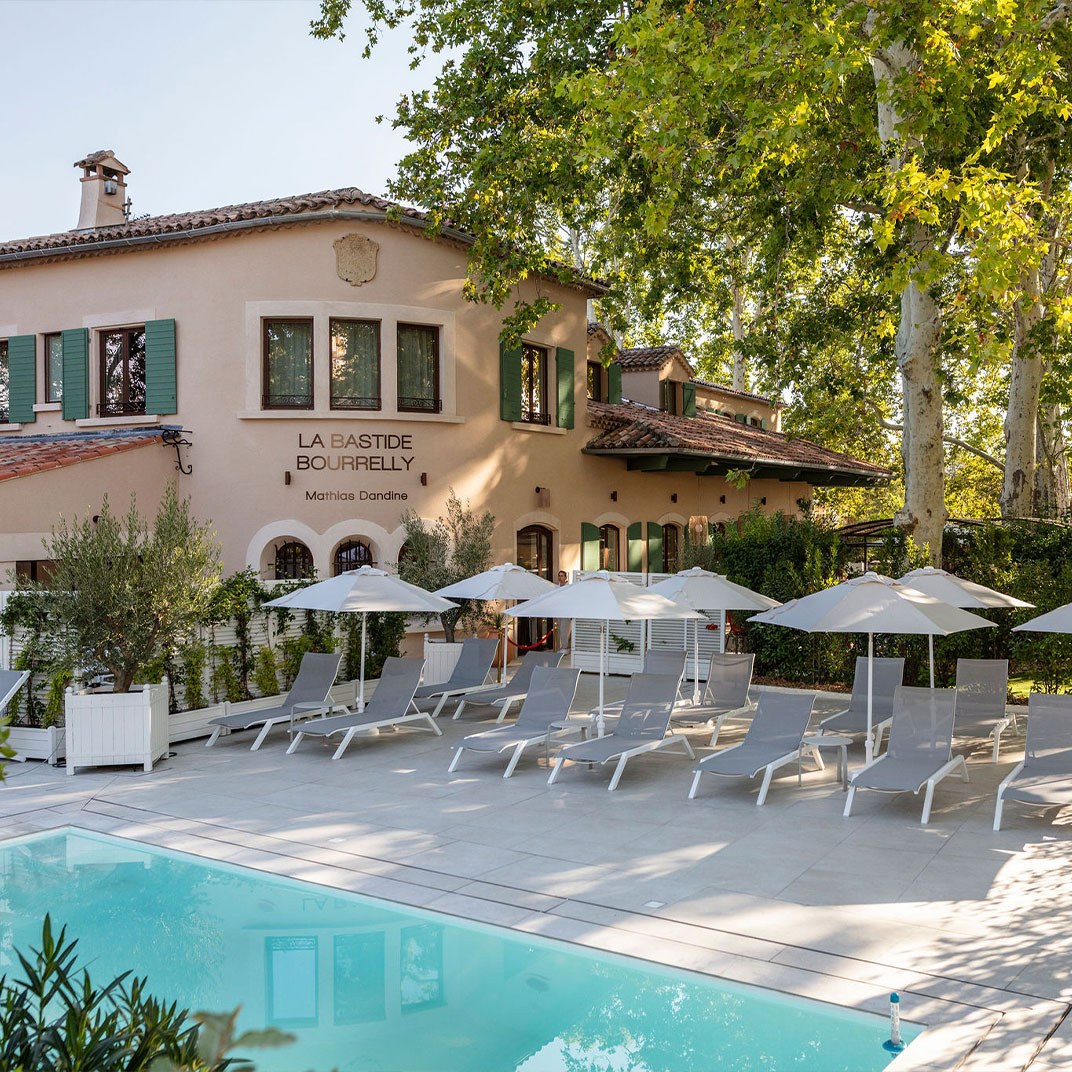
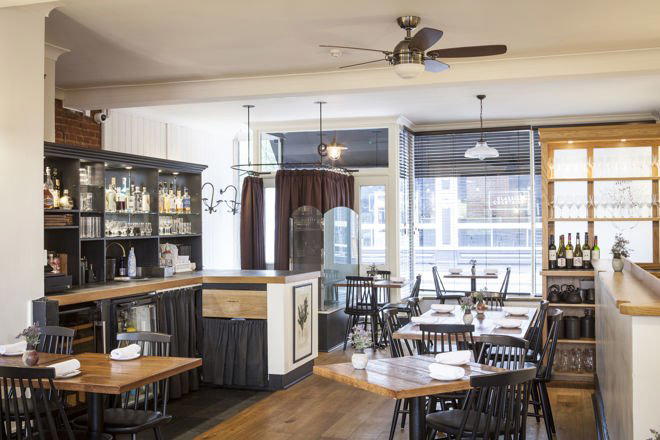
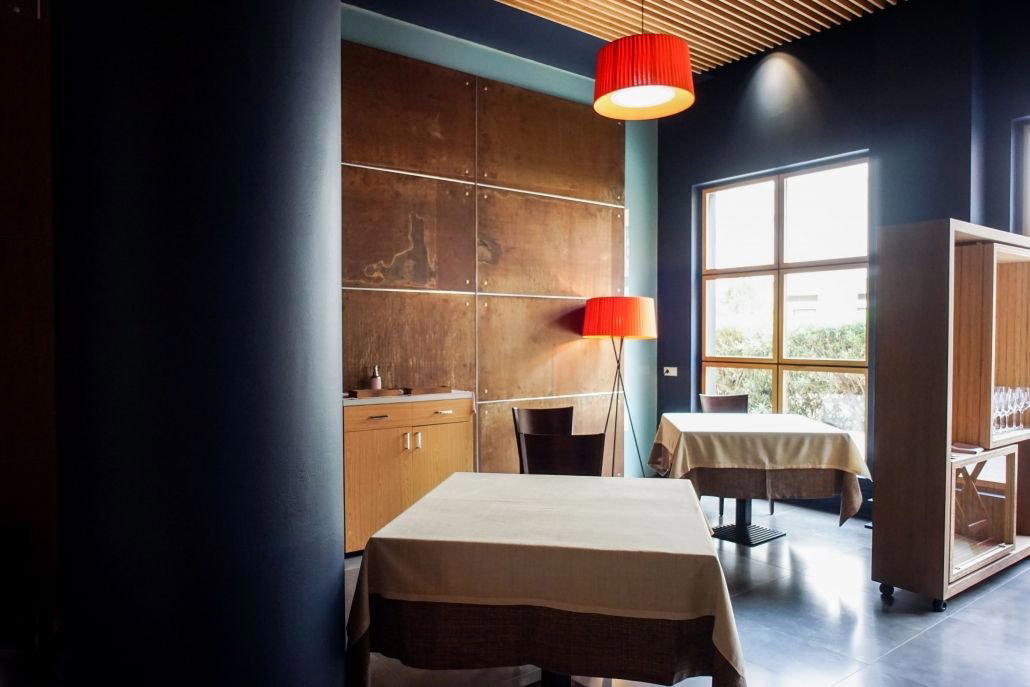
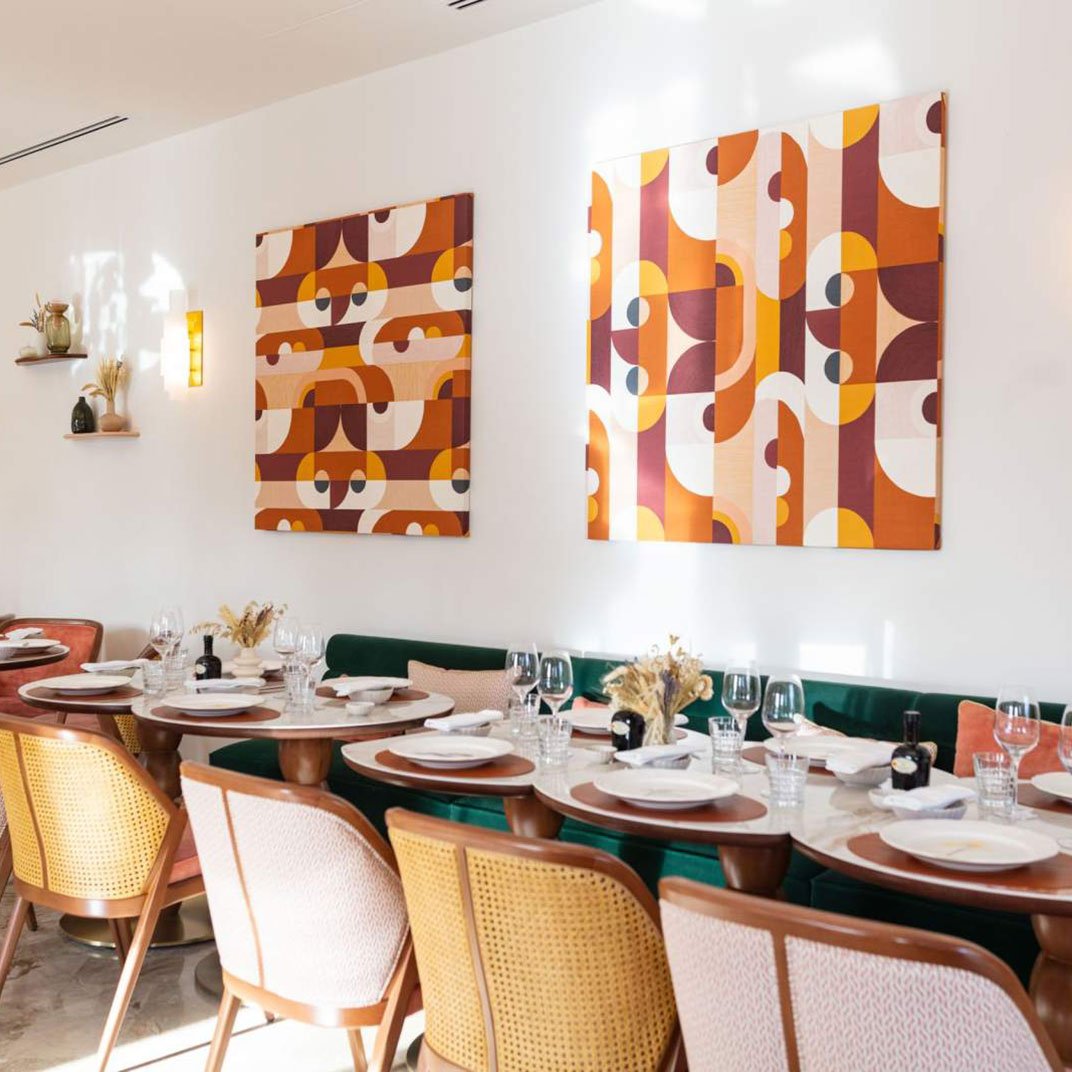
Cabriès is a small hilltop village roughly between Aix-en-Provence and Marseille, and La Bastide Bourrelly occupies the kind of old Provençal farmhouse: a bastide, that anchors a village centre. The ambient feel here is quieter and more intimate than you would expect from a starred address: plane trees shade the terrace, the interior runs contemporary Mediterranean in its palette, and the pace of service belongs to the Provence countryside rather than a busy city dining room. If you are coming from Marseille or Aix, plan for the drive and factor in the village setting, parking in the historic centre of a Provençal village is rarely frictionless, and the experience is self-contained enough that you will want to stay for the full duration of whatever menu you choose. Guestrooms are available for overnight stays, which makes this a viable two-day stay rather than a hard-in, hard-out dinner booking.
The cooking anchors itself to Reboul's 1897 reference point, a culinary text that codified classic Provençal technique, and then moves forward from there rather than recreating it as a museum piece. Expect seasonal ingredients sourced from the region, sauces that are worked with precision, and a menu structure that changes with what is available. The Michelin citation references grilled yellowtail, fried artichoke with preserved lemon, artichoke agnolotti, and a barigoule jus with olive oil as representative dishes, this is the kind of cooking where vegetables are treated as primary ingredients rather than supporting cast, and where classical French sauce technique meets southern French flavour logic.
Multi-Visit Strategy
For explorers who want to extract full value from a venue like this, the case for multiple visits is built into the seasonal structure of the menu. Provence in spring, roughly April through June, brings artichokes, young alliums, early tomatoes, and the herbs that define the region. A first visit during this window is the right introduction: the menu will lean into the ingredients that Reboul's cookbook treats as foundational, and the terrace under the plane trees is at its finest before the height of summer heat. If you arrive when the days are long and warm, you are eating the food in the conditions it was conceived for.
A second visit in autumn shifts the register considerably. The South of France in October and November brings a different larder: mushrooms, game where it appears on menus, late-season produce, and the kind of heavier sauce work that makes sense when the evenings cool. The contemporary interior comes into its own in this period, it is genuinely pleasant to be inside rather than on the terrace, and the atmosphere shifts from sun-lit leisure to something more focused. If you are splitting your attention between La Bastide Bourrelly and other Provençal addresses, Alain Llorca in La Colle-sur-Loup and La Bastide de Moustiers in Moustiers-Sainte-Marie are the natural comparators in the regional Provençal fine-dining tier, scheduling visits in different seasons is a more useful strategy than trying to cover ground in a single trip.
A third visit, for those building a serious picture of what this kitchen does, is most revealing if you book the overnight stay. Dining, sleeping, and eating again the following morning gives you access to the full rhythm of the place in a way that a single dinner reservation cannot. The bastide format, with rooms attached to the restaurant, is specifically designed for this kind of use. If you are already planning a stay in the area, and Cabriès works well as a base for the Aix-en-Provence wine country and the Étang de Berre, the overnight option turns a restaurant booking into a considered short stay.
Regional Context and Peer Comparisons
In the broader context of Michelin-starred dining in southern France, La Bastide Bourrelly sits in a competitive set that includes AM par Alexandre Mazzia in Marseille, a three-star address that operates at a different level of intensity and price, and a range of one-star regional addresses that cover different terrain. For Provençal cooking specifically, the comparison with La Bastide de Moustiers is useful: both venues use the bastide format and a Provençal frame, but La Bastide Bourrelly carries a Michelin star and a more explicit culinary lineage. If the historical Reboul connection and the precision cooking matter to you, La Bastide Bourrelly is the stronger choice. If dramatic natural setting is your priority, Moustiers-Sainte-Marie wins on that count.
For a wider Provence and southern France itinerary, Mirazur in Menton and Auberge du Vieux Puits in Fontjoncouse represent the upper tier of creative southern French cooking, but both are further afield and operate in a different mode. La Bastide Bourrelly is the right choice if you want a grounded, regionally specific Provençal experience rather than a more abstract creative tasting menu. See our full Cabriès restaurants guide for additional local options, and our Cabriès hotels guide if you are planning an overnight stay beyond the bastide itself.
Practical Details
Price range is €€€€, this is a full-commitment spend, appropriate for a one-star restaurant with overnight accommodation. Book as far in advance as possible; the combination of a small village address, a Michelin star, and a limited cover count means availability disappears quickly, particularly for weekend dinner slots in spring and summer. If you are travelling from outside the region, the overnight room option is worth factoring into your budget, it removes the pressure of a late drive back toward Aix or Marseille and makes the experience more complete. One-star Provençal in this format typically sits at smart casual minimum. Check current hours and reservation availability directly, as seasonal schedules apply. For bars and wine in the area, see our Cabriès bars guide and Cabriès wineries guide. For activities around your stay, the Cabriès experiences guide covers the surrounding area.
Planning details
- Location
- Place Albert Florens, 13480 Cabriès, France
- Reservations
- Book on Zenchef
- Website
- labastidebourrelly.com/fr
- Phone
- +33 4 42 69 13 13
The take
The Take
The Vibe
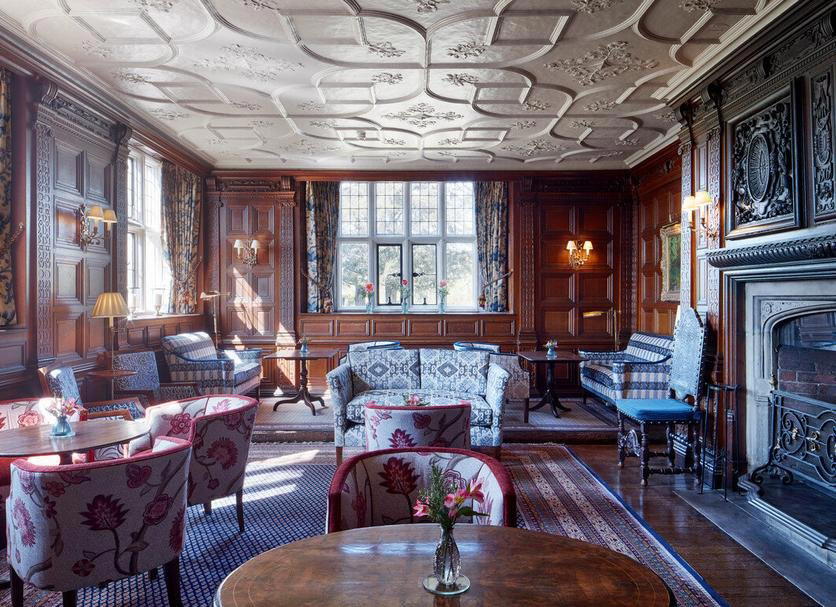
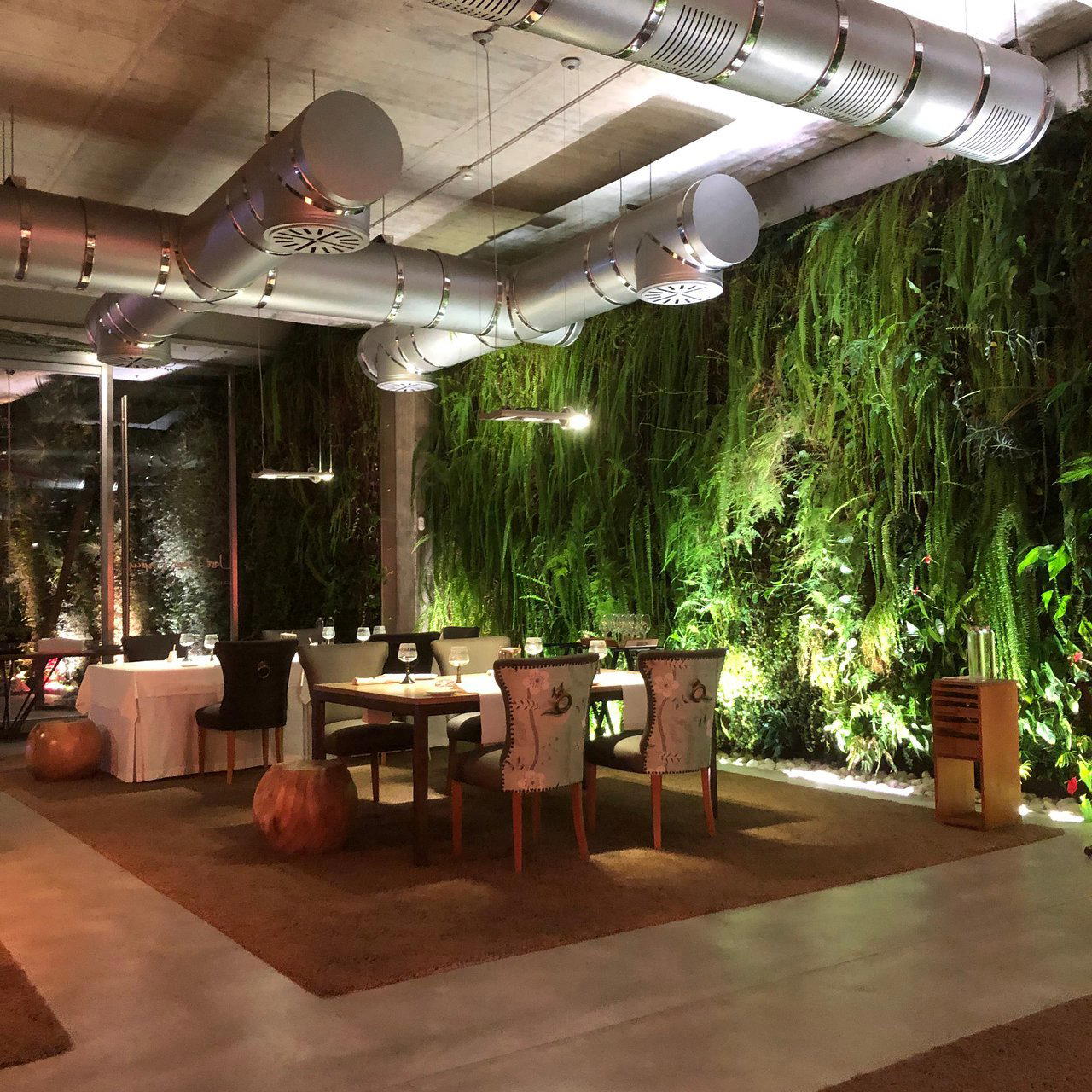
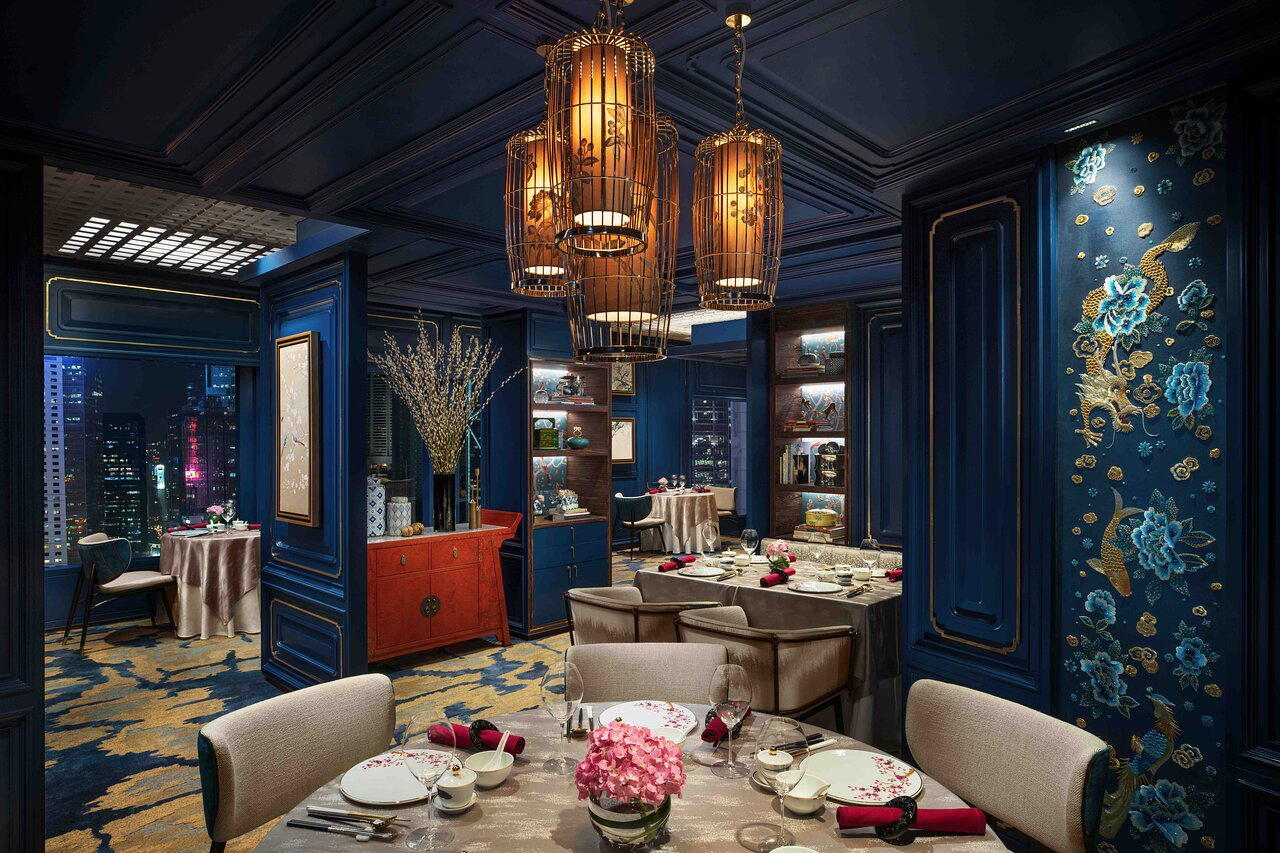
La Bastide Bourrelly sits in a classic Provençal bastide on the village square, and it feels like a farmhouse refined for modern dining. A sun‑lit terrace shaded by plane trees anchors the exterior, while the interior reads as contemporary Mediterranean: restrained, muted and designed to direct attention toward the plate rather than the décor. The kitchen frames itself through regional lineage, so the room strikes a balance between historic village charm and a quietly modern, scenic sensibility: an elegant, measured setting that foregrounds provenance and the craft of cooking.
Best For
This is a destination for evening meals and special occasions when you want food that speaks to place. The dining room’s fine‑dining posture and attention to Provençal technique make it well suited to a deliberate dinner, and the shaded terrace is a strong draw in the long warm season for open‑air service. Travellers exploring the region pair it with broader visits to southern France—La Bastide Bourrelly reads as a calmer complement to the brasher energy of nearby Marseille, offering composed, ingredient‑led cooking in a village setting.
Ordering Tips
The menu is rooted in the Reboul tradition, so look for dishes that emphasize seasonal local ingredients, precise seasoning and sauces built from the region’s pantry. Olive oil is a structural element, so expect preparations that weave it through dishes rather than simply finishing them. Ask your server about what’s at its peak that day and how the kitchen is using local produce; choosing plates that highlight Provençal technique and pantry flavors will best convey the restaurant’s intent and strengths.
Venue details
Ambiance
Chaleureux et élégant avec décoration contemporaine respectant le charme provençal, sous de majestueux platanes centenaires.
Tags
Vibe
Best For
Experience
Sourcing
Accessibility
At the Table
- Dress Code
- Smart Casual
- Noise Level
- Quiet
- Service Style
- Formal
- Meal Pacing
- Leisurely
- Capacity
- Small
- Kitchen
- Seasonal
- Menu Format
- Tasting menu
- Private Dining
- Available
- Outdoor Seating
- Yes
Know before you go
Know Before You Go
- Getting there
- Place Albert Florens, 13480 Cabriès, France
Planning details
Location
Place Albert Florens, 13480 Cabriès, France · Directions
Recognition and awards

Also consider
Also Consider
- Alléno Paris au Pavillon Ledoyen: Creative, €€€€
- Kei: Contemporary French, Modern Cuisine, €€€€
- L'Ambroisie: French, Classic Cuisine, €€€€
- Le Cinq - Four Seasons Hôtel George V: French, Modern Cuisine, €€€€
- Mirazur: Modern French, Creative, €€€€
Restaurant context
Comparing La Bastide Bourrelly directly against the Paris four-star tier Alléno Paris au Pavillon Ledoyen, L'Ambroisie, and Le Cinq at the Four Seasons George V: is not the most useful exercise: those are multi-star city institutions operating at a different scale of formality and investment. The more relevant question is what La Bastide Bourrelly offers that those addresses cannot, which is a grounded, regional, single-star experience in a Provençal village setting where the cooking is explicitly tied to a specific culinary tradition and landscape. If you are in Paris and want €€€€ French cooking with maximum technical ambition, Kei or Alléno will serve you better. If you are in the South of France and want cooking that makes sense of where you are, La Bastide Bourrelly is the stronger argument.
Against Mirazur in Menton, the most decorated creative address in the French Mediterranean tier, La Bastide Bourrelly is more approachable in booking terms and more legible in its culinary logic. Mirazur operates at three stars with the international profile and reservation difficulty that brings. La Bastide Bourrelly is harder to book than a casual address but not in the same league of inaccessibility. For a food-focused traveller who wants depth without the months-out booking window, La Bastide Bourrelly is easier to actually get into while still delivering a serious experience.
Within the Provençal one-star tier, the most direct comparison is with Alain Llorca in La Colle-sur-Loup. Both operate in the same regional cooking register and price band. La Bastide Bourrelly has the advantage of the overnight stay option and the specific Reboul lineage, which gives it a narrative coherence that rewards the kind of traveller who wants context alongside the meal. If you are building a southern France itinerary across multiple days, La Bastide Bourrelly paired with AM par Alexandre Mazzia in Marseille covers both the traditional-rooted and the avant-garde ends of the regional spectrum in a single trip.
Explore Cabriès
Around this place
Discover more on Pearl
Unlock the full La Bastide Bourrelly - Mathias Dandine guide in Pearl, including awards, comparisons, FAQs, planning details, and nearby places.
Compare La Bastide Bourrelly - Mathias Dandine
| Venue | Price | Booking Difficulty | Awards |
|---|---|---|---|
| La Bastide Bourrelly - Mathias Dandine | €€€€ | Hard | 2025 Michelin 1 Star2025 Gault & Millau Remarkable Restaurant2024 Michelin 1 Star |
| Alléno Paris au Pavillon Ledoyen | €€€€ | Unknown | 2026 OAD Classical in Europe Ranked · #35Michelin Guide France & Monaco 20262026 La Liste Top Restaurants2025 OAD Classical in Europe Ranked · #342025 The Best Chef Three Knives2025 Gault & Millau Exceptional Restaurant2025 Michelin 3 Stars2024 OAD Classical in Europe Ranked · #342024 World's 50 Best Restaurants · #79 |
| Kei | €€€€ | Unknown | 2026 OAD Classical in Europe Ranked · #29Michelin Guide France & Monaco 20262026 Les Grandes Tables du Monde Members2026 La Liste Top Restaurants2026 Falstaff Restaurant Guide2025 OAD Classical in Europe Ranked · #262025 Michelin 3 Stars2025 Gault & Millau Prestige Restaurant2025 La Liste Top Restaurants |
| L'Ambroisie | €€€€ | Unknown | 2026 OAD Classical in Europe Ranked · #10Michelin Guide France & Monaco 20262026 La Liste Top Restaurants2026 Falstaff Restaurant Guide2025 Michelin 3 Stars2025 La Liste Top Restaurants2024 OAD Classical in Europe Ranked · #102024 Michelin 3 Stars2023 OAD Classical in Europe Ranked · #11 |
| Le Cinq - Four Seasons Hôtel George V | €€€€ | Unknown | No published awards |
| Mirazur | €€€€ | Unknown | 2026 OAD Top Restaurants in Europe Ranked · #422026 Relais Chateaux RestaurantsMichelin Guide France & Monaco 20262026 Les Grandes Tables du Monde Members2026 La Liste Top Restaurants2025 OAD Top Restaurants in Europe Ranked · #68We're Smart World Top Restaurants 20252025 Michelin 3 Stars2025 The Best Chef Three Knives |










How La Bastide Bourrelly - Mathias Dandine stacks up against the competition.
FAQ
Frequently Asked Questions
Is La Bastide Bourrelly - Mathias Dandine good for solo dining?
Solo diners can work here, particularly at the terrace, but this is primarily a destination restaurant built around a full meal experience in a Provençal bastide setting. At €€€€ pricing with a one-Michelin-star format, solo visits are better justified if you are combining dinner with one of the guestrooms on-site: otherwise, the spend-to-occasion ratio tips more in favour of a pair or small group.
Is La Bastide Bourrelly - Mathias Dandine worth the price?
At €€€€, this is a full-commitment spend, and it earns it if Provençal cooking at Michelin-star level is what you are after. The kitchen draws on Jean-Baptiste Reboul's 1897 regional cookbook as a reference point, which gives the menu a specificity you will not find at a generic fine dining address. If you are simply looking for a good meal near Aix or Marseille without the formal commitment, the price is harder to justify.
What should I order at La Bastide Bourrelly - Mathias Dandine?
Michelin's documentation of the kitchen highlights grilled yellowtail, fried artichoke with preserved lemon, artichoke agnolotti, and barigoule jus with olive oil: all signatures of chef Guillaume Lemelle's approach to seasonal Provençal produce. The menu is rooted in local, seasonal ingredients, so dishes shift with availability; lean into whatever the kitchen is featuring from the region that day.
How far ahead should I book La Bastide Bourrelly - Mathias Dandine?
Book at least three to four weeks out for weekend tables, longer in summer when the Provence region draws heavy demand and the terrace under the plane trees is the place to be. If you want to combine dinner with an overnight stay in the guestrooms, factor in accommodation availability as a second constraint.
Is La Bastide Bourrelly - Mathias Dandine good for a special occasion?
Yes, and it is one of the stronger special-occasion cases in the Aix-Marseille corridor. The combination of a one-Michelin-star kitchen, a converted Provençal farmhouse in a hilltop village, and on-site guestrooms gives it a depth that a city restaurant cannot match. For anniversaries or milestone dinners where setting matters as much as the plate, this format is well-suited.
Is the tasting menu worth it at La Bastide Bourrelly - Mathias Dandine?
Based on the Michelin recognition and the kitchen's documented use of top-notch local seasonal ingredients with precise technique, the tasting menu format is the right vehicle here. The Reboul-inspired Provençal framing gives it a coherent identity rather than a generic progression of courses. At €€€€, you are paying for that specificity: if tasting menus are your format, this one has a clear point of view.
What are alternatives to La Bastide Bourrelly - Mathias Dandine in Cabriès?
There are no direct Michelin-starred competitors within Cabriès itself. The nearest comparable tier is in Aix-en-Provence or Marseille, where AM par Alexandre Mazzia (three Michelin stars in Marseille) is the headline option if you want to step up in ambition and price. For Provençal cooking at a similar level with a different setting, look at options around the Var and Luberon regions, where several one-star addresses work with similar seasonal produce.