't Apertje
Sint-Kruis, Bruges
Restaurant in Bruges, Belgium
 Book with Pearl
The Read
Price
$30–50per person
Dress
Casual
Why go
Use 't Apertje as a flexible Bruges fallback rather than a special-occasion anchor. It makes sense for repeat diners who want lunch or evening availability without chasing a more formal, cuisine-led booking; for clearer style or price signals, compare Brasserie Grand Cru, Mout, or Bar Bulot first.
About 't Apertje
't Apertje is a Bruges option to consider when the practical question is timing. This guide treats it as a direct planning entry rather than making claims about cuisine, price, menu style, awards, or service format. If you need a more specific brief before choosing, compare it with Brasserie Grand Cru or Mout, or look more broadly at other dining options.
A Bruges option with clear hours
The main reason to keep 't Apertje on a shortlist is its schedule. It opens for lunch and an early evening window on Monday, Tuesday, Friday, Saturday, and Sunday, and is closed on Wednesday and Thursday. Its lunch and early evening hours can make it useful when a Bruges itinerary needs a meal slot known in advance.
For someone comparing options, the better move is to use it tactically: choose it when the group wants a Bruges meal option with clear hours and a casual dress code. If cuisine style, budget ceiling, or a particular room feel matters, scan the Bruges restaurants guide before committing.
Use lunch or dinner according to the schedule
The evening window is 6:30–8 PM on the days it opens. Lunch is served from 12–2 PM on Monday, Tuesday, Friday, Saturday, and Sunday. Compare against Zevensterre, Rombaux, De Damse Poort, Brasserie Grand Cru, or Mout when those details matter to the decision.
For a broader Bruges stay, pair this kind of practical restaurant choice with the right base rather than overworking the meal plan: Bruges hotel, bar, experience, and trip-planning guides are better tools for shaping the rest of the visit.
Quick reference: Bruges restaurant with casual dress code; open Monday, Tuesday, Friday, Saturday, and Sunday for 12–2 PM lunch and 6:30–8 PM dinner; closed Wednesday and Thursday.
Planning details
- Hours
- Monday: 12–2 PM, 6:30–8 PM · Tuesday: 12–2 PM, 6:30–8 PM
- Location
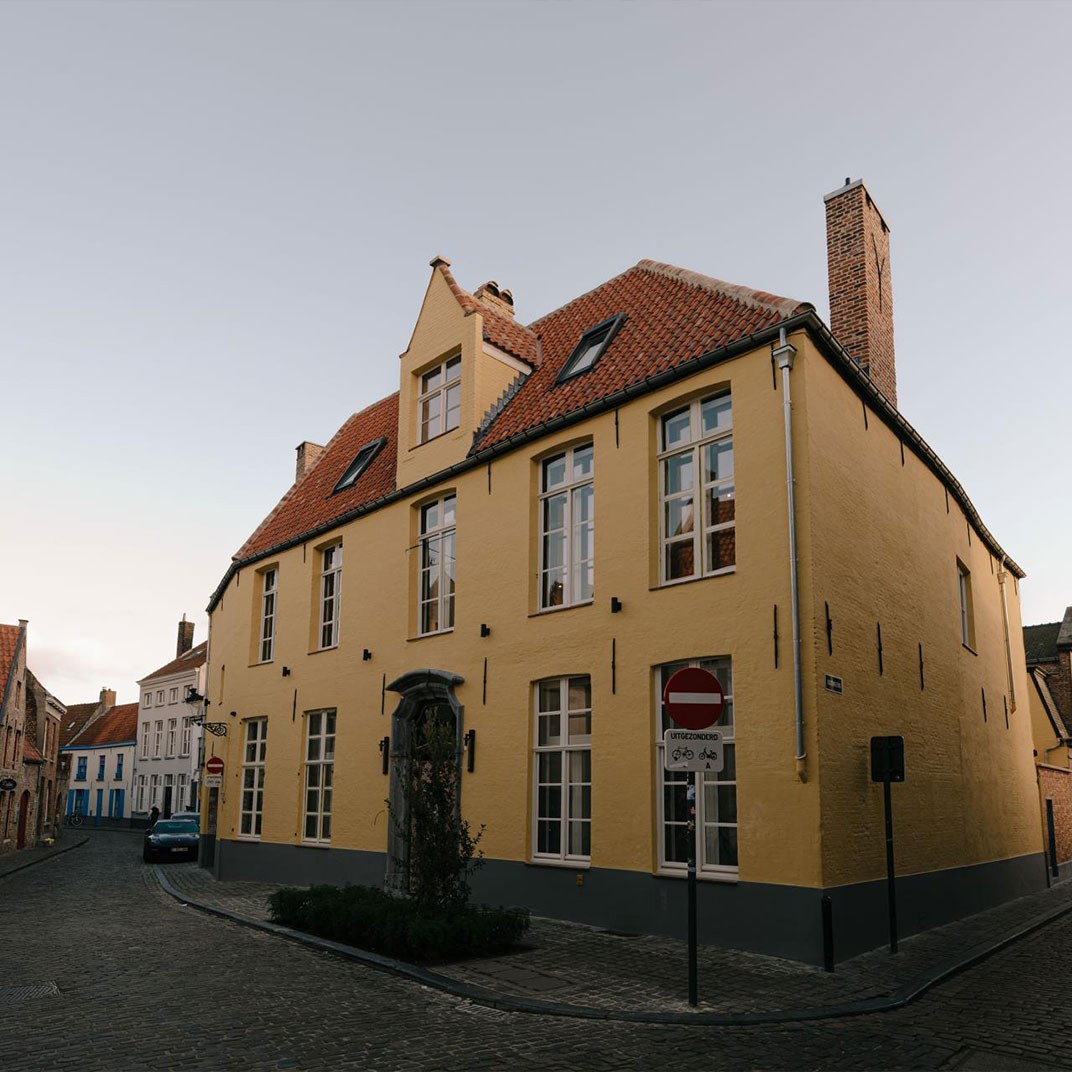
- Damse Vaart-Zuid 223, 8310 Brugge, Belgium
- Website
- apertje.be
- Phone
- +3250350012
The take
The Take
The Vibe
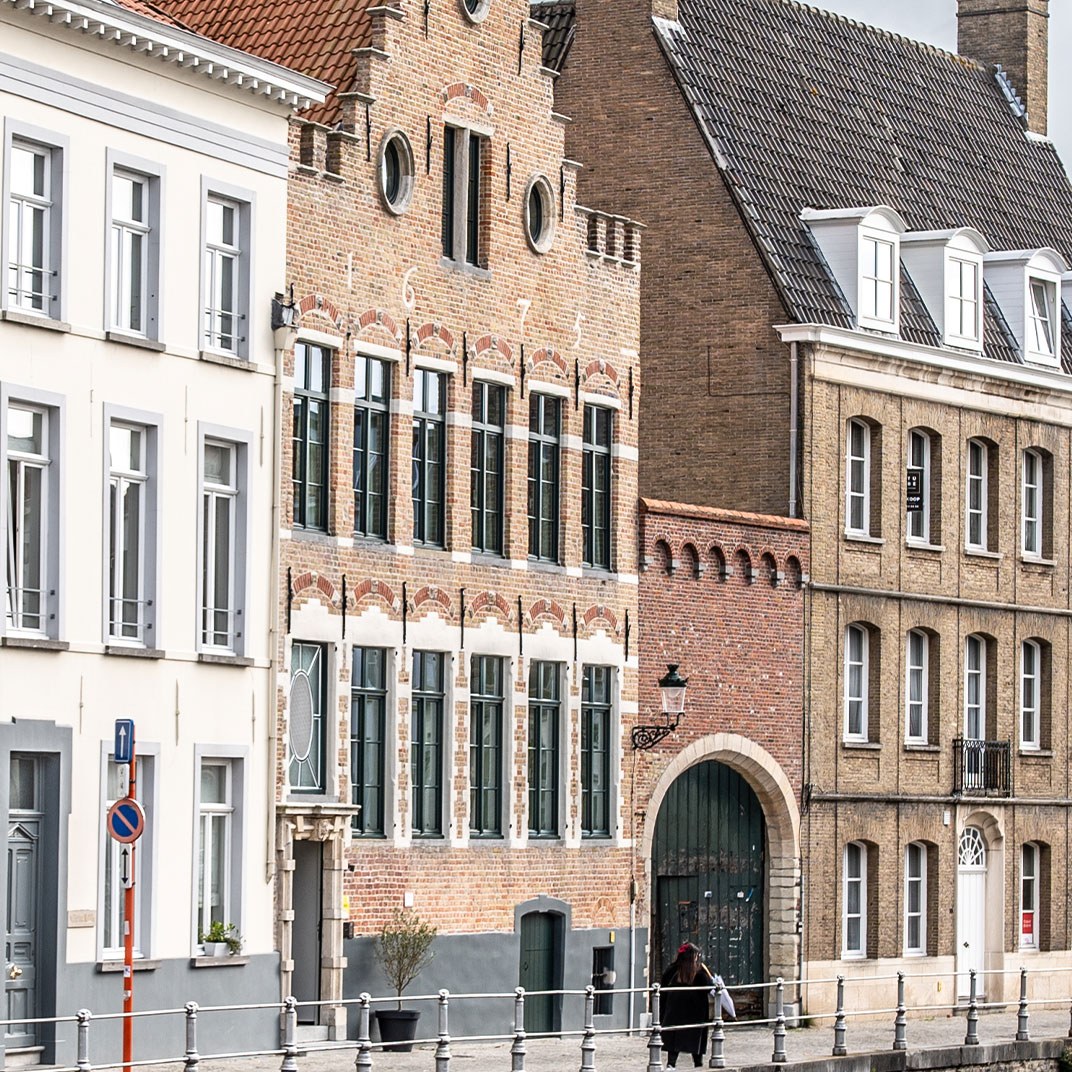
't Apertje settles into the quieter, more measured side of Bruges dining. Set on the Damse Vaart where the canal widens into the flat Flemish polder, the restaurant favors a classic, cozy sensibility rooted in local tradition. Guests arrive by bike or on foot and find a place that privileges time at the table: tasting progressions, larder-driven starters and dishes that honour regional produce. The surrounding landscape and the canal’s reflective light lend a scenic calm to the service, making the whole experience feel like a deliberate detour away from the tourist-packed centre.
Best For
't Apertje suits diners seeking a considered, destination meal rather than a quick bite. It works well for small groups and neighbourhood gatherings, especially weekend cyclists and walkers who use the canal routes as a natural pause, and for anyone who values local seafood and classic Belgian preparations. The pace of the kitchen encourages lingering over multiple courses, so it’s best for diners who plan an unhurried dinner and appreciate regional ingredients drawn from West Flanders and the surrounding polders.
Ordering Tips
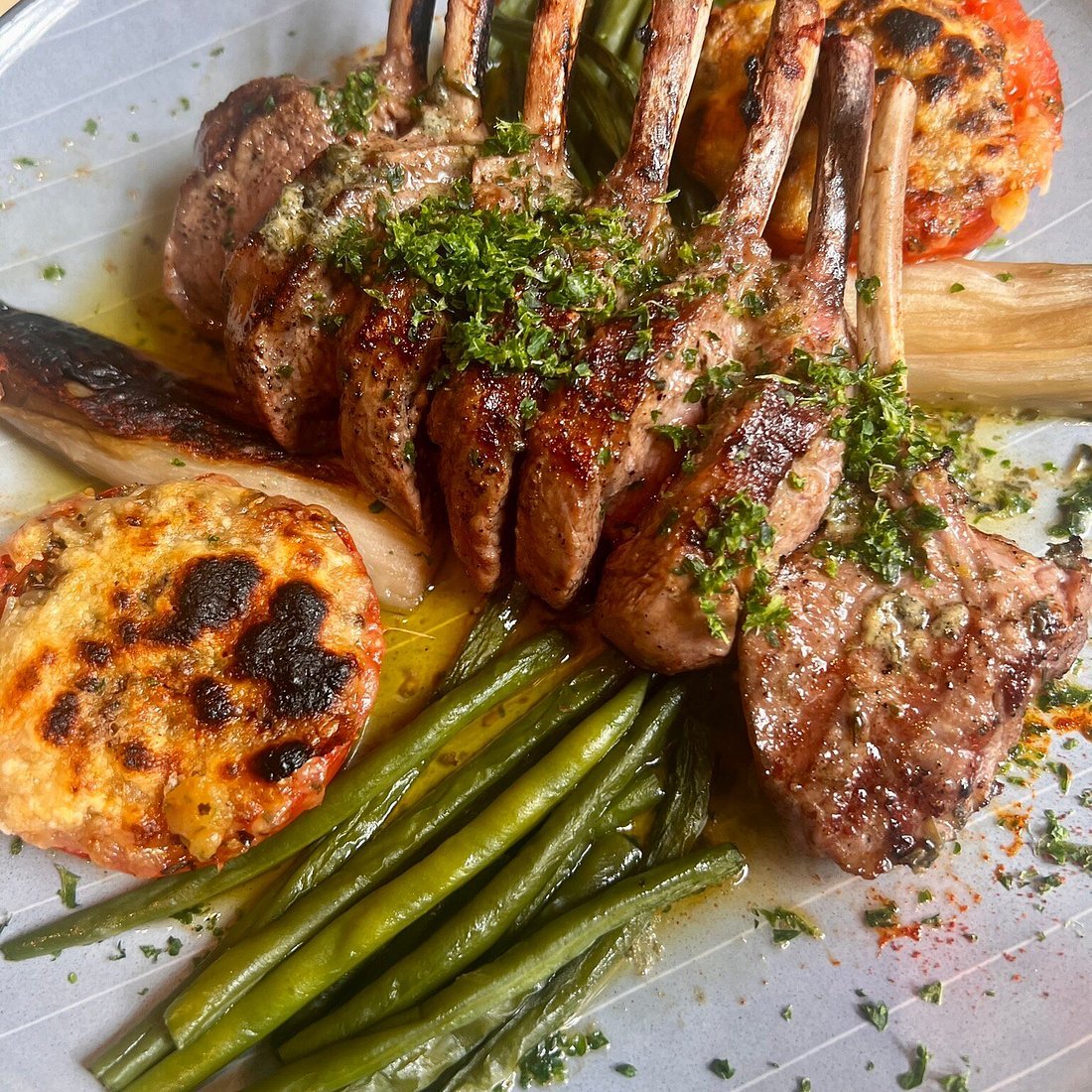
Lean into the local larder: start with seafood-forward bites or the eel in 't groen and consider the lobster bisque with Armagnac as a rich, aromatic opener. Share a large main like the côte à l'os for a convivial table and sample classic preparations such as foie gras with fig and bigarade sauce or veal kidney with mustard if you want traditional Belgian flavours. The menu reads like a tasting progression, so pace your meal to allow several courses and ask the server about daily larder highlights sourced from the polders.
Venue details
Ambiance
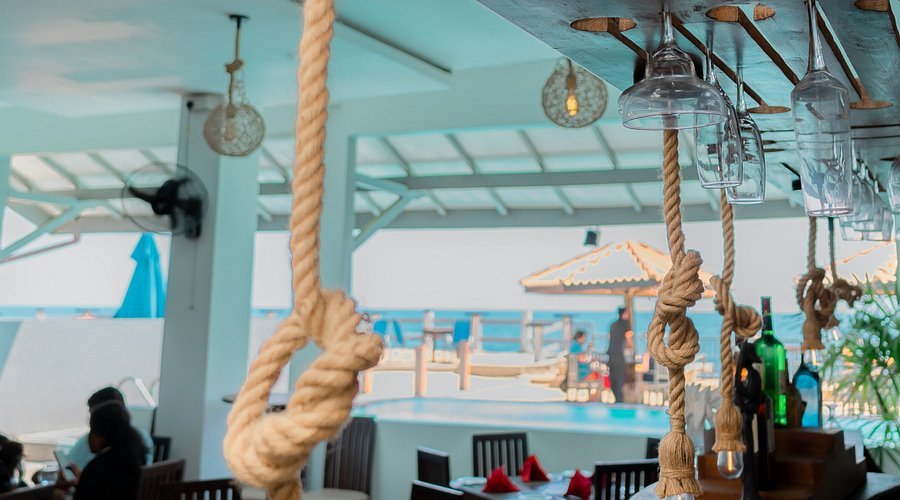
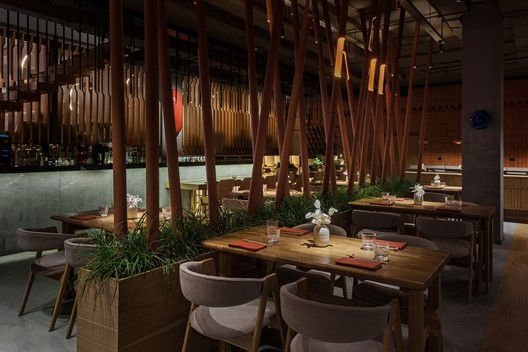
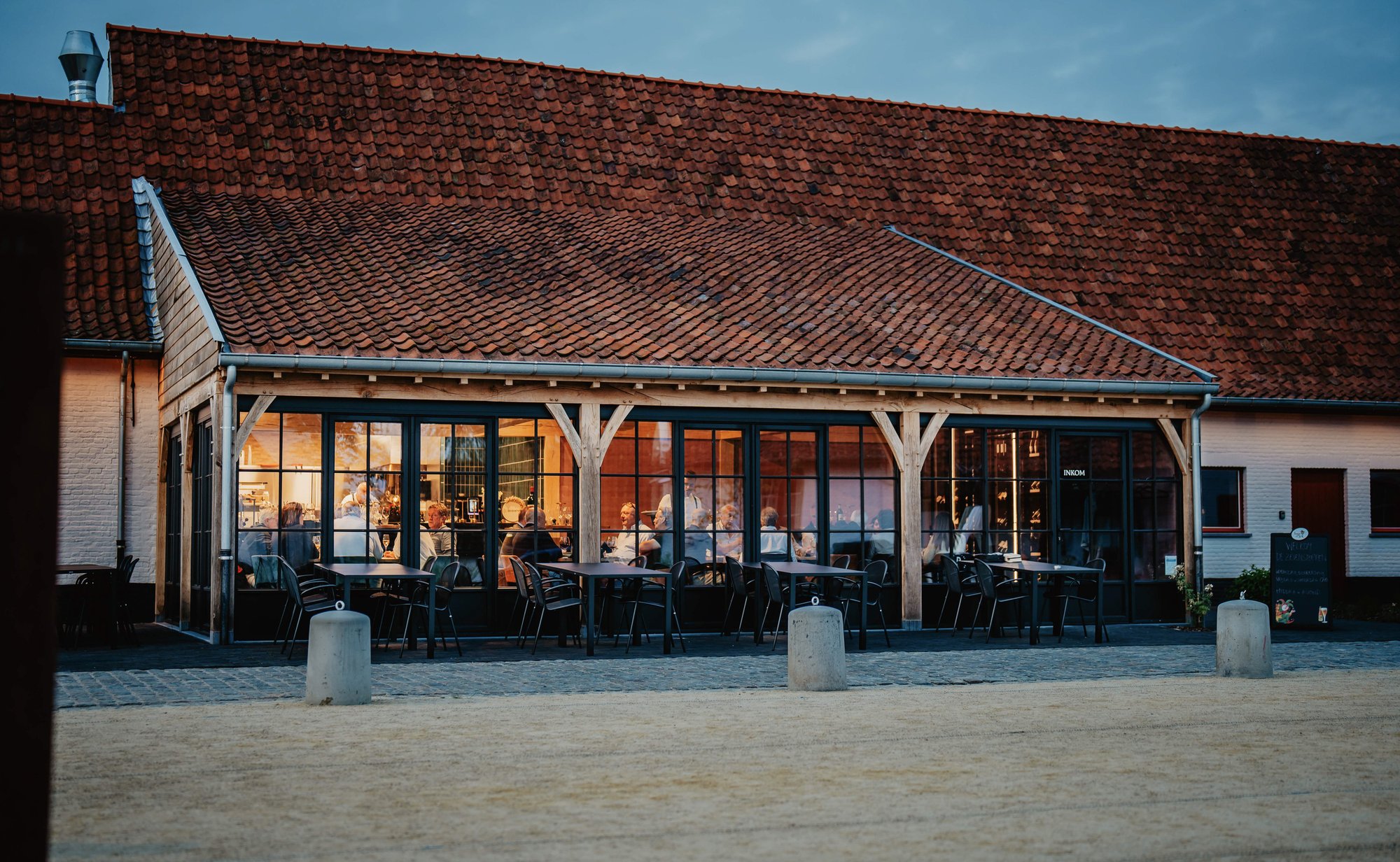
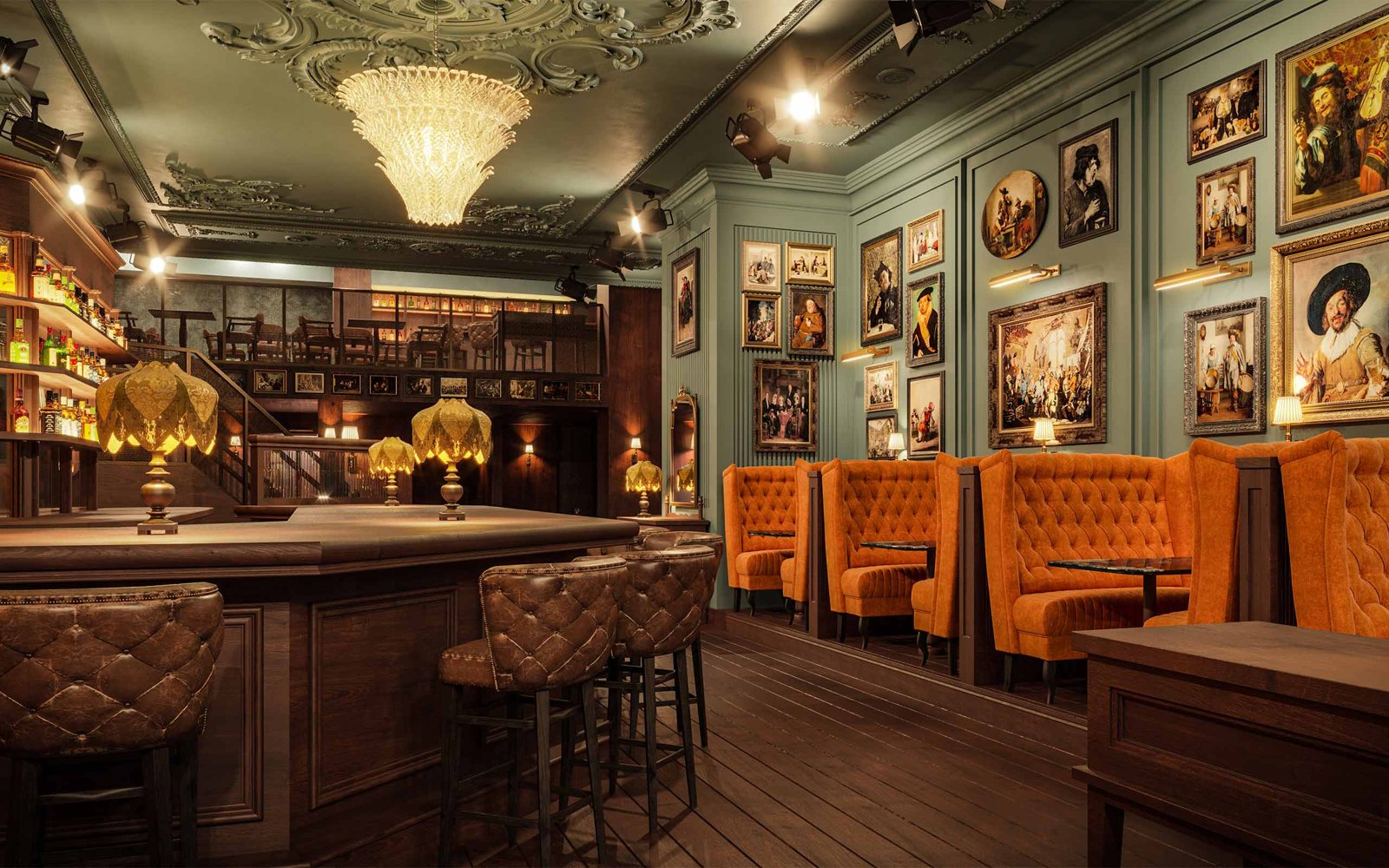
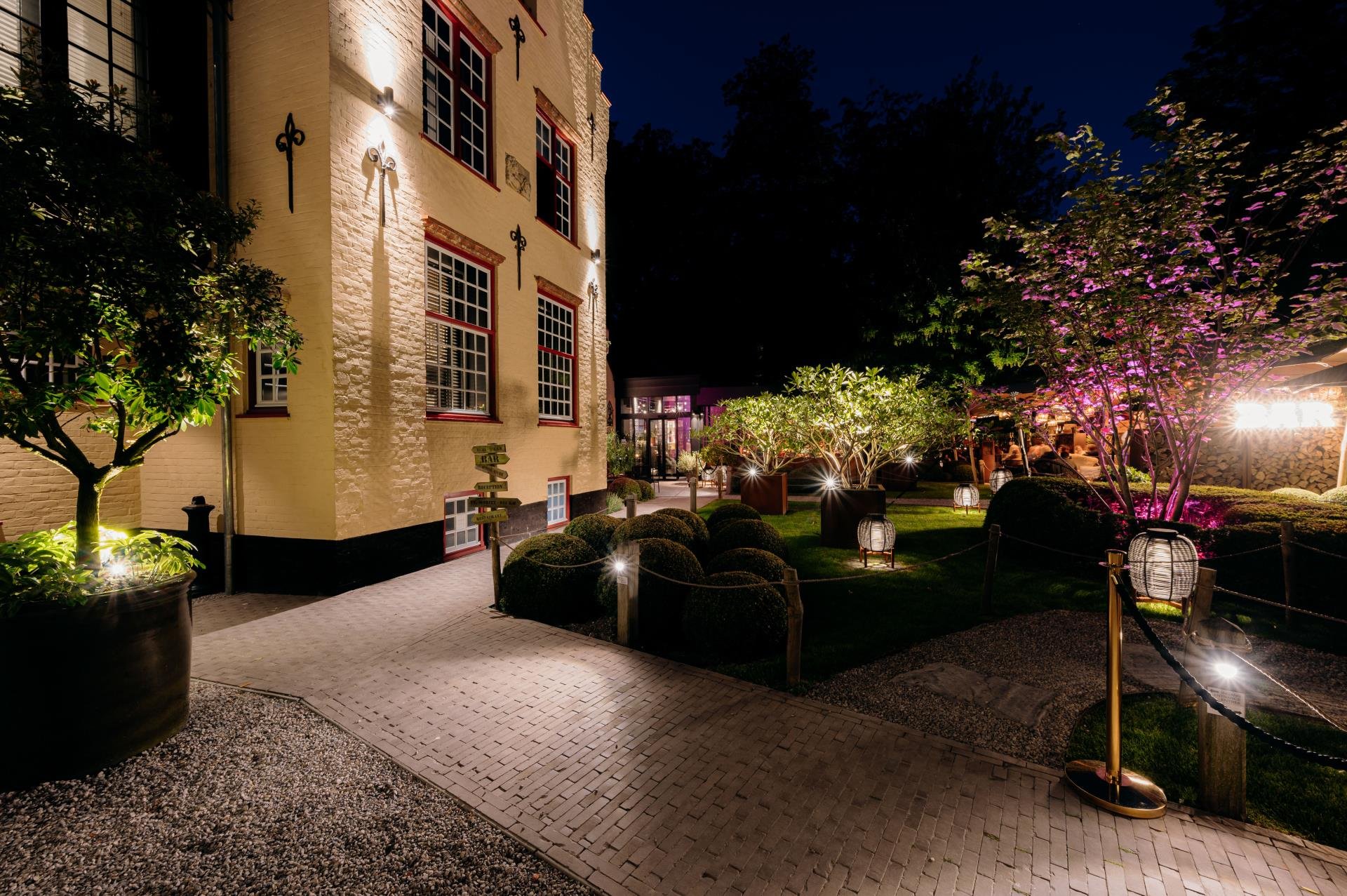
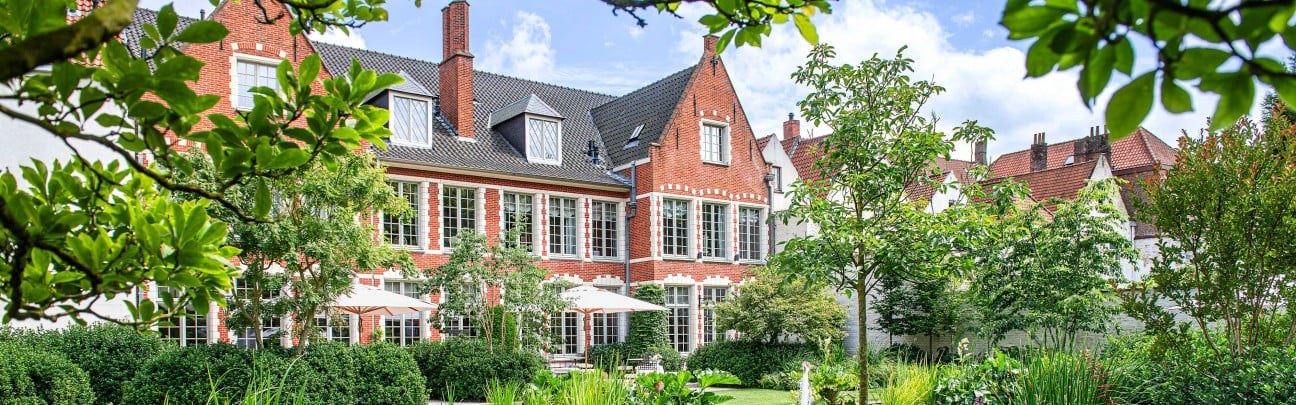
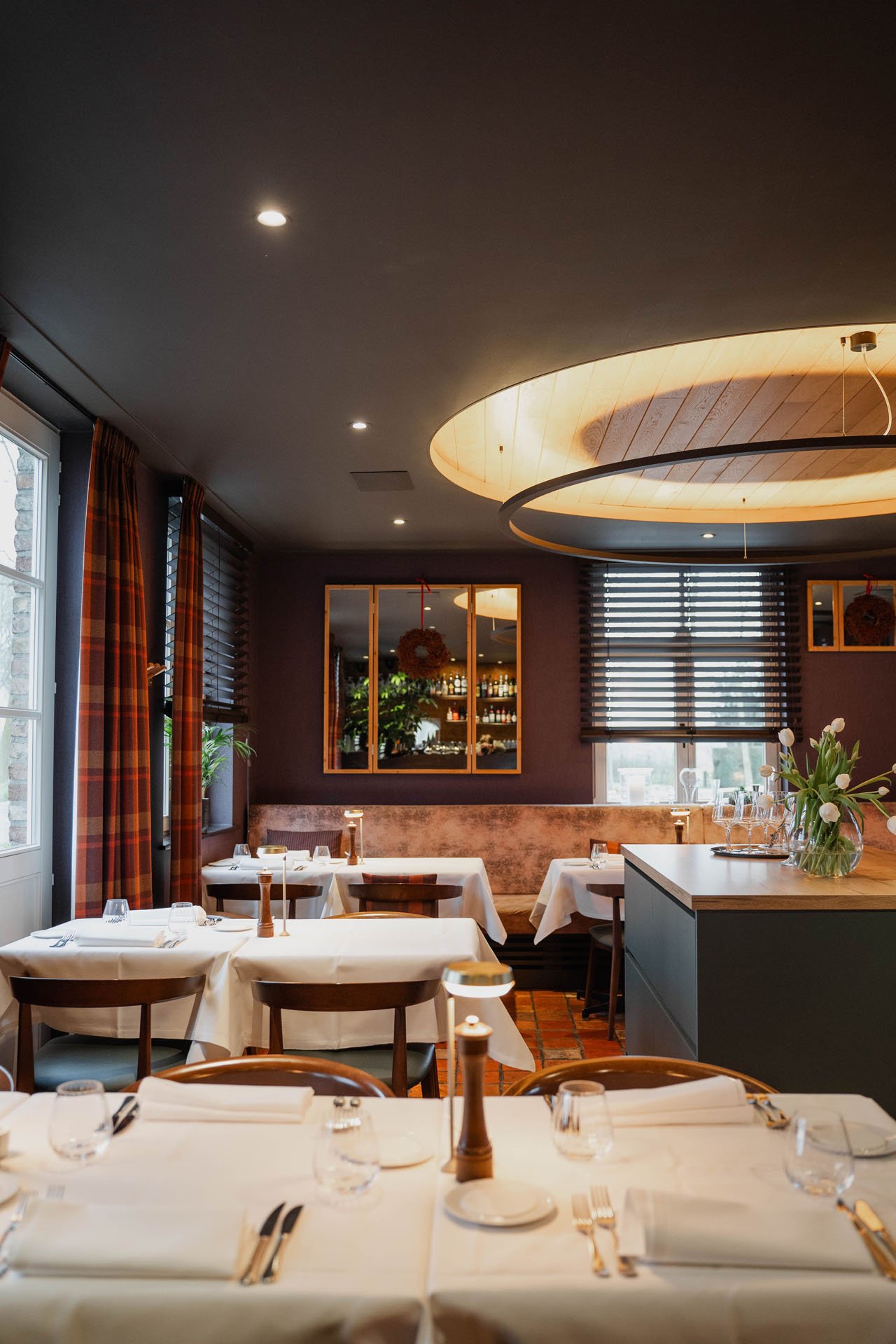
Cozy and intimate atmosphere in a small but welcoming space overlooking the canal, with a sunny terrace offering views until sunset.
Tags
Vibe
Best For
Experience
Sourcing
View
At the Table
- Dress Code
- Casual
- Noise Level
- Conversational
- Service Style
- Upscale Casual
- Meal Pacing
- Standard
- Capacity
- Small
- Kitchen
- Traditional
- Menu Format
- A la carte
- Outdoor Seating
- Yes
Signature Dishes
- Eel in 't groen
- Lobster bisque with armagnac
- Foie gras with fig and bigarade sauce
- Cote à l'os with bearnaise sauce
- Veal kidney with mustard sauce
Know before you go
Know Before You Go
- Getting there
- Damse Vaart-Zuid 223, 8310 Brugge, Belgium
Planning details
Hours
- Monday
- 12–2 PM, 6:30–8 PM
- Tuesday
- 12–2 PM, 6:30–8 PM
- Wednesday
- Closed
- Thursday
- Closed
- Friday
- 12–2 PM, 6:30–8 PM
- Saturday
- 12–2 PM, 6:30–8 PM
- Sunday
- 12–2 PM, 6:30–8 PM
Location
Also consider
Where to look if this does not fit
Choose Brasserie Grand Cru if the group wants a more defined traditional-cuisine meal and is comfortable with a €€€ signal. Choose Mout if a €€ farm-to-table format is closer to the brief.
If location is the deciding factor, also check Zevensterre, Rombaux, or De Damse Poort before widening the search beyond Bruges.
Restaurant context
How it compares in Bruges
Brasserie Grand Cru is the clearer choice when the brief is traditional cuisine and a more defined €€€ experience. 't Apertje is easier to treat as a flexible, lower-ceremony option, but Brasserie Grand Cru gives diners a firmer sense of what they are paying for.
Mout is the stronger value comparison if farm-to-table cooking and a €€ price tier are priorities. Choose Mout when the food angle matters; choose 't Apertje when timing and availability carry more weight than a named culinary style.
Zevensterre, Rombaux, and De Damse Poort are the sensible cross-checks when location or room feel decides the meal. None should be treated as interchangeable without checking the current fit, but they belong in the same Bruges decision set for diners who want an easier table rather than a high-commitment tasting-menu night.
Explore Bruges
Around this place
Discover more on Pearl
Unlock the full 't Apertje guide in Pearl, including awards, comparisons, FAQs, planning details, and nearby places.
Compare 't Apertje
| Venue | Location | Cuisine | Price | Awards |
|---|---|---|---|---|
| 't Apertje | Bruges | No published awards | ||
| Zevensterre | Bruges | No published awards | ||
| Brasserie Grand Cru | Bruges | Traditional Cuisine | €€€ | No published awards |
| Rombaux | Bruges | No published awards | ||
| Mout | Damme | Farm to table | €€ | Michelin Guide Belgium & Luxembourg 20262025 Michelin Plate2024 Michelin Plate |
| De Damse Poort | Damme | No published awards |

.png?width=1200&quality=80)
How 't Apertje Bruges compares with similar nearby venues.
FAQ
Frequently Asked Questions
What are alternatives to 't Apertje in Bruges?
If you are comparing options, consider De Damse Poort, Zevensterre, Brasserie Grand Cru, Rombaux, and Mout alongside 't Apertje. Choose based on the details you can confirm for your date, such as hours, availability, location, and the kind of meal you want.
How far ahead should I book 't Apertje?
The service days are Monday, Tuesday, Friday, Saturday, and Sunday, with lunch from 12–2 PM and dinner from 6:30–8 PM; it is closed Wednesday and Thursday.
What should I wear to 't Apertje?
The dress code is casual. Clean everyday clothing should fit the stated dress code for lunch or dinner in Bruges.
Is lunch or dinner better at 't Apertje?
Choose lunch if your day is already planned around the 12–2 PM window. Choose dinner if the 6:30–8 PM window better fits your Bruges schedule. Both are listed on Monday, Tuesday, Friday, Saturday, and Sunday; the restaurant is closed Wednesday and Thursday.