
Kelang
Greenpoint, Brooklyn
Restaurant in Brooklyn, United States
 Book with Pearl
The Read
Price
$30–50per person
Dress
Smart Casual
Why go
Kelang is a practical pick for a Malaysian dinner in Brooklyn when the goal is shared food, conversation, and a more considered wine angle. It is better for dates and small celebrations than solo utility dining, and stronger as a focused cuisine choice than as a formal tasting-menu destination.
About Kelang
For a Brooklyn meal where Malaysian food is the point, Kelang is worth considering if the group wants something more specific than a generic neighborhood meal. Kelang is a Malaysian restaurant in Brooklyn, the dress code is smart casual, and its schedule is concentrated from Wednesday through Sunday.
Kelang's grounded case is focus: Malaysian cuisine gives the meal a clearer identity than a broadly defined booking, and its Star Wine List recognition in 2026 adds a trust signal. That does not make it a formal trophy-dinner choice on its own, but it does make Kelang a credible option for a planned Brooklyn night out.
Book it for Malaysian dinner, not an over-specified format
The safest way to frame Kelang is as a Malaysian restaurant in Brooklyn with smart-casual expectations and clearly posted service windows. It is open for dinner Wednesday through Friday, for lunch and dinner Saturday, and for lunch and dinner Sunday, with an earlier Sunday close.
That matters for planning. Kelang is closed Monday and Tuesday, so it works well for groups or dates that can plan around the Wednesday-to-Sunday schedule. If the occasion depends on a particular menu format, seating style, or dietary accommodation, confirm those details directly with the restaurant before booking.
Where Kelang sits among comparisons
Among relevant cross-shops, Kelang is the Malaysian pick for diners specifically looking for that cuisine in Brooklyn. Nyonya is another natural comparison for Malaysian dining, while Hainan Chicken House is another option to consider if the group is comparing related meals. Kelang makes the most sense when the plan is centered on Malaysian food and a smart-casual Brooklyn meal.
If the group is cuisine-flexible, Falansai, House Restaurant, and HOUSE Brooklyn are other comparison points to weigh for a different kind of restaurant night. For broader planning, use the Brooklyn restaurants guide.
Planning details
- Location
- 715 Manhattan Ave, Brooklyn, NY 11222
- Reservations
- Book on Resy
- Website
- kelangnyc.com
The take
The Take
The Vibe
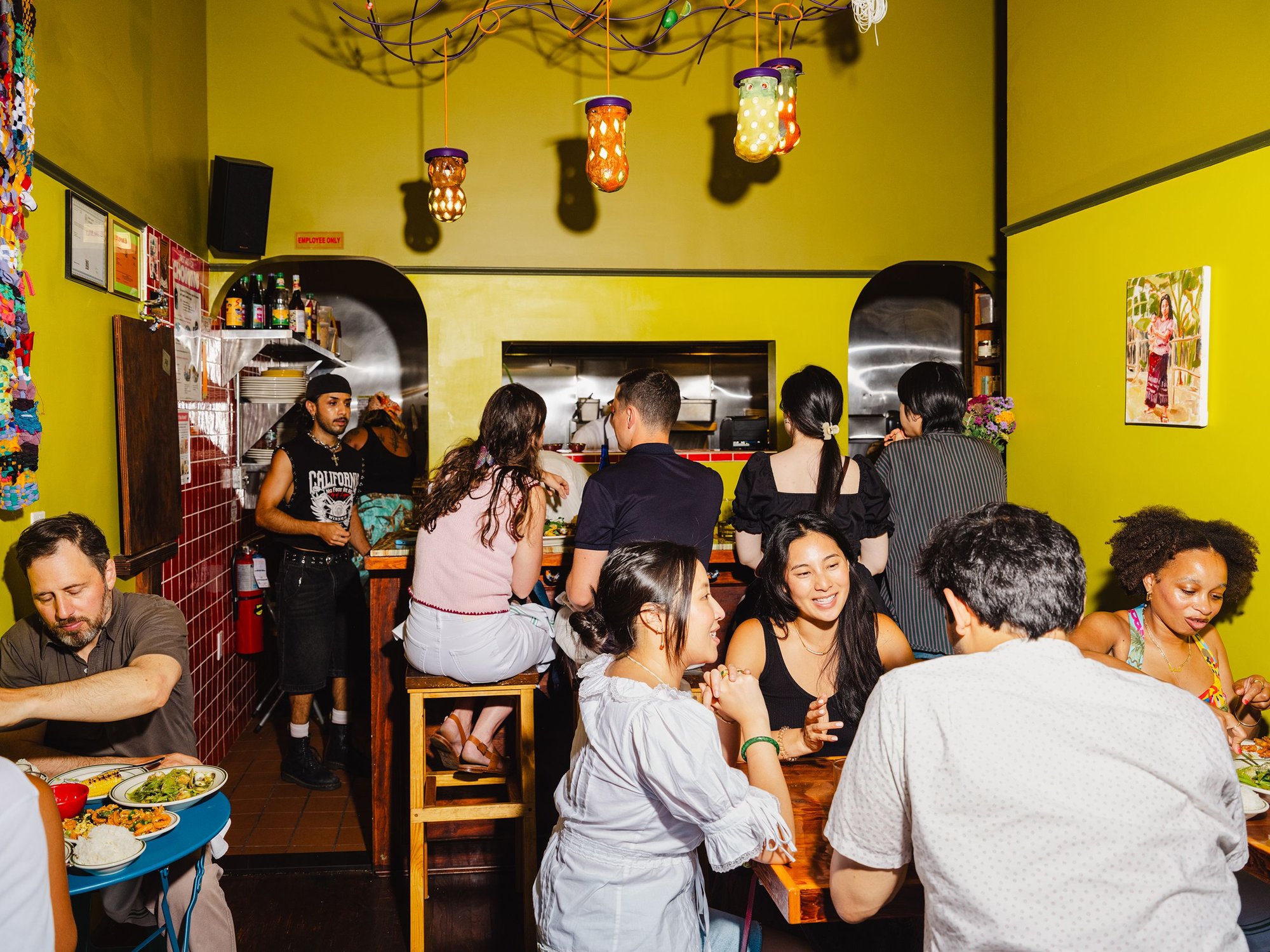
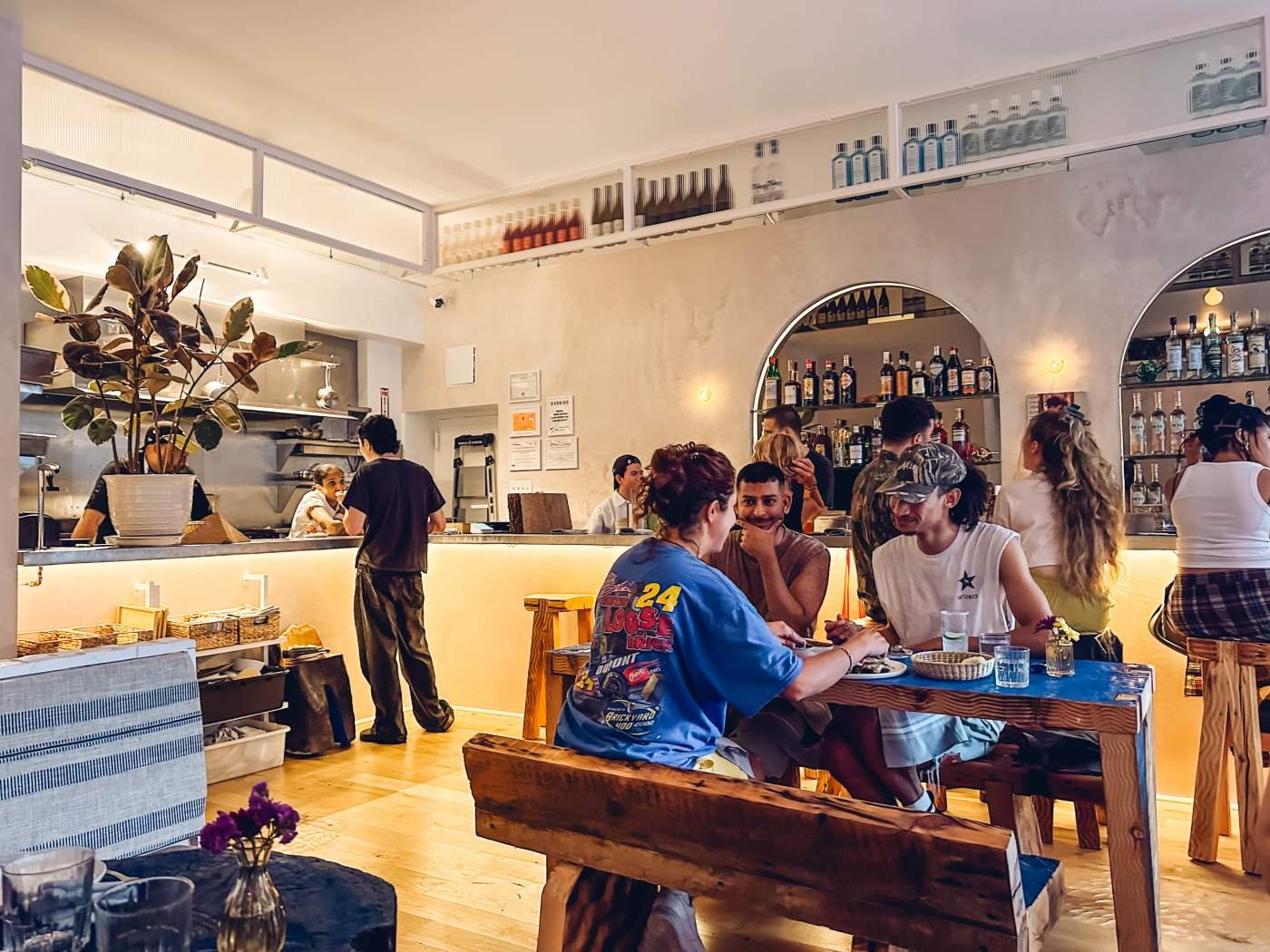
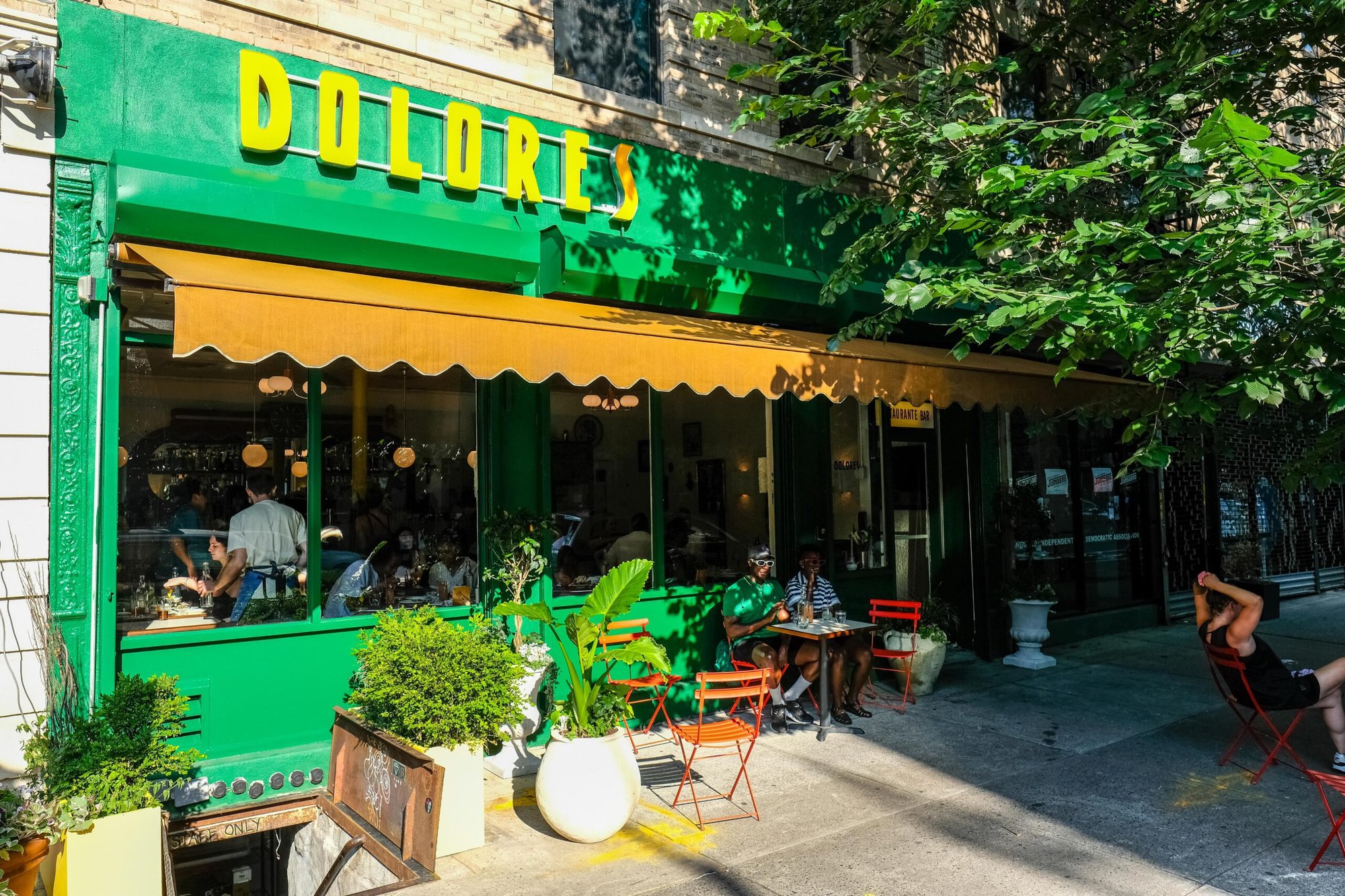
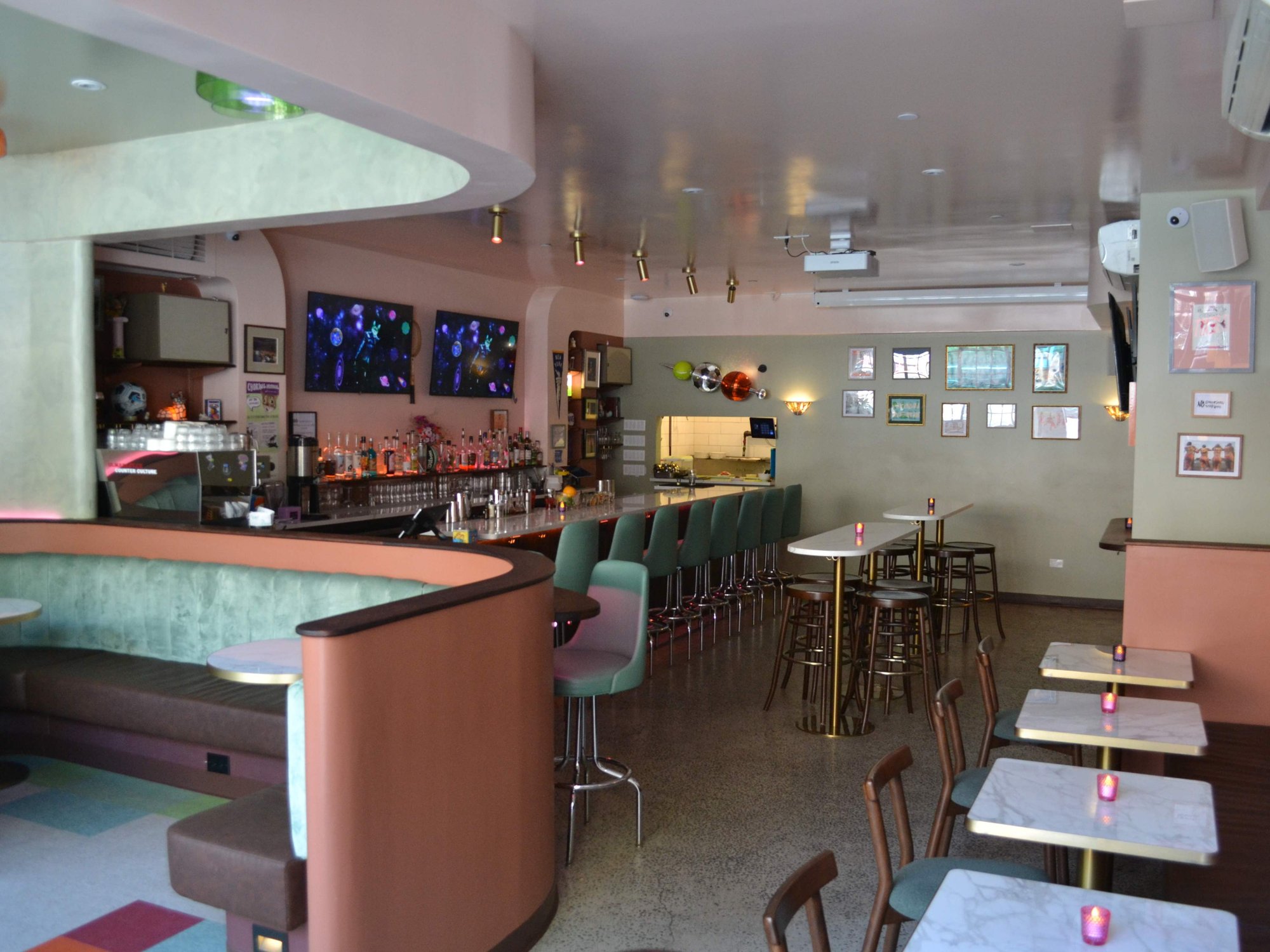
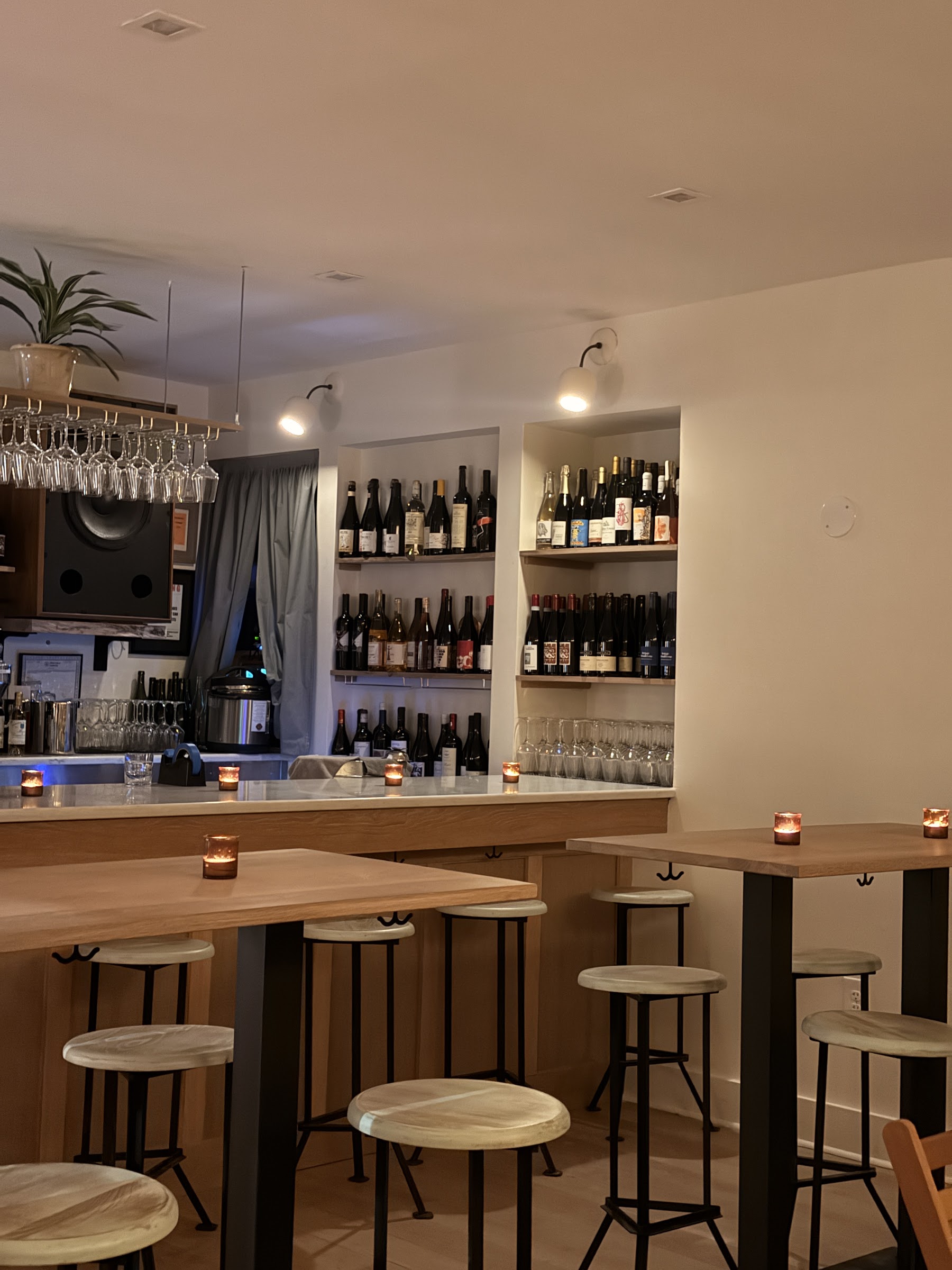
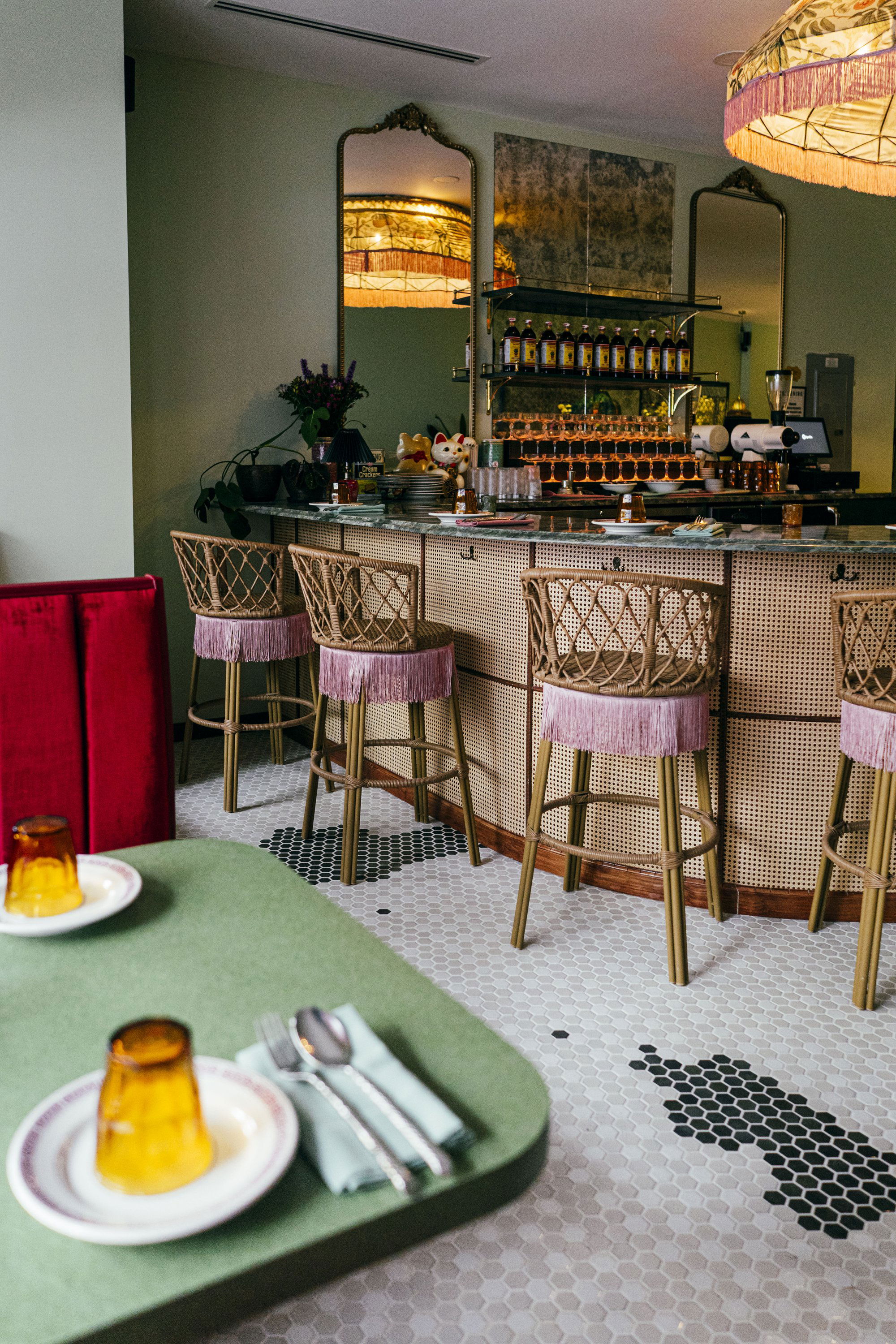
Kelang presents Malaysian cooking in a tightly focused, small-room setting on Manhattan Avenue. The room reads intimate and deliberate: a chef-driven operation that signals seriousness about technique and sourcing rather than casual categorization. In Greenpoint’s dense dining corridor—where Polish delis and natural wine bars rub shoulders—Kelang stakes out a sophisticated counterpoint, bringing layered Southeast Asian flavors into a Brooklyn dining moment that prizes precision. The interior keeps the attention on the food: minimal fuss, concentrated flavor architecture, and a quietly confident presence that feels elevated without being flashy.
Best For
Kelang is best experienced for an attentive dinner when the chef-driven kitchen is in its evening rhythm, making it a solid pick for date night or a small-group outing that wants to explore complex Malaysian flavors. The venue’s compact seat counts and focused service also suit casual hangouts with a culinary bent and weekend brunches for neighbors seeking an elevated take on Southeast Asian dishes. Because the restaurant prioritizes technique and sourcing, it works well for diners who want deliberate plates rather than fast, informal counter service.
Ordering Tips
Focus on the signatures named by the kitchen to get a clear sense of its range: Hainanese Chicken, Smoked Oxtail Rendang, Abacus Seeds (taro gnocchi), Moonlight Kway Teow and the Lime Leaf Ricotta Ravioli in Brodo. The writing stresses the importance of flavor architecture and sourcing, so ask your server about provenance or preparation if you want context. Given the menu’s ambition, sample several items across textures and spice levels to appreciate the kitchen’s balance of technique and Malaysian tradition.
Venue details
Ambiance
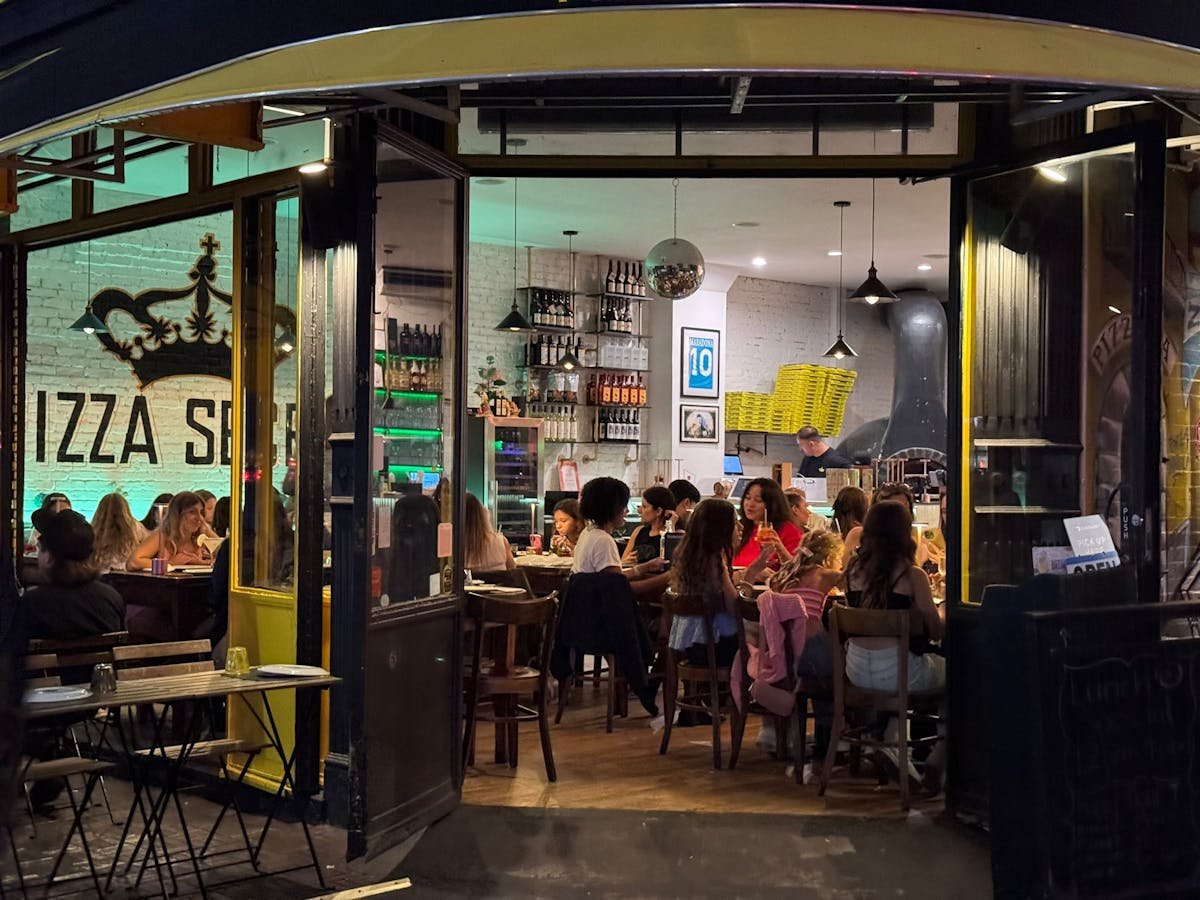
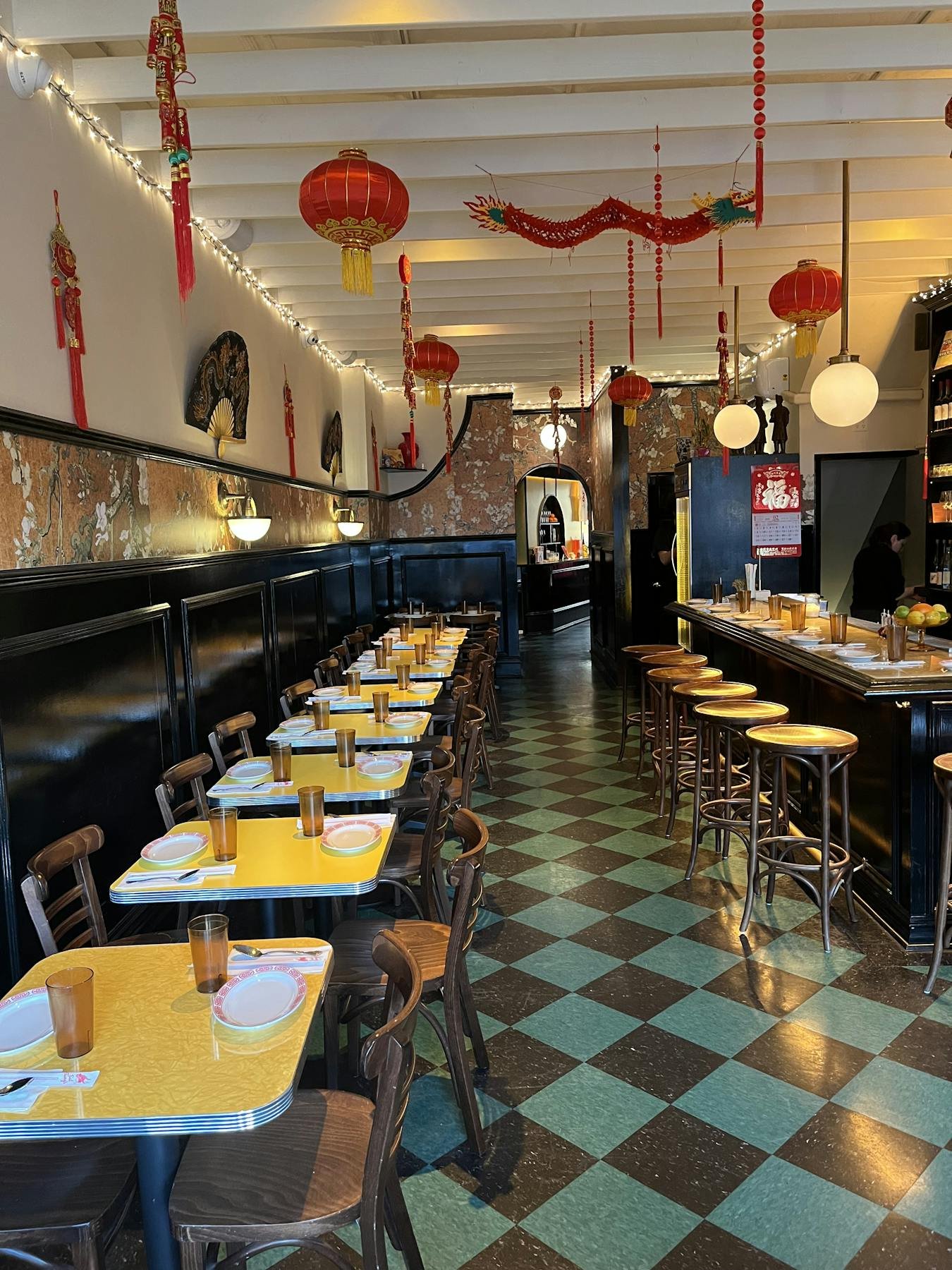
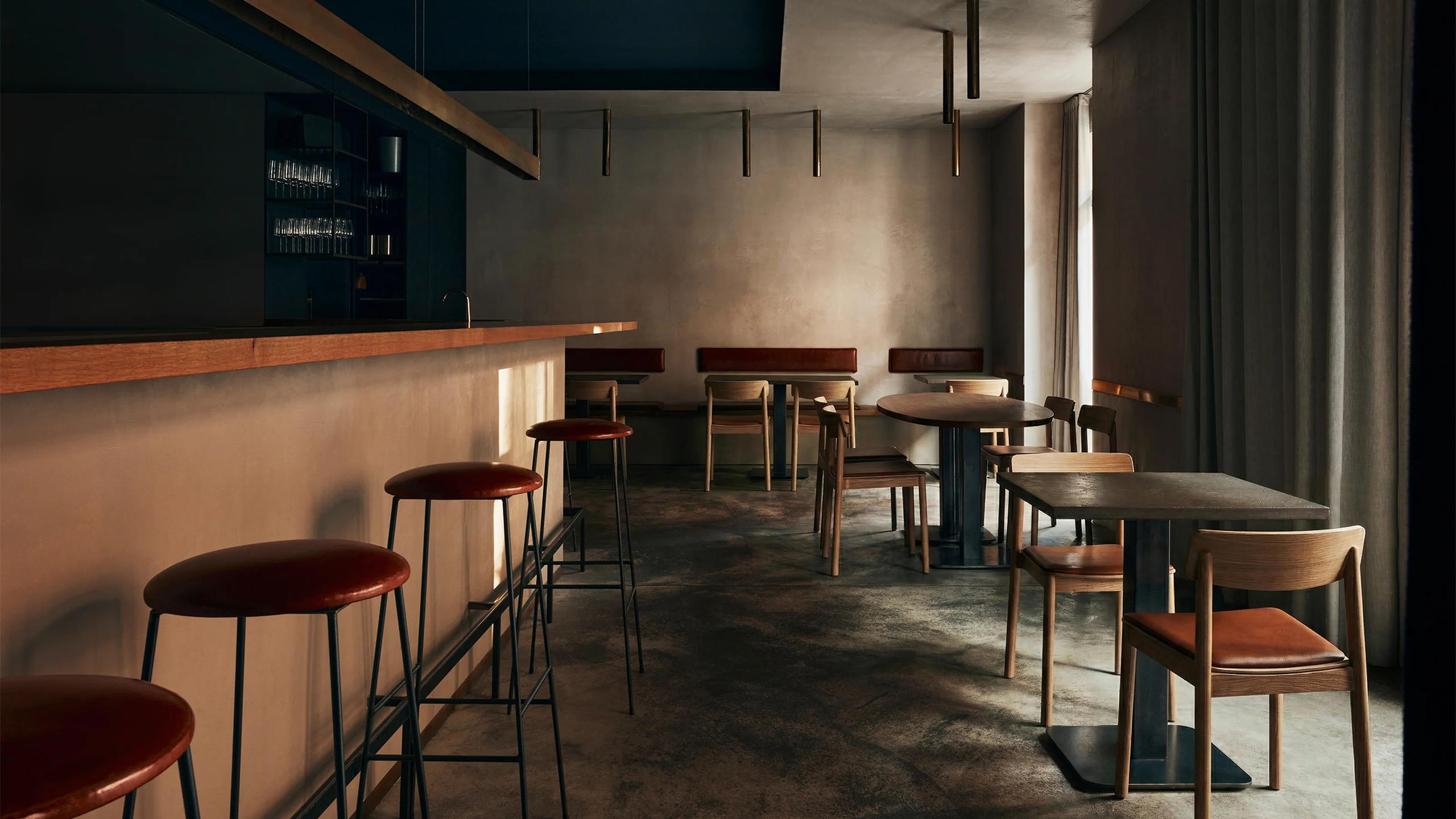
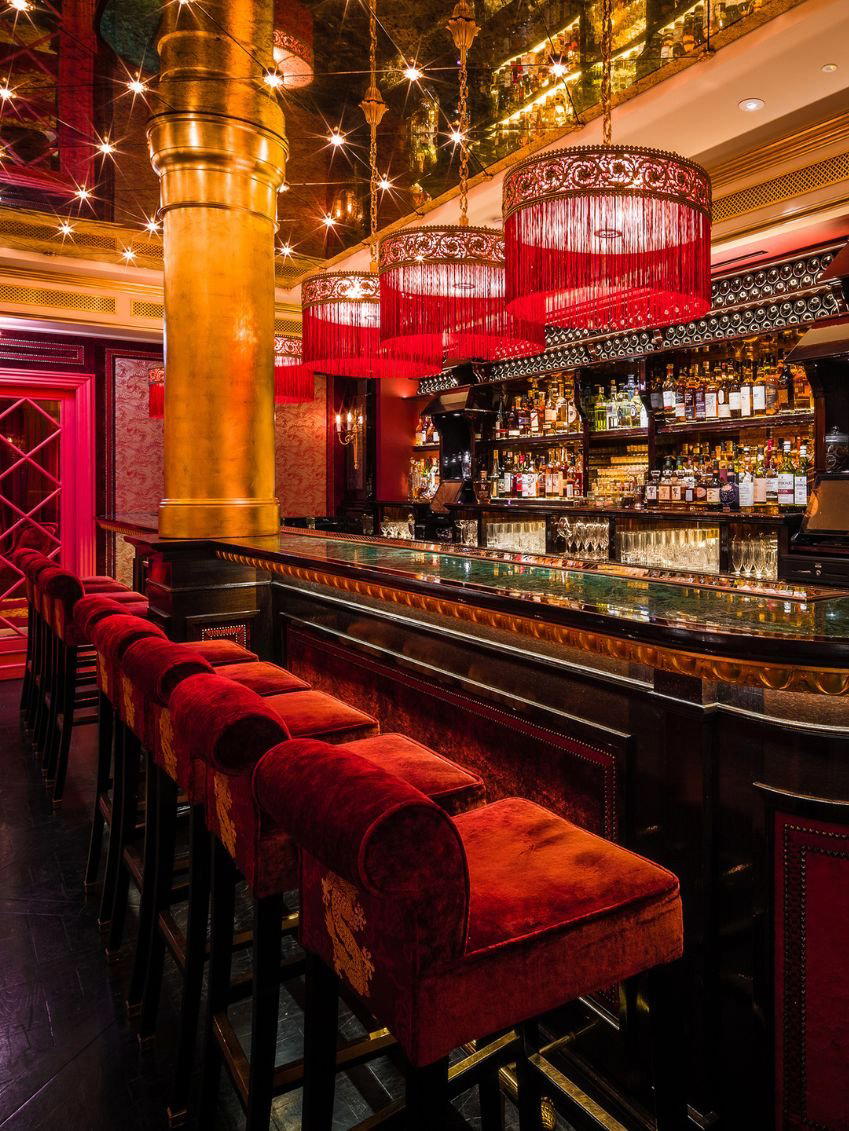
Intimate and cinematically lit with plush red banquettes, honeycombed mirrors, vintage family photos from the 1950s-60s, and Wong Kar-wai inspired design creating a nostalgic, movie-like atmosphere.
Tags
Vibe
Best For
Experience
At the Table
- Dress Code
- Smart Casual
- Noise Level
- Conversational
- Service Style
- Upscale Casual
- Meal Pacing
- Leisurely
- Capacity
- Small
- Kitchen
- Fusion
- Menu Format
- A la carte, Family style
- Drinks Focus
- Cocktails, Non-alcoholic options
- Dietary
- Vegetarian friendly, Allergy accommodating
Signature Dishes
- Hainanese Chicken
- Smoked Oxtail Rendang
- Abacus Seeds (Taro Gnocchi)
- Moonlight Kway Teow
- Lime Leaf Ricotta Ravioli in Brodo
Know before you go
Know Before You Go
- Getting there
- 715 Manhattan Ave, Brooklyn, NY 11222
Planning details
Location
Recognition and awards

Restaurant context
How It Compares
Kelang is the Malaysian choice for diners who want a fuller dinner feel in Brooklyn, especially if wine matters. Nyonya is the stronger value play with its $ price signal, while Hainan Chicken House is the easier call for a casual Malaysian meal rather than a date-night booking.
Against cuisine-flexible peers, Falansai is better when the group wants a Mexican–Vietnamese angle and a livelier cross-cultural menu. House Restaurant and HOUSE Brooklyn make more sense for diners prioritizing Japanese food or a more composed special-occasion feel.
Booking difficulty is listed as easy, so Kelang is useful when the plan comes together without a long runway. For pure value, start with Nyonya; for Malaysian food with a more occasion-ready frame, choose Kelang.
Around this place
Discover more on Pearl
Unlock the full Kelang guide in Pearl, including awards, comparisons, FAQs, planning details, and nearby places.
Compare Kelang
| Venue | Location | Cuisine | Awards | Price |
|---|---|---|---|---|
| Kelang | Brooklyn | Malaysian | Star Wine Lists 2026 | , |
| HOUSE Brooklyn | New York City | No published awards | , | , |
| House Restaurant | New York City | Japanese | 2026 50 Top Pizza USA Slice · #62026 OAD Top Restaurants in North America Ranked · #1402025 OAD Top Restaurants in North America Ranked · #1272024 OAD Top Restaurants in North America Ranked · #159 | , |
| Falansai | New York City | Mexican–Vietnamese | 2026 OAD Casual in North America Recommended2025 OAD Casual in North America Ranked · #8172025 Michelin Bib Gourmand2024 OAD Casual in North America Ranked · #8262024 Michelin Bib Gourmand | , |
| Nyonya | New York City | Malaysian | 2025 Michelin Bib Gourmand2024 Michelin Bib Gourmand | $ |
| Hainan Chicken House | New York City | Malaysian | 2025 New York Times Best Restaurants in New York City | , |




How Kelang Brooklyn compares with similar nearby venues.
FAQ
Frequently Asked Questions
Is Kelang good for solo dining?
Kelang can work for solo dining if you are looking for Malaysian food in Brooklyn and the posted hours fit your plans. If a specific seating style or menu format matters, solo diners should check directly with the restaurant. The Star Wine List 2026 recognition may also be relevant if that credential is part of the plan.
What are alternatives to Kelang?
Choose Nyonya if you want another Malaysian comparison, or Falansai if you want a different restaurant option. HOUSE Brooklyn and House Restaurant are also useful cross-shops for a broader restaurant night, while Hainan Chicken House is another named option to consider. For wider planning in Brooklyn, compare Kelang with other dining rooms generically.
Is Kelang good for a special occasion?
Kelang can make sense for a low-key special occasion if Malaysian food in Brooklyn is the priority. The Star Wine List 2026 recognition gives it a credential, and the Wednesday-to-Sunday hours make advance planning important. HOUSE Brooklyn or House Restaurant may also be worth comparing if the occasion calls for a different kind of restaurant night.
What should I wear to Kelang?
Aim for smart casual attire for Kelang. The dress code is smart casual, so neat, polished clothing is appropriate without requiring full formalwear.
Is lunch or dinner better at Kelang?
Dinner is available Wednesday through Sunday, while lunch is listed only on Saturday and Sunday. Kelang is closed Monday and Tuesday; it serves 5–10 PM Wednesday through Friday, 12–3 PM and 5–10 PM Saturday, and 12–3 PM and 5–9 PM Sunday.
What should a first-timer know about Kelang?
Start with the basics: Kelang is a Malaysian restaurant in Brooklyn with Star Wine List recognition in 2026 and a smart-casual dress code. It is closed Monday and Tuesday, serves dinner Wednesday through Friday, and offers both lunch and dinner on Saturday and Sunday. If you need details on menu format, dietary accommodations, or service style, confirm directly before visiting.