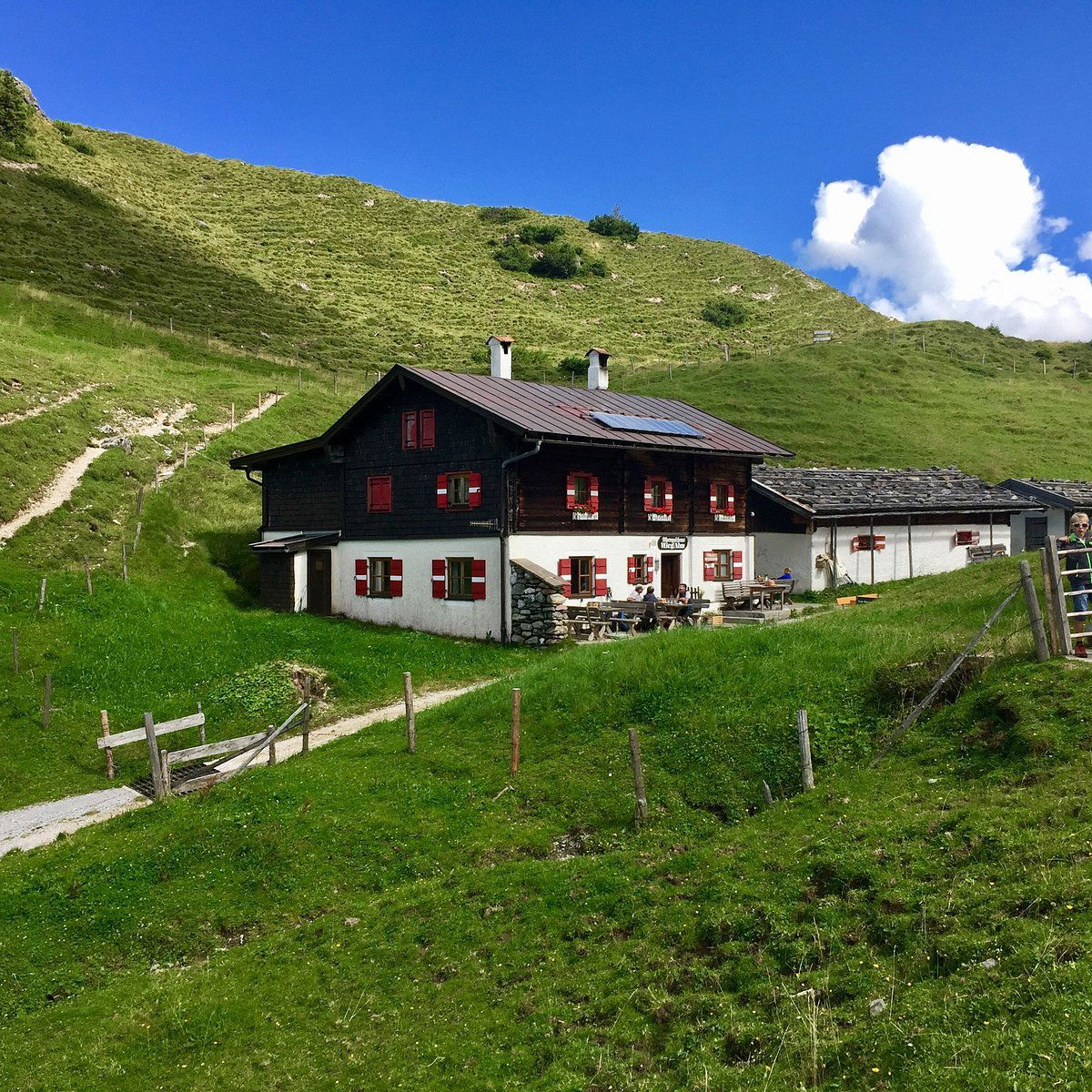
Wiegalm
Sonnberg, Brixen im Thale
Restaurant in Brixen im Thale, Austria
 Book with Pearl
The Read
Dress
Casual
Why go
Wiegalm is a practical alpine pick in Brixen im Thale when ease, setting, and a casual mountain meal matter more than a documented wine program or formal dining credentials. Cross-shop Spitzbuam if you want a clearer European Contemporary format with a €€€ signal before committing.
About Wiegalm
Wiegalm is a concise planning note for Brixen im Thale. The venue is in Brixen im Thale, and the dress code is casual. For finer details on cuisine, pricing, opening hours, reservations, drinks, or menu format, confirm directly before you go.
Wiegalm is best considered when you want a direct, casual option in Brixen im Thale and do not need the choice to rest on awards, chef credentials, a published beverage program, or a specific menu style. If those details matter, confirm them with the venue before building a plan around it.
Use it as a casual Brixen im Thale option, then confirm the details
For comparison, Spitzbuam, Kandler Alm, Bärstattalm, Maierl-Alm, and Restaurant Pfeffermühle are useful names to check depending on the kind of outing you want. Keep the comparison practical rather than assuming a specific cuisine, price level, service style, or drinks focus without checking current details.
For wider planning, use the full Brixen im Thale restaurants guide before locking the meal, then pair it with the hotels, bars, wineries, and experiences guides if the day needs a fuller plan. Quick reference: choose Wiegalm when a casual Brixen im Thale stop fits the brief, and confirm any operational or menu-specific details directly.
Planning details
- Location
- Wiege 1, 6365, Austria
- Website
- wiegalm.at
- Phone
- +436769662348
The take
The Take
The Vibe
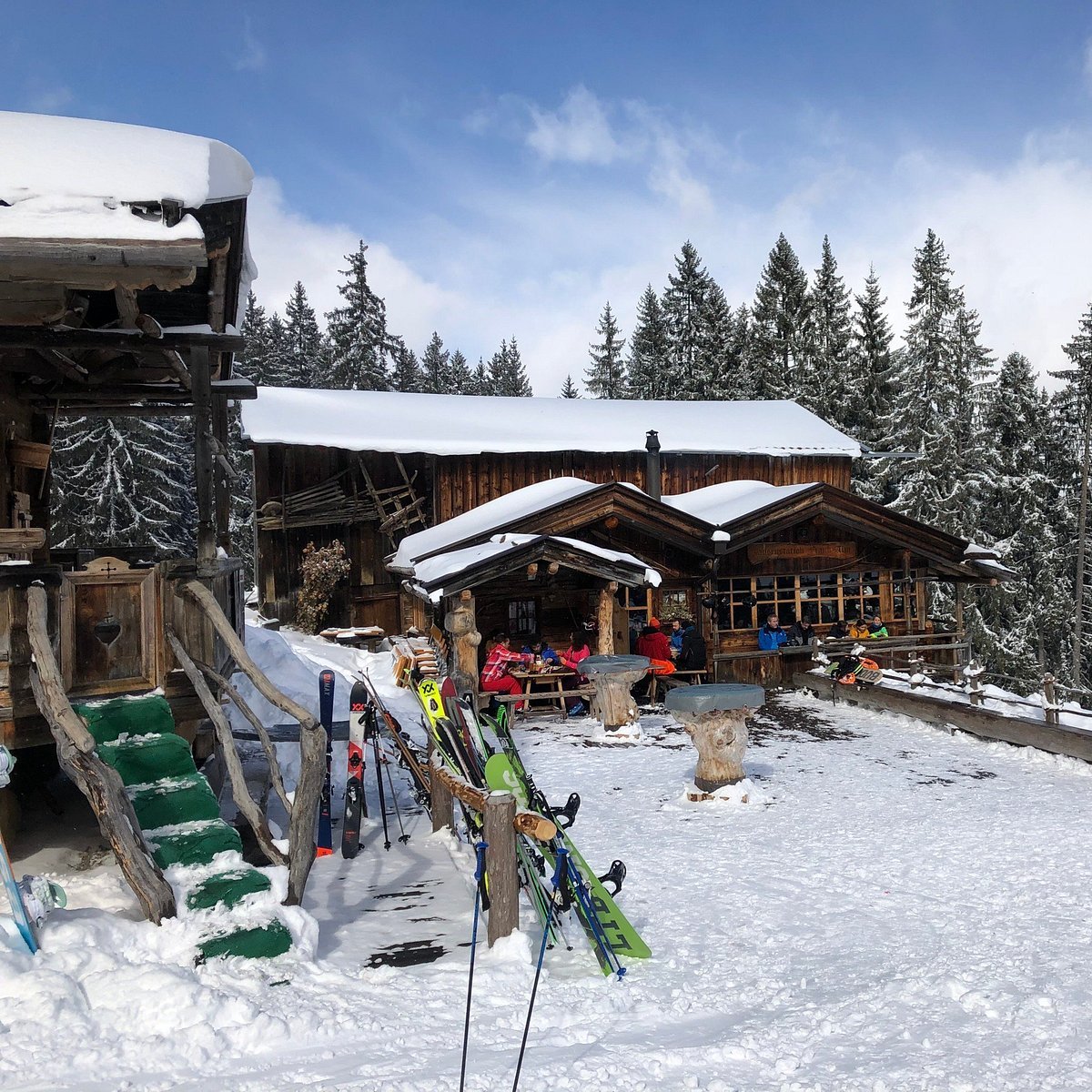
Wiegalm reads like a preserved piece of alpine life: an alm that retains its agricultural roots while serving as a communal mountain hut. The copy situates the place inside a long-standing transhumance tradition, so the atmosphere feels authentic, weather-tested and quietly storied rather than polished. Arrival and the building’s original function shape the experience, creating a setting where shared meals and shelter from mountain weather are central. Expect a small-scale, personable place that leans into its history and the practical comforts of rustic mountain hospitality.
Best For
Wiegalm is best for people seeking an authentic alpine outing: hikers, skiers and summer walkers who make arrival part of the meal. The description explicitly links approach—on foot, by ski or along mountain paths—to the dining experience, so it rewards guests who arrive outdoors and appreciate the ritual of mountain hut dining. It also suits groups or neighbors looking for hearty, communal fare rooted in local preservation techniques rather than formal tasting-menu dining.
Ordering Tips
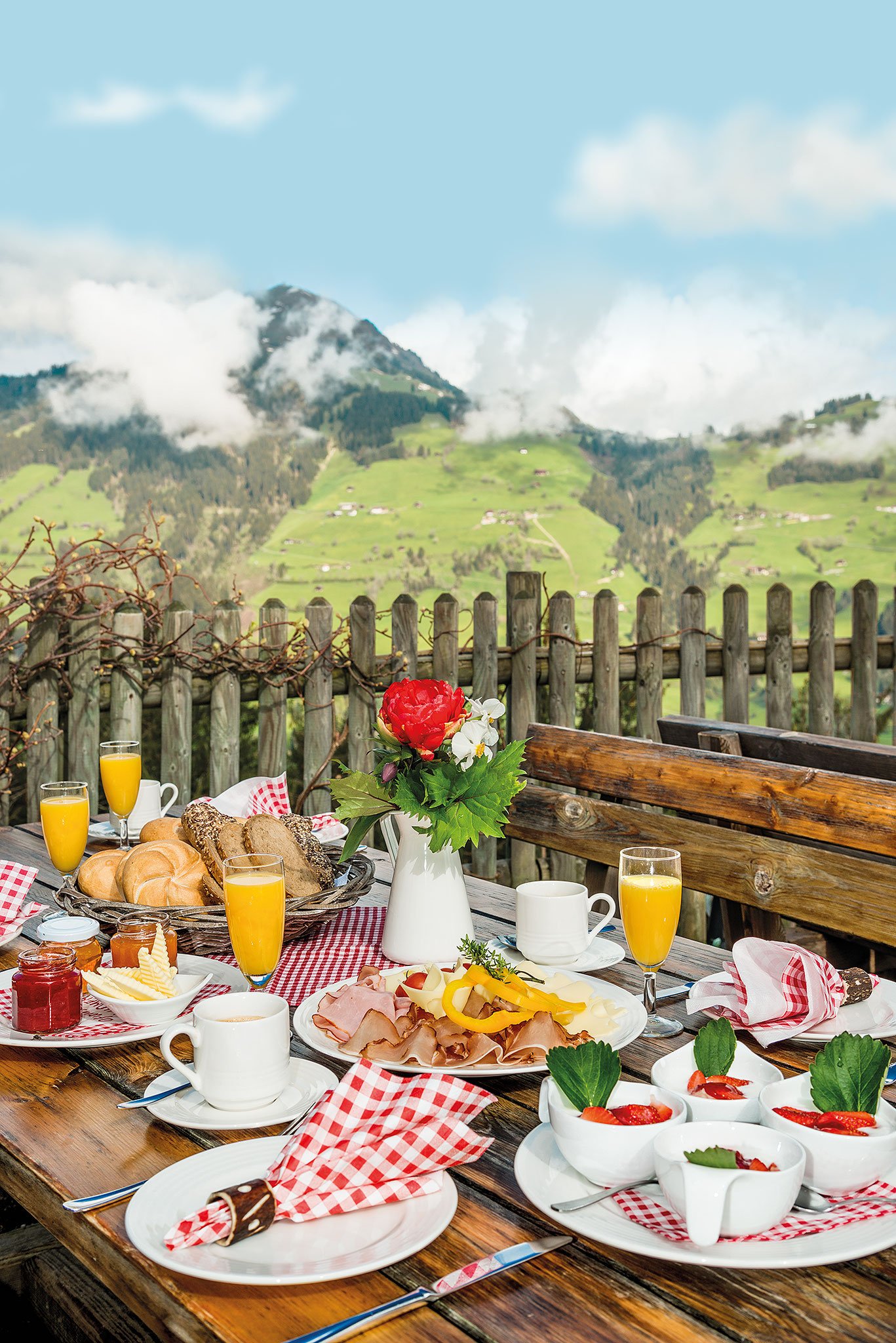
Menus at an alm like Wiegalm follow altitude-minded logic: dishes favor preservation, economy and ingredients that endure travel and changeable mountain conditions. When ordering, expect straightforward, hearty preparations that reflect what the mountain produces and keeps—think preserved, seasonal and shareable items rather than highly technical, plated courses. Ask about the day’s simple specialties and about portions intended for sharing; the meal is framed by tradition and practicality rather than elaborate refinement.
Venue details
Ambiance
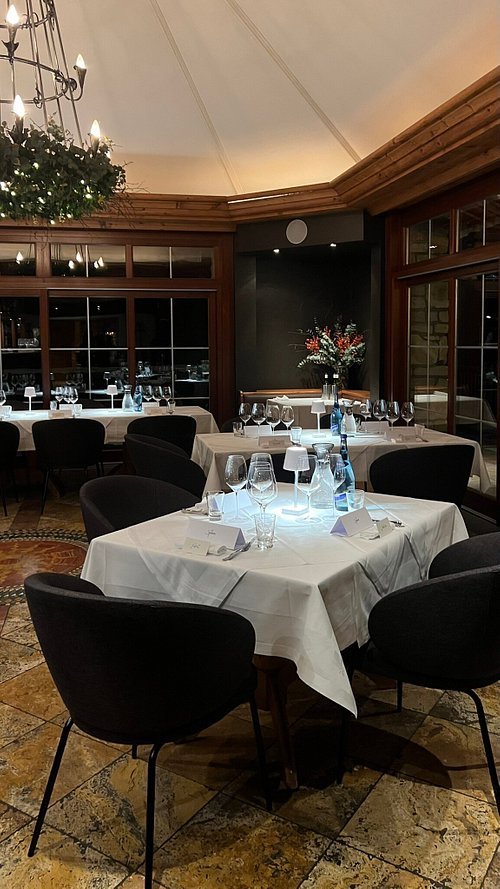
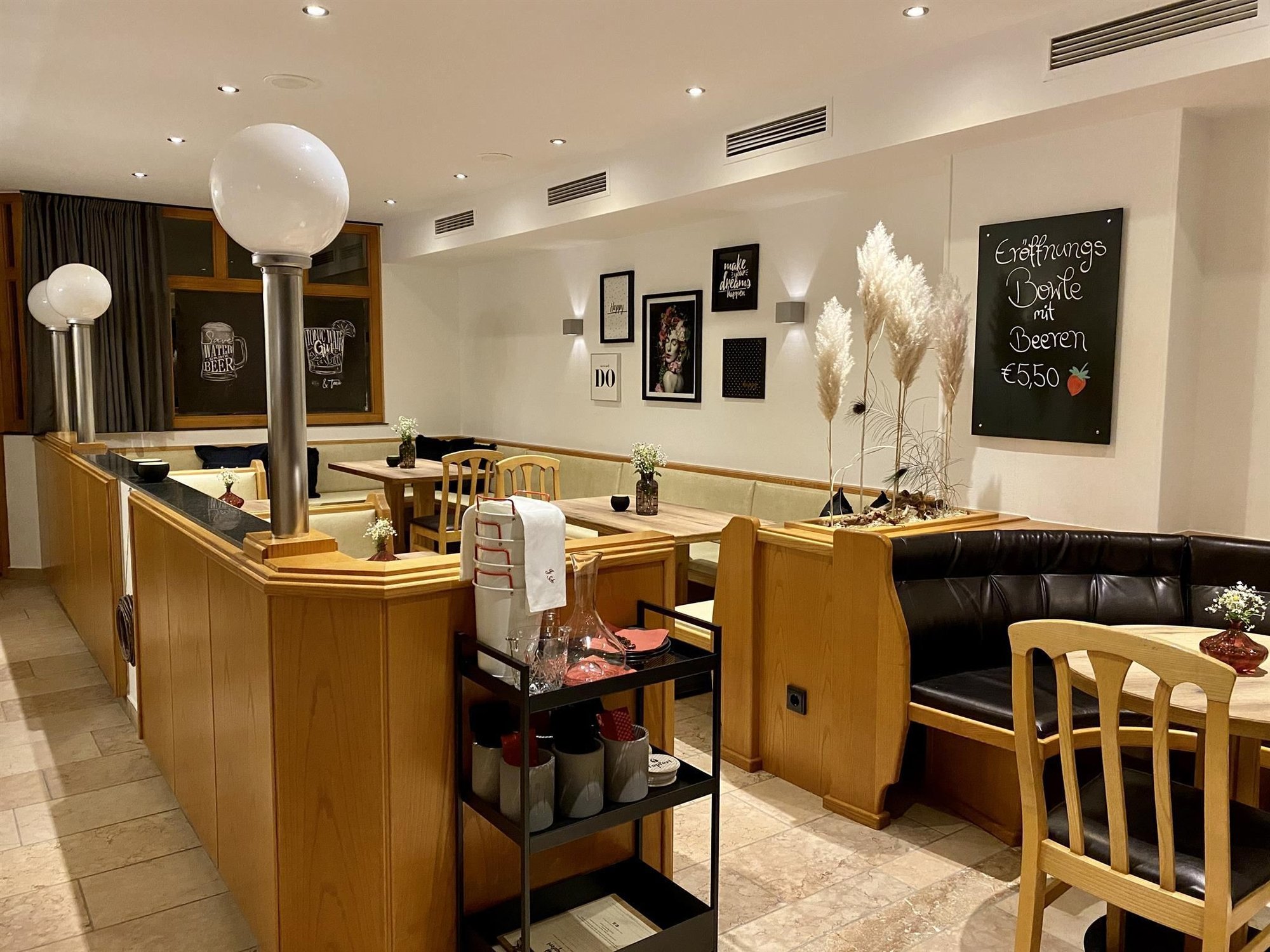
Stylish table decorations and sophisticated drinks in a mountain hut atmosphere.
Tags
Vibe
Best For
Experience
Sourcing
View
At the Table
- Dress Code
- Casual
- Noise Level
- Conversational
- Service Style
- Casual
- Meal Pacing
- Standard
- Capacity
- Medium
- Kitchen
- Traditional
- Menu Format
- A la carte
- Wine Program
- Standard
Know before you go
Know Before You Go
- Getting there
- Wiege 1, 6365, Austria
Planning details
Location
Also consider
Also Consider
- Bärstattalm, Notable alternative
- Kandler Alm, Notable alternative
- Maierl-Alm, Notable alternative
- Restaurant Pfeffermühle, Notable alternative
- Spitzbuam, European Contemporary, €€€
Restaurant context
How Wiegalm compares in Brixen im Thale
Wiegalm is the easier, lower-commitment choice when the plan is built around being in the mountains rather than chasing a clearly defined cuisine or wine-led meal. Spitzbuam is the more specific pick for diners who want European Contemporary cooking and are comfortable with a €€€ signal.
Kandler Alm is the closest like-for-like cross-shop for an alpine meal in Brixen im Thale, while Bärstattalm and Maierl-Alm make more sense if the day's route already points outside the town center. For a more conventional restaurant alternative beyond the immediate area, Restaurant Pfeffermühle is the comparison to check.
Recommendation: pick Wiegalm for an easy alpine stop, pick Spitzbuam for the more defined food brief, and pick Kandler Alm when the priority is staying within Brixen im Thale while comparing similar mountain-leaning options.
Explore Brixen im Thale
Around this place
Discover more on Pearl
Unlock the full Wiegalm guide in Pearl, including awards, comparisons, FAQs, planning details, and nearby places.
Compare Wiegalm
| Venue | Location | Cuisine | Price | Awards |
|---|---|---|---|---|
| Wiegalm | Brixen im Thale | , | , | No published awards |
| Bärstattalm | Kirchberg in Tirol | , | , | No published awards |
| Kandler Alm | Brixen im Thale | , | , | No published awards |
| Maierl-Alm | Kirchberg in Tirol | , | , | No published awards |
| Restaurant Pfeffermühle | Kirchberg in Tirol | , | , | No published awards |
| Spitzbuam | Brixen im Thale | European Contemporary | €€€ | Star Wine Lists 2026Michelin Guide Austria 20262025 Michelin Plate2024 Michelin Plate |


.png?width=1200&quality=80)
How Wiegalm Brixen im Thale compares with similar nearby venues.
FAQ
Frequently Asked Questions
Can I eat at the bar at Wiegalm?
Details about bar seating are not available for Wiegalm. If bar dining matters to your plan, confirm the seating setup with the venue before you go.
What are alternatives to Wiegalm in Brixen im Thale?
If you want other options to compare, consider Restaurant Pfeffermühle, Bärstattalm, Kandler Alm, Maierl-Alm, and Spitzbuam. Wiegalm is a simple reference point when you want a casual option in Brixen im Thale.
Is Wiegalm good for a special occasion?
Wiegalm may fit a low-key occasion if a casual setting in Brixen im Thale is what you want. If you need a formal format, a specific menu, or specific service details, confirm those points directly before booking.
Is Wiegalm good for solo dining?
Details on solo dining suitability are not available for Wiegalm. If you are planning to visit alone and care about seating style or reservation rules, confirm with the venue first.
What should I wear to Wiegalm?
Wiegalm has a casual dress code. Practical casual clothing is the safest choice for a visit in Brixen im Thale.