
alto
Contemporary · Altstadt, Bremen
Restaurant in Bremen, Germany
 Book with Pearl
The Read
Market-Adjacent Contemporary
Dress
Smart Casual
Why go
alto is a good Bremen pick when you want contemporary cooking, Michelin Plate validation, and an easier €€€ decision than the city's higher-priced dining rooms. It is strongest for polished small-group meals, work dinners, and low-pressure occasions rather than diners chasing a destination tasting-menu format.
About alto
alto in Bremen is a contemporary restaurant in the €€€ price tier with Michelin Plate recognition in 2025. It offers contemporary cuisine, smart-casual dress, and service windows that cover morning, midday, and evening periods on most days, with Sunday shifting from a morning window to an evening window.
That makes the case for alto practical rather than speculative. It should be considered by diners who want a contemporary meal in Bremen with Michelin recognition and clearly published opening times.
A Bremen contemporary room that works better for easy planning than high-drama dining
The safest way to frame alto is as a contemporary Bremen option with a smart-casual expectation and broad daily service coverage. Monday to Friday, the hours are 6:30–10 AM, 12–3 PM, and 6–10 PM. Saturday runs 7–11 AM, 12–3 PM, and 6–10 PM. Sunday runs 7 AM–12 PM and 5–10 PM.
Cuisine category is contemporary, which keeps the decision broad. This is a Bremen restaurant with €€€ pricing and Michelin Plate recognition, along with published service times.
For visitors building a wider Bremen plan, alto can be considered alongside other dining options in the city. Use the full Bremen restaurants guide for a broader shortlist. For lodging context, the full Bremen hotels guide can help coordinate where dinner fits into the rest of the trip.
Where the value holds, and where to cross-shop instead
At €€€, alto carries Michelin Plate recognition. That is the clearest value argument: it offers contemporary cooking in Bremen with a Michelin Plate in 2025 and a smart-casual dress code.
If the occasion calls for comparison shopping, Park Restaurant is one natural name to check against alto. Ursprung, Zum Adler, Whiskyplaza, and Petit Amour may also be useful reference points depending on the kind of meal the diner is seeking.
There are limits to the recommendation. Diners looking for a chef story, named signature dishes, a tasting-menu rationale, detailed wine-program depth, allergy policies, delivery, takeout, or private-dining information should not assume those details. The grounded argument is narrower: Bremen, contemporary cuisine, €€€ pricing, smart-casual dress, published hours, and Michelin Plate recognition in 2025.
Planning details
- Location
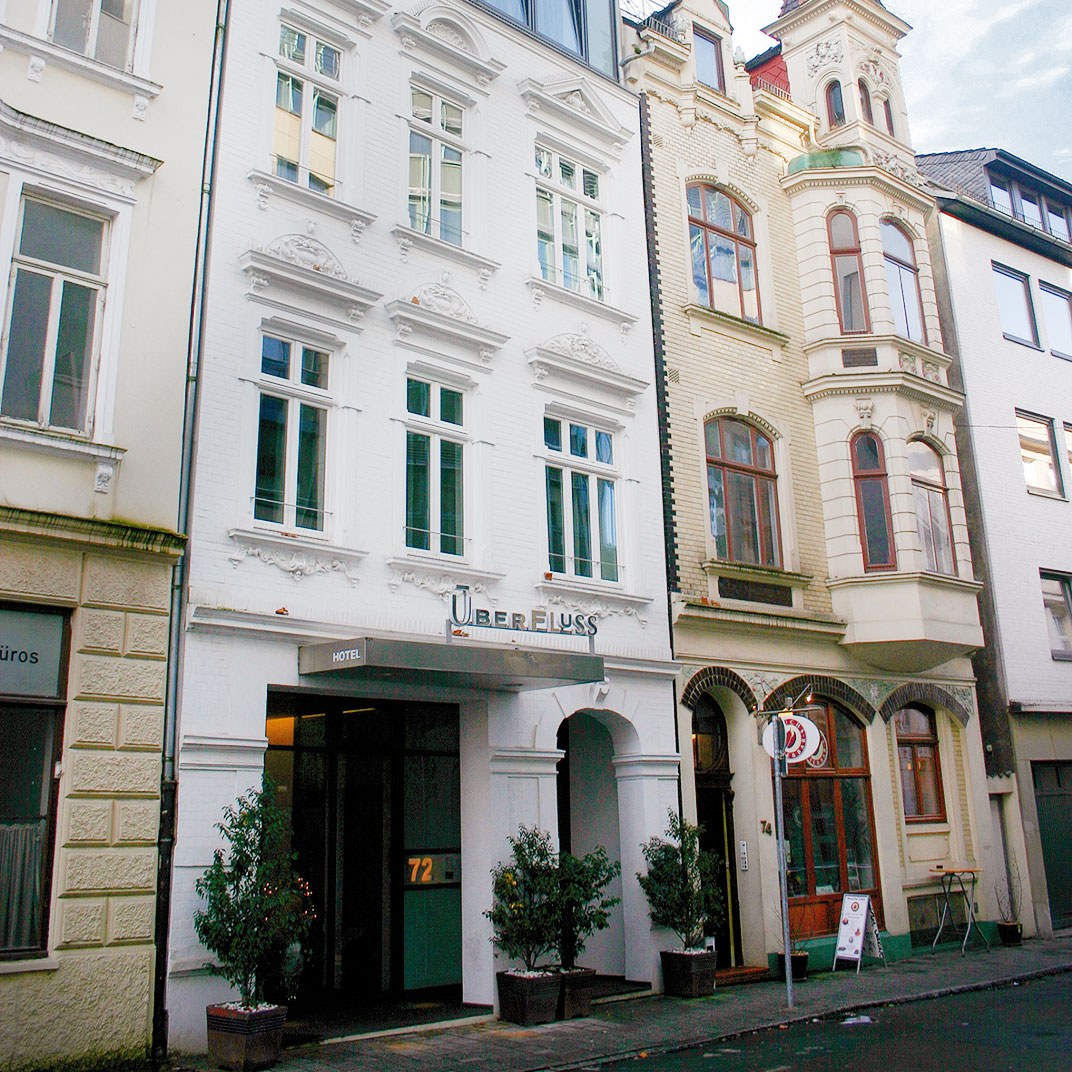
- Bredenstraße 2, 28195 Bremen, Germany
- Reservations
- Book on OpenTable
- Website
- alto-bremen.de
- Phone
- +49 421 62062599
The take
The Take
The Vibe
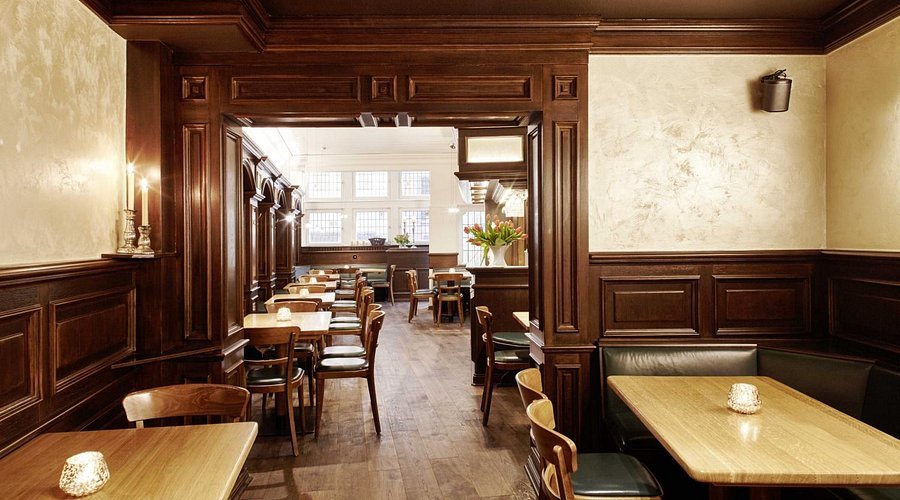
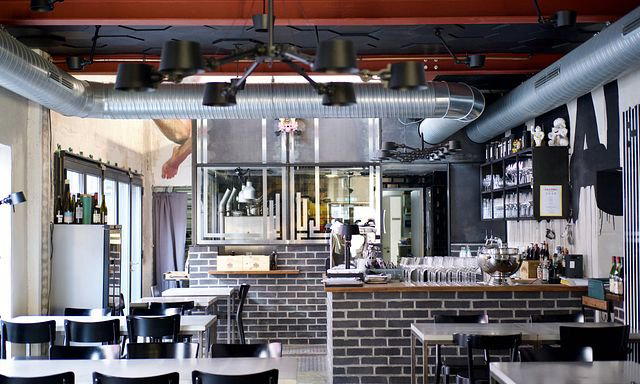
Alto presents a restrained, contemporary take on German fine dining that leans on technique rather than nostalgia. Situated on Bredenstraße near the Marktplatz, the room matches the city’s mid-century commercial streetscape: unshowy, focused and quietly confident. The piece de resistance is the cooking itself—Michelin Plate recognition underscores careful technical execution and ingredient seriousness—so the atmosphere supports the food rather than competing with it. Expect a sophisticated, low-key environment where the work is on the plate and the dining room maintains a calm, attentive tone.
Best For
Alto is a destination for diners who come to Bremen seeking contemporary, well-executed cuisine without theatrical trappings. The Michelin Plate designation signals a level of consistency that suits special evenings—business dinners that require steady quality and celebrations that prioritize the food. Its location off the picturesque canal-side circuit positions Alto as a local standout rather than a tourist spectacle, so it appeals to guests who value a focused dining experience in a quieter part of the Altstadt.
Ordering Tips
Let the kitchen’s strengths guide your choices: the menu emphasizes technical precision and ingredient clarity, so opt for dishes that showcase classic preparation. The restaurant’s signature Wiener Schnitzel and Bouillabaisse are highlighted offerings and serve as reliable indicators of the kitchen’s intent and skill. Because the approach is contemporary and ingredient-driven, select dishes that read simply on the menu to experience the clarity of technique and sourcing the Michelin Plate recognizes.
Venue details
Ambiance
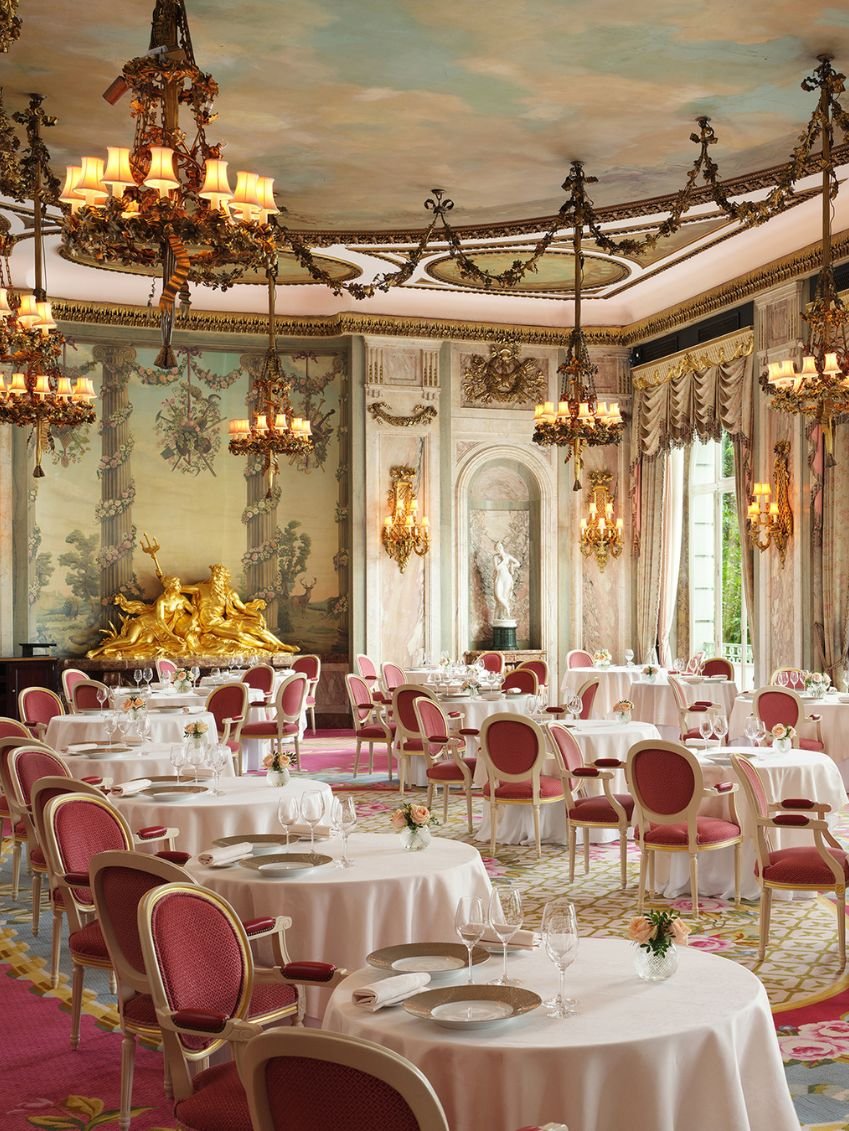
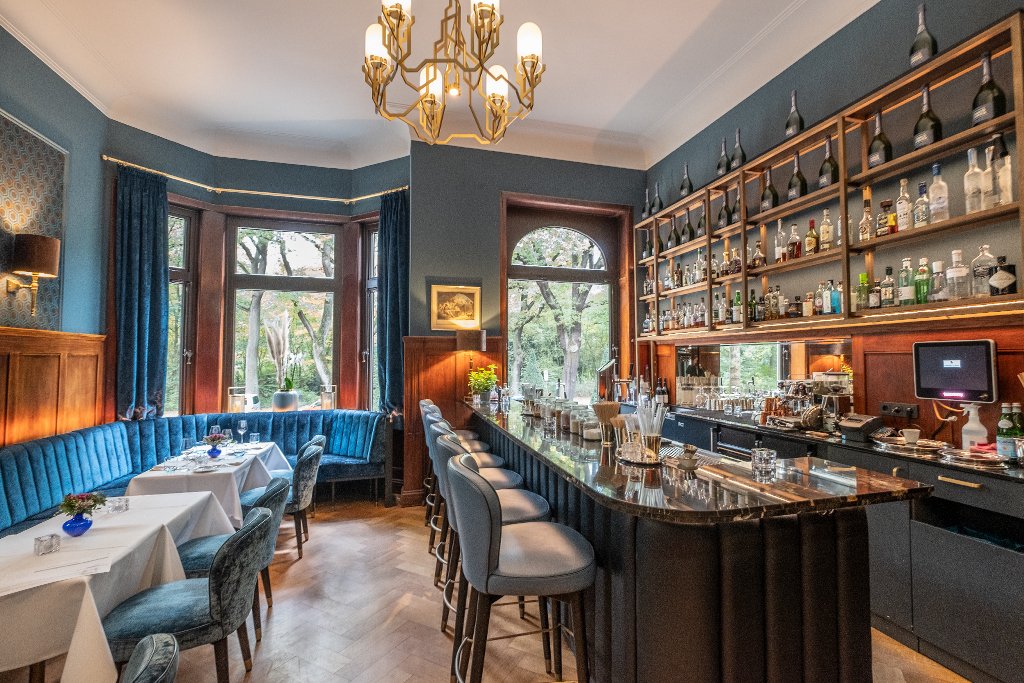
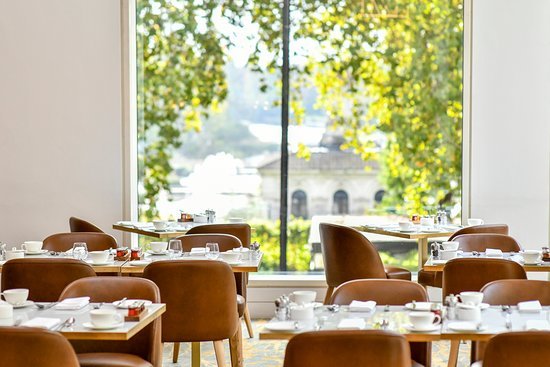
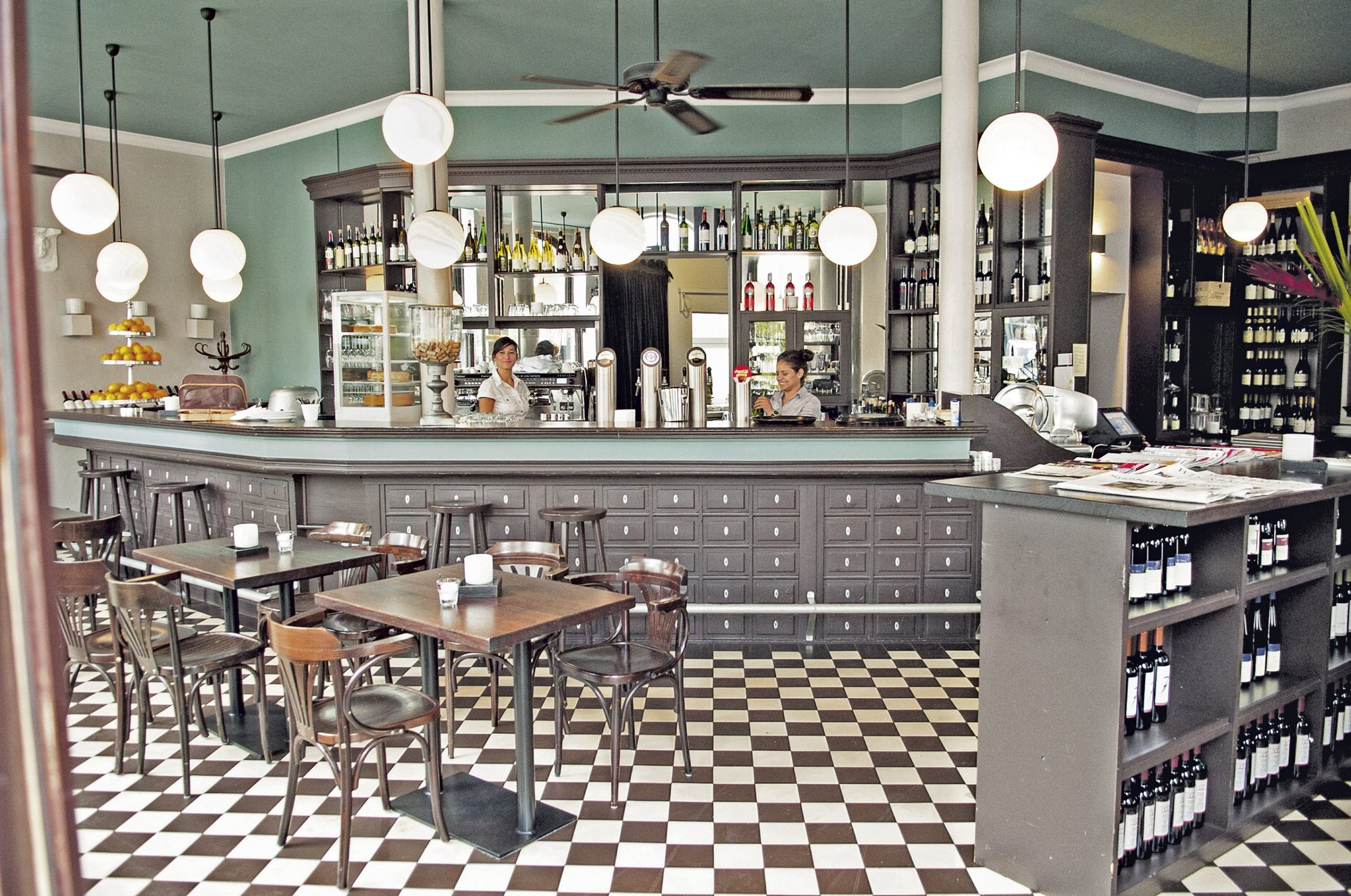
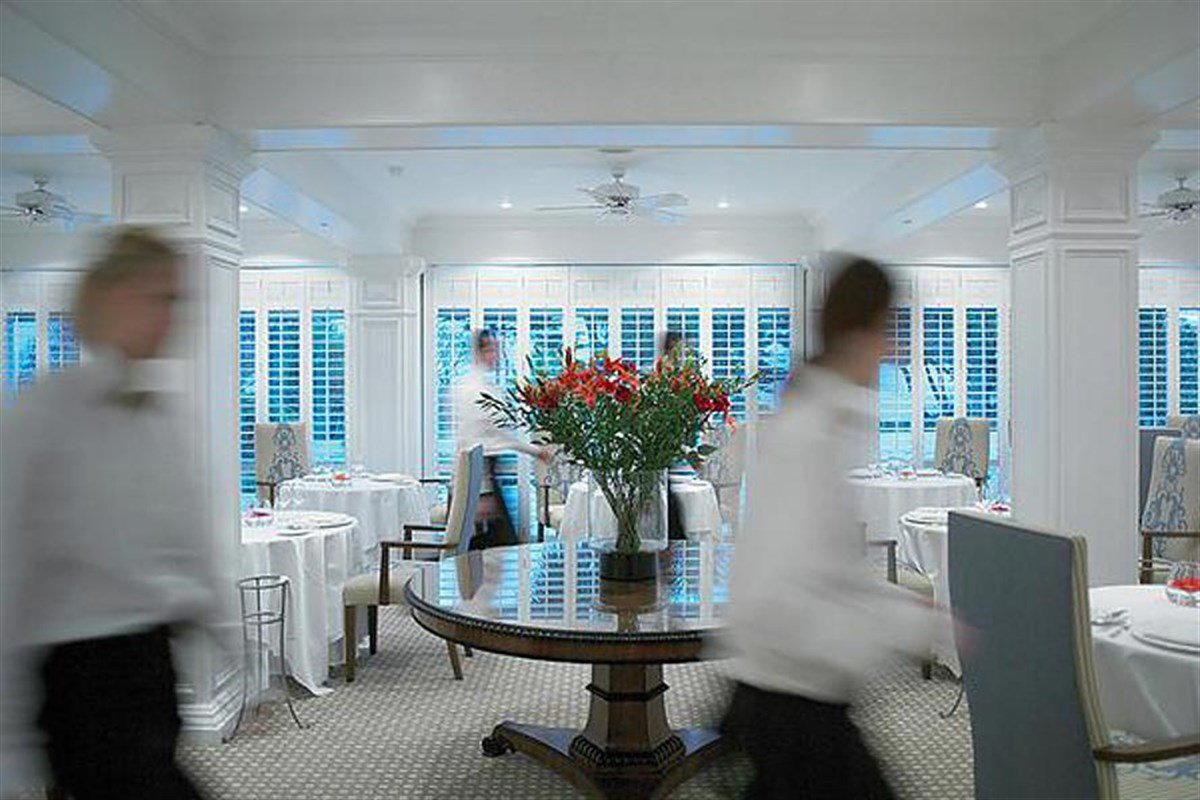
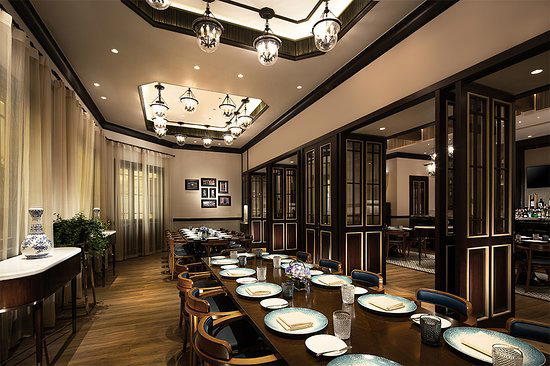
Stylish, noble, and elegant with warm inviting atmosphere, modern romantic setting, and cozy conservatory options.
Tags
Vibe
Best For
Experience
View
At the Table
- Dress Code
- Smart Casual
- Noise Level
- Conversational
- Service Style
- Upscale Casual
- Meal Pacing
- Standard
- Capacity
- Medium
- Kitchen
- Modern
- Menu Format
- A la carte
- Wine Program
- Curated
- Dietary
- Vegetarian friendly
- Private Dining
- Available
- Outdoor Seating
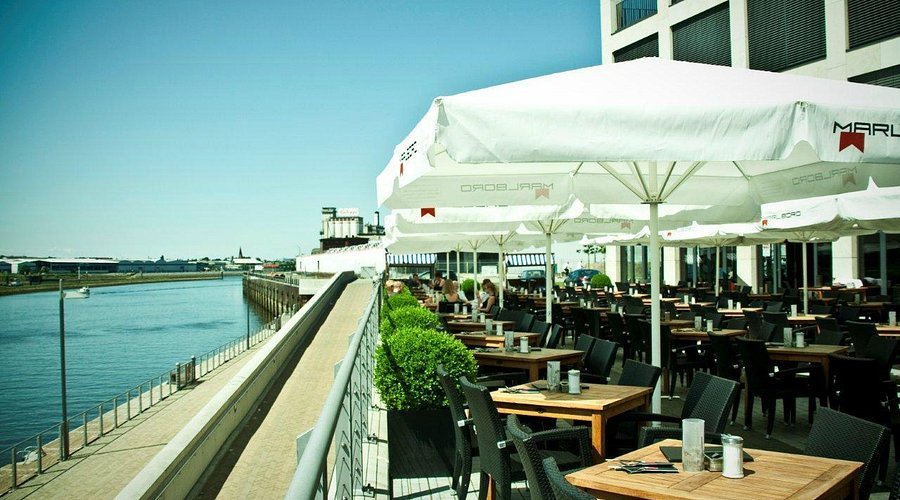
- Yes
Signature Dishes
- Wiener Schnitzel
- Bouillabaisse
Know before you go
Know Before You Go
- Getting there
- Bredenstraße 2, 28195 Bremen, Germany
Planning details
Location
Recognition and awards
Also consider
Also Consider
- Park Restaurant, Contemporary, €€€€
- Whiskyplaza, Contemporary, €€€
- Ursprung, Contemporary, €€
- Petit Amour, Contemporary, €€€€
- Zum Adler, Contemporary, €€€
Restaurant context
How alto compares in Bremen
alto is the pragmatic contemporary choice in this set: €€€, Michelin Plate-recognised, and easier to plan around than the higher-priced rooms. Park Restaurant and Petit Amour both sit at €€€€, so they make more sense when the occasion calls for a clearer splurge. For a polished dinner without committing to that tier, alto is the more measured call.
Against same-tier peers, the decision is about the kind of night you want. Whiskyplaza and Zum Adler also sit at €€€, but alto is the safer recommendation when contemporary dining is the priority and the room needs to work for a mixed group. Choose Zum Adler if the specific setting appeals more; choose alto when the meal brief is broader and lower-risk.
If value is the main filter, Ursprung is the obvious cross-shop at €€. It is the better direction for diners who want contemporary cooking with less spend attached. alto earns its place when the extra price tier buys the level of polish and recognition you want for a business dinner, date, or small celebration.
Explore Bremen
Around this place
Discover more on Pearl
Unlock the full alto guide in Pearl, including awards, comparisons, FAQs, planning details, and nearby places.
Compare alto
| Venue | Location | Cuisine | Awards | Price |
|---|---|---|---|---|
| alto | Bremen | Contemporary | Michelin Guide Germany 20262025 Michelin Plate | €€€ |
| Park Restaurant | Bremen | Contemporary | 2026 OAD Top Restaurants in North America RecommendedMichelin Guide Quebec 20262025 OAD Top Restaurants in North America Ranked · #5132025 Michelin Plate2025 The Best Chef One Knife2024 OAD Top Restaurants in North America Ranked · #5152023 OAD Top Restaurants in North America Recommended | €€€€ |
| Whiskyplaza | Hamburg | Contemporary | Michelin Guide Germany 20262026 Michelin Plate2025 Michelin Plate | €€€ |
| Ursprung | Friedrichstadt | Contemporary | Michelin Guide Germany 20262025 Michelin 1 Star2024 Michelin 1 Star | €€ |
| Petit Amour | Hamburg | Contemporary | Michelin Guide Germany 20262025 Michelin 1 Star2024 Michelin 1 Star | €€€€ |
| Zum Adler | Bünde | Contemporary | Michelin Guide Germany 20262026 Michelin Plate2025 Michelin Plate2024 Michelin Plate | €€€ |
.png?width=1200&quality=80)



How alto Bremen compares with similar nearby venues.
FAQ
Frequently Asked Questions
Is alto worth the price?
alto is in the €€€ price tier and has Michelin Plate recognition for 2025. It is most compelling for diners who want a contemporary restaurant in Bremen with Michelin recognition, rather than for anyone seeking detail on a specific tasting menu, chef story, or signature dish.
What should I wear to alto?
The dress code is smart casual. A neat, polished look is the safest choice.
What should I order at alto?
The cuisine category is contemporary, but no specific signature dish or menu format is confirmed. Choose based on the current menu and the time of day you plan to visit.
Is alto good for a special occasion?
alto can be a suitable choice if a contemporary €€€ restaurant in Bremen with Michelin Plate recognition fits the occasion. Park Restaurant is a natural name to check as part of the decision.
What are alternatives to alto?
Park Restaurant is a useful comparison. Whiskyplaza, Ursprung, Petit Amour, and Zum Adler are also names to compare depending on the style you want.