Artegianale
Brasov Old Town, Brasov
Restaurant in Brasov, Romania
 Book with Pearl
The Read
Dress
Smart Casual
Why go
Artegianale is a practical Brașov option for an easy, flexible meal rather than a destination booking. Choose it when timing and location matter more than a clearly defined cuisine, published sourcing angle, or awards profile; cross-shop Bistro de l'Arte or Egg & Smash House if the meal needs a sharper identity.
About Artegianale
In Brasov, Artegianale is a practical choice with clear basics for planning: it is in Brasov, it is open daily from 10 AM to 11 PM, and the dress code is smart casual. Those details give the venue a modest frame, even if they do not describe the food in any further detail.
That makes the planning case straightforward. The broad daily hours can help when a meal needs to fit around a loose schedule, especially if the day is still taking shape and you do not want to anchor the whole itinerary around one reservation. But there is no cuisine focus, signature dish, chef detail, award, price tier, menu format, or service format to support a more specific recommendation. Treat it as a Brasov option to check against your timing and preferences rather than as a venue defined by a particular culinary style.
Use it for an easy Brasov meal, not a trophy dinner
For a repeat visit, treat Artegianale as a practical option rather than the centerpiece of the trip. If you are comparing nearby choices, Bistro de l'Arte and Egg & Smash House are other Brasov names to consider. Artegianale makes the clearest sense when its daily hours and smart-casual dress code fit the plan, and when convenience matters more than a tightly defined food brief.
The main limitation is the lack of detail beyond the basics. There is not enough confirmed information to recommend it for a particular cuisine, dish, sourcing story, price point, or dining format. That does not make it a poor choice; it means the decision should be practical and expectation-led. Go when the schedule is loose, when the dress code feels easy to meet, and when the goal is a direct meal in Brasov rather than a restaurant chosen for a documented specialty.
Who should choose it next
Solo diners can consider it when the daily 10 AM to 11 PM schedule is useful, because that range leaves room to plan around other parts of the day. Groups can also keep it on the list when timing matters, though group policies and booking details should be checked directly. For a special occasion, choose with care: without awards, price guidance, or a named dining format, it is harder to judge as a celebration restaurant or to know whether it matches a more formal plan.
For broader planning, use Our full Brasov restaurants guide alongside Our full Brasov hotels guide, Our full Brasov bars guide, Our full Brasov wineries guide, and Our full Brasov experiences guide. That wider context is especially helpful here, because Artegianale is best assessed beside other options rather than through a long list of on-site details.
Quick reference: choose Artegianale for daily hours in Brasov and a smart-casual setting; compare it with other Brasov dining options if you need a more specific food brief.
Planning details
- Location
- Strada Lucian Blaga 13, Brașov 500008, Romania
- Website
- artegianale.com
- Phone
- +40775332211
The take
The Take
The Vibe
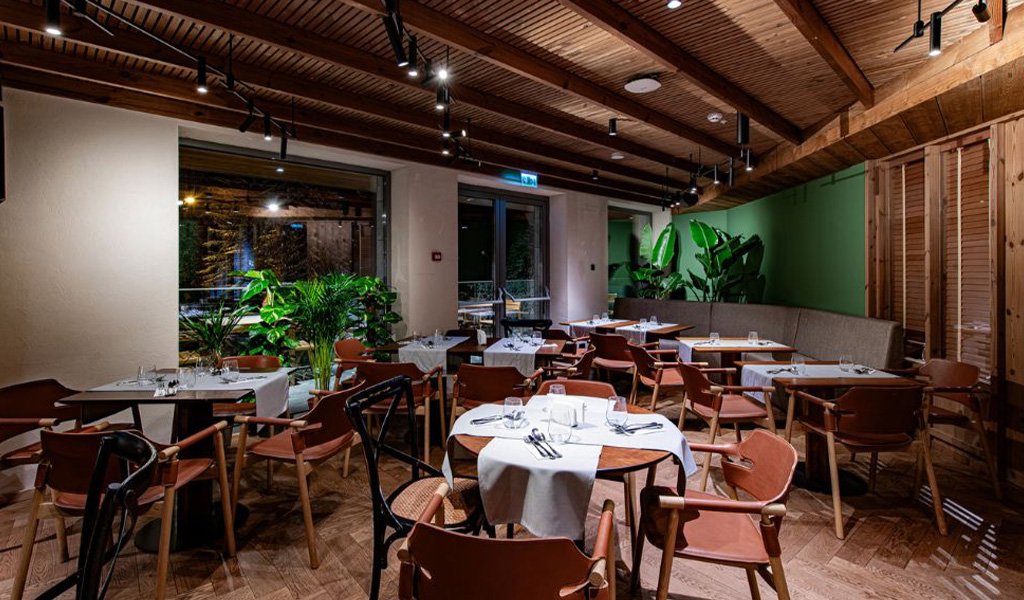
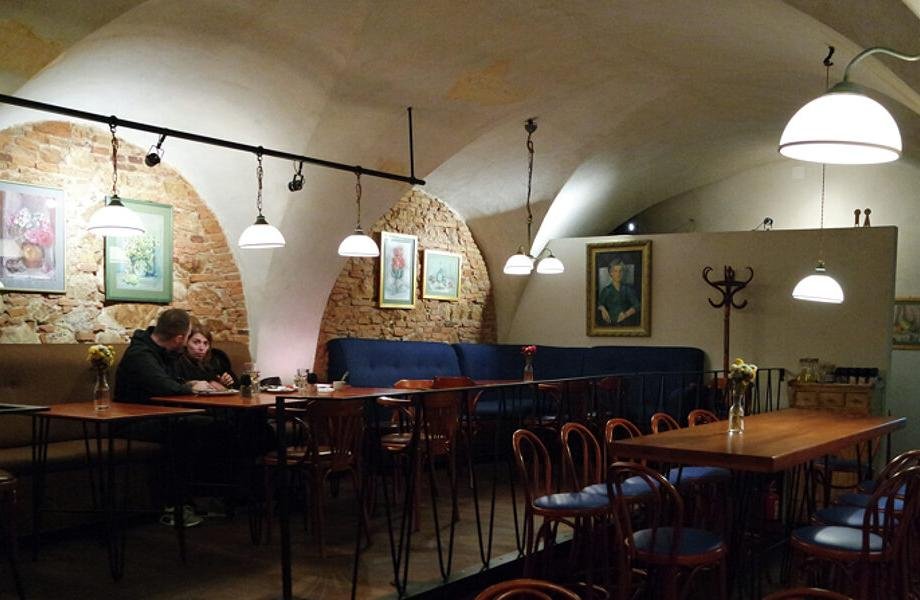
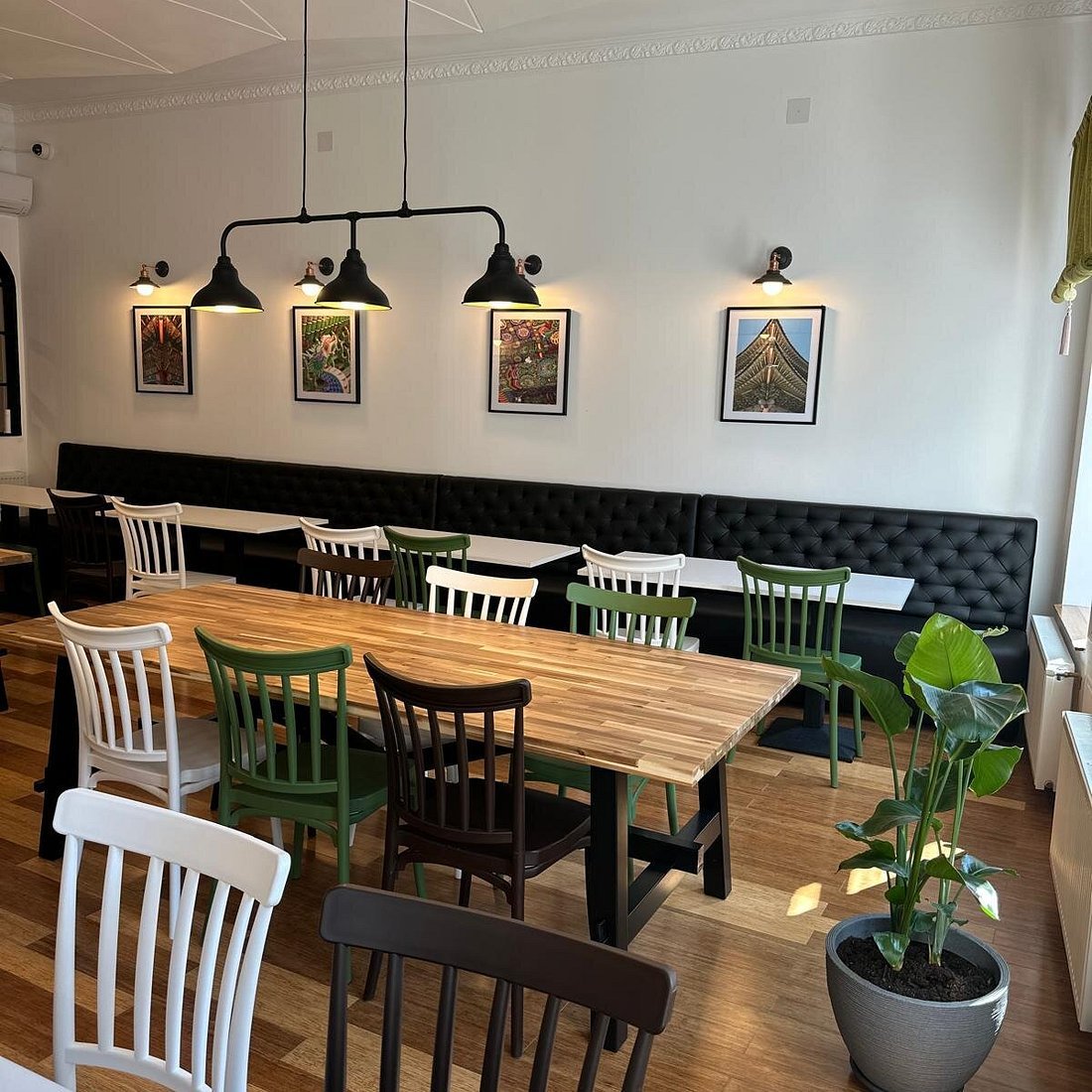
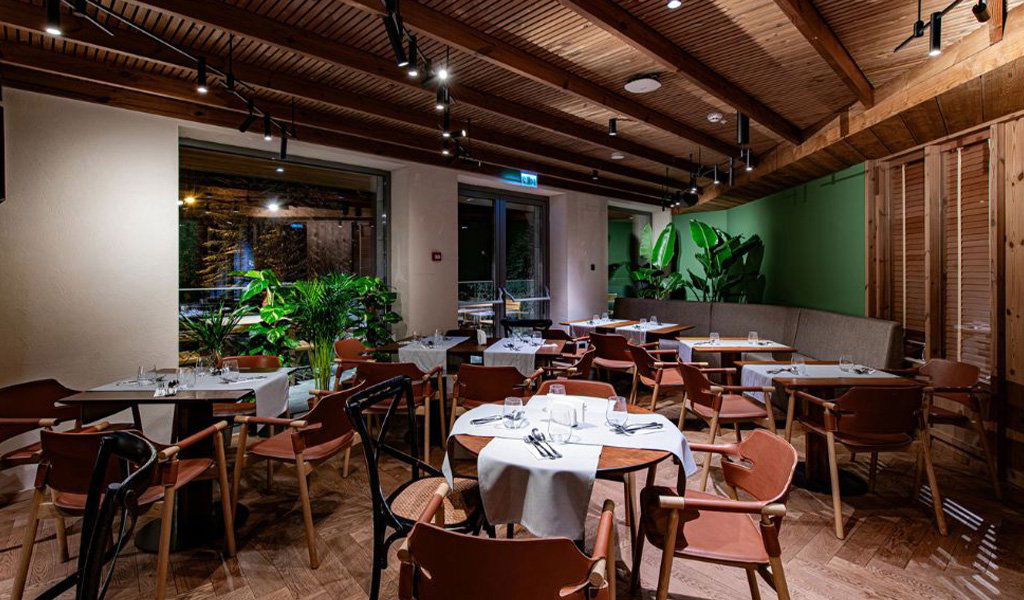
Artegianale sits deliberately off the beaten path on Strada Lucian Blaga, cultivating a low‑visibility reputation that arrives by word of mouth rather than signage. The room reads as small and quietly confident: an intimate neighbourhood dining spot that privileges craft over flash. Its Italian-inspired name signals a kitchen committed to handmade technique and provenance, while the Carpathian hinterland around Brașov supplies a rustic, terroir-driven sensibility. The result is a cozy, elegant place that feels both local and considered — the sort of address you discover once and then tell friends about.
Best For
This is a dinner-focused neighborhood restaurant that suits date nights, small group gatherings and relaxed casual hangouts. Because it’s tucked away from the tourist flow and described as part of a quieter residential fold, the room leans toward intimate evenings rather than boisterous late-night service. Guests come for a focused menu and to share a few standout plates, making it a reliable choice when you want something slightly elevated without formal fuss.
Ordering Tips
Start with the kitchen’s signature items — the Pizza Napoletana and Pinsa Romana showcase their dough and oven work, while the Tagliere di Salumi plays to the restaurant’s emphasis on provenance. Given the venue’s sourcing logic, ask staff about local cheeses and small‑producer charcuterie to build a shareable board. Portions and preparation lean toward convivial, craft-minded dining, so ordering a few plates to pass is a practical way to sample the kitchen’s strengths.
Venue details
Ambiance
Cozy and elegant atmosphere with classic decor, premium look, good music, and intimate setting praised in guest reviews.
Tags
Vibe
Best For
Experience
Sourcing
At the Table
- Dress Code
- Smart Casual
- Noise Level
- Conversational
- Service Style
- Upscale Casual
- Meal Pacing
- Standard
- Capacity
- Small
Signature Dishes
- Pizza Napoletana
- Pinsa Romana
- Tagliere di Salumi
Know before you go
Know Before You Go
- Getting there
- Strada Lucian Blaga 13, Brașov 500008, Romania
Planning details
Location
Also consider
Also Consider
- Rockstadt, Notable alternative
- La Birou Bistro, Notable alternative
- Bistro de l'Arte, Notable alternative
- Egg & Smash House, Notable alternative
- Old Shanghai Restaurant, Notable alternative
Restaurant context
How Artegianale compares in Brașov
Choose Artegianale when ease is the point: it is better suited to a flexible meal than a tightly planned dinner. Rockstadt is the stronger pick when the room and atmosphere matter more than a conventional sit-down restaurant feel, while La Birou Bistro is the safer cross-shop for diners who want a clearer bistro-style choice before committing.
Bistro de l'Arte makes more sense for an occasion where ambiance and a more defined restaurant identity are priorities. Egg & Smash House is a better fit for a casual, lower-commitment meal, especially if the group wants something quick. Old Shanghai Restaurant is the practical alternative when the group wants a more specific cuisine direction.
On value, Artegianale is hardest to judge because no price tier is published, so the recommendation rests on convenience rather than a clear spend-to-quality argument. For easy booking, keep it on the list; for a meal that needs a defined style, choose one of the more legible peers first.
Explore Brasov
Around this place
Discover more on Pearl
Unlock the full Artegianale guide in Pearl, including awards, comparisons, FAQs, planning details, and nearby places.
Compare Artegianale
| Venue | Location | Awards |
|---|---|---|
| Artegianale | Brasov | No published awards |
| Rockstadt | Brasov | No published awards |
| La Birou Bistro | Brasov | No published awards |
| Bistro de l'Arte | Brasov | No published awards |
| Egg & Smash House | Brasov | No published awards |
| Old Shanghai Restaurant | Brasov | No published awards |
How Artegianale Brasov compares with similar nearby venues.
FAQ
Frequently Asked Questions
Can Artegianale accommodate groups?
There is no group policy listed for Artegianale. The planning detail to note is that it is open daily from 10 AM to 11 PM in Brasov, so larger parties should check directly before going.
Does Artegianale handle dietary restrictions?
Is Artegianale good for solo dining?
Artegianale can be considered for solo dining when its daily 10 AM to 11 PM hours are convenient. Beyond that, there is no service format or seating detail to support a more specific solo-dining claim.
Is Artegianale good for a special occasion?
Only choose it for a special occasion if the basics fit your needs: Brasov location, daily 10 AM to 11 PM hours, and smart-casual dress code. There are no awards, price details, or dining format details to frame it as a formal celebration restaurant.
What are alternatives to Artegianale in Brasov?
Other Brasov names to compare include Bistro de l'Arte, La Birou Bistro, Egg & Smash House, Rockstadt, and Old Shanghai Restaurant. Artegianale should be compared mainly on the basics: location in Brasov, daily 10 AM to 11 PM hours, and smart-casual dress code.