Tokaj
Bialystok center, Białystok
Restaurant in Białystok, Poland
 Book with Pearl
The Read
Dress
Smart Casual
Why go
Tokaj is a practical Białystok city-centre choice when convenience matters more than a tightly defined cuisine, chef profile, or award signal. It suits flexible meals and smaller groups better than diners seeking a confirmed private-dining setup; cross-shop PizzaProsta, Sztuka Mięsa, Sztuka Chleba i Wina, Farina, or Sakura Sushi Białystok when the occasion needs a clearer category promise.
About Tokaj
Tokaj is a Białystok restaurant with a small set of planning details: it is open daily from 12–10 PM and has a smart-casual dress code. Beyond those basics, it does not specify cuisine, price tier, chef, awards, private dining, or a specific menu format.
Use Tokaj as a practical option when the schedule and dress expectations matter most. Because details are limited, compare it with other Białystok dining choices if you need a clearer brief before deciding.
Book it for a flexible Białystok meal, not a defined private-dining brief
For groups, the main question is expectation management. It does not offer private dining capacity or a separate event format, so larger parties should not assume a dedicated room, set menu, or formal group package. If the meal needs a more specific brief, Sztuka Mięsa and Sztuka Chleba i Wina are natural comparison points to check alongside Tokaj.
Solo diners and pairs can be more relaxed about the choice. The daily 12–10 PM schedule makes the restaurant easy to fit around a Białystok day. If you want to compare Tokaj with other named options, PizzaProsta or Farina Kijowska Napoletano Vero Pizza Białystok Najlepsza Restauracja Włoska may be useful cross-shops, while Sakura Sushi Białystok is another Białystok option to consider.
Who should choose another Białystok table
Skip this if the decision depends on published accolades, named chef credentials, a known tasting format, or a disclosed price range. It does not offer these details. That does not make it a bad booking; it makes it a lower-commitment one.
For a first visit to the city, use Tokaj as a convenient meal rather than the whole plan. If the day needs a restaurant with more specific offerings, compare Tokaj with other dining in Białystok before committing.
Quick reference: choose it for daily 12–10 PM hours and a smart-casual Białystok meal; cross-shop other venues if the meal needs a clearer brief.
Planning details
- Location
- Icchoka Malmeda 7, 15-440 Białystok, Poland
- Website
- tokaj.com.pl
- Phone
- +48857420807
The take
The Take
The Vibe
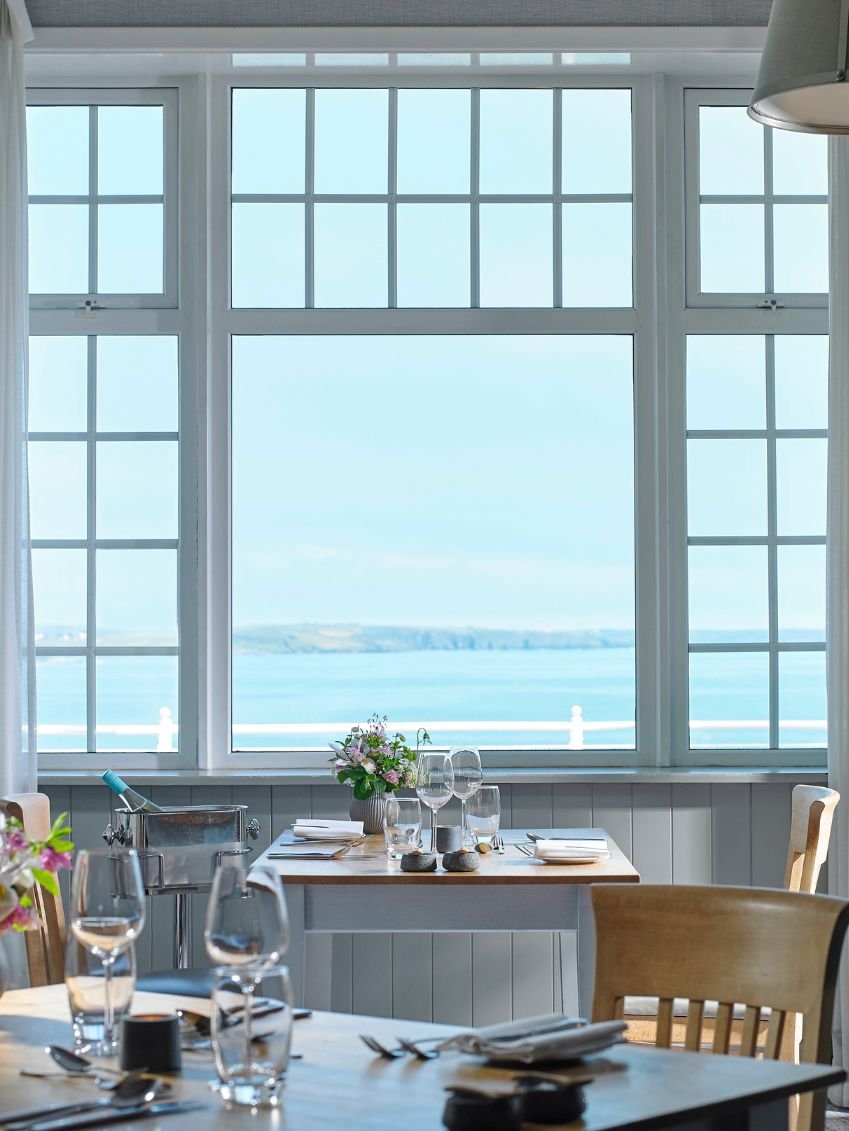
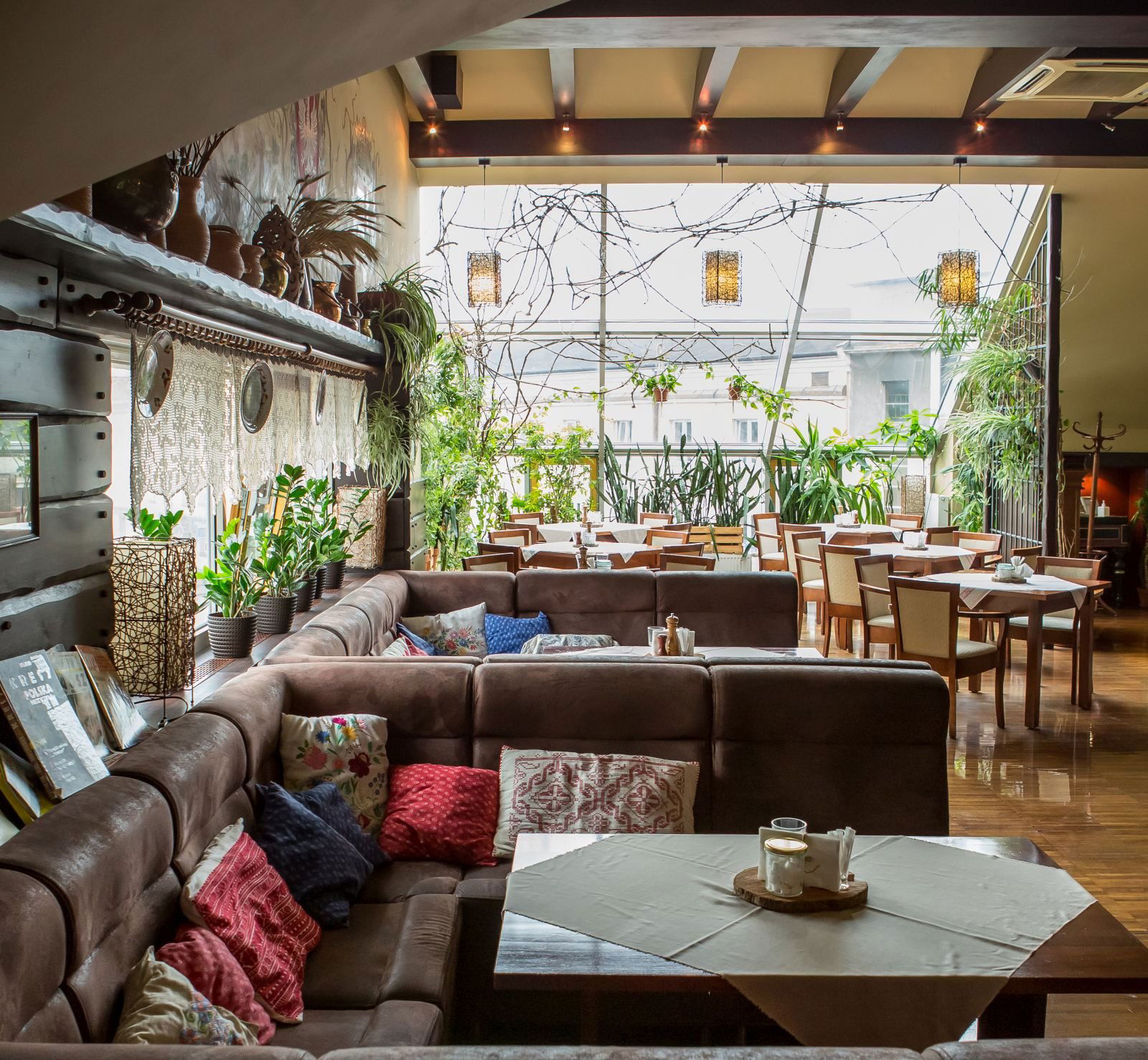
Tokaj sits on Icchoka Malmeda Street, a lane that carries the memory of Białystok’s Jewish quarter; that history is present in the way the venue registers with the neighbourhood. The name itself — a nod to the Tokaj wine region — signals layered cultural reference points, giving the place a quietly reflective air. Rather than a loud, tourist-facing operation, Tokaj feels embedded in local rhythms: modest, contemplative and attentive to context. Visitors encounter an understated, intimate atmosphere where the past and present converse, and where a measured, local crowd shapes the room more than outside trends.
Best For
Tokaj is best suited to people who want a neighbourhood meal with historical resonances rather than a high‑traffic tourist experience. It works well for date nights and quiet evenings out, especially for locals and visitors who prefer off‑the‑beaten‑path dining. The writeup contrasts Tuesday evenings with busier Fridays, so it’s a place that rewards weekday discovery as much as Friday night plans. If you’re exploring Białystok beyond the main squares, Tokaj is a natural stop for a thoughtful, low‑key dinner that leans into the area’s lived history and community feel.
Venue details
Tags
Best For
At the Table
- Dress Code
- Smart Casual
- Noise Level
- Conversational
- Service Style
- Upscale Casual
- Meal Pacing
- Standard
- Capacity
- Medium
- Menu Format
- A la carte
- Wine Program
- Standard
Know before you go
Know Before You Go
- Getting there
- Icchoka Malmeda 7, 15-440 Białystok, Poland
Planning details
Location
Also consider
Where to go if Tokaj is not the right fit
If the group wants a clearer casual brief, try PizzaProsta or Farina Kijowska Napoletano Vero Pizza Białystok Najlepsza Restauracja Włoska. If the occasion needs a more defined restaurant direction, compare Sztuka Mięsa, Sztuka Chleba i Wina, and Sakura Sushi Białystok.
Restaurant context
How Tokaj compares in Białystok
Tokaj is the flexible pick in this set: useful when location and ease matter more than a specific craving. PizzaProsta and Farina Kijowska Napoletano Vero Pizza Białystok Najlepsza Restauracja Włoska are better choices when the group wants pizza and a more obvious casual format.
For a meal with a stronger restaurant brief, Sztuka Mięsa is the clearer option for diners prioritising meat, while Sztuka Chleba i Wina is easier to justify for a social wine-and-table setting. If the group wants sushi, Sakura Sushi Białystok is the direct comparison rather than a fallback.
On booking difficulty, Tokaj reads as the lower-friction choice. For value, the smarter move is to match the booking to the craving: pizza at PizzaProsta or Farina, meat at Sztuka Mięsa, wine-friendly dining at Sztuka Chleba i Wina, sushi at Sakura Sushi Białystok, and Tokaj when the plan needs a central, flexible table.
Explore Białystok
Around this place
Discover more on Pearl
Unlock the full Tokaj guide in Pearl, including awards, comparisons, FAQs, planning details, and nearby places.
Compare Tokaj
| Venue | Location | Awards |
|---|---|---|
| Tokaj | Białystok | No published awards |
| PizzaProsta | Białystok | No published awards |
| Sztuka Mięsa | Białystok | No published awards |
| Sztuka Chleba i Wina | Białystok | No published awards |
| Farina Kijowska Napoletano Vero Pizza Białystok Najlepsza Restauracja Włoska | Białystok | No published awards |
| Sakura Sushi Białystok | Białystok | No published awards |
How Tokaj Białystok compares with similar nearby venues.
FAQ
Frequently Asked Questions
Can Tokaj accommodate groups?
Tokaj may work for a group meal, but it does not offer private-dining capacity or a separate event format. Larger parties should plan ahead rather than assuming a dedicated room, set menu, or formal group package. Sztuka Chleba i Wina is another Białystok option to compare.
Is Tokaj good for solo dining?
Tokaj can suit solo diners who want a straightforward Białystok meal with a simple schedule. It is open daily from 12–10 PM, which gives solo diners a broad window to plan around. Sakura Sushi Białystok is another named option to consider.
Is lunch or dinner better at Tokaj?
Tokaj is open daily from 12–10 PM, so the better time depends on your schedule. There is no separate lunch-only or dinner-only format. If you want to compare other Białystok choices, Sztuka Mięsa is another option to check.
What should I wear to Tokaj?
The dress code is smart casual. Keep the outfit neat without treating it as a highly formal dress requirement. Sztuka Chleba i Wina is another Białystok option to compare for an evening plan.
What are alternatives to Tokaj in Białystok?
Other named options to compare include PizzaProsta, Sakura Sushi Białystok, Sztuka Mięsa, Sztuka Chleba i Wina, and Farina Kijowska Napoletano Vero Pizza Białystok Najlepsza Restauracja Włoska. Choose based on the kind of meal you want and the details each venue offers.
Is Tokaj good for a special occasion?
Tokaj may suit a relaxed Białystok meal, but it does not offer an award, chef name, private-dining setup, or formal tasting format. If the occasion depends on those details, compare it with other Białystok venues before booking.
What should a first-timer know about Tokaj?
Key facts are simple: Tokaj is in Białystok, opens daily from 12–10 PM, and has a smart-casual dress code. Do not choose it based on assumptions about cuisine, price, awards, or a fixed tasting format. Go in expecting a practical meal, not a formal event.